The 1988 American kitchen contained specific appliances, gadgets, and food storage items that defined daily American cooking for an entire generation. The Mr. Coffee. The Cuisinart food processor. The microwave with brown trim and digital clock. The Tupperware collection. The wall-mounted phone with substantial cord. Various other specific items. Almost none of these specific items exist in identical form in 2026 American kitchens — replaced by digital alternatives, smart appliances, and various other technological substitutes. Here’s what was specifically in that 1988 kitchen — and the specific items that replaced each piece across one generation.
The 1988 American kitchen represents specific technological and cultural moment when various specific appliances, storage systems, and gadgets defined daily American cooking. Walking through what was actually in that kitchen reveals substantial transformation in American kitchen culture across one generation. Most adults who were teenagers in 1988 can readily identify the specific items that defined their childhood kitchens; current young adults often find descriptions of these items genuinely incomprehensible.
The Mr. Coffee Drip Coffeemaker

The Mr. Coffee automatic drip coffeemaker (introduced in 1972) had substantially become the standard American household coffee equipment by 1988. The specific brand had become essentially generic — “Mr. Coffee” was used as generic term for drip coffeemakers regardless of specific brand. The cumulative ubiquity reflected substantial market penetration across American kitchens.
Modern American coffee equipment has substantially diversified. Single-cup brewing systems (Keurig launched 1998 but became dominant in 2000s-2010s), espresso machines, various pour-over systems, French presses, and various other alternatives have substantially fragmented the coffee equipment market. The specific 1988 Mr. Coffee dominance has been replaced by substantial brand and method diversity. Some traditional drip coffeemakers continue selling but represent substantially smaller portion of current coffee equipment market than 1988 levels.
The Cuisinart Food Processor
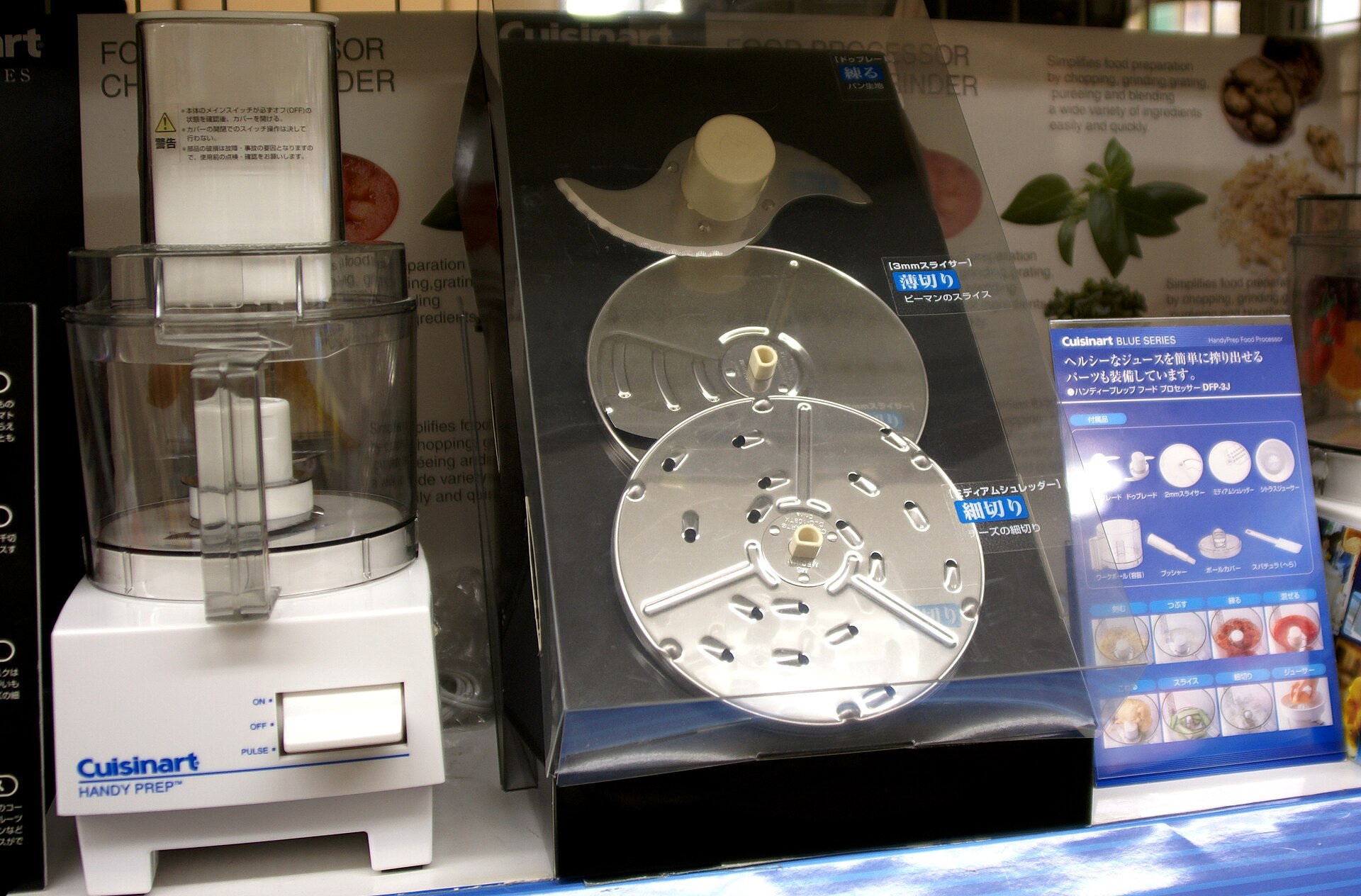
The Cuisinart food processor (introduced 1973) had substantially become standard American kitchen equipment by 1988. Specific models with various attachments enabled chopping, slicing, shredding, kneading, and various other food preparation tasks. The cumulative versatility justified substantial counter space dedication and substantial purchase prices ($150-300 in 1988 dollars).
Modern American food processor market is substantially smaller than 1988 levels. Various specific tasks (bread kneading, slicing, etc.) have been replaced by alternative equipment. Various smaller food processors and specialized equipment have replaced full-size food processors for specific tasks. The cumulative dedicated counter space for food processors has substantially declined as kitchen counter priorities have shifted. Many modern American kitchens lack food processors entirely despite their 1988 ubiquity.
The Microwave Oven
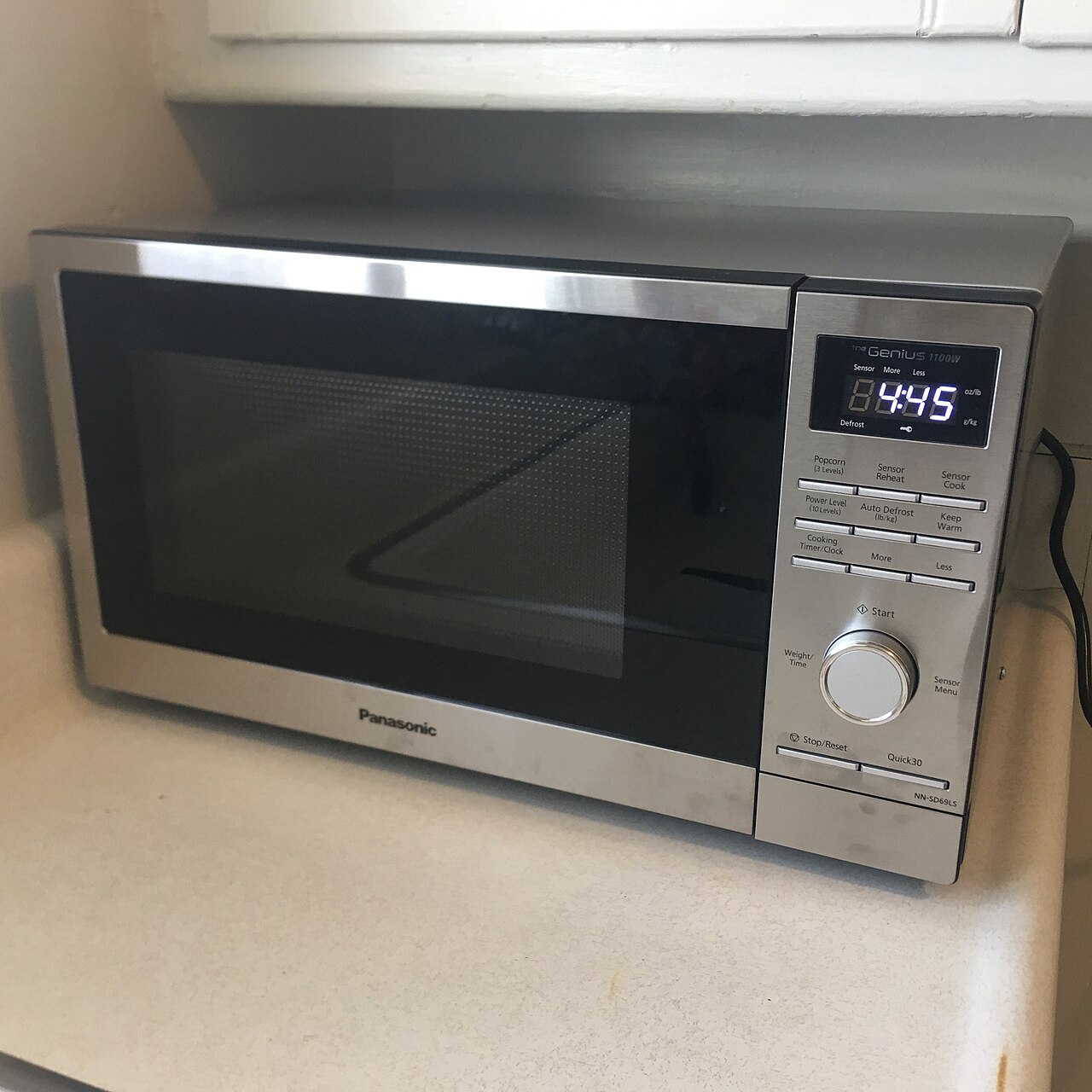
By 1988, microwave ovens had substantially penetrated American kitchens. Approximately 80%+ of American households owned microwave ovens by 1988 — substantial majority of households for technology that had been essentially absent two decades earlier. Specific 1988 microwaves typically featured: digital clocks (newly common), various automatic settings, substantial size (often 1.5+ cubic feet), and various decorative elements (brown trim was common during this period).
Modern American microwaves continue being substantially common. Various specific changes have occurred: countertop microwaves have been substantially replaced by built-in over-range models in many kitchens, sizes have varied substantially (smaller models for limited spaces, larger models for substantial cooking), various smart features have been added, various design aesthetics have changed substantially. The cumulative microwave function has remained consistent but specific implementation has substantially evolved.
The Tupperware Collection
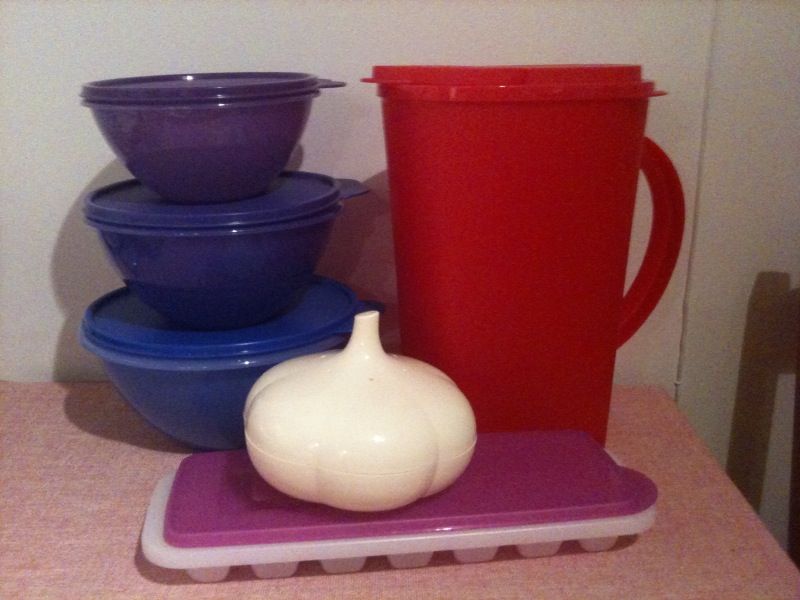
The 1988 American kitchen typically contained substantial Tupperware collection — plastic food storage containers in various sizes, with characteristic colors (often pastel oranges, yellows, blues, greens) and specific design elements. The Tupperware Party (direct-sales home parties for Tupperware products) had been substantial American social institution since the 1950s. By 1988, most American households contained substantial accumulated Tupperware from various sources.
Modern American food storage has substantially diversified beyond Tupperware. Various brands (Rubbermaid, Pyrex, OXO, various others) compete with Tupperware for storage container market share. Glass containers have substantially replaced plastic for various uses. Specific concerns about plastic safety have driven some shifts toward alternative materials. The cumulative Tupperware dominance of 1988 has been substantially replaced by diverse storage options. Tupperware Brands itself filed for bankruptcy in September 2024, ending decades of substantial American kitchen presence.
The Wall-Mounted Phone

The 1988 American kitchen typically contained wall-mounted telephone with substantial cord (often 25+ feet) that allowed users to walk around the kitchen while talking. Specific brands (AT&T, Western Electric, various others) produced kitchen-specific phones with various features. The cumulative phone served as primary American household communication device — mobile phones essentially didn’t exist for civilian use, and various household members shared the single phone for various calls.
Modern American kitchens essentially never contain wall-mounted phones. Various household members carry individual mobile phones. Smart speakers (Amazon Echo, Google Home, various others) have replaced some traditional kitchen phone functions for hands-free communication. The cumulative kitchen phone has essentially disappeared. Some older households may retain wall phones, but the universal 1988 standard has been replaced by mobile phone dominance combined with various smart home alternatives.
The Family Phone Number Memorization

A specific implication of single household phone in 1988: family members memorized substantial numbers of specific phone numbers for various contacts. Friends’ home numbers. Various family members’ numbers. School numbers. Doctor numbers. Various business numbers. The cumulative memorization was genuinely substantial — typical 1988 American adults memorized 50+ specific phone numbers for various contacts.
Modern American adults typically memorize substantially fewer phone numbers. Mobile phone contact lists have replaced memorization. Various specific situations (emergencies when mobile phones are unavailable) reveal that many adults can’t recall even their own children’s numbers without checking devices. The cumulative loss of phone number memorization represents specific cognitive change that has occurred across one generation. The 1988 mental infrastructure of memorized numbers has been substantially replaced by device-stored contacts.
The Specific Tupperware Brown Lunch Box
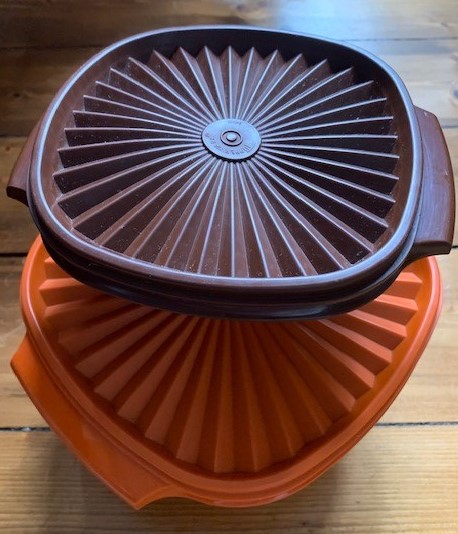
The 1988 American kitchen often contained specific Tupperware sandwich and lunch boxes with characteristic colors and designs. Children carried these to school with sandwiches, fruit, snacks, and various other items. Adults used similar containers for work lunches. Specific designs (the Tupperware sandwich box with snap closure, various lunch carrier configurations) had substantial market presence.
Modern American lunch transportation has substantially diversified. Various specific containers, insulated bags, bento boxes, and various other alternatives have replaced specific Tupperware lunch designs. School lunch culture has substantially shifted alongside container changes. The cumulative Tupperware lunch dominance has been replaced by substantial market fragmentation. The specific 1988 brown Tupperware lunch boxes that defined American childhood lunches have substantially disappeared from current American kitchens.
The KitchenAid Stand Mixer
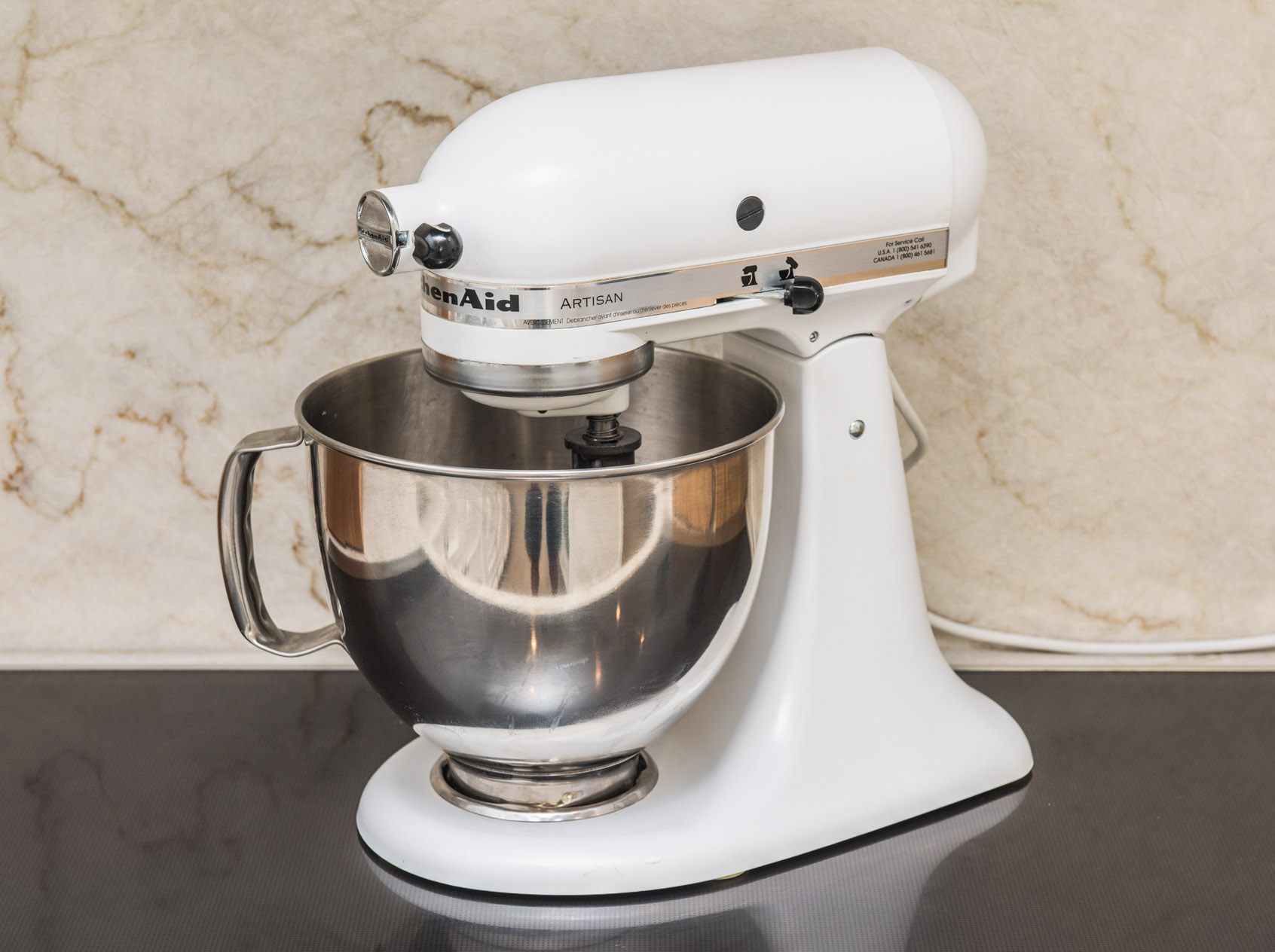
The KitchenAid stand mixer had substantial 1988 American kitchen presence, particularly for households with substantial baking traditions. Specific models with various attachments enabled mixing, kneading, whipping, and various other tasks. The cumulative versatility plus substantial durability (KitchenAid mixers from the 1960s-70s often continued functioning into 2026) made them substantial kitchen investments.
Modern KitchenAid stand mixers continue substantial market presence. The brand has substantially expanded to include various other kitchen equipment. The specific stand mixer category continues being dominated by KitchenAid alongside various competitors. The cumulative product has remained substantially consistent — current KitchenAid mixers function essentially identically to 1988 versions despite various incremental improvements. The KitchenAid stand mixer represents one of the few 1988 kitchen items that has substantially persisted into 2026 with minimal change.
The Specific Rotary Egg Beater
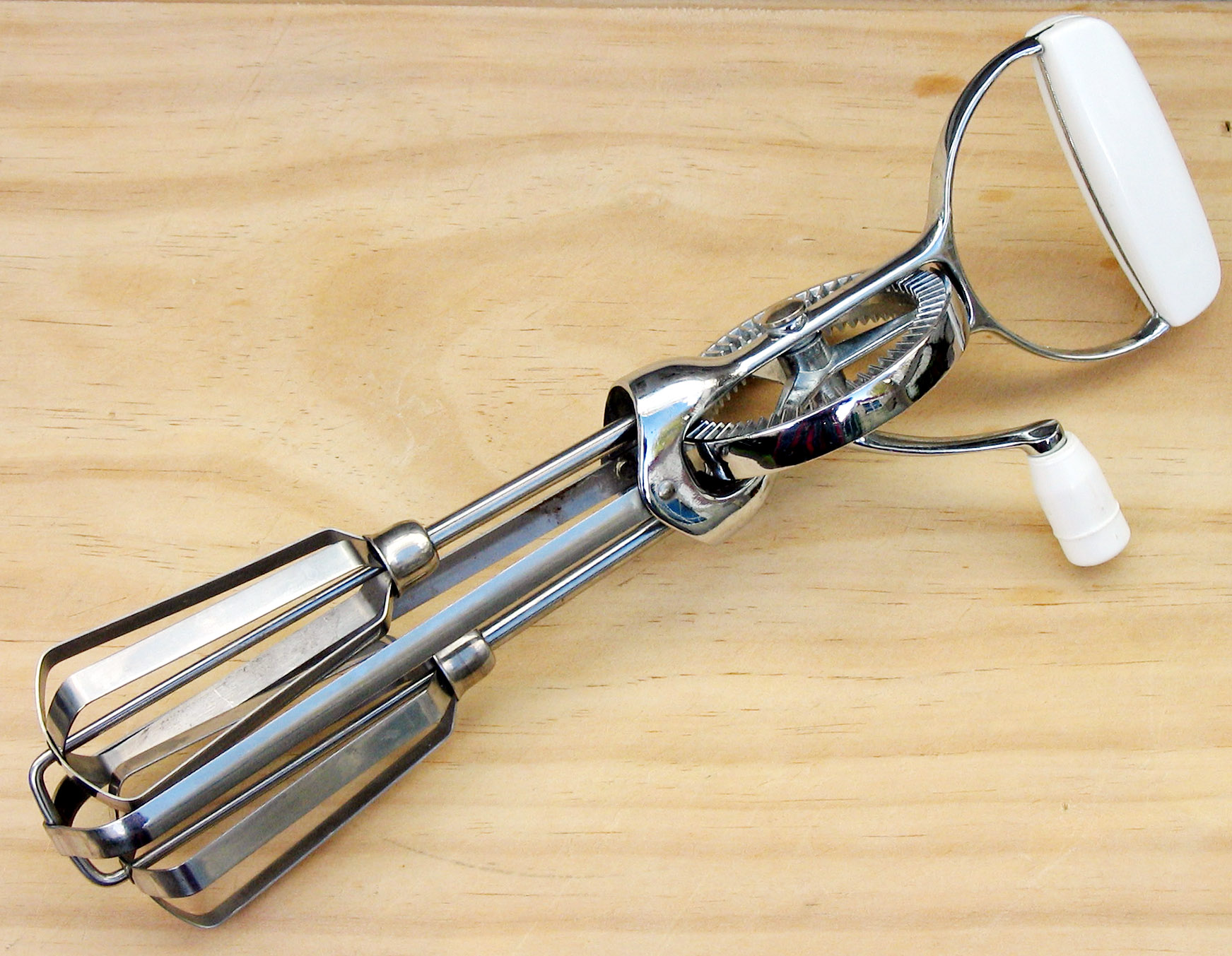
A specific item that has substantially disappeared: the rotary egg beater (manual hand-cranked beater used before electric mixers became universal). The 1988 American kitchen often contained rotary egg beater as backup or specific-task equipment alongside electric mixers. Various specific tasks (small-quantity beating, situations where electric mixers were excessive) used the rotary beater.
Modern American kitchens essentially never contain rotary egg beaters. Various electric alternatives have substantially replaced manual beating for essentially all tasks. The specific 1988 rotary egg beater that occupied drawer space in many American kitchens has essentially disappeared. Various other specific manual kitchen tools (apple corers, specific cherry pitters, various other items) have followed similar paths from 1988 ubiquity to 2026 essential extinction. The cumulative kitchen hand tool reduction has been substantial despite specific exceptions.
What This Transformation Reveals

The 1988 American kitchen represents specific technological and cultural moment that has substantially disappeared within one generation. The various specific items that defined the kitchen have been progressively replaced by digital alternatives, brand changes, technological substitutes, and various other specific changes. Walking through what was actually in that 1988 kitchen reveals how dramatically American kitchen culture has changed across approximately 38 years. The transformation isn’t necessarily improvement or decline — it’s substantial change with specific trade-offs in convenience, durability, environmental impact, social patterns, and various other factors. Modern American kitchens are substantially more efficient in various ways but also substantially more dependent on technology, specific brands, and various other elements that 1988 kitchens didn’t require. Whether the change represents progress depends on specific values about what kitchens should accomplish. What’s clear: the 1988 kitchen has substantially disappeared, replaced by alternatives that look and function substantially differently. American children growing up with current kitchens have substantially different cooking experiences than American children who grew up with 1988 kitchens — and this differs substantially from what 1988 kids experienced compared to 1958 kids. Each generation has specific kitchen infrastructure that succeeding generations find genuinely incomprehensible despite the basic kitchen function (preparing food) remaining substantially consistent across all these transformations.