

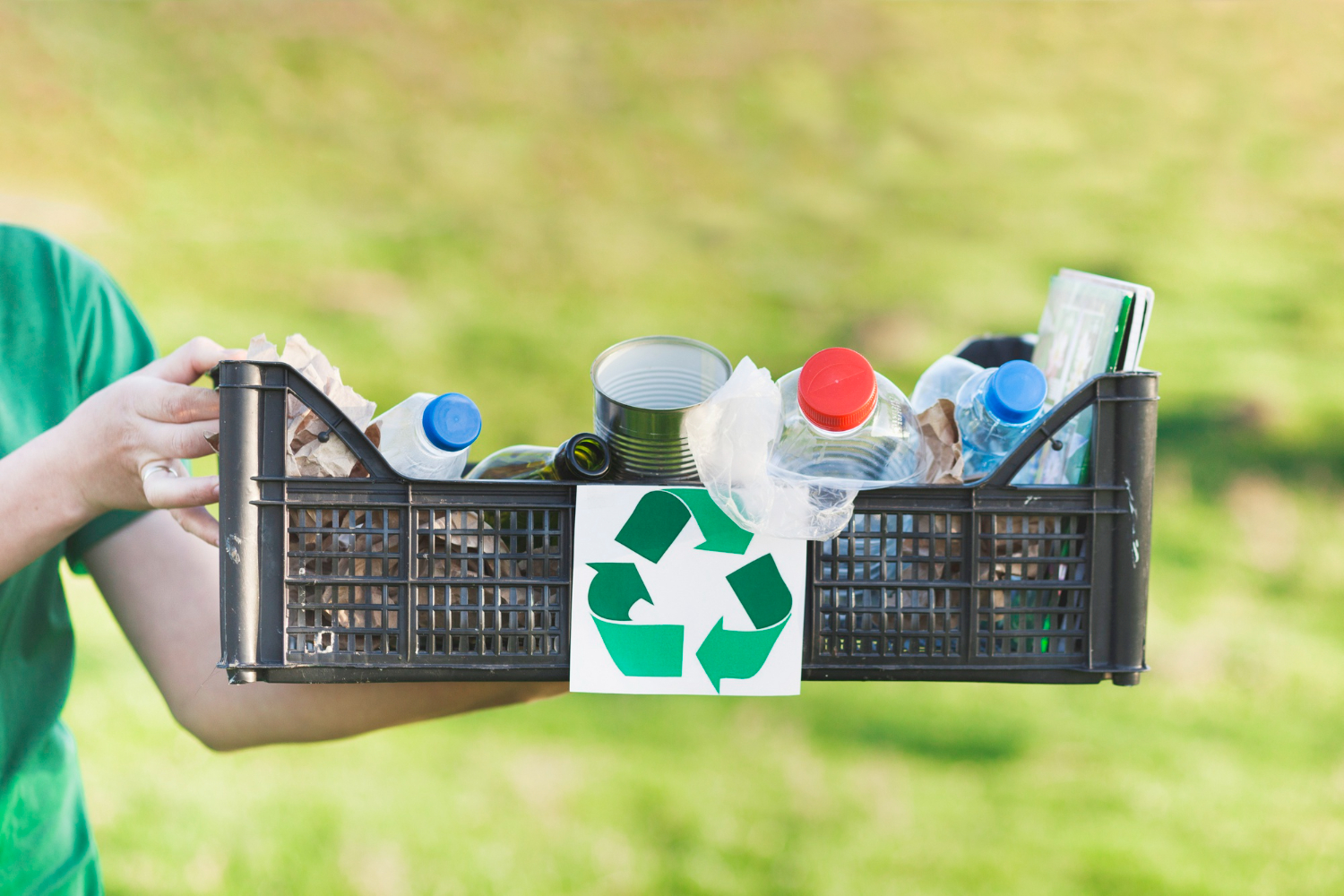
The German Pfand system requires consumers to pay deposits (typically €0.08 to €0.25) on most beverage containers — bottles, cans, and various other packaging. Consumers return empty containers to grocery stores, supermarkets, or specific deposit machines, recovering their deposits. The system has produced extraordinary recycling rates: approximately 98% of single-use plastic bottles and 99% of glass beverage bottles are returned and recycled. The system has been substantial environmental success despite various complications. Here’s how it actually works — and why other countries have struggled to replicate it.
The German Pfand system represents one of the world’s most successful container deposit systems, producing substantially higher recycling rates than essentially any other major country. The system operates through specific economic incentives that motivate consumer recycling behavior more effectively than voluntary recycling systems achieve. Understanding how the system actually works provides specific insight into successful environmental policy design — and reveals why various other countries have struggled to implement comparable systems despite Germany’s apparent success.
The Specific Deposit Structure
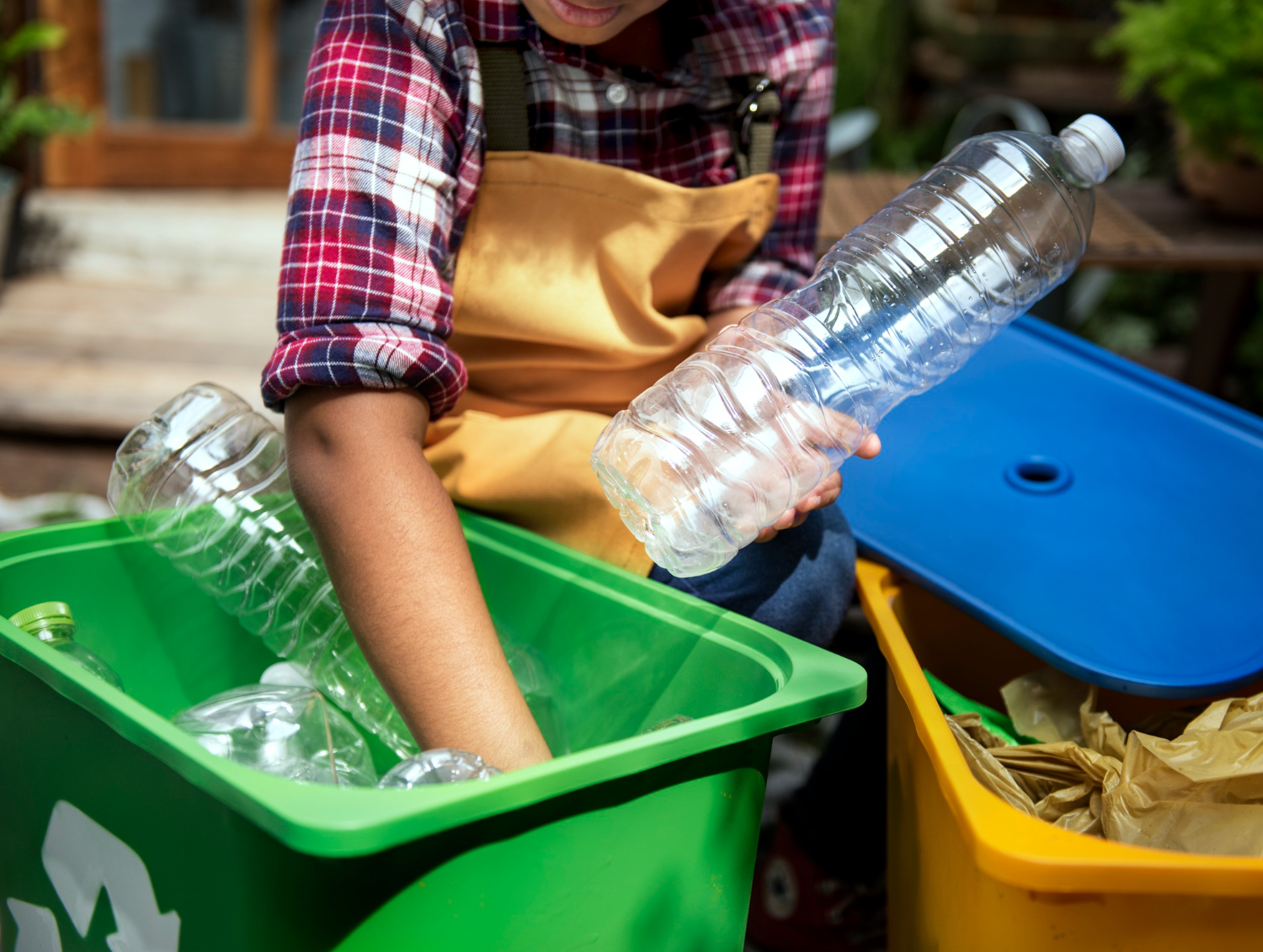
Germany’s Pfand system operates on multi-tier deposit structure. Single-use plastic bottles (Einwegpfand): €0.25 deposit. Aluminum cans: €0.25 deposit. Reusable plastic bottles: €0.15 deposit. Reusable glass bottles: €0.08 deposit. Various other containers have specific deposit amounts based on container type and reuse classification. The cumulative system distinguishes between containers that will be reused (lower deposits) and containers that will be recycled as material (higher deposits).
The cumulative deposits substantially affect consumer behavior. A six-pack of beer in single-use cans includes €1.50 in deposits — substantial portion of total purchase price. The cumulative purchase incentive ensures that consumers strongly prefer returning containers rather than discarding them. Various consumer practices reflect deposit incentives: collecting bottles from various sources, careful handling to avoid damage that affects deposit return, various other behaviors that maintain return value.
The Return Process
Most German grocery stores and supermarkets feature dedicated bottle return areas with automated machines (Pfandautomaten) that accept containers and dispense receipts redeemable for deposit refund. Consumers insert bottles or cans into specific machine slots. Machines scan barcodes, weigh containers, and verify return eligibility. Receipts are printed showing total deposit refund. Consumers redeem receipts at checkout for cash refund or applied to current grocery purchases.
The cumulative return process is essentially automated and substantially convenient. Most major grocery stores accept returns from any source — bottles purchased at one store can be returned at any participating store. The cumulative system eliminates substantial friction that other deposit systems involve. Various smaller retailers may have manual return processes rather than automated machines, but the basic system operates consistently across various retail formats.
What Items Are Subject to Pfand
Specific categories of containers carry Pfand deposits in Germany. Most beverage containers (sodas, beers, water, juices, various other drinks). Single-use bottles and cans across various sizes. Reusable bottles for various beverages. Specific other containers based on regulatory classifications. Various beverages are exempt from Pfand: wine bottles, spirits bottles, milk bottles, juice in certain packaging, various other specific exemptions.
The cumulative coverage extends to substantial portion of beverage market but doesn’t include all containers. International visitors should check specific products before assuming Pfand applies. The Pfand mark is typically clearly shown on bottle labels and can prices. Containers without Pfand marks shouldn’t be returned for deposits — they’re not subject to the system. The cumulative coverage represents specific regulatory choice rather than complete container coverage.
The Recycling Performance
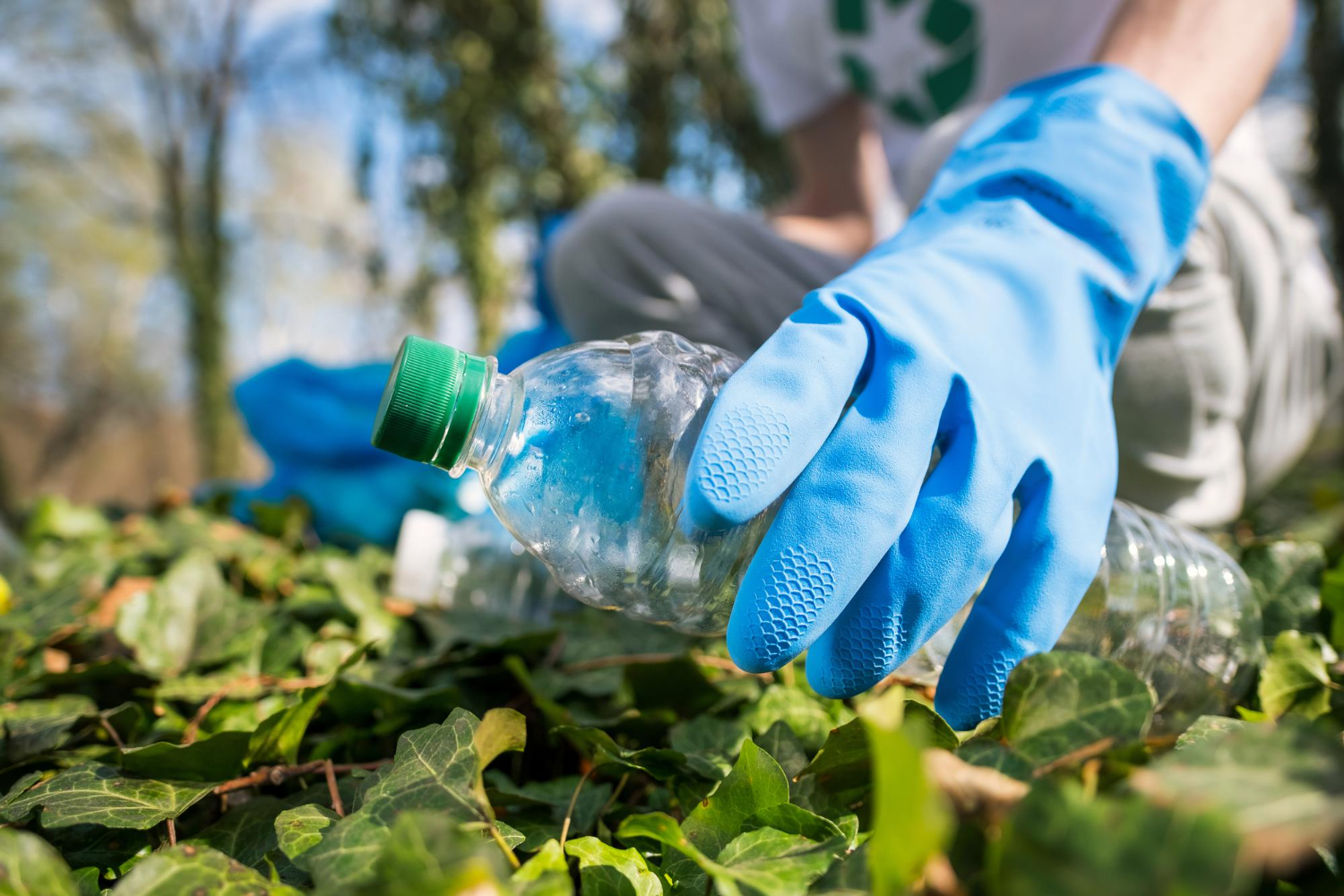
The Pfand system produces extraordinary recycling performance. Single-use plastic bottles: approximately 98% return rate. Aluminum cans: approximately 99% return rate. Reusable glass bottles: approximately 99% return rate (with cumulative reuse cycles of 25-50 trips per bottle). The cumulative recycling performance substantially exceeds essentially any other major country’s container recycling rates.
For comparison, U.S. plastic bottle recycling rates are approximately 30%. Various European countries without comparable deposit systems achieve recycling rates of 40-70%. The cumulative German performance is genuinely substantially superior to international alternatives. The system demonstrates that economic incentives produce substantial behavior changes when implemented effectively. Voluntary recycling programs essentially cannot match the performance that deposit systems achieve through specific consumer financial incentives.
The Environmental Impact
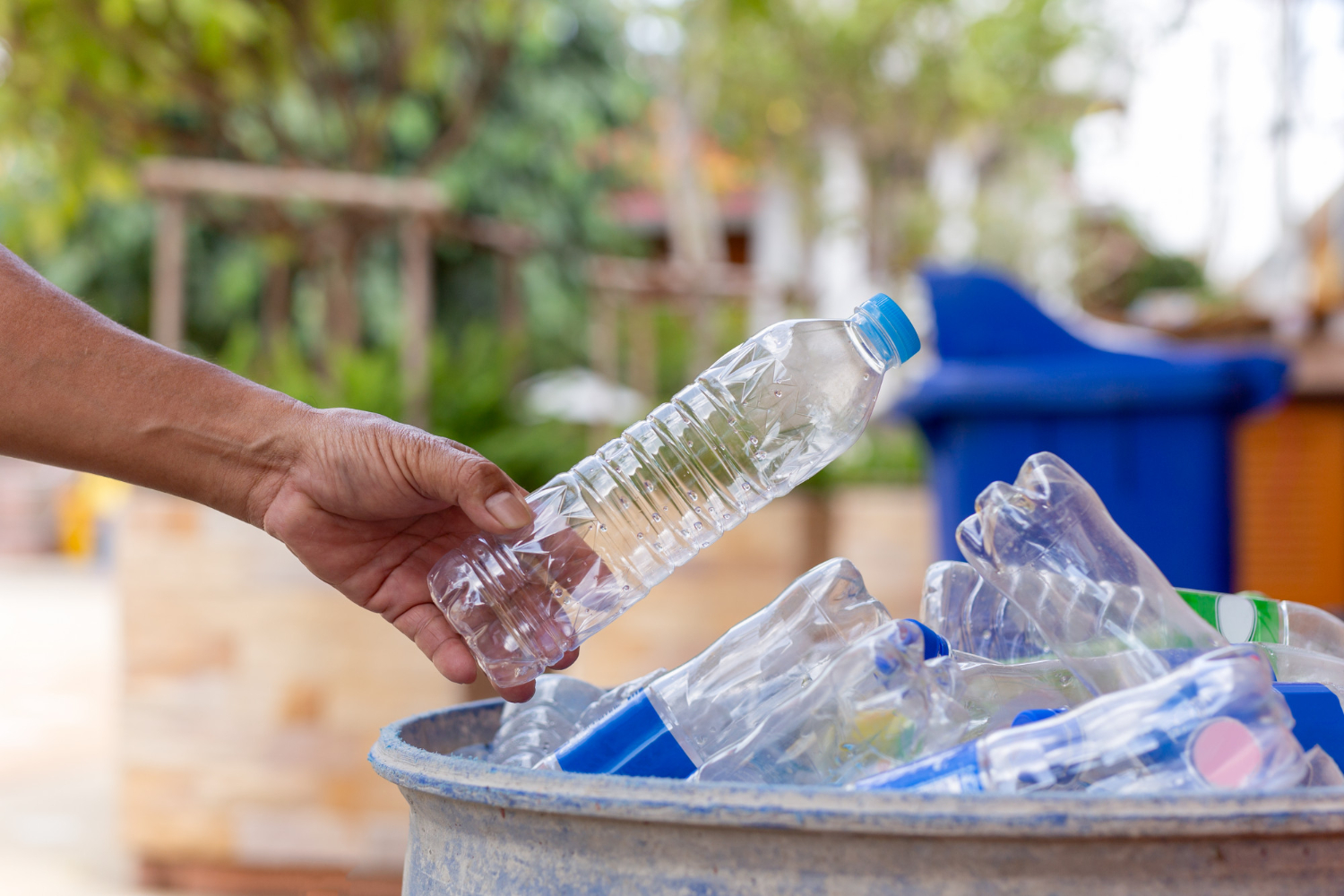
The cumulative environmental impact of Pfand performance is substantial. Approximately 16 billion bottles and cans are recycled annually through the German system. The cumulative materials recovery substantially reduces virgin material demand for new container production. The recycled materials enter substantial recycling streams that produce new containers, packaging, and various other products. The cumulative environmental benefits include reduced raw material extraction, reduced energy consumption, reduced waste disposal, and various other specific benefits.
Beyond direct material recovery, the Pfand system substantially reduces litter. Bottles and cans rarely appear as litter in German public spaces because they have specific economic value to anyone who encounters them. Various people specifically collect deposit containers as supplemental income — some homeless individuals derive substantial income from container collection. The cumulative litter reduction provides specific aesthetic and environmental benefits that voluntary systems cannot match.
The Reusable Bottle Economy
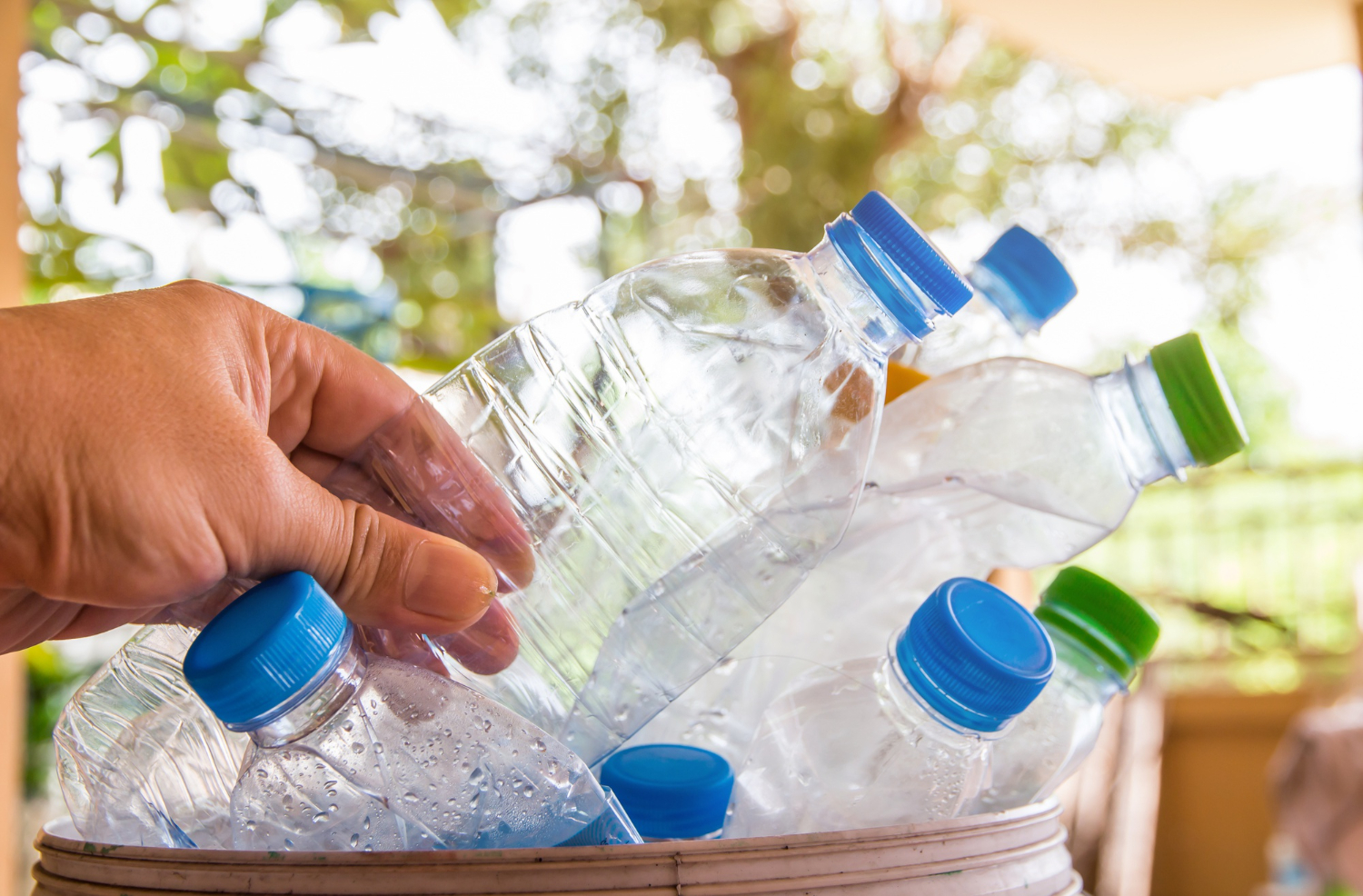
A specific aspect of the Pfand system involves reusable bottles. Various German beverages (especially beer, mineral water, various other products) use reusable bottles that move through specific cycles: filled at production, distributed to retailers, sold to consumers, returned through Pfand system, sorted and cleaned, refilled at production, redistributed. Each bottle typically completes 25-50 cycles before being recycled as material.
The cumulative reusable bottle system requires substantial infrastructure: specific bottle designs that withstand repeated use, sorting systems that route bottles to appropriate producers, cleaning systems that prepare bottles for refilling, various other operational elements. The cumulative system represents substantial investment that has been maintained across decades. Various countries have eliminated similar reusable systems in favor of single-use containers; Germany has substantially preserved reusable infrastructure through specific regulatory commitments.
The Pfand Sammeln Phenomenon

A specific cultural phenomenon involves “Pfand sammeln” (deposit collecting) — the practice of collecting deposit containers from various sources for income. Various people specifically engage in this practice: homeless individuals supplementing other income sources, students earning supplemental funds, various other people collecting containers from public spaces, parks, train stations, and various other locations. The cumulative practice represents specific income source for various populations.
Modern German cultural practice often involves deliberate placement of empty containers near garbage cans rather than inside them — leaving containers visible for collectors rather than discarding them in ways that prevent collection. The cumulative cultural adaptation represents specific social practice that supports lower-income populations through informal economic redistribution. Various German social commentary has discussed the cumulative phenomenon as both positive (providing income opportunities) and negative (representing inadequate social safety net requiring informal income generation).
Why Other Countries Haven’t Copied It
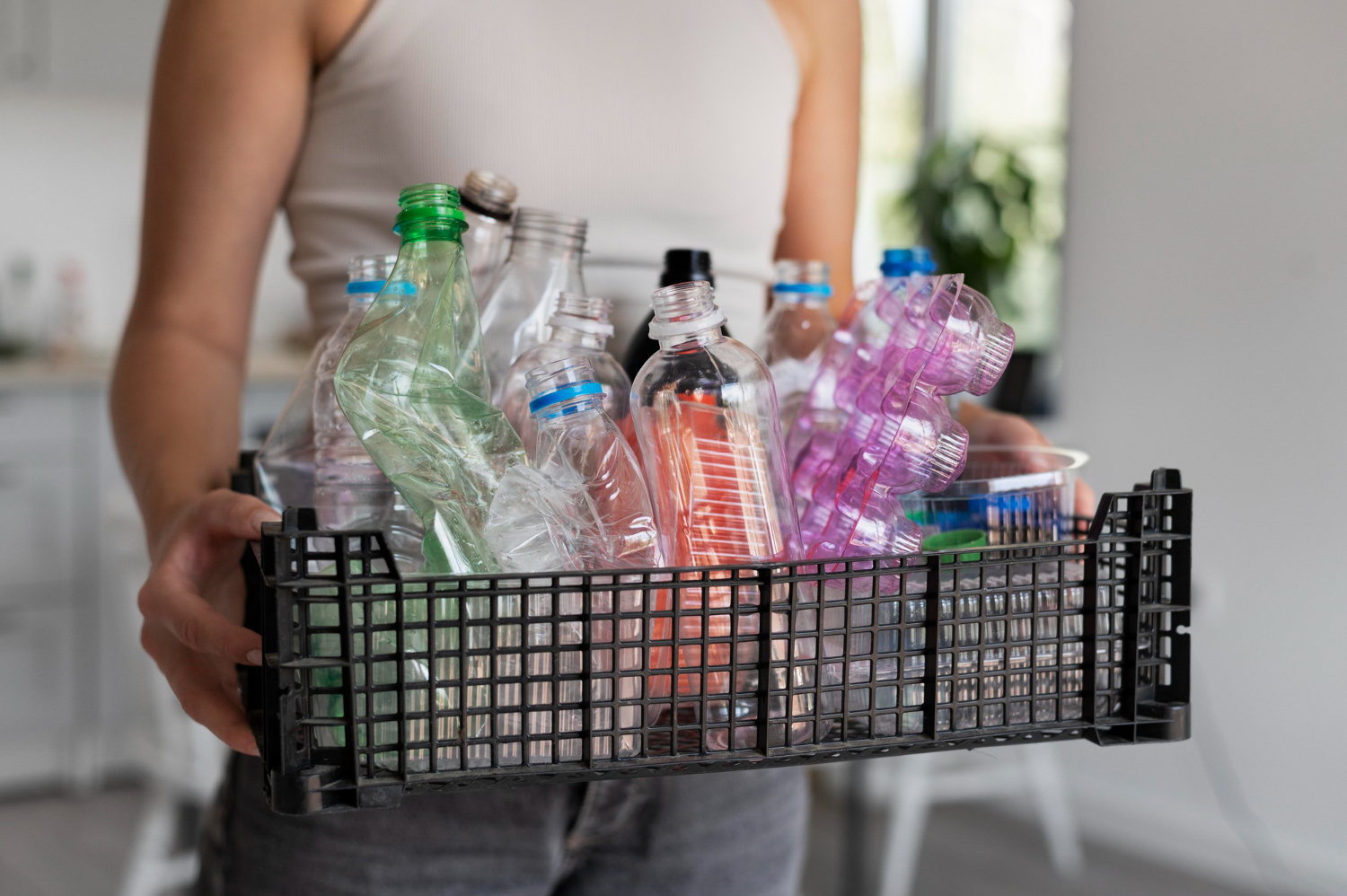
Various countries have attempted Pfand-style deposit systems with mixed results. Several U.S. states (Michigan, Oregon, California, various others) operate container deposit systems with substantial recycling improvements. Various European countries operate similar systems with specific results. But few systems achieve German performance levels. The reasons involve specific factors: deposit amounts must be substantial enough to motivate returns, retail infrastructure must support convenient returns, cultural acceptance of deposit systems matters substantially, various other implementation details affect performance.
The cumulative implementation challenges explain why Germany’s apparent success hasn’t been universally replicated. Various countries have political constraints affecting deposit amount setting. Various others have retail infrastructure limitations. Various others face cultural resistance to perceived complications. The cumulative result: Pfand-style systems work where they’re implemented thoroughly but haven’t been universally adopted despite environmental benefits. Various countries continue debating similar systems without implementation.
What Visitors Should Actually Do

Practical guidance for international visitors in Germany. Recognize Pfand deposits when purchasing beverages — the deposit amount appears on receipts and price displays. Save empty containers for return at any participating grocery store or supermarket. Use automated return machines (typically located in dedicated areas near grocery store entrances). Redeem receipts at checkout. Don’t discard Pfand containers in regular trash — that wastes the deposit money you’ve already paid.
The cumulative system is genuinely simple to use once understood. Most international visitors initially find it confusing but quickly adapt to the basic process. Various tour groups specifically discuss Pfand procedures during arrival orientations. The cumulative adaptation typically produces specific positive experiences — both the convenience of the system and the satisfaction of contributing to substantial environmental performance. International visitors who understand and use Pfand properly contribute to the system’s continued success while recovering deposits paid through purchases.
What This All Reveals
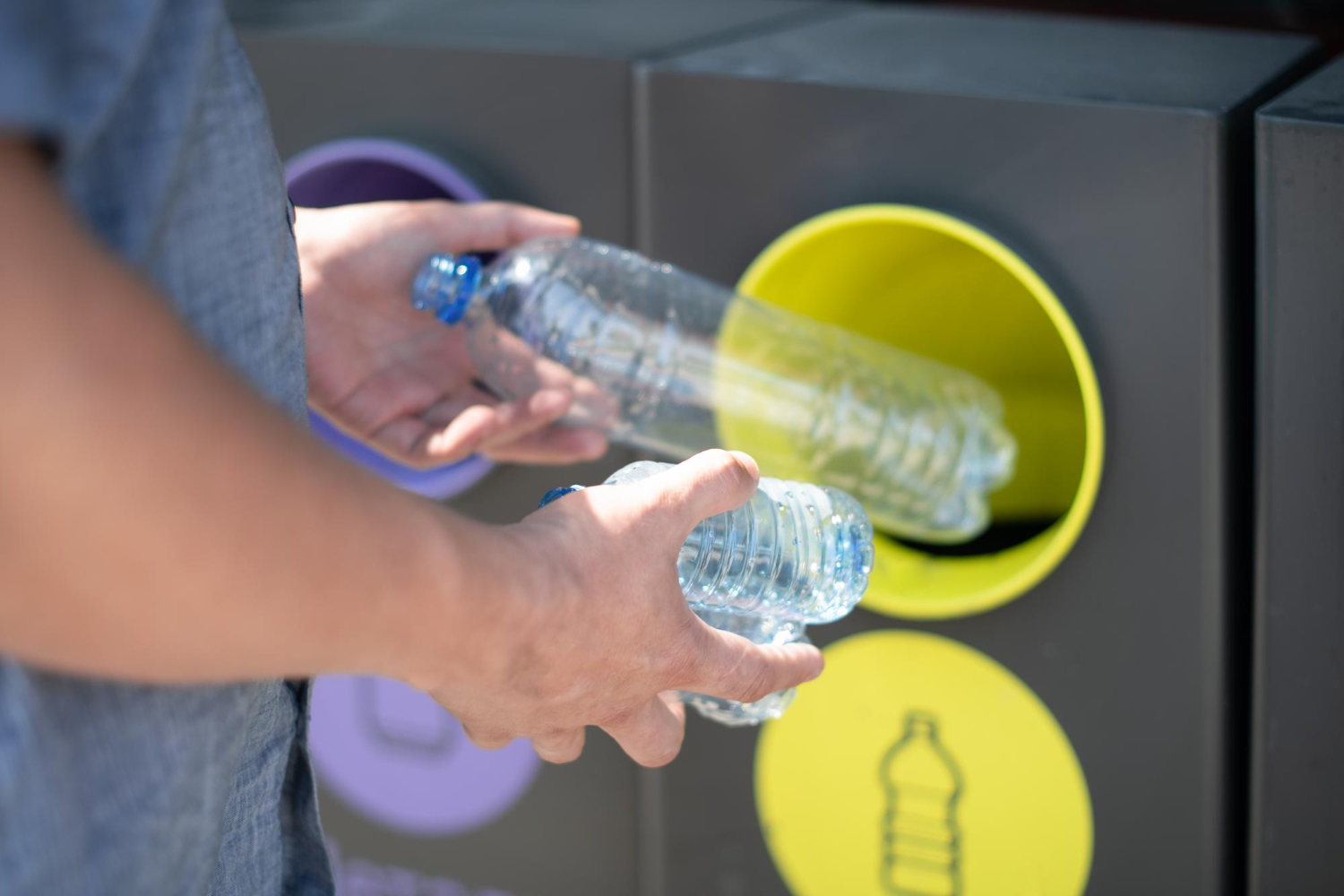
The German Pfand system represents specific successful example of economic incentives producing substantial environmental behavior change. The system demonstrates that voluntary recycling typically achieves modest results compared to specifically incentivized systems. Container recycling rates of 98%+ aren’t achieved through education or moral appeals — they’re achieved through specific financial incentives that motivate behavior. The cumulative lesson has substantial implications for environmental policy design beyond just container recycling. For travelers visiting Germany, the Pfand system provides specific opportunity to experience successful environmental policy in operation. The cumulative experience demonstrates that effective environmental systems can operate at substantial scale without requiring extraordinary individual commitment — most Germans don’t think specifically about Pfand most of the time, but the system continues operating successfully because the basic structure motivates appropriate behavior. The system continues evolving with various adjustments to deposit amounts, covered containers, and various operational details. The cumulative system will likely continue functioning indefinitely as long as German political commitment to environmental performance persists. Various other countries that successfully implement comparable systems achieve similar results — the policy template works when implemented seriously rather than as compromised partial measures.

