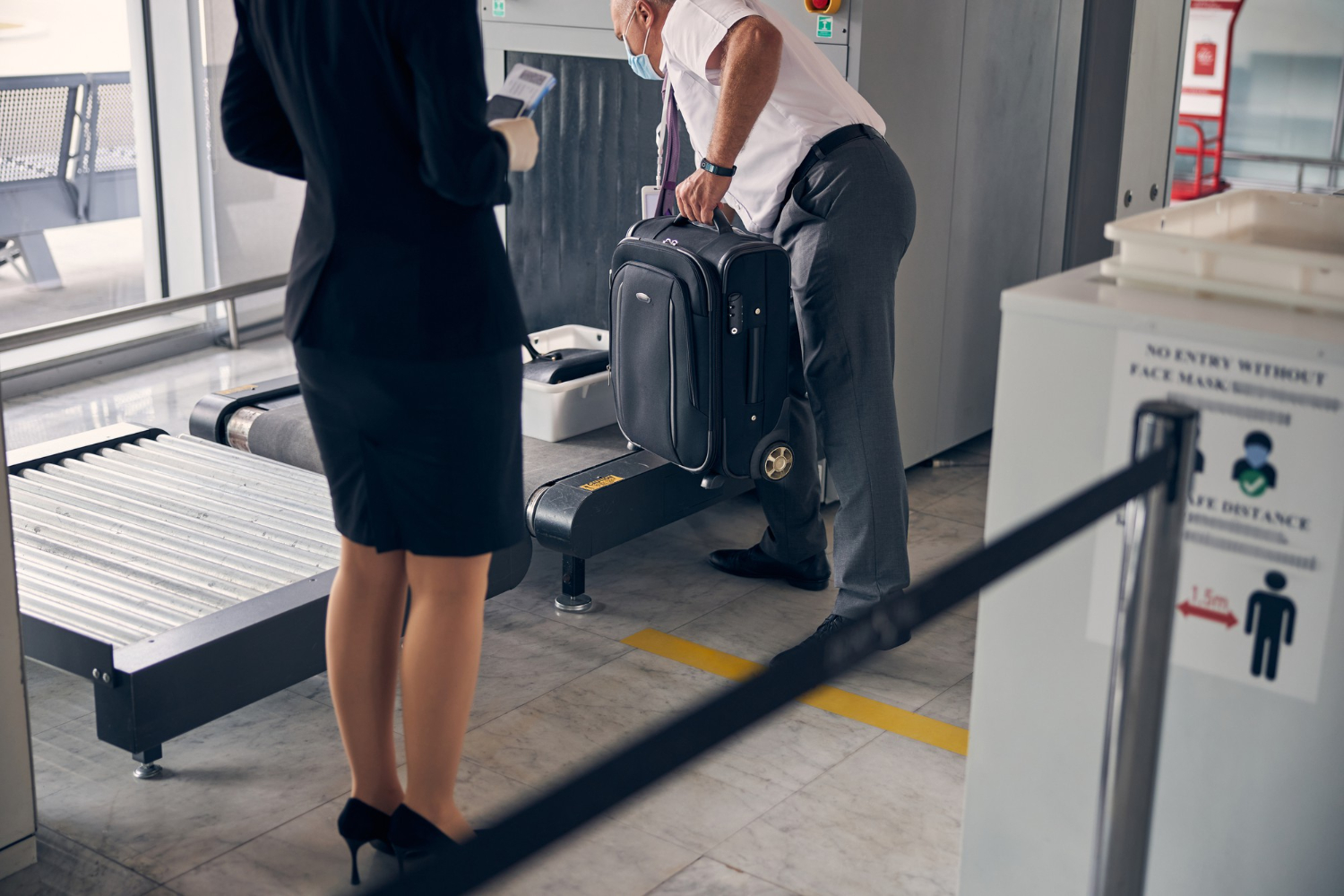
The 2026 airline carry-on landscape has changed substantially from previous years — but mostly through enforcement intensification rather than new rules. Major airlines are now using automated bag sizers at gates that don’t negotiate. The TSA’s new ConfirmID program (active February 1, 2026) lets travelers without REAL ID pay $45 for temporary identity verification. New FAA lithium battery enforcement is now substantially stricter. Various other specific changes affect how Americans actually navigate airports in 2026. Here’s what’s actually different — and the specific things travelers need to know to avoid expensive surprises.
The 2026 American air travel landscape features substantially intensified enforcement of various rules that have existed for years. Airlines are gate-checking more bags. TSA is implementing new ID procedures. FAA is enforcing battery rules with zero exceptions. Various other changes have substantially affected how travelers actually navigate airports compared to previous years. Most rule changes aren’t substantively new — they reflect tightened enforcement of existing rules combined with specific new policies. Understanding the actual changes matters substantially for travelers planning 2026 trips.
The Carry-On Size Reality
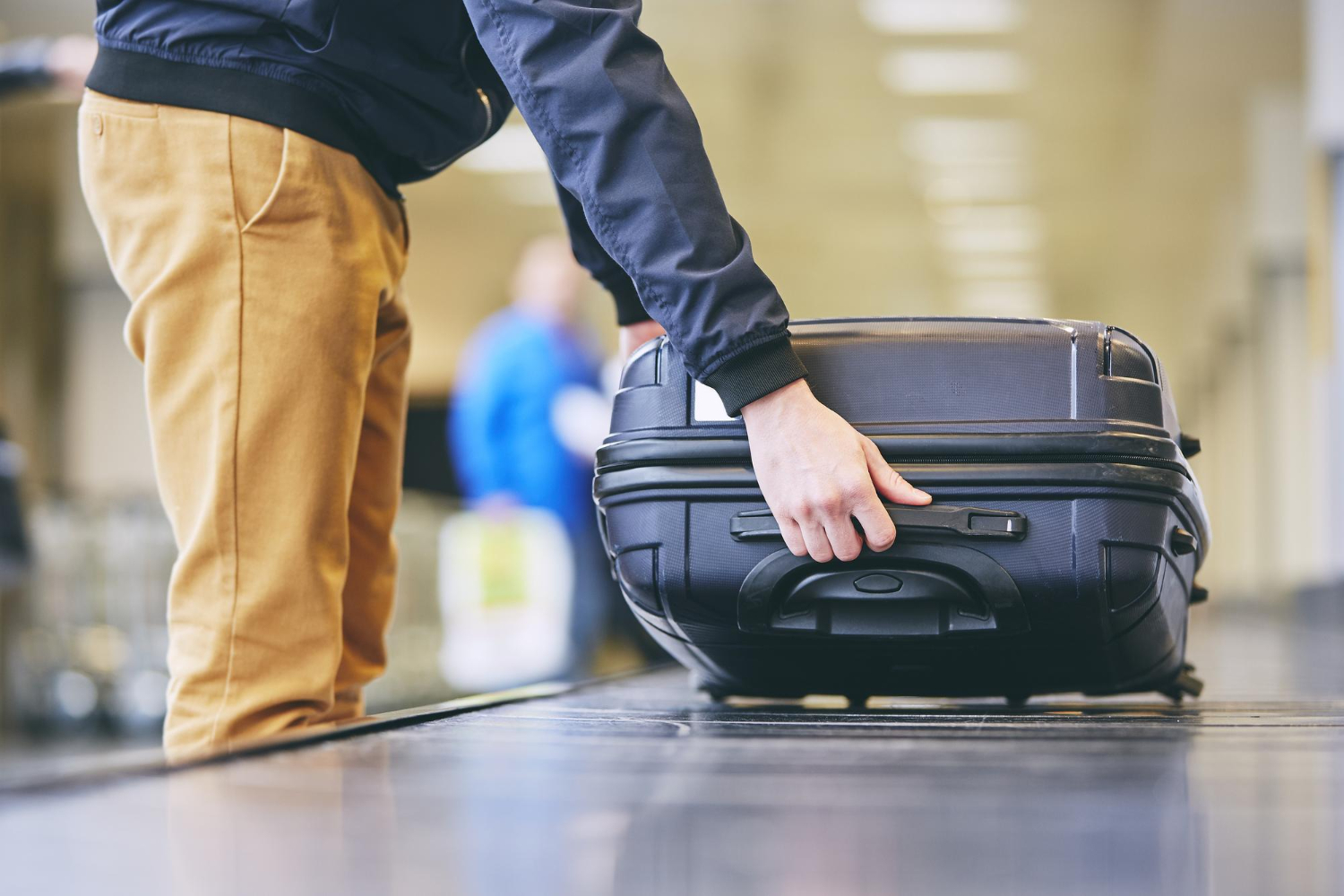
Standard major airline carry-on size limits remain 22 × 14 × 9 inches (including wheels, handles, and all protruding elements). This has been industry standard for years. Southwest allows slightly larger bags at 24 × 16 × 10 inches. Various budget carriers (Frontier, Spirit, Allegiant) have stricter limits, often around 18 × 14 × 8 inches for free personal items. The cumulative size standards haven’t substantively changed in 2026 despite various social media claims suggesting otherwise.
What has changed: enforcement intensity. Various airlines including United have deployed automated bag sizers at increasing numbers of airports — United deployed automated sizers at 35 airports by late 2025 with continued expansion plans. The automated systems don’t negotiate or make judgment calls — bags exceeding limits by even small amounts get flagged and require gate-checking. The cumulative result: bags that previously passed gate-agent inspection through gate-agent discretion now fail automated measurement. Various travelers have been substantially surprised by this change.
The Gate-Check Fee Reality

Carry-on bags failing gate inspection face substantially higher fees than regular checked baggage. Typical 2026 gate-check fees: $60-100 depending on airline and circumstances. The cumulative pricing creates specific incentive — travelers should verify bag dimensions before reaching gate inspection rather than risking surprise gate-check fees that substantially exceed regular checked-bag charges.
The fee structure varies by airline. Some airlines charge gate-check fees in addition to original baggage decisions. Others substitute gate-check fees for original carry-on policies. The cumulative complexity makes specific airline policies worth checking before each flight rather than assuming general rules apply universally. Various travelers have faced unexpected fees of $100+ for bags they assumed would pass inspection. The cumulative financial impact can substantially exceed expected travel costs when gate-check situations occur.
The TSA ConfirmID Program
A genuinely new TSA program began February 1, 2026: ConfirmID. The program allows travelers without REAL ID or other valid identification to pay $45 (non-refundable) for temporary identity verification. The temporary ID enables travel for up to 10-day periods. The cumulative program addresses specific situations where travelers arrive at security without acceptable identification — situations that previously prevented airline travel entirely.
Specific ConfirmID procedures involve alternative identity verification through methods other than physical ID. The cumulative process takes longer than standard ID checks but enables travel that would otherwise be impossible. Critics have argued the $45 fee unfairly affects families and lower-income travelers. Supporters argue the program provides reasonable alternative for legitimate travelers facing identification problems. The cumulative program is genuinely new for 2026 and represents specific change in TSA procedures.
The REAL ID Requirement
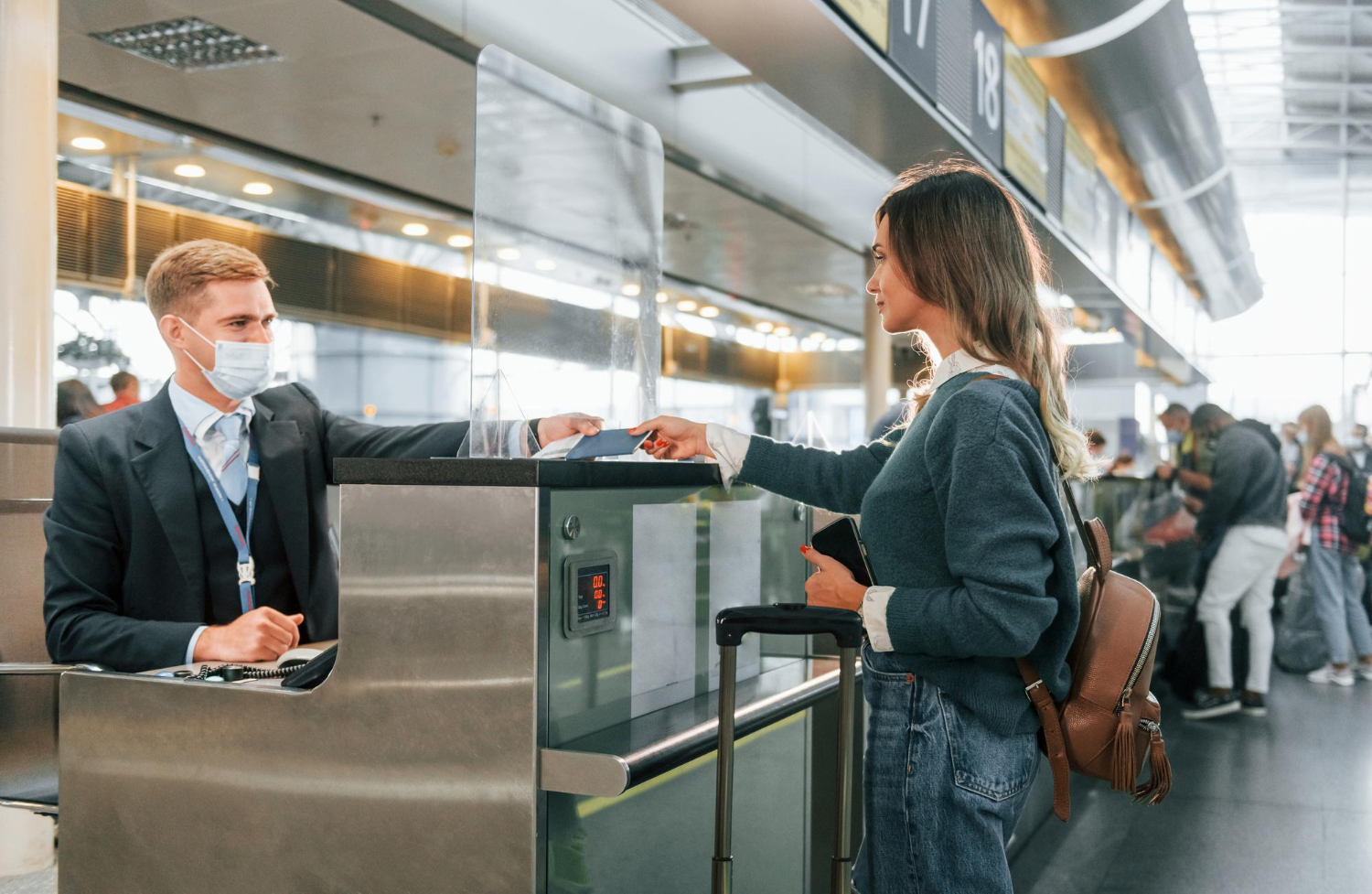
REAL ID became mandatory for U.S. domestic flights starting May 7, 2025 after multiple delays. Standard state driver’s licenses without REAL ID indication are no longer acceptable for boarding. Acceptable alternatives include: REAL ID-compliant driver’s licenses (most states have completed transition), valid U.S. passports (acceptable for both domestic and international flights), various other federally-recognized identification including military IDs, permanent resident cards, and various other specific documents.
Travelers without acceptable identification face specific options: ConfirmID program ($45 for 10-day temporary ID), various other emergency procedures, or rebooking flights when acceptable ID becomes available. The cumulative ID requirement has substantial implications for travelers who haven’t updated identification. Most state DMVs offer expedited REAL ID processing but typical timelines may be 1-4 weeks. Travelers planning trips should verify ID compliance before flight booking rather than discovering problems at airports.
The Lithium Battery Rules
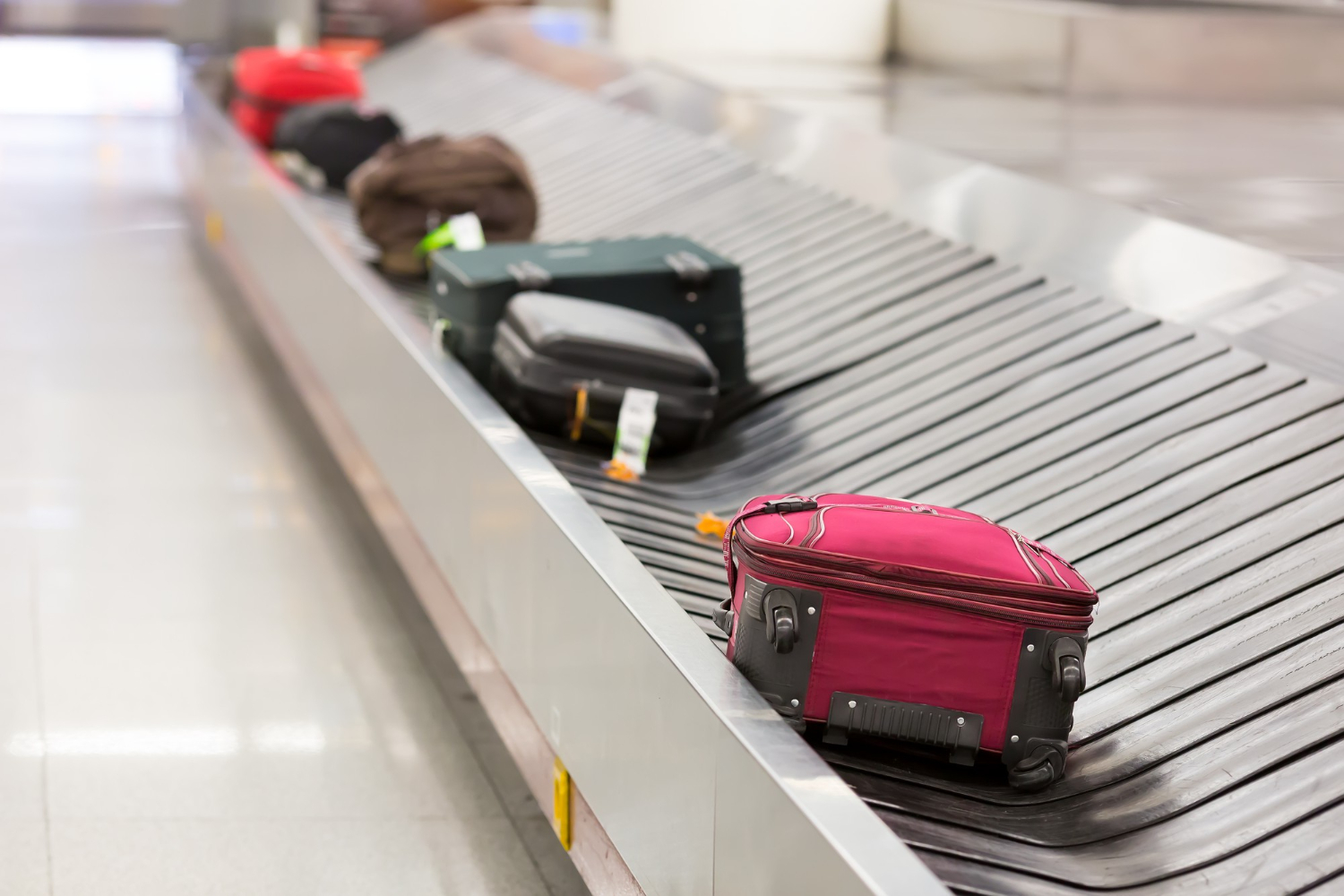
FAA lithium battery rules have been substantially in place since 2018 but face zero-exception enforcement in 2026. Specific rules: lithium batteries (including phone batteries, laptop batteries, power banks, and various other devices) must be in carry-on bags only — not in checked luggage. Smart luggage with non-removable batteries is prohibited from all aircraft regardless of carry-on or checked status. Spare lithium batteries must be in carry-on bags with specific protective packaging.
The cumulative enforcement has affected various specific situations. Travelers with smart luggage requiring tools to remove batteries have had luggage refused at airports without exception. Various power bank issues have produced specific gate-check refusals. The cumulative effect: travelers must specifically verify battery compliance before arriving at airports. Various specific items previously assumed acceptable face refusal under current enforcement. Total power bank limits remain at 100 watt-hours per battery for standard travel without airline approval.
The Liquid Rules Continue
The TSA’s 3-1-1 liquid rule remains in effect: liquids, gels, aerosols in containers of 3.4 ounces (100 ml) or less, all fitting inside single quart-sized clear plastic bag. The rule has been substantially unchanged since approximately 2006. Various specific exemptions apply: medications, baby formula, breast milk, various other specific medical or care items can exceed standard limits with proper declaration.
What has changed in 2026: enhanced screening technology at various airports. Specific TSA Pre-Check lanes now feature CT scanners that allow liquids to remain in bags during screening. Standard lanes typically still require liquid removal. The cumulative effect: TSA Pre-Check provides increasing benefits as scanning technology improves at participating airports. Standard travelers continue facing traditional liquid handling procedures with no substantive changes from previous years.
The Personal Item Enforcement
Beyond carry-on size enforcement, “personal item” rules have substantially tightened. Personal items must fit completely under the seat in front of passengers — typically dimensions around 17 × 10 × 9 inches. Various airlines now actively enforce this rule with bags that don’t fit being reclassified as carry-ons (potentially triggering fees). Backpacks that previously passed as personal items may face specific rejection when they exceed under-seat dimensions.
The cumulative personal item enforcement has substantially affected travelers using larger backpacks or other bags as personal items. Specific airlines vary in enforcement intensity. Budget carriers tend to enforce most strictly. Various travelers have faced fees for bags they assumed qualified as personal items based on previous experiences. Best practice for 2026: verify personal item dimensions specifically against airline requirements rather than relying on general assumptions about what qualifies.
The Specific Items Still Banned
Various items continue being banned from carry-on bags despite ongoing public confusion. Knives (including Swiss Army knives) — banned. Scissors with blades over 4 inches — banned. Tools over 7 inches — banned. Firearms and ammunition (even replicas) — banned from carry-on (firearms can be checked under specific procedures). Pepper spray — banned from carry-on. Sporting equipment including baseball bats and golf clubs — banned from carry-on (must be checked).
The cumulative banned items list is substantially complete at TSA’s official “What Can I Bring” page (tsa.gov/travel/security-screening/whatcanibring). Travelers should specifically check this resource rather than relying on assumptions about what passes screening. Various items confiscated at security represent travelers who didn’t realize specific items were prohibited. The cumulative confiscation rate produces substantial waste — confiscated items typically aren’t returned to travelers and represent direct financial loss.
What Travelers Should Actually Do

Practical guidance for navigating 2026 airline rules effectively. Verify bag dimensions before traveling using tape measure rather than relying on manufacturer claims. Check specific airline carry-on policies before each flight. Confirm REAL ID compliance before relying on standard driver’s licenses. Pack lithium batteries in carry-on bags with proper protection. Verify personal item dimensions against airline requirements. Use TSA’s “What Can I Bring” resource rather than assuming about specific items. Allow extra time for airport processing under tightened enforcement.
The cumulative preparation substantially reduces airport surprises. Various traveler complaints about 2026 enforcement reflect inadequate preparation rather than new rule structures. Most rules haven’t fundamentally changed — enforcement has tightened substantially. Travelers who specifically prepare for current enforcement levels typically experience smooth airport processing. Travelers who rely on previous experience patterns increasingly face specific complications. The cumulative system rewards preparation rather than punishing it.
What This All Reveals About Air Travel

The 2026 air travel landscape reflects specific industry response to operational challenges including overhead bin capacity, security procedures, identification requirements, and various other factors. Most rule changes aren’t fundamentally new — they represent tightened enforcement of existing rules combined with specific new programs (ConfirmID, REAL ID transition completion). The cumulative effect substantially affects practical travel experience even when specific rules remain technically unchanged. For most travelers, the changes are manageable through specific preparation. For unprepared travelers, the changes can produce substantial unexpected fees, missed flights, and various other complications. The cumulative trend toward stricter enforcement will likely continue across coming years as airlines and TSA continue addressing operational challenges through specific procedural changes. Travelers who specifically adapt to the new enforcement environment typically experience smoother travel than those who rely on previous patterns. The fundamental airline travel experience remains substantially similar to recent years, but specific operational details have substantially shifted in ways that affect actual passenger experience. Awareness of these changes matters substantially for 2026 travel planning, even when underlying rules remain consistent with previous years.