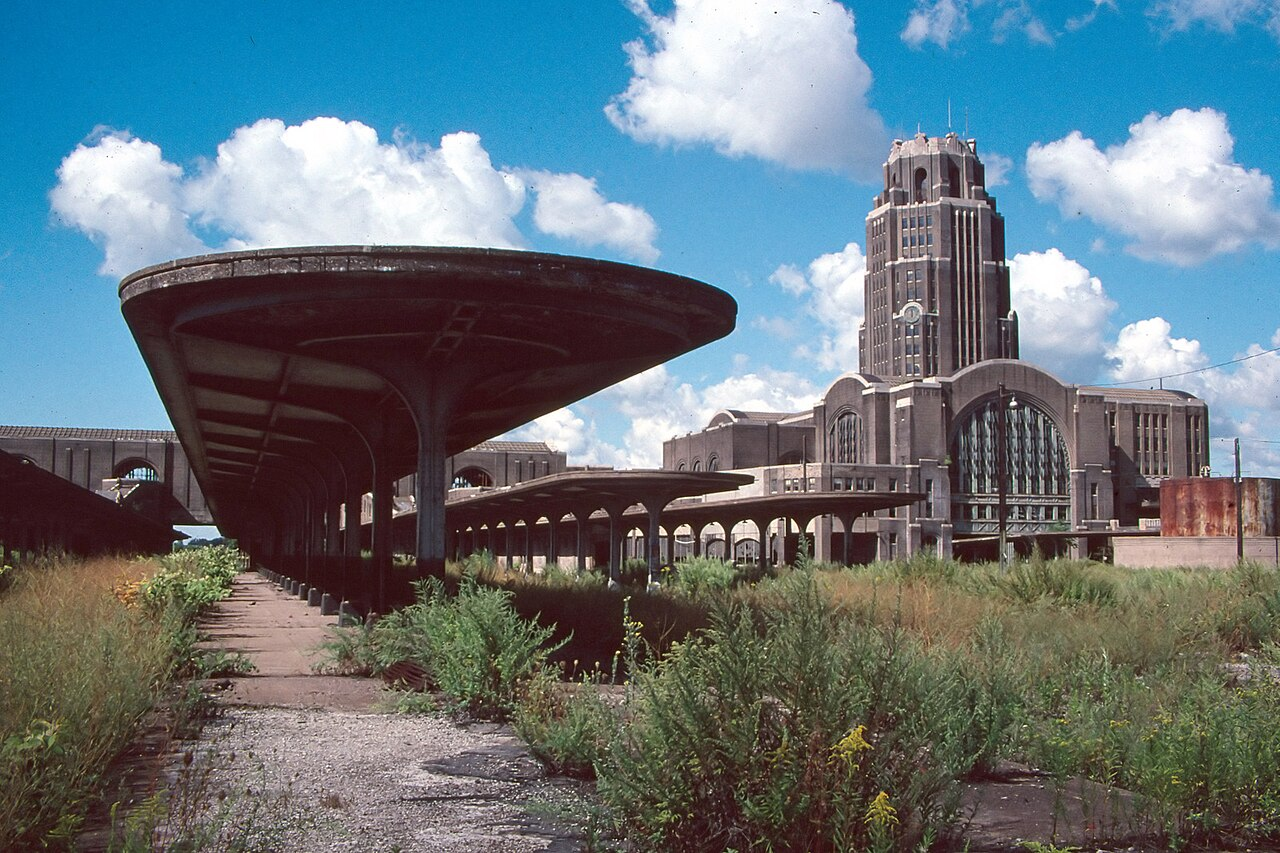
Rising seventeen stories above Buffalo’s Broadway-Fillmore neighborhood, the Central Terminal remains one of the most striking art deco landmarks in the United States, a monument to a golden age of American rail travel that has spent more than four decades fighting its way back from abandonment.
A Golden Age Landmark
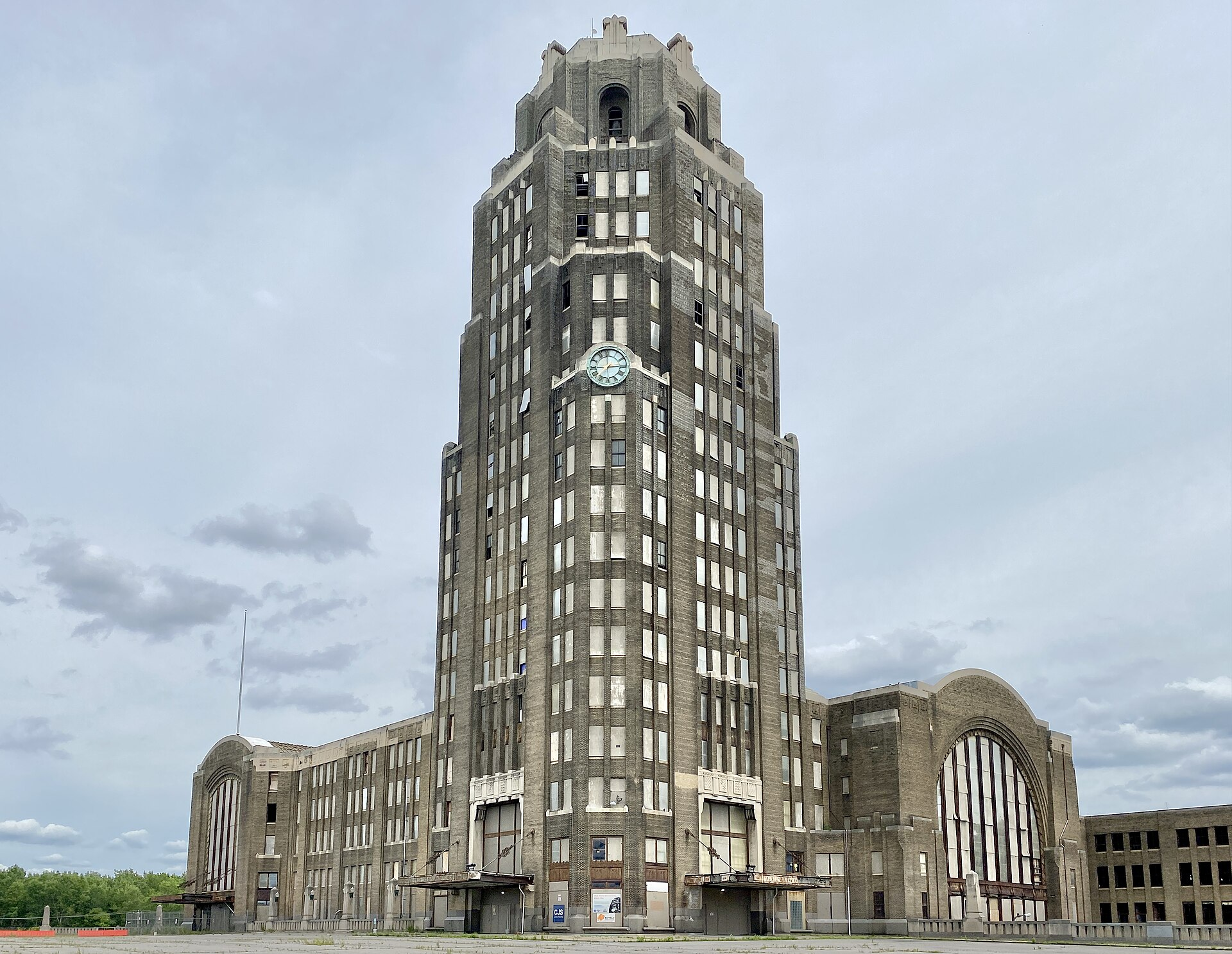
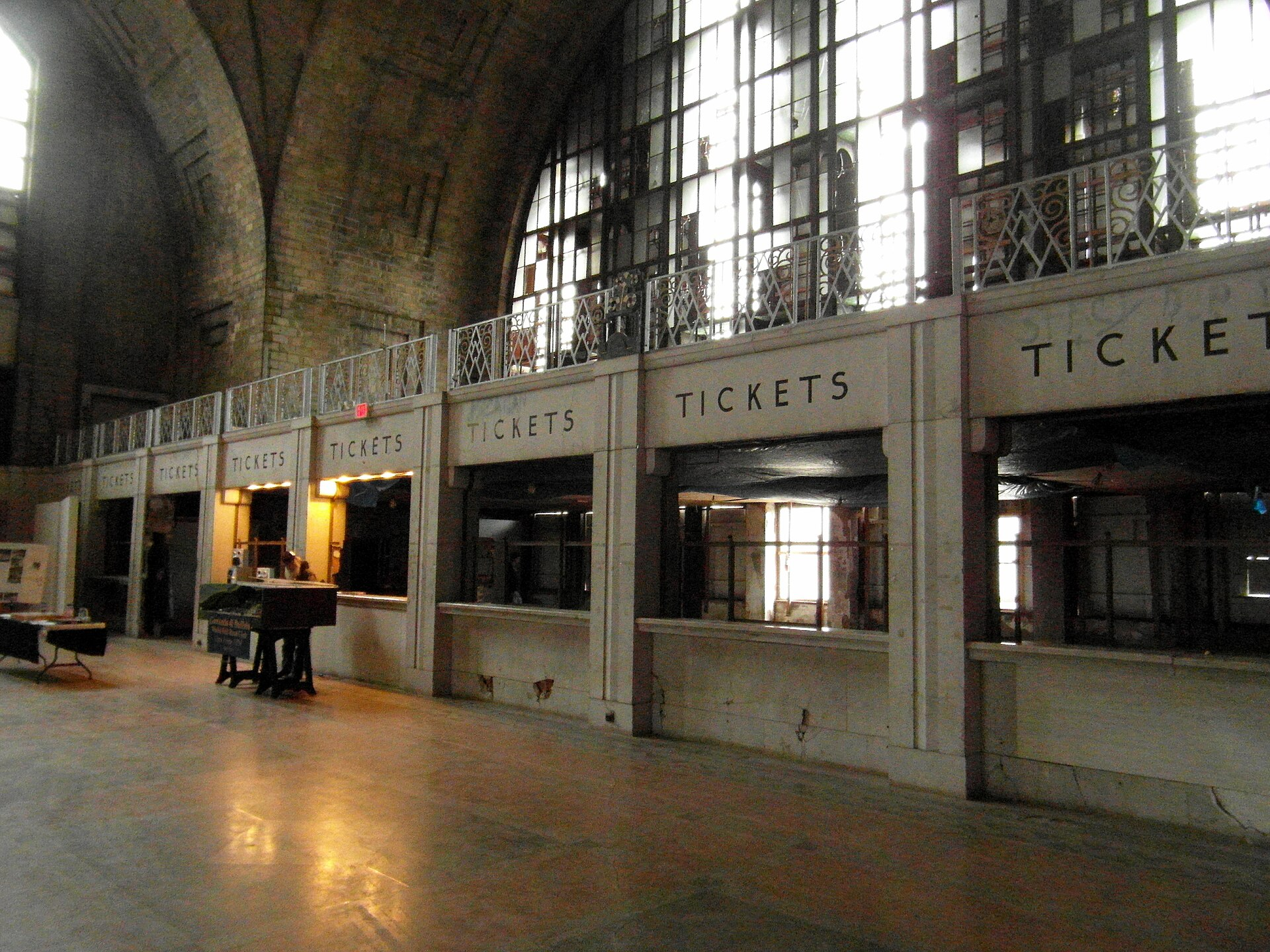
Buffalo Central Terminal opened on June 22, 1929, designed by architects Alfred Fellheimer and Steward Wagner for the New York Central Railroad, built to accommodate up to 3,200 passengers per hour and as many as 200 trains daily. Alongside Buffalo City Hall, it remains regarded as one of the city’s two most significant art deco landmarks, its soaring tower and grand passenger concourse reflecting genuine architectural ambition during American rail travel’s peak.
Like our content? Follow us for more.
Decline Alongside the Railroad Industry
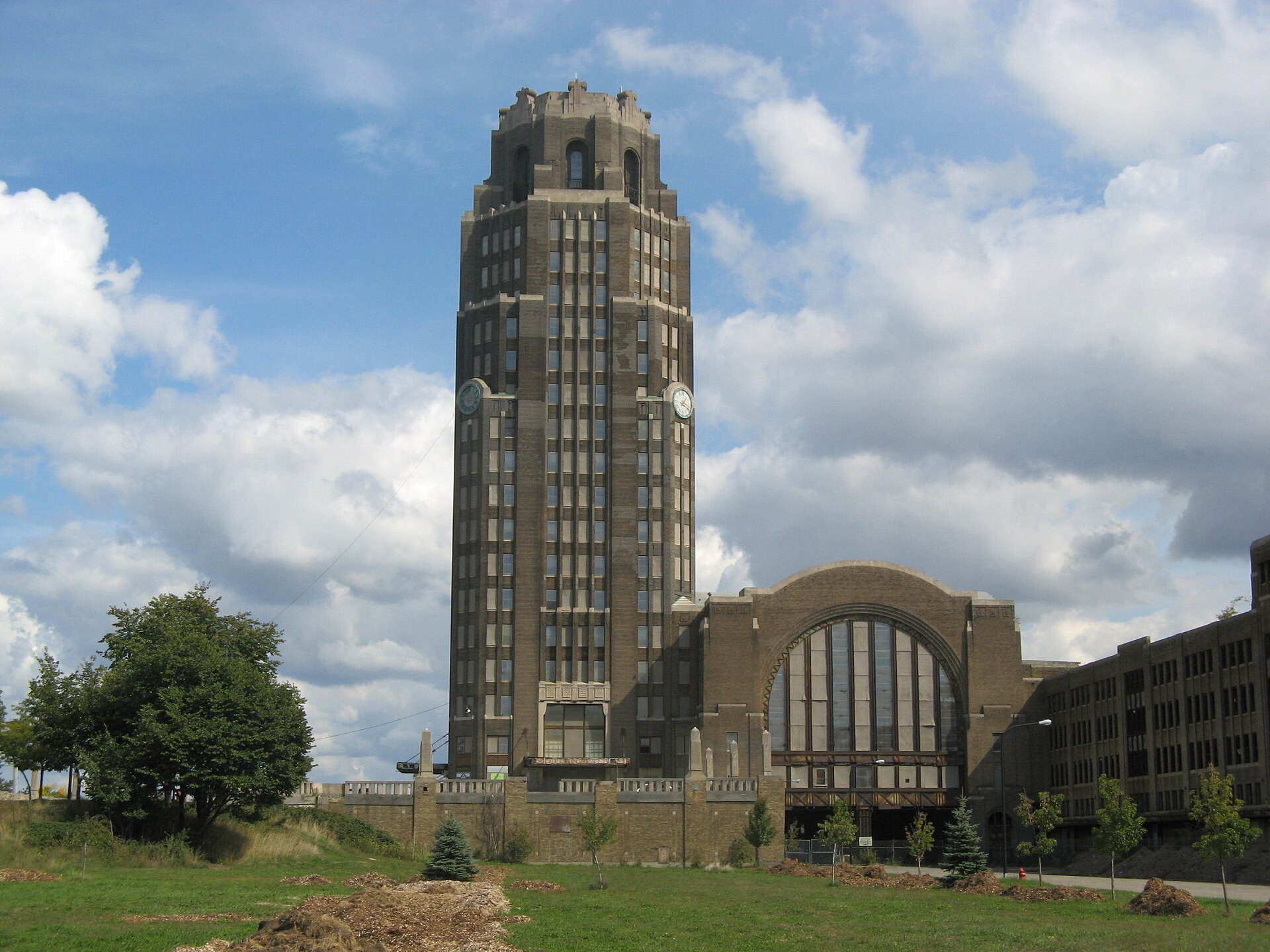
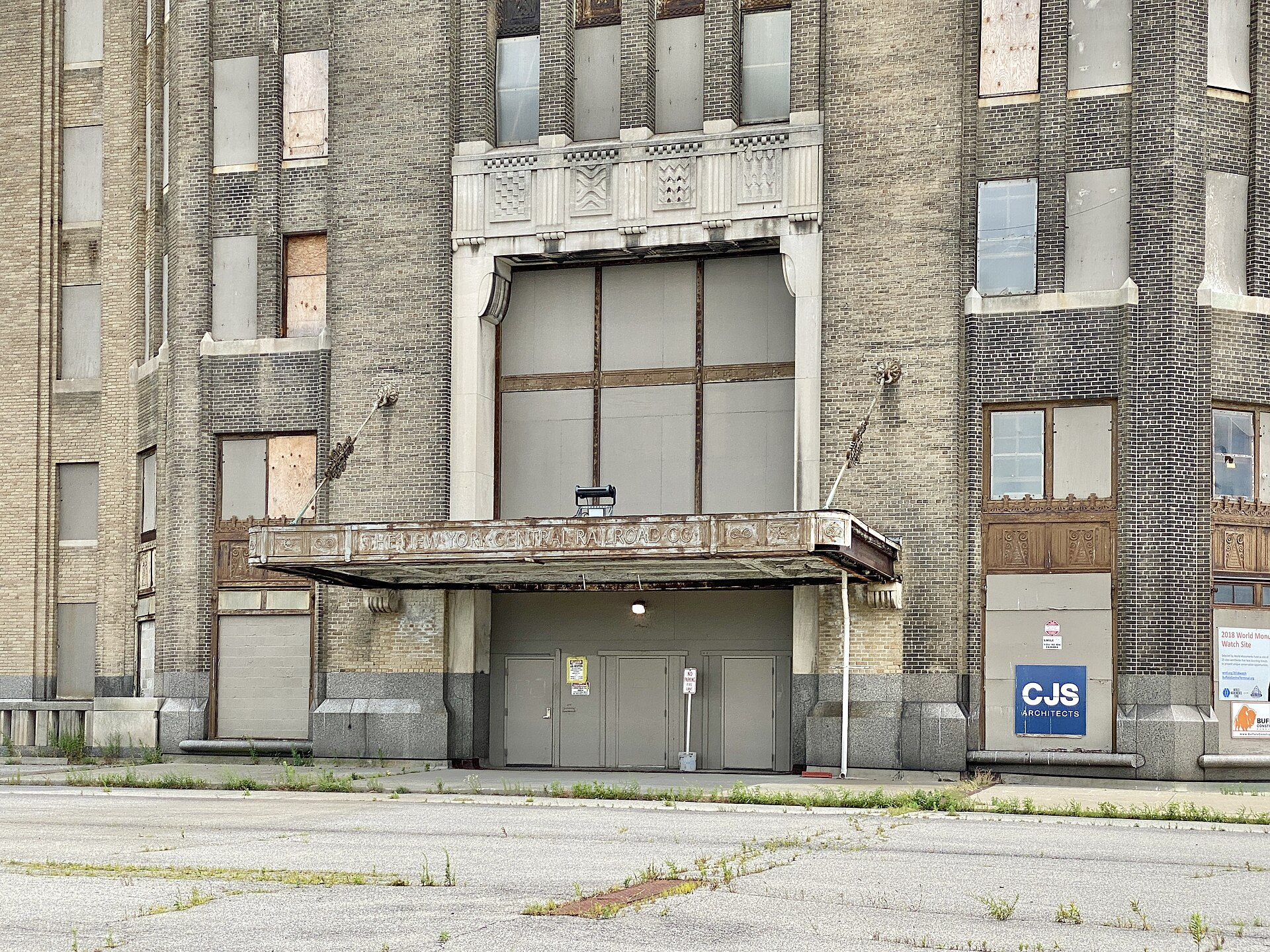
As American rail travel declined through the mid-20th century, so did the terminal’s fortunes. The 1968 merger that created Penn Central led to bankruptcy just two years later, and when Amtrak took over intercity passenger rail in 1971, it eventually opened a smaller, more efficient station elsewhere in Buffalo. The Central Terminal ceased operations entirely in October 1979, beginning a long, difficult period of vacancy and deterioration.
Decades of Neglect and Near Demolition
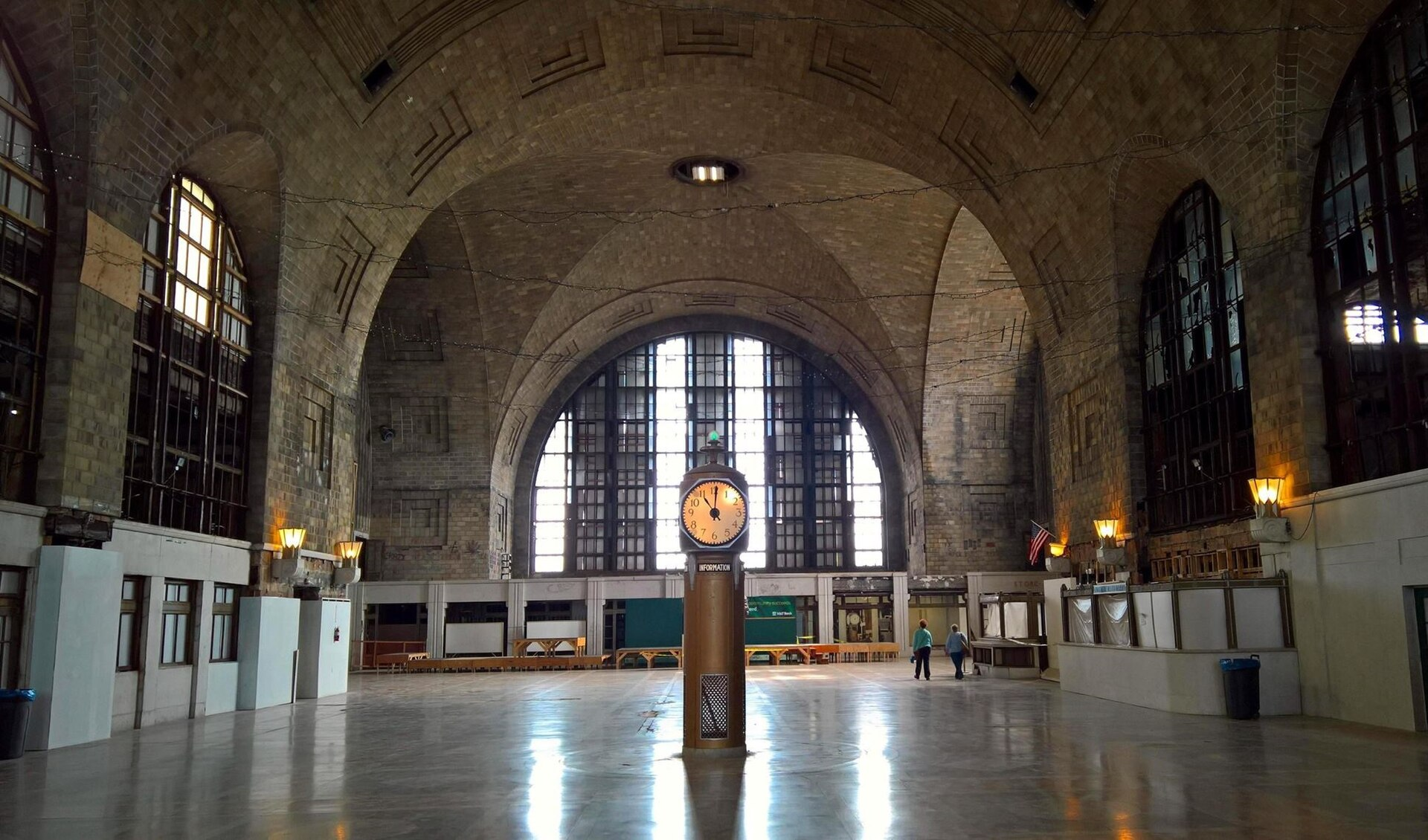
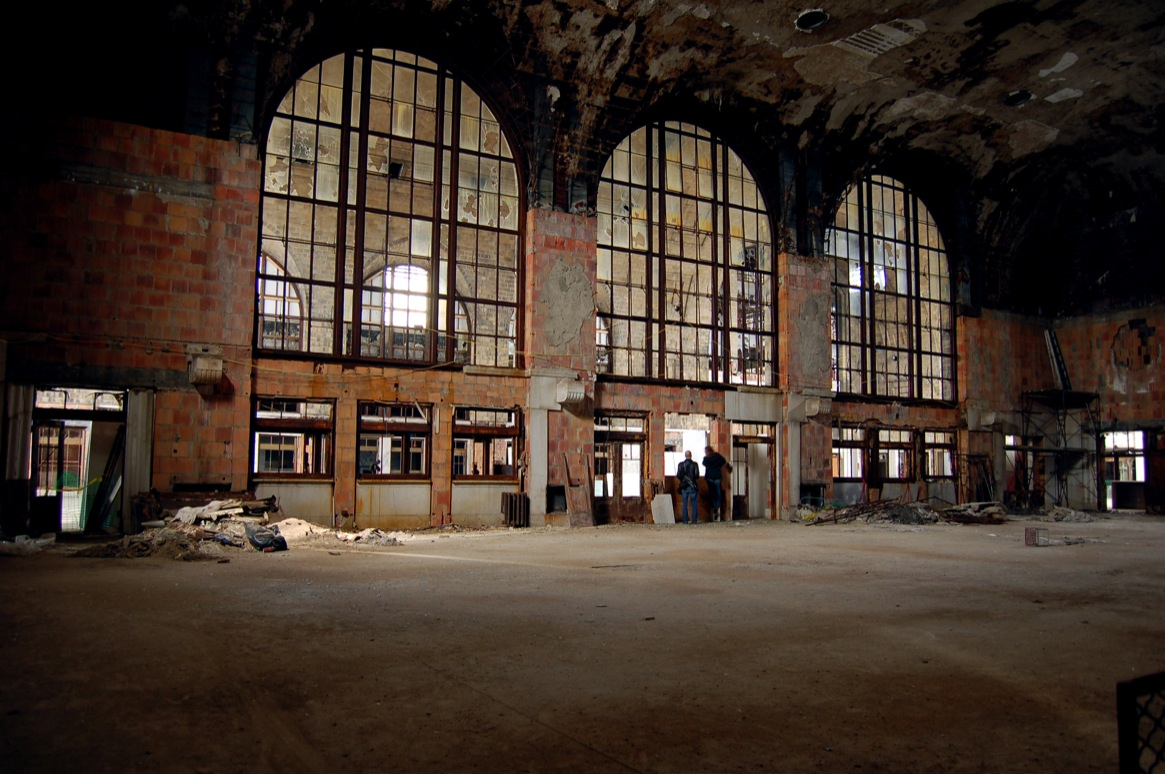
Sold and resold multiple times over the following decades, the terminal suffered from absentee ownership, vandalism, and genuine structural decay, becoming a popular, if illegal, destination for urban explorers throughout the 1980s and beyond. Demolition estimates exceeding $10 million, combined with the building’s 1984 listing on the State and National Registers of Historic Places, helped save the massive structure from the wrecking ball even as its condition continued to worsen.
A Nonprofit Takes On the Challenge
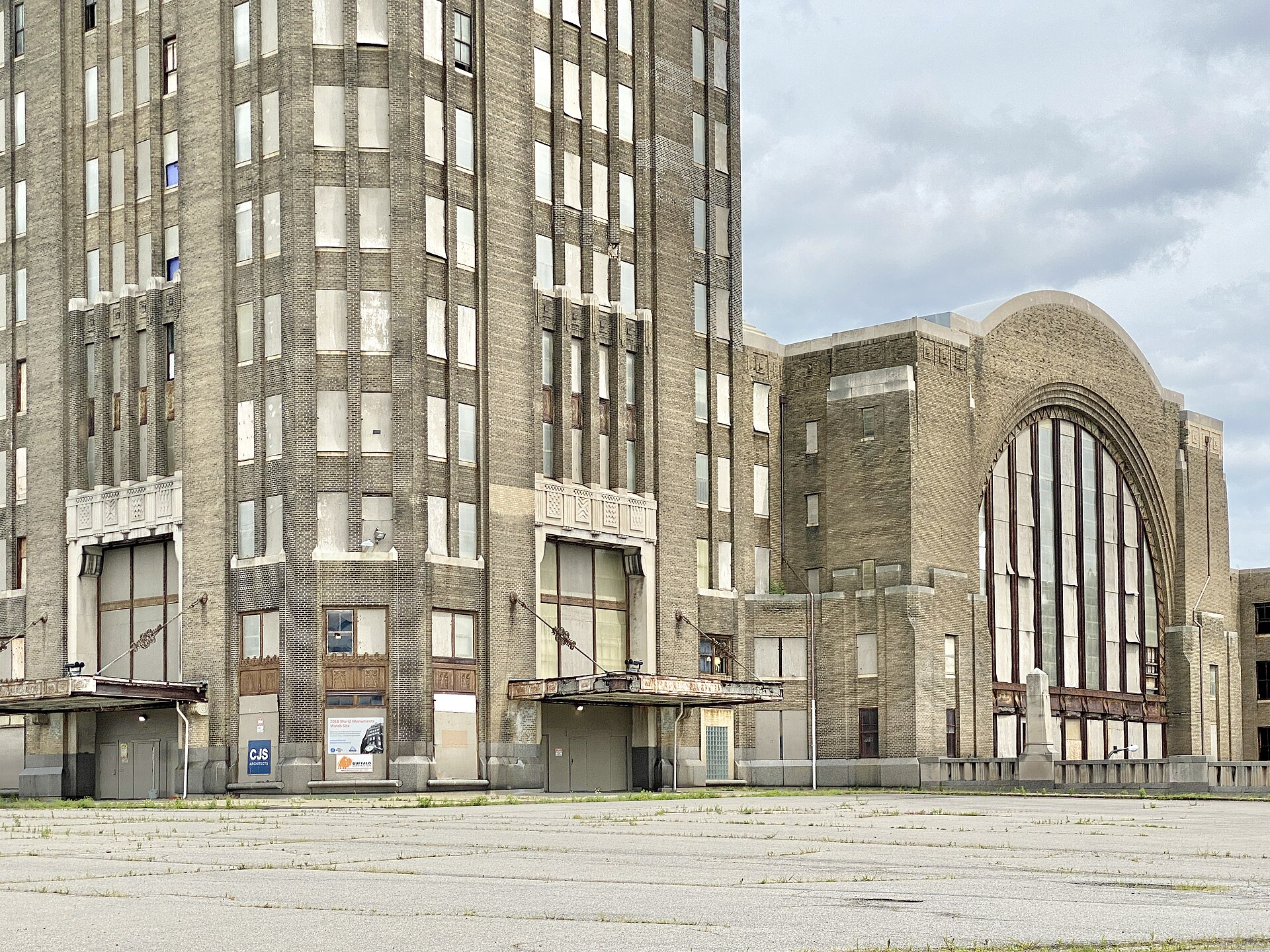
In 1997, the nonprofit Central Terminal Restoration Corporation acquired the main terminal building for a symbolic $1 plus assumption of back taxes, beginning a genuinely dedicated, decades-long restoration effort. Early milestones included relighting the terminal’s iconic tower clocks in 1999 and reopening the building for public tours in 2003, small but meaningful steps that kept the landmark’s story alive even as full restoration remained a distant goal.
A Serious Restoration Finally Underway
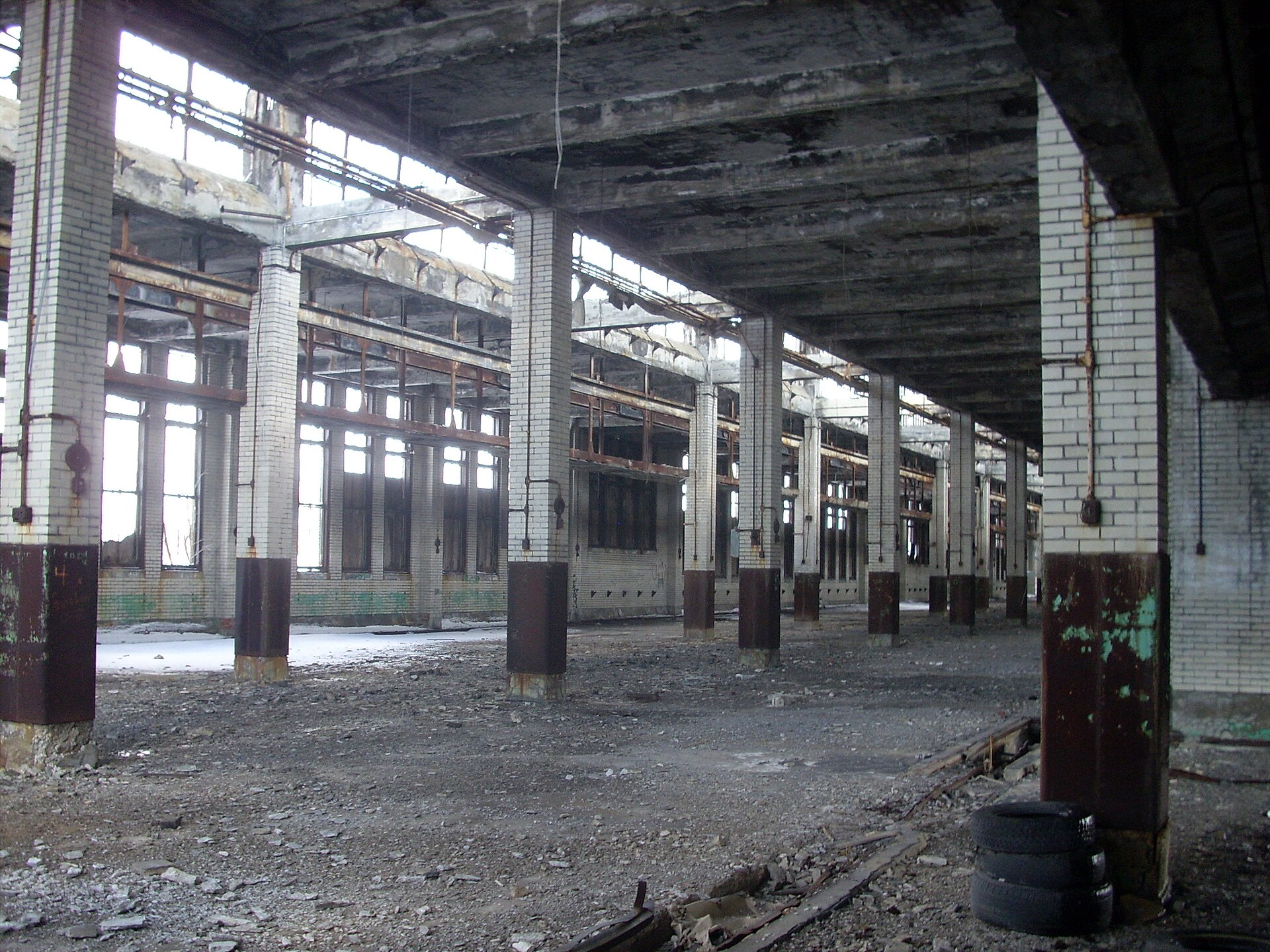
The effort gained real momentum starting in 2018, when New York State committed $5 million toward restoring the concourse, followed by a comprehensive 2021 master plan developed with extensive community input. As of early 2026, the project has reached the halfway point of a $33 million stabilization phase, part of a broader $300 million, ten-year adaptive reuse plan backed by New York’s Regional Revitalization Partnership, with masonry repair, roof work, and concourse restoration now actively underway.
What Visitors Can Experience Today
Because of the ongoing construction, traditional guided interior tours have been temporarily discontinued, but the terminal now offers a self-guided outdoor audio tour, featuring narration that includes segments voiced by members of the Buffalo-based band the Goo Goo Dolls. The nonprofit also hosts a full calendar of public events throughout the year, including concerts, historical programs, and community festivals, giving visitors genuine ways to experience the building’s grandeur even mid-restoration.
A Genuinely Generational Project
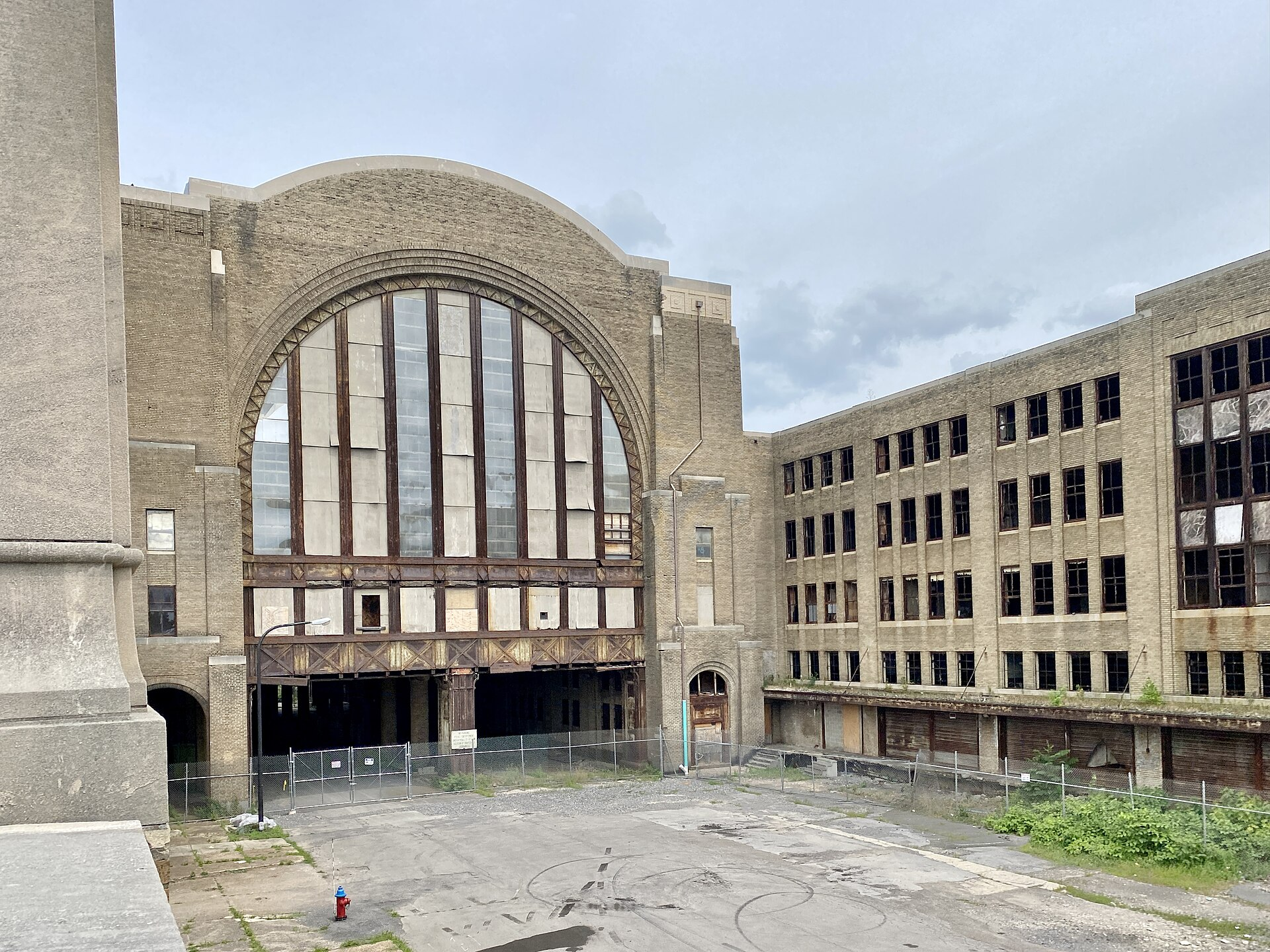
Project leaders describe the restoration in genuinely generational terms, an investment expected to anchor renewed economic activity throughout Buffalo’s historic Broadway-Fillmore neighborhood for decades to come. With 1.1 million square feet of interior space still awaiting later restoration phases, the Central Terminal’s transformation remains very much a work in progress, but one with real, sustained momentum after decades of uncertainty.
The Neighborhood Around the Terminal
The Broadway-Fillmore neighborhood surrounding the terminal has its own genuinely rich immigrant history, once a thriving hub for Buffalo’s Polish American community and later home to significant waves of other immigrant groups, and the terminal’s restoration is explicitly framed by organizers as connected to broader neighborhood revitalization efforts rather than an isolated architectural project. Visitors attending events at the terminal often find time to explore the surrounding area’s own historic character, including nearby churches and commercial buildings that reflect the neighborhood’s layered immigrant history.
Planning a Visit
Checking the Central Terminal Restoration Corporation’s official event calendar before traveling is the most reliable way to confirm what’s currently accessible, since offerings shift based on construction phases and the season, and some events sell tickets in advance while the self-guided outdoor audio tour remains available on a more flexible, walk-up basis. For architecture and railroad history enthusiasts planning a Buffalo trip specifically around the terminal, building in flexibility around the exact activities available is a sensible approach given the project’s genuinely active, evolving construction status.
A Landmark Worth Watching Closely
Buffalo Central Terminal’s journey from a symbol of the city’s industrial decline to an active, closely watched restoration success story makes it a genuinely compelling stop for travelers interested in American architecture and railroad history. Checking the terminal’s event calendar before a visit ensures the best chance of experiencing this landmark’s remarkable second act firsthand, whether through a scheduled event or the self-guided outdoor audio tour available throughout the year.
Like our content? Follow us for more.