

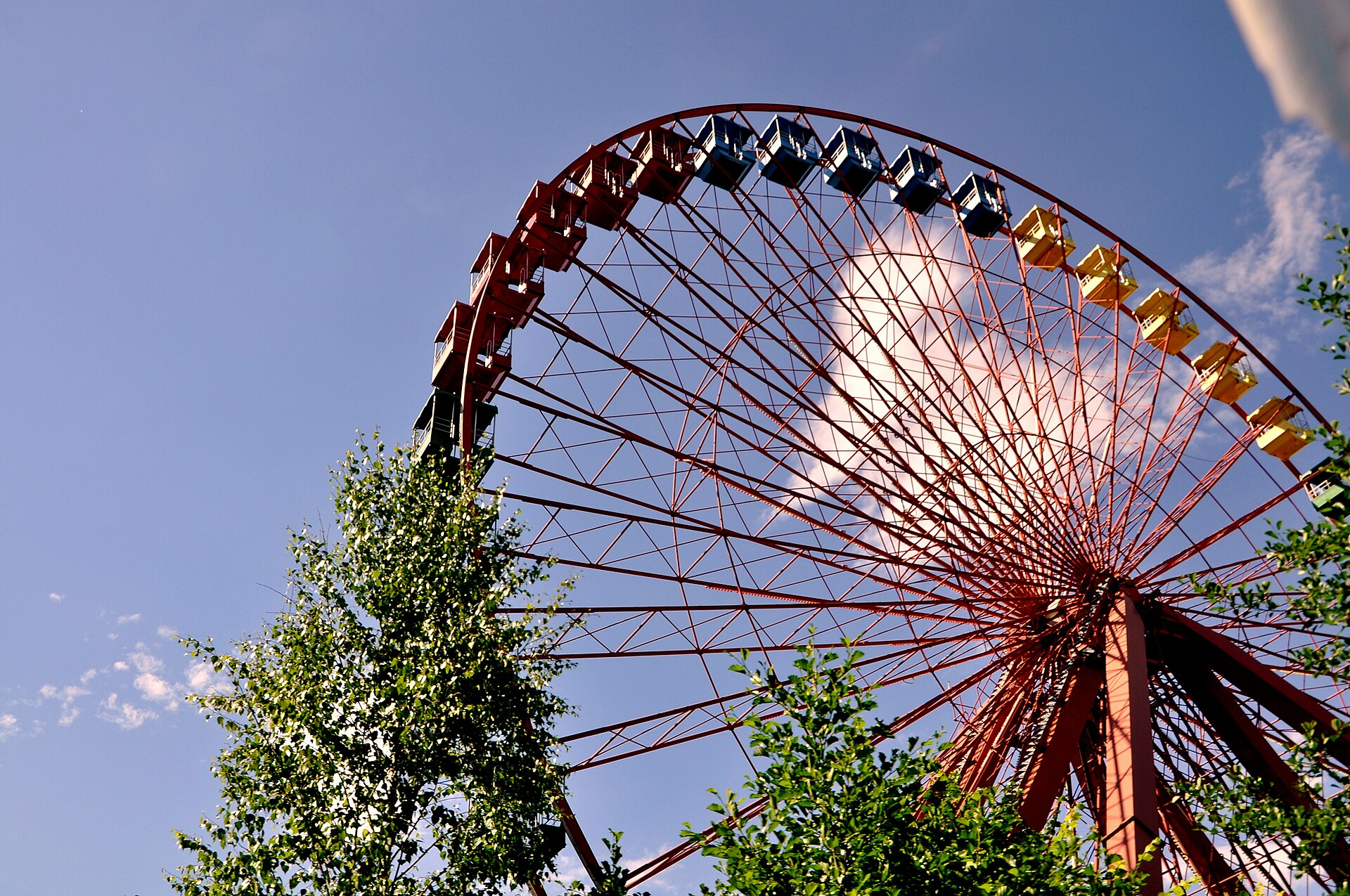
Few abandoned places anywhere in the world come with a backstory as genuinely wild as Spreepark, a former East German amusement park in Berlin’s Plänterwald forest whose decline involved reunification-era economic collapse, bankruptcy, and, remarkably, an international cocaine smuggling operation run through one of its own rides.
A Beloved Park in Communist East Berlin
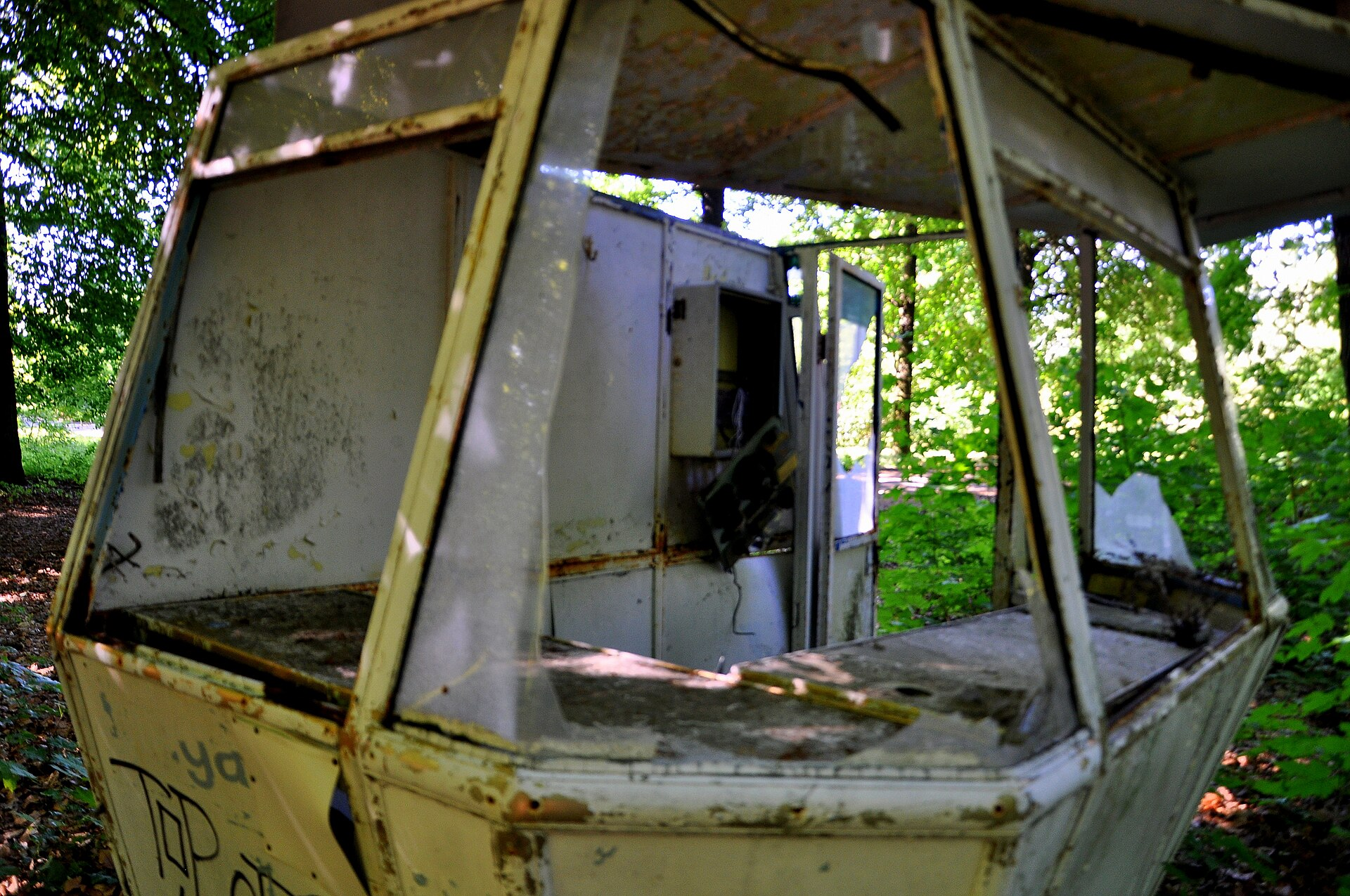
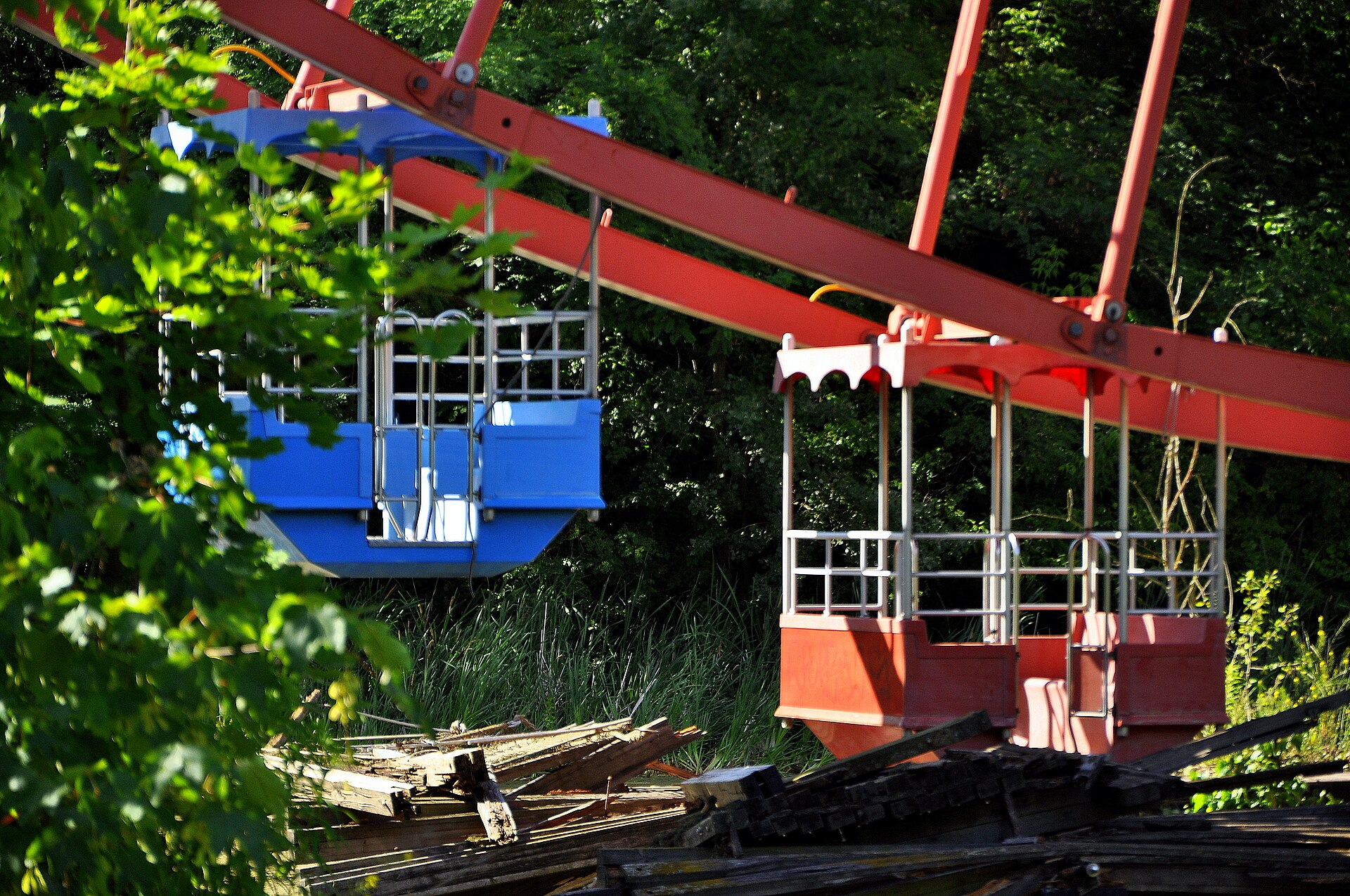
Spreepark opened in 1969 as Kulturpark Plänterwald, East Berlin’s only permanent amusement park during the Communist era, and quickly became a beloved destination for East German families, drawing millions of visitors annually with its Ferris wheel, roller coaster, and other classic attractions. For two decades, the park represented a genuine, rare source of lighthearted entertainment within East Germany’s otherwise heavily regulated society.
Like our content? Follow us for more.
Reunification Brings Ambition and Debt
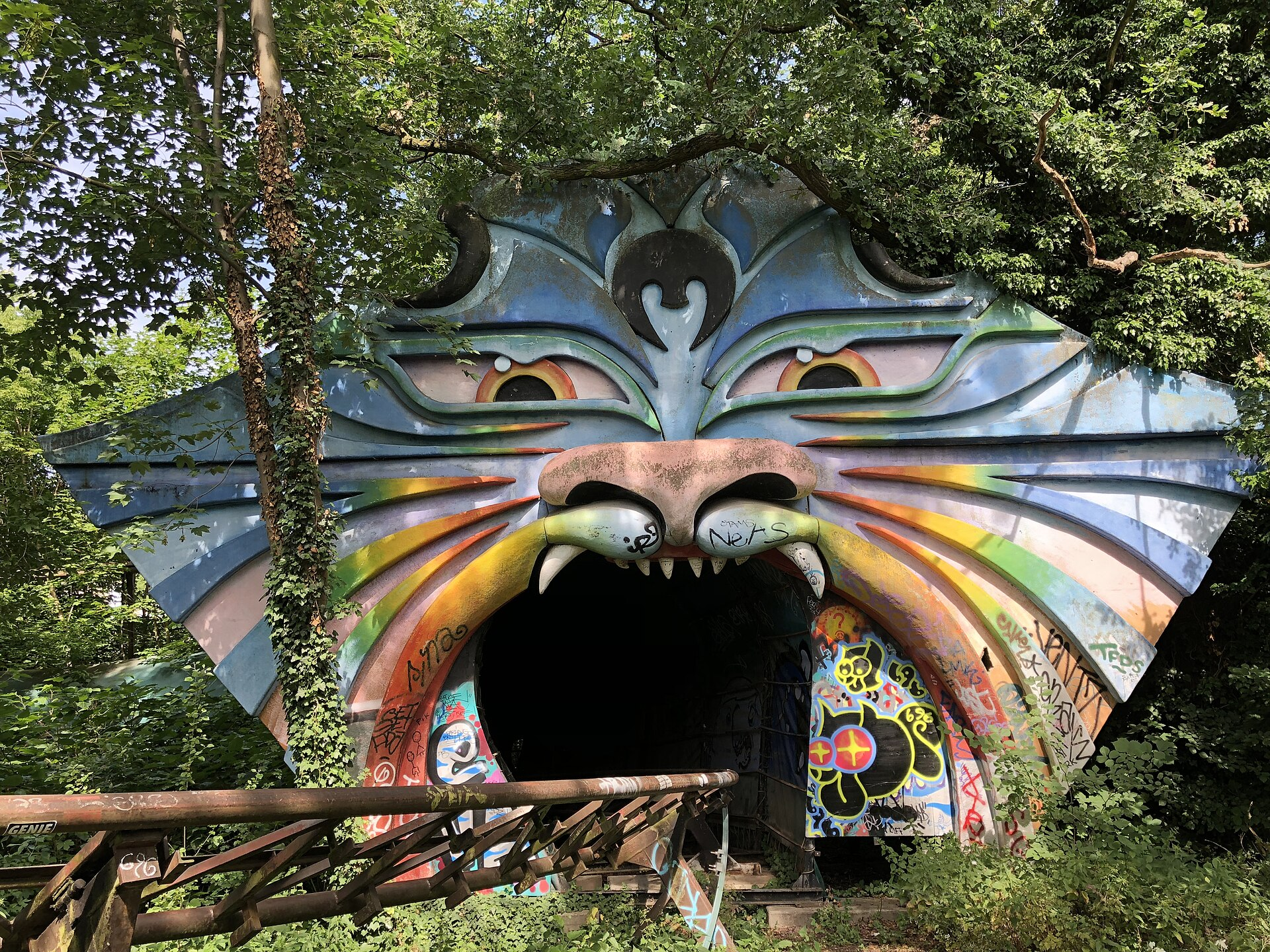
After German reunification in 1990, the park was privatized and rebranded as Spreepark, with new owner Norbert Witte investing heavily in expansion and new attractions in hopes of competing with major Western European theme parks. The ambitious investment backfired badly, visitor numbers never met projections, and the park accumulated genuinely crushing debt that eventually forced it into bankruptcy by 2001, leading to its complete closure.
A Desperate Escape and a Criminal Scheme
Facing financial ruin, Witte relocated much of the park’s equipment to Lima, Peru, in a doomed attempt to rebuild the business there, but the venture collapsed even faster than the original. In genuinely desperate financial straits, Witte and his son were later caught attempting to smuggle 167 kilograms of cocaine from Peru back to Germany, hidden inside the metal structure of the park’s own Flying Carpet ride. Both were convicted, a bizarre, almost unbelievable coda to the park’s already troubled history.
Decades of Abandonment and Urban Legend
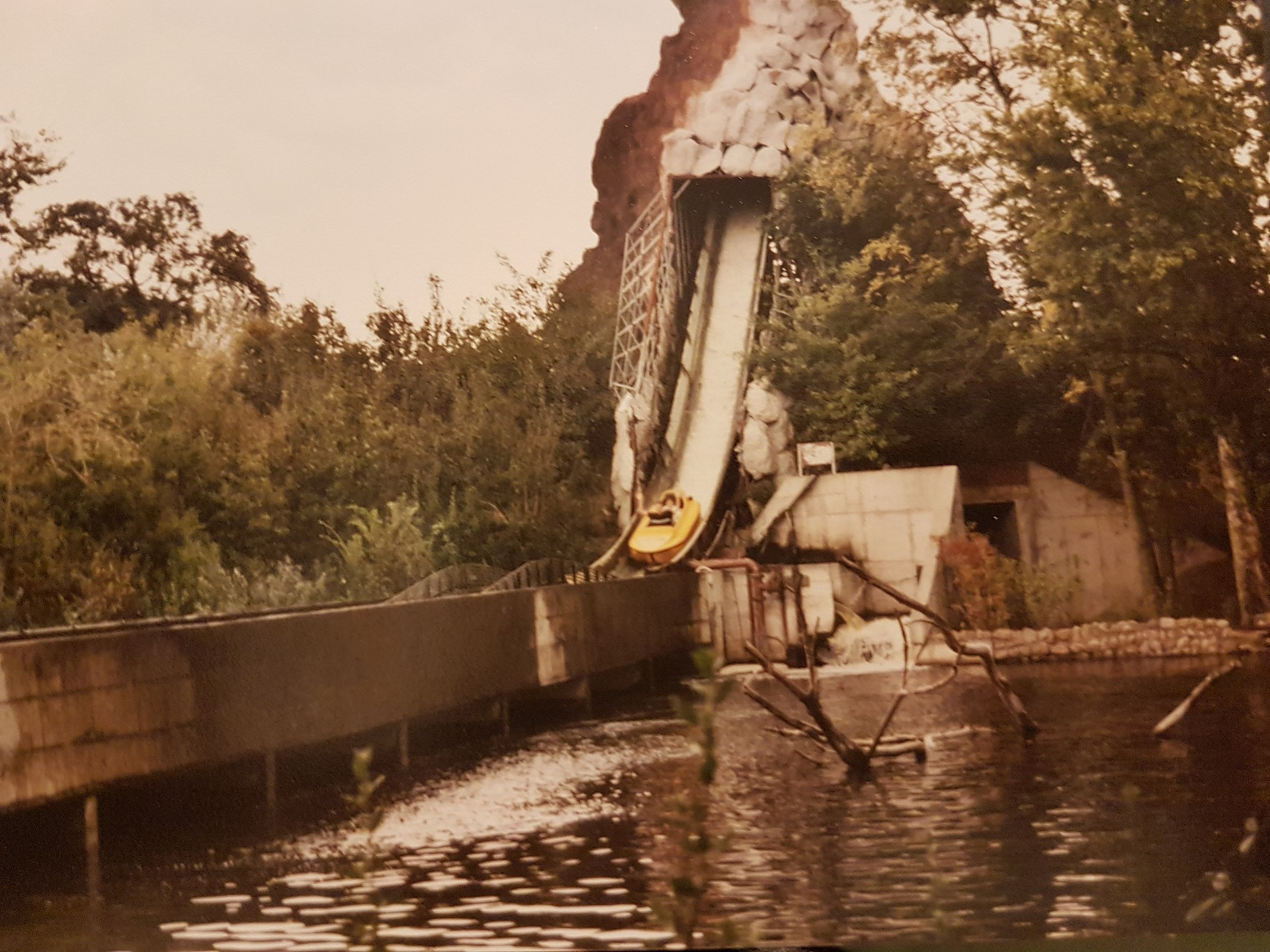
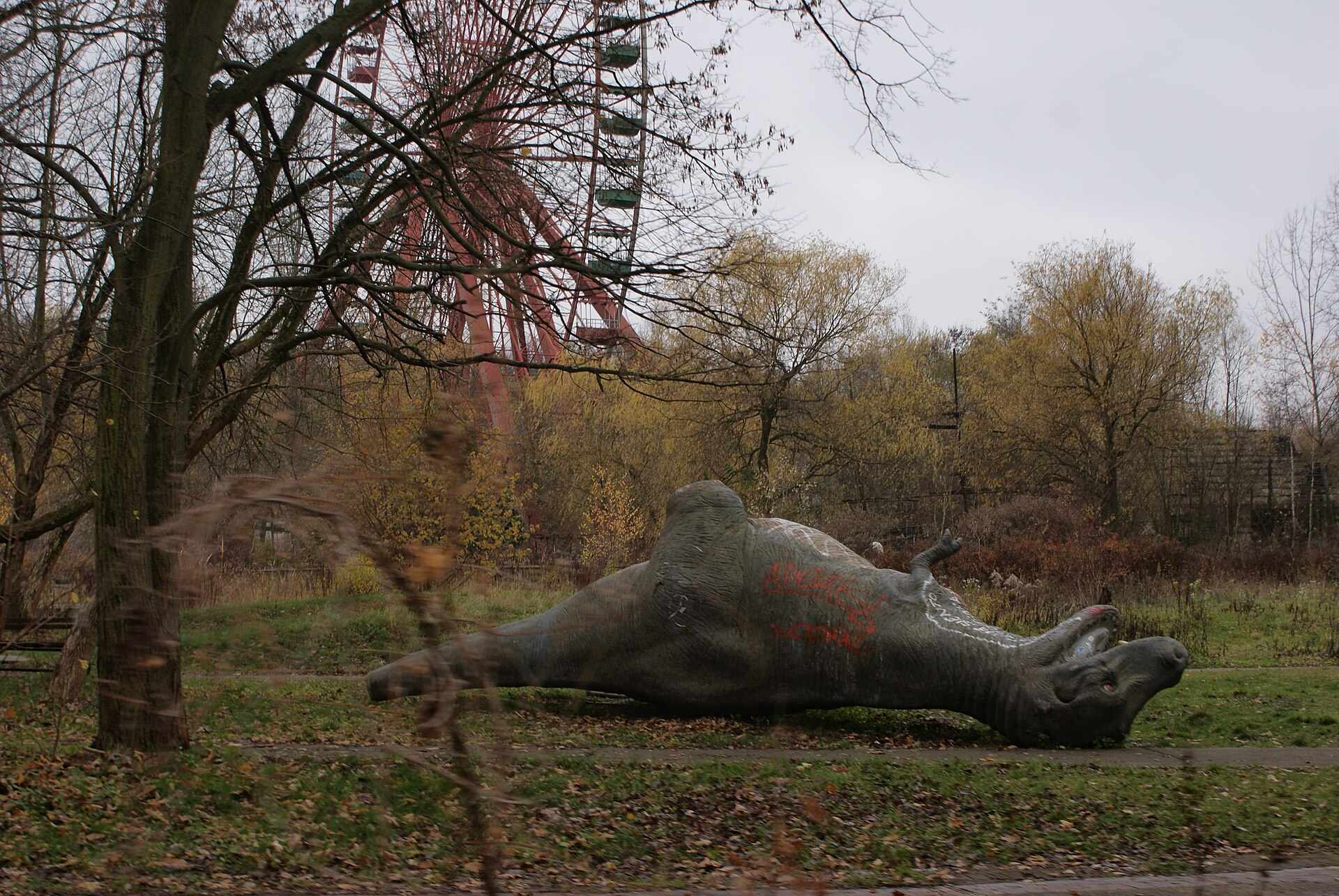
With its founder in prison and no clear ownership resolution, Spreepark sat abandoned for years, its rusting Ferris wheel and toppled dinosaur statues becoming an internationally recognized symbol of eerie urban decay, frequently photographed by urban explorers and featured in documentaries about abandoned places worldwide. The site’s genuinely strange history, communist-era nostalgia colliding with post-reunification collapse and international crime, made it one of the most storied abandoned locations in all of Europe.
The City of Berlin Steps In
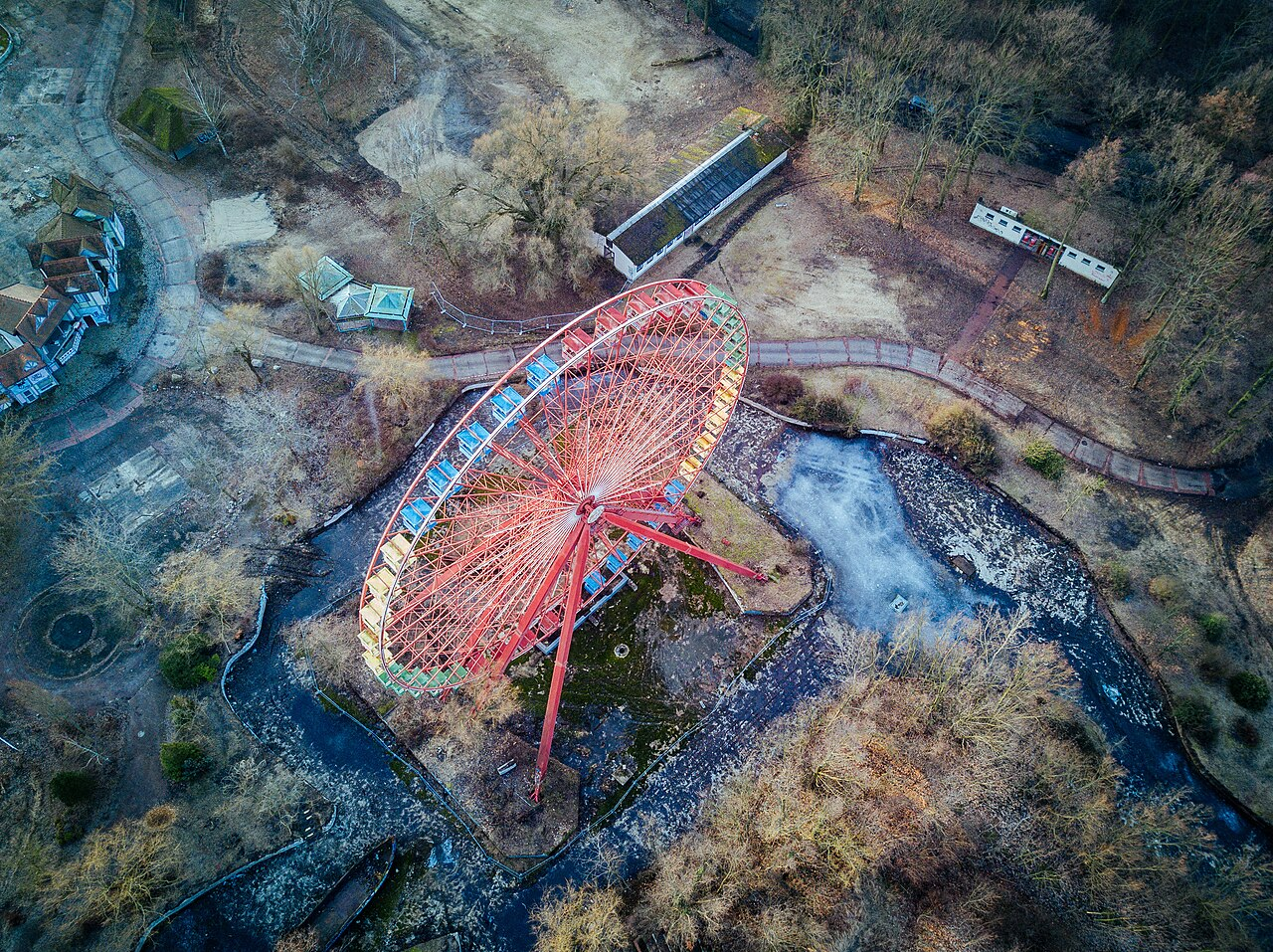
Berlin’s city government eventually acquired the site and, working with the public land management company Grün Berlin, began a genuine, deliberate effort to transform the former amusement park into a new cultural and green space rather than simply demolishing what remained. Much of the site’s original derelict infrastructure has since been carefully removed or stabilized as part of this ongoing redevelopment, distinguishing Spreepark’s story from many other abandoned sites that remain frozen in decay indefinitely.
Official Tours Now Welcome Visitors
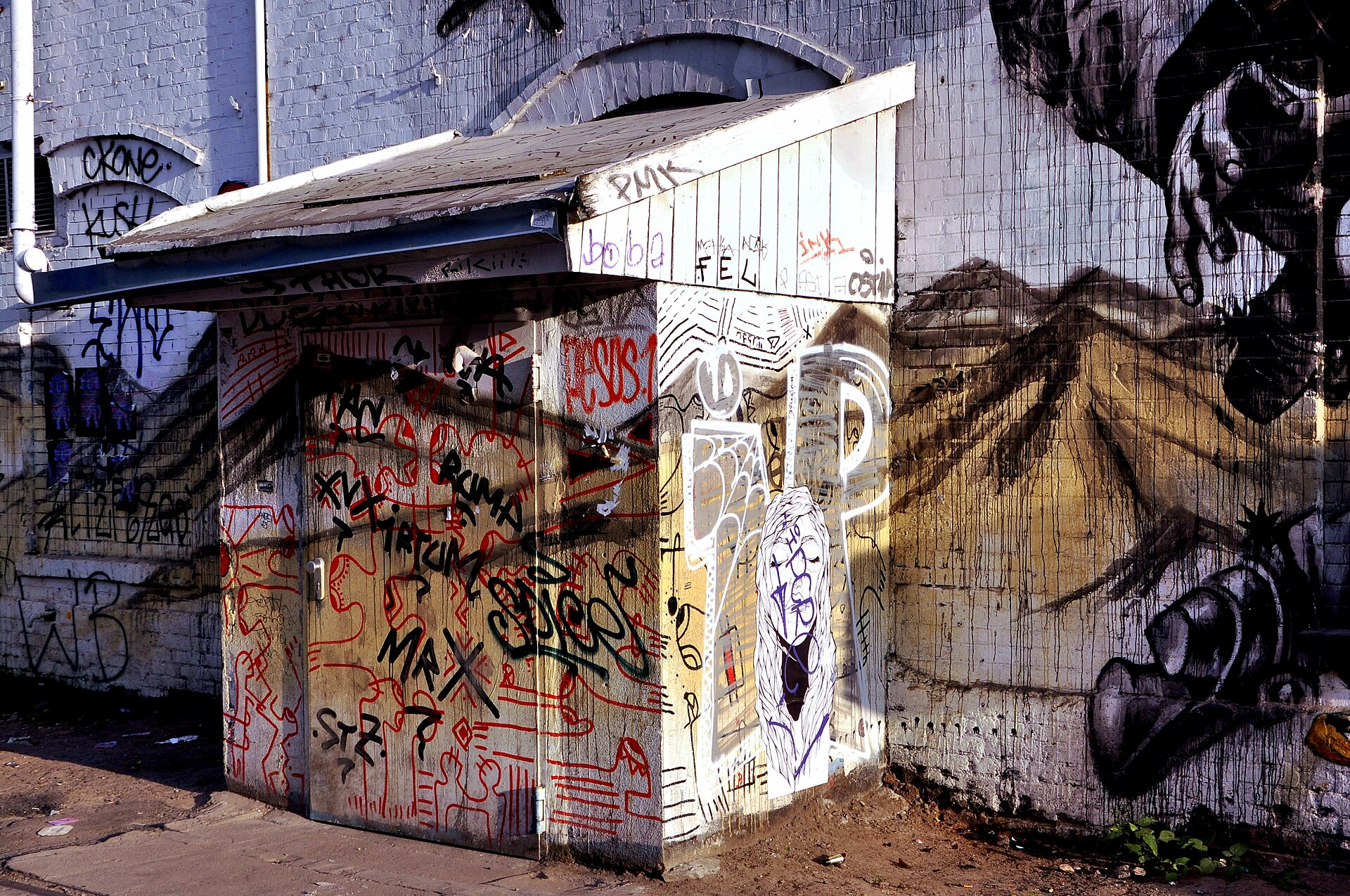
Today, Spreepark offers legitimate, official guided tours, bookable through Grün Berlin for a modest fee, letting visitors walk through the site’s most iconic remaining structures, including the massive Ferris wheel, under proper supervision and without the legal risk that came with the site’s earlier, unofficial urban-exploration years. This represents a genuinely rare outcome among famous abandoned places worldwide, transitioning from illegal trespassing destination to a legitimate, managed cultural attraction.
An Ongoing Transformation
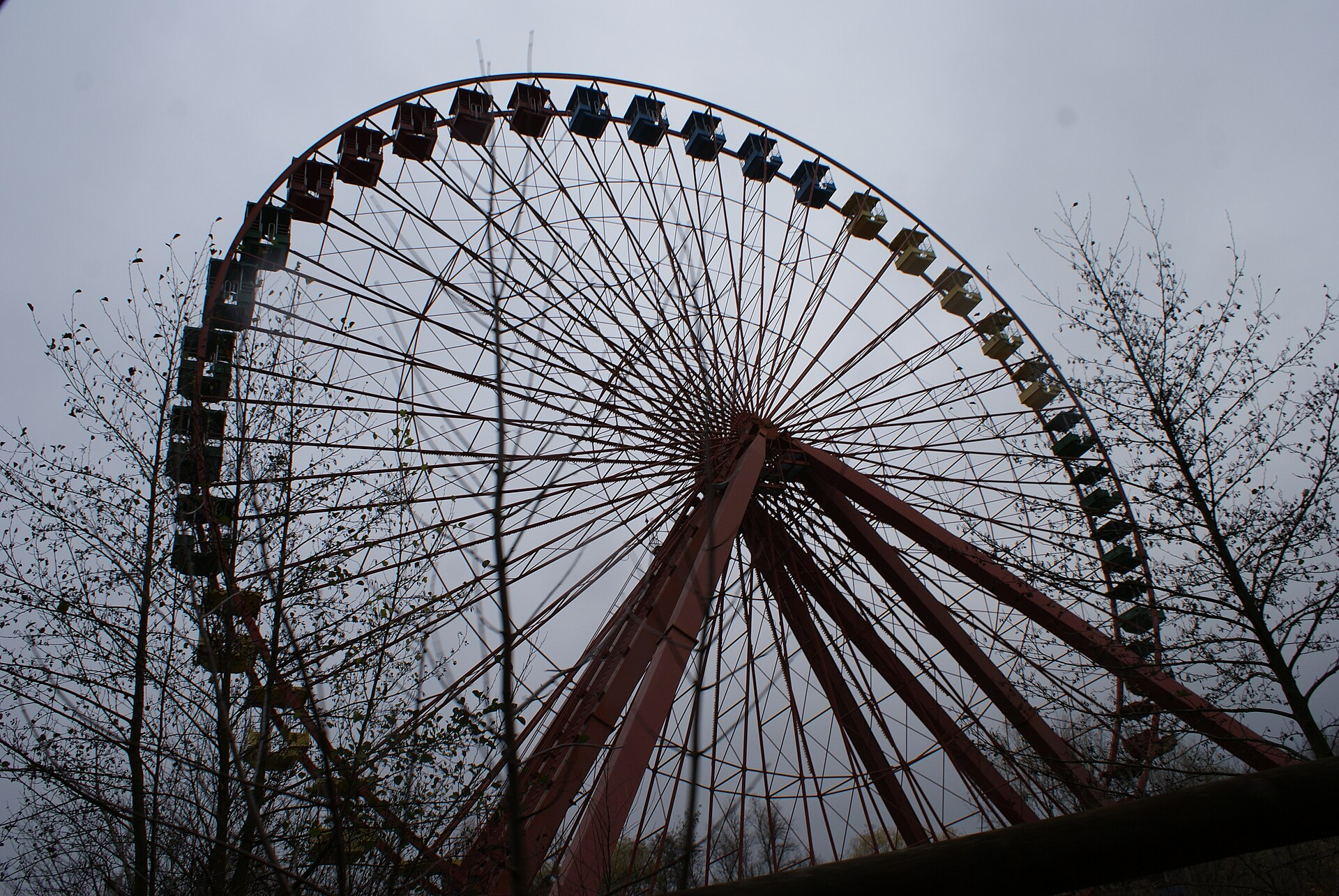
Berlin’s broader master plan for the site continues to unfold, with plans for a mix of cultural programming, art installations, and green space intended to honor the location’s unusual history while giving it a genuinely sustainable new purpose. Visitors touring the site today see both remnants of the original 1969 amusement park and evidence of the careful, ongoing transformation reshaping the space for a new generation.
Why the Story Resonates So Widely
Spreepark’s particular combination of communist-era nostalgia, post-reunification economic collapse, and an almost cinematic crime story has made it a genuinely popular subject for documentaries and long-form journalism well beyond typical abandoned-place coverage, appearing in features produced by major international outlets over the years. That broader cultural attention has, in turn, helped generate public and political support for the site’s ongoing redevelopment, turning what might otherwise have remained a purely local Berlin curiosity into an internationally recognized case study in creative urban reuse.
Getting There and What to Expect
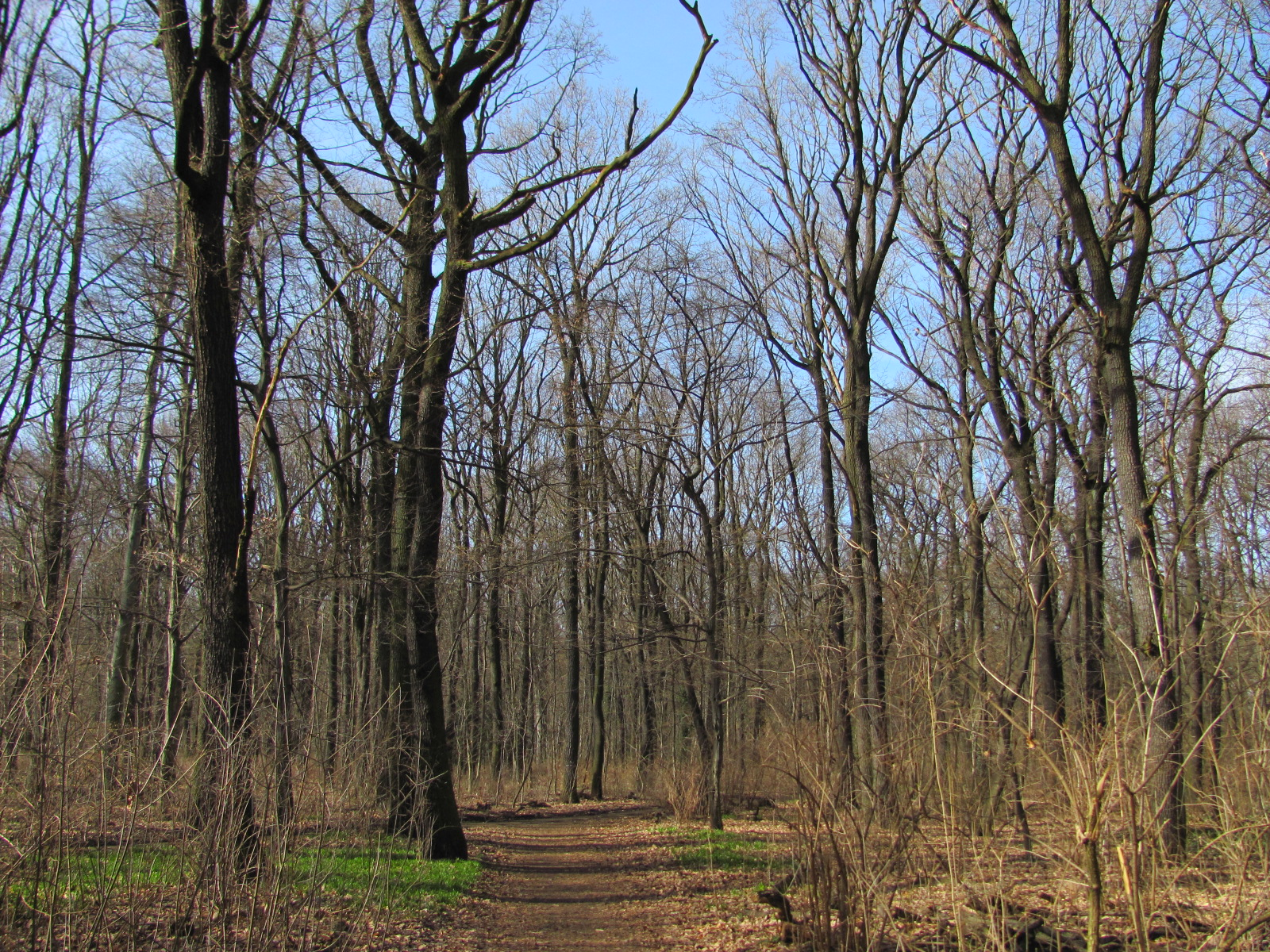
Spreepark sits within Plänterwald, a large forested park along the Spree River in Berlin’s Treptow-Köpenick district, reachable by public transit from central Berlin in roughly 30 to 40 minutes depending on starting point. Visitors booking an official tour should expect a guided walking experience through the site’s most significant remaining structures, with tour guides providing historical context about both the park’s original operation and its unusual decline, rather than unstructured free exploration of the grounds.
One of Europe’s Most Genuinely Unusual Stories
Spreepark’s journey, from beloved East German family destination to bankrupt, internationally infamous ruin at the center of a genuine drug-smuggling case, and finally to a carefully managed, officially touchable piece of Berlin history, remains one of the most remarkable stories behind any abandoned place in the world. For travelers with a genuine interest in unusual history, walking through Spreepark today offers a rare chance to experience a legendary abandoned site legally and safely, guided by people actively working to give it a meaningful second life.
Like our content? Follow us for more.


