

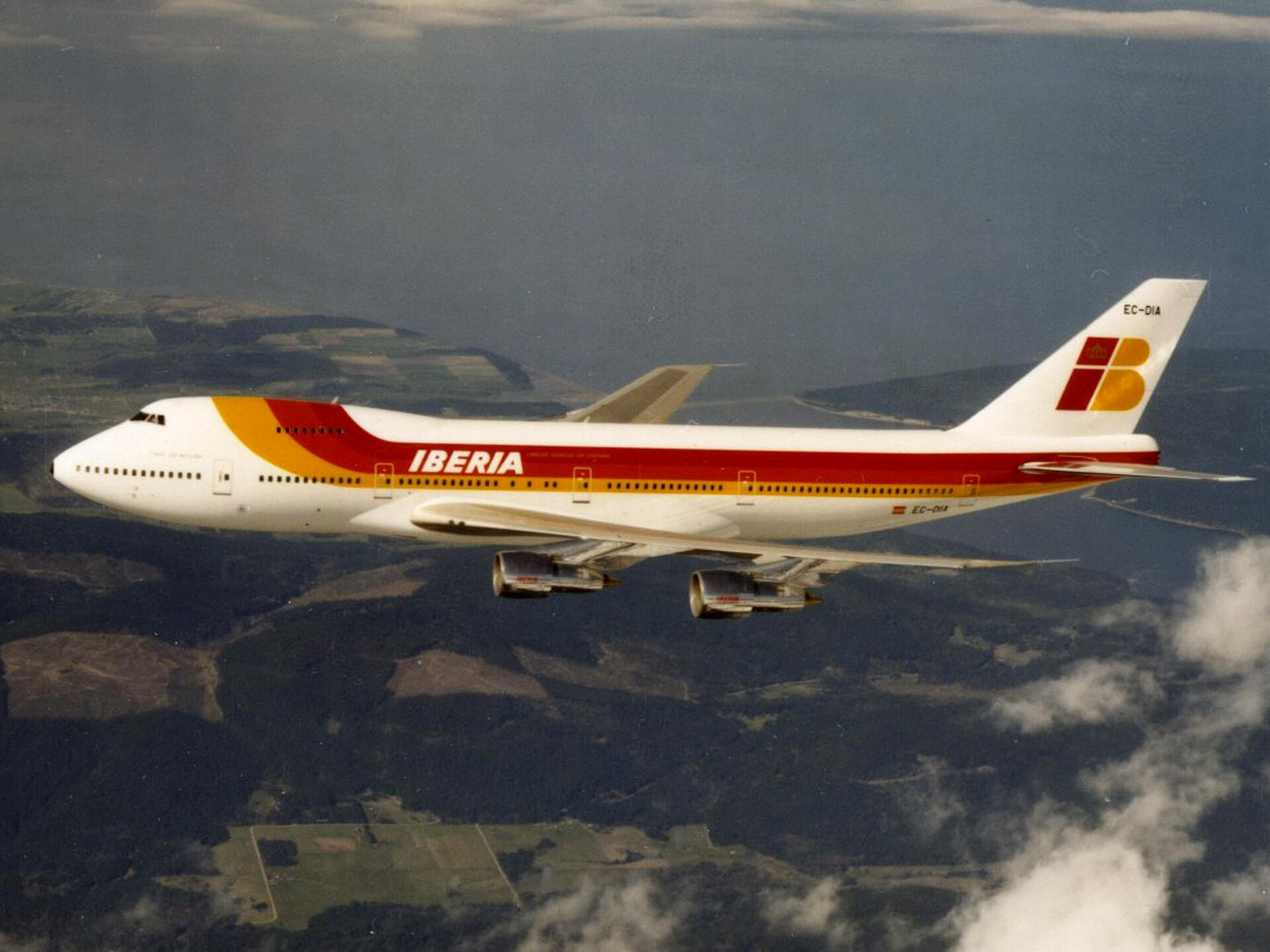
There was a time when flying was treated as a genuine occasion, a special, somewhat glamorous event worth dressing up for, rather than the crowded, security-heavy routine it’s become today. Older travelers who remember boarding a flight in the 1960s and 70s often describe an entirely different world in the air. Here are eleven things about flying that have completely changed since then, counted down one by one.
1. Passengers Dressed Up for the Flight
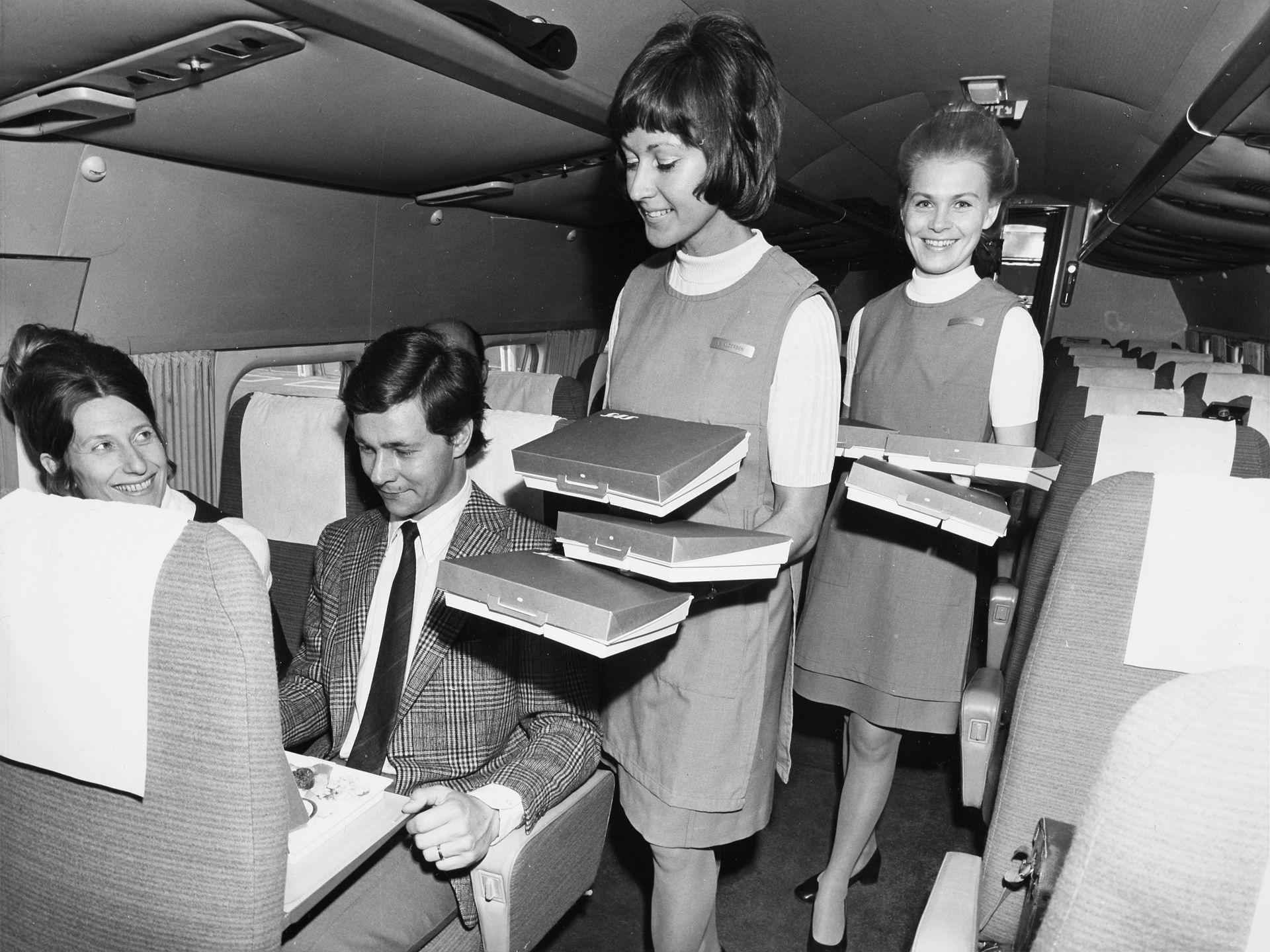
Formal attire was standard for air travel. Suits and dresses were the norm, not sweatpants and sneakers.
Boarding a flight in the 1960s and 70s typically meant dressing in genuinely formal attire, men in suits and ties, women in dresses, since air travel was still considered a special occasion rather than routine transportation. Showing up in casual clothes would have felt out of place. Passengers dressed up for the flight reflects just how different the entire cultural attitude toward flying used to be, a level of formality that feels almost unimaginable compared to today’s overwhelmingly casual airport crowds.
Like our content? Follow us for more.
2. Meals Were Served on Real China With Metal Utensils
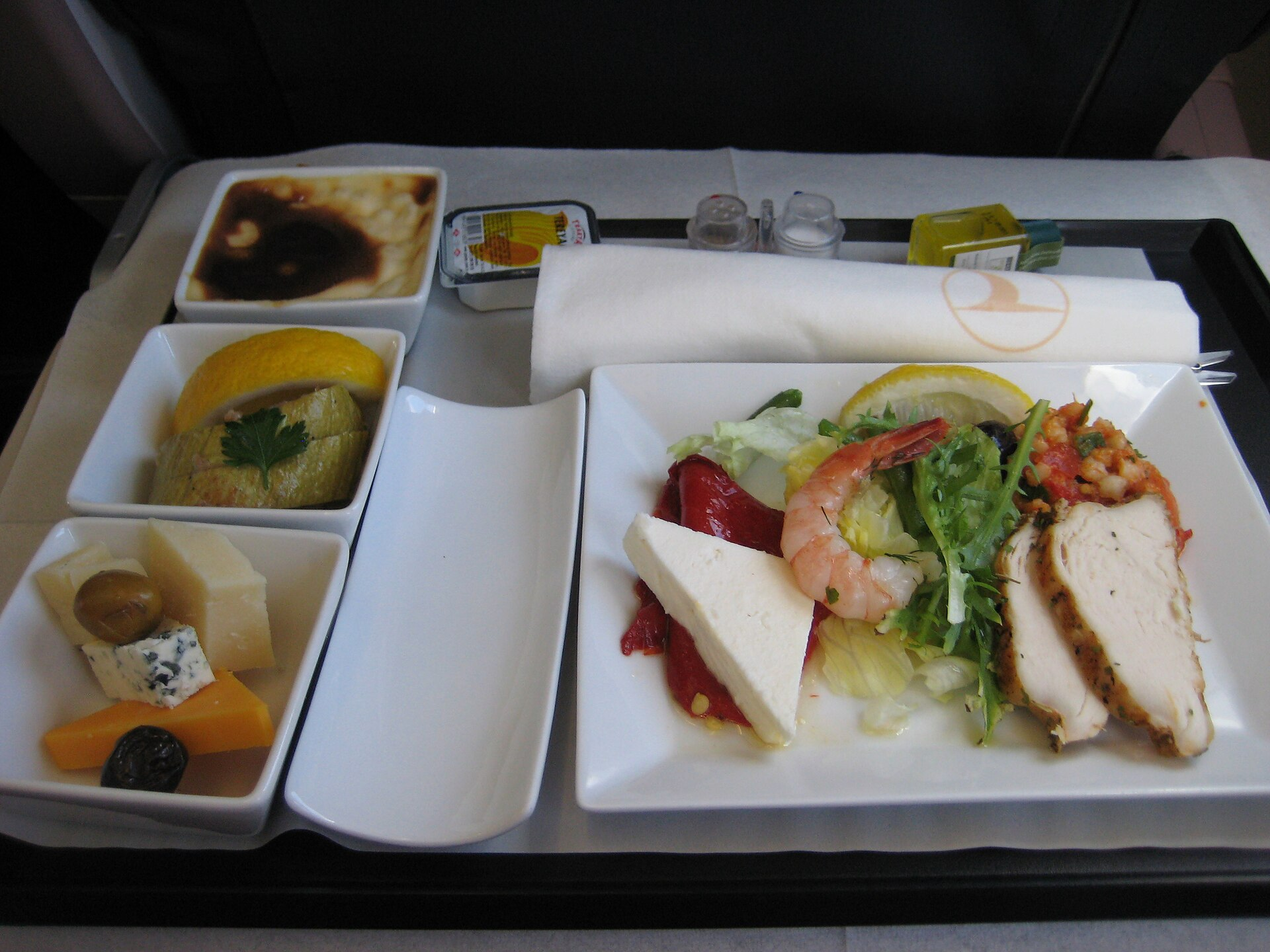
Full hot meals arrived on actual dishware. Metal knives and forks were standard, even in economy class.
Even in economy class, a full hot meal was served on real china plates with genuine metal utensils, a level of service that today exists only on the very longest international flights, if at all. Domestic flights routinely offered multi-course meals with real silverware included as a matter of course. Meals served on real china with metal utensils reflects the genuinely different service standard of the era, a level of care and presentation that has since been almost entirely replaced by prepackaged snacks or nothing at all on most domestic routes.
3. Smoking Sections Existed on Every Flight
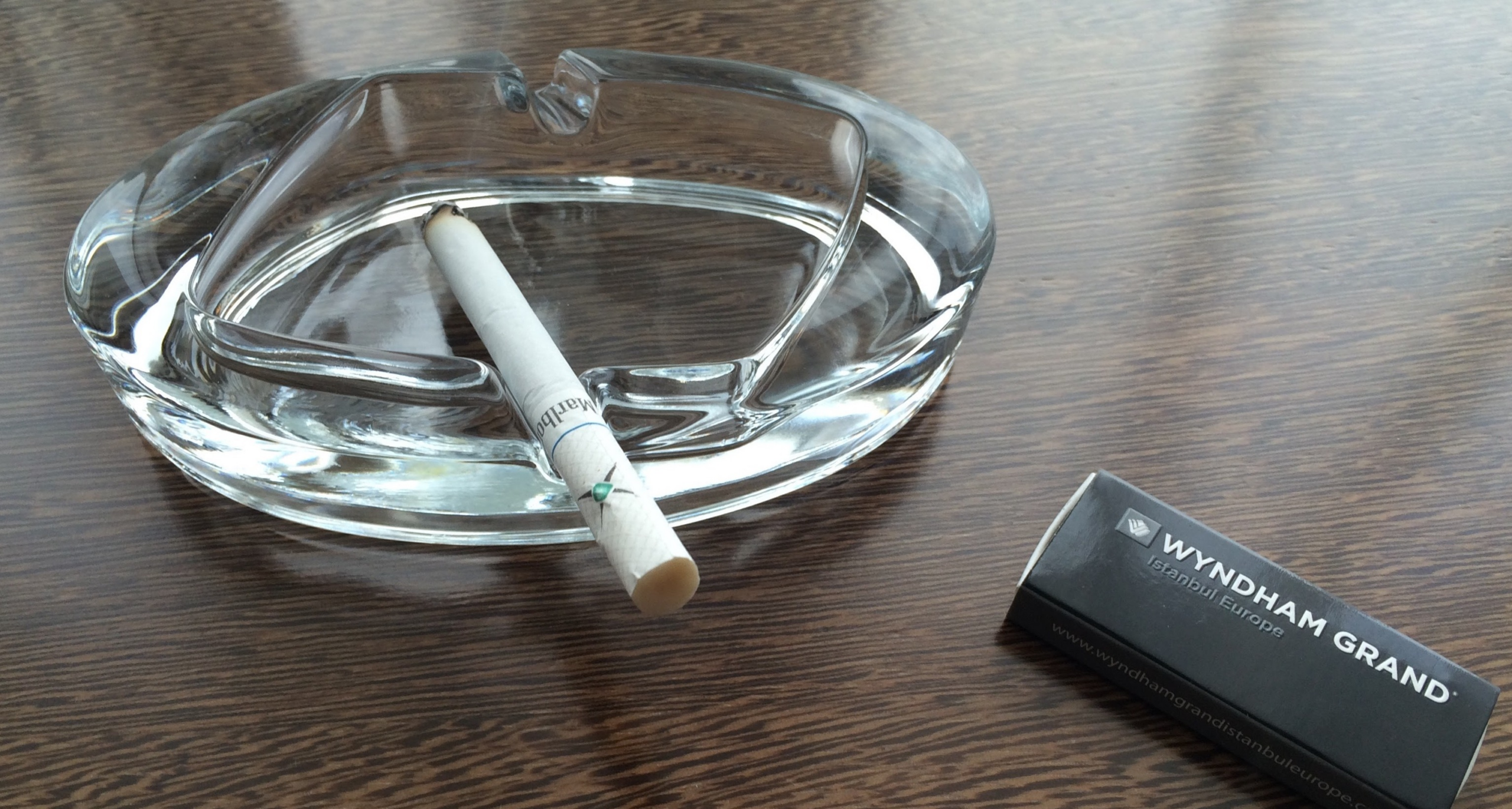
A designated area allowed passengers to smoke mid-flight. Cabin air was noticeably different as a result.
Nearly every commercial flight maintained a designated smoking section, often just a few rows back from non-smokers with minimal actual separation, and ashtrays were built directly into the armrests of every seat. Cabin air was noticeably smokier as a result, a detail younger travelers today find genuinely hard to picture. Smoking sections existing on every flight is one of the most dramatic changes in air travel, a practice banned entirely on domestic U.S. flights by 1990 that once felt like a completely unremarkable part of flying.
4. Anyone Could Walk Right Up to the Gate
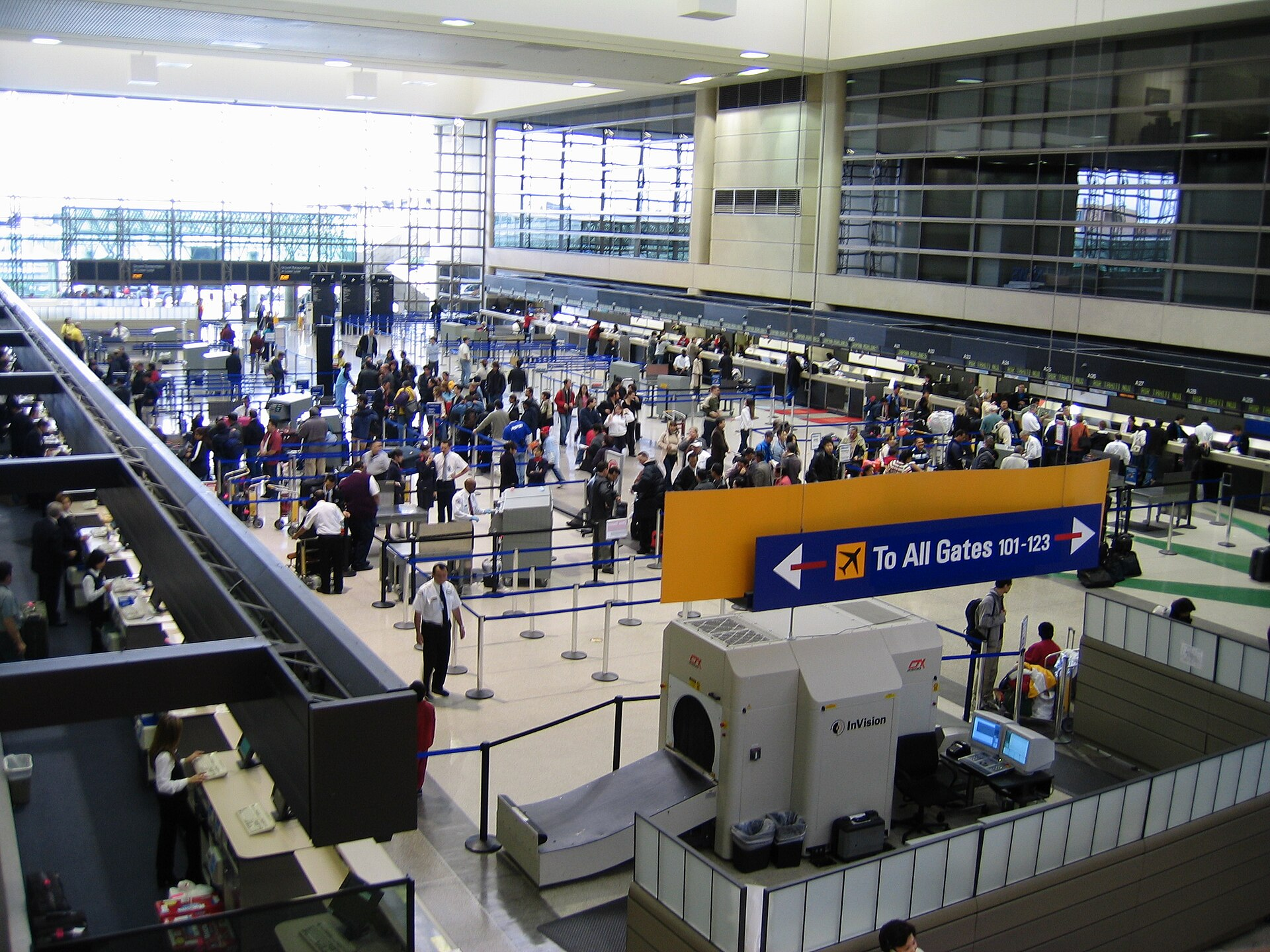
Non-passengers could accompany travelers to the boarding area. Saying goodbye at the gate itself was standard practice.
Before security screening extended to the gate area itself, family and friends could walk a departing passenger all the way to the boarding gate, sharing a final goodbye right up until the moment they boarded. Airports felt considerably more open and accessible to the general public as a result. Anyone being able to walk right up to the gate reflects a fundamentally different relationship between airports and security, an openness that the post-2001 security landscape has since eliminated entirely from American air travel.
5. Checking In Took Minutes, Not Hours
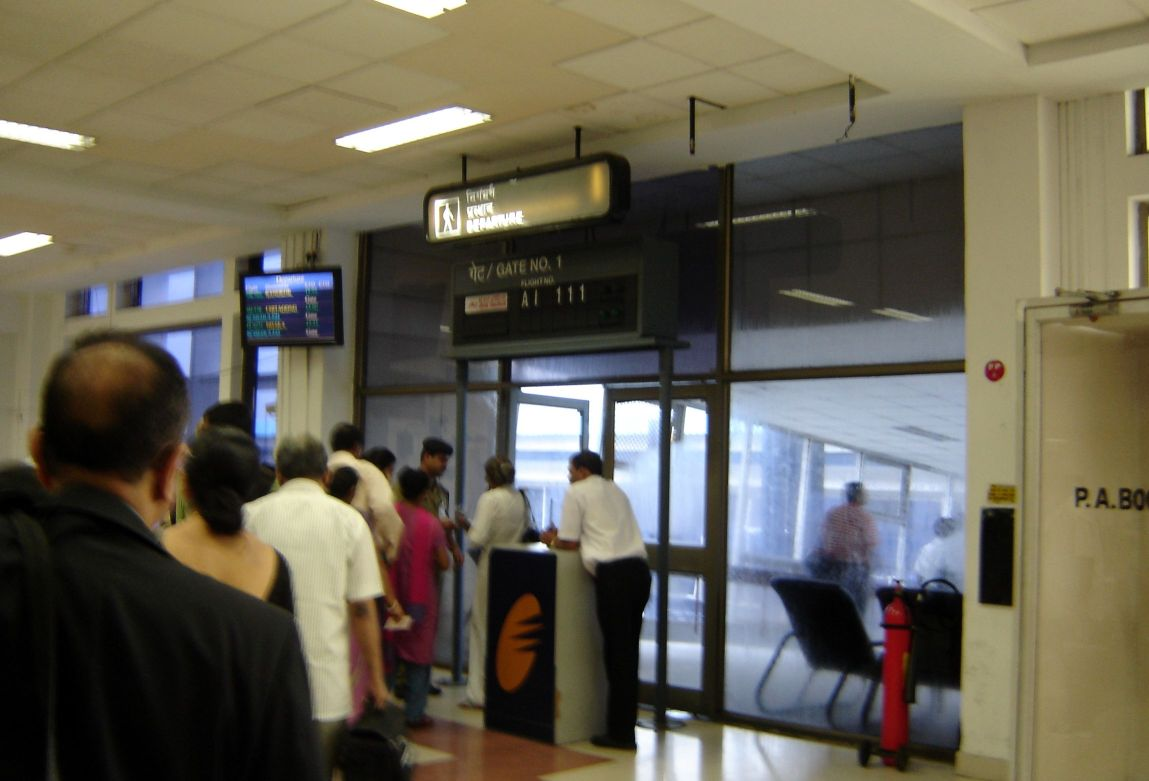
Arriving shortly before departure was entirely normal. Extensive security screening simply didn’t factor into travel planning.
Travelers routinely arrived at the airport just thirty minutes to an hour before a domestic flight, checked in quickly at the counter, and walked directly to the gate without the extensive security screening process modern travelers build significant time around today. Checking in took minutes, not hours reflects the genuinely different pace of pre-security-era air travel, a level of convenience that today’s multi-layered screening process has made almost entirely unrecognizable.
6. Stewardesses Faced Strict Appearance and Age Requirements
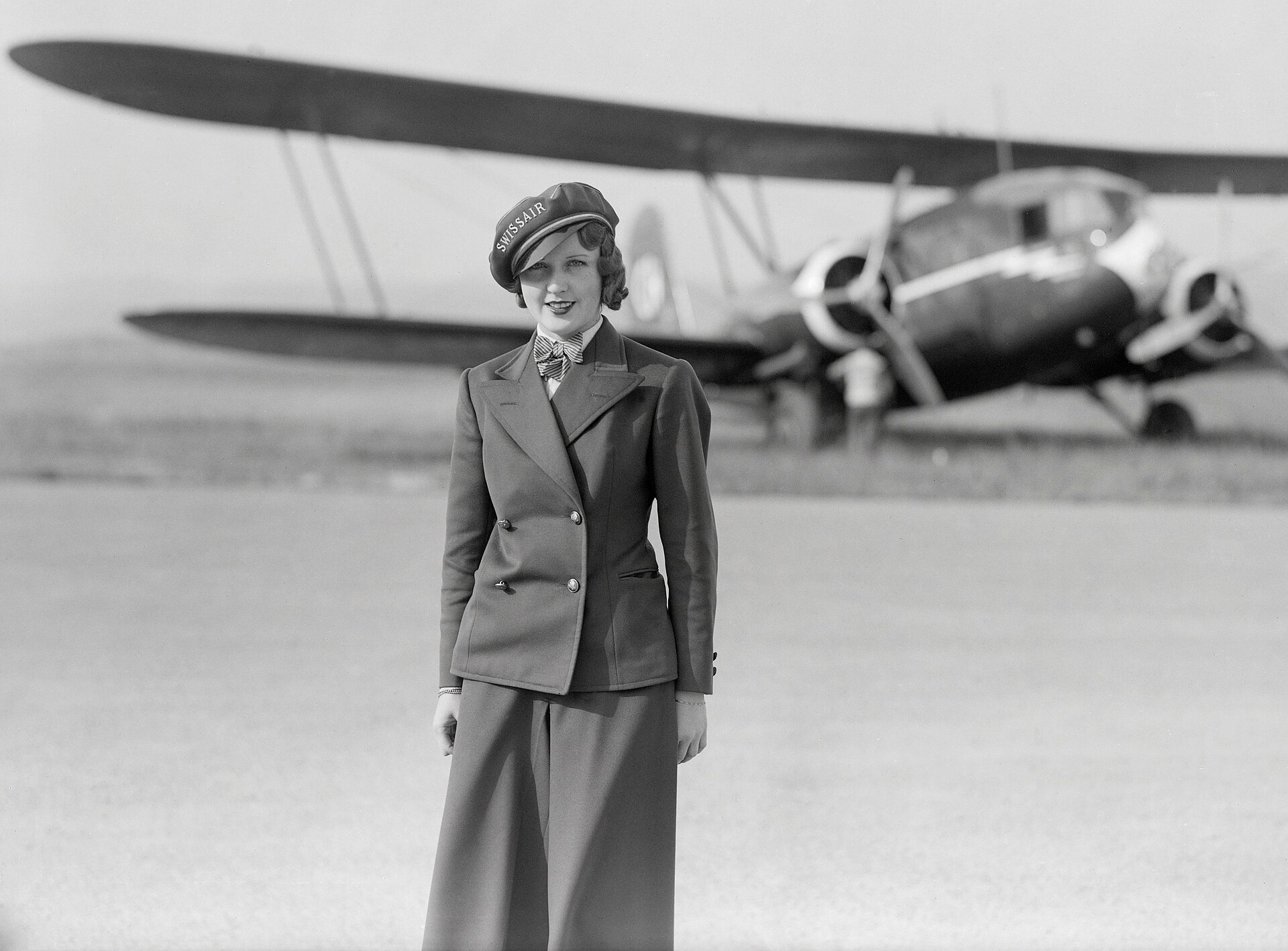
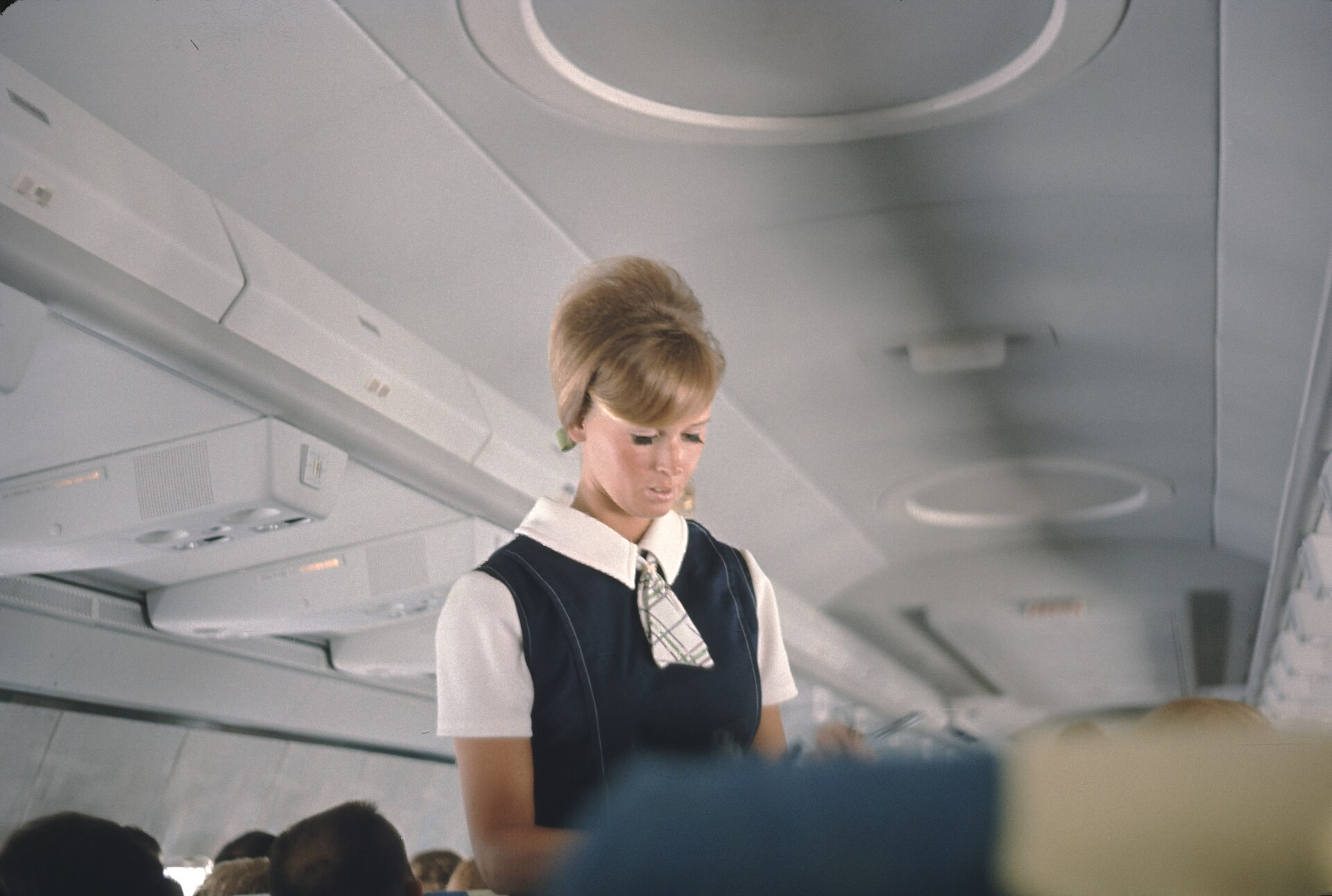
Flight attendants were subject to weight limits and mandatory retirement ages. These policies reflected the era’s different employment standards.
Airlines in this era imposed strict weight limits, age restrictions, and even mandatory retirement ages, often around 32 or 35, on female flight attendants, policies rooted in the era’s different, now widely criticized employment standards. These requirements were gradually eliminated through a series of legal challenges in the 1970s and 80s. Stewardesses facing strict appearance and age requirements reflects genuinely difficult workplace conditions of the era, restrictive policies that today’s employment law would never permit.
7. Boarding Passes Were Simple Paper Tickets
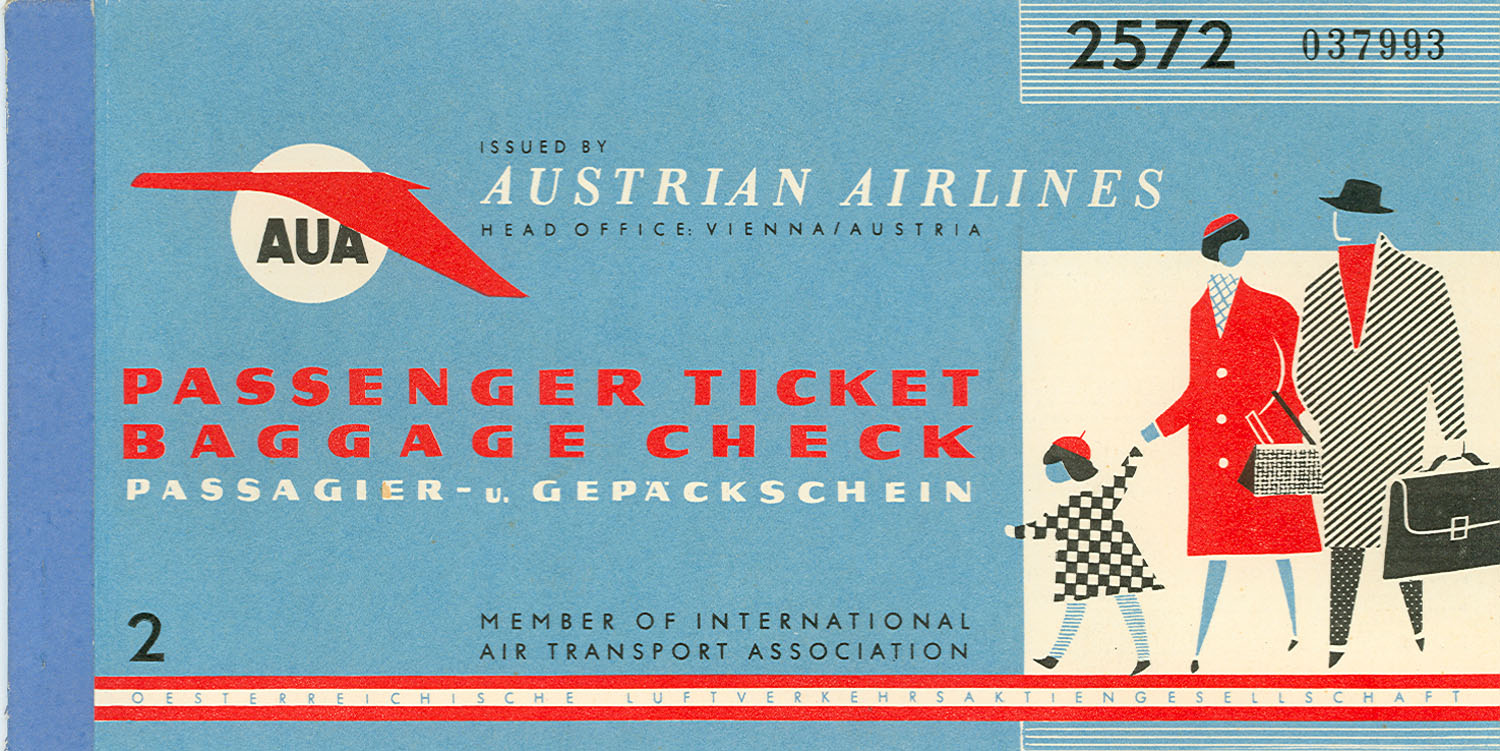
A basic paper ticket handled the entire boarding process. No barcodes, apps, or digital verification were involved.
Boarding a flight required nothing more than a simple paper ticket, torn and collected by an agent at the gate, with no barcode scanning, digital verification, or smartphone app involved anywhere in the process. The entire system ran on straightforward paper documentation. Boarding passes being simple paper tickets reflects the pre-digital simplicity of the era’s air travel infrastructure, a system that, while less secure by modern standards, required none of today’s layered digital verification.
8. Airfare Was Heavily Regulated by the Government
Ticket prices were set by federal regulation, not competition. This kept fares consistently high but relatively stable.
Before the Airline Deregulation Act of 1978, the federal government set airfares directly, meaning prices were consistent across airlines on a given route rather than shaped by competition, keeping fares relatively high and flying a genuine luxury for much of the population. Airfare being heavily regulated by the government explains why flying felt like such a special occasion, a fundamentally different pricing structure that deregulation later transformed into the competitive, often cheaper market travelers know today.
9. Lounges and Waiting Areas Felt Genuinely Spacious
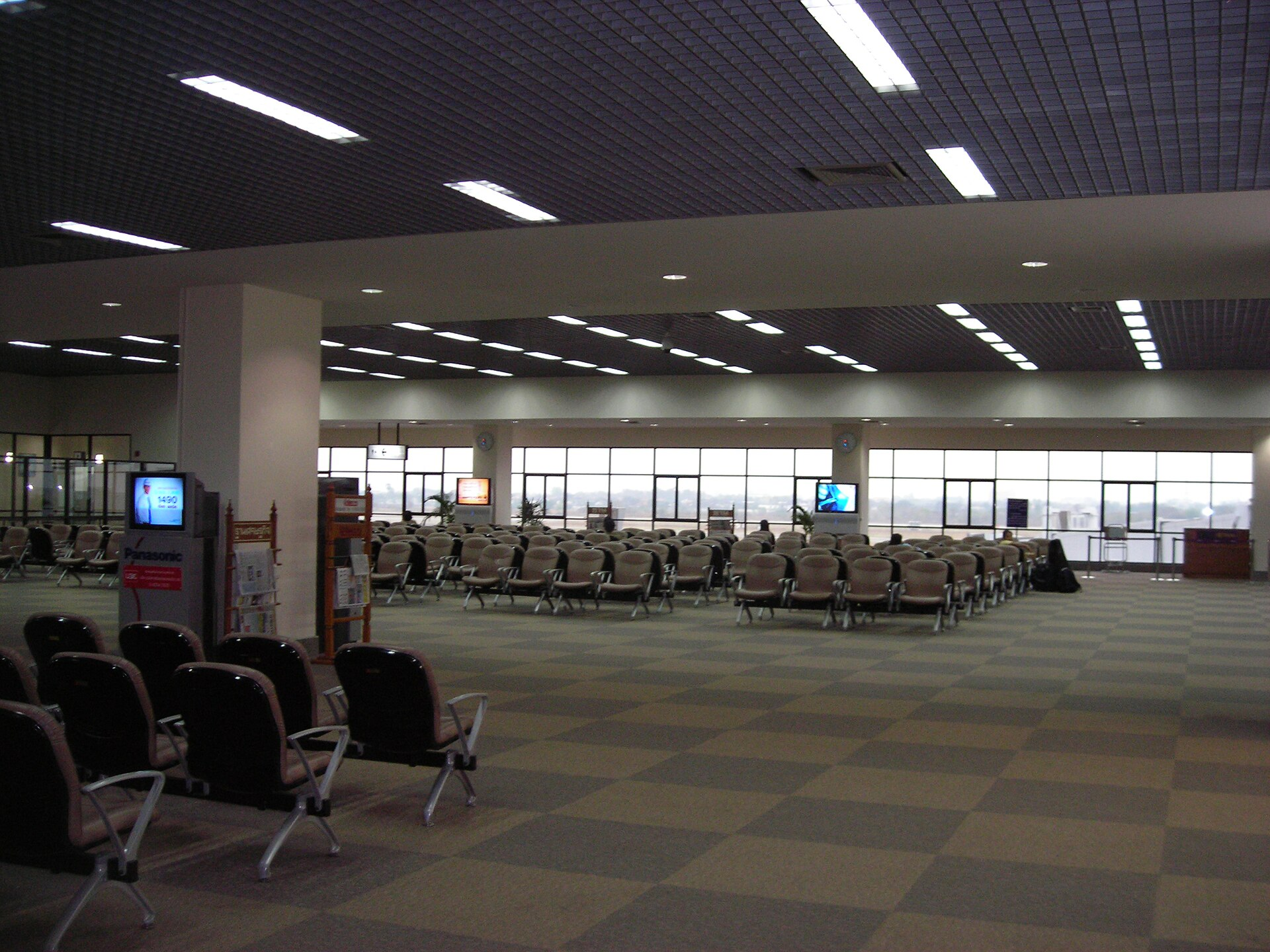
Airports had considerably less foot traffic overall. Waiting areas offered real space and comfort before a flight.
With a considerably smaller percentage of Americans flying regularly, airport waiting areas and lounges felt genuinely spacious and uncrowded, a comfortable, unhurried atmosphere compared to today’s often packed terminals. Airline deregulation and the resulting boom in air travel accessibility changed this dramatically. Lounges and waiting areas feeling genuinely spacious reflects just how much smaller the overall volume of air travelers was during this era, a comfort level that increased accessibility has since traded away for considerably more crowded airports.
10. In-Flight Entertainment Meant a Single Shared Movie Screen
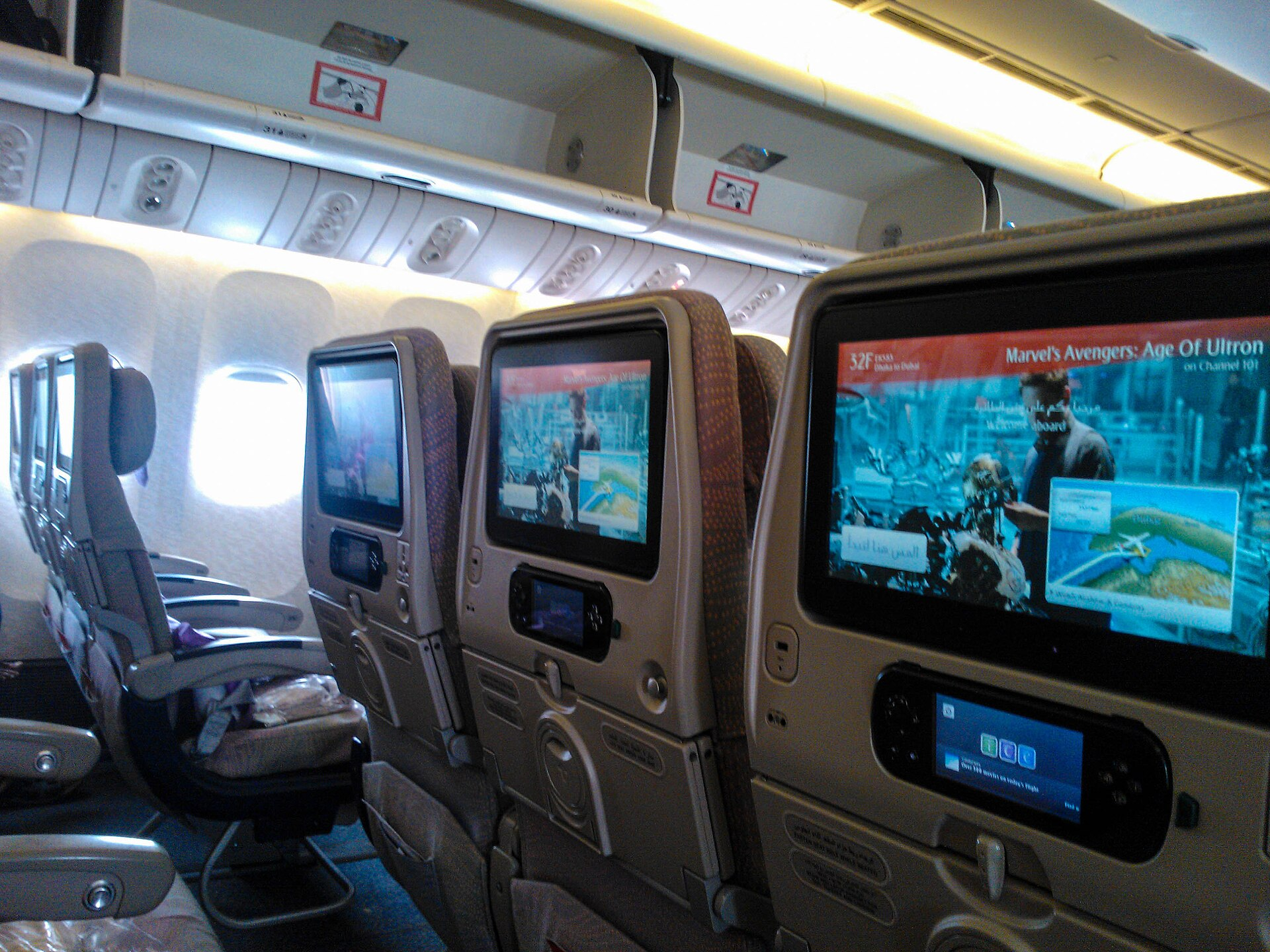
One movie played for the entire cabin. Headphone rental was often required to hear the audio.
In-flight entertainment consisted of a single film projected onto a shared screen at the front of the cabin, visible to the entire section of passengers at once, with headphones often available to rent for a small additional fee to actually hear the audio. In-flight entertainment meaning a single shared movie screen is a defining memory of the era’s air travel, a communal viewing experience that individual seatback screens and personal streaming have since made almost entirely obsolete.
11. Turbulence Felt Genuinely More Alarming
Aircraft technology and weather prediction were considerably less advanced. Bumpy flights felt more unpredictable and unsettling.
With less advanced weather radar and forecasting technology, pilots had less ability to anticipate and route around rough weather, and turbulence during this era genuinely felt more frequent and less predictable than it does with today’s improved forecasting and flight-planning tools. Turbulence feeling genuinely more alarming reflects real technological limitations of the era, advances in meteorology and aircraft design that have since made flying a demonstrably smoother, more predictable experience overall.
A Different Era in the Sky
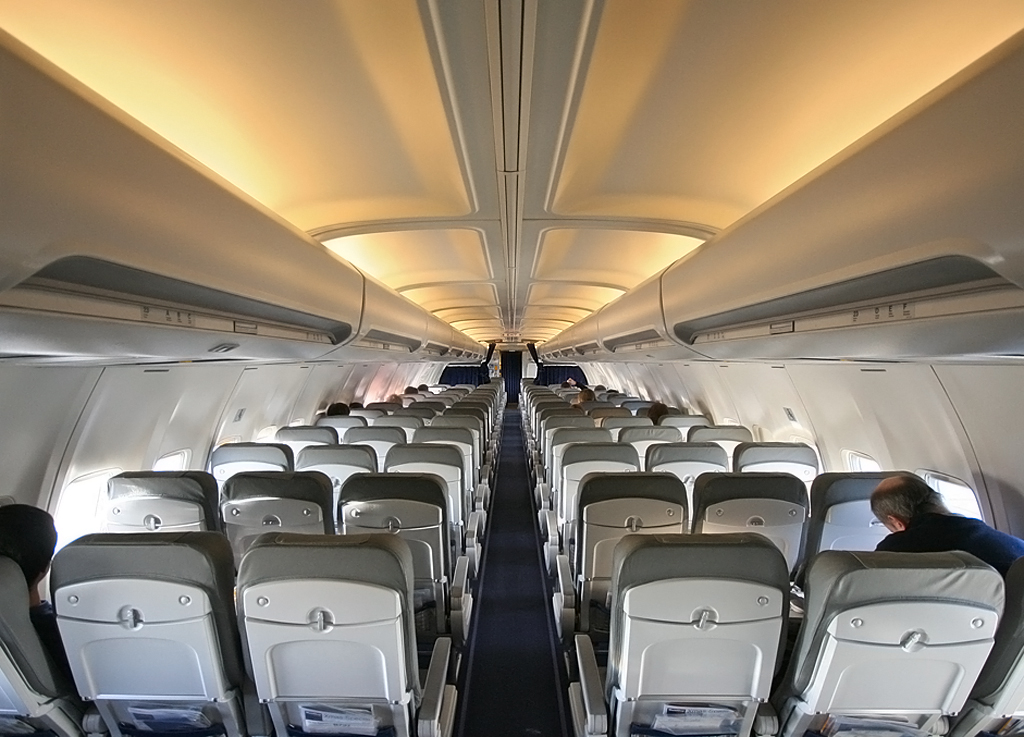
Taken together, these eleven changes show just how dramatically air travel has transformed since the 1970s, from dressing up for a flight and dining on real china to sitting in a designated smoking section just a few rows back. Some changes reflect genuine safety and security improvements, while others simply reflect a completely different cultural relationship with flying itself.
Deregulation, security requirements following the September 11 attacks, and the sheer growth in the number of Americans flying regularly all contributed to today’s very different air travel experience, one that’s considerably more accessible and affordable, even as it’s lost much of the earlier era’s formality and glamour. For those who remember flying in that earlier era, these details bring it all back: the real silverware, the shared movie screen, the simple paper ticket. Looking back at how flying used to be is a nostalgic reminder of just how much the experience has changed, for better and for worse, over the past half century.
Like our content? Follow us for more.

