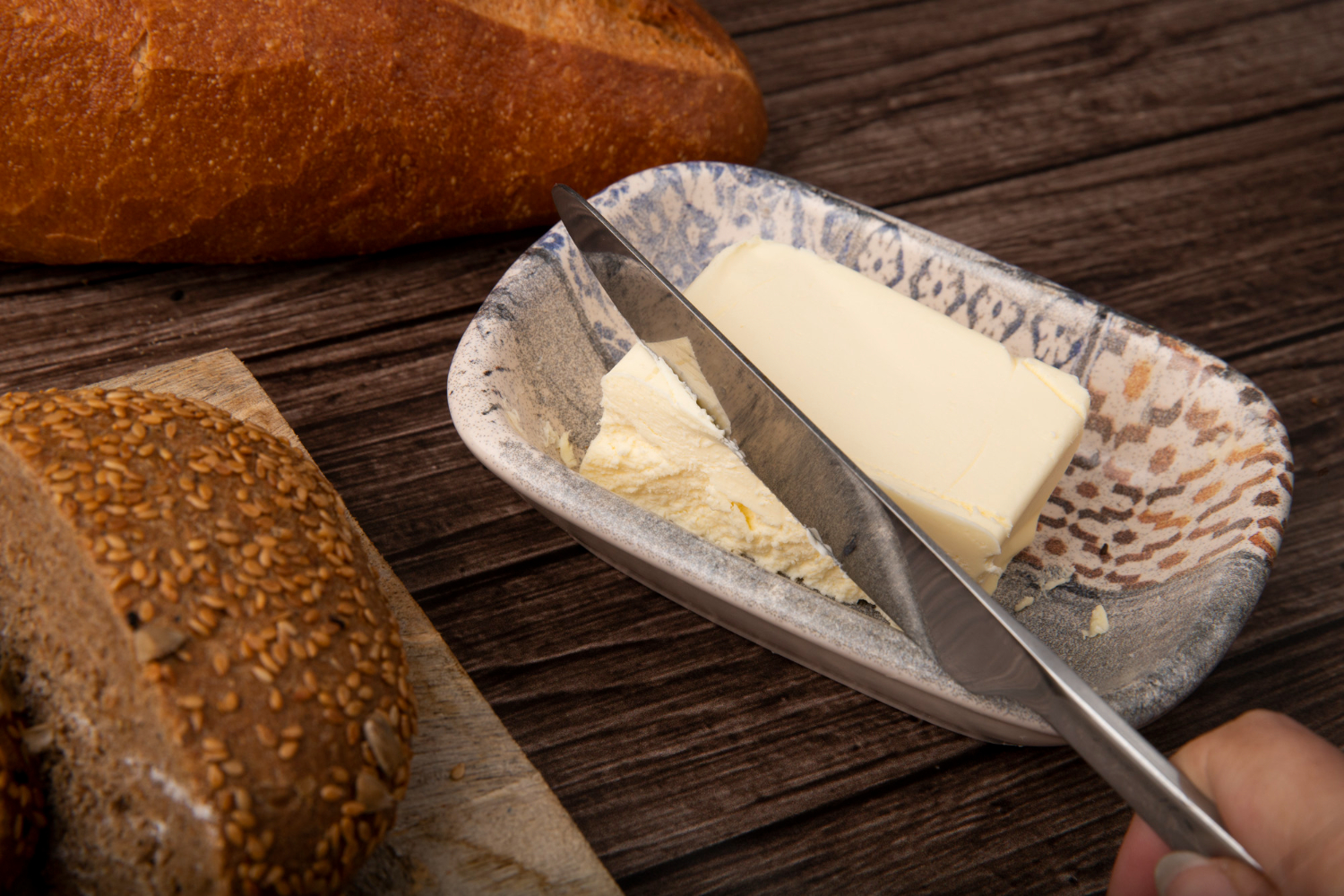
The question of butter storage divides households and even countries. Americans refrigerate butter instinctively. Many European and African cultures leave butter at room temperature indefinitely. The answer to how long butter can sit out depends on understanding the science of butter, the cultural assumptions about food safety, and the genuine differences between climates and butter formulations.
The Science of Butter Stability
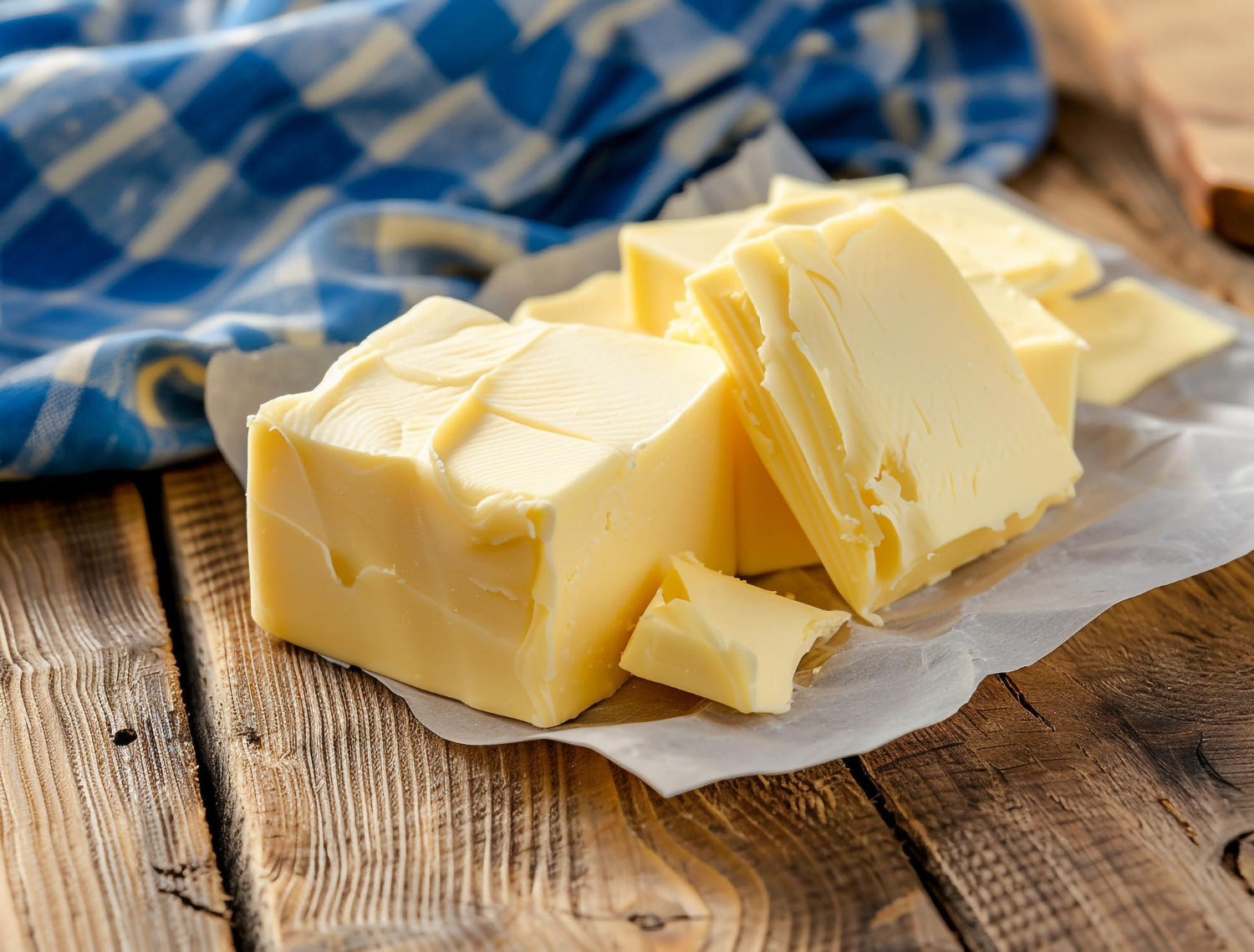
Butter is roughly 80% fat and 15-20% water. Fat is remarkably stable — it doesn’t spoil the way proteins or carbohydrates do. Rancidity (the actual spoilage of fats) is a slow chemical process that requires exposure to light, heat, and oxygen over extended periods. A stick of butter left on a kitchen counter at 68°F (20°C) will take months to become noticeably rancid. At room temperature, unsalted butter lasts roughly 1-2 weeks before noticeable degradation. Salted butter lasts longer because salt inhibits microbial growth and slows oxidative rancidity — typically 2-3 weeks at room temperature.
The USDA recommends refrigeration primarily because of potential bacterial contamination, not because butter itself spoils quickly. If butter is handled with clean utensils and stored in a covered container, bacterial risk is minimal. The official guidance reflects conservative food safety standards, not the actual chemistry of butter.
The European Non-Refrigeration Tradition
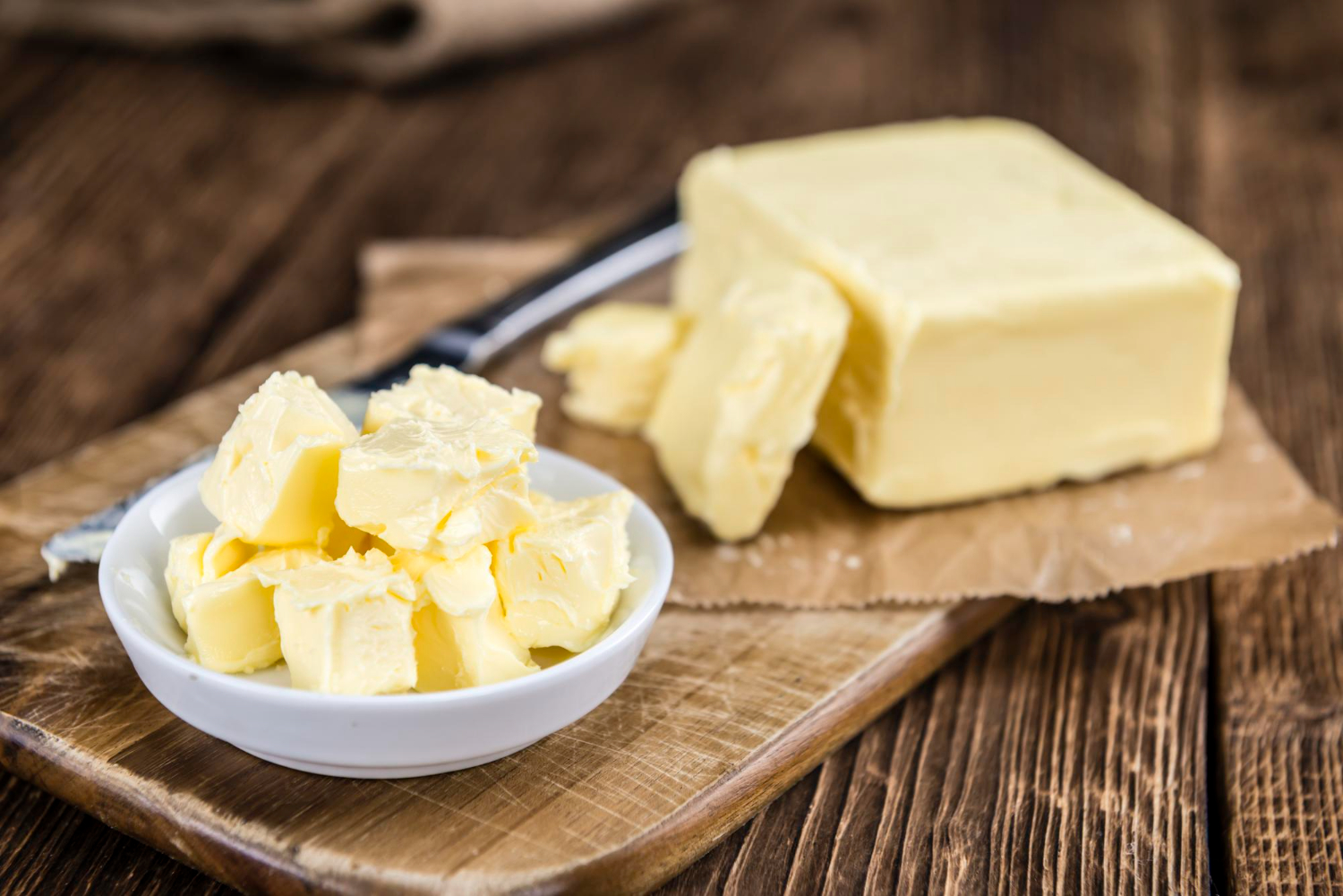
In France, Spain, and much of Mediterranean Europe, butter is routinely left at room temperature. Bakers and chefs working with butter don’t refrigerate it because cold butter is harder to work with — it doesn’t incorporate evenly into dough and is difficult to spread. French home cooks traditionally kept butter in a butter bell — a ceramic container designed to hold cold water, keeping butter cool (but not frozen) without requiring refrigeration. The practice persists in many European countries where ambient temperatures are moderate and kitchen culture prioritizes workability over maximum shelf life.
The European acceptance of room-temperature butter reflects both practical (temperature-dependent workability) and cultural factors (less anxiety about food spoilage). European food safety standards actually allow butter to be stored at room temperature, though they recommend it be consumed within a certain timeframe depending on salt content and handling.
The Climate Factor
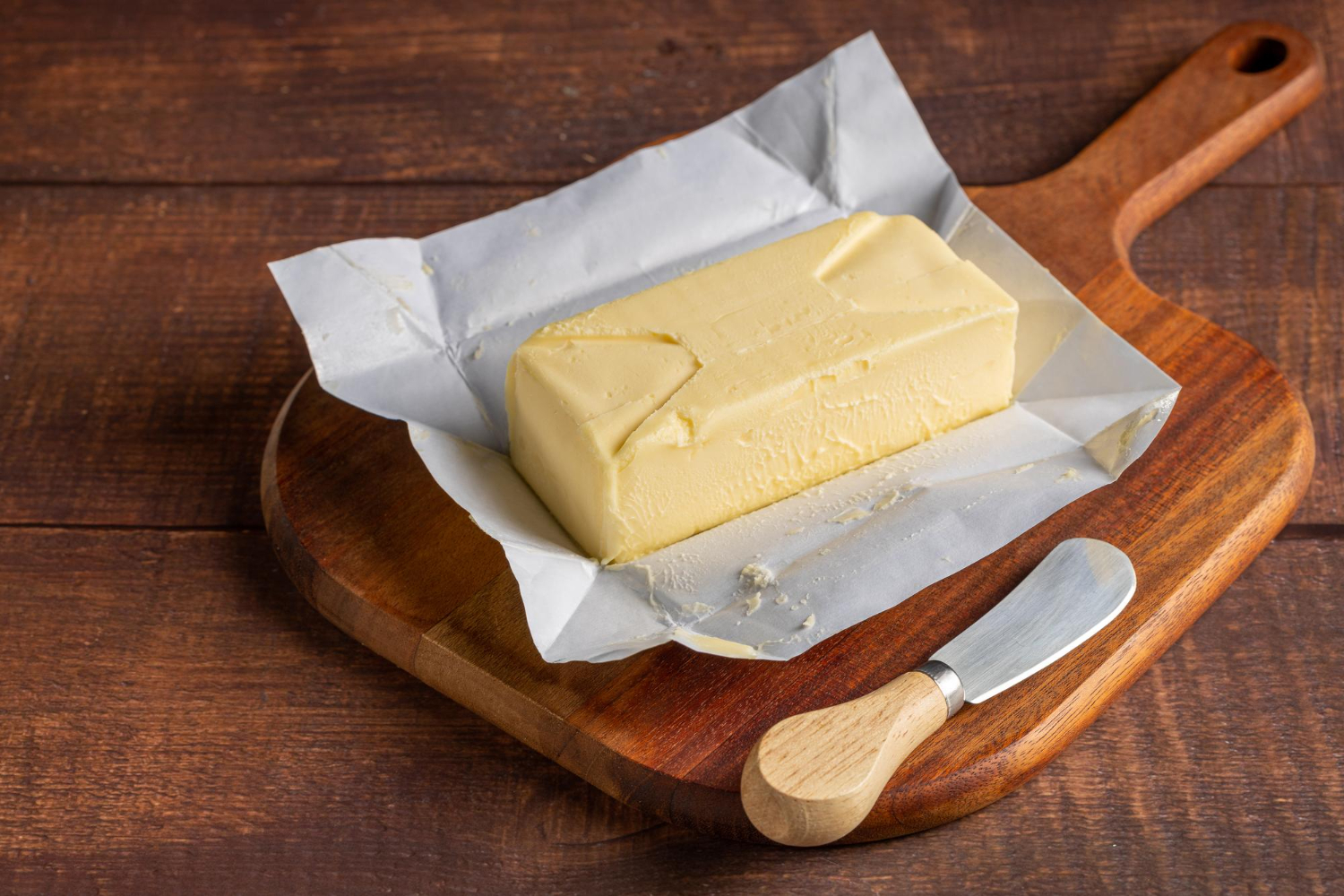
Climate matters significantly for room-temperature butter storage. In hot climates (above 75°F/24°C), butter softens excessively and degrades faster. In moderate climates (65-72°F/18-22°C), butter remains stable for weeks. In cool climates (below 60°F/15°C), butter can be stored at room temperature indefinitely in some cases. This explains why Nordic countries (cold climates) have historically stored butter at room temperature while tropical regions (hot climates) either don’t use much butter or refrigerate it rigorously.
Modern industrial butter production and global food distribution have made climate less relevant — butter can be shipped and stored in temperature-controlled environments regardless of local climate. But the cultural patterns persist: countries with cooler climates have traditions of room-temperature butter storage; countries with warmer climates have refrigeration traditions.
The Salted vs. Unsalted Distinction
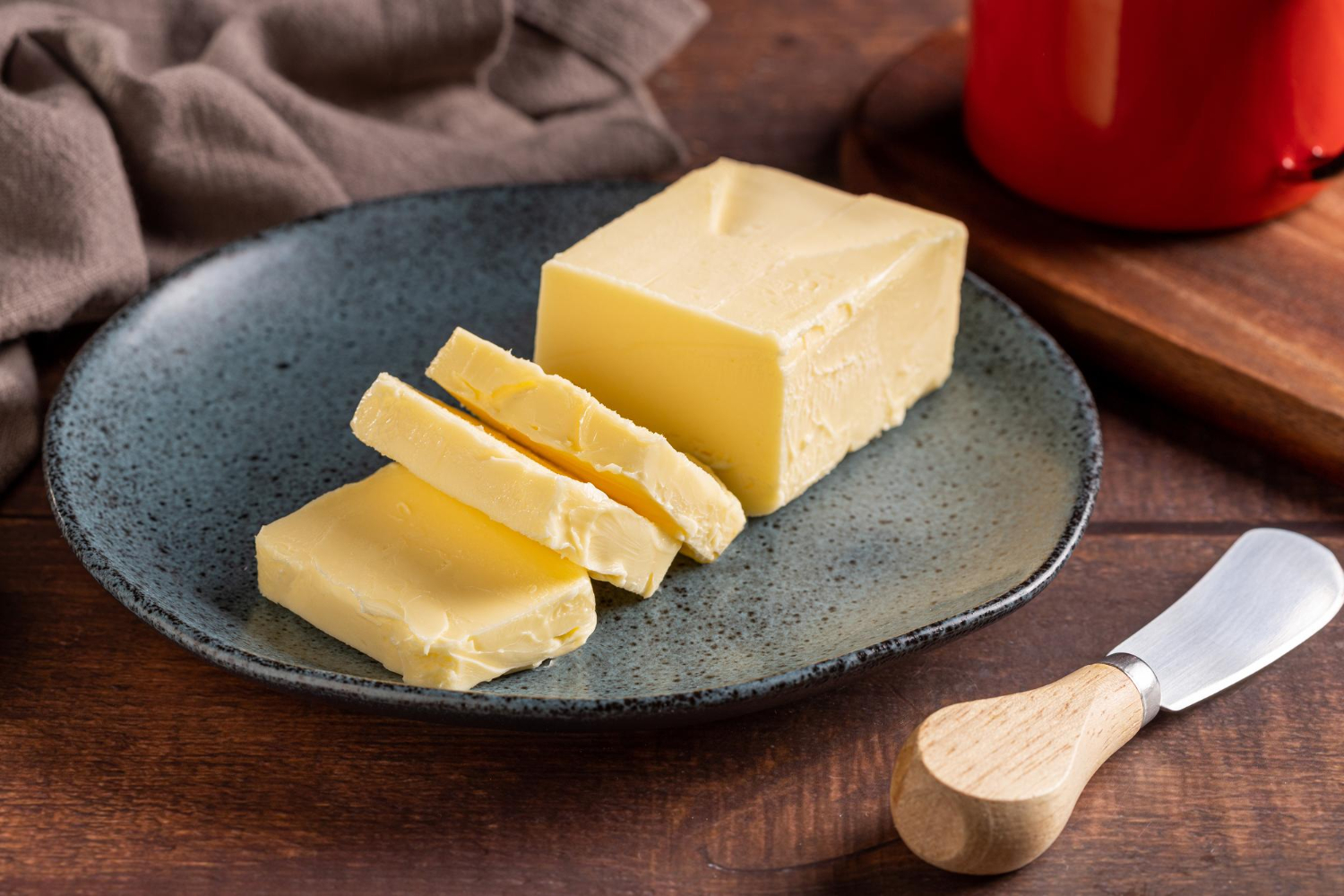
Salted butter is significantly more stable than unsalted. Salt acts as a natural preservative by inhibiting bacterial growth and slowing oxidative rancidity. Historical butter production emphasized salting specifically because it extended shelf life — before reliable refrigeration, salted butter could be kept in cool pantries for months. Unsalted butter requires more careful storage because salt is the primary preservative agent.
American butter is typically lightly salted (about 1.5% salt by weight). European butter (particularly French butter labeled “demi-sel”) contains more salt. This difference partially explains cultural storage traditions: European salted butter is genuinely more stable at room temperature than lightly-salted American butter.
The Actual Timeline
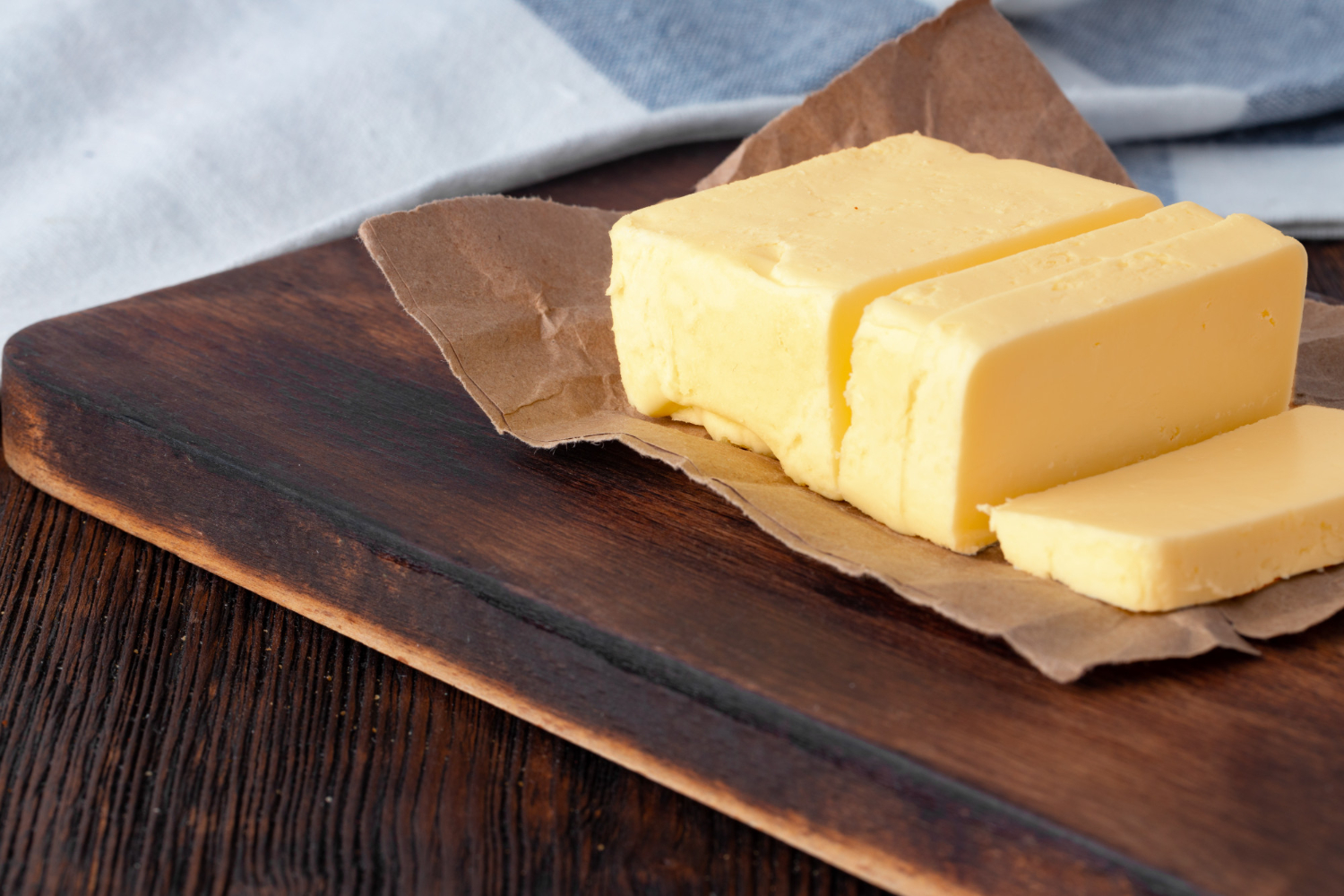
If we’re being precise about room-temperature butter storage at a moderate temperature (68°F/20°C):
- Salted butter: 2-3 weeks before noticeable flavor degradation
- Lightly salted American butter: 1-2 weeks
- Unsalted butter: 3-7 days maximum
These timelines assume clean handling, covered storage (to minimize light and air exposure), and moderate temperature stability. If temperature fluctuates (which it does in typical kitchens), these timelines shorten. If you use the same butter dish continuously without washing it thoroughly, bacterial contamination risk increases.
The Butter Bell Solution
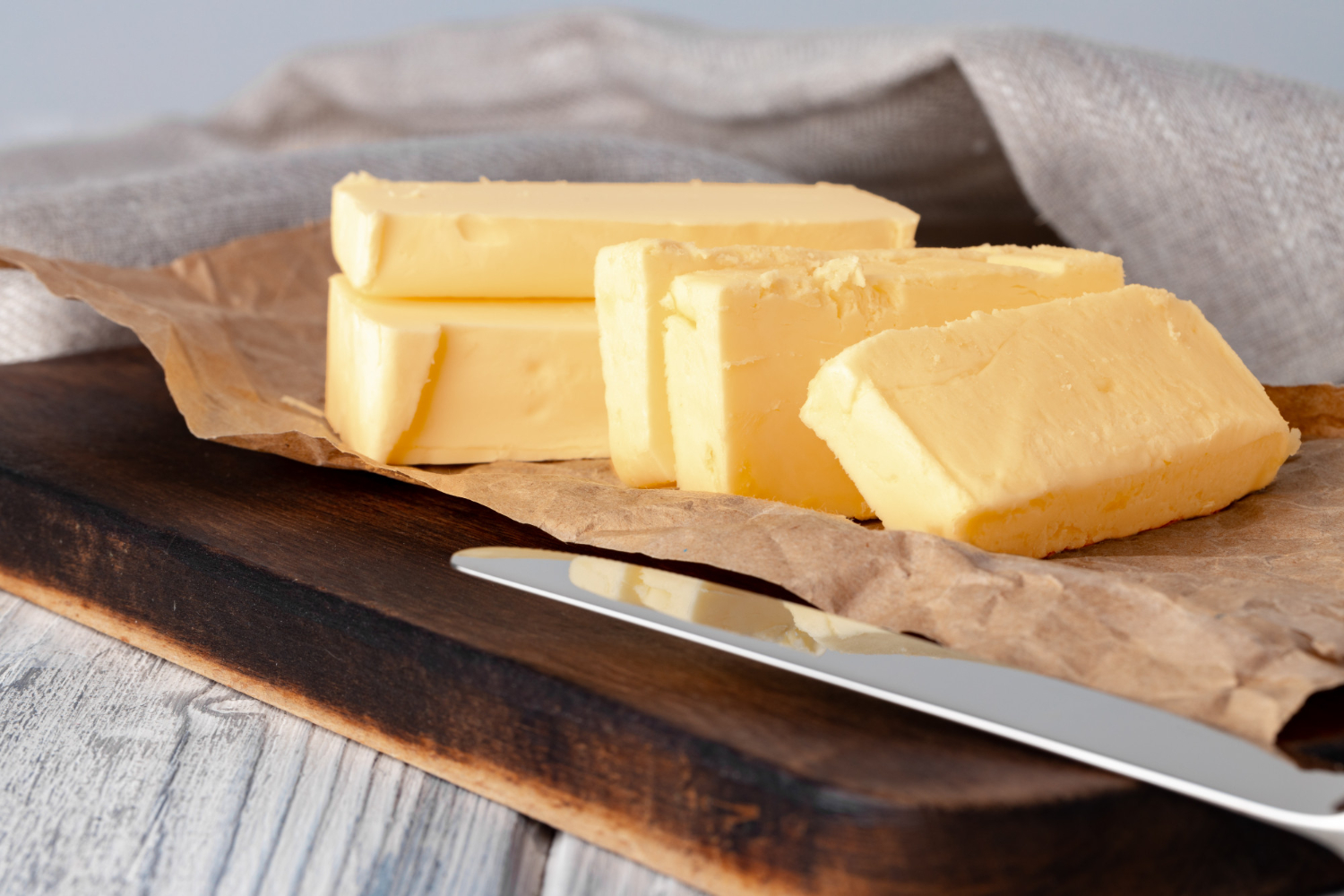
A butter bell (or butter crock) is a ceramic container with a lid and a water reservoir. You fill the bottom chamber with cold water, place butter in the top chamber (which sits in the water), and the water creates an airtight seal that keeps butter cool but not frozen while allowing easy spreading. This solution provides the best of both approaches: butter workability without full room-temperature instability. Butter bells were standard in European households and are experiencing renewed popularity as people seek refrigerator alternatives.
Why Americans Refrigerate
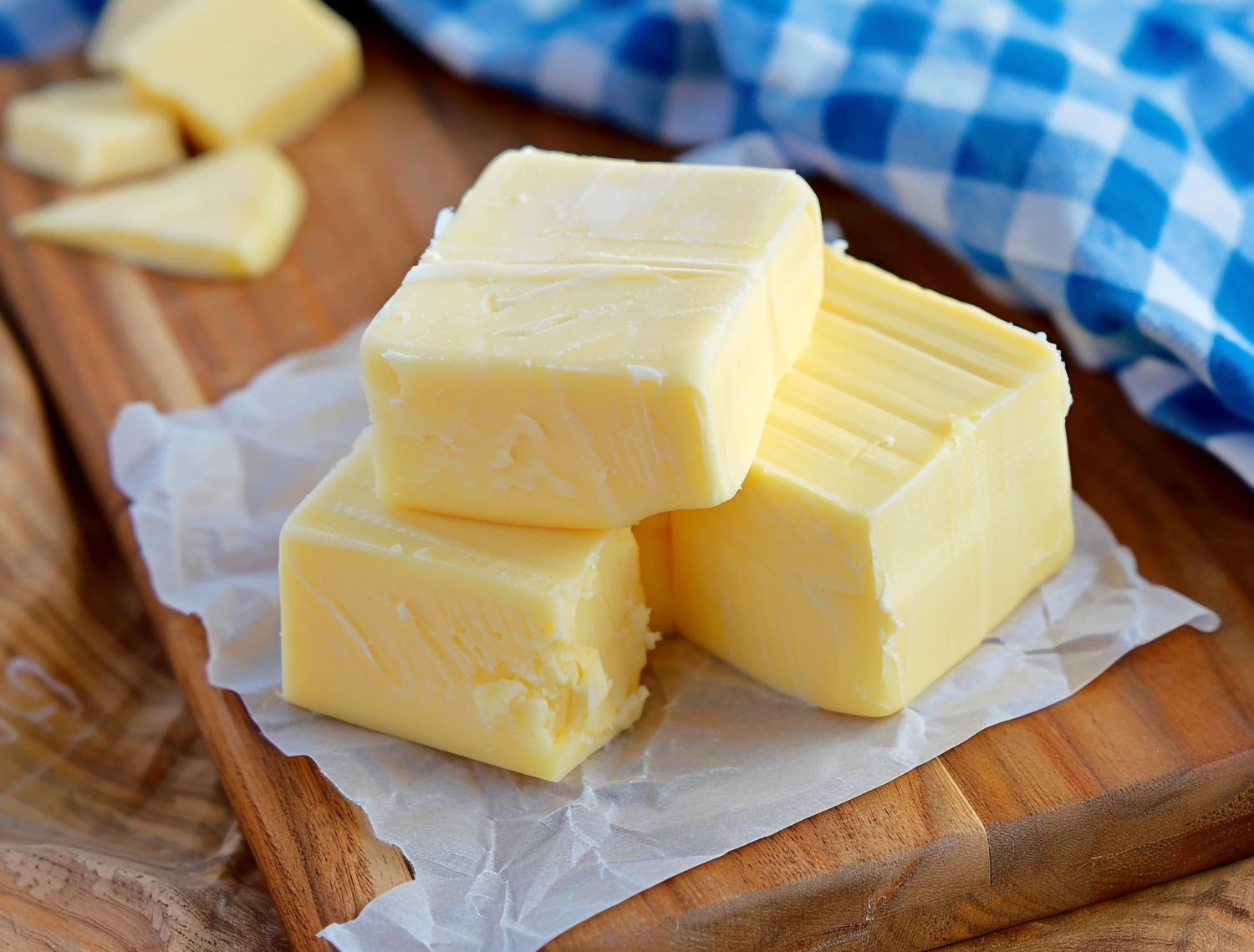
American refrigeration of butter is partly rooted in the USDA’s conservative food safety standards, partly in marketing (refrigerated butter seems fresher), and partly in the historical abundance of cheap refrigeration in American homes. Once reliable electric refrigeration became standard in mid-20th century America, cold storage became the default for any food that could spoil. Butter was simply assumed to belong in the refrigerator despite its actual stability.
The American anxiety about room-temperature butter storage persists despite the fact that room-temperature butter storage is common and safe in dozens of countries with rigorous food safety standards (France, Denmark, Germany, etc.). The practice is more cultural habit than actual safety requirement.
The Practical Recommendation
If you want to keep butter at room temperature: use salted butter, store it in a covered container or butter bell, keep your kitchen between 65-72°F, and use it within 1-2 weeks. If your kitchen is warmer than 72°F regularly, or if you prefer maximum shelf life, refrigerate it. If you want workable butter without refrigeration, use a butter bell with regular water changes.
The genuine food safety risk of room-temperature butter is minimal in modern kitchens with clean handling practices. The choice is primarily about climate, convenience, and cultural comfort with food storage traditions.