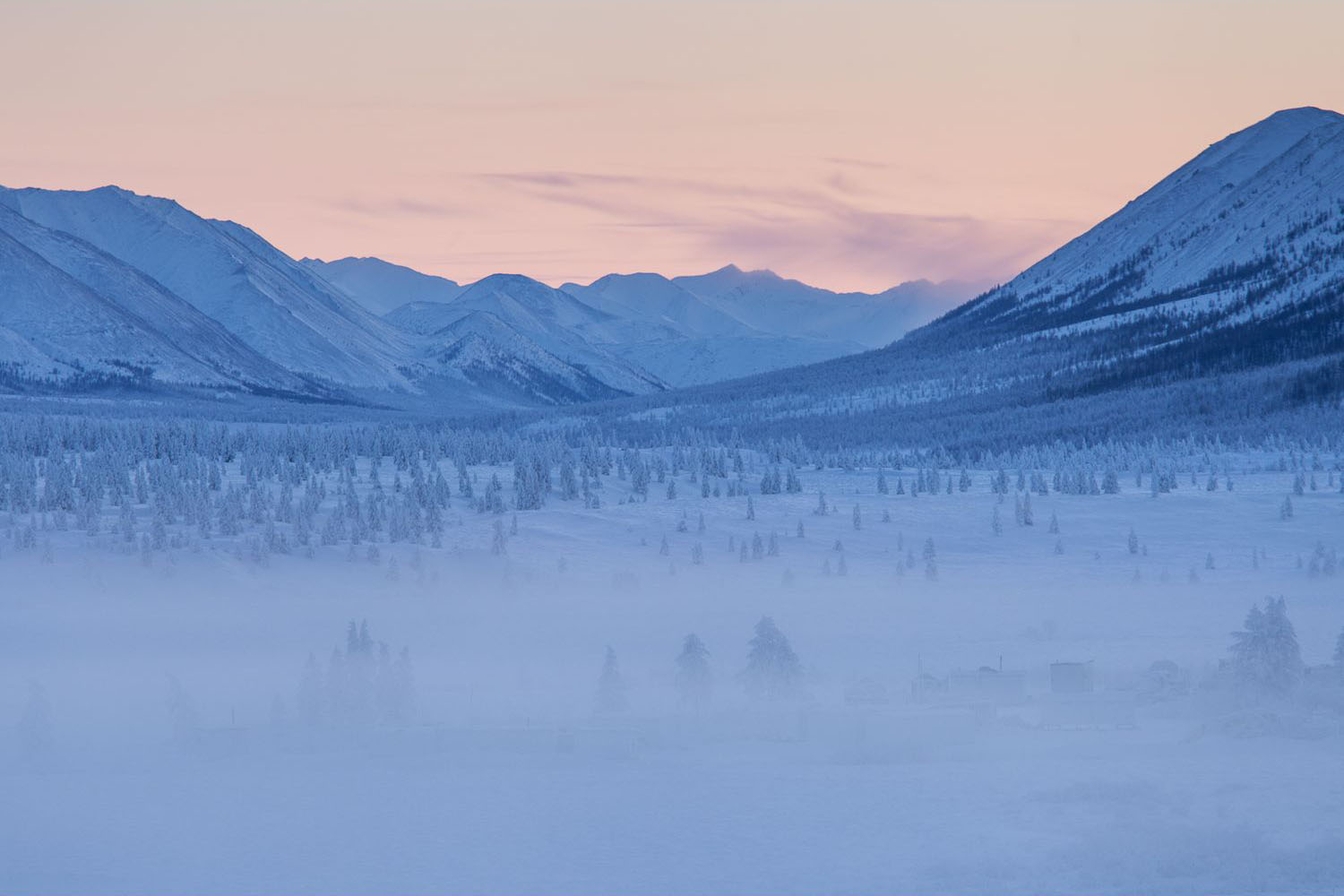
Most of us complain when winter turns bitter, but few of us can imagine a place where the average January temperature hovers near minus 50 degrees Celsius, and where the coldest readings ever recorded approach a barely comprehensible minus 68 to minus 71. Yet about 500 people call exactly such a place home. The village of Oymyakon, tucked into a valley in the far reaches of Siberia, has earned the title of the coldest permanently inhabited place on Earth, and life there is unlike anywhere else on the planet. Here is a look at this astonishing settlement and how its residents survive.
Where on Earth Is Oymyakon?
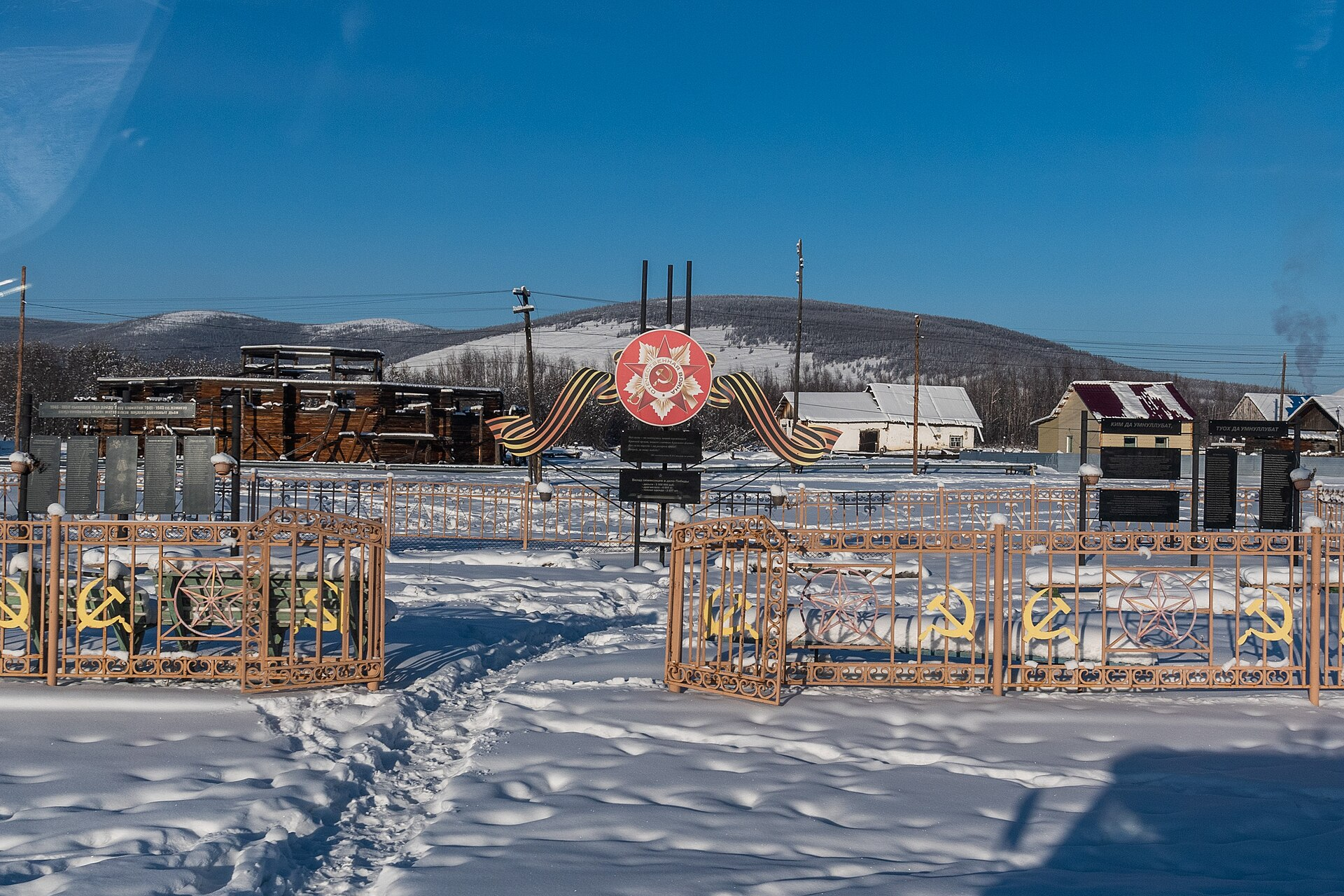
Oymyakon lies in the Sakha Republic, also known as Yakutia, in northeastern Russia. It sits in a mountain-ringed valley a few hundred miles south of the Arctic Circle, closer to that frozen line than to the nearest major city. The regional capital, Yakutsk, itself holds the title of the coldest city in the world, and reaching Oymyakon from there involves a journey of around two days by road.
That road passes near the Kolyma Highway, a route with a grim history, built in the Soviet era and sometimes called the “Road of Bones.” The village’s extreme isolation is part of what defines it. This is one of the most remote inhabited spots on the planet, and getting there is an expedition in itself, which only adds to its mystique for the rare traveler who makes the trip.
Just How Cold Does It Get?
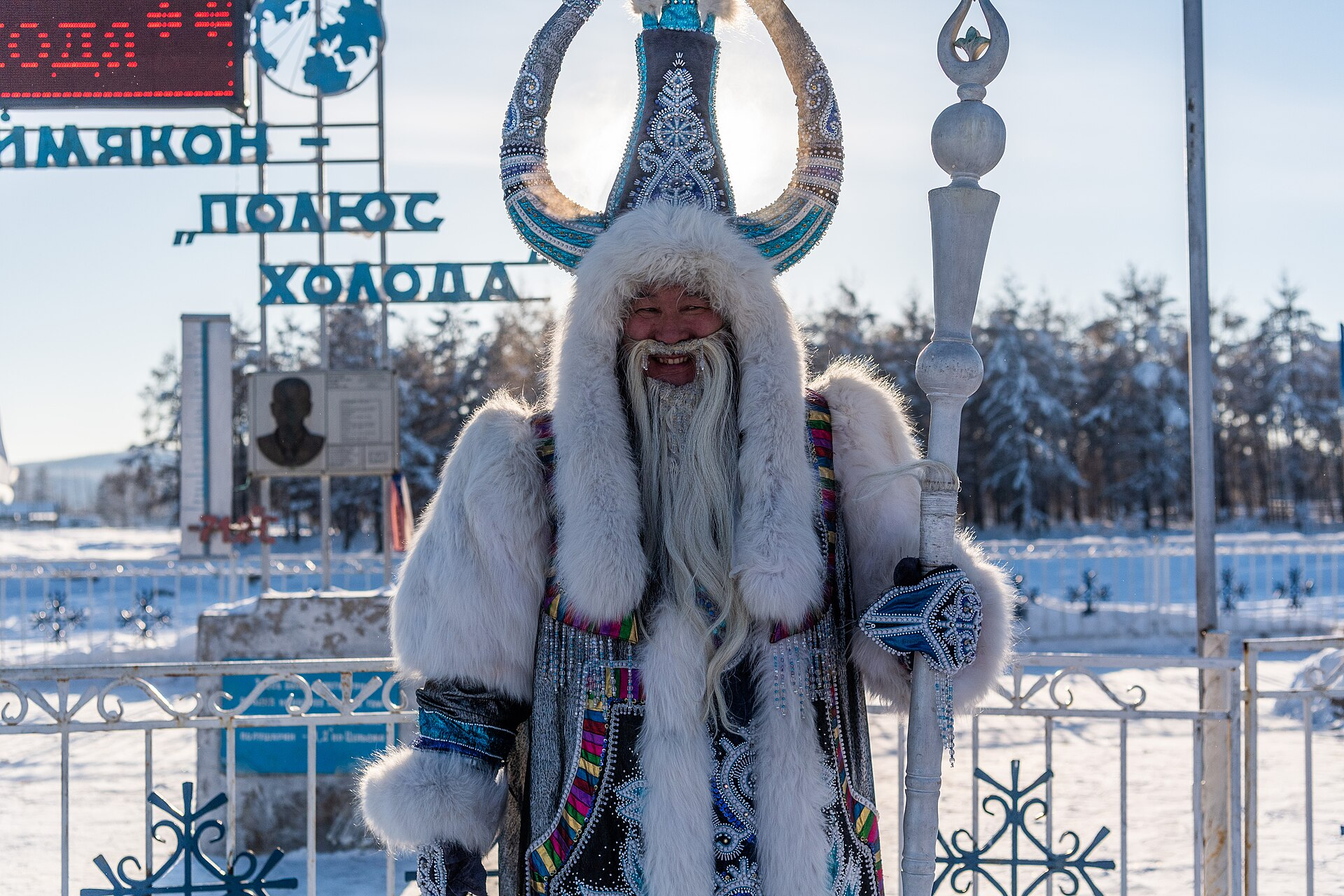
The numbers are almost hard to believe. The average winter temperature in Oymyakon sits around minus 50 degrees Celsius, which is to say that an ordinary winter day there is colder than most freezers. The record low is a matter of some debate, with widely cited figures ranging from around minus 68 to minus 71.2 degrees Celsius, recorded in the early twentieth century, the lowest temperature ever measured for a permanently inhabited place and among the lowest in the Northern Hemisphere.
A monument in the village commemorates that record. At such temperatures, the world behaves strangely: exposed skin can suffer frostbite within minutes, eyelashes frost over, and the moisture in a person’s breath can freeze in the air. Below a certain point, the ice crystals suspended in the air are said to make a faint swishing sound as people move through it. Even the village’s name carries a touch of irony, deriving from a word meaning roughly “non-freezing water,” a reference to nearby thermal springs.
How Do People Survive the Cold?
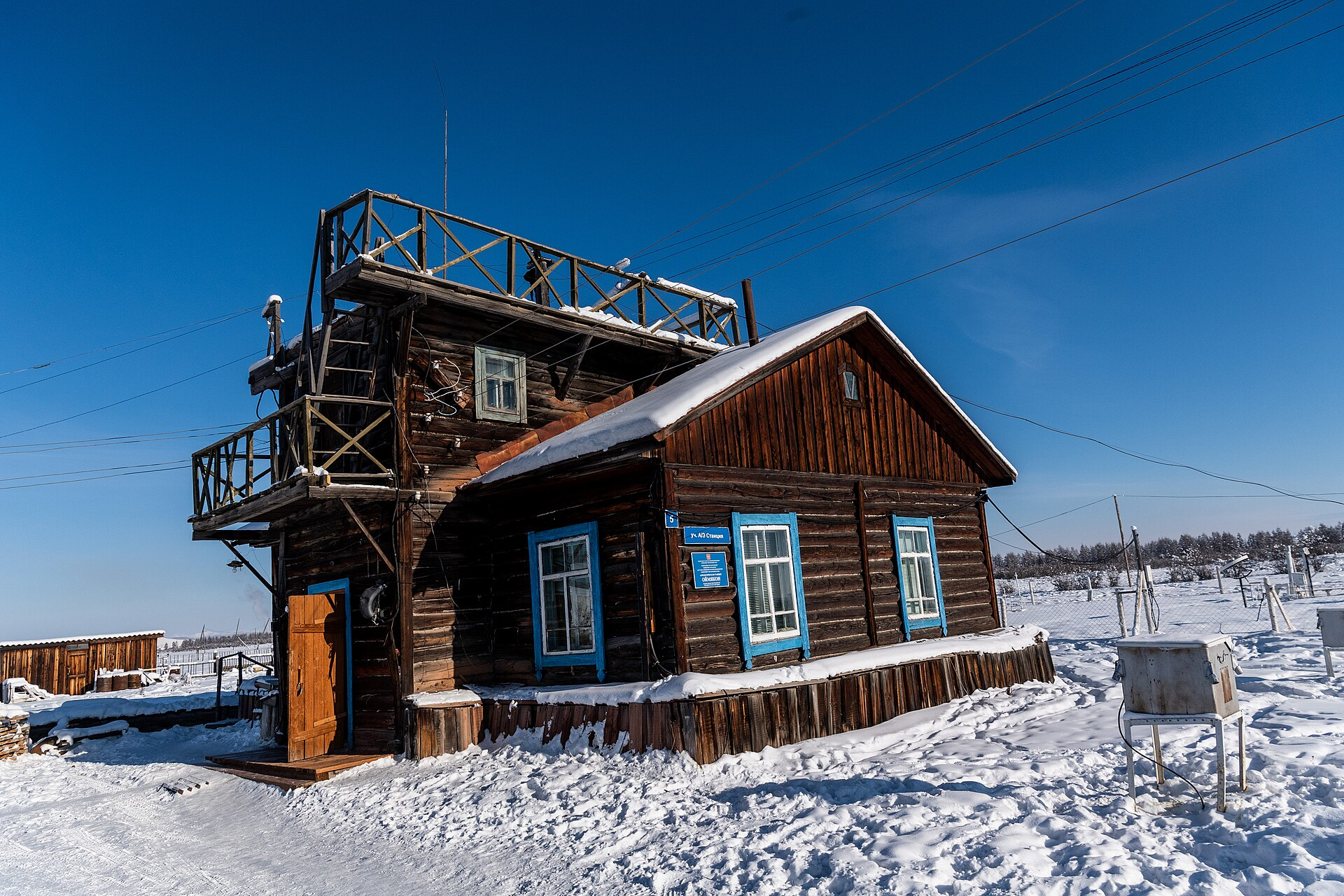
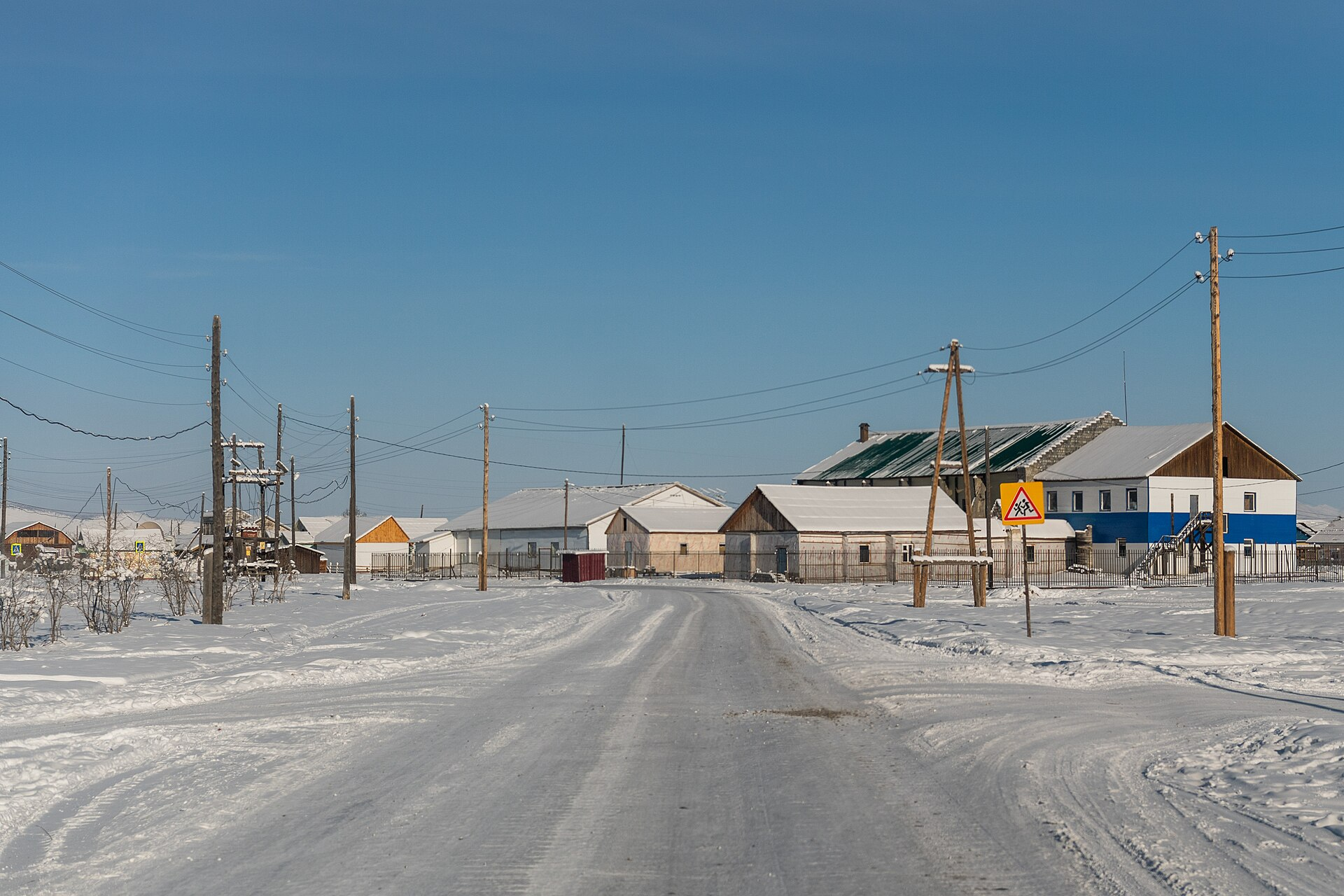
Living in such extreme conditions requires constant adaptation. Homes are heated continuously, traditionally by burning coal and wood, because letting a building cool down is simply not an option. Water pipes can freeze solid within hours, so many homes rely on outhouses rather than indoor plumbing, and keeping vehicles running is a daily battle, with some drivers leaving engines running for long stretches or warming them with fires to prevent the fuel and fluids from freezing.
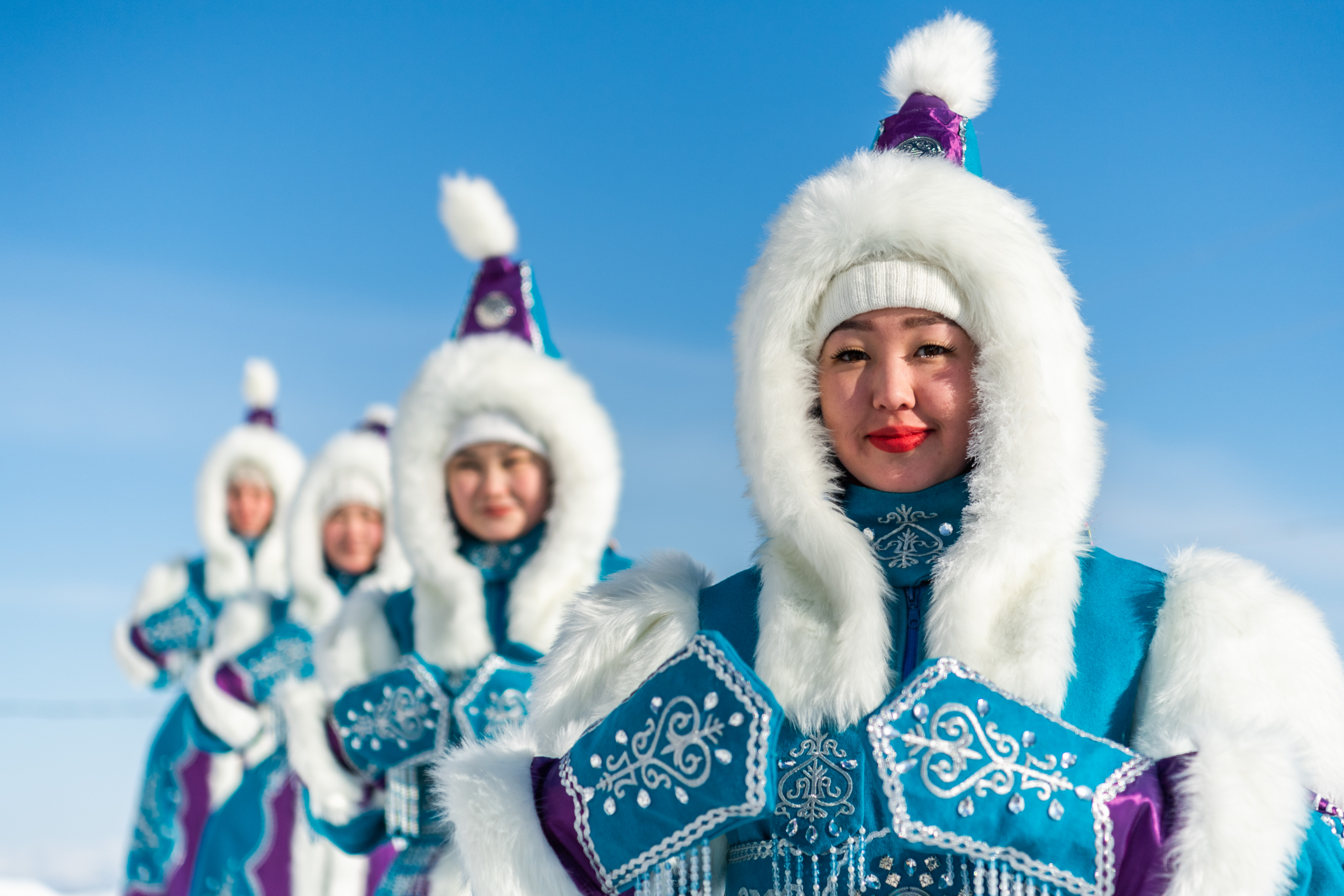
Daily life bends around the cold in countless ways. Schoolchildren in the region traditionally still attend class unless the temperature drops below a certain brutally low threshold. Residents wear heavy layers, often lined with fur, the time-tested local solution to staying alive outdoors. The community has built up generations of knowledge about surviving and even thriving in conditions that would defeat the unprepared.
A Diet Shaped by the Frost
The climate does not allow for much in the way of farming. With permanently frozen ground and a growing season that barely exists, residents cannot rely on crops the way people in milder regions do. Instead, the traditional diet leans heavily on meat, particularly reindeer and horse, supplemented by fish from the region’s rivers.
This protein-rich diet is well suited to the demands of the climate, providing the energy needed to endure the cold. Frozen fish and meat are local staples, and the deep freeze that defines the environment doubles, in a sense, as a natural way of preserving food. It is a cuisine shaped entirely by necessity and by the resources a frozen landscape can actually provide.
The Rhythm of Light and Dark
Beyond the cold, Oymyakon’s far-northern location produces dramatic swings in daylight. In the depths of winter, the sun barely rises, and nights can stretch to around 21 hours, leaving only a few hours of pale daylight. In summer, the pattern reverses entirely, with long days of nearly endless light.
That summer brings another surprise: warmth. Despite its reputation, Oymyakon can be genuinely hot in July and August, with temperatures climbing past 30 degrees Celsius on occasion. The swing between a deep-freeze winter and a warm summer is one of the largest temperature ranges experienced anywhere on Earth, a reflection of the village’s position deep inside a vast continent, far from any moderating ocean influence.
Visiting the Pole of Cold
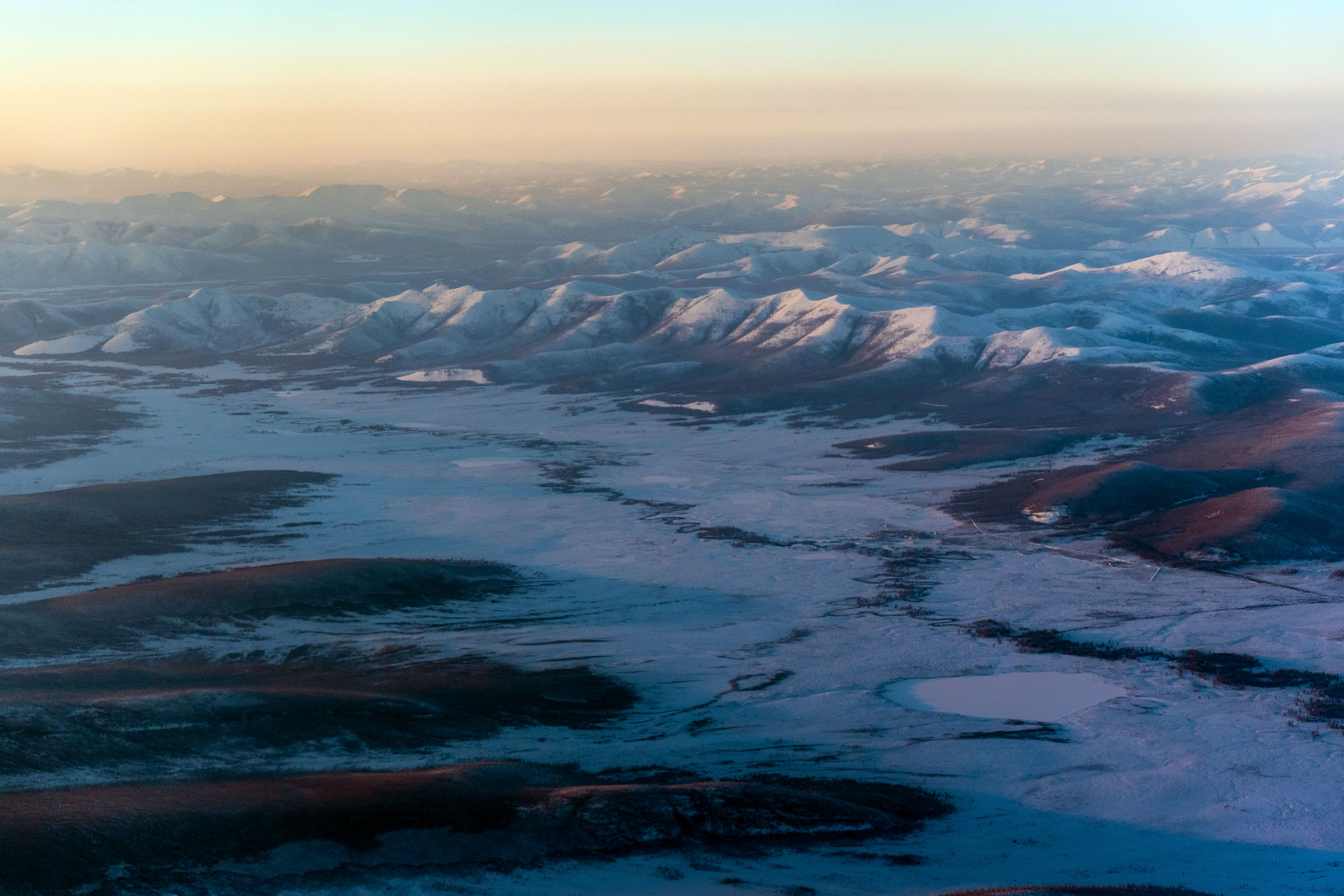
For the small number of adventurous travelers who make the journey, Oymyakon and the surrounding region offer an experience found nowhere else. The trip is not for the faint-hearted: it involves flying to Yakutsk and then enduring a long overland journey along remote roads, often in conditions that would ground travel almost anywhere else. Those who go are rewarded with a glimpse of a way of life shaped entirely by extreme cold, and scenery of stark, frozen beauty.
The region has even developed a modest tradition of winter tourism around its reputation. A “Cold Pole” festival is held in the area, celebrating the region’s identity as the coldest inhabited place on earth, complete with local customs, a figure known as the Lord of Frost, and activities suited to the deep-freeze setting such as reindeer racing and ice fishing. Visitors come to test themselves against the cold, to photograph the frost-covered landscapes, and to meet people who have built a thriving culture in one of the planet’s most unforgiving climates. It is travel at the very edge of human habitation, and for the right traveler, an unforgettable one.
A Window Into Human Resilience
What makes Oymyakon so compelling is not just the extremity of its climate but the simple fact that people live there at all, and have done so for generations. In the 1920s and 1930s, the area was a stopover for reindeer herders who watered their flocks at the thermal springs. A community grew, adapted, and endured, developing a way of life precisely calibrated to one of the harshest environments humans have ever called home.
For the rest of us, Oymyakon is a powerful reminder of human adaptability. It stands at the very edge of where permanent settlement is possible, a place where ordinary life continues against odds that seem almost unimaginable. Few travelers will ever make the long journey to see it, but the village endures as a symbol of how, with ingenuity and resilience, people can build a home almost anywhere, even in the coldest inhabited corner of the entire planet. There is something humbling in that thought. In a warming world increasingly anxious about the limits of where and how we can live, Oymyakon stands at the opposite extreme, a community that has spent generations proving just how much hardship human beings can absorb and still call a place home. It is, in its own frozen way, one of the most remarkable settlements on earth, and a quiet rebuke to anyone who assumes there is anywhere on the planet too harsh for people to make a life. The villagers of Oymyakon have done exactly that, year after frozen year, and their endurance is its own kind of wonder.
Like our content? Follow us for more.