These are working buildings rather than museums, which means the way in is usually a tour or the cheapest seat available. Here are fifteen worth getting inside.
1. Palais Garnier, Paris, France
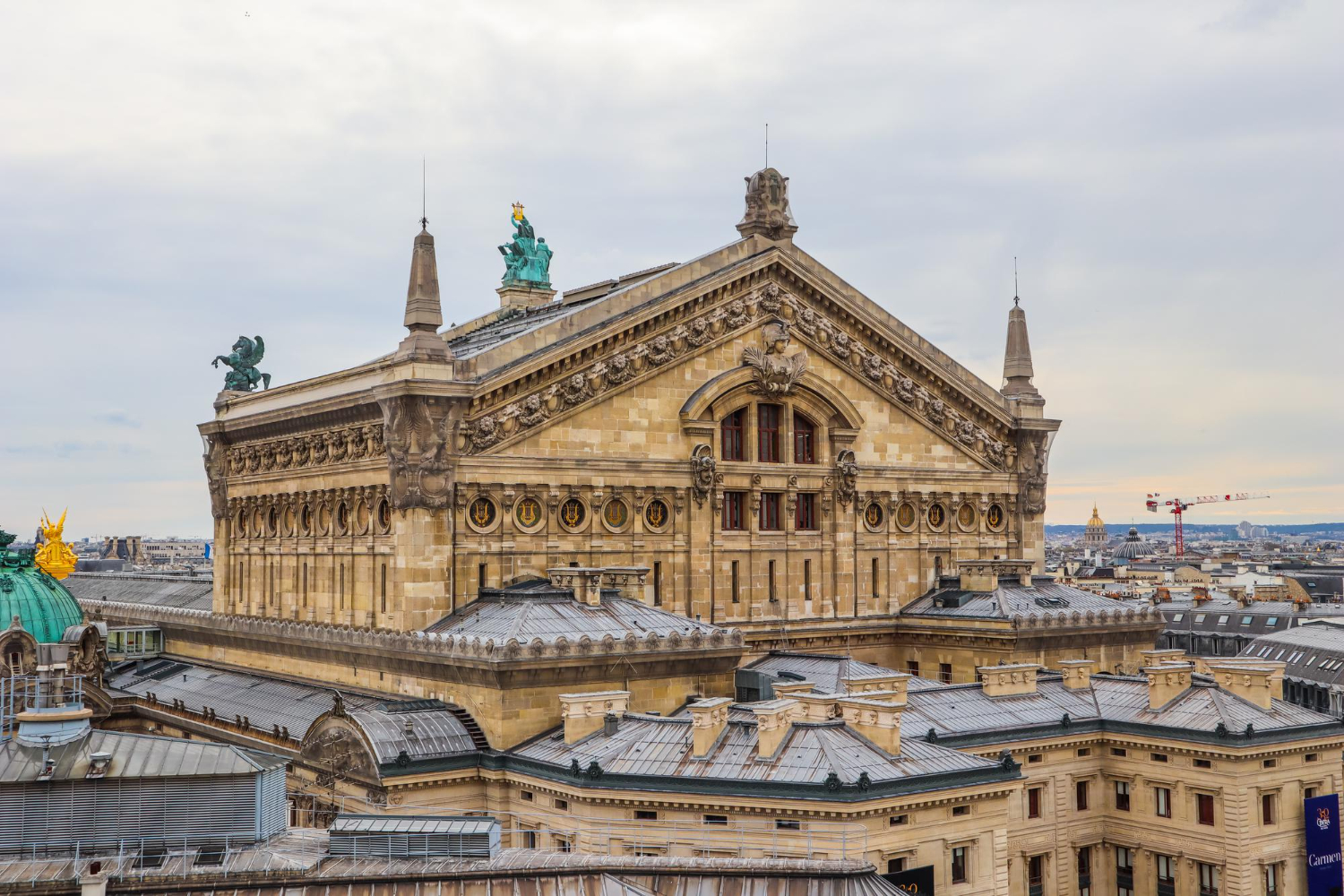
The most elaborate opera house of the nineteenth century, built around a grand staircase intended for the audience to be seen ascending.
The auditorium ceiling was repainted in the 1960s by a modern artist, a decision that remains debated, and the building runs daytime tours. The Palais Garnier is the opera house where the staircase outranks the stage.
Like our content? Follow us for more.
2. Teatro alla Scala, Milan, Italy
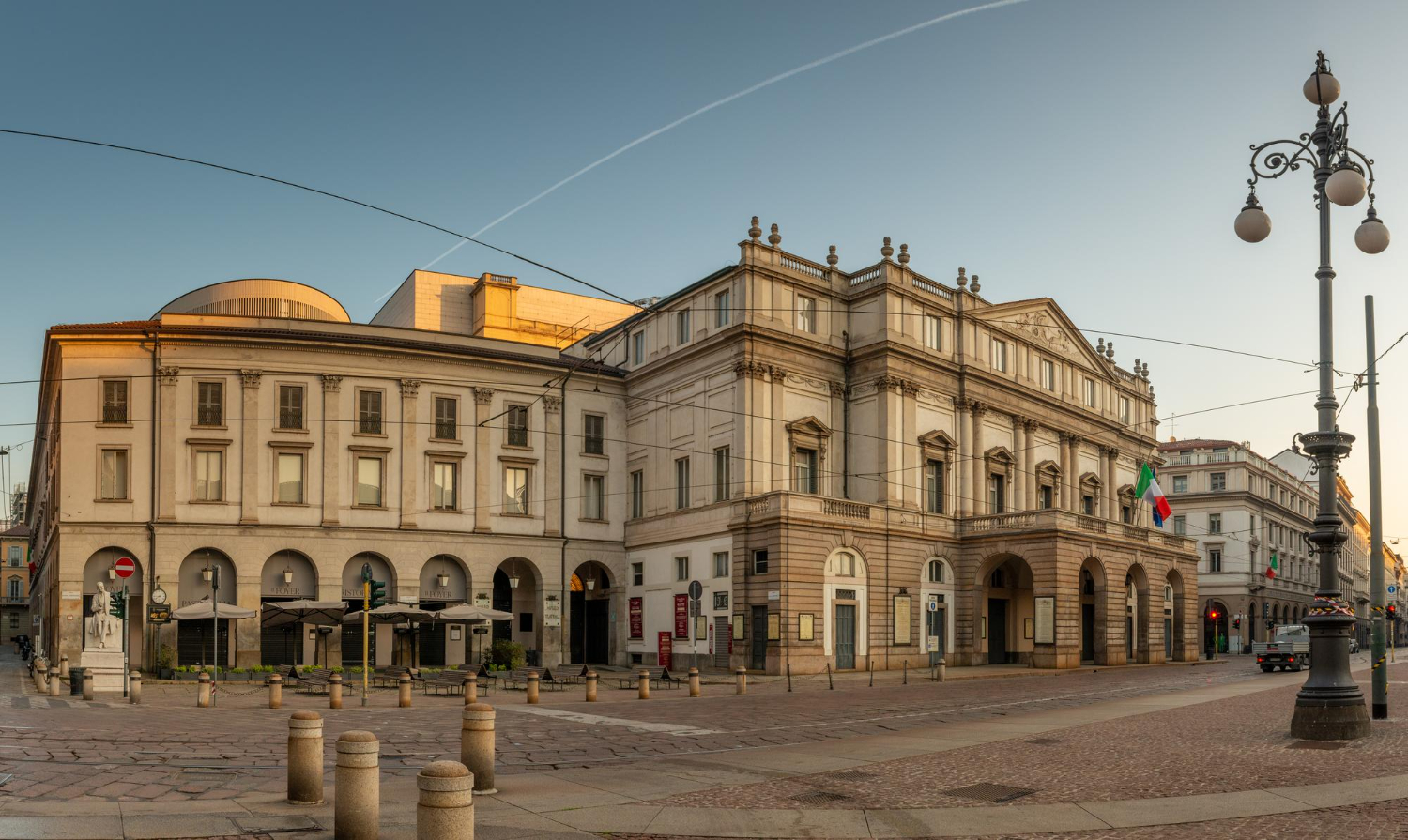
A late eighteenth-century house with a horseshoe auditorium of stacked boxes, and a reputation for the most demanding audience in opera.
There is a museum attached, and standing places high in the house are sold cheaply on performance days. La Scala is the opera house where the audience is part of the reputation.
3. Sydney Opera House, Australia
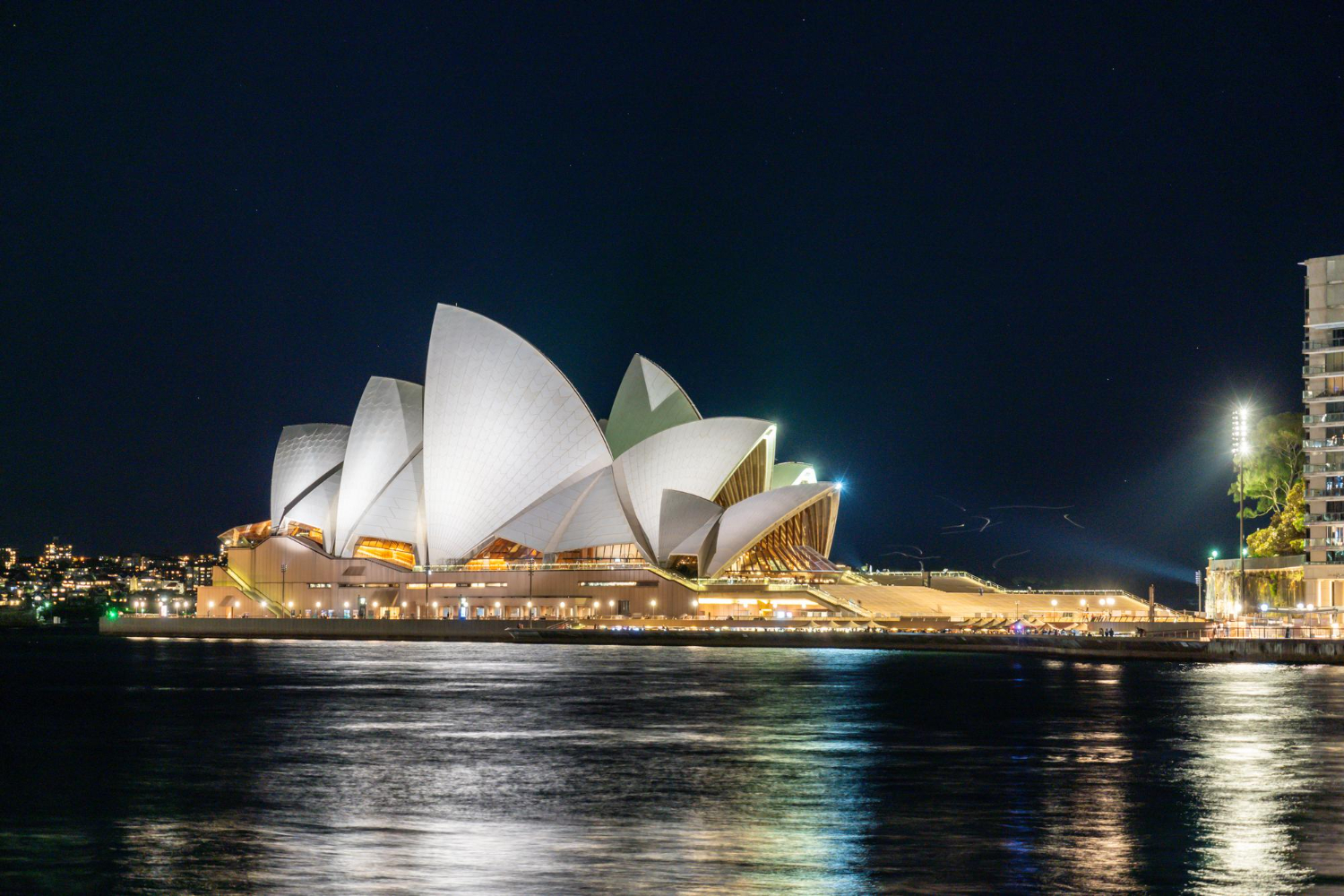
The most recognisable modern performing arts building in the world, with a shell structure that took years to solve engineeringly and nearly went unbuilt.
The interiors are less famous than the exterior and worth seeing; tours run daily. The Sydney Opera House is the theatre whose outside is so famous that people forget to go in.
4. Teatro Colón, Buenos Aires, Argentina
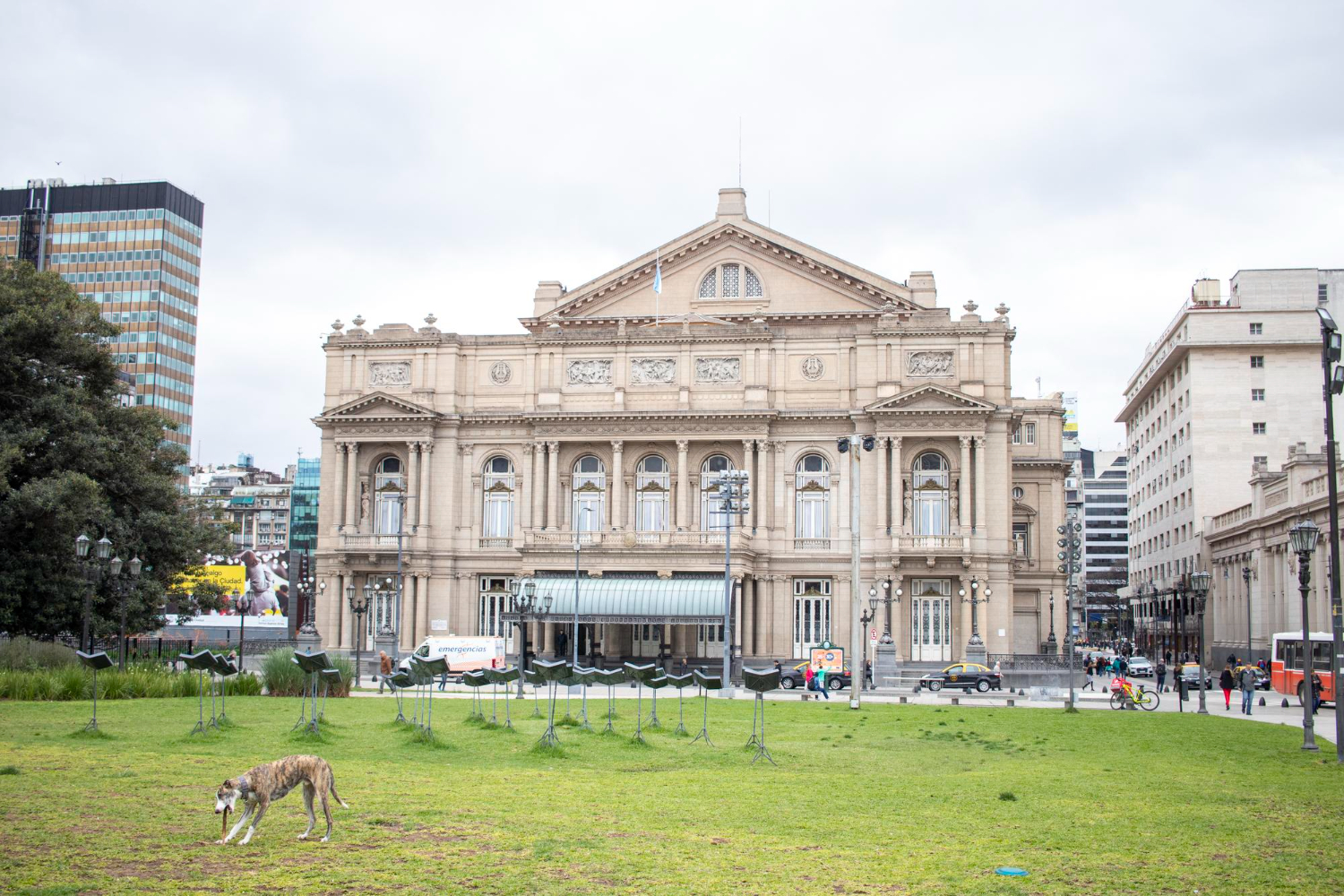
An early twentieth-century house widely rated among the finest acoustics anywhere, built in a mix of European styles.
Guided tours run through the day and take in the workshops, where sets and costumes are still made on site. The Teatro Colón is the opera house that still builds everything in the basement.
5. Bolshoi Theatre, Moscow, Russia
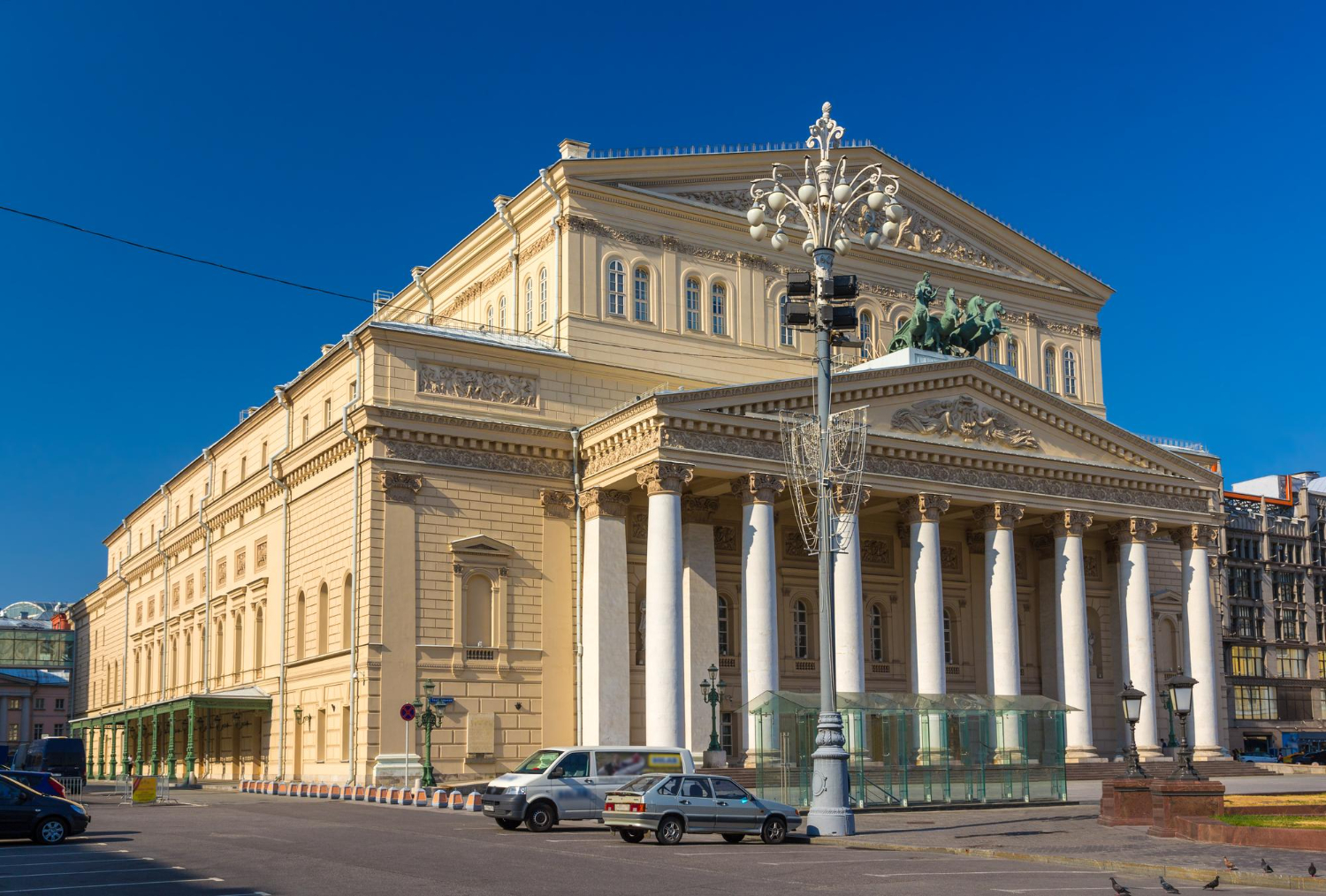
A neoclassical building with a heavily gilded auditorium, extensively restored in recent decades.
Access arrangements for visitors vary and should be checked in advance. The Bolshoi is the theatre whose interior is the most gilded on this list.
6. Teatro Amazonas, Manaus, Brazil
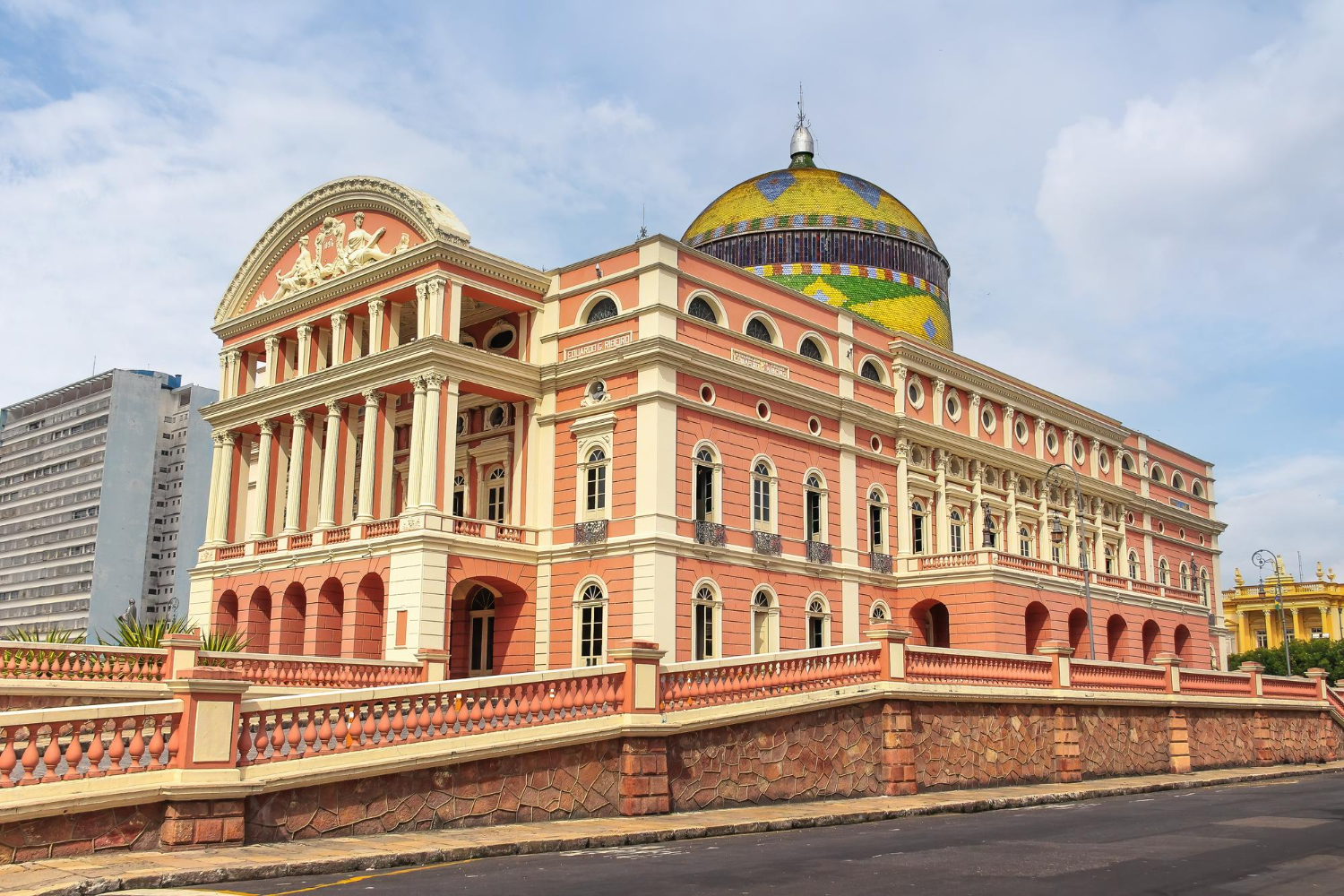
An opera house built during the rubber boom in the middle of the Amazon rainforest, with materials shipped from Europe up the river.
It is the clearest possible statement of what sudden wealth will build, and it still hosts performances. The Teatro Amazonas is the opera house that should not exist where it does.
7. Vienna State Opera, Austria
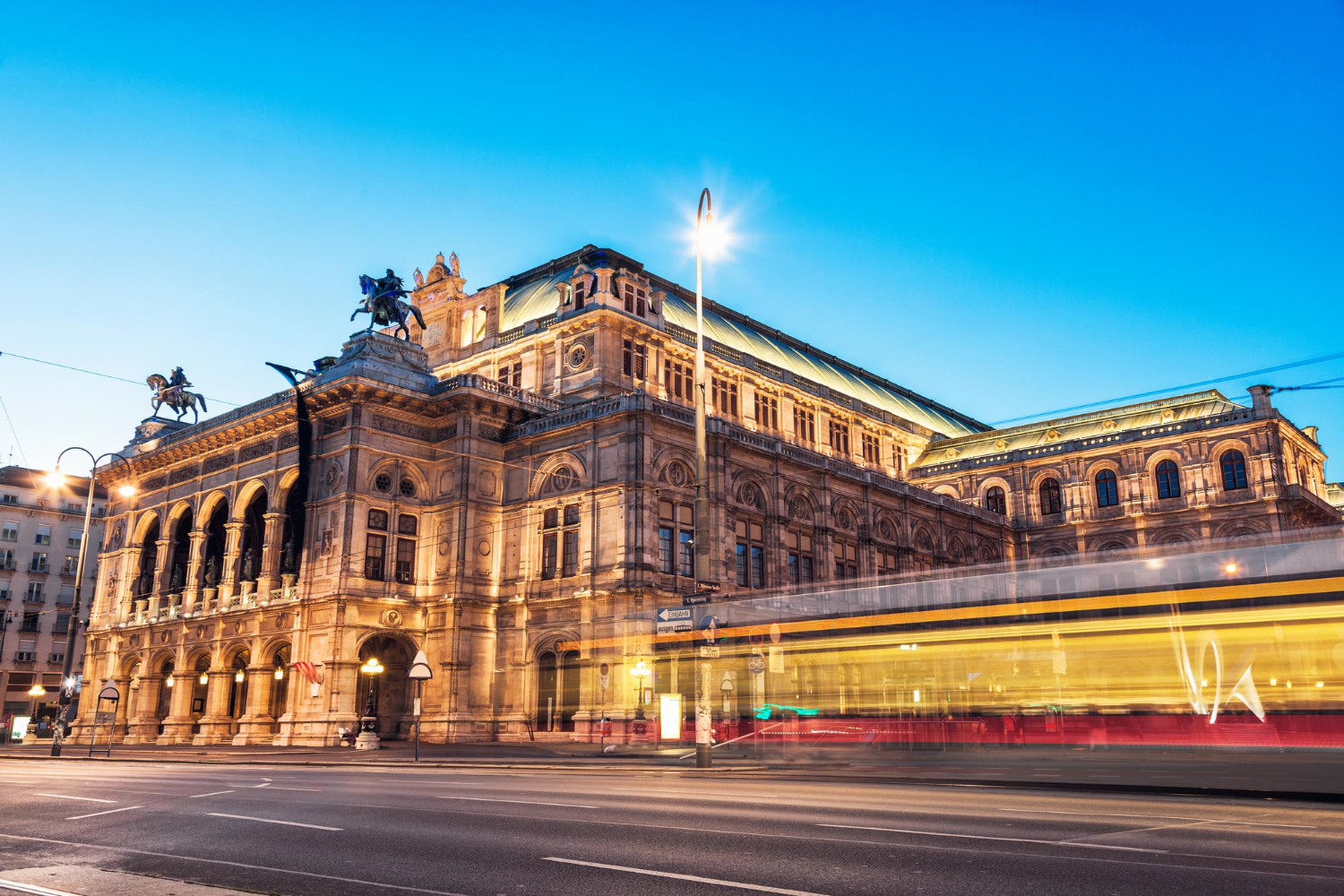
A rebuilt nineteenth-century house at the centre of a city that treats opera as civic infrastructure, with a famously large annual programme.
Standing tickets are sold very cheaply shortly before performances and are a local institution. The Vienna State Opera is the theatre where standing at the back is a tradition rather than a compromise.
8. Royal Opera House, London, England
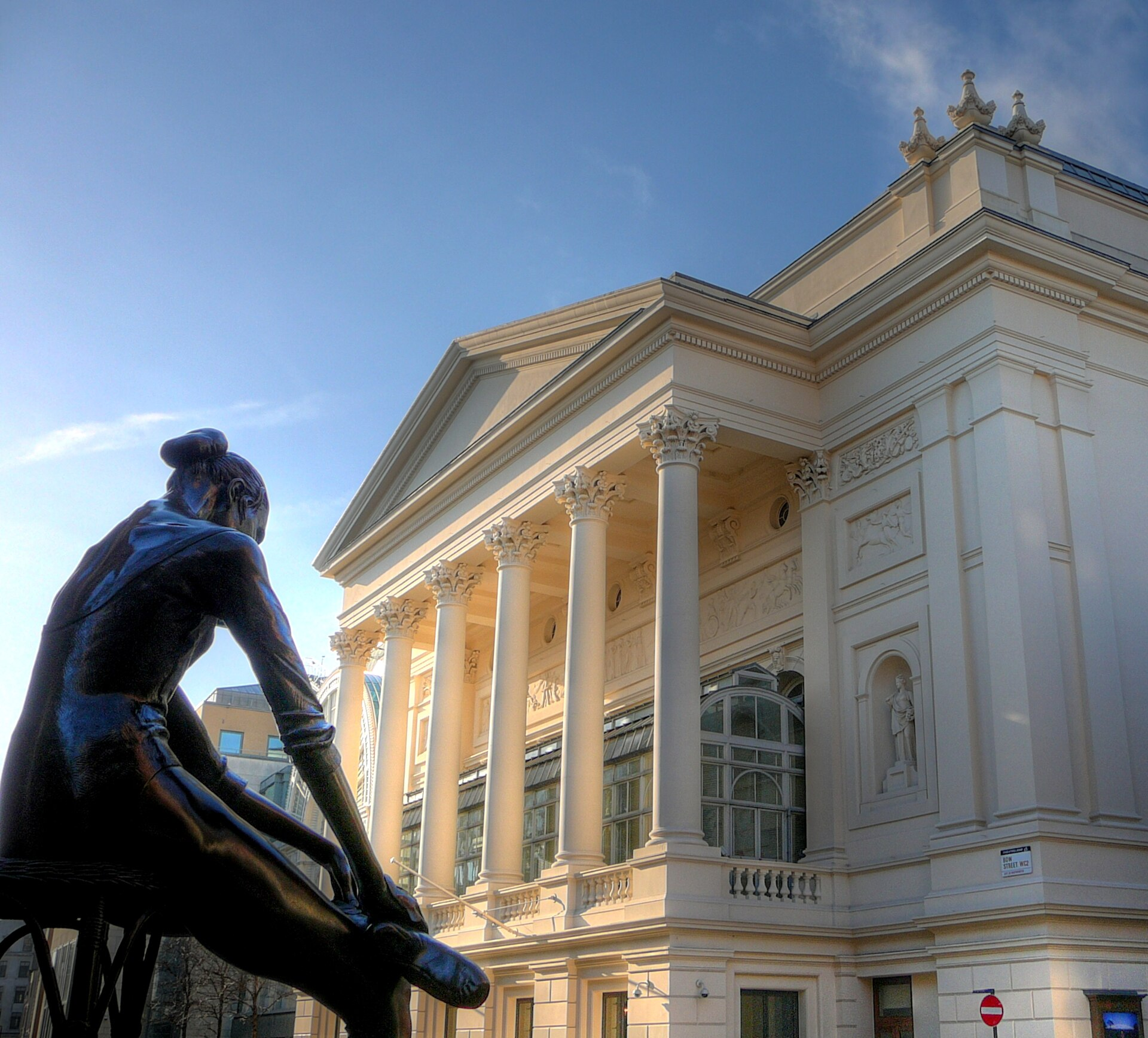
A house rebuilt several times on the same Covent Garden site, with a Victorian auditorium behind a substantially modernised public frontage.
The glass-roofed foyer areas are open during the day and free to walk into. The Royal Opera House is the theatre where the public spaces were rebuilt around the old auditorium.
9. Estates Theatre, Prague, Czech Republic
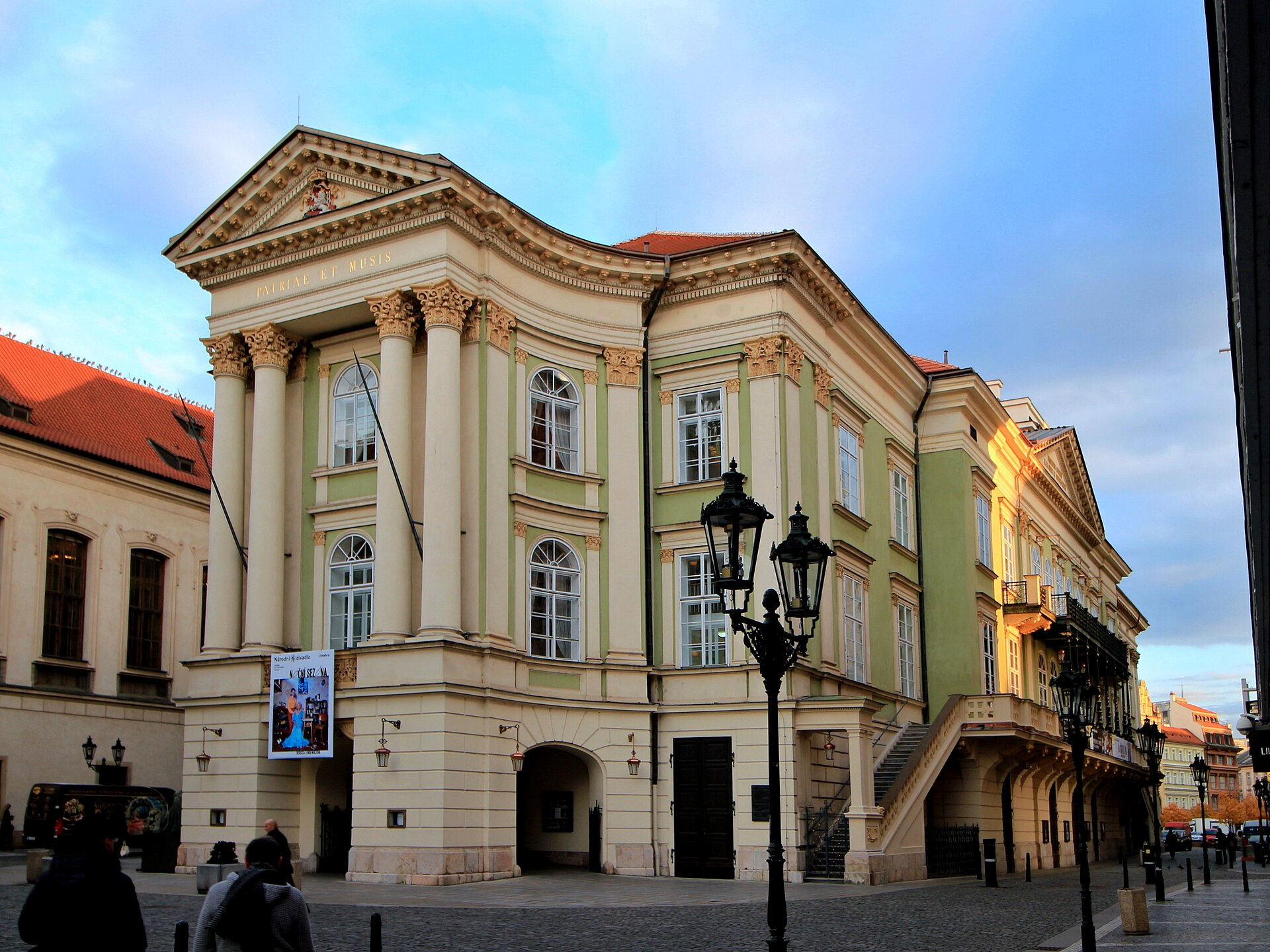
A late eighteenth-century theatre that survives largely in its original form, unusual among European houses of its period.
It is small, green-and-gold, and gives a real sense of what an audience of that era experienced. The Estates Theatre is the one that most closely resembles the building it originally was.
10. Semperoper, Dresden, Germany
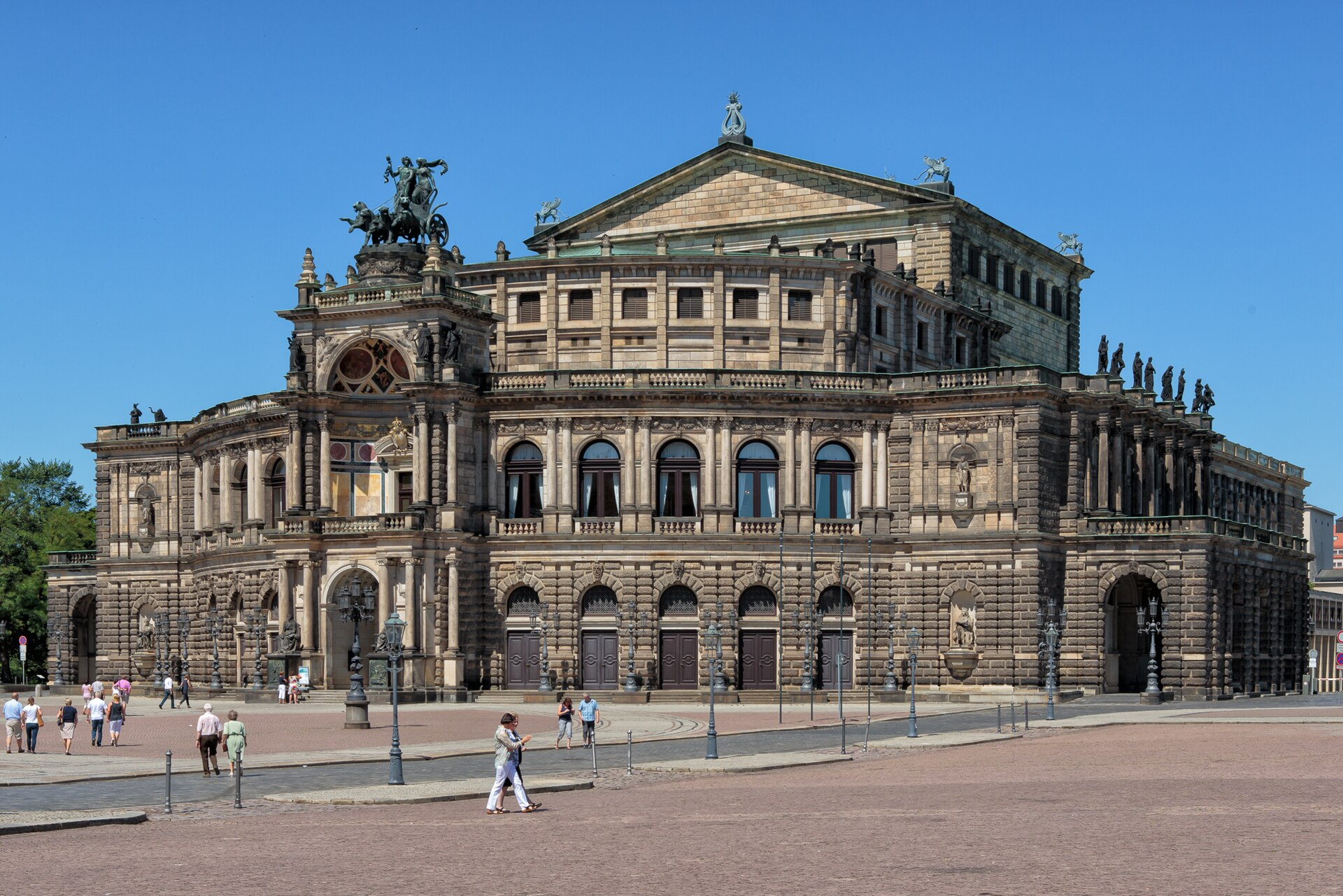
A nineteenth-century opera house rebuilt after extensive wartime damage, reconstructed to the original design over decades.
The reconstruction is itself the story, and the building reopened in the 1980s. The Semperoper is the opera house that was rebuilt from photographs and drawings.
11. Teatro Massimo, Palermo, Italy
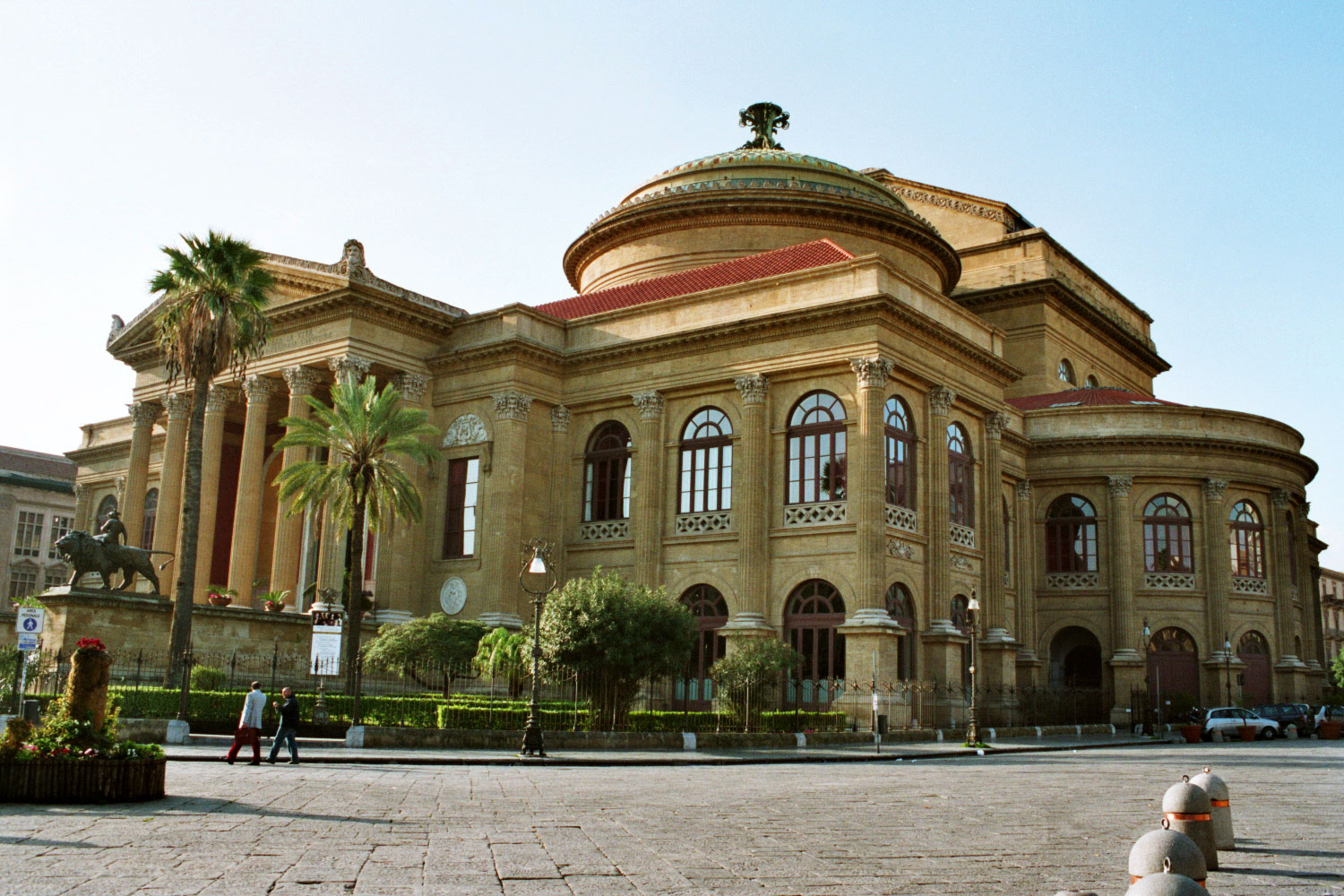
One of the largest opera houses in Europe, with a domed auditorium and a neoclassical portico at the top of a long flight of steps.
It was closed for decades and reopened in the 1990s after a long restoration. The Teatro Massimo is the opera house that spent a generation shut.
12. Opéra de Monte-Carlo, Monaco
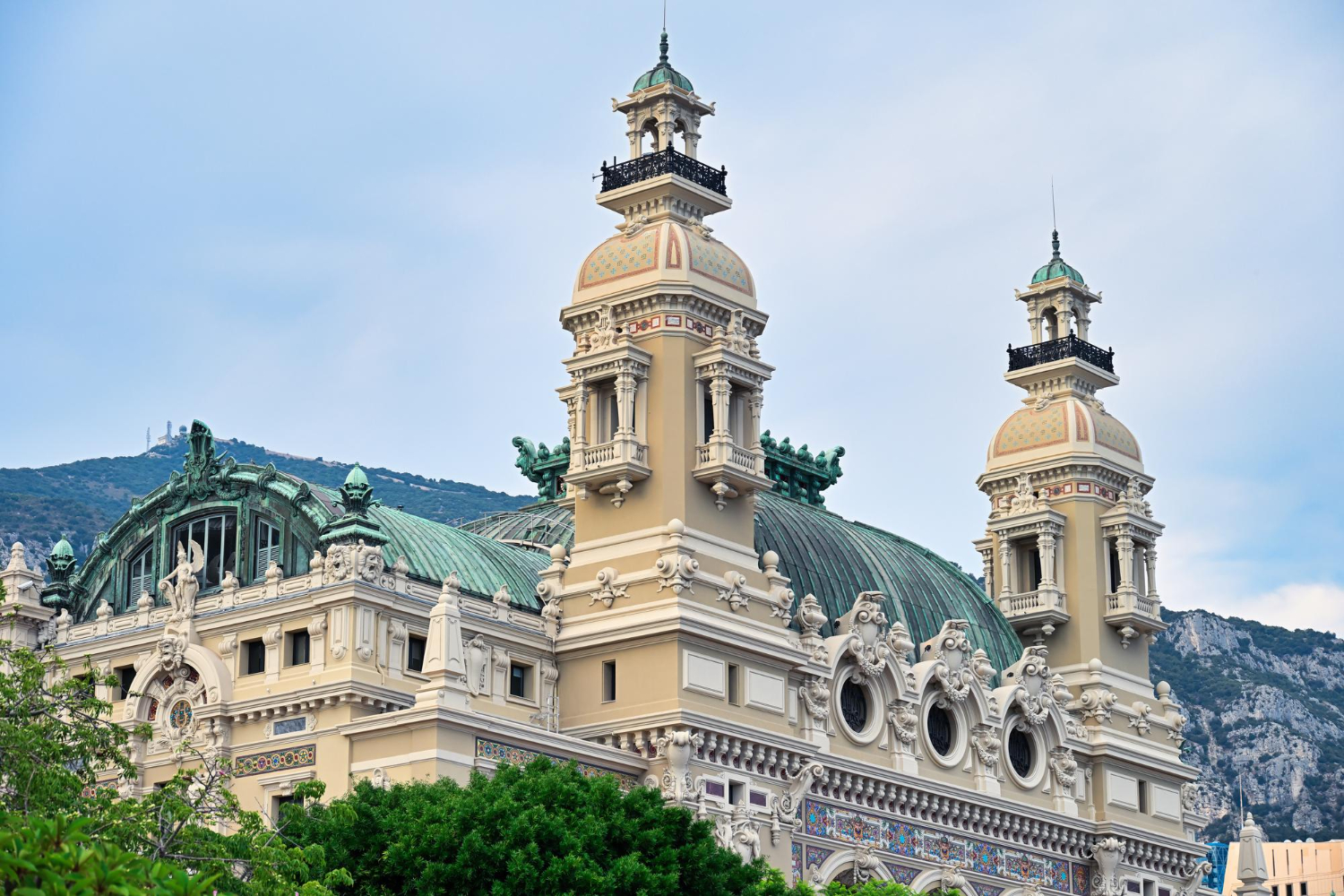
A small, extremely ornate hall attached to the casino complex, designed by the architect of the Paris opera house.
The scale is intimate compared to the major houses, which changes the experience entirely. The Opéra de Monte-Carlo is the smallest grand theatre on this list.
14. Wilton’s Music Hall, London, England
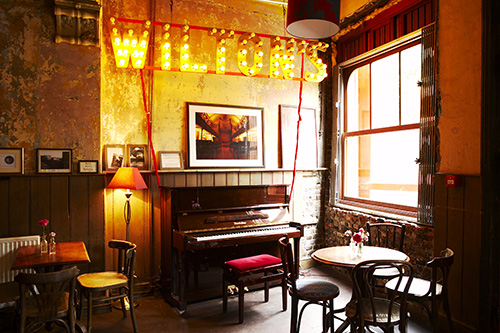
A surviving Victorian music hall, deliberately conserved in a worn state rather than restored to newness.
The decision not to make it look new is unusual and is the reason to go. Wilton’s is the theatre preserved as it was found rather than as it once looked.
15. Minack Theatre, Cornwall, England
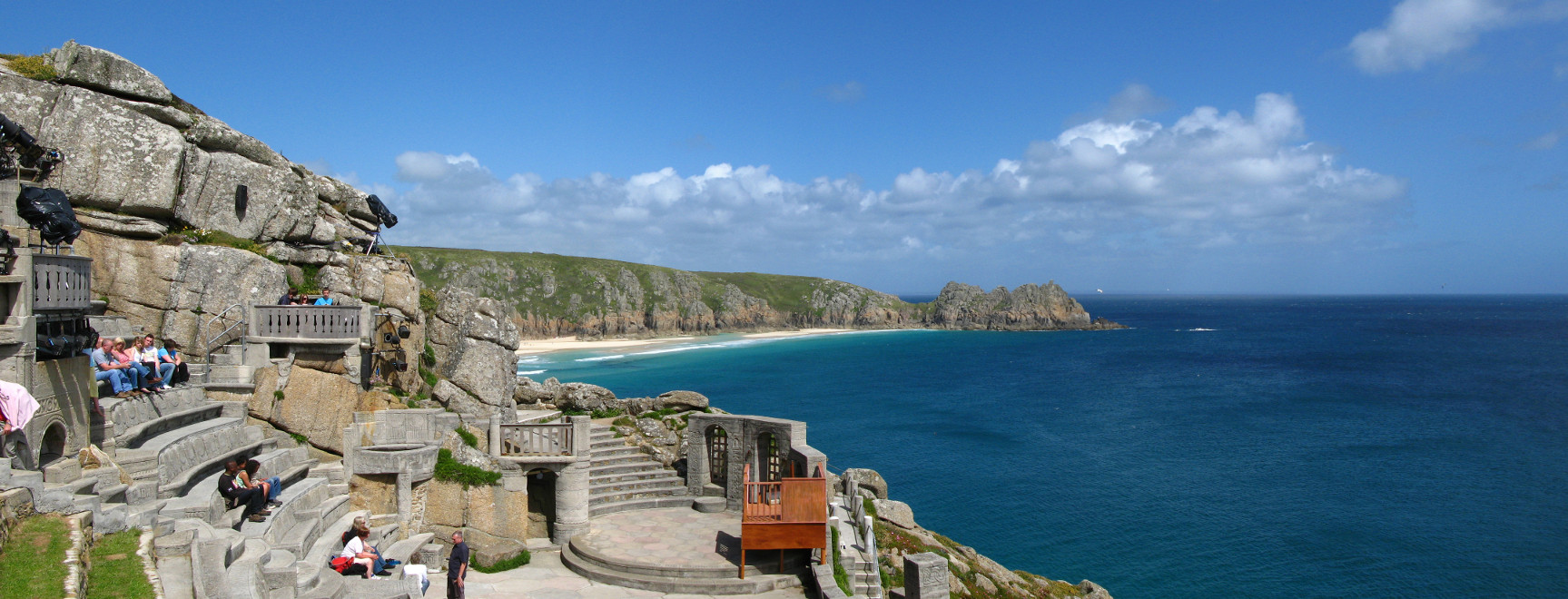
An open-air theatre cut into a cliff above the sea, built largely by hand over decades by one person and her gardener.
Performances run through the summer and the sea is directly behind the stage. The Minack is the theatre where the backdrop is the Atlantic.
Buildings That Expected an Audience
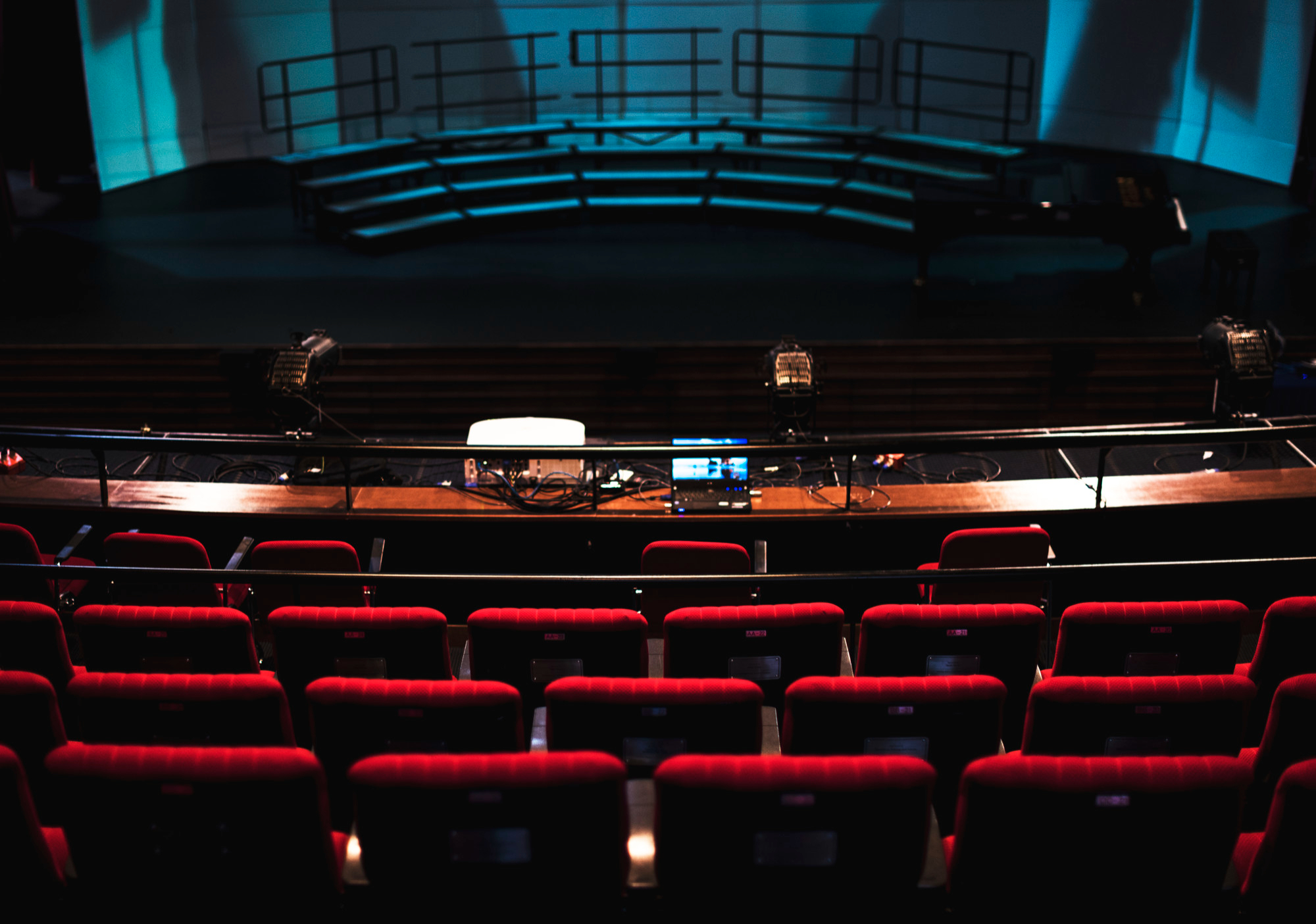
Grand theatres were designed for arrival — the staircase, the foyer, the tiers of boxes arranged so the audience could see itself. Which is why the buildings reward being walked into even when nothing is on.
Practical notes: tour availability depends on the rehearsal schedule and is frequently cancelled at short notice, several of these close for summer, and the cheapest performance tickets are often released shortly before curtain and sold only in person. Check the current arrangements directly with the theatre, and consider a cheap seat over a tour, since it gets you into the auditorium with the lights up and the building doing what it was built for.
Like our content? Follow us for more.