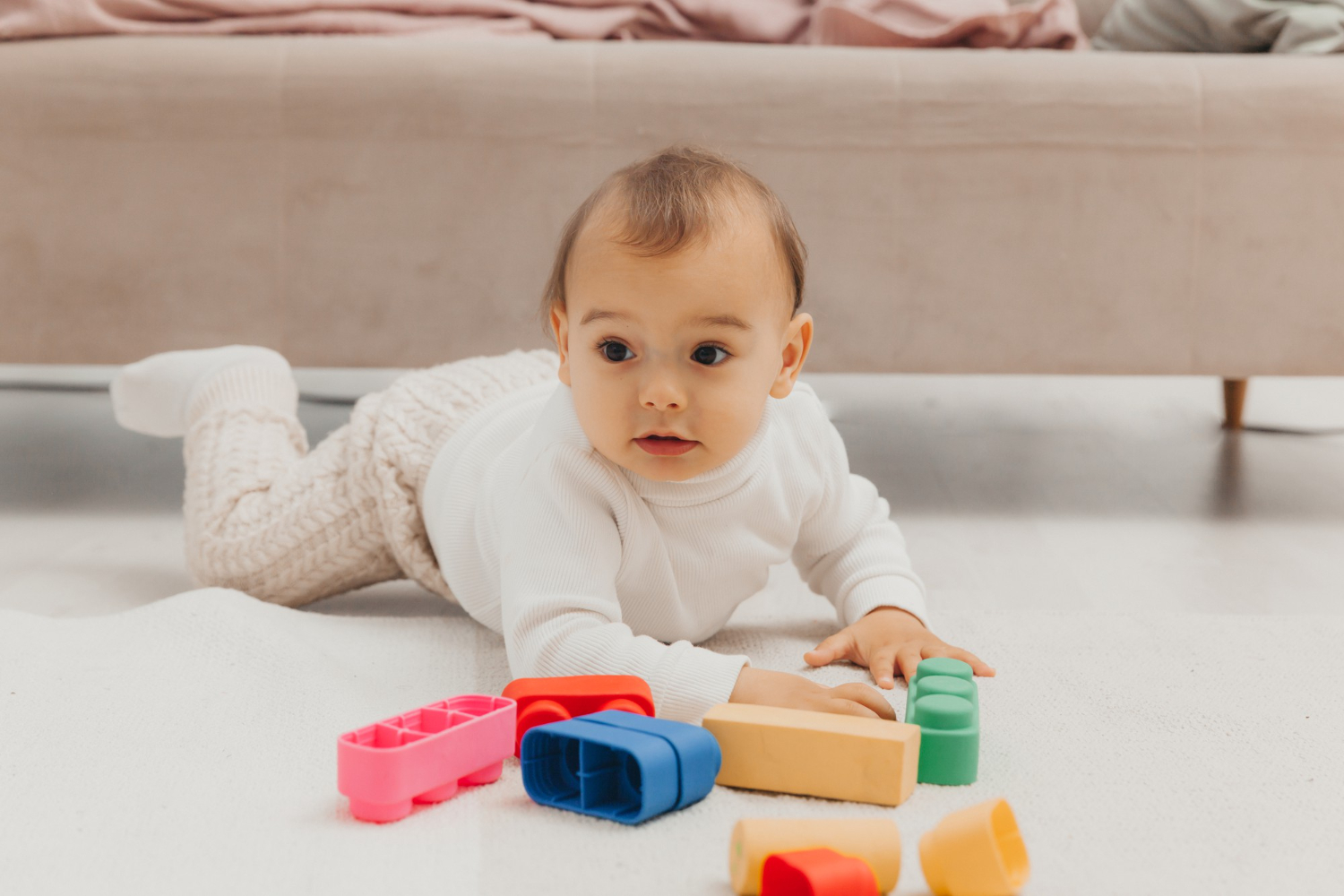
Ask an adult for their earliest memory and you will usually get something from around the age of three or four: a first day at preschool, the arrival of a sibling, a particular room in a particular house. Ask for anything earlier and the record goes blank. Almost nobody can recall events from their first three years.
This is odd when you consider what those years contain. Infancy is a period of astonishing learning. A child goes from immobile and non-verbal to walking and talking, learns to recognize faces, acquires the beginnings of a language, and forms deep attachments. As one researcher put it, there is a mismatch between the extraordinary plasticity and learning ability of that period and the fact that we remember none of it.
The phenomenon has a name, infantile amnesia, and it has been recognized for well over a century. It was first described by the psychologist Caroline Miles in 1893 and examined further by Sigmund Freud in 1905. For most of that time the standard explanation seemed sensible and was difficult to test. In 2025, a team at Yale finally tested it, and the result points somewhere unexpected. Here is what the research actually found.
The Explanation Everyone Assumed
The long-standing account rested on brain development, specifically on the hippocampus, a structure essential for forming episodic memories, meaning memories of specific events rather than general skills or knowledge.
The hippocampus is not finished at birth. It continues developing well into adolescence. The reasoning followed straightforwardly: if the structure responsible for encoding event memories is still immature during infancy, then infants presumably cannot encode such memories properly in the first place. There is nothing to recall later because nothing was ever recorded.
A related idea points to neurogenesis. Early childhood involves rapid production of new neurons, and there is evidence that this can disrupt existing memory networks, effectively overwriting or scrambling what has been stored.
Both explanations are plausible, and neither was easy to check. Infants cannot report what they remember, which removes the standard method for studying memory. Researchers could observe that babies clearly learn: they imitate, recognize familiar faces and objects, and form conditioned responses. But those demonstrate that some kind of memory is operating, not that the specific event-memory system is recording individual experiences.
Like our content? Follow us for more.
Putting Babies in a Scanner
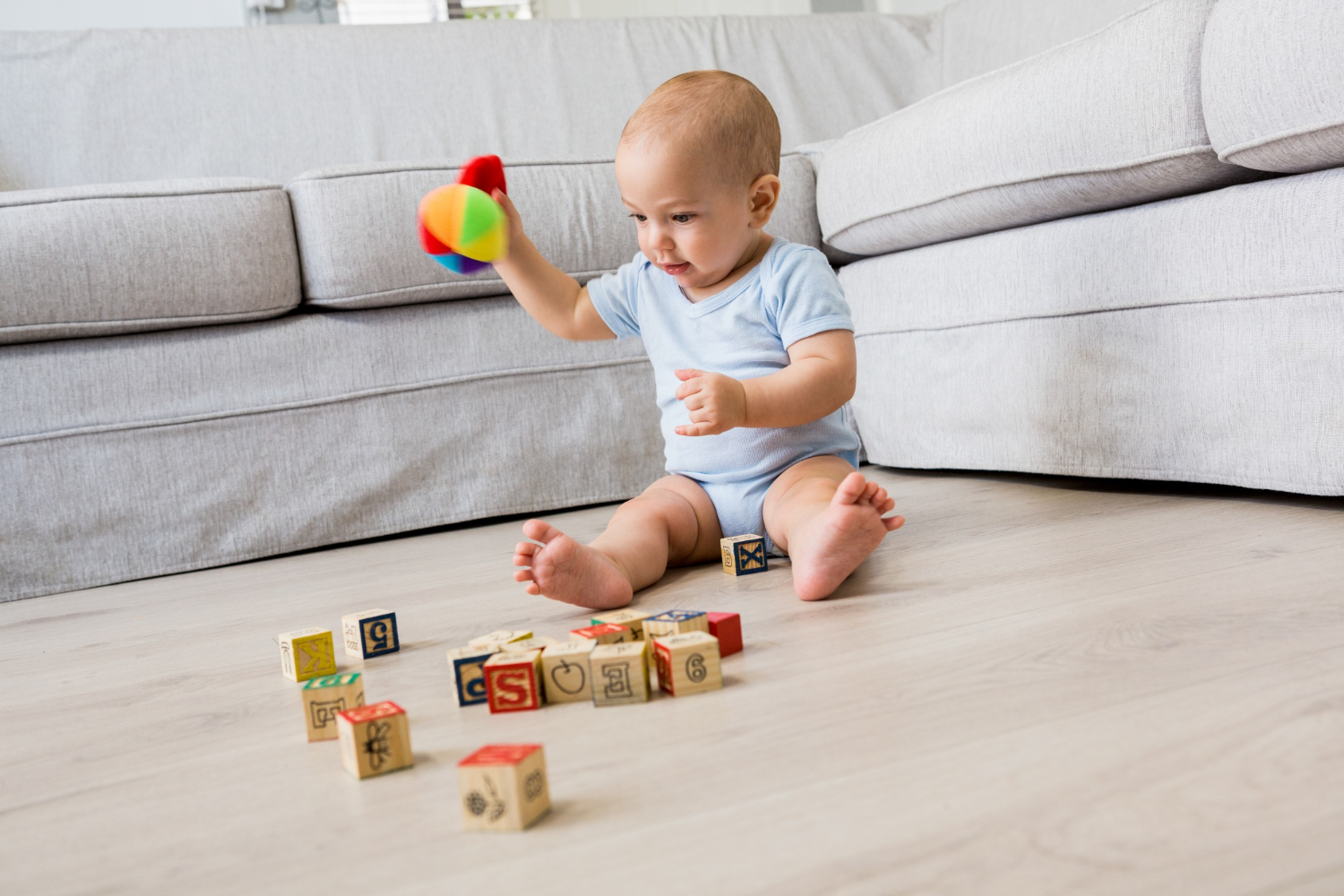
The 2025 study, led by neuroscientists Tristan Yates and Nick Turk-Browne at Yale, took the direct approach: scan infant brains with functional MRI while the infants performed a memory task.
The practical difficulty here is considerable and should not be glossed over. Functional MRI requires the subject to be awake and reasonably still inside a large, loud machine. Doing that with 26 infants, ranging from roughly four months to two years old, is a substantial achievement in experimental design.
The task exploited a well-established quirk of infant behaviour: babies look longer at things they recognize. So the researchers showed each infant a stream of new faces, objects, and scenes while recording hippocampal activity. Later, they showed those same images mixed in with entirely new ones and measured how long the infant looked at each. Longer looking at a previously seen image indicates recognition, which indicates the image was remembered.
Then they connected the two measurements: did the level of hippocampal activity during the first viewing predict whether an image was recognized later?
What They Found
It did. The more a baby’s hippocampus activated while first viewing an image, the more likely that image was to be remembered when it reappeared. And this encoding signal was present from around 12 months of age.
That result directly contradicts the assumption underlying the traditional explanation. The infant hippocampus is not incapable of encoding individual memories. It is doing exactly that, from roughly the first birthday, and doing it well enough that the strength of the signal predicts what gets recognized afterward.
Which reframes the entire question. If infants can encode memories of specific experiences, then infantile amnesia is not a failure to record. It is more likely a failure to retrieve. The memories were laid down; adults cannot get at them.
The researchers were careful about the scope of their claim. Their finding establishes what the field calls a boundary condition: it rules out explanations of infantile amnesia that assume a broad inability to encode due to hippocampal immaturity. That is a meaningful constraint, not a complete solution.
The Supporting Evidence From Animal Studies
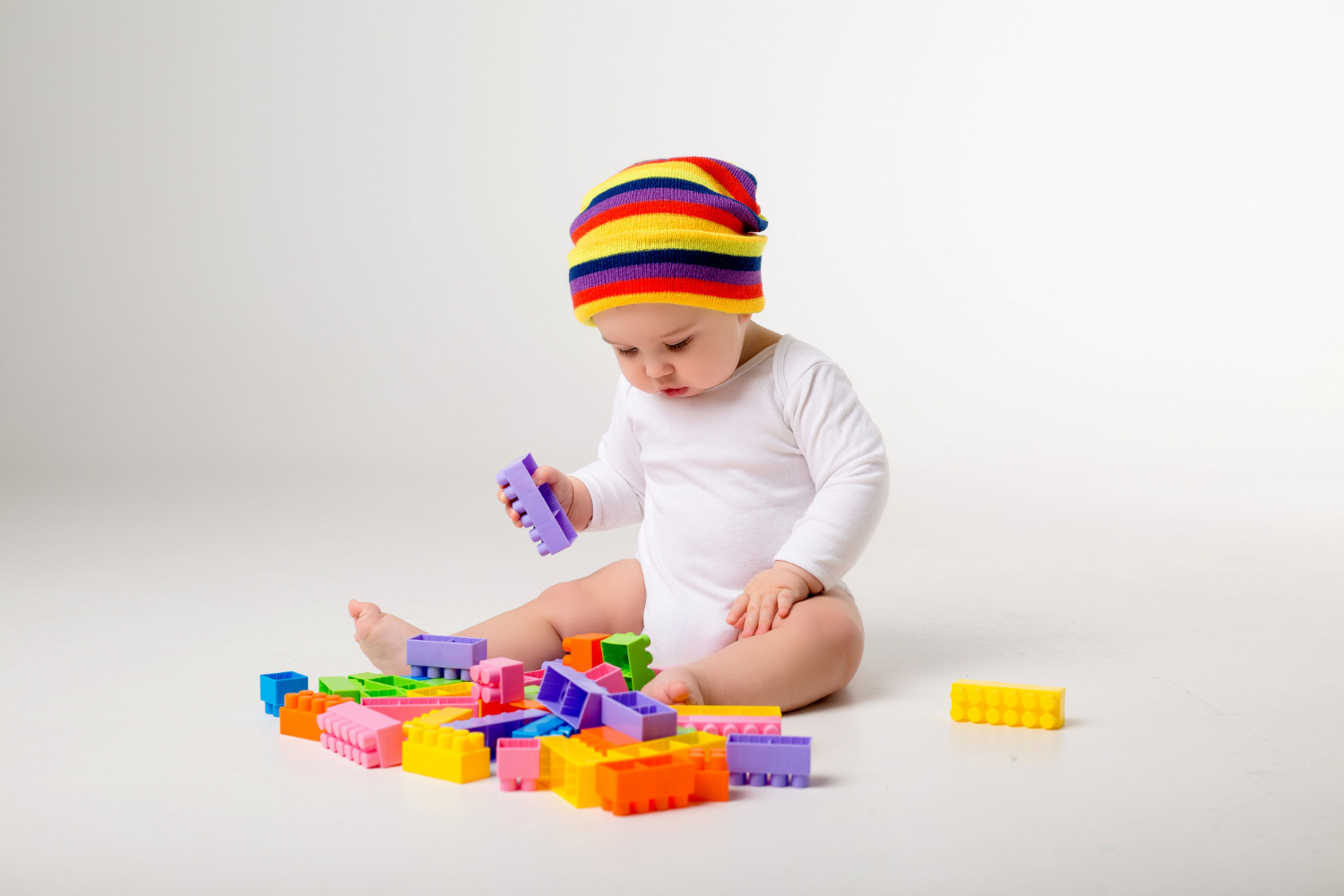
The retrieval-failure interpretation did not appear from nowhere. It aligns with a body of work in rodents that has been pointing the same direction for some time.
Studies in mice have shown that memory traces formed during infancy, sometimes called engrams, persist in the hippocampus into adulthood. They can be reactivated, but generally not spontaneously; recovering them requires either direct stimulation of the relevant hippocampal cells or specific reminder cues. Left alone, the animal behaves as though the memory is gone. Prompted correctly, it turns out to be there.
That is a fairly precise animal model of what the human study implies. The information is stored but has become inaccessible through ordinary recall. Whether the same mechanisms operate in humans is not established, and extrapolating from mice to people is exactly the kind of step that requires caution.
What Counts as a First Memory
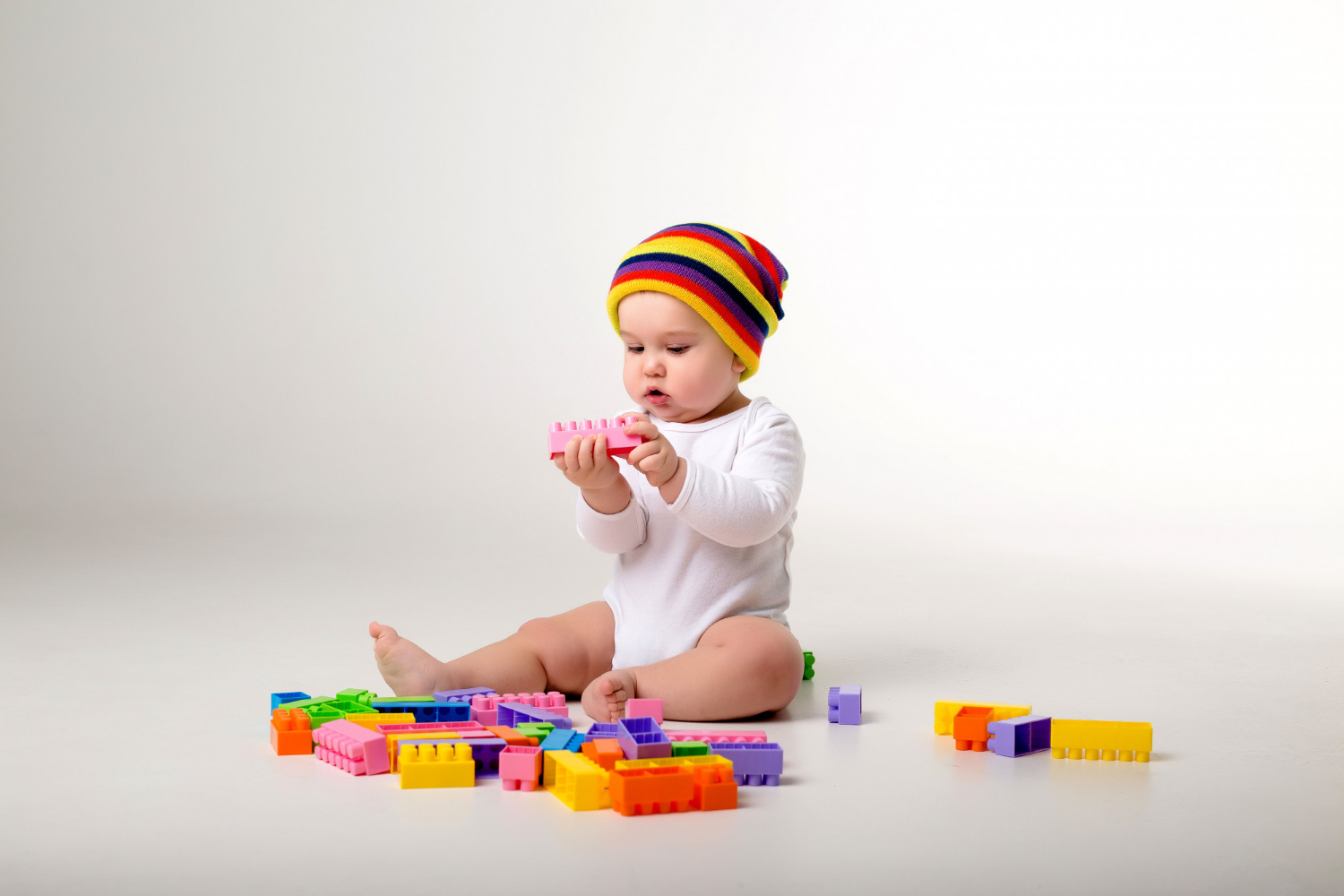
Part of what makes infantile amnesia tricky to study is that the boundary is not clean. It is not that memory switches on at a particular birthday.
Researchers distinguish between several kinds of memory, and they do not develop in step. Procedural memory, meaning skills and habits, works from very early and is why a child who learned to walk retains the ability without recalling the process. Semantic memory, meaning general knowledge, also accumulates: a two-year-old knows what a dog is without remembering the occasion of learning it. What is missing from adult recall is specifically episodic memory, the record of particular events located in a particular time and place.
There is also a gradient rather than a wall. Recall from before about age three is rare; the years from three to seven tend to be patchy, with a handful of vivid fragments and long blanks; and continuous autobiographical memory generally consolidates later in childhood. Researchers have noted that children cannot complete complex memory tasks until around four or five, even though indirect measures of brain activity show relevant capacity substantially earlier.
That gap between what the brain can do and what a child can demonstrate is exactly why the question stayed open so long, and why the 2025 study had to measure the brain rather than ask the child.
What This Does Not Mean
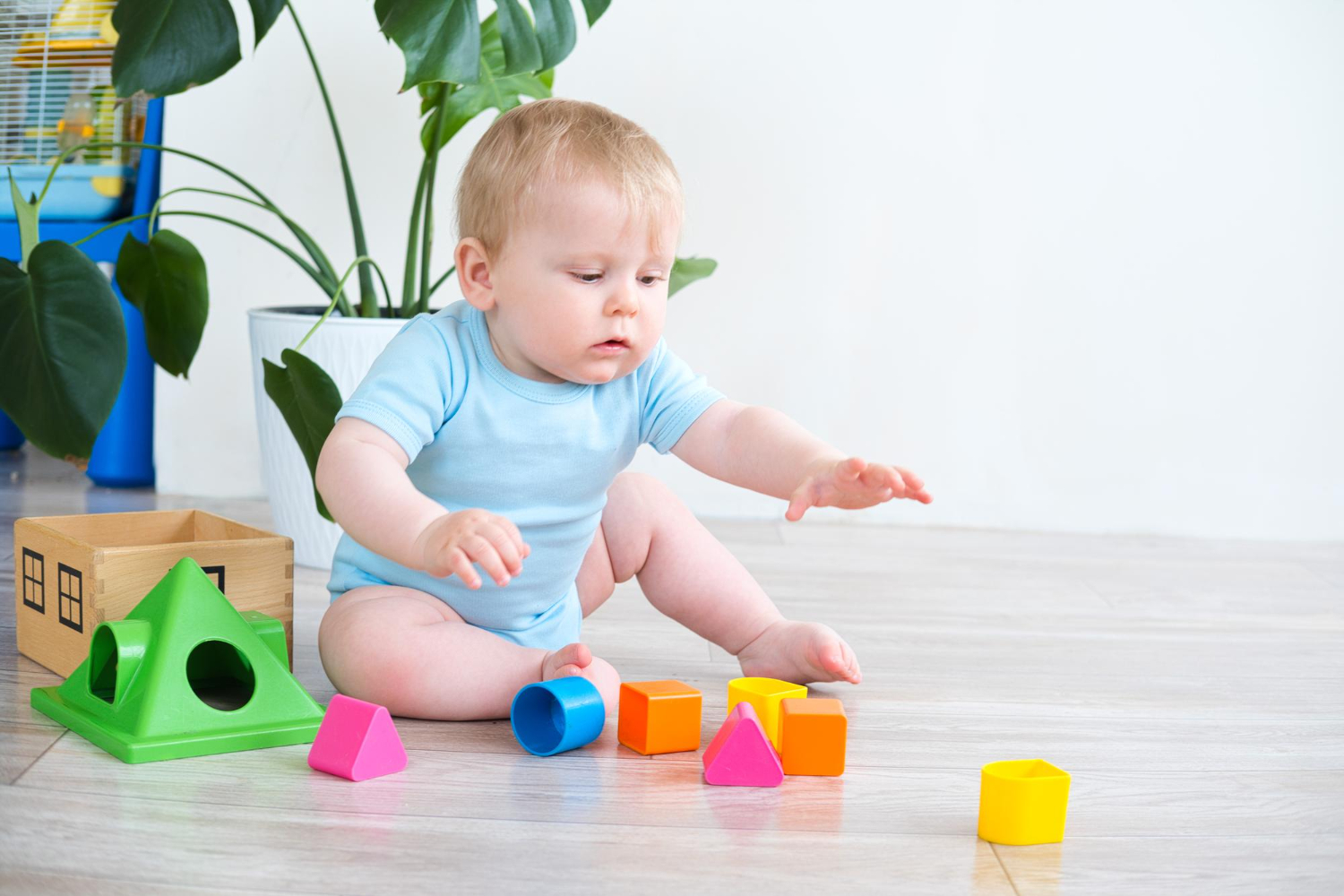
A few clarifications matter here, because this research is easy to over-interpret in ways that would be unhelpful.
It does not mean adults can access their infant memories. There is no known technique for retrieving them, and nothing in this work suggests one is available. The finding is about what the infant brain does, not about a method for recovering anything.
It does not validate claims of vivid recall from very early infancy. Reported memories from before roughly age three remain rare and are frequently reconstructions assembled from photographs, family stories, and later experience rather than direct recollection. This research does not change that assessment.
It also does not mean early experiences are without effect. Nobody has ever argued that. Early life shapes development, attachment, and learning in ways entirely separate from whether specific episodes can be consciously recalled. The inability to remember your first birthday says nothing about whether that period mattered.
And it is one study, on 26 infants, however elegantly designed. Replication and extension will determine how it settles.
Why the Question Is Worth Asking
There is a plain human appeal to this research that has nothing to do with its technical content. Everyone has a blank space at the beginning of their own life, covering the period they were most attended to and most rapidly changing. The idea that something might be recorded in there, even inaccessibly, lands differently than the idea that it was never written down at all.
For parents there is a small consolation in the finding, and a small disappointment. A child will not remember the first birthday cake or the seaside afternoon. But those experiences appear to be getting encoded rather than simply passing through, which is at least a different kind of absence.
Scientifically, the value is in how cleanly a long-standing assumption got tested. For over a century the standard explanation was reasonable, widely held, and essentially unexamined, because the obvious method, asking the subject, was unavailable. Someone worked out an indirect method, ran it, and found that the accepted answer did not hold.
The blank space remains. Nobody is going to recover their infancy. But the reason for it appears to be different from what everyone assumed, and the difference between never recording something and being unable to reach it is not a small one.
Like our content? Follow us for more.