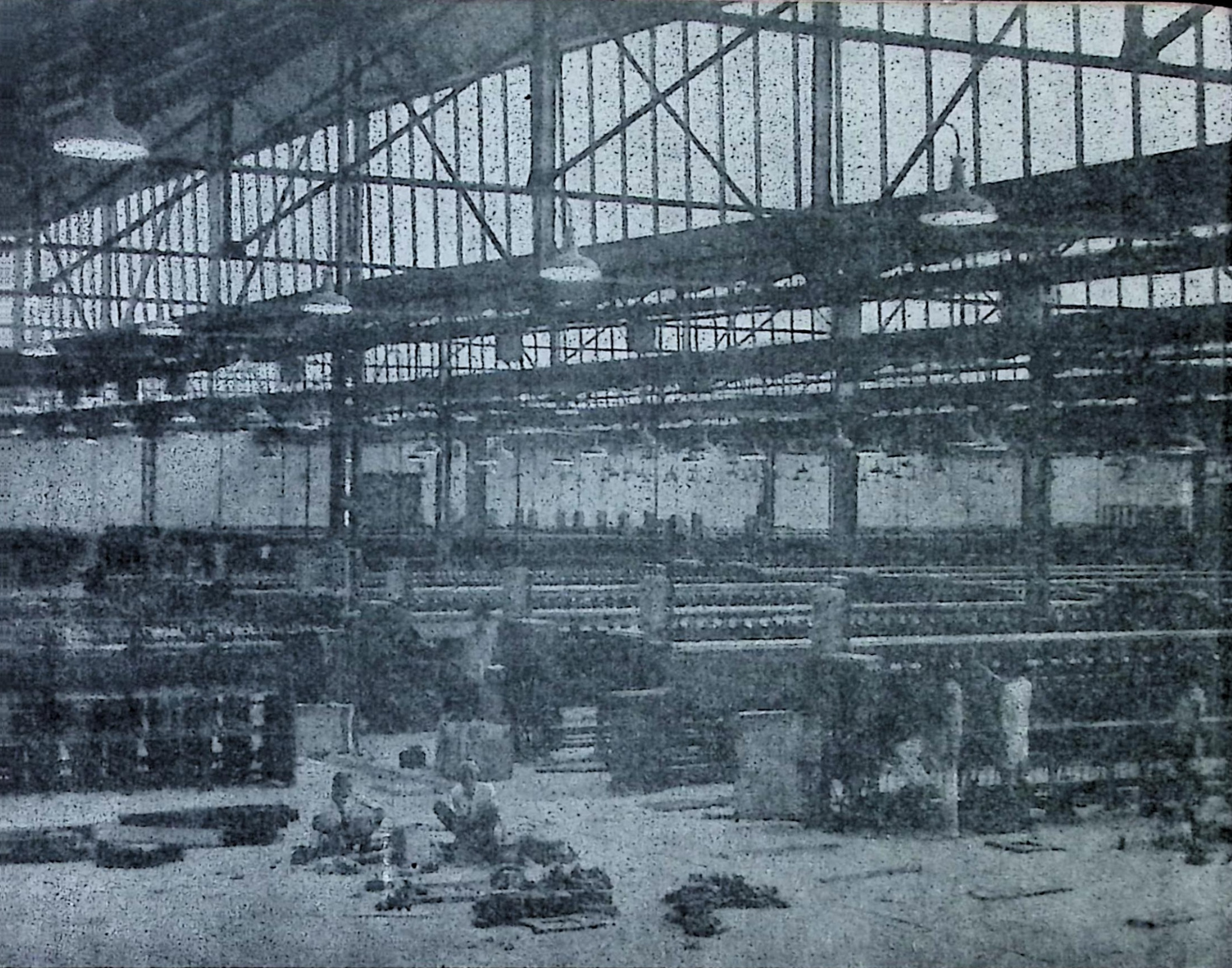
In 1960 jute arrived as stiff dry bundles that had to be softened with oil and water for a day before anything could be done with it, then opened, carded, spun and woven in mills where the air was thick with fibre and the noise made speech impossible.
The workforce was overwhelmingly women, paid substantially less than men. Young people split the week between the mill and school. The company owned the housing.
And the entire thing existed to make sacks.
Here are fifteen things that were ordinary in a jute mill in 1960, and what became of each one.
1. The Fibre Had to Be Softened With Oil and Water Before It Could Be Worked
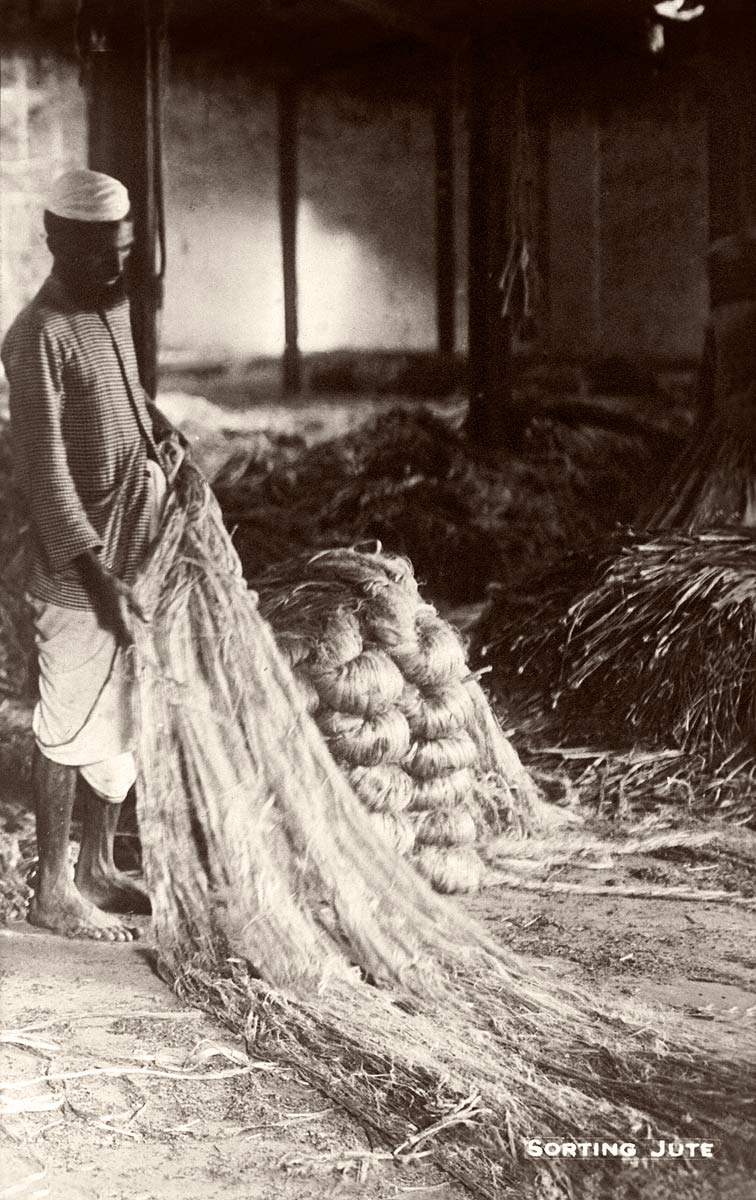
Raw jute arrives as stiff dry bundles that will shatter rather than spin. Batching meant spreading the fibre, treating it with oil and water, and leaving it to condition for a day or more before anything could be done with it.
Modern processing uses controlled emulsions and conditioning with far better consistency, and the volume has moved almost entirely to the countries that grow the fibre. Batching was dirty, heavy, smelled strongly of the oil used, and determined whether everything downstream would run – under-conditioned jute broke continuously on the machines.
Like our content? Follow us for more.
2. The Air Was Full of Fibre Dust and Everybody Breathed It
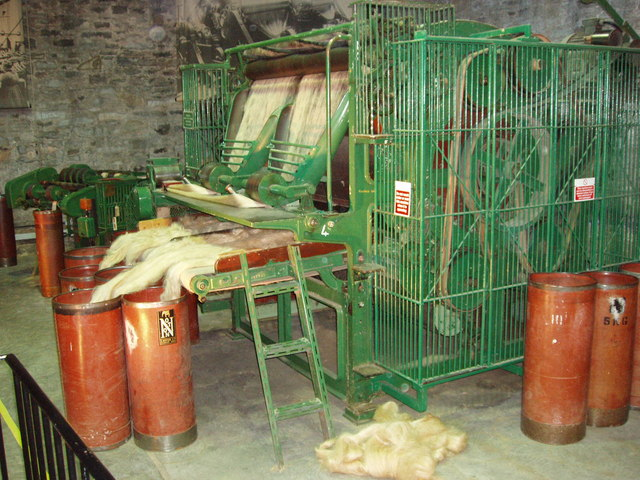
Opening, batching, carding and spinning jute release large quantities of fine dust and fibre fragments into the air, and in 1960 the mills ran with minimal extraction and no respiratory protection.
Extraction at source, enclosure, dust monitoring, exposure limits and respiratory protection are now standard wherever the industry operates. The respiratory consequences of working in dusty textile mills were recognised, studied and argued about for a very long time before controls followed. This is stated as occupational history only – anybody with that work history should raise it with their own doctor rather than with an article.
3. The Machinery Was Unguarded and Running All the Time
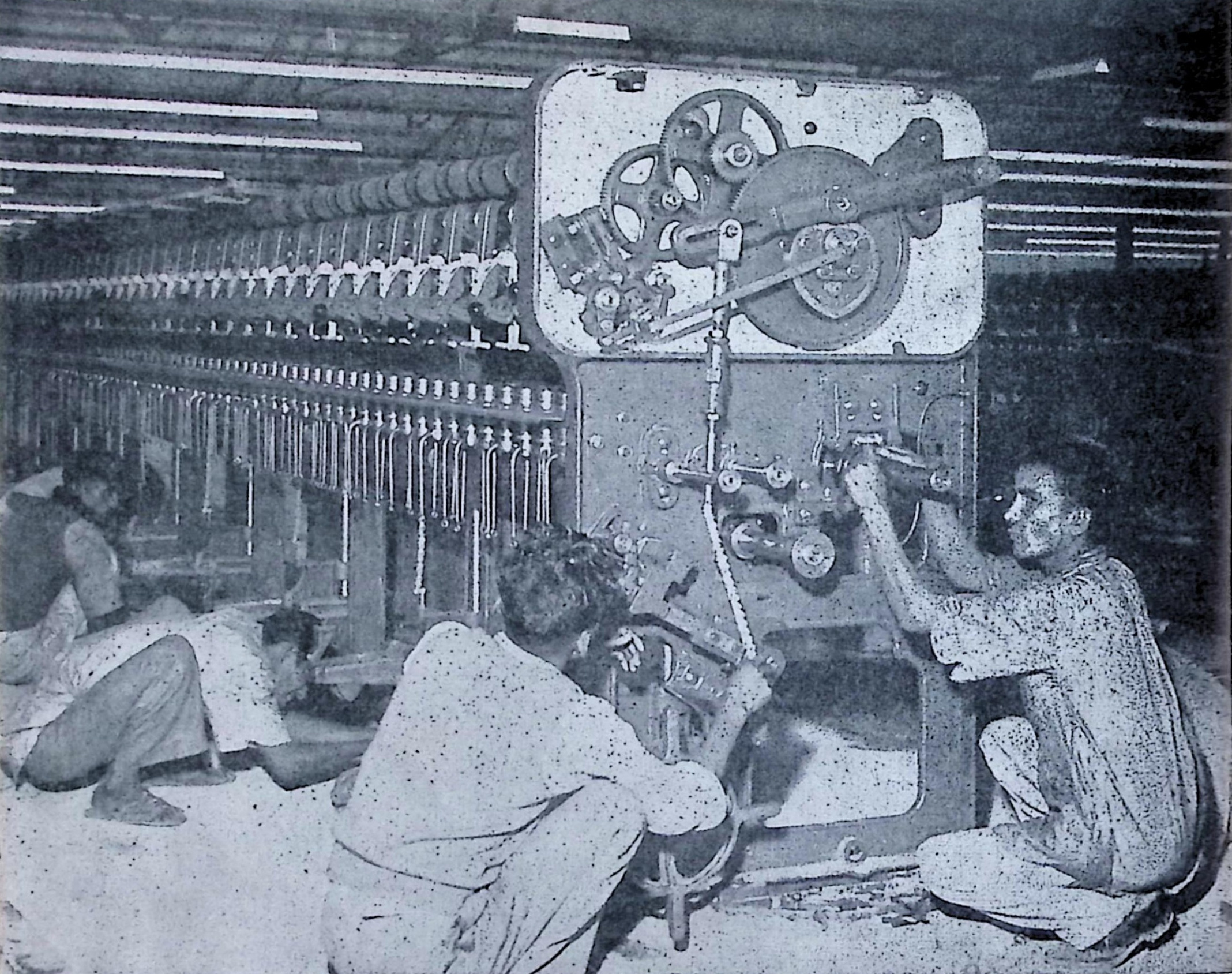
Carding machines with exposed rollers and pins, spinning frames, looms and the overhead shafting and belting that drove them all ran with little or no guarding, in rooms where people worked within arm’s reach.
Guarding, interlocks, individual electric drives replacing line shafting, and emergency stops transformed it. Overhead shafting with flapping belts above every machine is the detail that most shocks people looking at photographs, and it was the standard way to distribute power in a mill for a century.
4. The Noise Was So Great That Workers Developed Their Own Signing
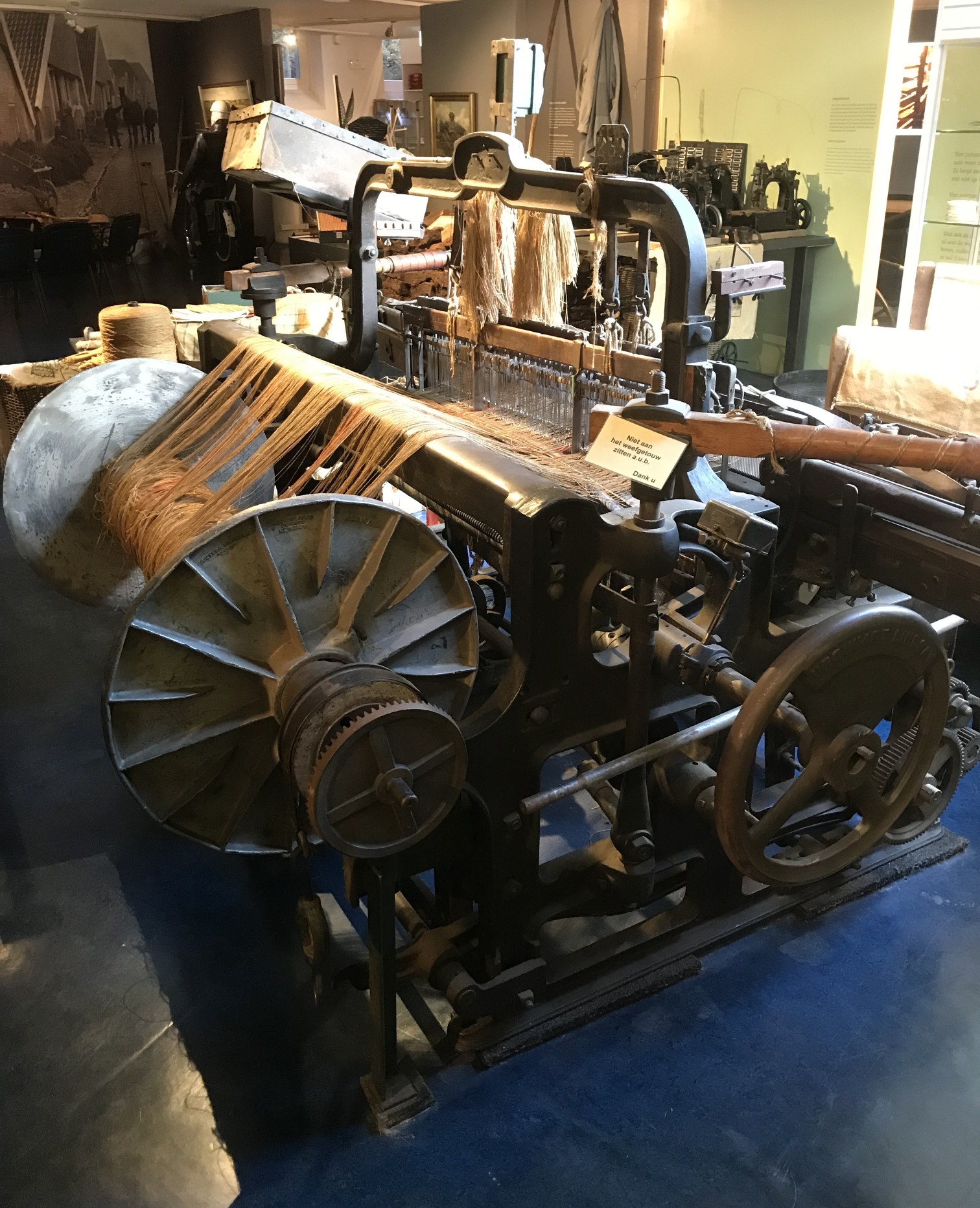
A weaving floor of mechanical looms produced sustained noise at a level that made speech entirely impossible, and workers across the textile industry developed lip reading and hand signals to communicate.
Enclosure, quieter machinery, exposure limits and hearing protection changed it. Stated as occupational history only. Anybody with that work history should discuss it with their own doctor rather than with an article.
5. The Workforce Was Overwhelmingly Female and That Was the Business Model
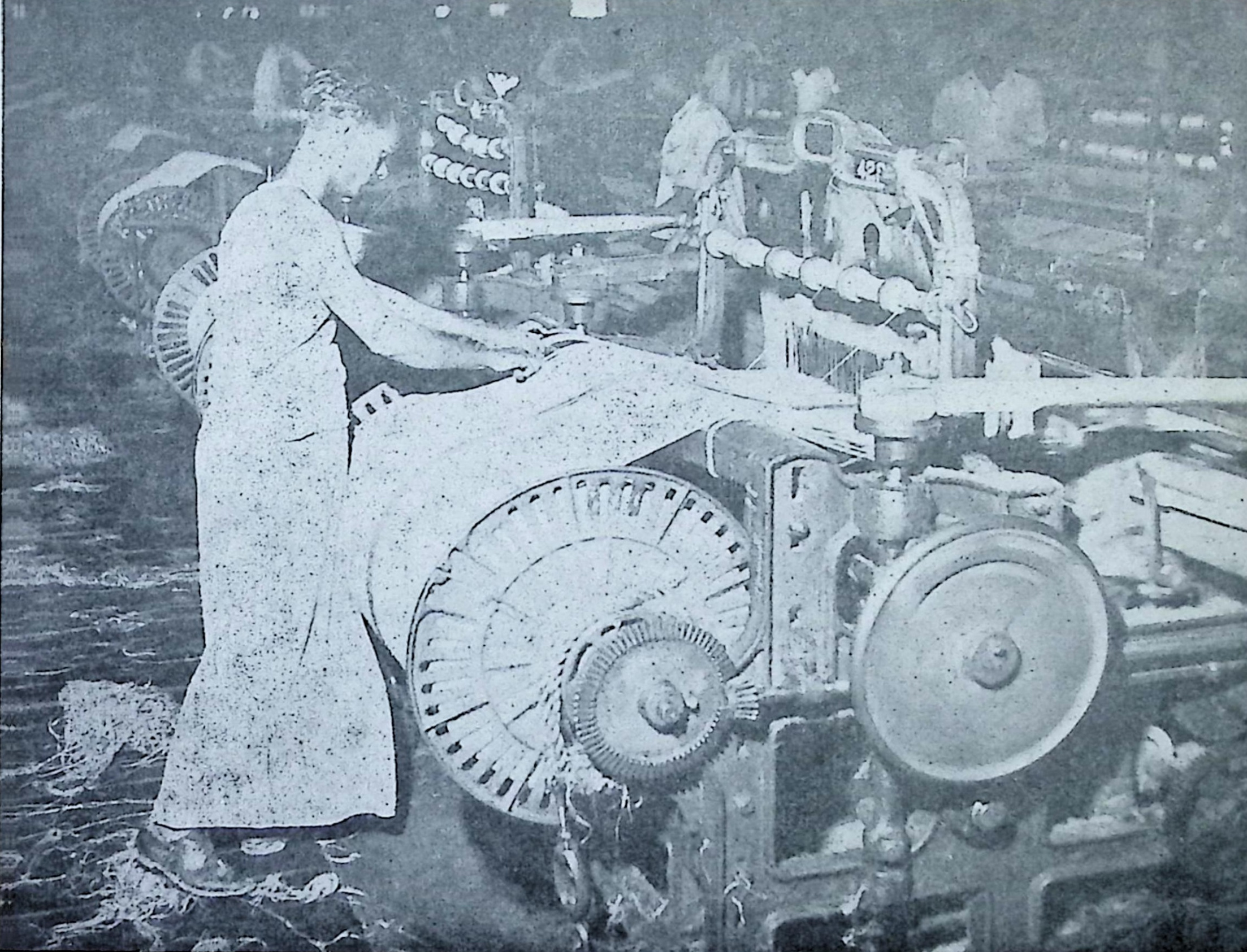
Jute mills employed women in very large numbers, at rates substantially below men’s, in a town where the mill was frequently the only significant employer.
Equal pay legislation changed the structures, by which time the industry had largely gone. The dependence was structural rather than incidental – the economics of the trade rested on low-cost labour, and the composition of the workforce was how that was achieved rather than a by-product of it.
6. Children Worked Part Time and Went to School Part Time
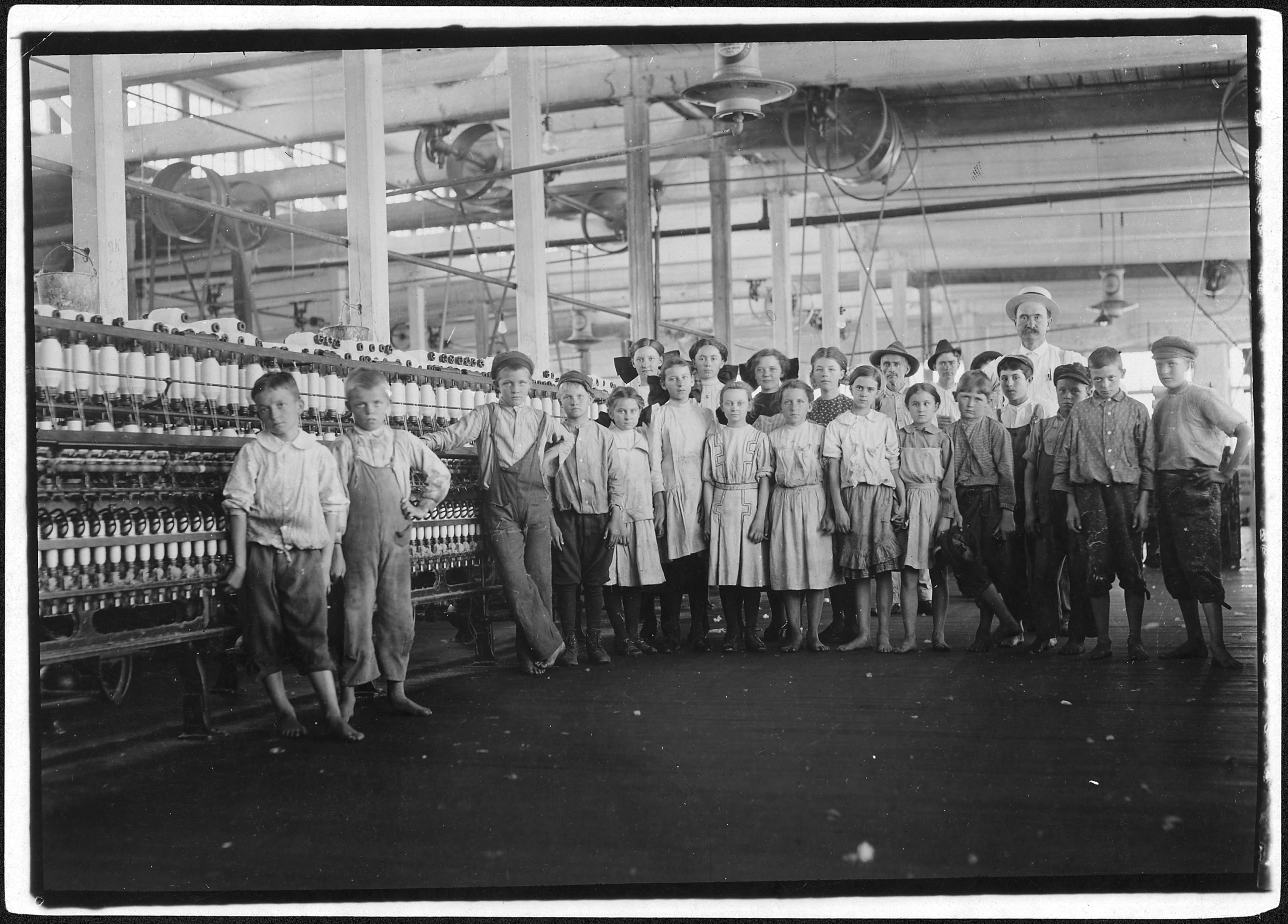
Arrangements existed under which young people divided the week between the mill and the classroom, working part of each day or alternate days, which was regarded as a reasonable compromise.
Raised school leaving ages and the prohibition of child labour ended it. These arrangements were defended at the time as giving families necessary income while preserving some education, and they produced generations who had neither a complete schooling nor anything other than mill work available to them.
7. The Mill Owned the Housing and Frequently the Shop
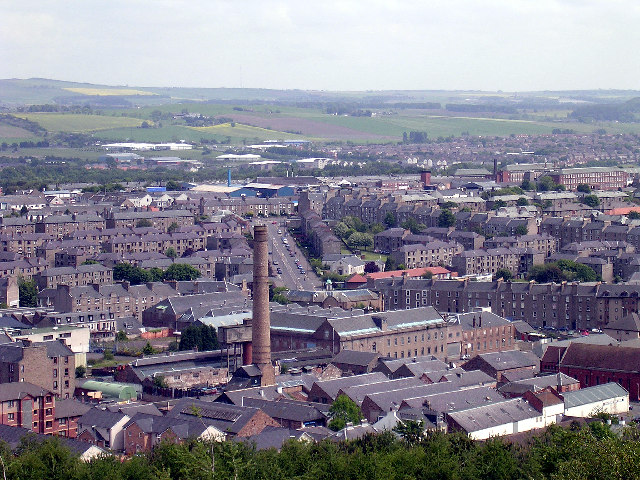
Workers lived in housing built by the company, within walking distance, with rent deducted and in some cases bought from a company store.
Housing was sold off or transferred and the arrangement ended. Company housing made a dispute over wages simultaneously a dispute over where you lived, which is the point that is easy to miss – the tied house is a labour relations instrument as much as an amenity.
8. Everything Depended on a Crop Grown Thousands of Miles Away
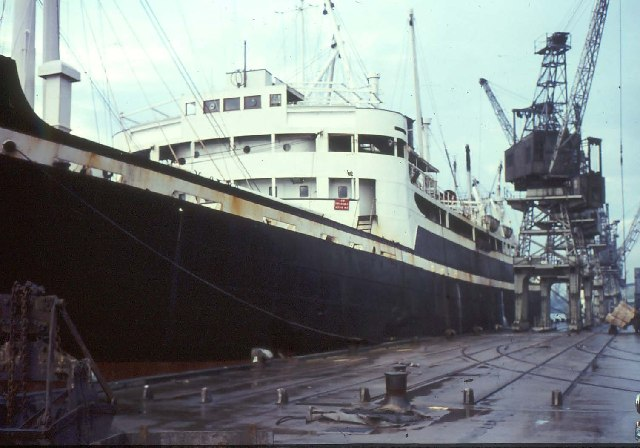
Jute was grown in a small number of regions and shipped enormous distances to be processed, which meant the mills’ entire supply and price depended on harvests, shipping and politics they had no influence over.
Processing relocated to the growing regions, which was always the economically obvious arrangement and had been prevented by the historical accident of where the machinery and capital were. Once the producing countries built their own mills, the case for shipping raw fibre around the world to be spun and then shipping the product back disappeared.
9. The Product Was Sacks and the World Ran on Sacks
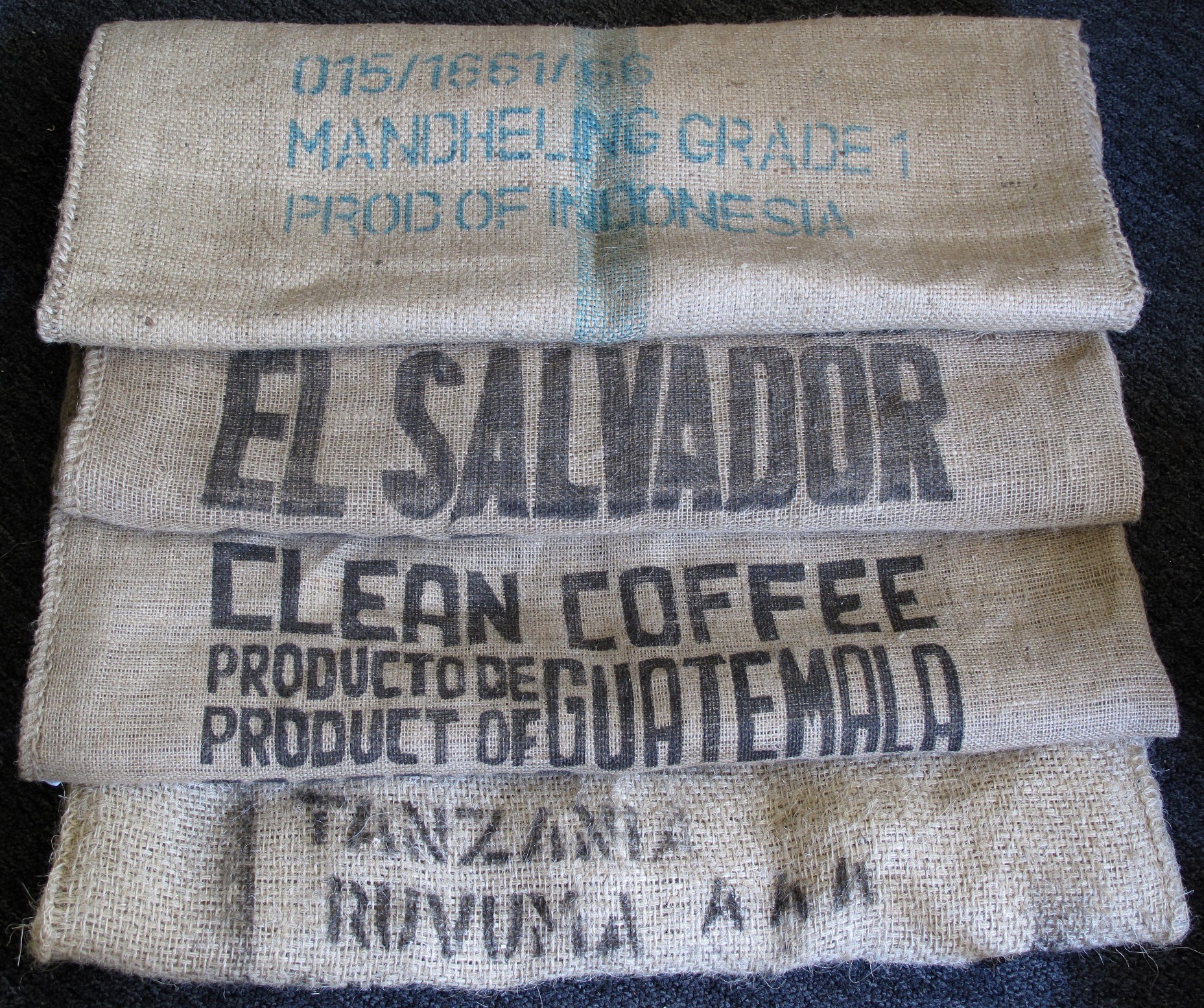
Jute went into sacking, bagging and hessian, and essentially every commodity on earth – grain, coal, sugar, cement, coffee, potatoes, mail – moved in sacks made of it.
Bulk handling, paper and plastic sacks, and then the shipping container took the market comprehensively. The container is the key event: once goods moved in standard steel boxes handled by crane, the sack as the universal unit of transport simply ceased to be needed, and the largest textile market in the world evaporated.
10. Linoleum Backing Was the Other Half of the Business
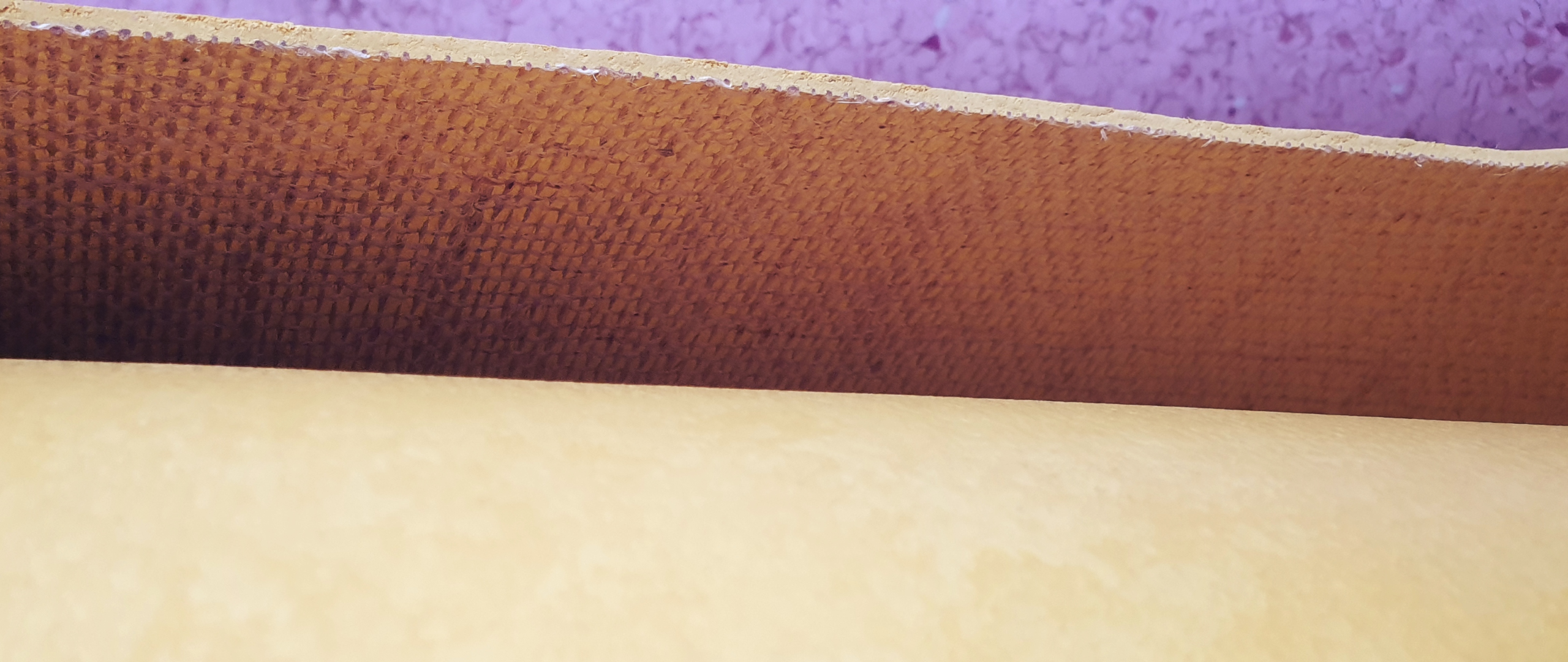
Woven jute was the backing for linoleum and for carpet, which was a large and stable market separate from sacking.
Synthetic backings replaced it in carpet and vinyl flooring replaced linoleum, removing both at roughly the same time. The industry therefore lost its two principal markets to unrelated substitutions within about two decades, which is unusually bad luck and is the real explanation for how fast it went.
11. The Mills Ran on the Smell and You Could Tell the Town by It
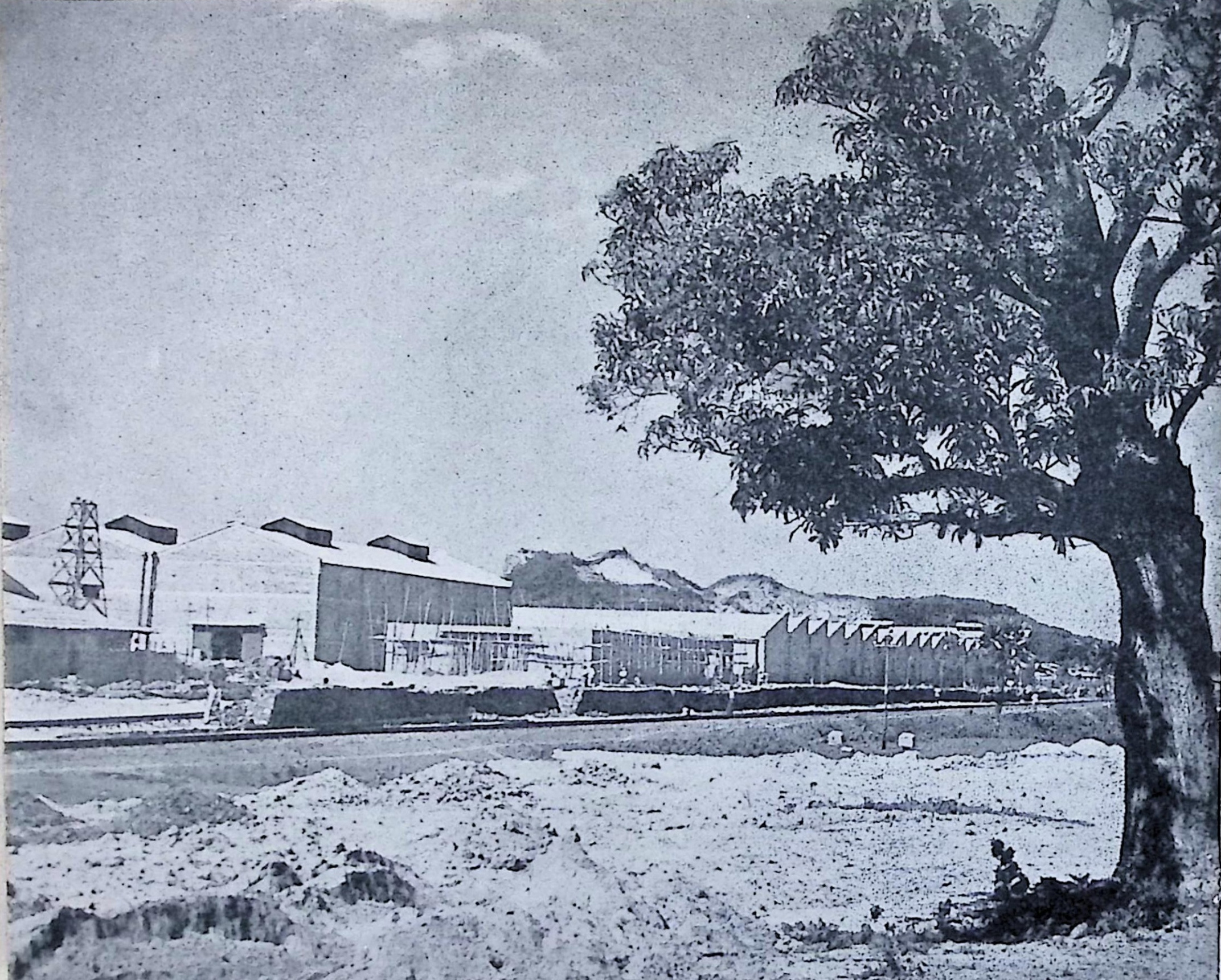
The batching oil, the fibre and the processing gave jute mills a distinctive heavy smell that carried across the whole settlement.
It went with the mills. It is remembered the way the gasworks and the brewery are remembered – unmistakable to anybody who knew it, impossible to describe to anybody who did not, and a marker of place rather than a nuisance to the people who lived with it.
12. The Owners Invested the Profits Somewhere Else
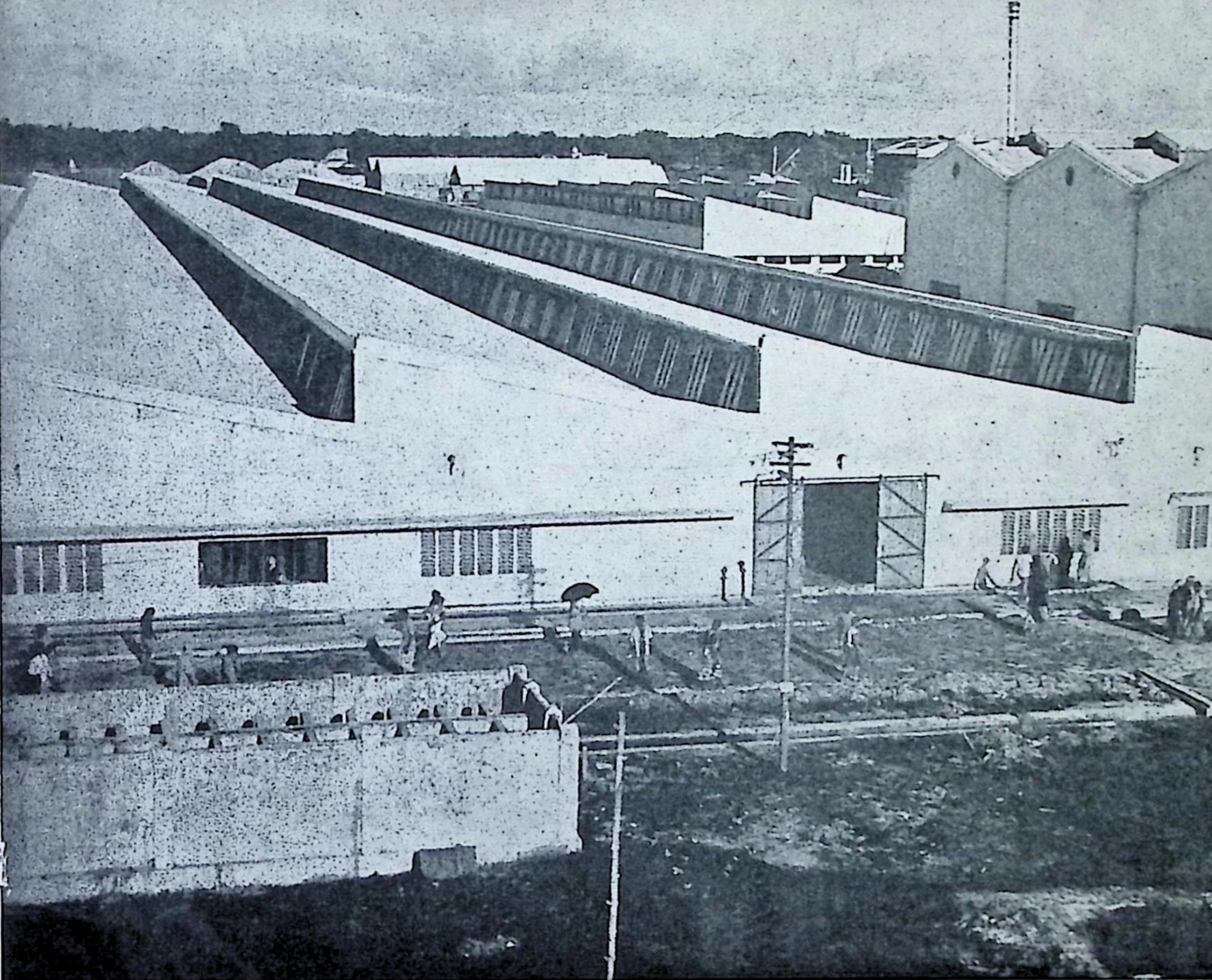
Substantial fortunes were made and a considerable proportion was invested abroad and in other sectors rather than in modernising the mills.
The consequence arrived later. When competition came from producers with newer machinery and lower costs, the mills were running equipment that was decades old, and the capital that might have replaced it had long since gone elsewhere. It is a recurring pattern in declining industries and it is visible in the accounts long before it is visible on the shop floor.
13. Nobody Thought a Steel Box Would End It
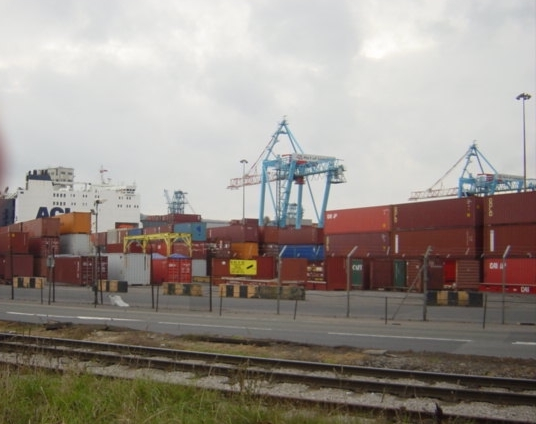
In 1960 the threat was understood as competition from lower-cost producers, which was real and was being fought. The idea that the demand for sacks itself would disappear was not on anybody’s list.
Containerisation removed the need rather than relocating the supply, and an industry that had been preparing to compete on cost discovered its market was being abolished. Competing harder was no answer at all to that, and the failure to see it coming is understandable – the container looked like a shipping innovation rather than a textile one.
14. The Buildings Were Enormous and Are Now Flats
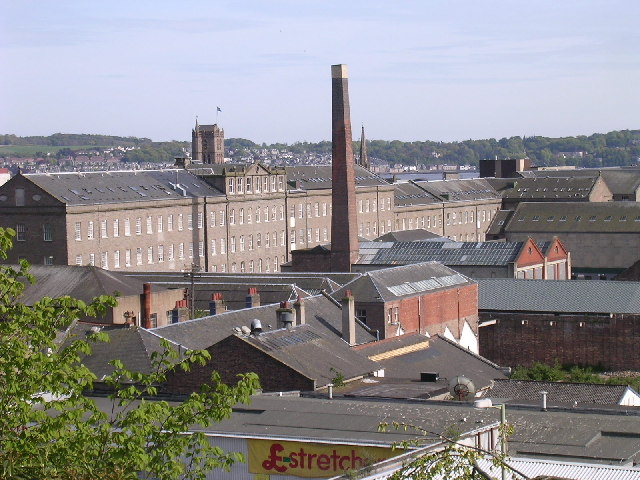
Jute mills were built on a vast scale, with tall brick blocks, chimneys, water towers and internal courtyards sized for an industry that employed thousands.
A good number have been converted into housing, offices, museums and studios, and many were demolished. They convert well for the same reason every mill does – big windows, strong floors, deep plan – and the chimneys that survive are usually listed and usually the tallest thing in the area.
15. The Trade Left and the Towns Did Not
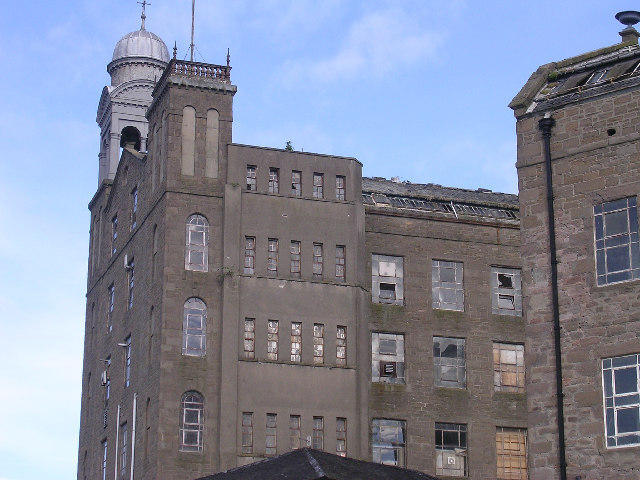
The industry was concentrated to an extreme degree in a small number of places, where it was effectively the entire economy.
When it went, it went almost completely within a generation, and the settlements remained with nothing in particular to do. That is the ending of most of these pieces, and it is worth saying plainly rather than only as an observation about buildings: the mills closed, the work did not come back, and the consequences are still legible in those towns in employment, in health and in who lives there.
They Were Fighting the Wrong War
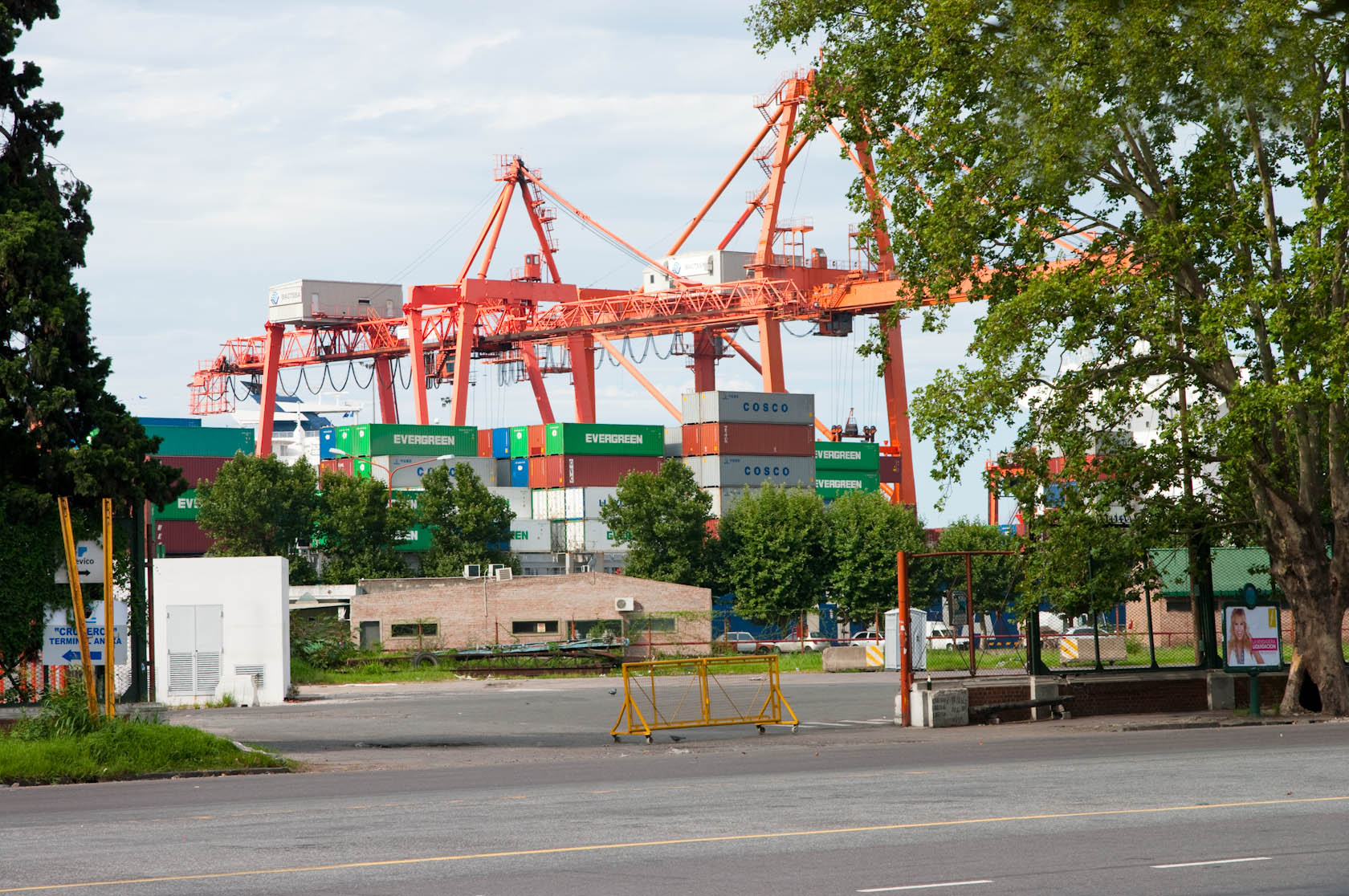
The jute industry’s ending is the most instructive in this whole series, because the industry could see a threat clearly, was responding to it sensibly, and was looking in the wrong direction.
The visible threat was competition. Producers in the countries that grew the fibre were building their own mills, with newer machinery, far lower labour costs and no shipping to pay on the raw material. That was real, it was understood, and the response – modernise, specialise, move up market, improve productivity – was the correct response to that problem.
The actual threat was that the product was about to stop being needed.
Containerisation changed how goods move. Before it, a cargo was thousands of separate items, each of which had to be manhandled, and a sack was the ideal unit: strong enough to hold a hundredweight, cheap, stackable, grippable, breathable, and disposable. After it, cargo moved in standard steel boxes lifted by crane and never opened between factory and destination, and the individual sack had no function in that system at all.
At the same time, and entirely independently, synthetic backings replaced jute in carpet and vinyl replaced linoleum, removing the second market.
So an industry that had organised itself to fight a cost war lost instead to a logistics innovation and two unrelated material substitutions, none of which could be answered by being more efficient at making sacks.
The lesson is uncomfortable and general. The competitor you can see is rarely the thing that ends you. What ends you is usually a change somewhere else entirely that removes the reason your product exists – and it tends to arrive dressed as somebody else’s industry’s news.
If your family worked in the mills you will know which one and what shift.
And if the chimney is still standing in your town, that is usually all that is left.
Like our content? Follow us for more.