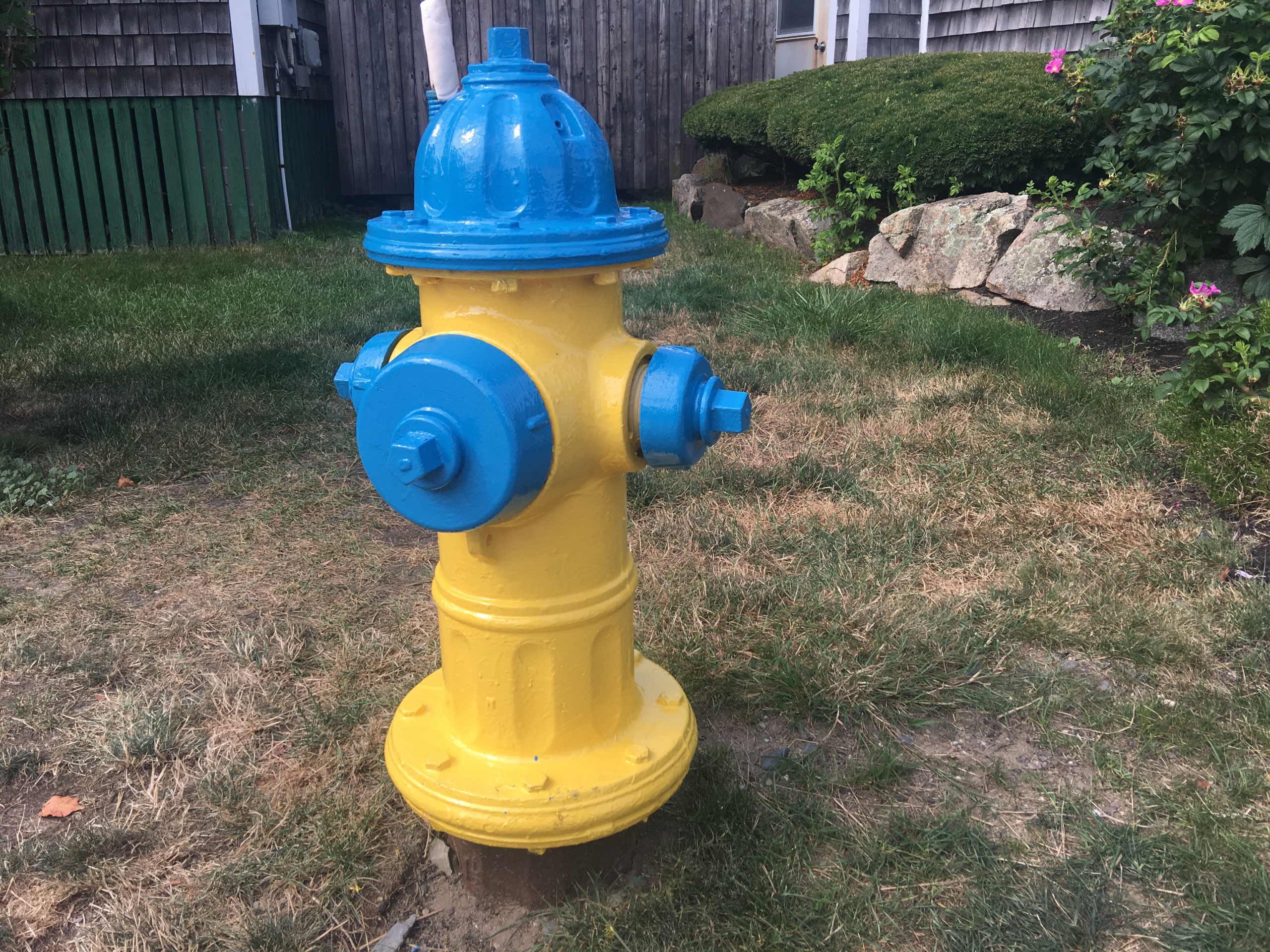
Walk through two American towns and the hydrants will not match. One place has red ones, another yellow, another silver, and in a great many places the body is one colour and the top and the caps are a different one again.
The usual assumption is that this is decorative – a town picked a colour, or a volunteer group painted them, or somebody standardised on whatever was cheap.
Some of that is true. But the two-tone hydrants are doing something specific, and the something is not decorative at all. The colour of the bonnet and caps is a recommended code indicating the hydrant’s available flow, and it exists so that a crew arriving at a fire can tell at a glance whether the hydrant in front of them will supply what they are about to ask of it.
Why a Hydrant Is Not Just a Hydrant
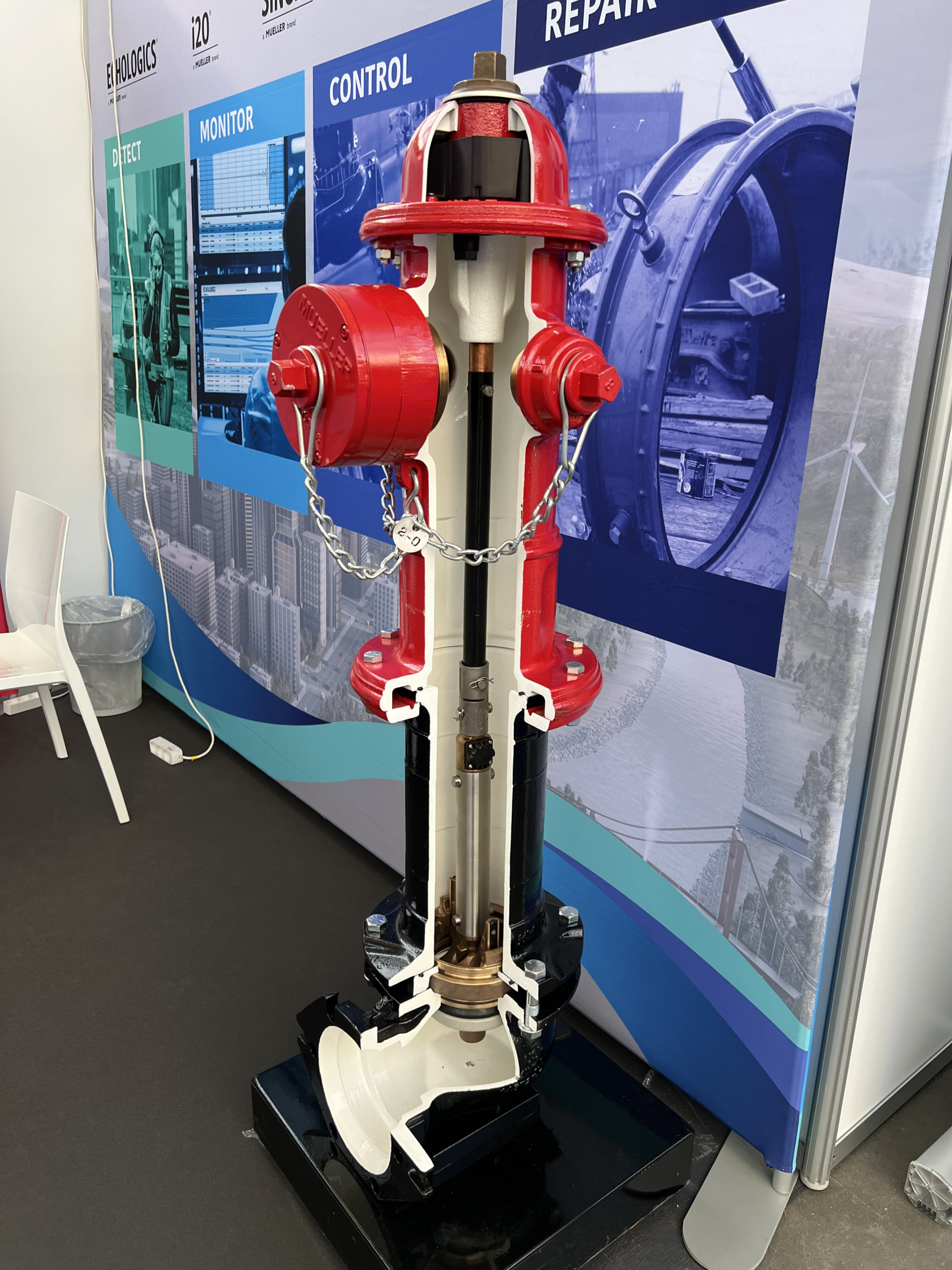
The thing that is easy to miss about a hydrant is that two identical-looking hydrants can deliver completely different quantities of water.
A hydrant is a valve on a buried main. What comes out of it depends on the diameter of that main, the pressure in the system at that point, how far it is from a pumping station or a reservoir, how many other things are drawing from the same main, and how the network is looped or dead-ended around it. A hydrant at the end of a long small-diameter branch in an old part of town might deliver a fraction of what one on a large main a street away will produce.
From outside, nothing shows. The casting looks the same.
This matters enormously, because the first decisions at a fire are about water. How many lines to run, what size, whether to pump from this hydrant or send an engine to another one, and whether the supply will sustain an interior attack or only an exterior one. A crew that commits to a hydrant that cannot deliver finds out several minutes later, at the worst possible moment, and those minutes are the ones that decide the outcome.
Like our content? Follow us for more.
The Code
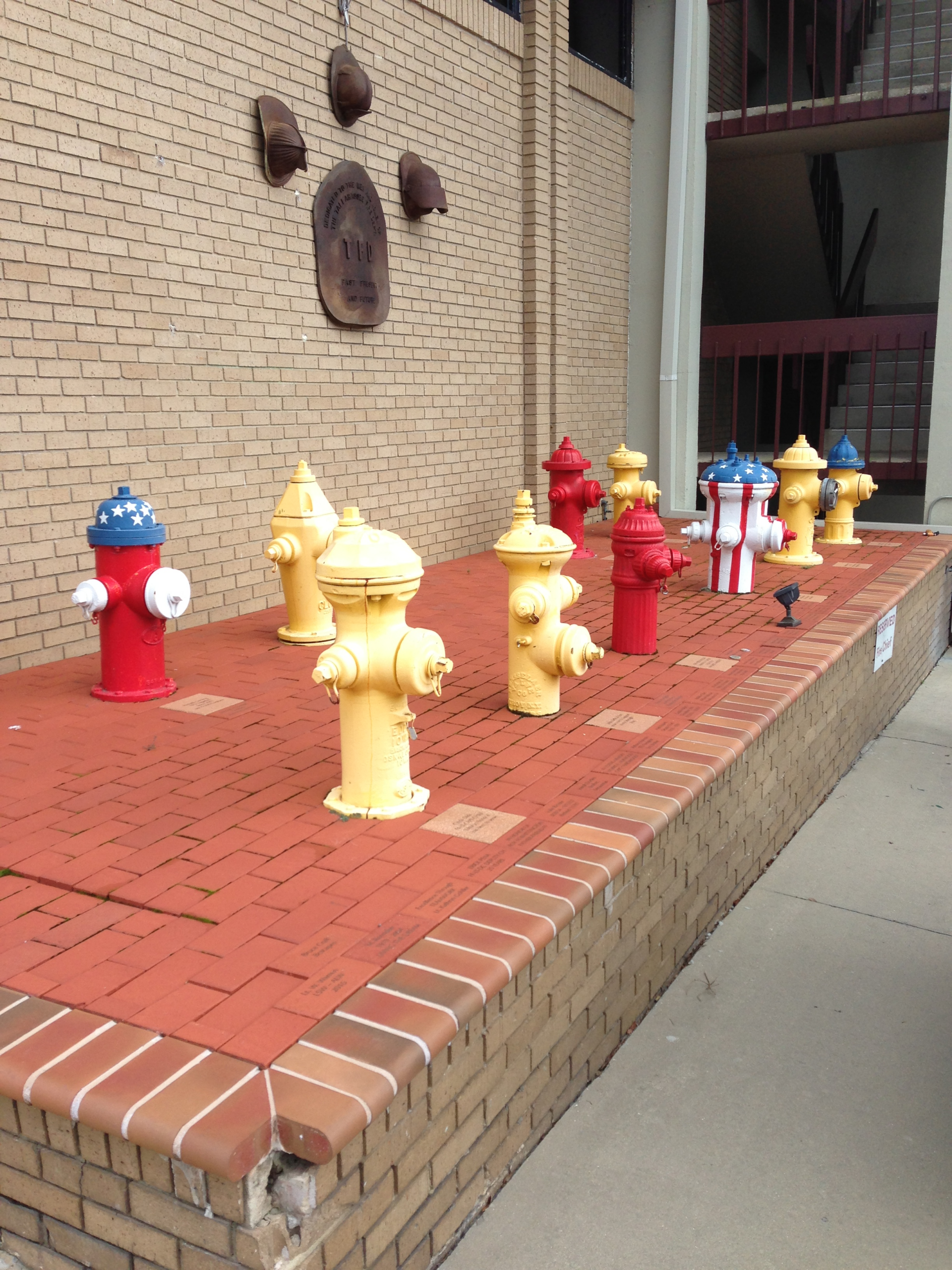
The recommended American scheme is published as a guidance standard rather than as law, and it works on the bonnet – the domed top – and the caps over the outlets.
The colours run from the lowest flow class up to the highest, and the ordering is the point rather than the specific hues: a crew is reading a rough band, not a precise figure. Red indicates the lowest class, with orange above it, green above that, and blue at the top for the highest-flow hydrants. The barrel of the hydrant is separately recommended to be a high-visibility colour, which is why so many American hydrant bodies are chrome yellow regardless of what the top is doing.
So a yellow hydrant with a blue top and a yellow hydrant with a red top are telling an arriving officer two quite different things, and the difference is one they need within seconds of pulling up.
The classes themselves are defined by flow measured at a stated residual pressure, which is a technical matter and is exactly why the colour exists: nobody can read a flow figure from a moving vehicle, and everybody can read a colour.
It Is Guidance, Not Law, Which Is Why It Is Inconsistent
Here is the complication, and it is the reason this is not more widely known.
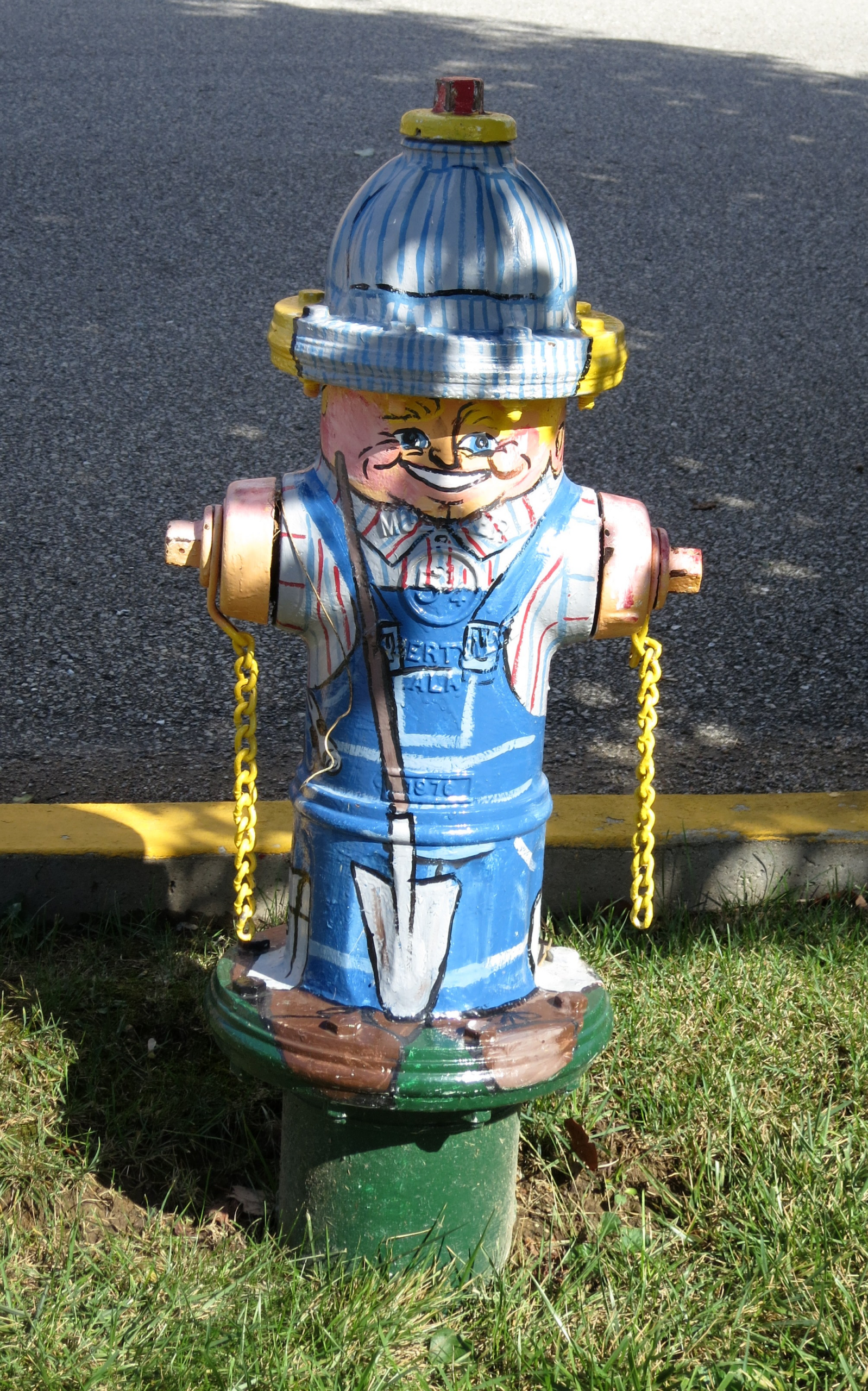
The scheme is a recommendation. It is not a federal requirement, it is not binding on any municipality, and adoption is a matter for each water utility and fire department. A great many American jurisdictions follow it. A great many others do not, and use colour for something else entirely.
The commonest departures are straightforward. Some systems colour hydrants by ownership – a different colour for a private hydrant on a commercial site, so a crew knows it is not on the municipal main. Some colour by water source, distinguishing hydrants fed from a non-potable or reclaimed system. Some use colour to mark hydrants that are out of service or restricted. And some paint them to match a historic district, a sports team or an anniversary, with no technical content at all.
Which produces the actual working situation: a crew knows the convention in its own district because it is local knowledge, and a mutual-aid crew arriving from the next town over may be looking at a colour that means something different from what it means at home. That is a recognised problem and it is one of the arguments for the standard being adopted more widely.
What a Crew Actually Does With It
The colour is a first approximation and nothing more, and it is worth being precise about how it is used.
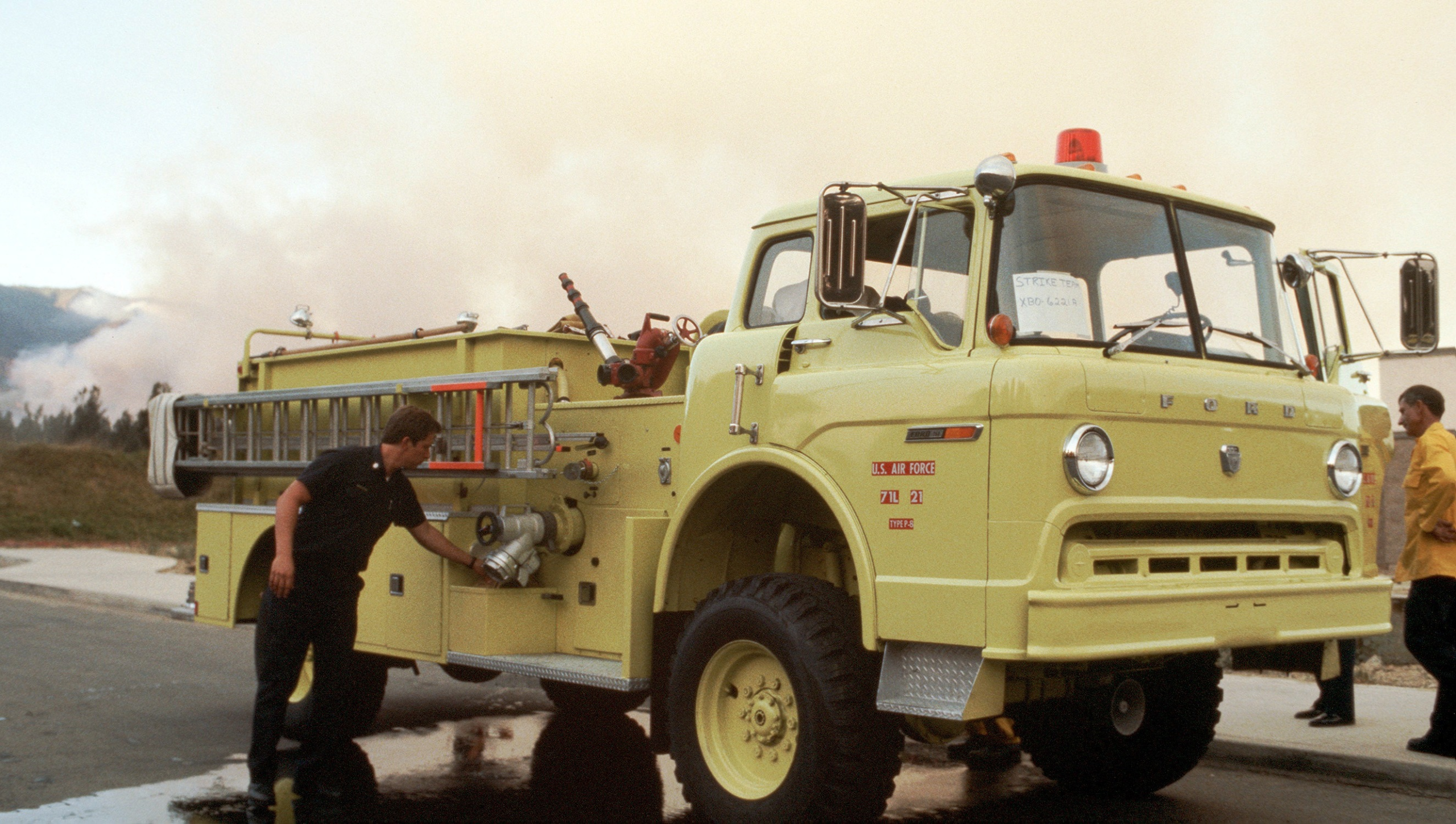
An officer arriving at a fire is forming a water supply plan in the first seconds. The hydrant colour contributes to that plan alongside things they already know: the pre-plan for that building if one exists, the department’s own records of hydrant testing, the district’s water main map, and in most cases simple familiarity with the streets they work.
What the colour adds is speed in the cases where familiarity fails – a crew working an unfamiliar area, a mutual-aid response, a new officer, a night call in a district nobody attends often. In those cases a glance at a bonnet is the difference between a correct assumption and a guess.
It also matters in reverse. A hydrant marked for a low flow class tells a crew not to plan around it, which prevents the specific failure that the scheme exists to prevent: committing to a supply that will not hold.
The Testing Behind the Colour
A colour is only useful if it is accurate, and the accuracy comes from flow testing, which is the unglamorous part of this.
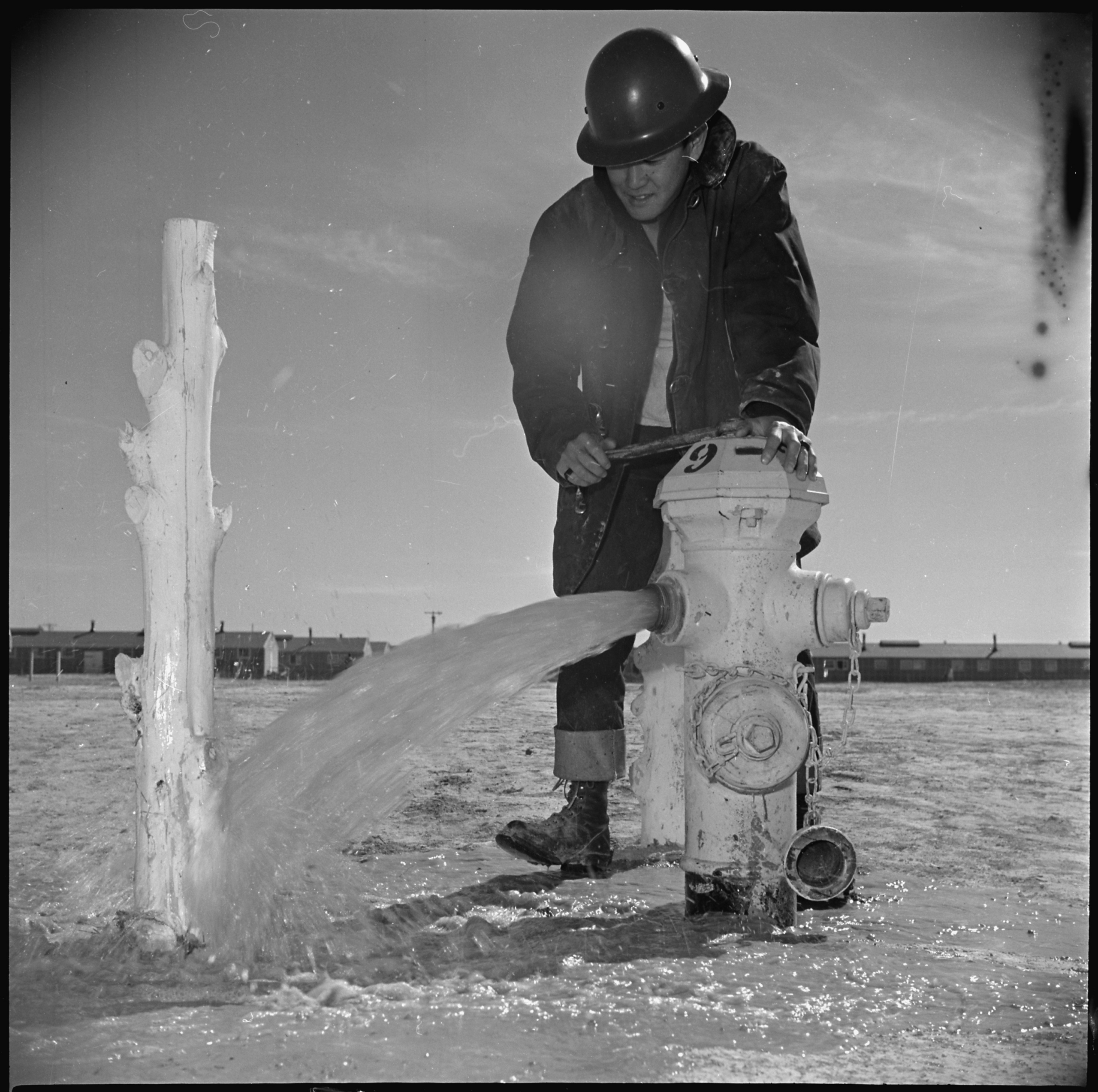
Hydrants are tested by flowing them and measuring, and the results determine the class. Those tests also find hydrants that have silted up, hydrants whose valves no longer operate, hydrants painted shut, and hydrants that were never connected properly in the first place – all of which are discovered far better during a scheduled test than during a fire.
Testing is periodic, and systems change between tests. A main is replaced, a development is added, a valve somewhere is left closed after work, and a hydrant’s real flow moves away from the colour on its bonnet. Repainting lags testing, and testing lags the network.
That lag is the honest limitation of the whole scheme, and it is why the colour is treated as an indication rather than a guarantee by the people who rely on it.
Why Americans Have Hydrants at All and Much of Europe Shows Fewer
The visibility of the American hydrant is itself a difference worth explaining, because visitors notice there seem to be fewer hydrants elsewhere and conclude that other countries have fewer.
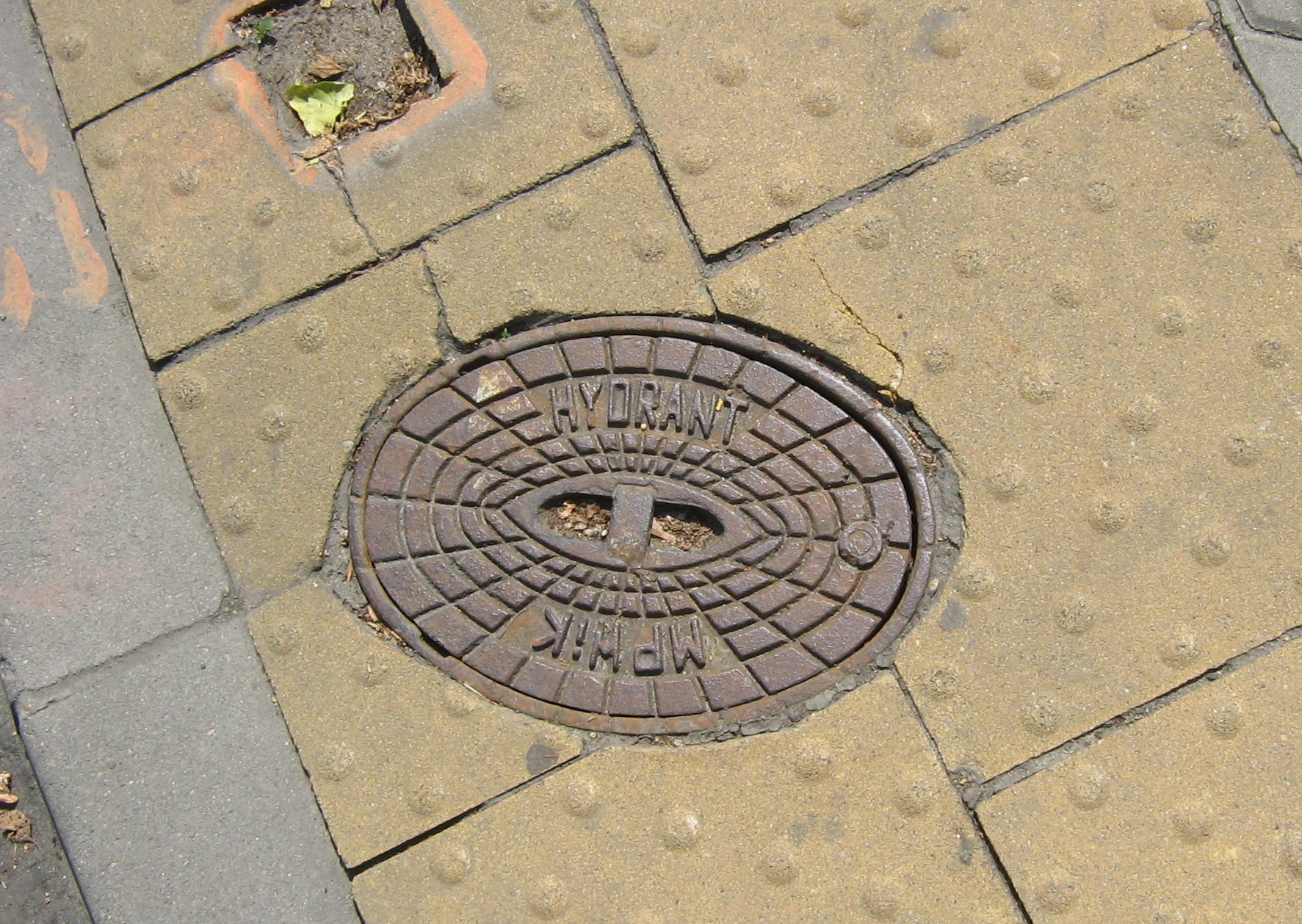
They mostly do not. They have put them underground. Across a great deal of Europe the fire supply point is a below-ground connection under a hinged cover in the carriageway or footway, marked by a small plate on a nearby wall or post indicating where the cover is and what size main it serves.
The trade is clear enough in both directions. A buried hydrant is not struck by vehicles, does not freeze in the same way, does not need painting and does not clutter a street. An above-ground hydrant can be found in snow, in the dark and by a crew who have never been there, and connecting to it takes seconds rather than lifting a cover and fitting a standpipe.
Climate did much of the deciding. A below-ground chamber in a place with hard winters collects ice and becomes unusable exactly when fires are most frequent, and the American dry-barrel hydrant – which drains itself below the frost line after use – is a direct engineering response to that problem.
The Honest Summary
American fire hydrants are not painted at random, and on a large proportion of them the bonnet and cap colour is a flow code.
It exists because two identical-looking hydrants can deliver wildly different quantities of water depending on the main beneath them, and because the first decisions at a fire are about water supply and are made in seconds.
The recommended scheme runs from red at the lowest flow class through orange and green to blue at the highest, with a high-visibility barrel underneath, and that is why so many American hydrants are yellow with a differently coloured top.
It is guidance rather than law, adoption is patchy, and a number of jurisdictions use colour for ownership, water source, out-of-service status or pure decoration instead – which is a recognised problem for crews working outside their own district.
And the whole thing rests on periodic flow testing that the colour inevitably lags, which is why the people who use it treat it as a first approximation rather than a promise.
Like our content? Follow us for more.