

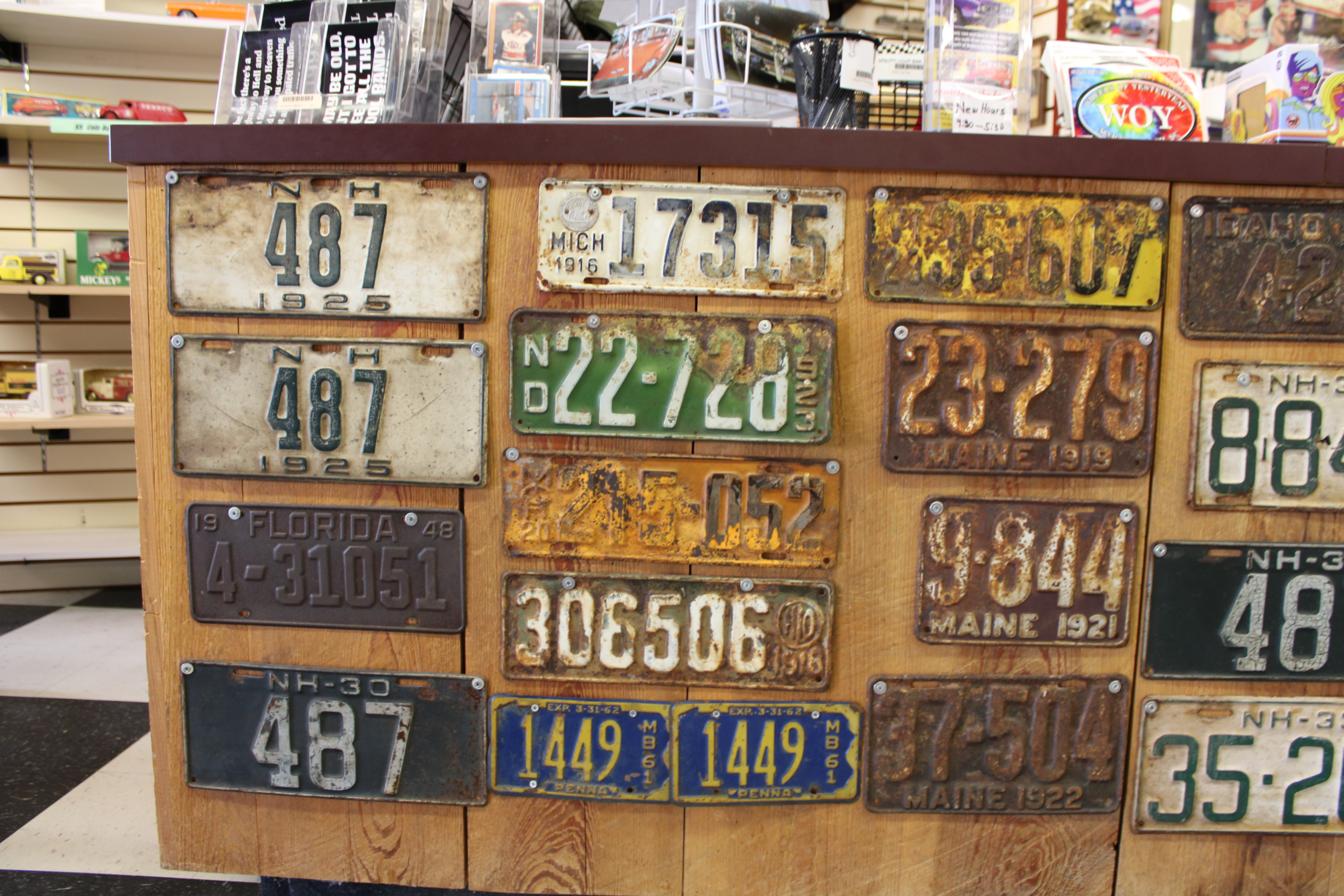
An American parking lot is visually chaotic in a way that visitors notice before they can say why. The plates do not match. They are different colours, different designs, different ages, some vivid and some faded, some commemorating things, some carrying mottoes, and many cars have nothing at all on the front.
Elsewhere this is not the case. A European car park is a row of near-identical plates in one format, in one place on the car, front and back, with nothing written on them but a registration.
The difference is not a matter of taste. It comes from a basic disagreement about what a plate is for, and the American answer is the unusual one.
Like our content? Follow us for more.
A Plate on the Person, Not the Car
Start with the thing that produces everything else.
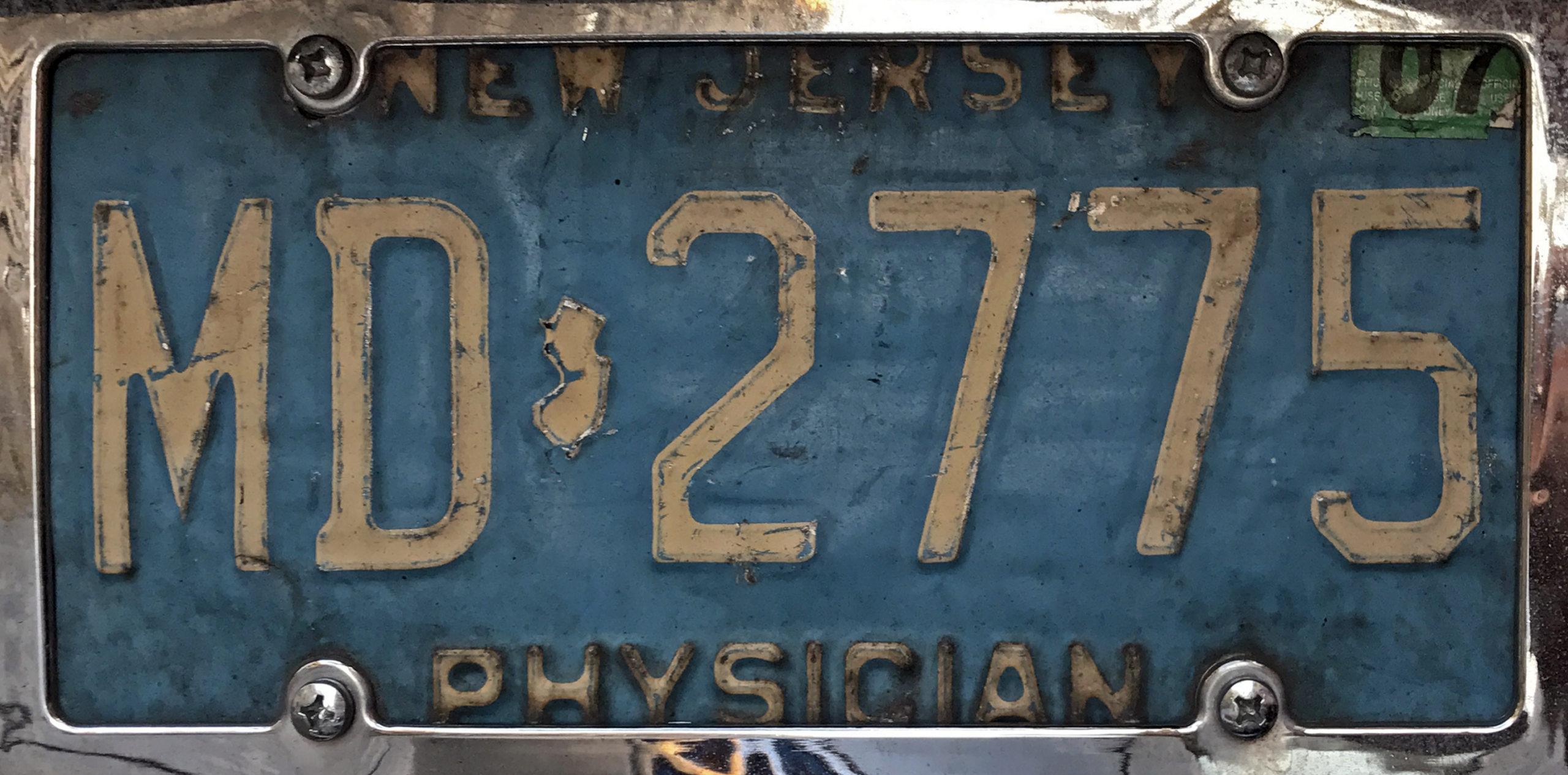
The near-universal international arrangement is that a registration is assigned to a vehicle when it enters service and stays with that vehicle until it is scrapped. Sell the car and the plate goes with it. The registration is the car’s identity.
In much of the United States the arrangement is the reverse. The plate is issued to the registrant, and when they sell the car they commonly keep the plate and transfer it to the next one, while the buyer puts their own plate on the vehicle they have just bought.
The consequences run in every direction. It means a plate number tells you about a person rather than a car. It means an American vehicle’s plate can change several times in its life while the vehicle identification number stays constant underneath. It means the number on a car has no necessary relationship to when the car was made or where it has been.
And it means the plate is a possession, which is the single most important thing to understand about why American plates look the way they do.
Which Is Why They Are Decorated
A plate that belongs to a person and is replaced periodically is a very different object from one that belongs to a car and lasts twenty years.
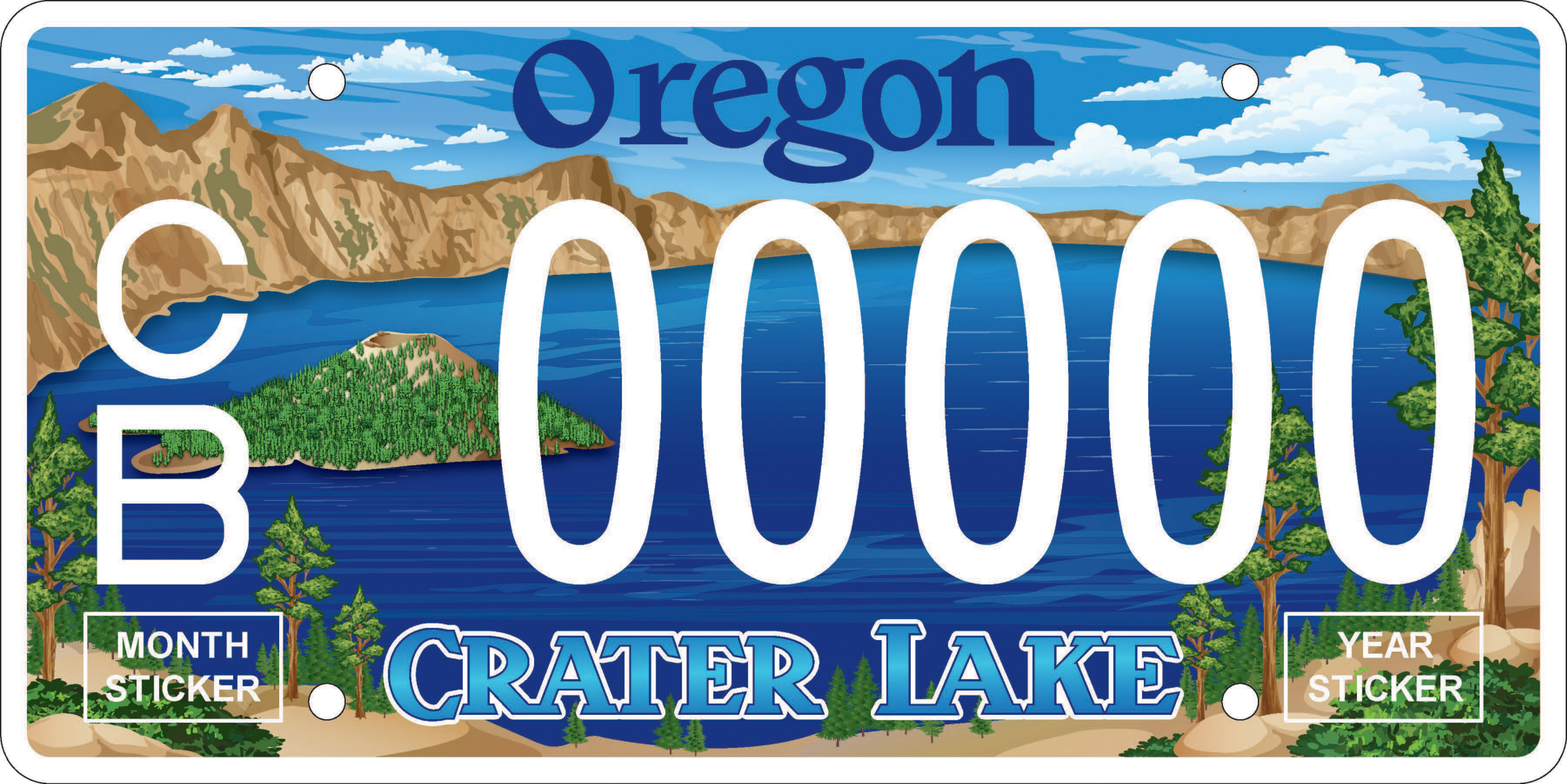
Once a state is reissuing plates to its residents on a cycle, it has a recurring opportunity to put something on them, and American states take it: slogans, mottoes, landscapes, state birds, historical claims, tourism lines and commemorations. Some of those claims are contested, some are mocked by neighbouring states, and a few have been the subject of serious argument about whether a driver can be compelled to display a message they disagree with.
On top of the standard issue sits an enormous secondary market in specialty plates. American states offer plates supporting universities, charities, causes, military service, professions and clubs, generally at a premium that is partly a fee and partly a donation, which makes the plate a fundraising instrument as well as an identifier.
None of this is possible under a system where the plate is a permanent property of the vehicle in a single mandatory format. The decoration follows directly from the ownership model.
And Why So Many Cars Have No Front Plate
This is the detail that most baffles visitors, and it has a specific and slightly mundane explanation.
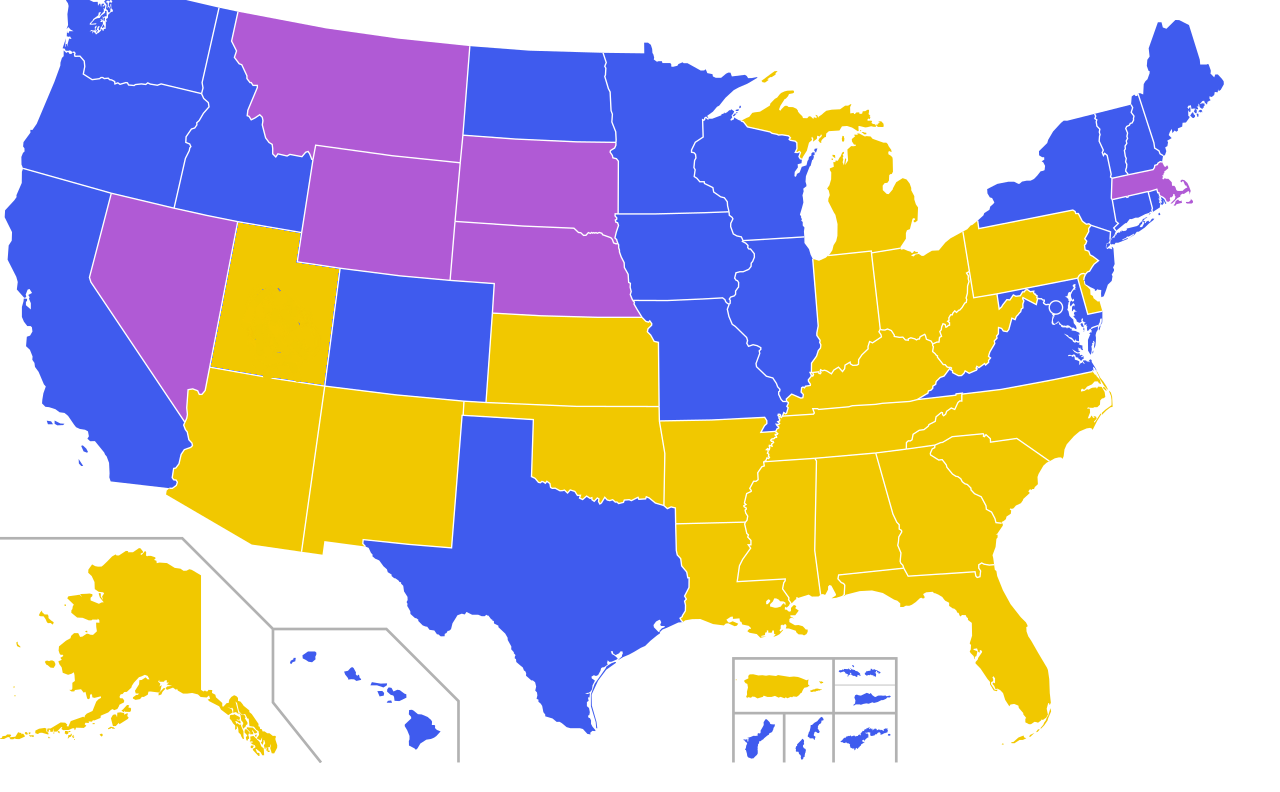
Roughly a third of American states require only a rear plate. The rest require two. There is no national rule, because vehicle registration is state business.
The arguments for one plate are cost – a state issuing one plate instead of two halves its production and postage – and aesthetics, since a great many modern cars have no flat surface at the front and mounting a plate means drilling into a bumper or fitting a bracket that spoils the design, which car manufacturers have lobbied about.
The arguments for two are enforcement. Automatic number plate reading, toll gantries, parking systems and police cameras all work better with a plate at both ends, and a vehicle approaching a camera shows only its front. States that have considered dropping the second plate have generally been argued out of it by exactly that.
So a car crossing state lines may be fully legal in one state and technically non-compliant in the next, which is tolerated in practice and is a genuinely odd feature of the system.
The Reissue Cycle Nobody Else Has
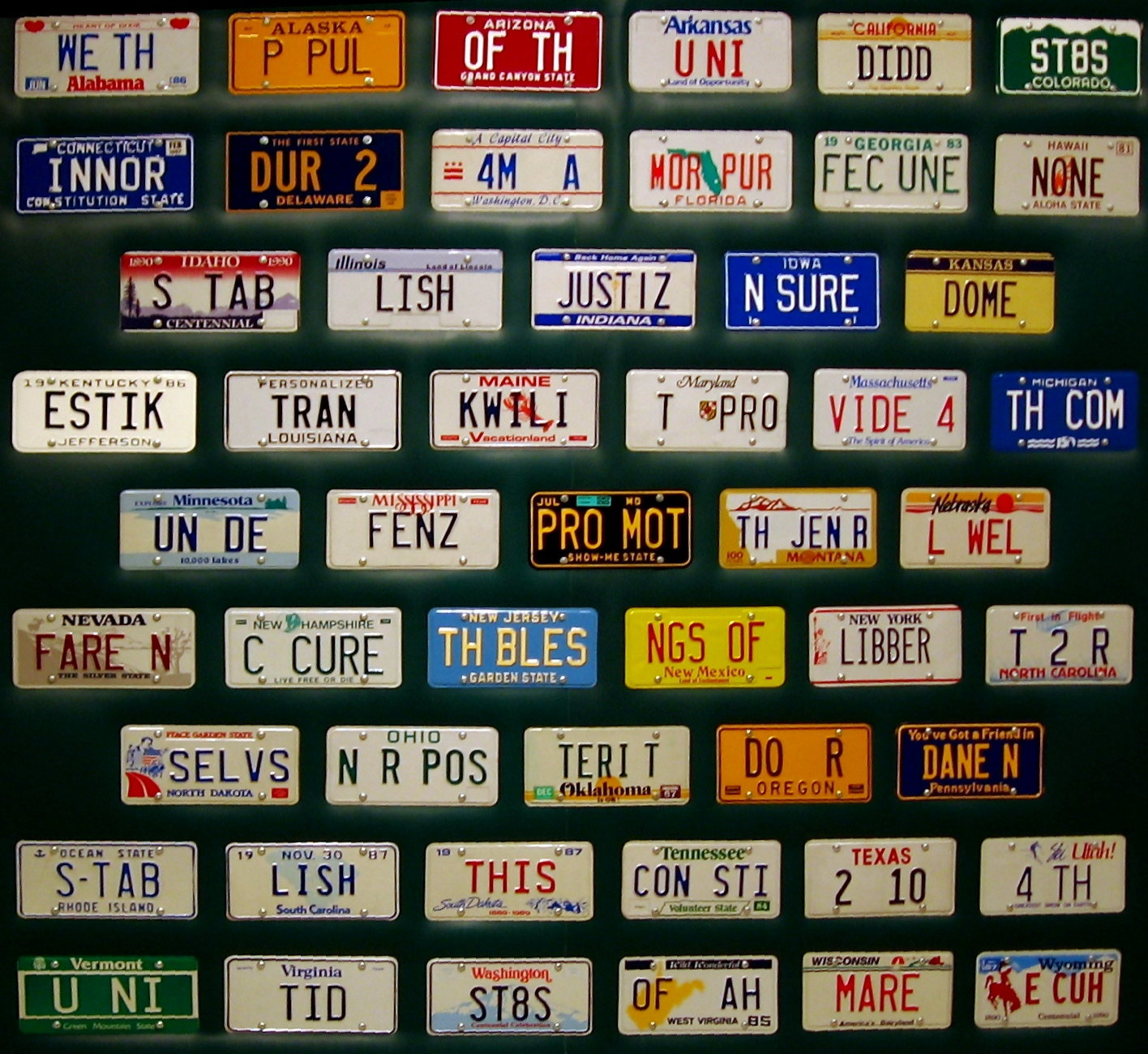
Another American peculiarity is that plates expire as objects, not merely as registrations.
States periodically require all plates to be replaced – a general reissue – on the reasoning that plates degrade. Reflective sheeting fails, paint lifts, numbers become unreadable at night and in the rain, and a plate that cannot be read by a camera or an officer is not doing its job.
The practice has real costs and real benefits and both are argued about. Replacing every plate in a state is expensive and produces a very large quantity of scrap metal, and vehicle owners dislike it. But unreadable plates are a genuine enforcement problem, and reflective material does have a working life.
Elsewhere this problem is handled differently. Where a plate belongs to the vehicle, the owner is simply required to keep it legible and must replace it if it is not, which puts the cost on the individual at the point of failure rather than on everybody at once.
Why the Numbering Looks Random
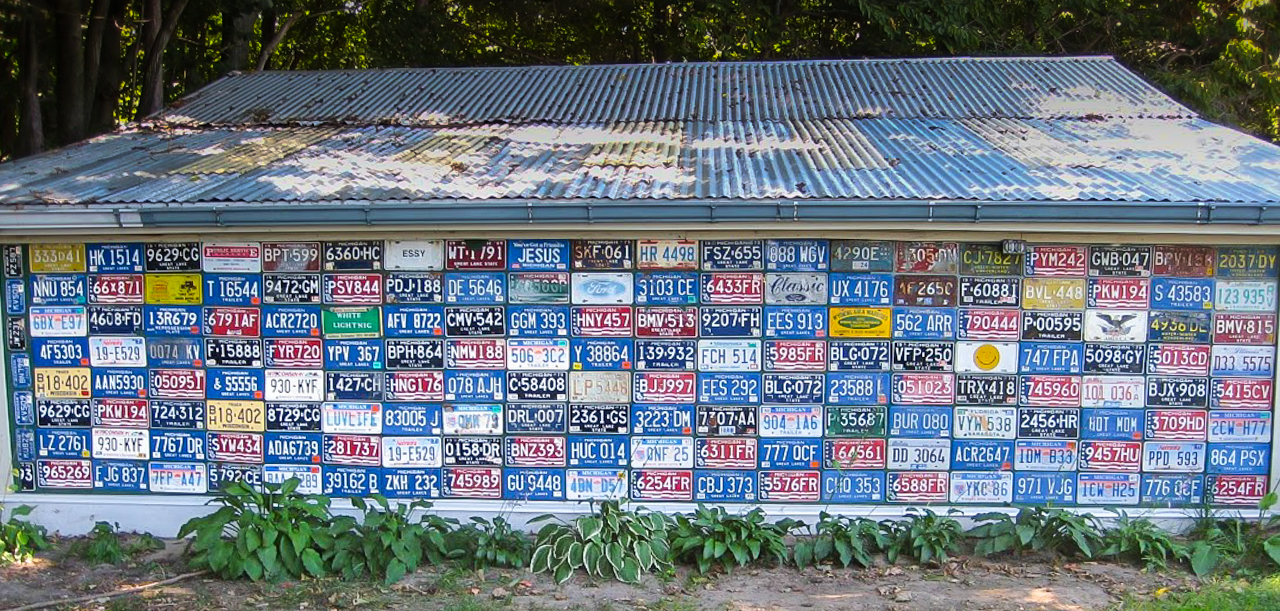
European registrations frequently encode information. Many schemes include a geographic element indicating where the vehicle was first registered, and a great many include an age identifier showing when – which is why a European can tell a car’s model year from its plate across a street.
American plates generally encode neither. The format is usually a sequence with a state name, and the characters mostly indicate nothing except where in the issuing sequence it fell.
This follows from the ownership model again. A plate that moves between cars cannot carry an age identifier, because the age it would indicate is the plate’s rather than the vehicle’s. And a plate that stays with a person who moves house cannot reliably carry a district code.
What Americans get instead is the state name, prominently, which is the only geographic information the system can guarantee. It is also why the state name is the design element every American plate has in common.
The Collecting, Which Is a Real Consequence
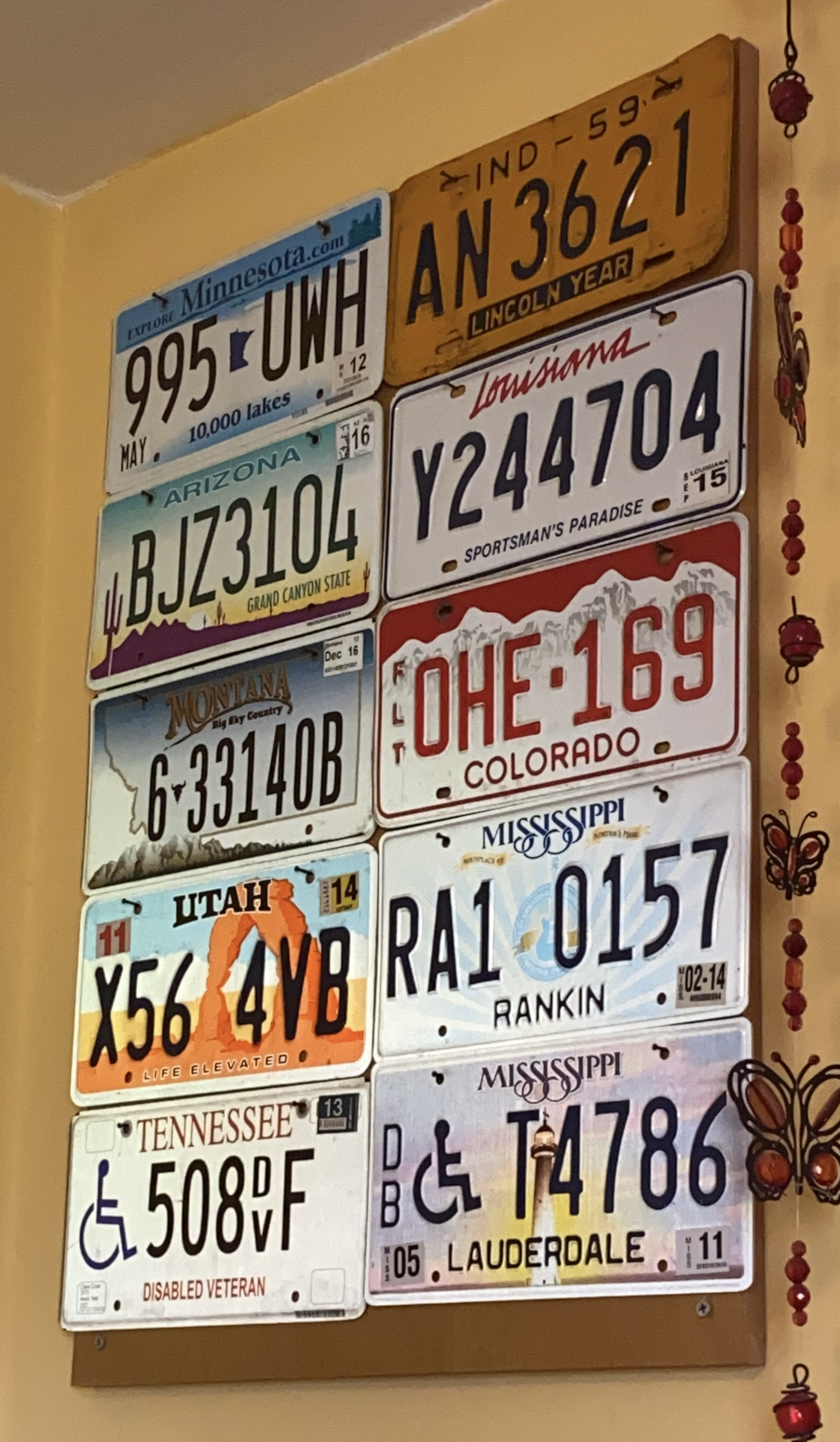
There is a substantial American hobby of plate collecting, with clubs, shows, valuations and specialist literature, and it exists because of everything above.
A system that issues new designs regularly, runs general reissues, produces specialty variants in large numbers and allows plates to leave vehicles generates a continuous supply of obsolete, dated and distinctive objects with no further legal purpose. Collectors date them, catalogue them by state and year, and trade them.
In a country where a plate stays on one car for that car’s whole life and is destroyed with it, almost none of that material ever exists. The hobby is a direct by-product of an administrative choice, which is the sort of thing that is only visible when you compare two systems side by side.
The Prison Workshop Nobody Expects

There is one more American peculiarity, and it is the one that surprises people most when they hear it: a great many American registration plates are manufactured by prisoners.
The arrangement is old and it is not a rumour. State correctional industries operate plate shops, and the work has been a staple of American prison labour for about a century. The reasons it settled there are practical. The process is simple, repetitive and easily taught. The equipment is modest – sheeting, a press, paint or a reflective process – and the plant does not need to be large. The customer is the state itself, which removes the problem of competing with private businesses for outside contracts. And the volume is enormous and perfectly predictable, because a state knows exactly how many plates it must issue next year.
That last point connects back to the reissue cycle. A system that periodically replaces every plate in a state generates exactly the kind of large, scheduled, low-skill production run that an institution with a captive workforce and fixed overheads is suited to absorb.
It is also an arrangement that has attracted sustained criticism, about pay rates, about the use of incarcerated labour for state production generally, and about what happens to the workers when a state modernises or contracts out its plate manufacturing. Those arguments are live and are not settled here.
But the fact itself is worth knowing, because it closes the loop on the whole subject. The reason American plates are a consumable rather than a permanent fixture of a car, decorated and reissued and collectible, is an administrative choice – and that choice created a manufacturing demand that American states met in a way almost no other country did.
The Honest Summary
Almost everywhere else, a registration plate is assigned to a vehicle, stays with it until it is scrapped, carries a geographic and often an age code, and comes in one mandatory national format displayed front and rear.
In much of the United States the plate is issued to the person, moves with them from car to car, is replaced periodically in general reissues, and is designed by each state individually.
Everything visitors find strange follows from that. The slogans and landscapes exist because a state reissuing plates to residents has a surface to use. The specialty plates exist because that surface can be sold. The absent front plate exists because roughly a third of states require only one and vehicle registration is state business. The uninformative numbering exists because a plate that moves between cars cannot encode a car’s age. And the collecting exists because the system continuously produces redundant plates that are nobody’s property to destroy.
Which is the whole explanation for the mismatched car park: not fifty states being decorative, but one structural decision about whether a number belongs to a machine or to a person.
Like our content? Follow us for more.
