The logging camp was a self-contained settlement built where the timber was, moved when the timber ran out, and run on the understanding that everybody there had come to work and nothing else.
By 1958 it was a trade in the middle of its own mechanical revolution. The chainsaw had replaced the crosscut saw within a decade, the tractor and the truck had replaced the river drive and the railroad in most places, and output per man had risen enormously – while almost nothing about the safety of doing the work had changed at all.
Here are fifteen things every American logging camp did in 1958. Eight of them would now be shut down on day one.
1. Nobody Wore a Hard Hat
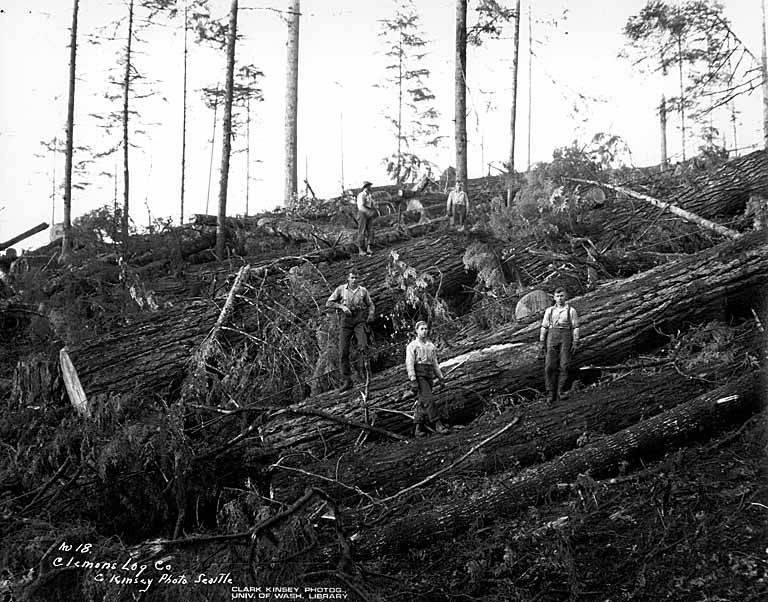
Head protection was uncommon, and in many outfits actively resisted as something for people who did not know what they were doing. Men worked under falling limbs, under moving logs, and beneath trees being felled nearby, bare-headed.
Falling material is the characteristic killer in timber work, and a struck-by injury to the head is the characteristic fatality. Head protection is now mandatory in American logging operations, along with eye and hearing protection and high-visibility clothing, and an operation without it would be stopped immediately.
Like our content? Follow us for more.
2. The Chainsaw Had No Brake and No Guard
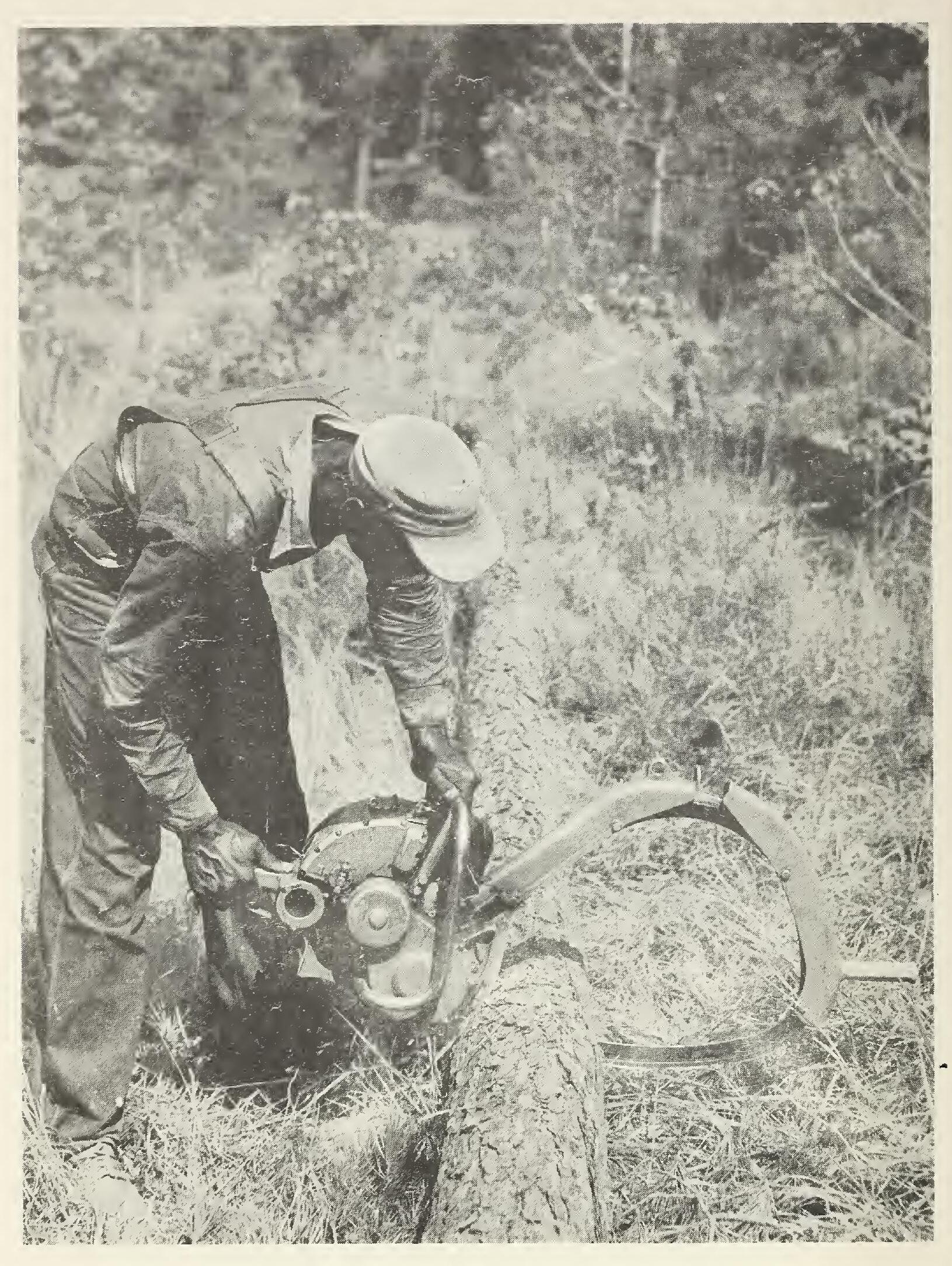
The saws of the period were heavy, had no chain brake, no anti-kickback device, no hand guard, no throttle interlock and no vibration damping. A saw that kicked back went wherever its momentum took it, which was frequently into the operator.
Kickback is the defining chainsaw injury and the mechanism was fully understood before any of the protections existed. Chain brakes, anti-kickback chain design, hand guards and throttle interlocks are now required on saws sold in the United States, and protective leg wear is required for anybody operating one at work.
3. The Vibration Did Permanent Damage Nobody Named
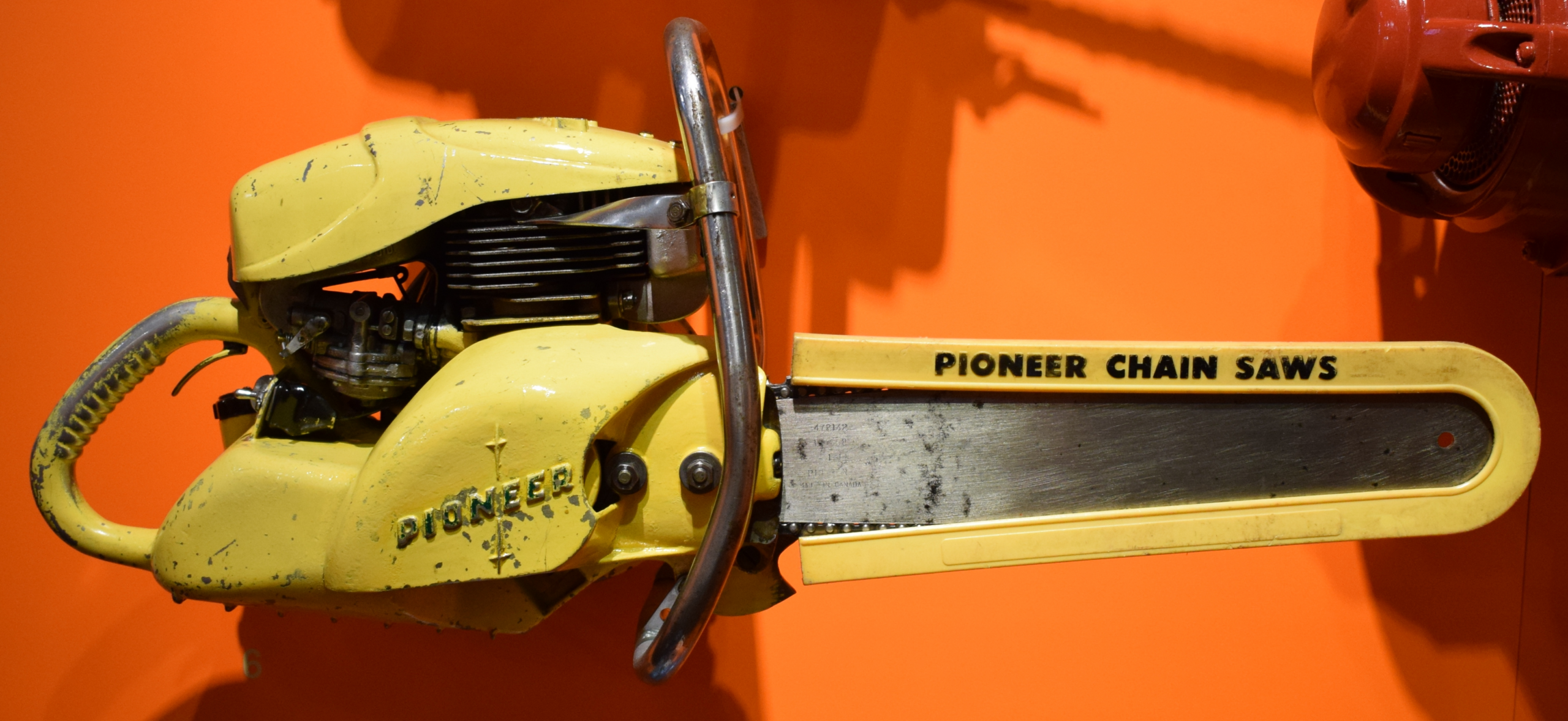
Period saws transmitted severe vibration directly into the hands through the handles, for hours a day, for years. The resulting nerve and circulatory damage to the hands was common among long-serving sawyers and was regarded as simply what happened.
The condition is now well described and is a recognised occupational disease. Vibration exposure is now assessed and limited in American and international occupational practice, modern saws are isolated, and an operation making no provision for it would be in breach.
4. Men Were Paid by the Volume They Cut
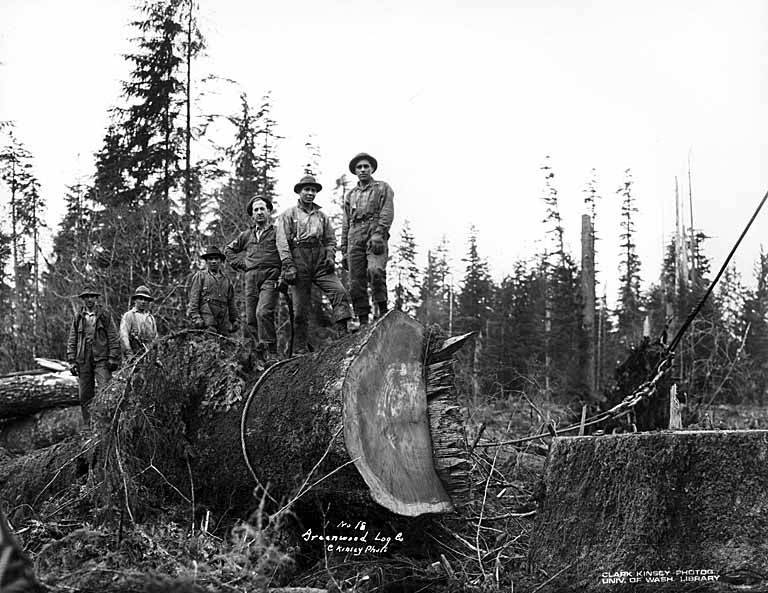
Piece rates were common. A faller was paid for the timber he put on the ground, which meant that every safety precaution cost him money directly and visibly.
This is the item that explains most of the others. A payment structure that charges the worker personally for taking care will defeat almost any safety instruction, and the shift away from piece rates in hazardous work is one of the quieter and more effective reforms in American industry.
5. There Was No Communication With Anybody
A crew working a slope was out of contact. There was no radio in most outfits, no means of summoning help, and an injured man was carried out by the people with him, down whatever terrain lay between them and a vehicle.
The time to definitive care was measured in hours. Communication capability, planned emergency access and defined response arrangements are now required elements of an American logging operation’s safety programme, and remoteness is treated as a condition to be managed rather than as an excuse.
6. The Cookhouse Ran All Day and Nobody Spoke in It
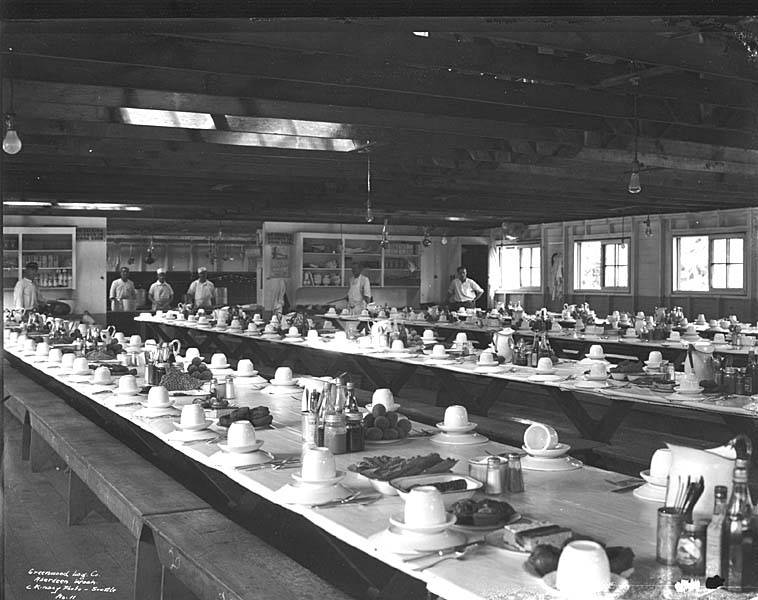
Food was the camp’s real currency, provided in enormous quantity, and the cookhouse ran from before dawn. A good cook kept a crew and a bad one lost it. The standing rule in a great many camps was that nobody talked at the table – men ate and left.
The silence had a practical origin, which was turnover: feeding a hundred men in shifts does not permit lingering. It is also the detail that most reliably appears in every account of camp life.
7. The Bunkhouse Was a Building Full of Men and Wet Clothing
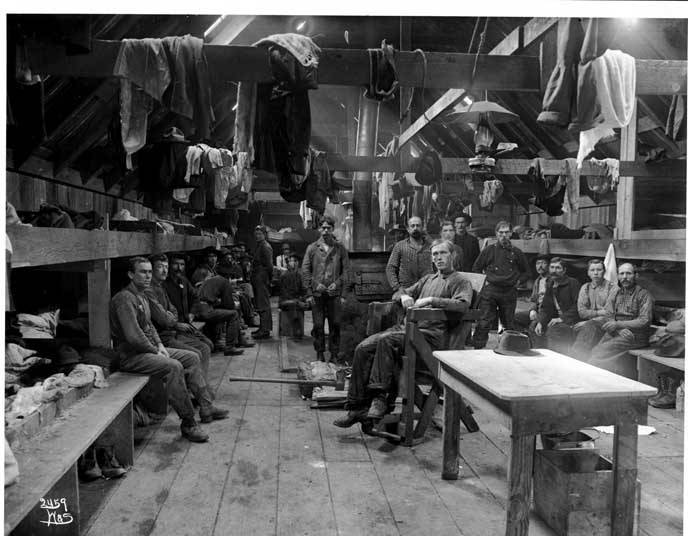
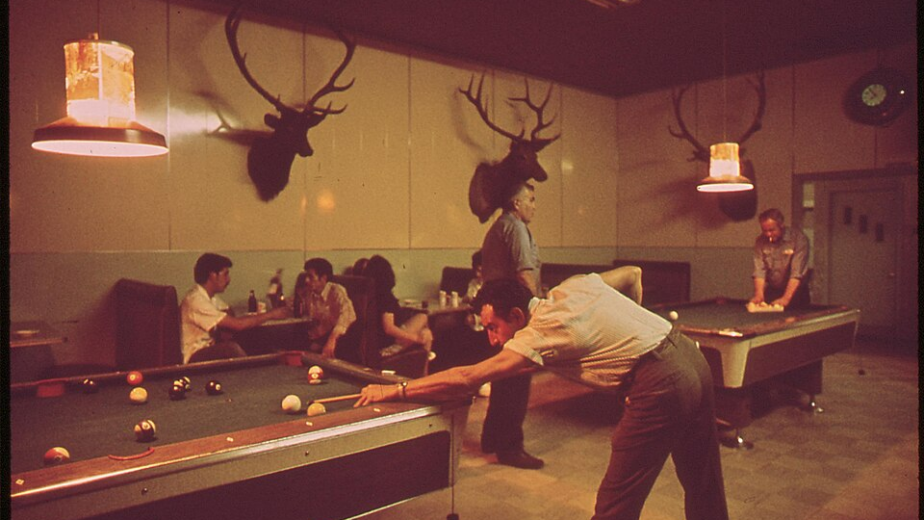
Accommodation was a long hut with bunks, a stove, and a drying arrangement for soaked clothing. Sanitation was basic, washing was communal and cold, and privacy did not exist.
Camps improved markedly across the century and a 1958 camp was considerably better than its predecessors. Worker housing provided by an American employer is now subject to standards covering sanitation, water, bedding, cooking and separation, and the period bunkhouse would not meet them.
8. The River Drive Still Happened in Places
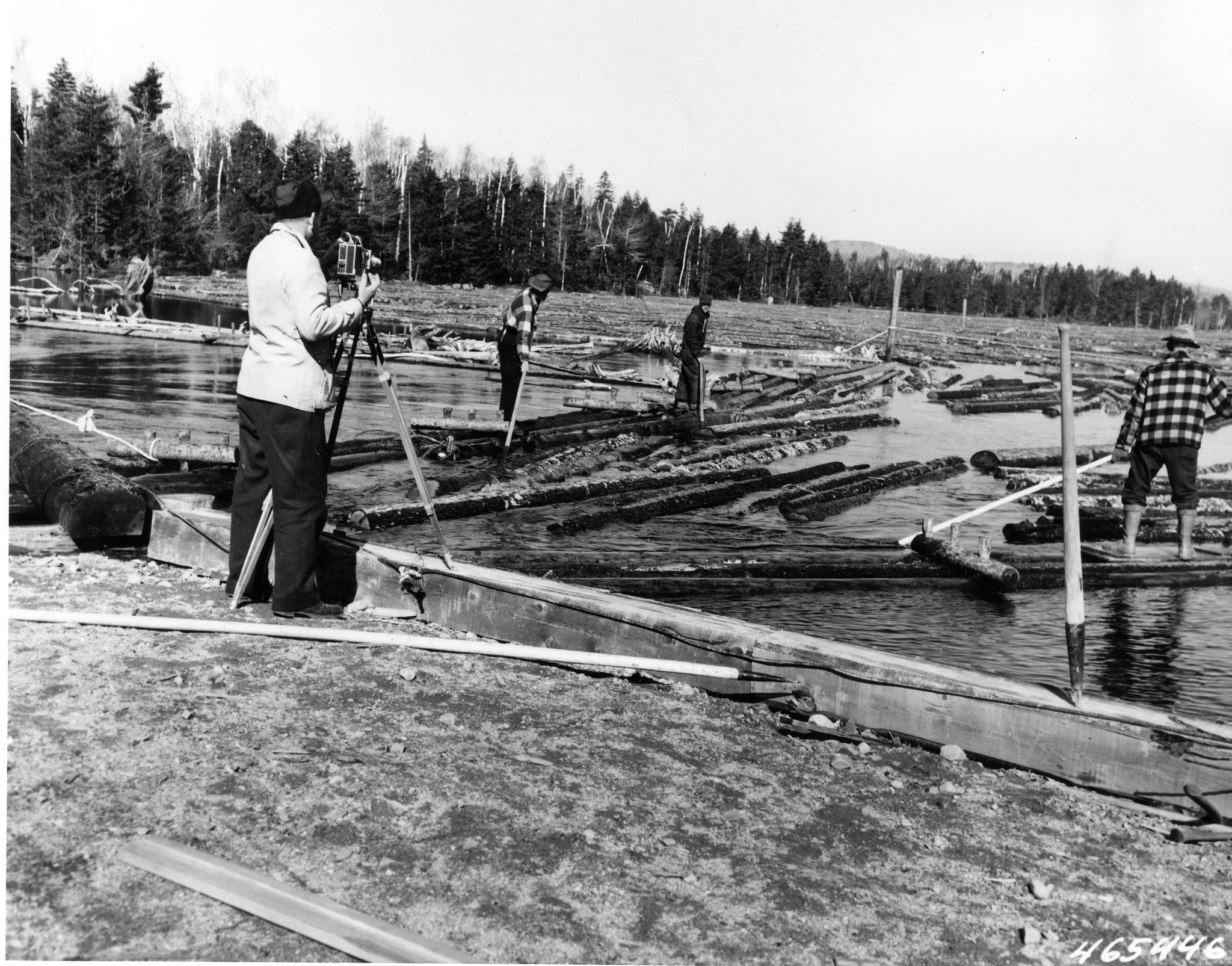
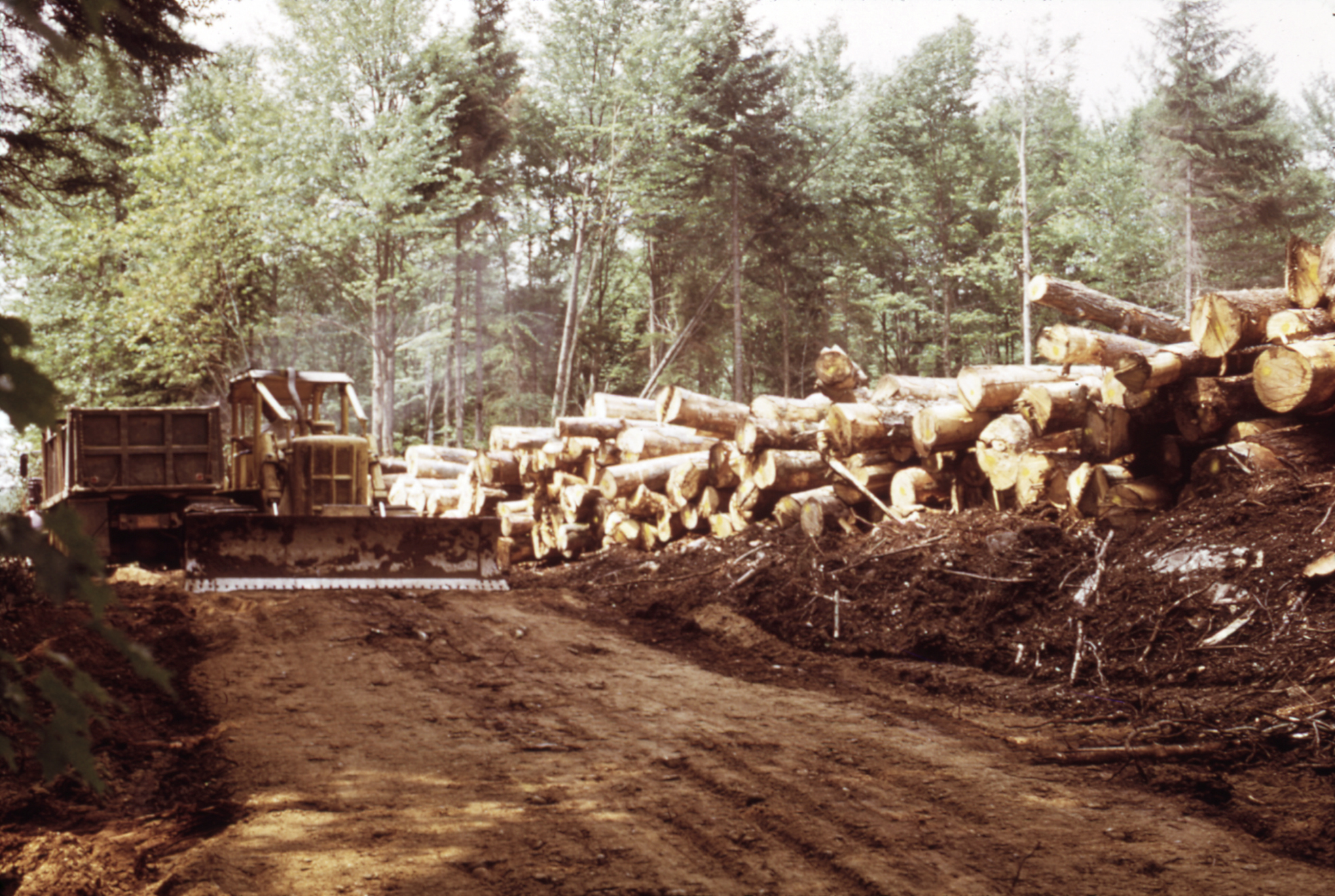
Where it survived, logs were floated downriver in enormous quantity and men worked on the moving timber with poles, breaking jams and keeping the drive moving – standing on logs, in cold water, on a surface that rolled.
It was the most spectacular work in the trade and the most lethal, and the trucks and tractors that replaced it did so for commercial reasons rather than safety ones. The practice has essentially ended in the United States, and the water-quality and habitat consequences of filling rivers with timber would now prevent it independently.
9. The Equipment Had No Protective Structures
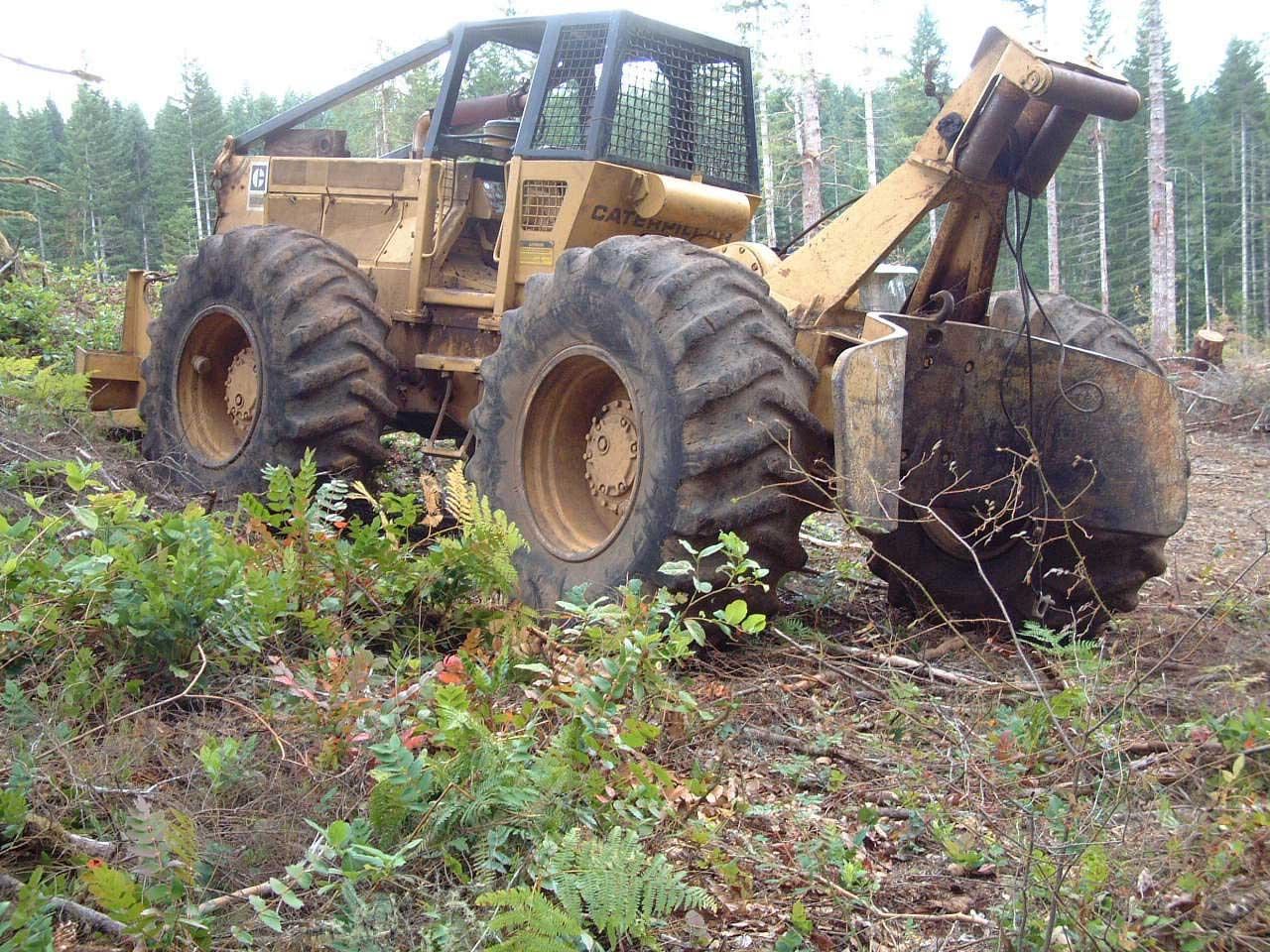
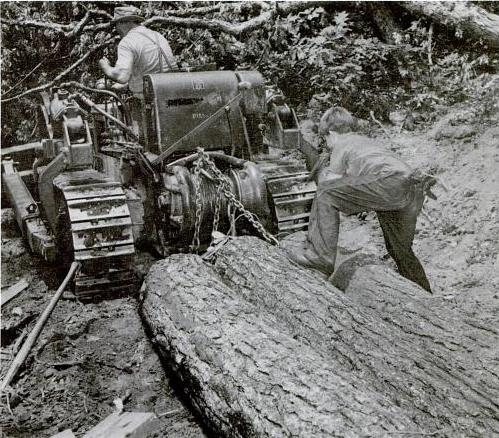
Tractors, skidders and loaders of the period had open operator positions with no rollover protection and no falling-object protection. A machine working on a slope, among standing timber, with a load behind it, offered the operator nothing if it went over.
Rollover was a recurring and well-understood cause of death in American forestry and agriculture alike. Rollover and falling-object protective structures are now required on this equipment, and retrofitting them to older machines was one of the most consequential single safety changes in outdoor industry.
10. There Was No Training, Only Watching
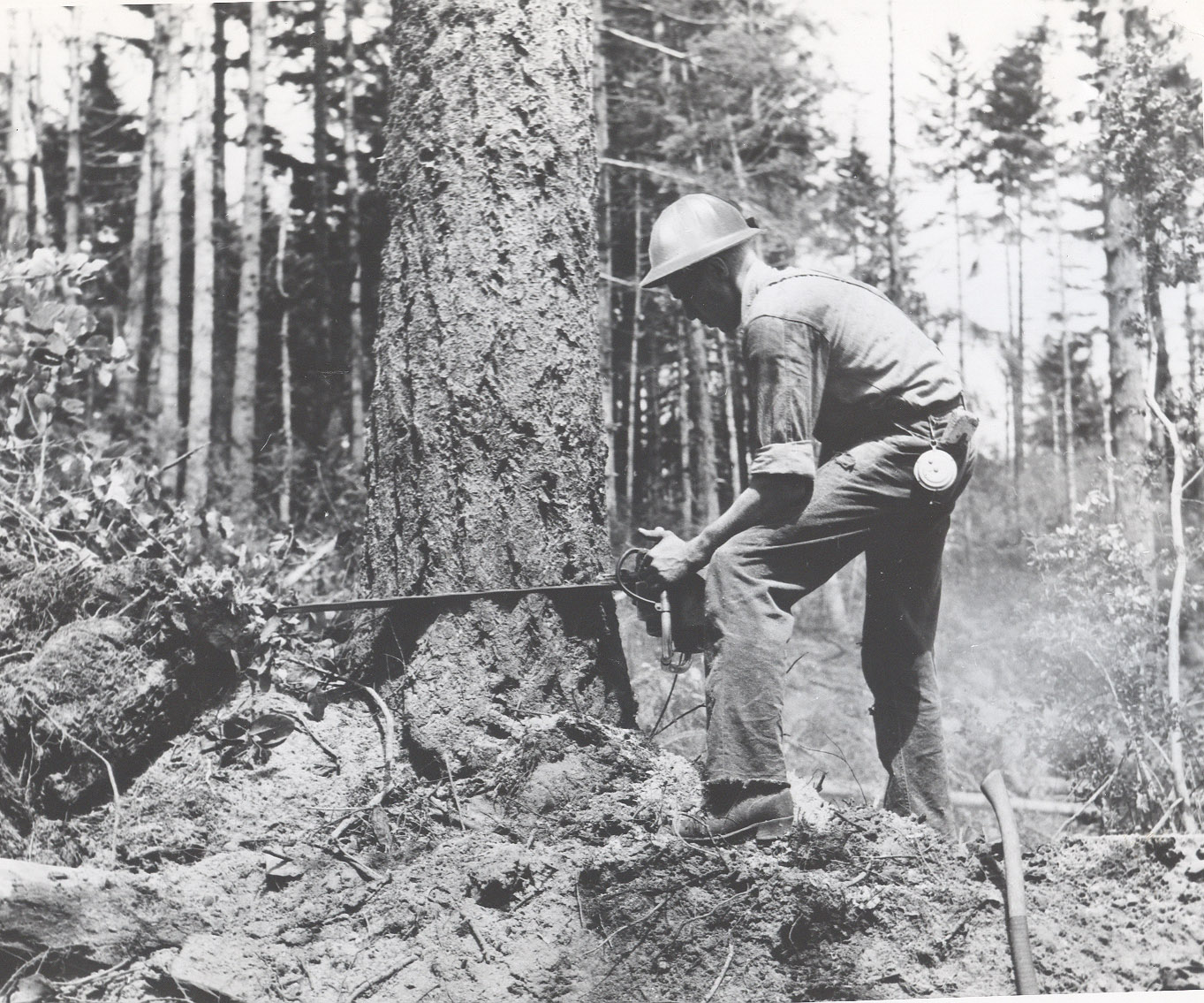
A man learned to fall timber by working alongside somebody who already could. There was no instruction in hinge and back-cut technique as a taught discipline, no escape route planning as a formal step, and no assessment of competence before a man was put on a saw.
The techniques that keep a faller alive are genuinely technical and are now taught explicitly. Documented training and demonstrated competence are now required before an American worker operates a chainsaw or fells timber, which is a direct response to the fatality pattern among untrained fallers.
11. Nobody Measured What the Noise Was Doing
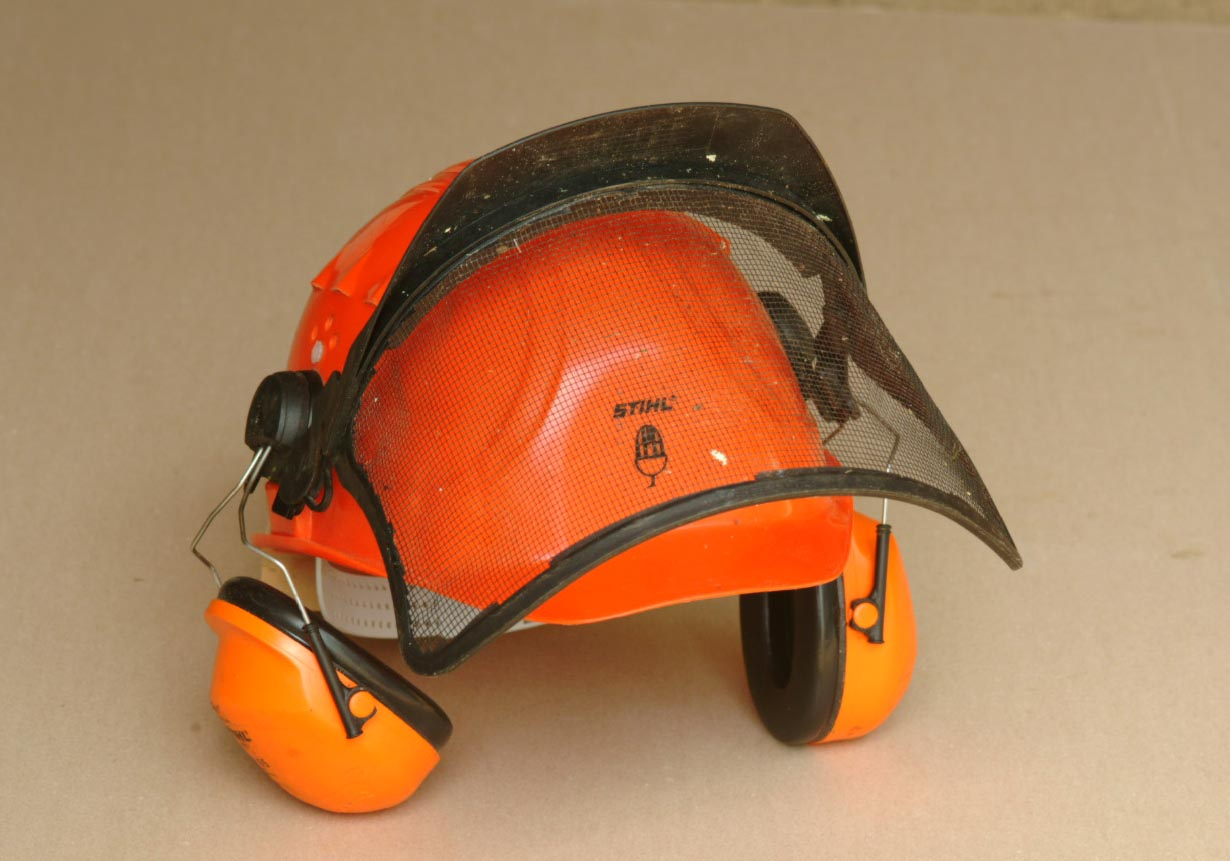
A chainsaw at the operator’s ear for six hours a day produces hearing loss, and every sawyer of the period had it. It was so universal that it was treated as a characteristic of the trade rather than as an injury.
Hearing conservation – measurement, protection and audiometric testing – is now standard in American industry. The generation that worked before it has the hearing loss to show for it, and that is the honest measure of what the absence cost.
12. The Camp Was Moved When the Timber Ran Out
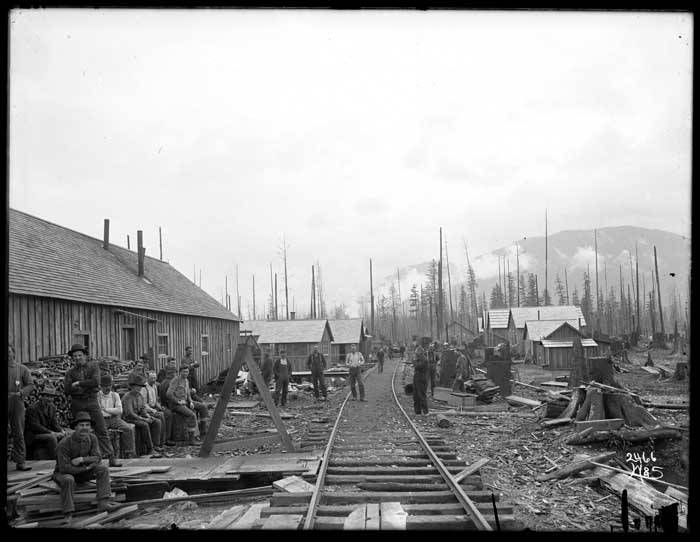
Camps were temporary by design. Buildings were skidded, barged or dismantled and rebuilt at the next site, and the arrangement persisted as long as the timber was further from a road than a man could travel daily.
What ended it was not regulation but the pickup truck and the logging road. Once crews could drive in and out each day, the camp had no reason to exist, and American logging became a job you commuted to – which changed the culture of the trade more than any single thing on this list.
13. Everybody Was a Long Way From a Hospital and the Statistics Showed It
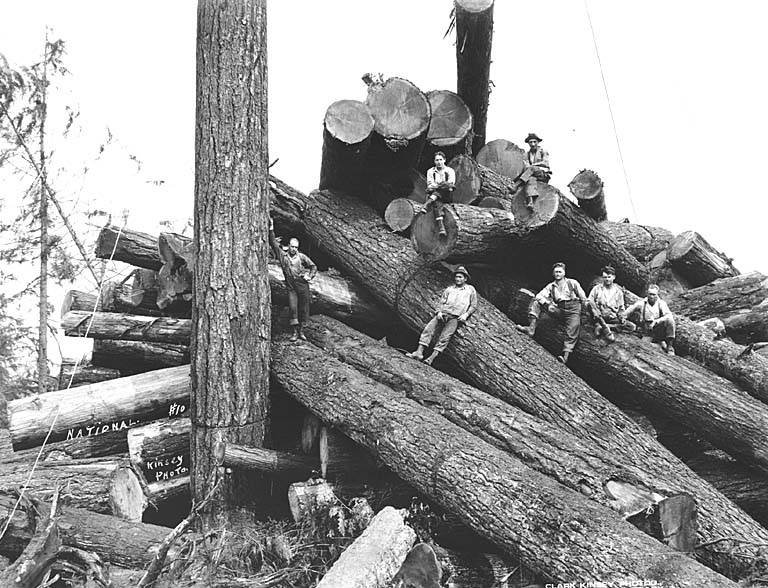
Logging consistently appeared among the most dangerous occupations in the United States by fatality rate, and in the period it did so with a very wide margin.
That ranking has improved substantially and the trade remains near the top of the list, which is the proper context for everything here: the hazards are inherent to large trees on steep ground, and the protections reduce rather than remove them.
14. The Company Owned the Town as Well as the Camp
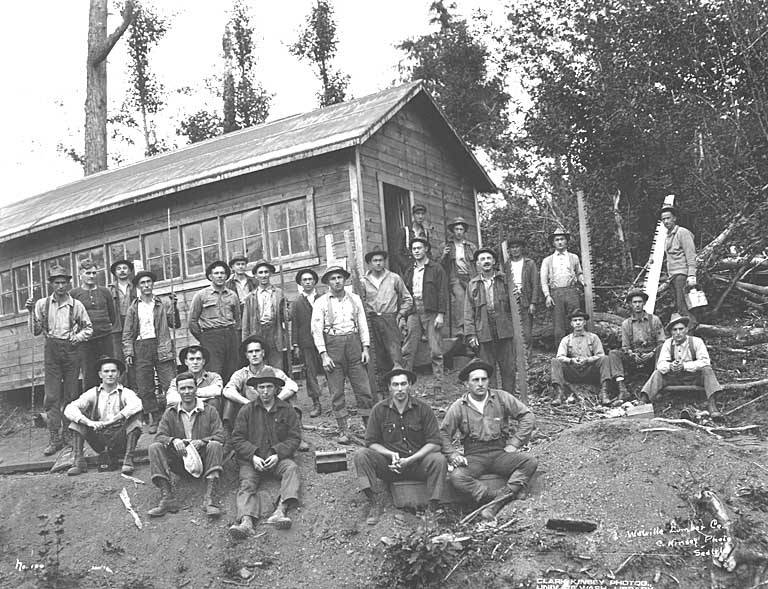
A great many American timber operations ran company towns, where the employer provided housing, the store, and in some cases scrip rather than currency, and a man discharged lost his home with his job.
The arrangement concentrated enormous power with the employer and was a central grievance in American labour history. Payment in scrip, company-store obligations and the tying of housing to employment in that form have been comprehensively addressed by American wage and labour law.
15. And Then Mechanisation, Roads and Regulation Ended the Camp Entirely
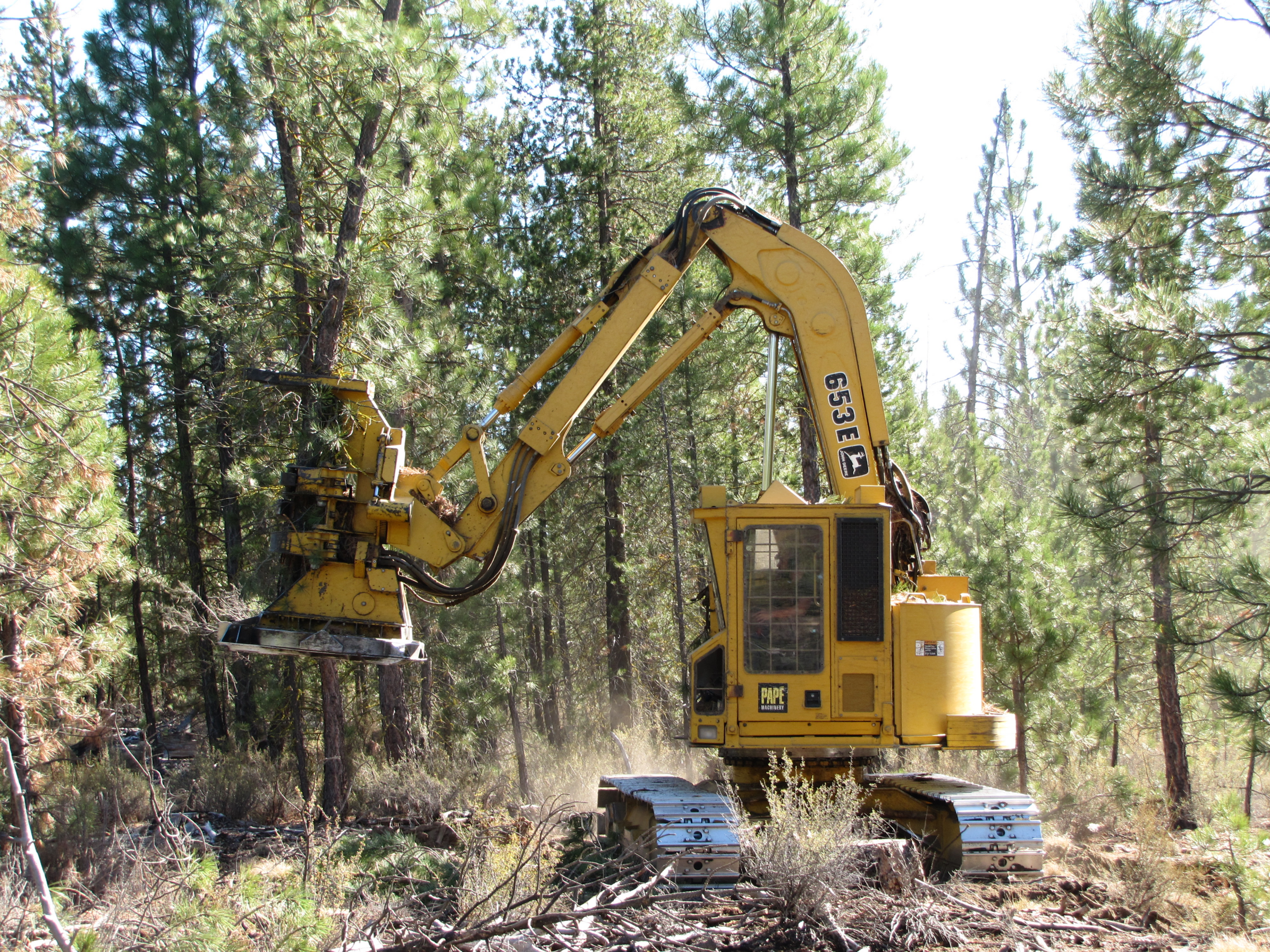
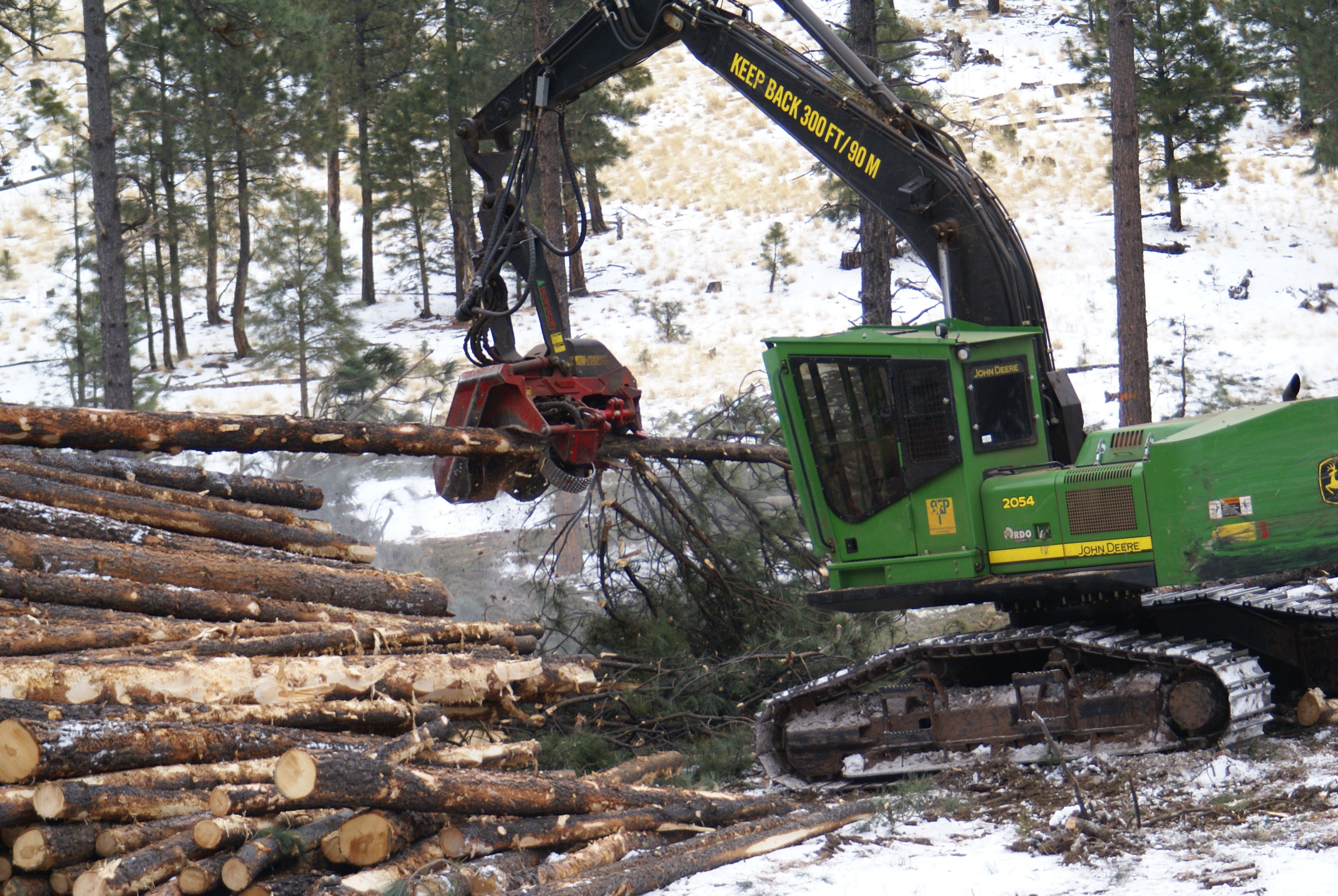
Three changes arrived together. Mechanical harvesting moved the operator from standing among falling timber into an enclosed protected cab, which removed the central hazard rather than mitigating it. Logging roads and vehicles made daily travel possible and dissolved the camp. And occupational regulation imposed protection, training, communication and equipment standards across the industry.
The result is a trade with a fraction of the workforce, a far higher output per person, and a safety record that remains poor by general standards and is transformed by its own. The bunkhouse, the cookhouse, the silence at the table and the man who learned by watching are gone, and so is most of the fatality rate that went with them.
What the Machine Did That the Rules Could Not
Eight of these would now stop an operation on day one: no head, eye or hearing protection, chainsaws without brakes or guards, unmanaged vibration exposure, no communication or emergency access, substandard worker housing, the river drive, machines without rollover protection, and putting an untrained man on a saw.
Regulation did a great deal of this and deserves the credit, particularly on equipment, training and emergency planning. But the single largest change was not a rule.
It was the enclosed cab. For as long as the work required a man to stand on sloping ground beside a falling tree with a saw in his hands, every safety measure was mitigation – better protection for a person in an inherently lethal position. Mechanical harvesting removed the person from the position. An operator in a protected cab is not being protected from falling timber so much as absent from where it falls.
That is why the fatality rate fell as far as it did, and it is also why the trade shed most of its workforce. The same machine that made the work survivable made most of the workers unnecessary, which is the trade-off nobody in a 1958 camp would have been asked to make and everybody since has lived with.
The camp is remembered with real affection by the men who lived in it, and the things they describe are consistent: the food, the cold mornings, the competence of people who were extremely good at something difficult, and a kind of company that does not exist in a job you drive home from.
They also describe the hearing they lost, the hands that stopped working properly, and the men who did not come down the hill. Logging in 1958 was skilled, well-fed, companionable work performed by people who were being paid by the log to take fewer precautions, in the most dangerous occupation in the country.
Like our content? Follow us for more.