

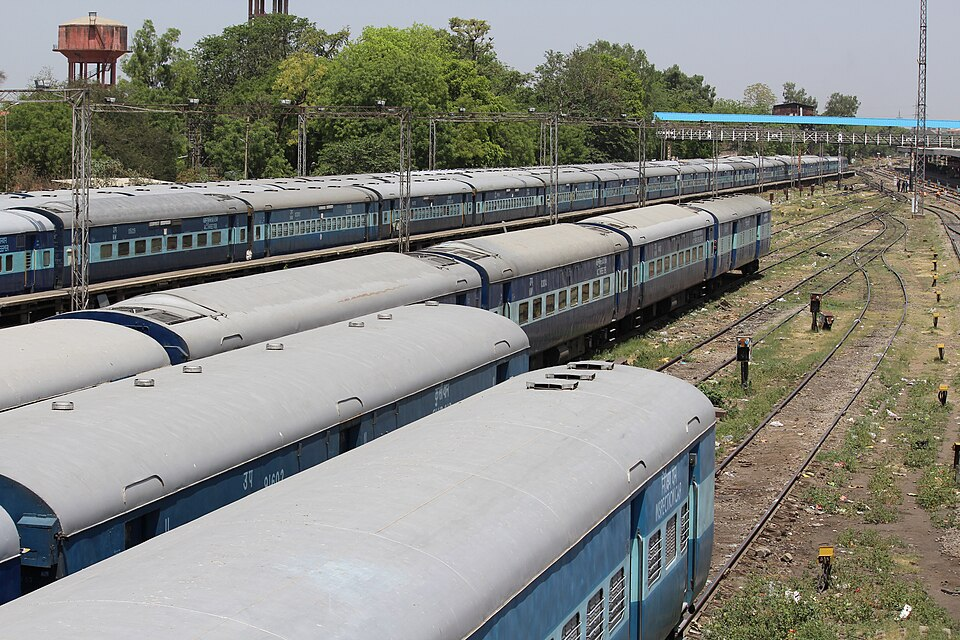
The longest railway platform in the world is 1,507 metres long, which is 4,944 feet, or very nearly a mile. It is platform 1 at Shree Siddharoodha Swamiji Hubballi Junction, in Karnataka in southern India, and it was recognised as a world record in 2023.
A mile of platform is difficult to picture, so here is the comparison that works: it is longer than almost any airport runway you have ever landed on, and a person walking from one end to the other at an ordinary pace takes between fifteen and twenty minutes.
What makes it interesting is not the number. It is that nobody built a mile of platform in order to have a mile of platform. The length is a side effect of solving an operational problem, and understanding the problem explains the record. That is true of most infrastructure records and it is almost never how they are reported. The number gets the headline and the reason it exists gets left out, which is a pity, because the reason is the part that tells you something about how railways actually work.
The reason is that one platform can serve two trains at once
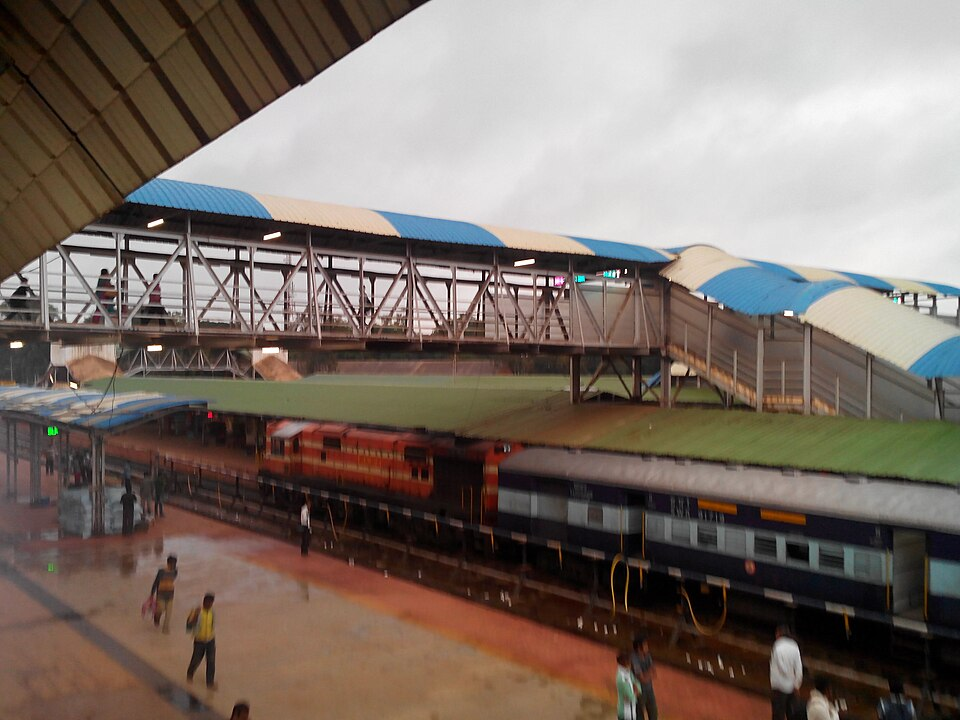
A platform has to be at least as long as the train using it, and a station’s capacity is therefore set by how many train-length platforms it has.
If you build one platform of double length and signal it as two sections, one train can stand at each end and be loaded, unloaded and dispatched independently. You have doubled the capacity of that platform without building a second one, without acquiring land for it and without the track work a new platform requires.
That is what the Hubballi platform is. It is not one very long platform for one very long train; it is a structure arranged so that two trains can be received or dispatched at the same time.
The record is therefore a by-product of a capacity decision, which is true of a surprising number of infrastructure records. The economics are striking once you see them. A second platform needs land, track, points, a footbridge or subway to reach it and a signalling scheme to serve it. A longer platform needs concrete, signals and signage, and it reuses track that is already there.
Like our content? Follow us for more.
It came out of a yard remodelling rather than a station rebuild
The platform was built as part of a wider remodelling of the Hubballi railway yard, aimed at operational efficiency, train safety and passenger facilities, and it was inaugurated in March 2023 at a reported cost of around 20.1 crore rupees.
That is a modest figure for a world record, and it is modest because the work was an adaptation of an existing layout rather than a new station. The site already had the length; what it needed was the platform surface, the signalling arrangement and the facilities to use it.
The station itself is not new at all. It opened in 1886 and has eight platforms, sitting at an elevation of about 627 metres, and it serves the Guntakal to Vasco da Gama route and the line towards Bangalore through Arsikere.
So the world’s longest platform is an upgrade to a Victorian junction, which is a more ordinary story than the record suggests and a more interesting one. Hubballi was a railway town long before it was a record holder. A junction with workshops and a yard tends to have space arranged in long parallel strips, which is exactly the geometry a very long platform needs and exactly what a modern greenfield station would not have.
The structure is divided, and that is the point
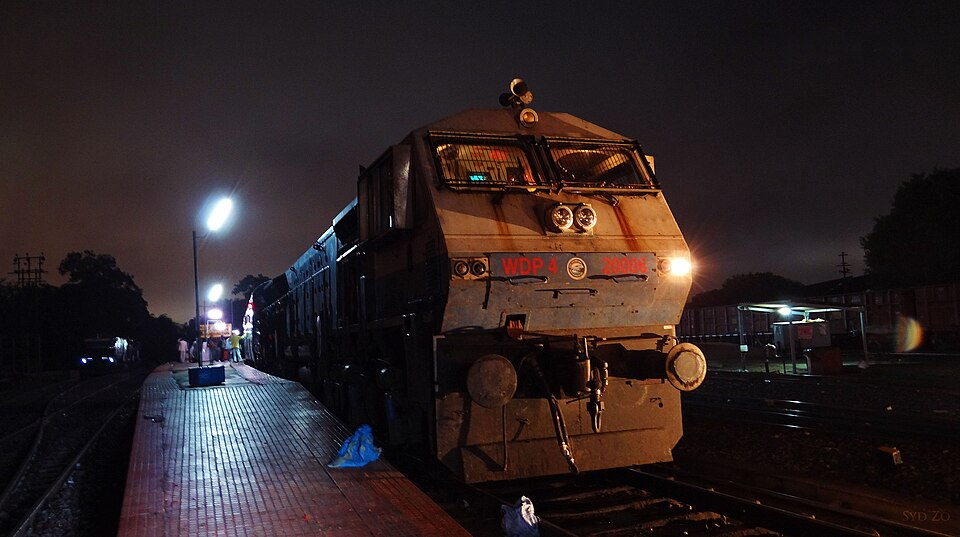
The long platform is divided into two parts, with platforms numbered 1 and 8 on the same physical structure. The numbering is the clue: operationally these are two platforms that happen to share a surface.
That arrangement also explains why the record is sometimes disputed in conversation. If you count a platform by its signalling identity you have two; if you count it by the continuous structure you have one, and Guinness measured the structure.
Both answers are defensible and the second is the one that produced a record. It is worth knowing which question is being answered, because this is the commonest source of confusion about platform-length claims generally.
India holds this record and several of the next places in the list, which is not a coincidence. It is also worth noting that the two longest are at junctions in different states and were produced by unrelated projects, which suggests the pattern is structural rather than a single railway administration chasing a title.
Why India dominates this particular record
Indian Railways runs very long passenger trains, carries an extremely large number of people and operates a network where many services are long-distance rather than commuter.
Long-distance trains with many coaches need long platforms, and a station handling several of them simultaneously needs either many platforms or very long ones. Where land is constrained and the existing layout is linear, the long platform is frequently the cheaper answer.
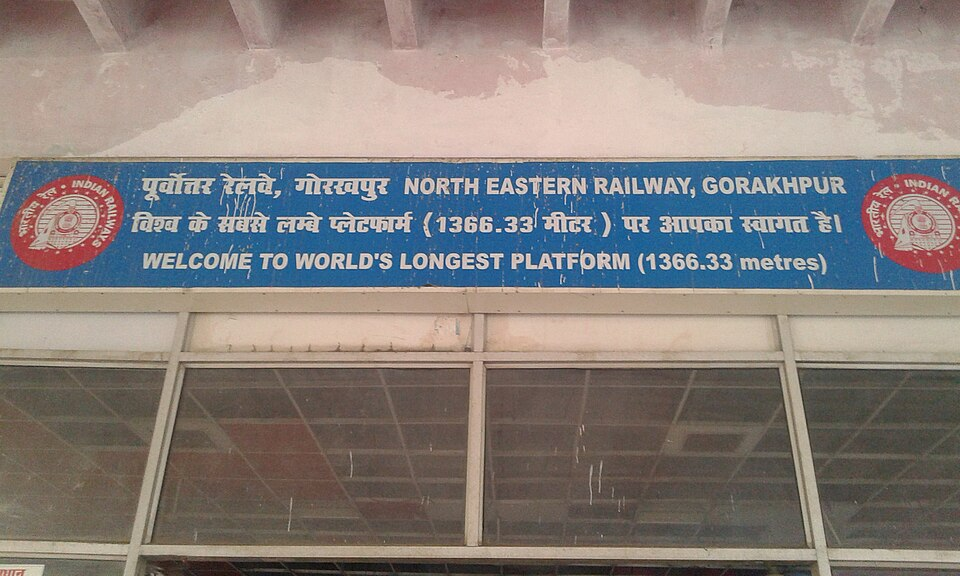
The second-longest platform in the world is also in India, at Gorakhpur in Uttar Pradesh, at 1,366.33 metres, and it held the record before Hubballi took it.
So this is a record generated by a specific operating pattern rather than by an attempt at a record, which is why it has changed hands within India rather than between countries. Networks built mainly for commuter traffic produce the opposite pattern: many short platforms serving frequent short trains, which is why no European or Japanese station is anywhere near this list despite both carrying enormous numbers of people.
Signalling is what makes a long platform work
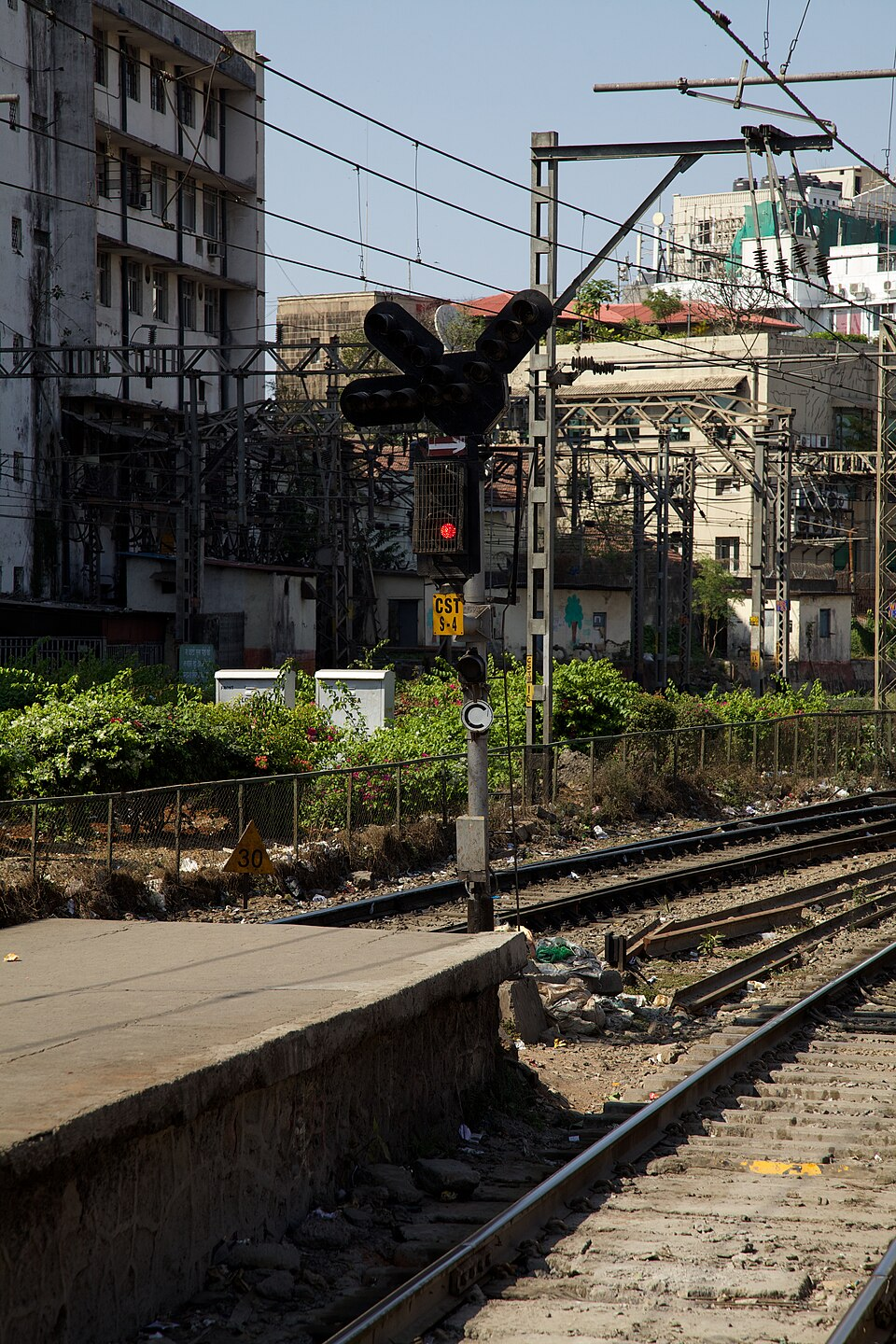
A platform used by two trains at once needs to be divided by signals so that a train standing at one end cannot be fouled by a movement at the other, and so that each section can be set up for arrivals and departures independently.
That is an ordinary piece of railway signalling and it is the whole technical content of the idea. Without it, a long platform is just a long platform and holds one train.
It also means the usable capacity depends on the signalling design rather than on the concrete, which is why platform length on its own is a poor measure of what a station can actually do.
Anybody impressed by the length should be more impressed by the layout, because the length is the easy part. A platform divided this way also has to be able to run as one long platform when something genuinely long needs to use it, which means the signalling has to support both arrangements rather than committing to either.
What it is like to use
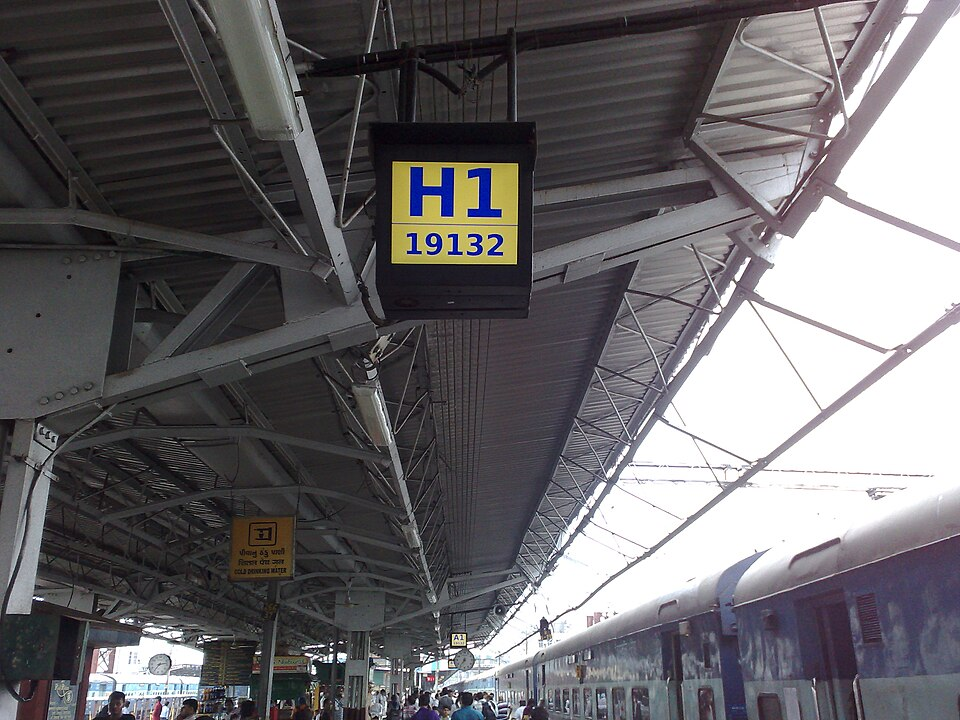
A very long platform creates practical problems that short ones do not. Passengers have to be told which section their train will use, because arriving at the wrong end means a walk of several hundred metres with luggage.
Stations with platforms of this kind therefore need clear sectional signage, announcements that specify the section, and enough circulating space along the length rather than concentrated at one entrance.
It also means staff and services have to be distributed along the platform instead of clustered, which changes how the station is run as well as how it is built.
Anybody travelling through a station with very long platforms should check the coach position or section before the train arrives. It is the single piece of practical advice this record generates. Indian Railways publishes coach position information for its services, and at a station on this scale it is the difference between a short stroll and a serious walk.
The record will probably move again
Platform records of this kind are fragile because they are side effects. Any large station carrying out a capacity upgrade on a linear site may produce a longer one, and the incentive to claim the record is modest compared with the incentive to move more trains.
The previous holder lost it to a yard remodelling; the current holder could lose it the same way, and the figures involved are close enough that a single project could do it.
That is worth bearing in mind about infrastructure records generally. They are snapshots of where an operating requirement happened to land, and they change without much ceremony.
The honest summary: the longest railway platform in the world is 1,507 metres, or 4,944 feet, at Shree Siddharoodha Swamiji Hubballi Junction in Karnataka, recognised as a record in 2023 after a yard remodelling inaugurated in March that year at a reported cost of around 20.1 crore rupees; it is long because a double-length platform divided by signals lets two trains be received or dispatched independently, which doubles a platform’s capacity without new land or track; the structure carries platforms numbered 1 and 8, so operationally it is two platforms sharing one surface and Guinness measured the surface; the station itself opened in 1886, has eight platforms and sits at about 627 metres, serving the Guntakal to Vasco da Gama route and the line towards Bangalore through Arsikere; and the second-longest is also in India, at Gorakhpur, at 1,366.33 metres, which is close enough that the record may well move again.
Like our content? Follow us for more.
