

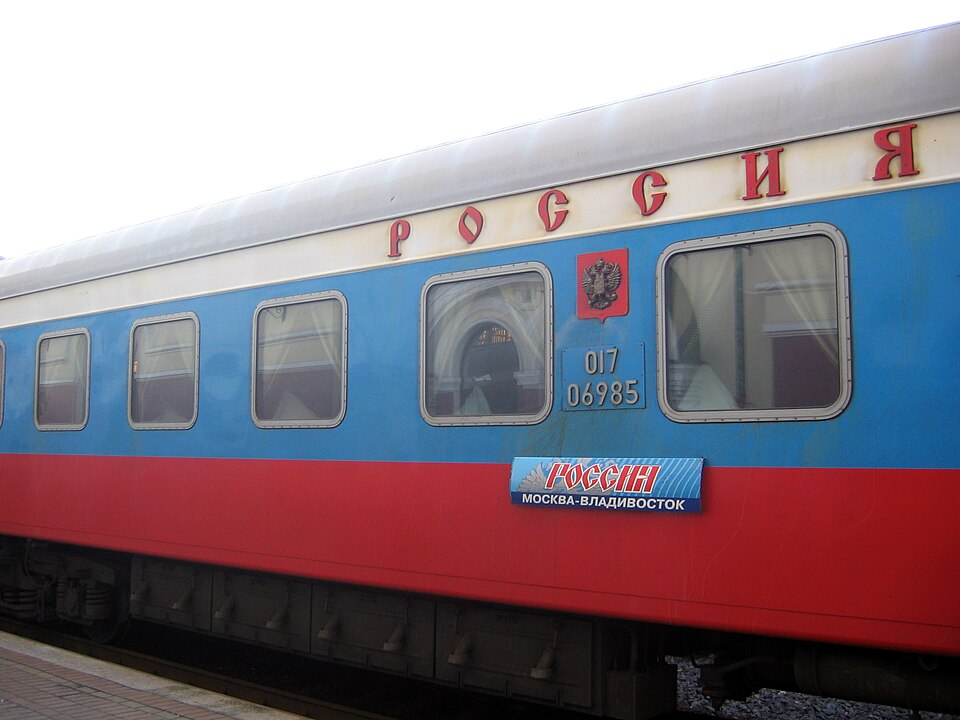
The longest train journey you can buy a single ticket for and stay on is the run from Moscow to Vladivostok: roughly 9,289 kilometres, about 5,772 miles, six nights on board, and seven changes of time zone while the dining car keeps serving on the clock it started with.
It is not the longest railway in the world, it is not the longest possible rail journey if you are willing to change trains, and it is not the most scenic. What it is, uniquely, is the longest distance a person can travel in one continuous railway journey without getting off, and the things that makes interesting are mostly to do with what six days inside a moving building does to a person’s sense of time.
What the journey actually is
The route runs east from Moscow across European Russia, over the Urals into Siberia, along the southern edge of Siberia through the major cities strung along the line, around the bottom of Lake Baikal, and then east and south to the Pacific coast.
There are several services on the route rather than one. The through train that covers the whole distance runs on a fixed schedule with reserved accommodation in compartments, and alongside it are shorter-distance services, local trains and the branch routes that leave the main line for Mongolia and China.
The train is not a tourist product in its ordinary form. It is the long-distance public transport of a very large country, used by people going from one city on the line to another, and the majority of passengers on any given leg are travelling a fraction of the distance.
That matters for what the journey is like. Compartments empty and refill through the night at cities along the way, so a passenger going the whole distance shares the space with a rotating series of people doing something entirely ordinary. Nobody on board treats the journey as remarkable, which is the detail that most surprises travellers who have built it up for years beforehand.
Like our content? Follow us for more.
Why the timetable runs on one clock
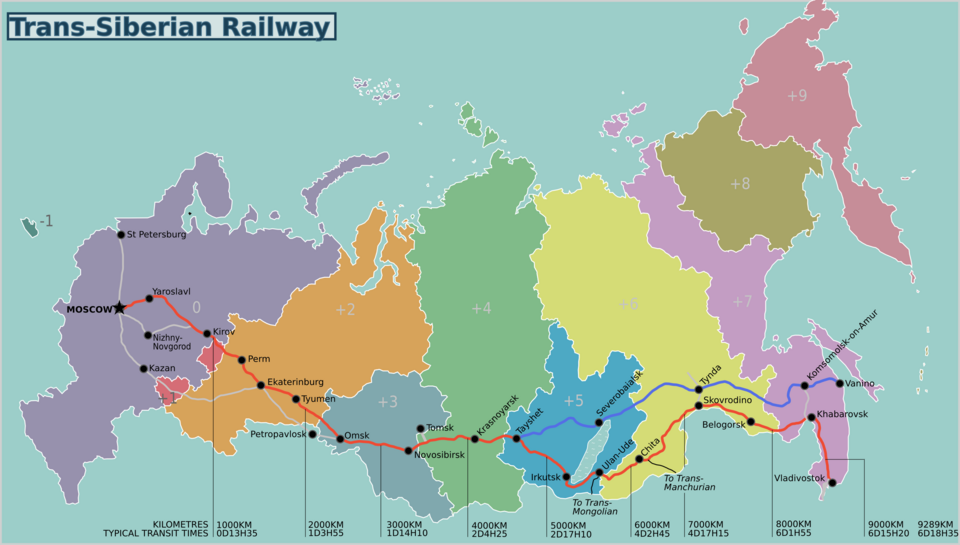
The railway has historically operated on Moscow time along its entire length, which means that for most of the journey the timetable bears no relation to daylight. A station stop printed as four in the afternoon can be the middle of the night outside.
The practical consequence is that passengers live on train time while the world outside moves through seven time zones. People eat when the dining car is open, sleep when it gets dark outside rather than when the clock suggests, and lose track of which day it is within about seventy-two hours. Everybody who has done it describes the same disorientation and most describe it as the best part.
Operationally the single clock is sensible. A railway thousands of kilometres long with trains running in both directions cannot be timetabled against seven local times without inviting errors, and the convention of running the whole system on the capital’s time removes a category of mistake.
Station clocks along the route traditionally showed railway time rather than local time, which is a detail that has confused passengers for well over a century and still does. The practical advice regular travellers give is to keep one watch on train time and leave the telephone to update itself, and to work out before each stop which of the two you are being told.
Six days of what, exactly
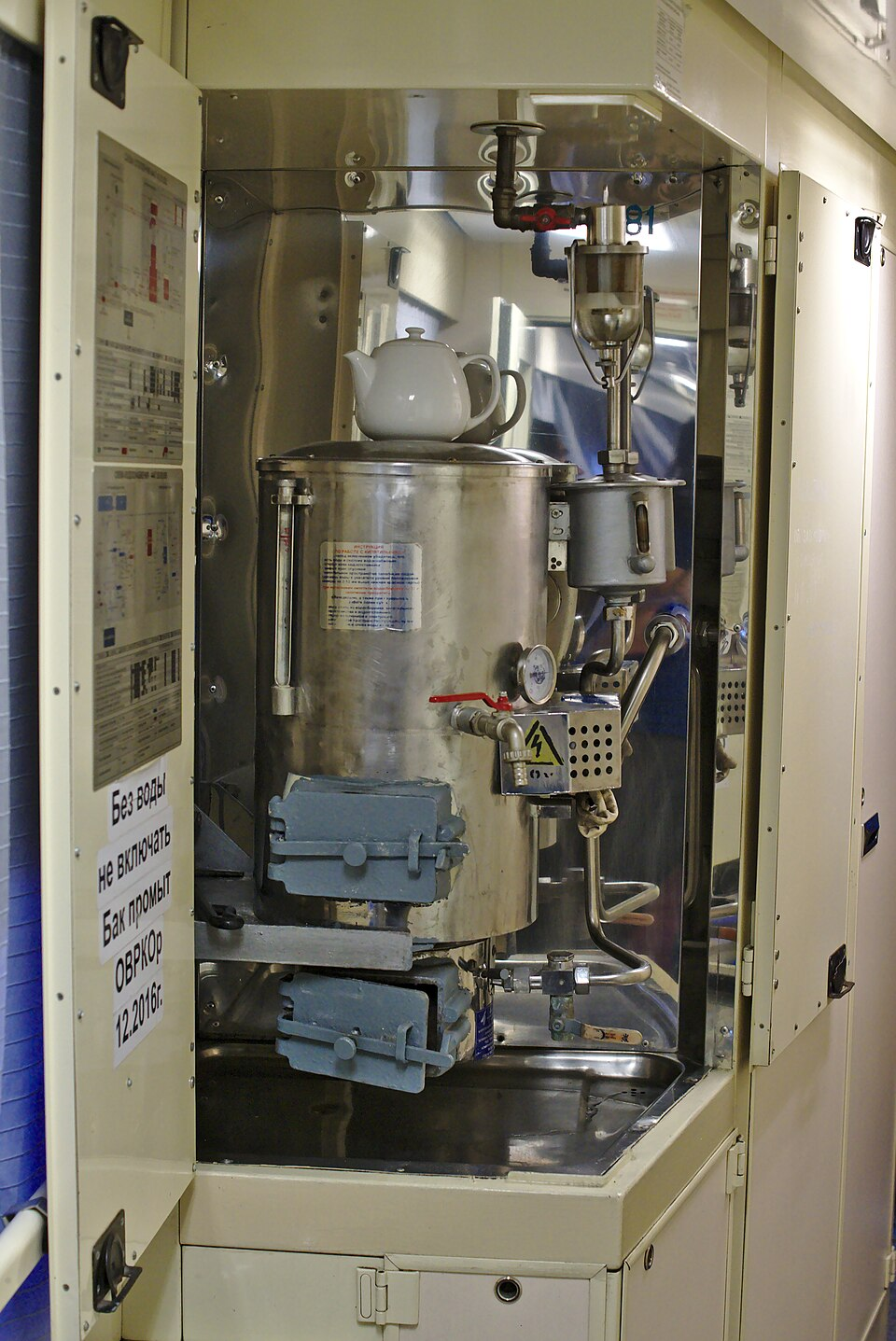
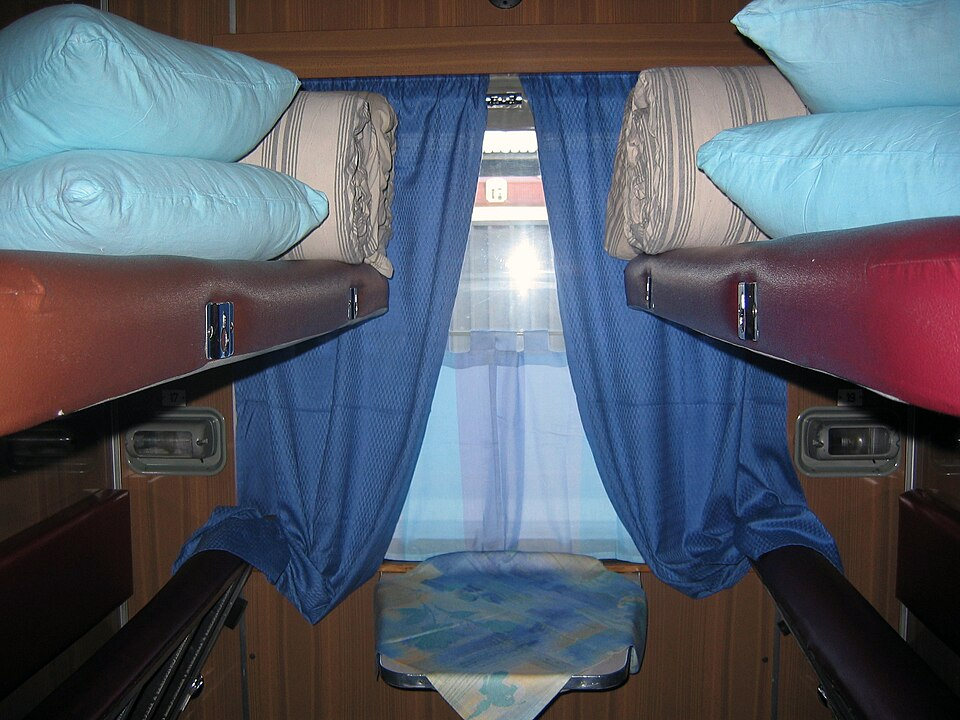
The accommodation is a compartment with bunks, a mattress, bedding issued by the carriage attendant, and a samovar of hot water at the end of the corridor that never runs out. There is a dining car. There are no showers on most services.
The rhythm that develops is reported consistently: long periods of looking out of the window at birch forest, conversation with whoever is in the compartment conducted largely without a shared language, tea, food bought from platform vendors during stops, and a complete collapse of the distinction between morning and afternoon.
Stops are the structure of the day. Some are two minutes and some are twenty, the longer ones are known to regular travellers, and the platform trade at the bigger stations — food, drink, fruit, things people have cooked — is part of the experience rather than an inconvenience.
The scenery is the thing people are least prepared for, in both directions. There is a great deal of forest and a great deal of it is the same, and then there is Lake Baikal, which is the single view the journey is remembered for and which takes several hours to pass. The monotony before it is not a defect of the route; it is an accurate representation of how much of the land between the two ends of the journey actually looks.
The branch that goes somewhere else
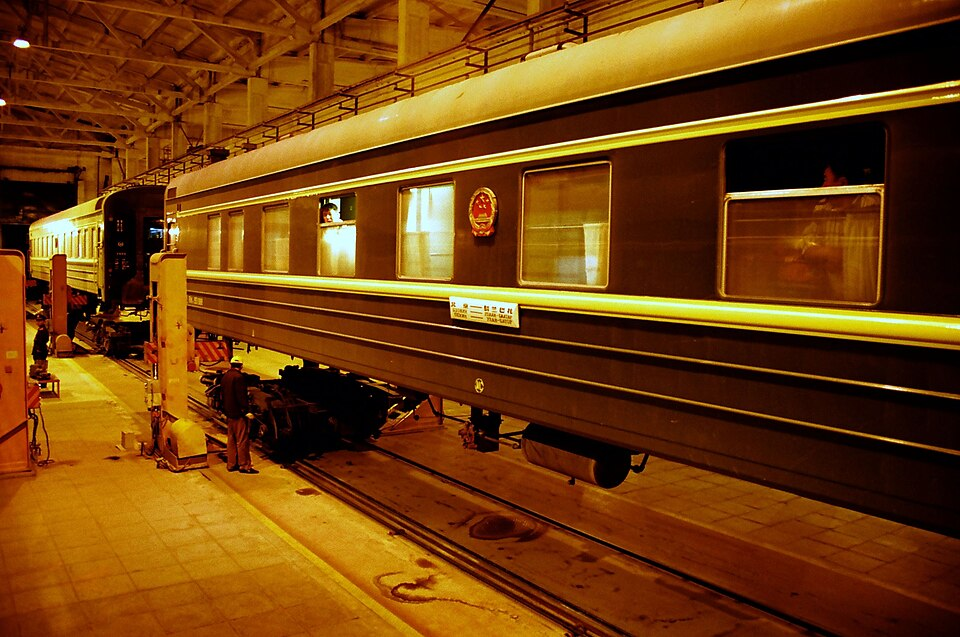
Two other routes share the first part of the line and then leave it. One turns south through Mongolia to Beijing, and the other runs east and then south through Manchuria to Beijing by a different path. Both are shorter than the full run to the Pacific and both are more popular with travellers doing the journey as a journey.
That produces a common confusion. The names people use for these routes are not three separate railways but one trunk line with two branches, and a traveller booking what they think is the classic route may be buying a different one.
The branch routes involve international border crossings, which adds a procedure the domestic run does not have: documentation checks, a change of bogies where the track gauge changes, and a wait at the frontier measured in hours.
The gauge change is the interesting part. Where two railway systems built to different gauges meet, something has to give, and the options are to change trains, to change the wheels under the carriages, or to run variable-gauge equipment. Lifting a train and swapping the bogies underneath it, with the passengers aboard, is the oldest answer and is still in use, and it is slow enough that the wait at the frontier is dominated by the engineering rather than by the paperwork.
Longer journeys exist if you are willing to change
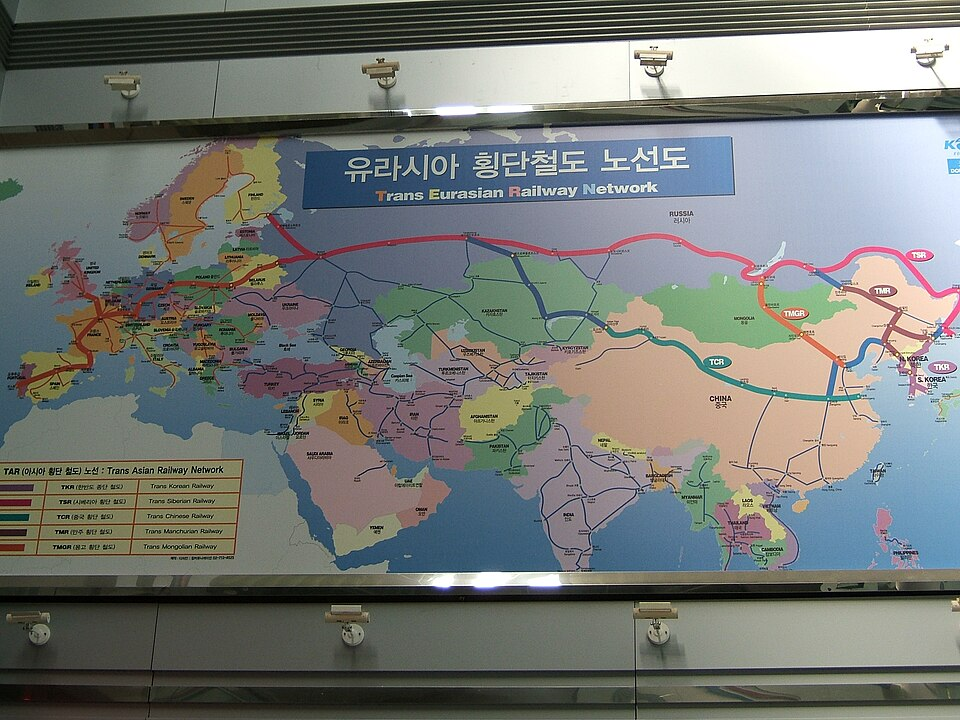
If changing trains is allowed, the record becomes a planning exercise rather than a product. Continuous rail travel across the breadth of Eurasia is possible with changes, and enthusiasts have constructed itineraries running considerably further than 9,289 kilometres by connecting services.
There have also been longer through services historically, including routes extending beyond the Russian network, which existed as scheduled services at various times and have come and gone with politics rather than with engineering.
That is the general problem with this record. A through service is a commercial and political arrangement rather than a physical fact, so the longest one available changes, and comparisons between different eras are rarely like for like.
What has stayed constant is the physical line, which is why the Moscow-to-Pacific run is the record that endures. The track is there, it is double and electrified for essentially its whole length, and it carries freight continuously as its main business.
The freight is the real railway
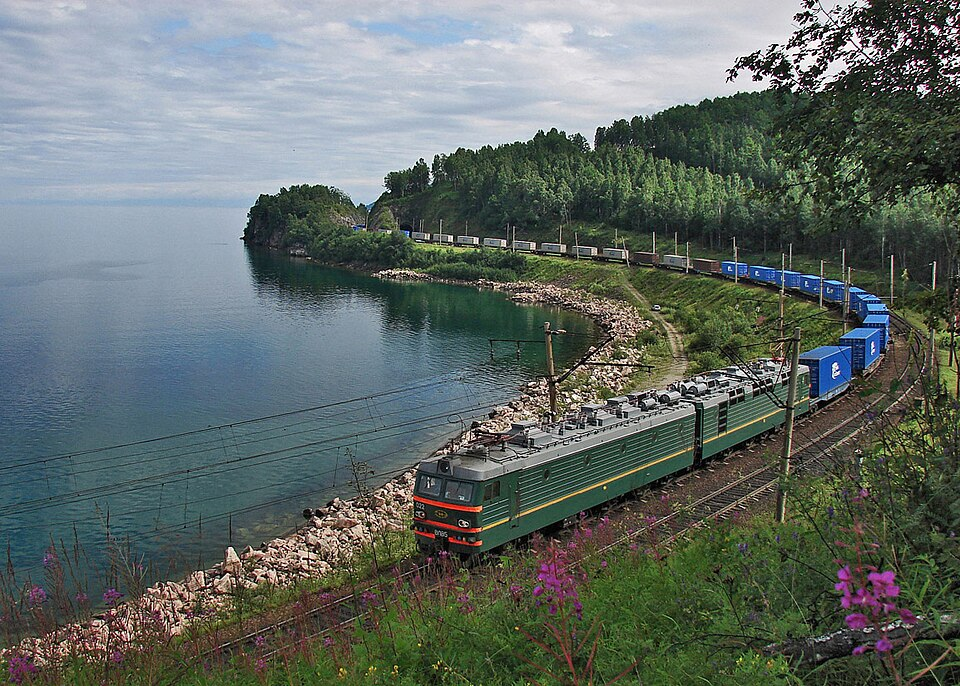
A passenger looking out of the window will see far more freight than passenger traffic, because the line’s economic purpose is moving goods across a continent and the long-distance passenger trains fit around it.
Container traffic between Asia and Europe by rail is a genuine third option between sea freight and air freight, considerably faster than ships and considerably cheaper than aircraft, and the volumes on that corridor have grown substantially over the last two decades.
That gives the line a commercial significance the passenger service does not. For most of its history it was a strategic railway built to hold a territory together, and it is now also a trade route whose economics are visible in the number of container trains going the other way.
The operational consequence for a passenger is the occasional long wait in a loop while something longer and heavier goes past, which is a good description of how railways work everywhere.
What the record measures
Endurance of a mild and comfortable kind, and the simple fact of a country that is wide enough to need a six-night train. The journey is not difficult, dangerous or expensive by the standards of long-distance travel; it is just long, and the length is the content.
The honest summary: it is roughly 9,289 kilometres and six nights, the single-clock timetable is what produces the disorientation everybody describes, most passengers on any leg are doing something entirely ordinary, the branch routes to Beijing are different journeys that are often confused with this one, longer journeys exist if you are willing to change trains, and Lake Baikal is the view it is remembered for.
And the thing former passengers say most often is that six days is exactly long enough for the train to stop being transport and become a place.
Like our content? Follow us for more.

