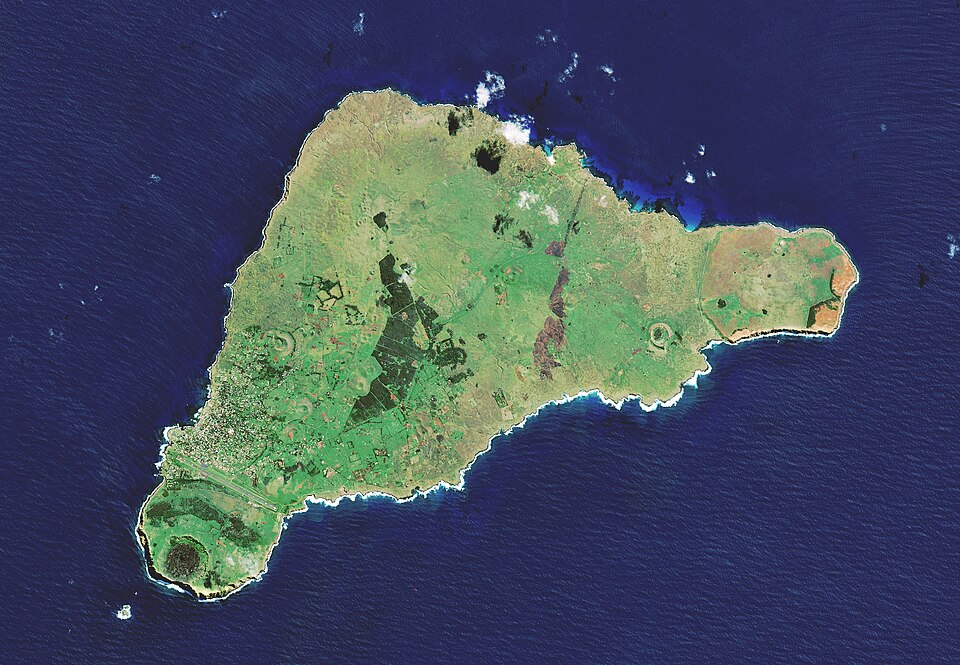
The most remote airport in the world, measured by the distance to the next airport, is Mataveri on Easter Island. The nearest alternative is about 2,602 kilometres away — roughly 1,617 miles — on a different island in French Polynesia, which is itself not well served.
What makes the place more than a trivia answer is the runway. It is about 3,305 metres long, which is a great deal of runway for an island of that size, and the reason it is that long has nothing to do with the island’s own needs. It was lengthened for the American space programme, as a designated abort landing site for Space Shuttle missions that were planned, and then cancelled, before any of them flew.
What the isolation actually means operationally
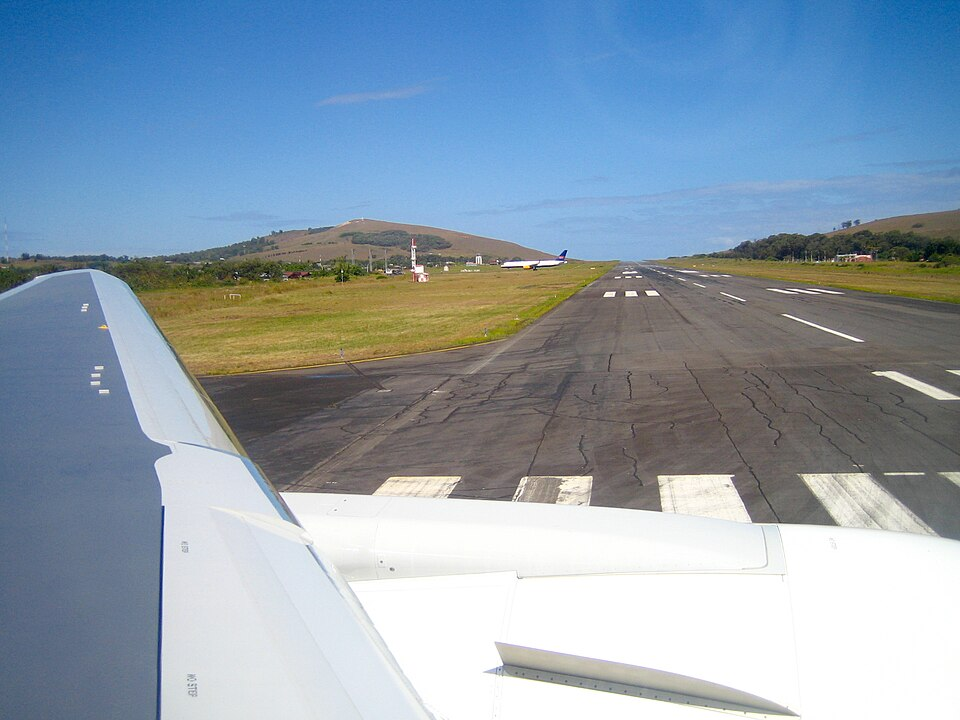
An aircraft flying to an isolated airport has a problem that has nothing to do with navigation: there is nowhere else to go. Commercial aviation is built around the assumption that an aircraft approaching an airport can divert to another if the weather closes in, the runway is blocked or something is wrong with the aeroplane.
For a destination with no reachable alternate, the rules change. Operations to such an airport require additional fuel so that the aircraft can hold for an extended period and still have reserves, dispatch is subject to stricter weather minima than usual, and the decision to depart depends on a forecast for an arrival many hours later.
There is a second-order effect that is specific to this island and is the detail aviation people find most striking: because it is the only diversion option on the route between South America and French Polynesia, the authorities permit only one aircraft in its vicinity at a time. The place that cannot divert anywhere is also everybody else’s alternate.
The practical consequence for a traveller is a service that is small, infrequent, weather-sensitive and operated to a different standard of caution than a flight to a mainland city. A delay there is not a delay in the ordinary sense, because the aircraft that was going to take you on is the one sitting on the ground with you.
Like our content? Follow us for more.
The runway, and the programme that paid for it
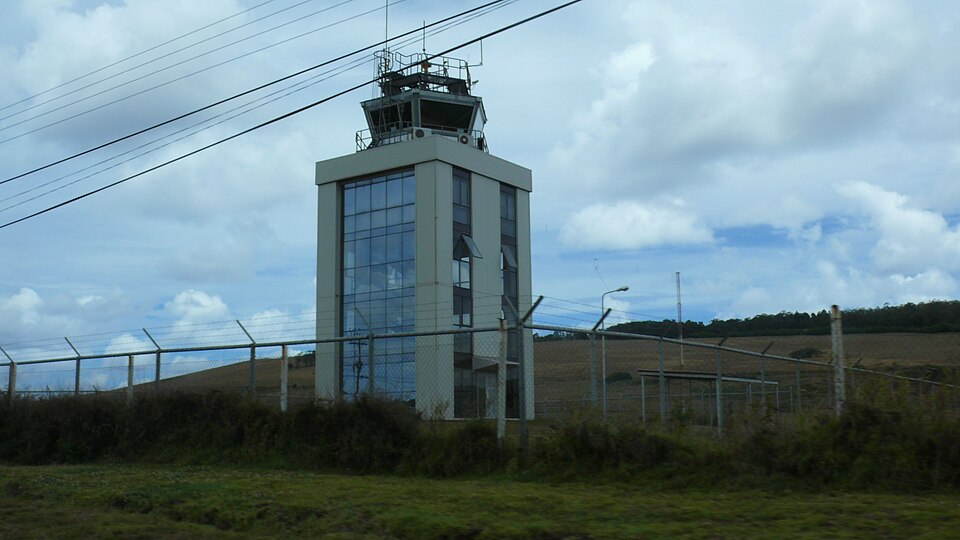
The airstrip was extended and paved in the 1960s in connection with American use, and the lengthening that produced the current runway was completed in 1987 under a project associated with NASA. The reason was its position: a polar-orbit Space Shuttle launched from the Californian coast would, in the event of an abort, need somewhere in the southern Pacific to land, and there is almost nothing there.
Those polar launches never happened. The programme was cancelled, the shuttle never flew from that site, and the island kept the runway.
What the island got from it was not a space programme connection but an airport capable of taking wide-bodied jets, which meant that it could be served by ordinary long-haul aircraft from a mainland several thousand kilometres away. Tourism followed almost immediately and is now the island’s principal economy.
This is a recurring pattern in the history of remote airfields. A very large proportion of the long runways on small islands exist because a military or space programme needed them, and the civil aviation that followed was a consequence rather than a purpose.
The runway also nearly cuts the island in half
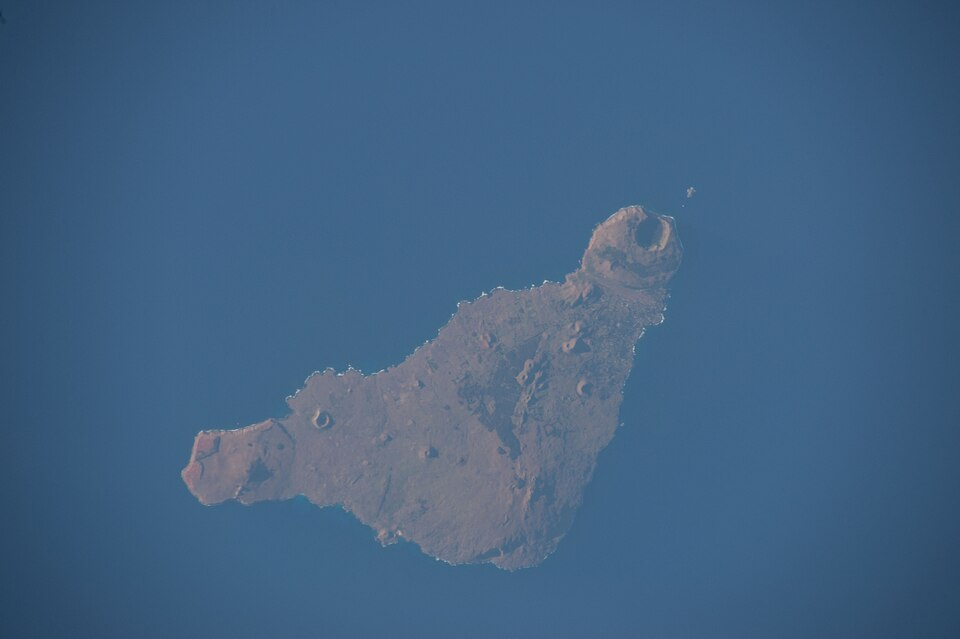
The strip runs from near the southeast coast almost to the west coast, which on an island of that size means it crosses most of the width of it. It passes close enough to the Rano Kau volcanic crater at the southwestern end to separate that part of the island from the rest in any practical sense.
That is the price of a long runway on a small island and it is paid everywhere the same way. An airport big enough to be useful consumes a proportion of a small island’s flat land that would be unthinkable on a continent, and the land it takes is usually the most buildable land available.
The airport sits at about 69 metres above sea level and the field is immediately adjacent to the island’s only town, which means aircraft operations are a feature of daily life there in a way they are not in most places.
For the island, the trade is straightforward and has been made: the runway is the connection to everything, and the alternative is a ship. Every item that arrives by air — medical supplies, mail, spare parts, perishable food — arrives on the same aircraft as the visitors, which is the quiet reason the service matters more than the tourism figures suggest.
What the other contenders are
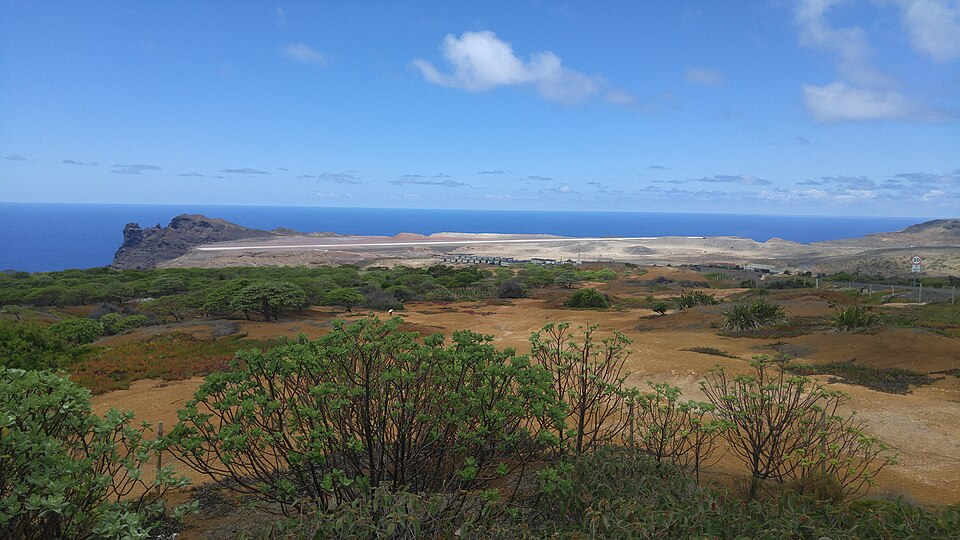
Remoteness has several definitions and each produces a different winner, which is the usual problem. Measured by distance to the nearest other airport, Easter Island’s field is the standard answer. Measured by distance to the nearest mainland, other islands compete. Measured by how hard it is to get to — number of connections, frequency of service, reliability — the answer is different again.
The South Atlantic has a notable modern case: an island that had no airport at all until the twenty-first century, reached only by a scheduled ship, and whose new airport turned out to have a wind problem severe enough that the aircraft type originally intended could not safely use it, requiring a smaller aircraft and a redesigned service.
There are also airfields in Antarctica, on ice, which are more isolated than anything in this file by any measure and which are not commercial airports in the sense the question implies.
And there are remote fields with scheduled service in the high Arctic, in the Pacific and in the Indian Ocean where the isolation is comparable and the publicity is not. The record belongs to the one with the best-known name as much as to the one with the biggest number, which is worth remembering whenever a superlative of this kind appears without its definition attached.
Why remote airports fail, and it is rarely the distance
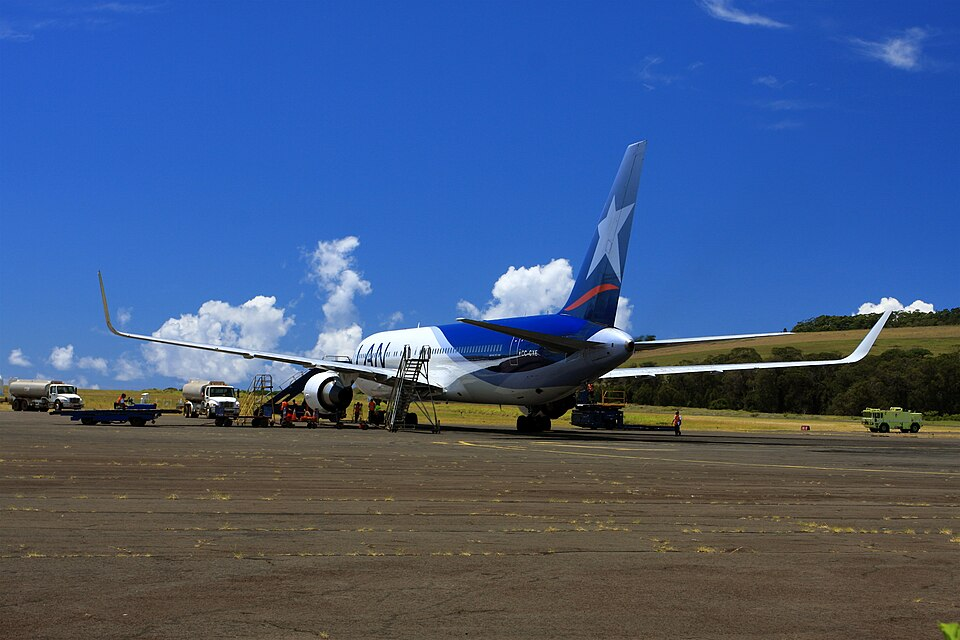
The thing that closes a remote airport is economics rather than geography. A route to an isolated destination carries a small number of passengers, needs a large aircraft to cover the distance, cannot fill it reliably, and has no alternative revenue from connecting traffic.
The second problem is maintenance. A runway is a civil engineering asset requiring periodic resurfacing, and the cost of bringing plant, materials and specialists to an island thousands of kilometres from anywhere is a multiple of the mainland cost. The same applies to navigation aids, fire cover and ground equipment.
The third is that an isolated airport cannot share anything. It needs its own fire service, its own rescue capability, its own fuel storage and its own spares, because nothing can be borrowed from the next field along.
Which is why the remote airports that survive are generally the ones with a reason beyond their own traffic: a strategic function, a government subsidy, a scientific programme, or a tourism industry large enough to pay for the infrastructure that brings the tourists.
Getting there now
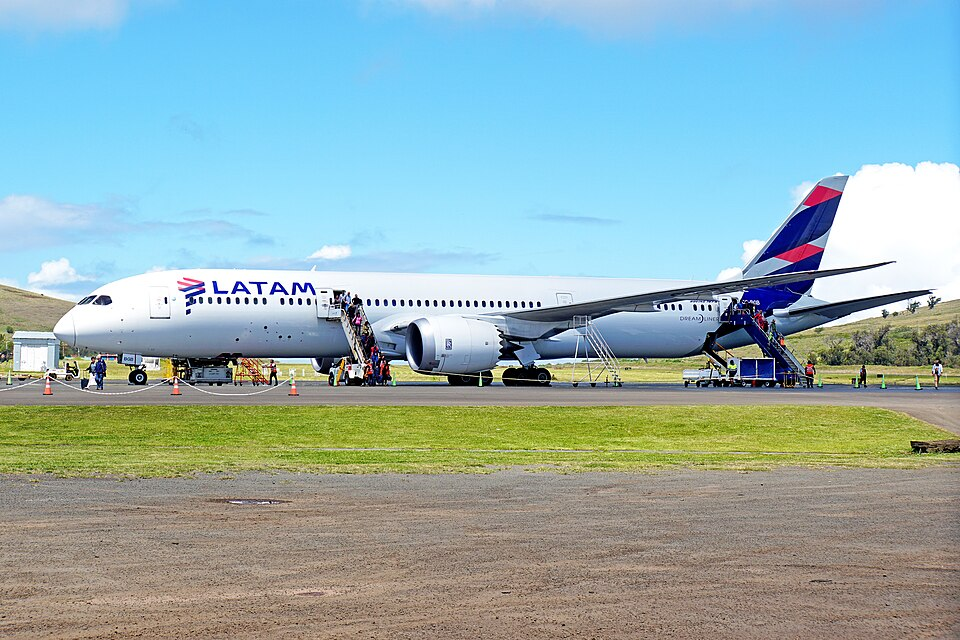
The island is served by scheduled flights from the South American mainland, operated by one carrier, with a frequency that varies seasonally and has varied considerably over the years. A route onward across the Pacific has operated at various times and has not been continuous.
That single-carrier, single-route structure is the thing to understand before planning a trip. There is no competition on the route, no alternative airline, and a cancellation does not put you on another flight the same day because there is no other flight.
The practical advice that follows is the same as for any destination with one way in: build slack into the itinerary at both ends, do not book a tight onward connection on the mainland, and check what your travel insurance says about missed connections and about delays caused by weather at an airport with no alternate.
The ship is not a realistic alternative for a visitor. Cargo vessels call, and cruise ships call when the sea state allows them to land passengers, which it frequently does not.
What the record measures
Not inaccessibility, because the island is easier to reach than a great many places with no runway at all. It measures a specific kind of fragility: a community whose connection to the rest of the world is one runway, one airline and one route, maintained at a cost out of all proportion to the traffic.
The honest summary: about 2,602 kilometres to the nearest airport, a runway of about 3,305 metres built long for a space programme that never used it, polar shuttle launches cancelled before any flew, one aircraft permitted in the vicinity at a time because the island is everybody else’s alternate, the runway crossing most of the island’s width, and a service that exists because tourism pays for it.
And the general lesson is the one in the fifth section. Remoteness records depend entirely on which definition you use, and anybody quoting one should say which.
Like our content? Follow us for more.