In 1964 a household’s indoor plants were somebody’s responsibility, and in a great many houses that somebody was a child who had been handed the job because it looked easy and was not.
The Job Was Given Because It Looked Simple
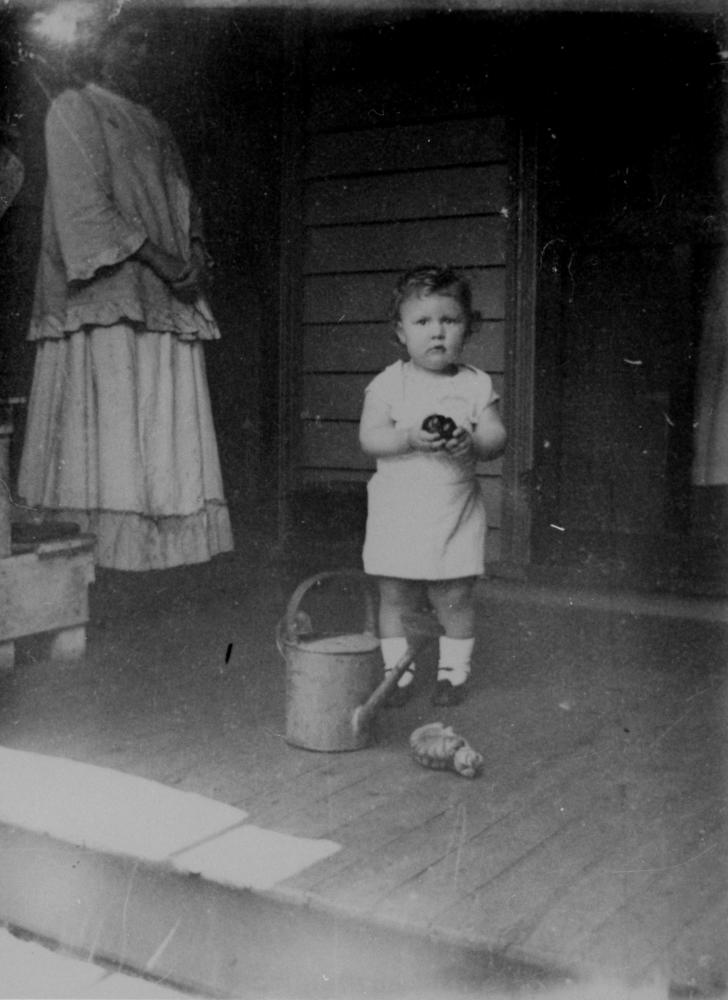
Carrying water to a pot is the least demanding household task anybody could describe, which is exactly why it was allocated to the youngest available person.
The allocation was a misjudgement that took two months to become apparent. A plant does not respond immediately to anything, which means a job being done badly produces no evidence at all until the evidence is irreversible.
Like our content? Follow us for more.
Nobody Said How Much or How Often
The instruction was to water the plants, with no quantity, no interval and no distinction between one plant and another, which is not enough information to perform the task correctly.
Children therefore did it uniformly. Every pot got the same amount on the same day, which is the only approach available to somebody who has been told nothing, and it is the wrong approach for almost every plant in the house.
There Was No Way to Tell Whether a Pot Needed Anything
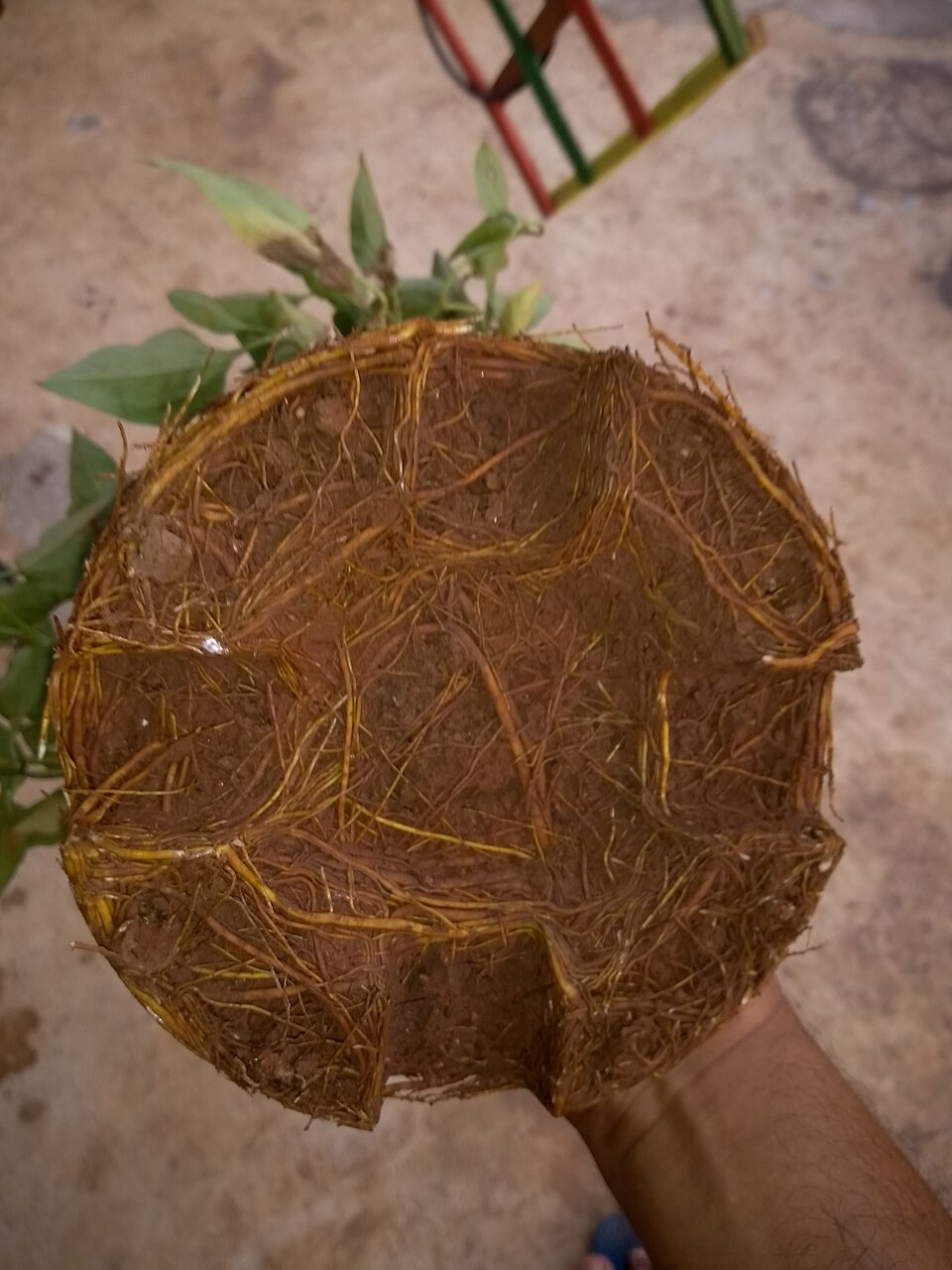
The one piece of information that would have made the job possible – whether a particular plant was dry – is not available by looking at it, and nobody told any child how to find out. So the question was never asked, and the watering happened on a day rather than on a condition.
That is the whole structural problem in four words. A task that should have been driven by what each plant needed was driven instead by what day it was, and no child had been given anything that would let them do otherwise.
Too Much Was the Universal Error
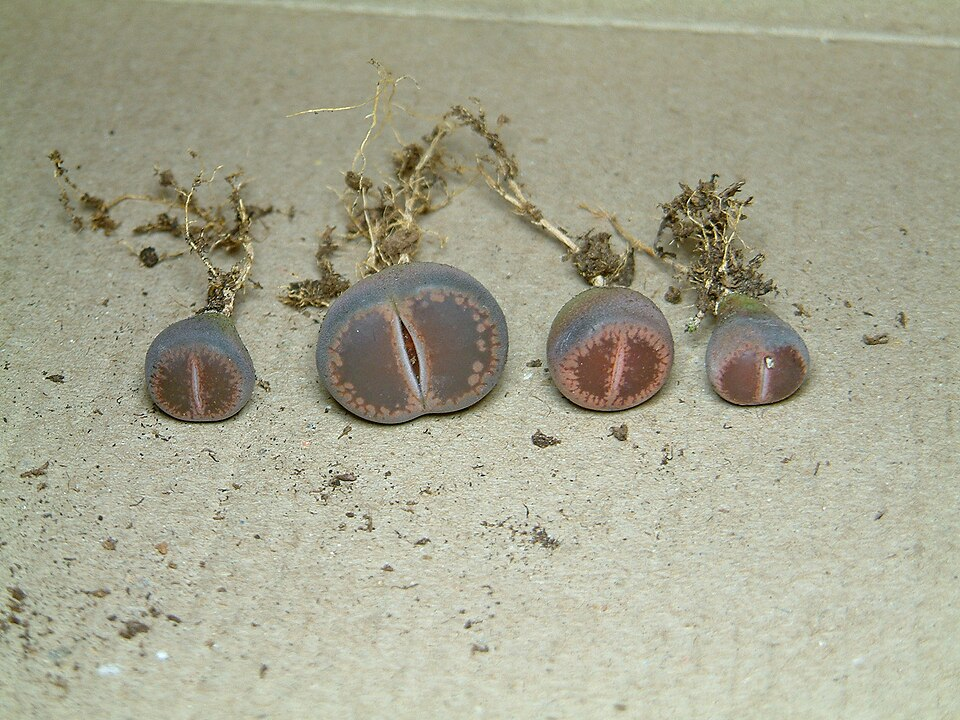
A child who has been told that watering is good will water generously, and the commonest way to kill a houseplant is by exactly that attention.
The Damage Was Invisible Until It Was Not
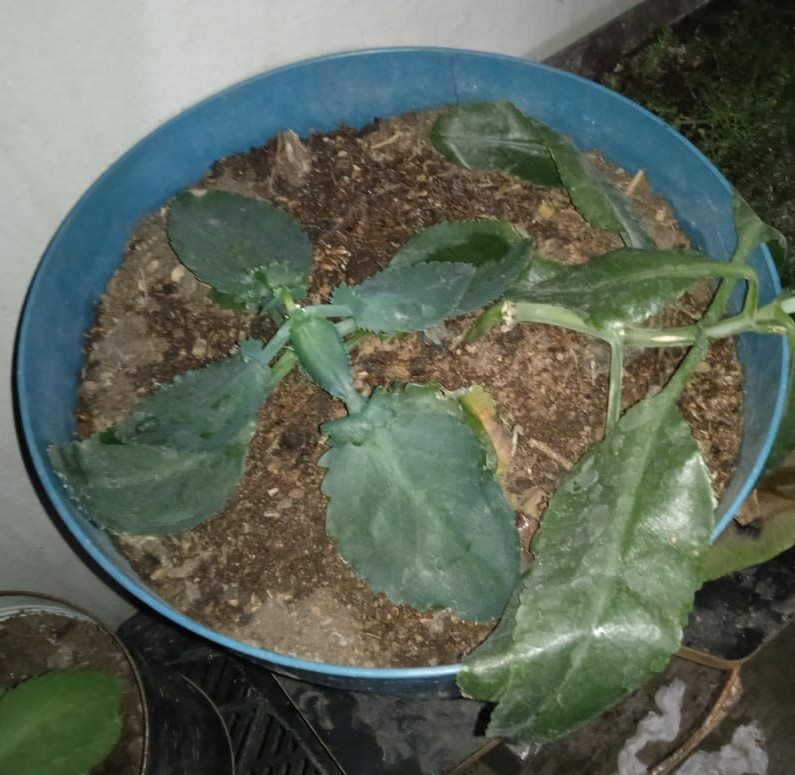
A plant being overwatered looks fine, then looks slightly wrong, then cannot be saved, and the three stages are separated by weeks.
That made the feedback useless. By the time anybody in the household noticed, the cause was six weeks in the past and nobody connected it to a child’s enthusiasm, which means the lesson was never actually learned.
Carrying It Through the House Was Half the Job
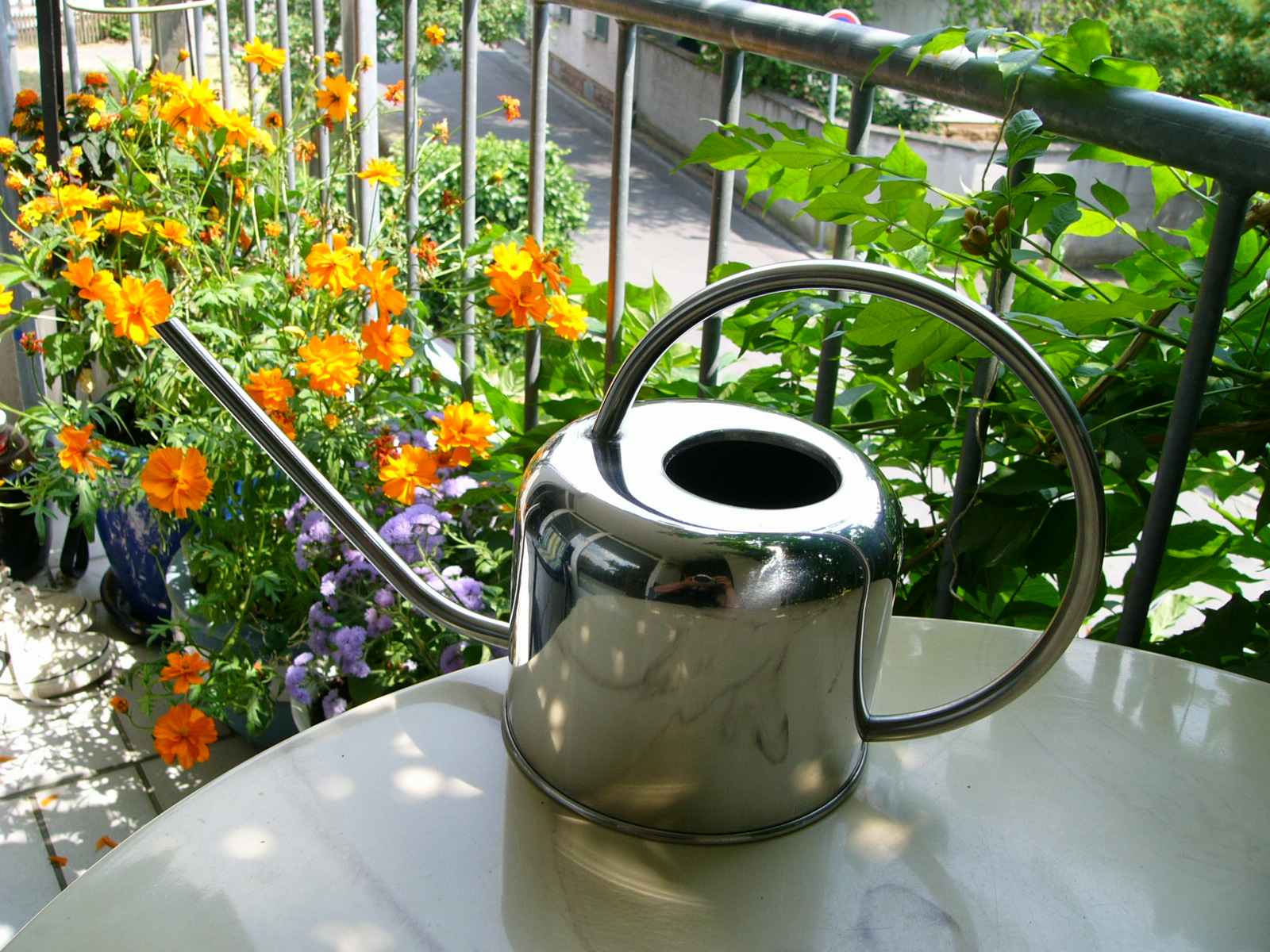
A full vessel taken from a kitchen to three or four rooms loses a proportion of itself on every journey, and a child making the trip repeatedly left a trail of small marks nobody connected to the watering at all.
Refilling was the part that got skipped. A child who had run out partway round finished the circuit with whatever was left, distributed thinly, which means the plants at the end of the route were systematically and invisibly worse off than the ones at the start.
The Saucers Overflowed Onto Furniture
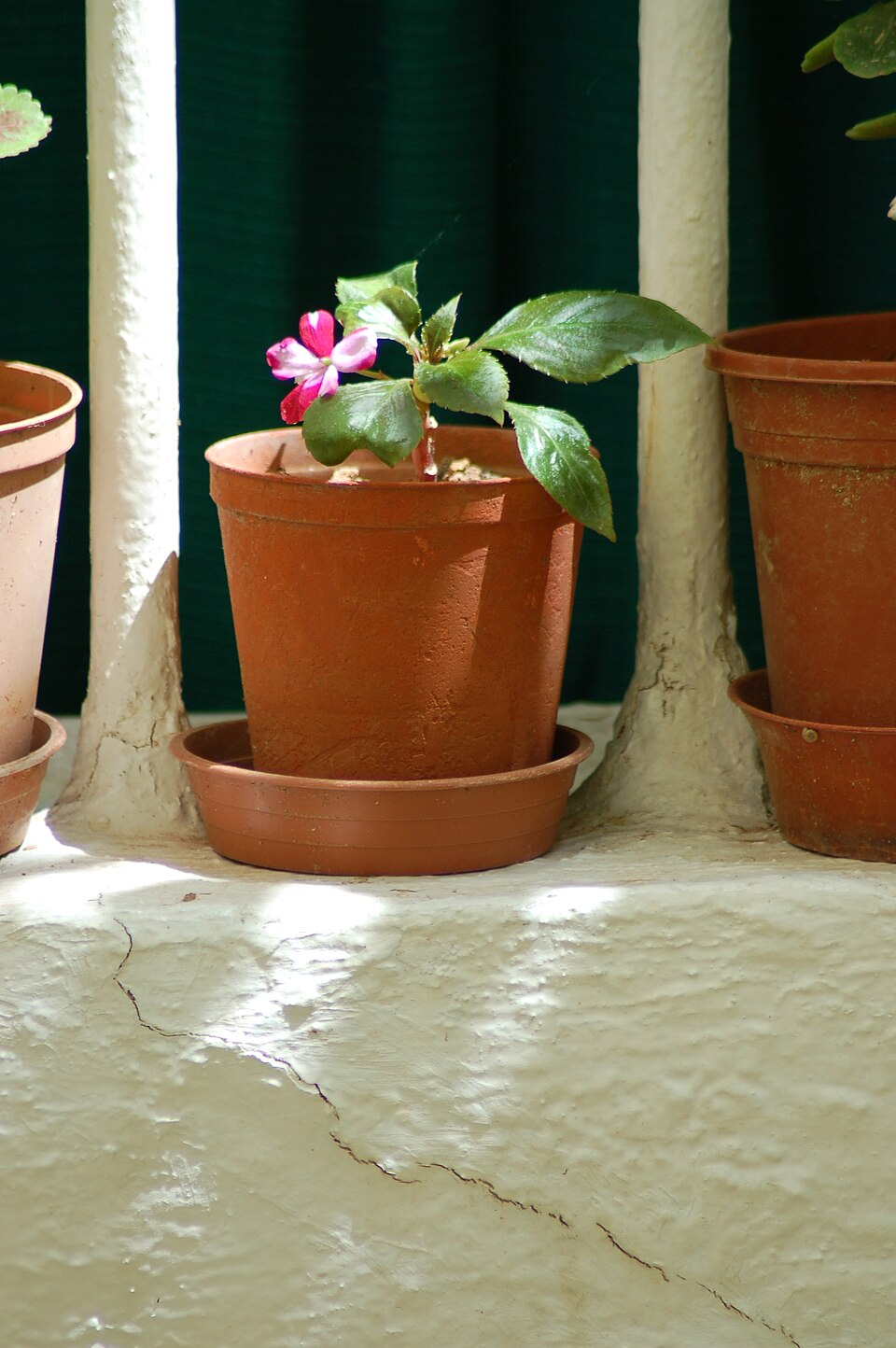
Every one of these arrangements stood on something, and what came out of the bottom went onto whatever that was, which produced marks that outlasted the plants by decades.
The Marks on the Windowsill Were Permanent
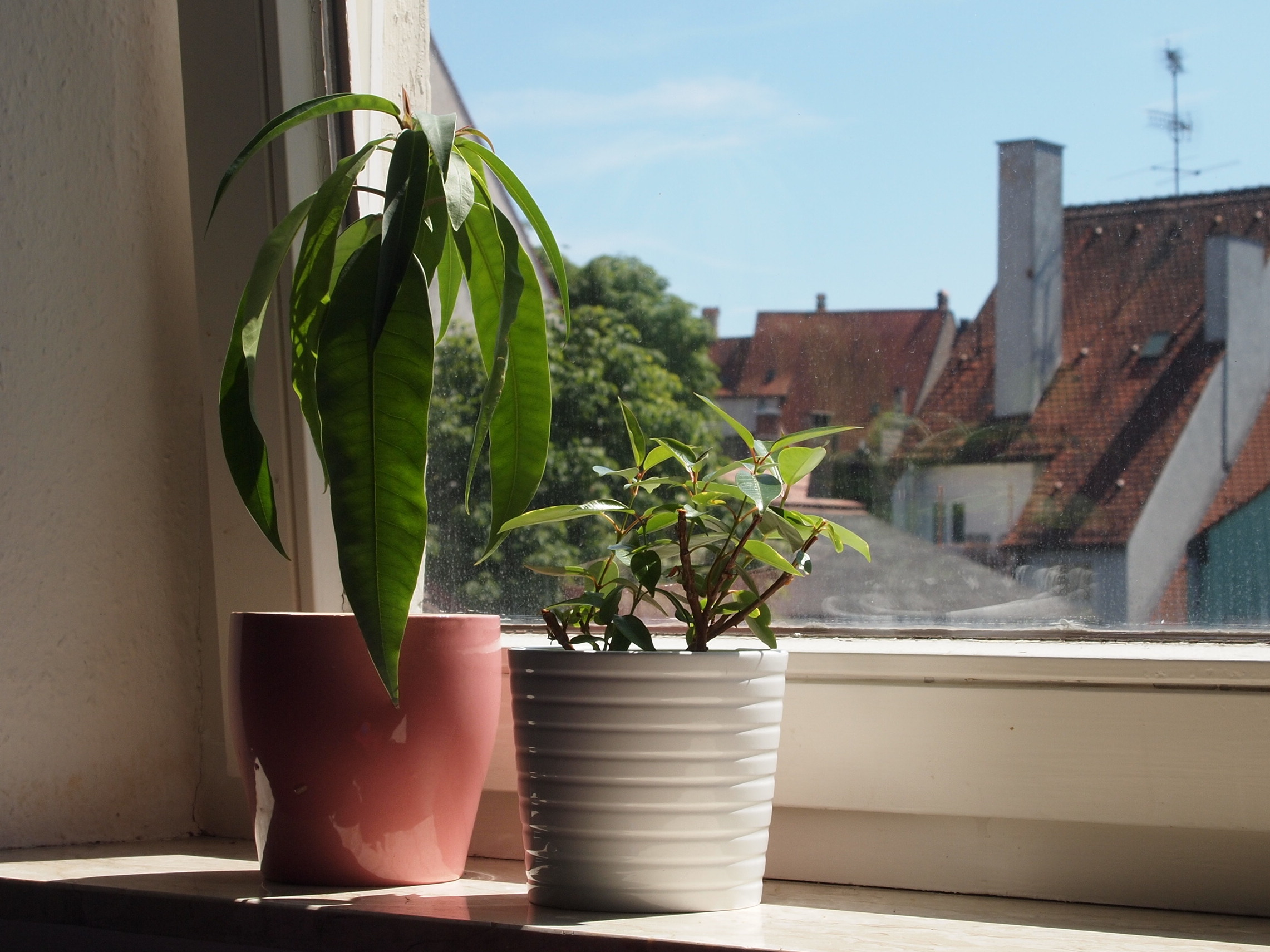
A ring left by a pot on painted wood does not come off, which means a great many houses of the period carried a record of where the plants had stood long after they had gone.
Some Plants Were Not to Be Touched
Every household had one specimen that was removed from the child’s responsibility, and the exclusion was absolute and unexplained.
Children understood the ranking perfectly. The plant a child was not allowed to water was the plant that mattered, which told them exactly where the rest of them stood in the household’s estimation.
The Important One Had Come From Somebody
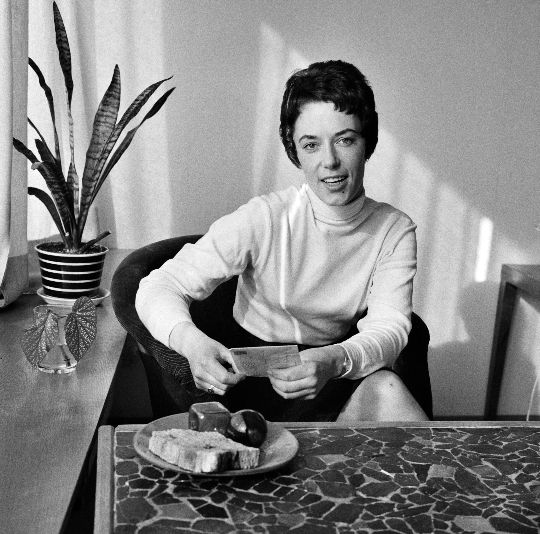
The specimen that was protected had almost always arrived from a particular person or occasion, which is why it was treated differently and why nobody explained that to a child.
You Watered Things That Were Already Dead
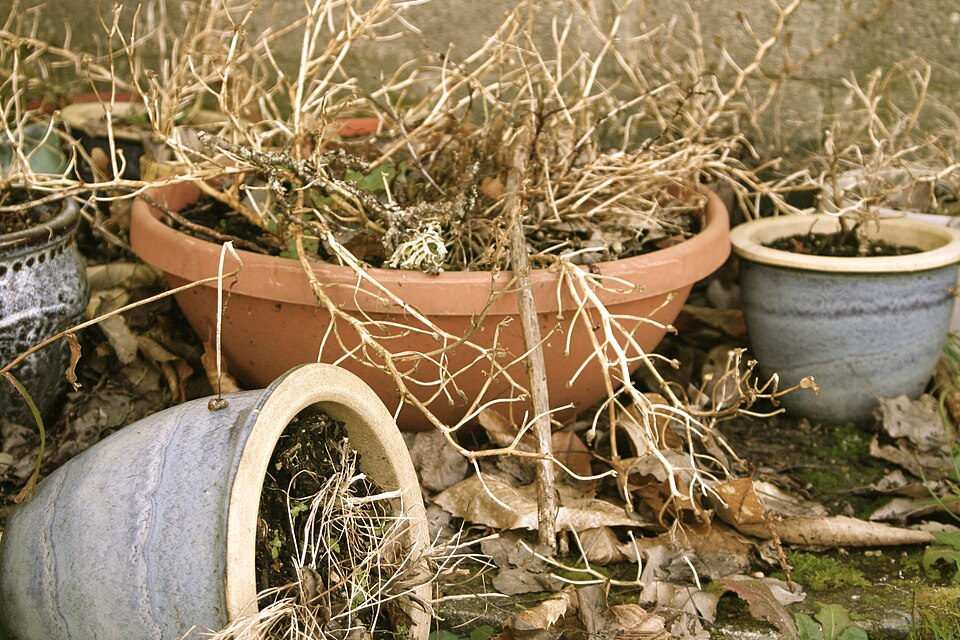
A proportion of what a child dutifully attended to had been beyond help for some time, and nobody had removed it.
Households were slow to give up on anything. A pot containing something that had plainly finished stayed where it was for months, was watered on schedule by a child who had not been told to stop, and was eventually dealt with by somebody else without comment.
Nobody Explained That Different Rooms Were Different
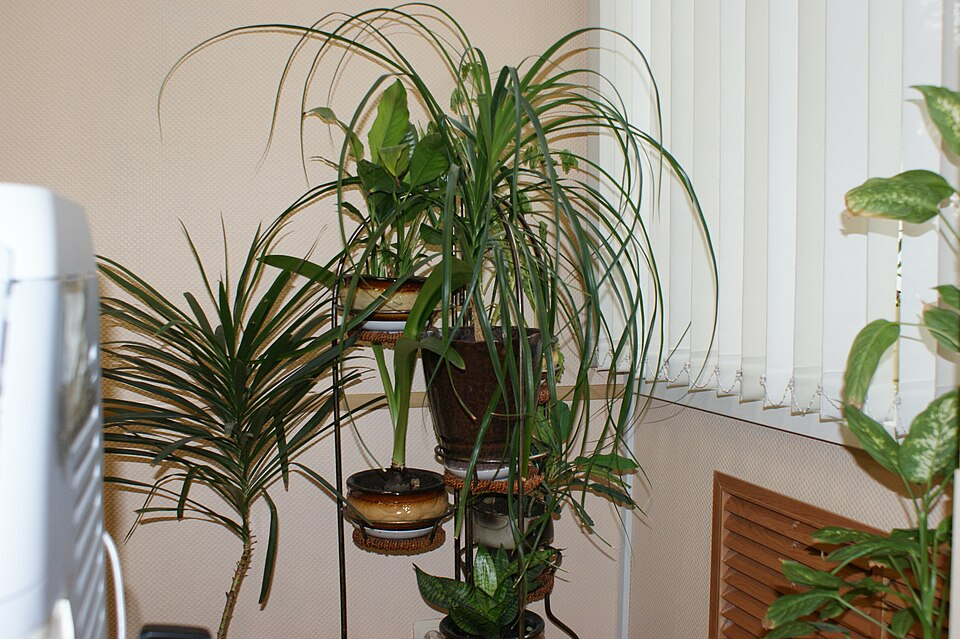
Light, heat and draught vary enormously between rooms and determine what a plant needs, and no household of the period conveyed any of that to the person doing the watering.
The Plants Were Positioned for the Room Rather Than for Themselves
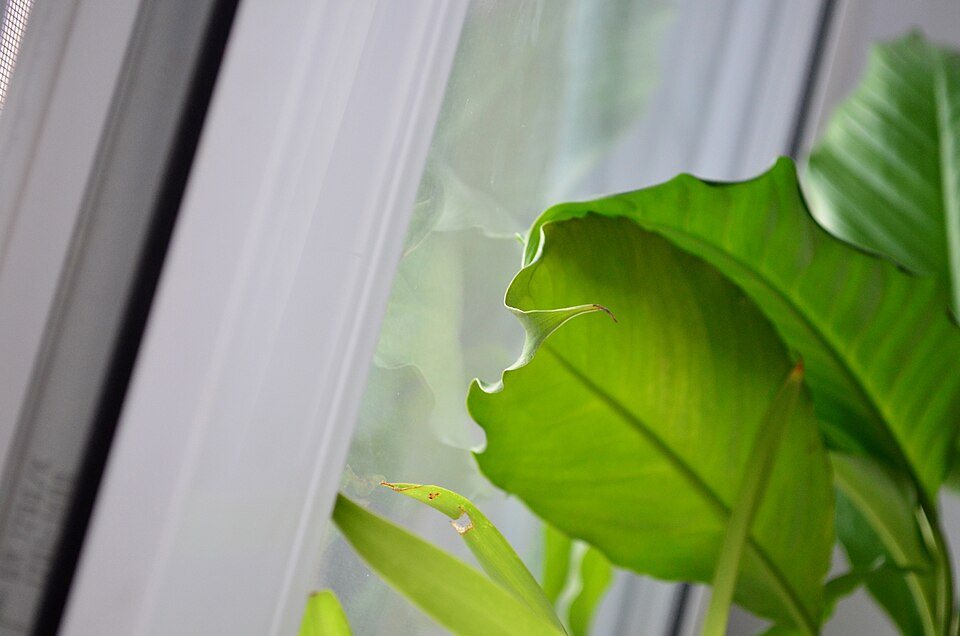
Where a specimen stood had been decided by what looked right in a room, which meant a proportion of them were somewhere they could not survive regardless of how carefully anybody attended to them.
Turning Them Was a Refinement Almost Nobody Mentioned
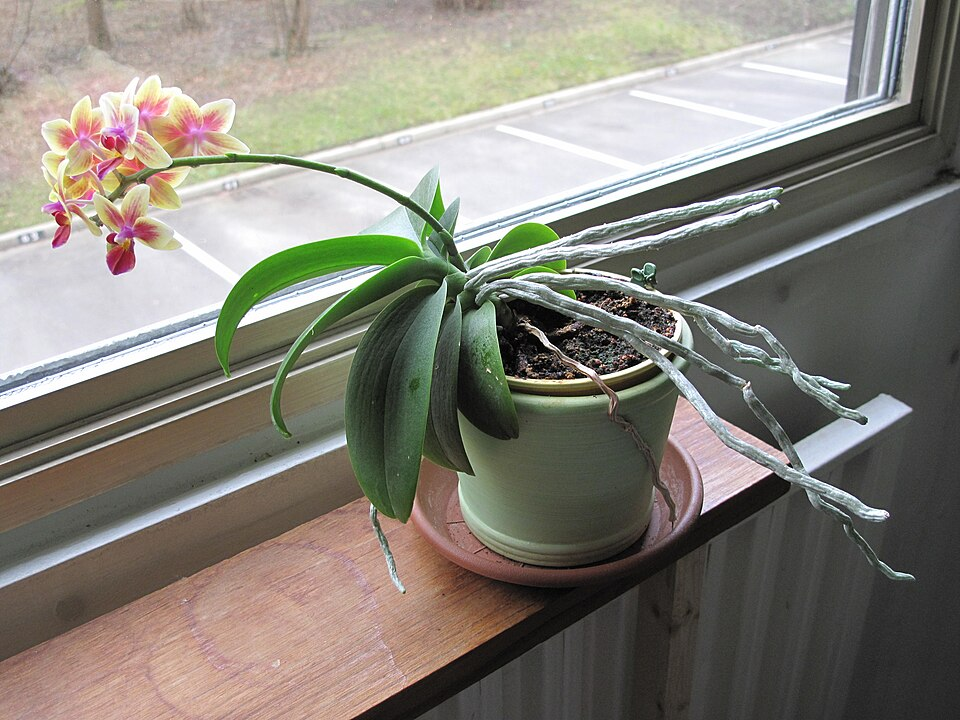
A plant reaching towards a window grows lopsided, and the remedy is to rotate it occasionally, which a small number of households knew and the overwhelming majority did not.
Anything That Flowered Changed the Household’s Attention
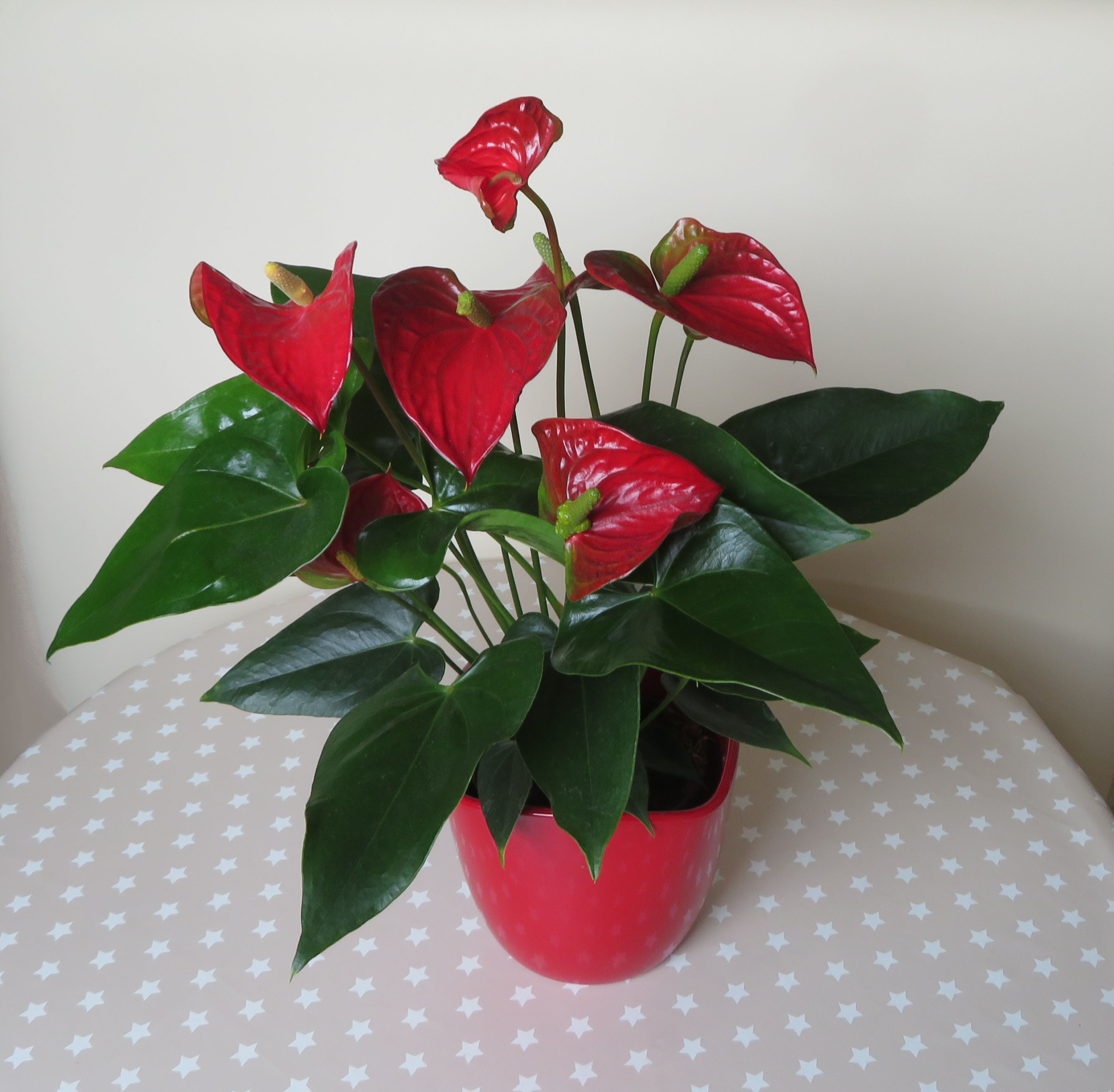
A specimen that produced something was noticed, remarked on and inspected daily by people who had ignored it for eleven months. The child who had been attending to it the whole time was not generally mentioned in any of that.
It also raised the stakes without any warning. A plant that had been of no interest to anybody became, overnight, something a child could be the one to have ruined, and nothing about how it should be treated had changed to match.
Leaves Had to Be Wiped and That Was a Separate Instruction
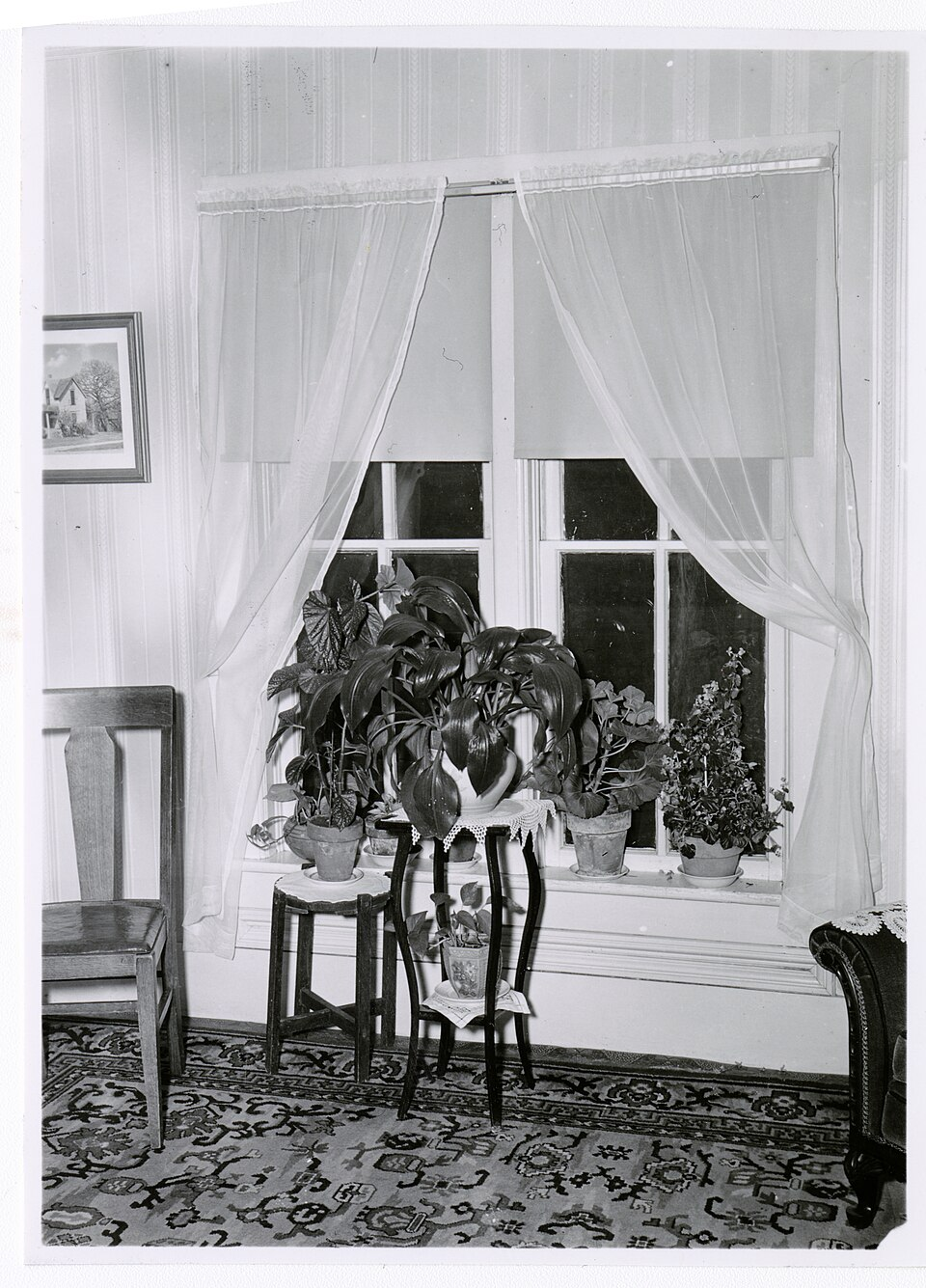
Dust settles on foliage and was removed by hand in the households that bothered, which added an entirely different task to a job that had been described as watering.
The Container You Used Was Always Wrong
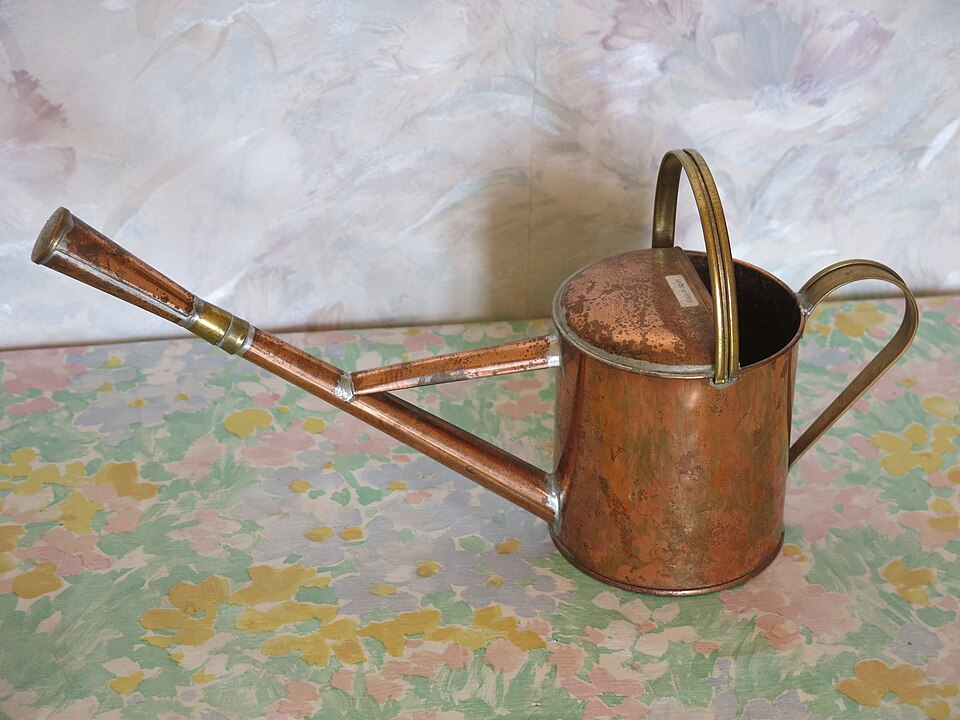
Nobody owned a proper vessel for this; children used a cup, a jug or whatever was to hand, which meant the quantity was impossible to judge and the pouring was imprecise.
It Was the Only Chore With a Living Participant
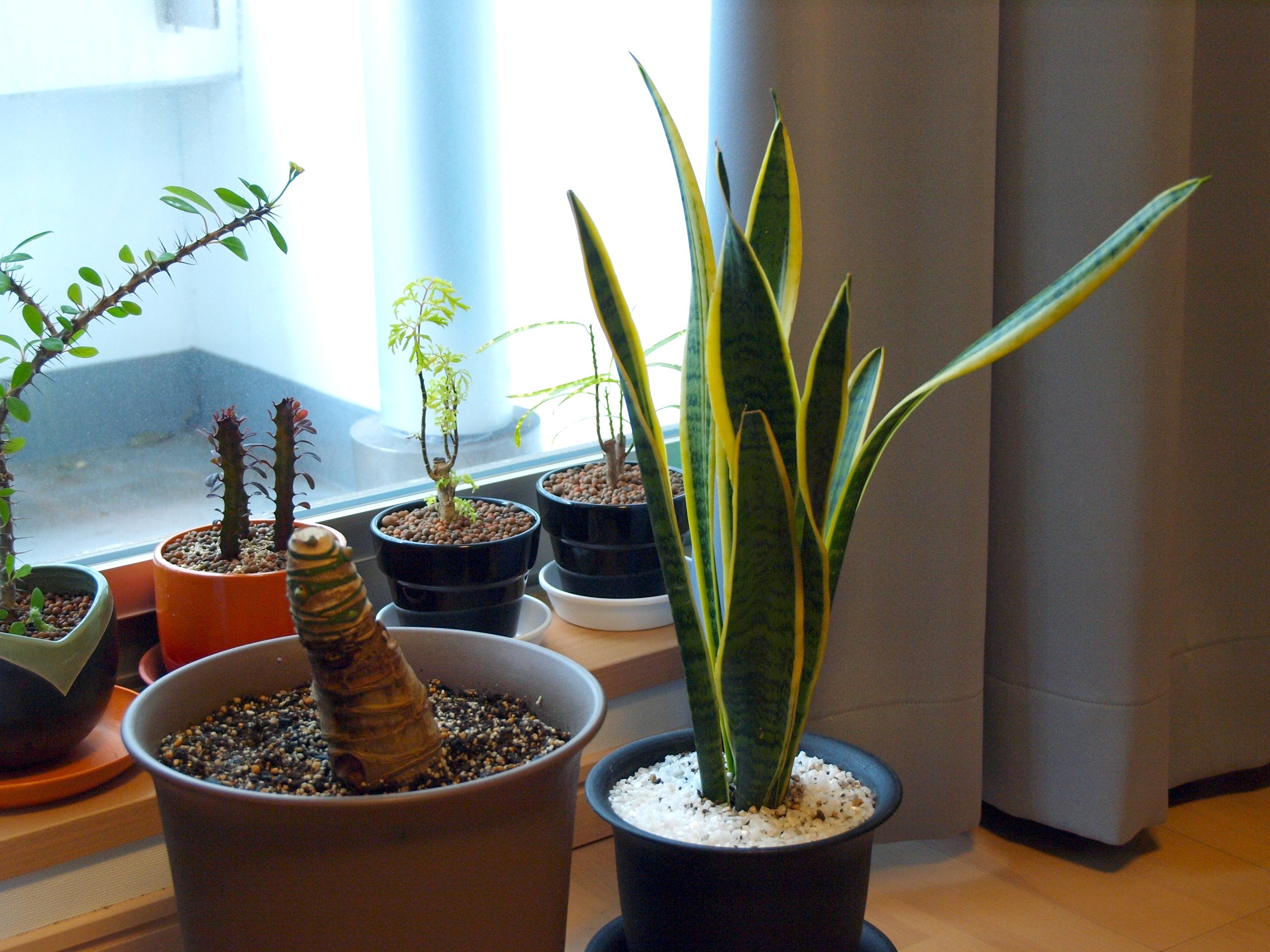
Every other household task a child was given involved objects, and this one involved something that could be killed, which children registered as a different kind of responsibility.
That is why the failures are remembered. A child who had broken something had damaged an object, and a child whose plant had died had presided over the end of something, which is a distinction a nine-year-old feels accurately.
Being Blamed Was Rare and Deserved
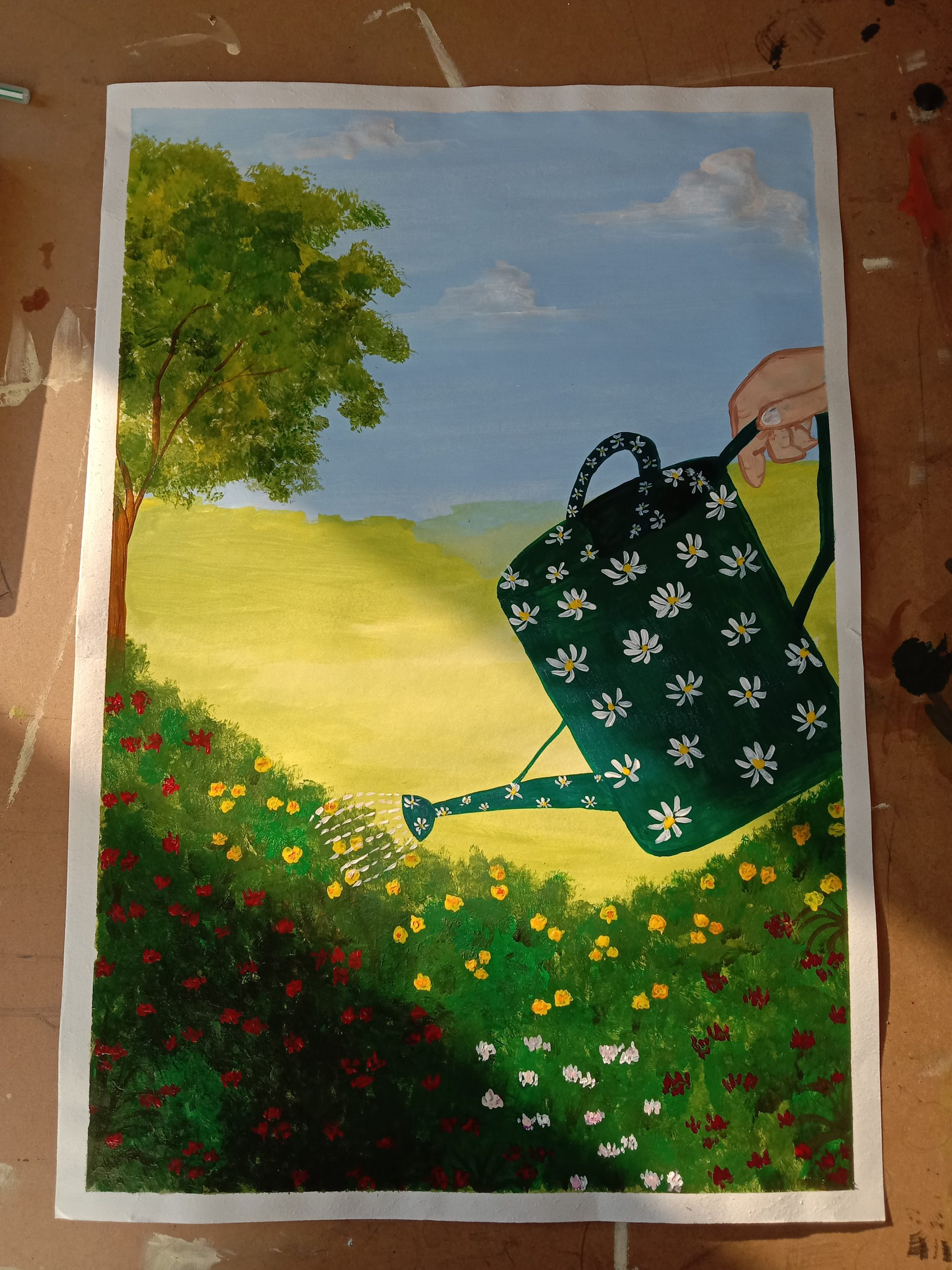
Households generally did not hold a child responsible for a dead plant, which is just as well, because the child usually had been.
Replacements Appeared Without Discussion
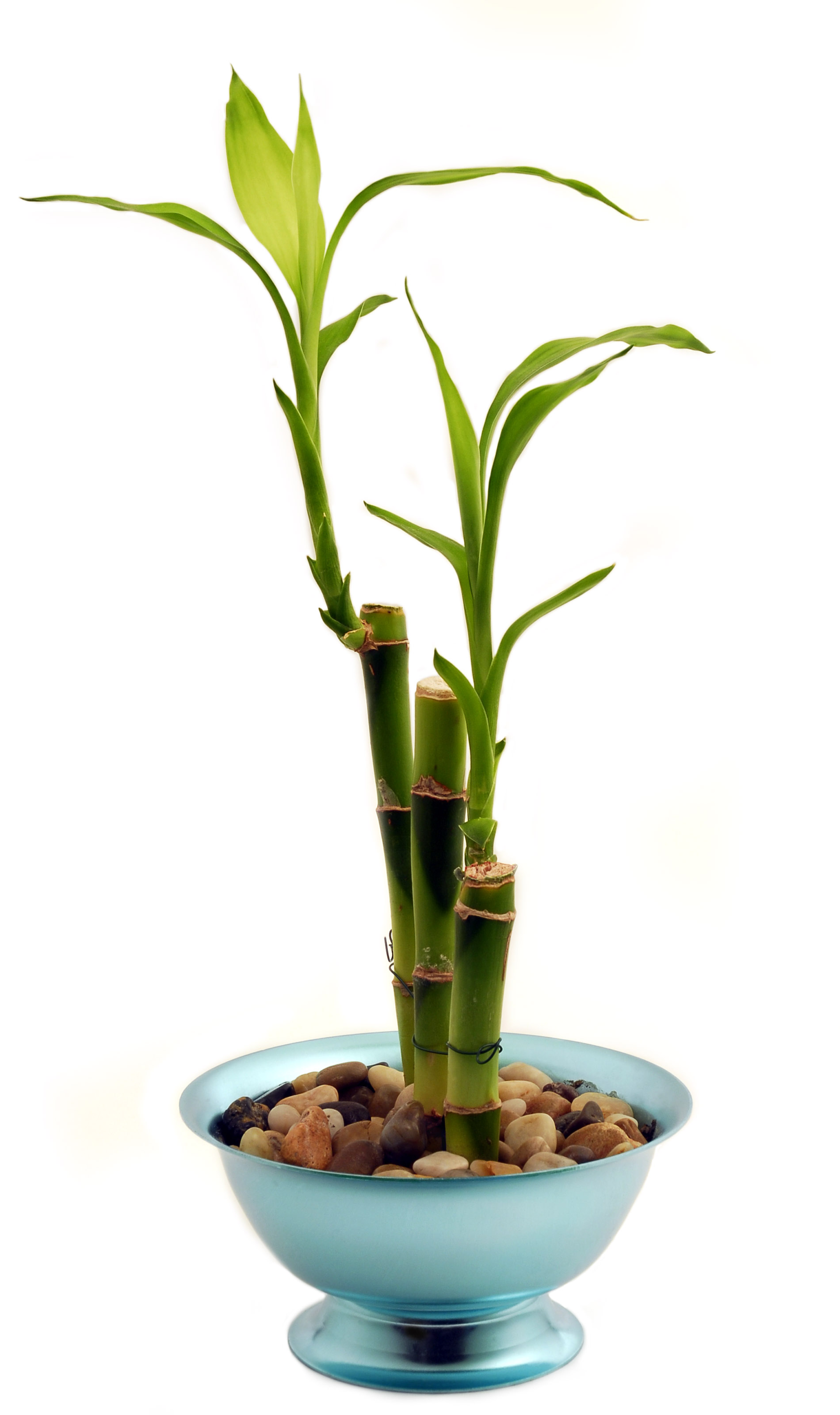
A specimen that had finished was succeeded by another, which simply arrived, was placed in the same position and was handed to the same child with the same absence of instruction.
The Ones in the Dark Corners Were Quietly Given Up On
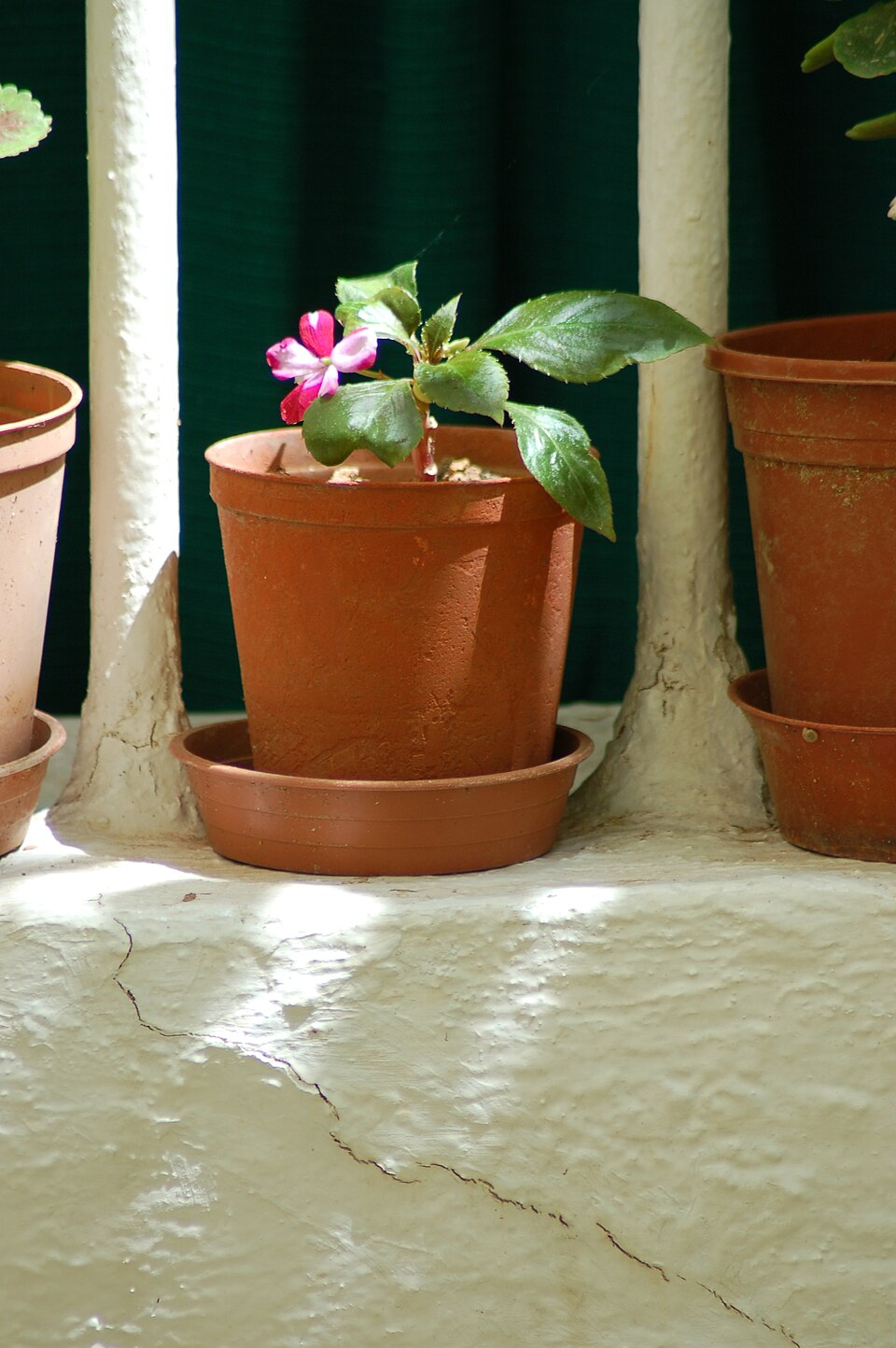
Every household had a position that nothing could survive, and the succession of specimens that failed in it was never acknowledged as a pattern. The spot kept being refilled, each new arrival declined on the same schedule as the last, and nobody proposed moving anything.
Children noticed the pattern before anybody else. A child who had watered four consecutive plants to death in the same corner had assembled the one genuinely useful piece of horticultural knowledge in the house and had no standing to say it out loud.
You Learned What Each One Looked Like Healthy
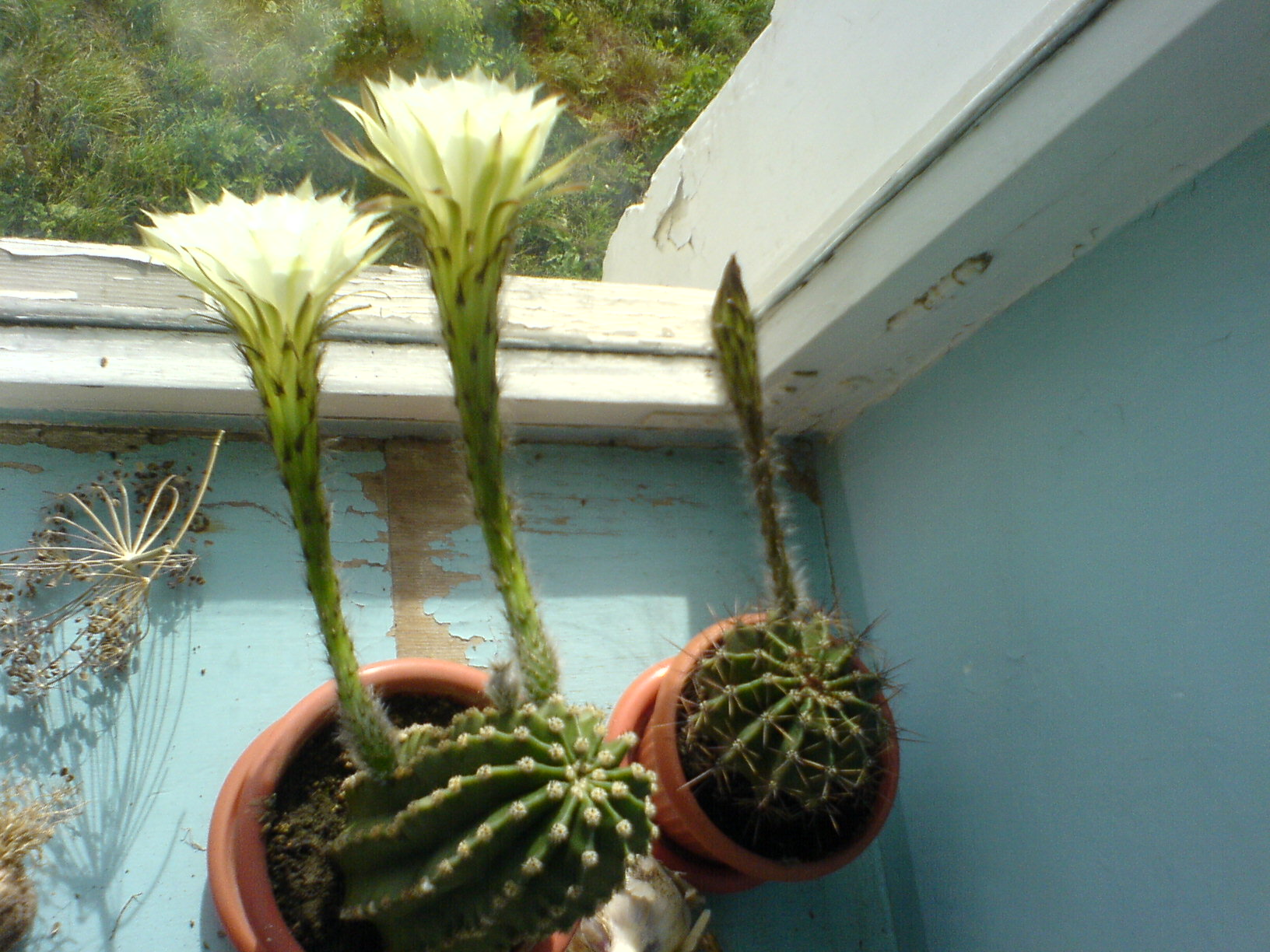
A child who attended to the same plants weekly for several years acquired a detailed picture of their normal state, which is the only genuinely useful thing the job taught anybody.
Going Away Was a Problem Nobody Had Solved
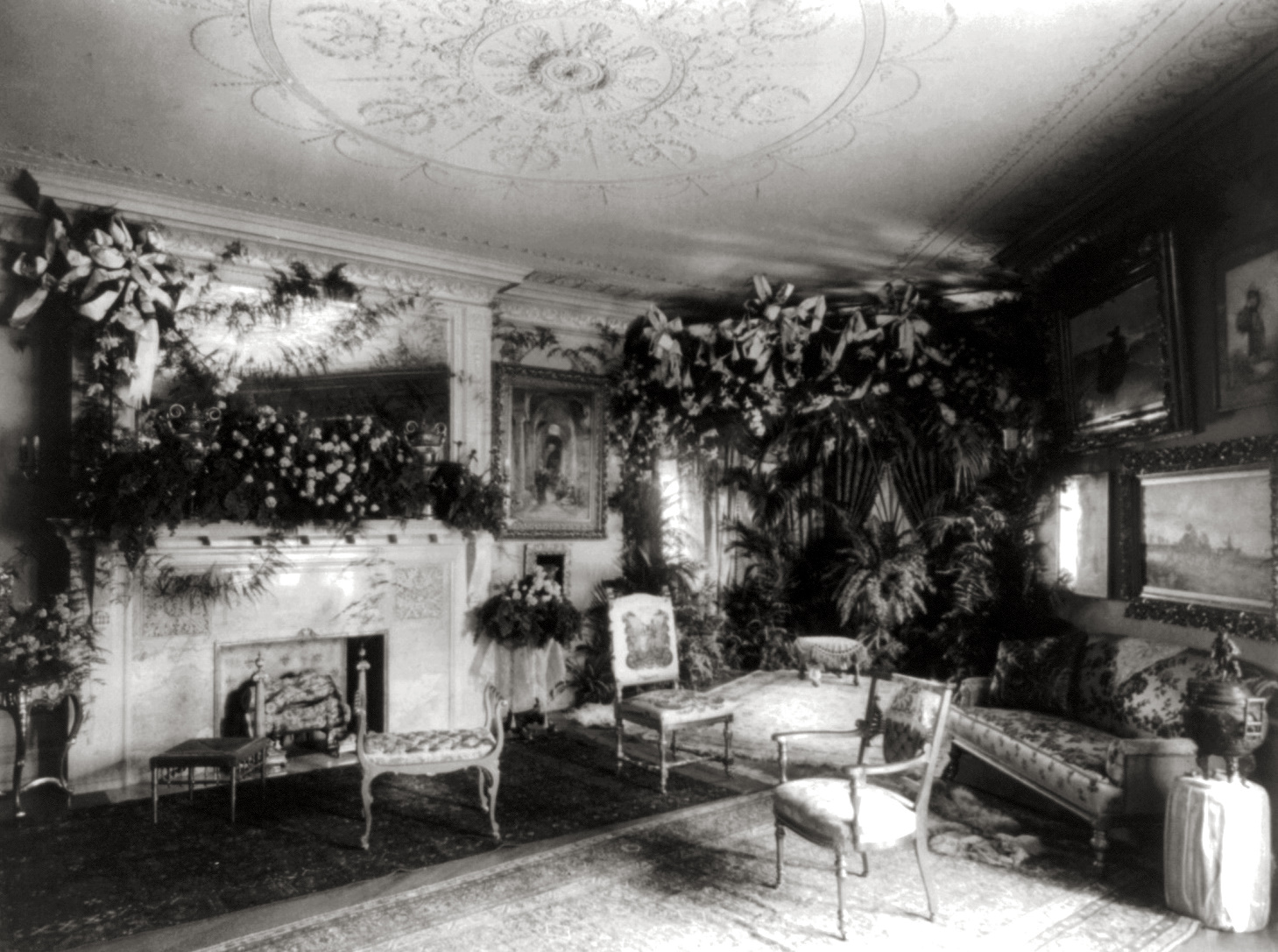
A household leaving for a week had no arrangement for any of this, which meant the plants were either soaked before departure or simply abandoned for the duration.
Both approaches failed. Soaking is the error the child had been making all year, concentrated into one occasion, and abandonment is worse, and households alternated between the two without ever establishing which was less bad.
Neighbours Were Occasionally Asked and Rarely Reliable

An arrangement with the house next door existed in some cases, was honoured approximately, and produced plants in a condition neither household wanted to discuss on return.
The Job Followed You Into Adulthood or Did Not
People who did this as children divide sharply into those who kept plants for the rest of their lives and those who never had one again, with very few in between.
Then the Plants Became Somebody’s Interest Rather Than a Chore
Better information, specialist attention, different varieties and a general end to allocating living things to whichever child was available changed the whole arrangement.
Most of That Is Plainly Better
A plant attended to by somebody who knows what it needs does considerably better than one attended to by a nine-year-old who has been told nothing, and nothing here is an argument otherwise.
What Actually Went
A job handed over because it looked easy, with no quantity, no interval and no distinction between one plant and another, producing uniform generous attention that was the wrong approach for almost everything in the house, with the damage invisible for six weeks, one specimen a child was never allowed near, and a permanent ring on a windowsill that outlasted the plant by thirty years.
Like our content? Follow us for more.