The 1980s American soundscape was full of mechanical, electronic, and analog noises that no longer exist anywhere except in archival recordings and YouTube nostalgia compilations. The dial-up modem handshake. The rotary phone return. The cassette tape rewinding. The Polaroid camera ejecting a photograph. Each of these sounds was once a familiar daily occurrence in millions of American homes and offices. Most are now confined to the memories of people who lived through the decade. The shift from analog to digital between 1990 and 2010 silenced an entire category of common American noise. Here are ten sounds that defined a 1985 American day — and the specific technology that replaced each one.
1. The Dial-Up Modem Handshake
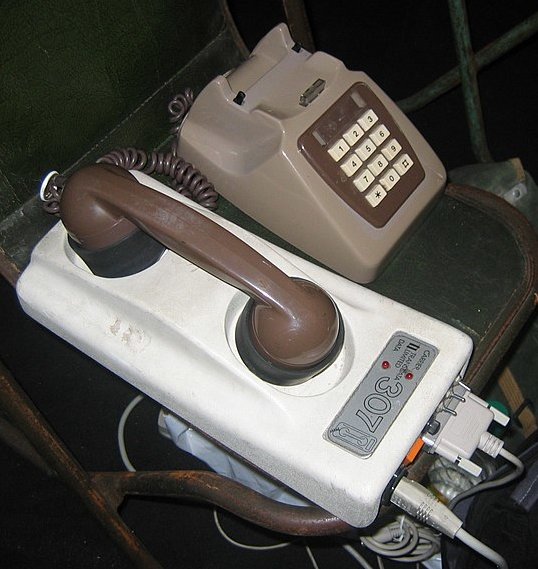
The dial-up modem handshake — the squealing, whistling negotiation between two modems trying to establish a connection over a phone line — was a daily sound in millions of American homes through the 1990s and early 2000s. The handshake was the audible exchange of frequencies as the modems agreed on a connection protocol and speed. AOL, CompuServe, Prodigy, and EarthLink subscribers heard it every time they connected. The peak years for dial-up were 1995-2002, when an estimated 50 million U.S. households used dial-up internet. According to Pew Research data, broadband penetration crossed 50 percent of U.S. households in 2007, ending dial-up as a mainstream technology. AOL formally shut down its dial-up service in September 2023, though the service technically remains available in a small number of rural markets. The handshake sound is now silent in nearly every American home.
Like our content? Follow us for more.
2. The Rotary Phone Dial Return
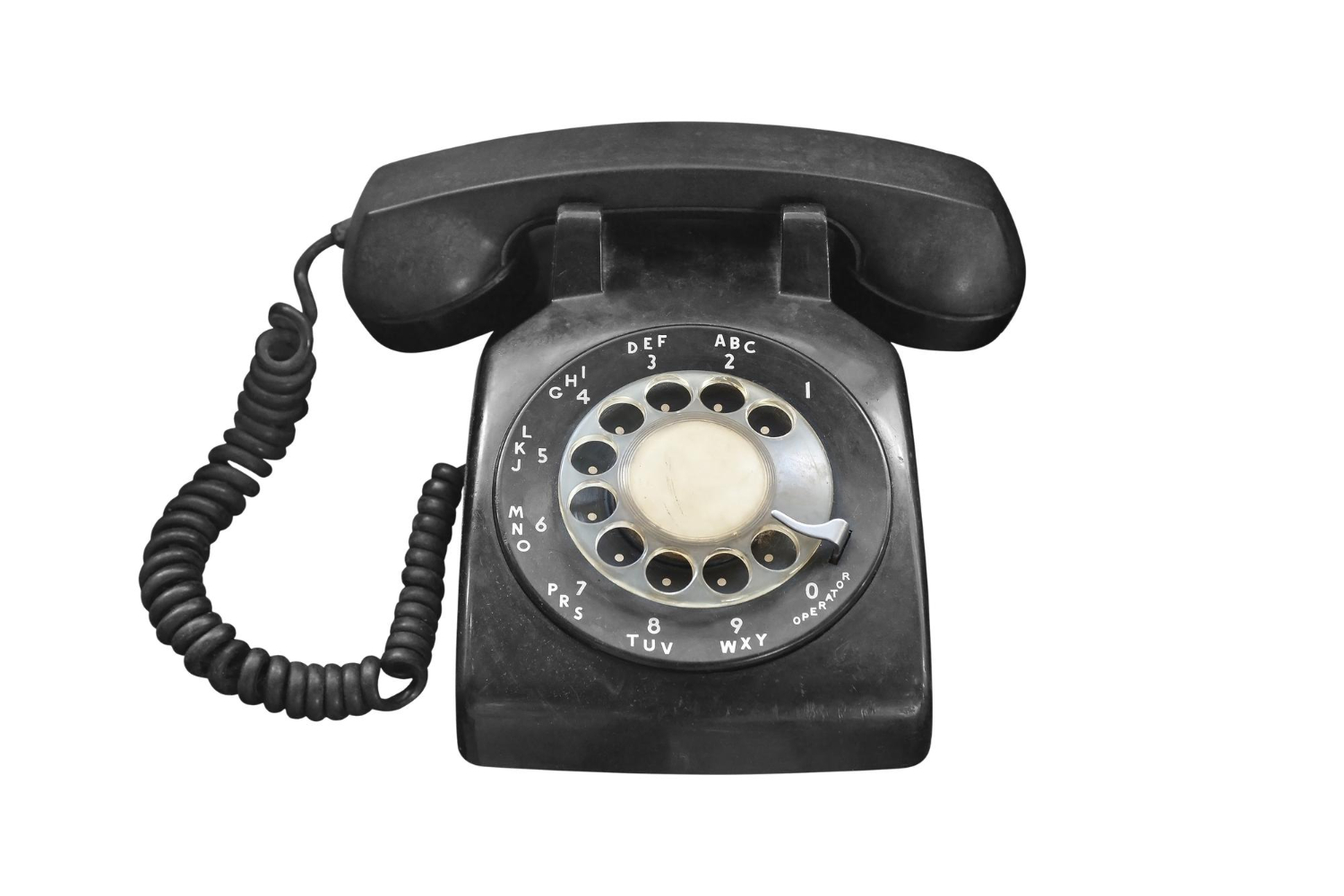
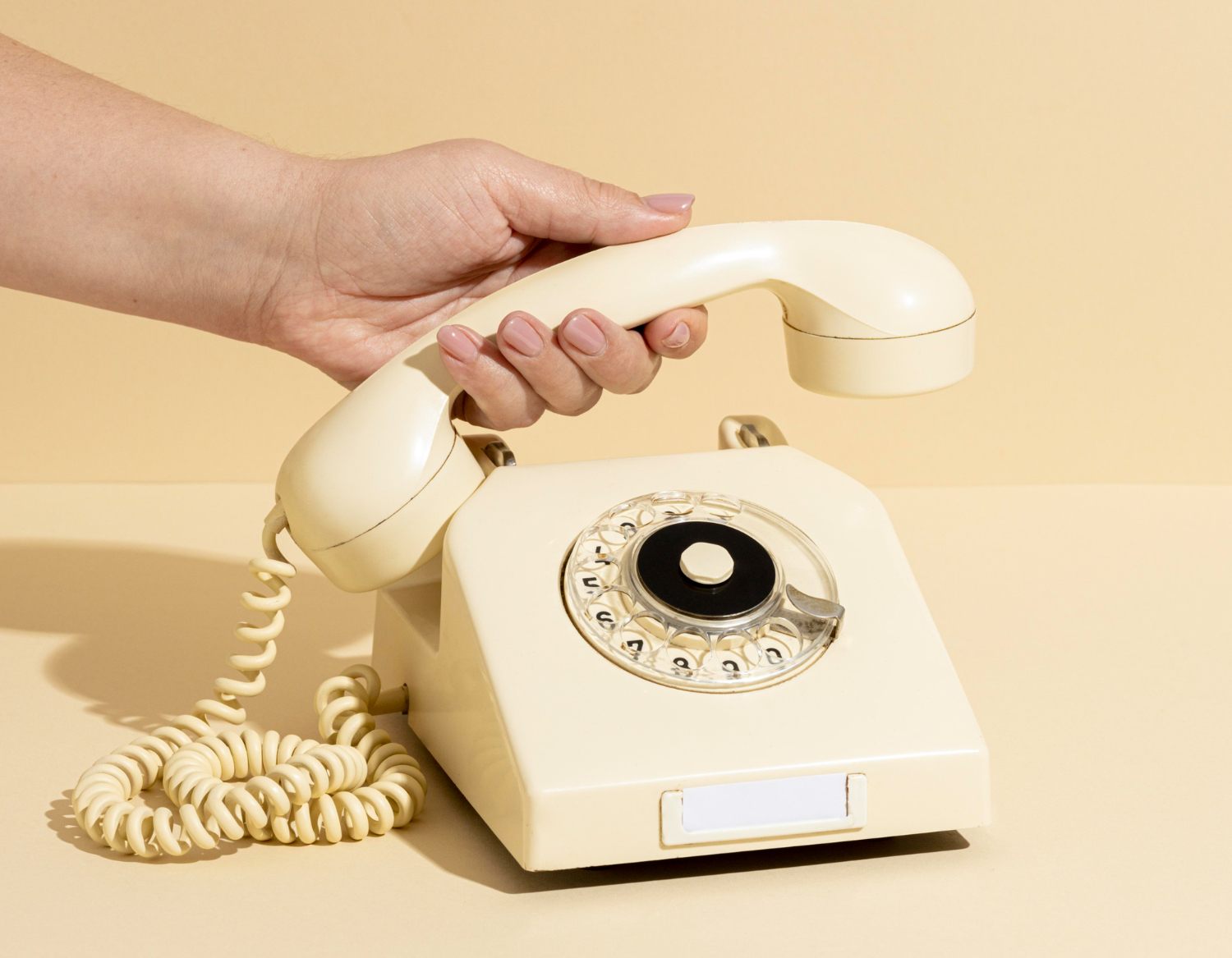
The rotary telephone dial — the clear plastic wheel with numbered finger holes, spring-loaded to return after each digit — produced the familiar click-click-click-click as the dial returned to its rest position. Each digit dialed sent the same number of electrical pulses down the phone line. According to AT&T archives, the touch-tone phone introduced in 1963 began replacing rotary dialing, with full conversion essentially complete by 1990. The Bell System divestiture in 1984 accelerated the replacement of legacy infrastructure. Rotary phones were technically functional on landlines into the 2000s, but most central office switches stopped accepting pulse dialing in the early 2000s. Today, a rotary phone plugged into a modern VoIP line will produce a dial tone but will not be able to complete a call. The sound of a number returning on the dial is preserved only in classic film and television.
3. The Cassette Tape Rewinding
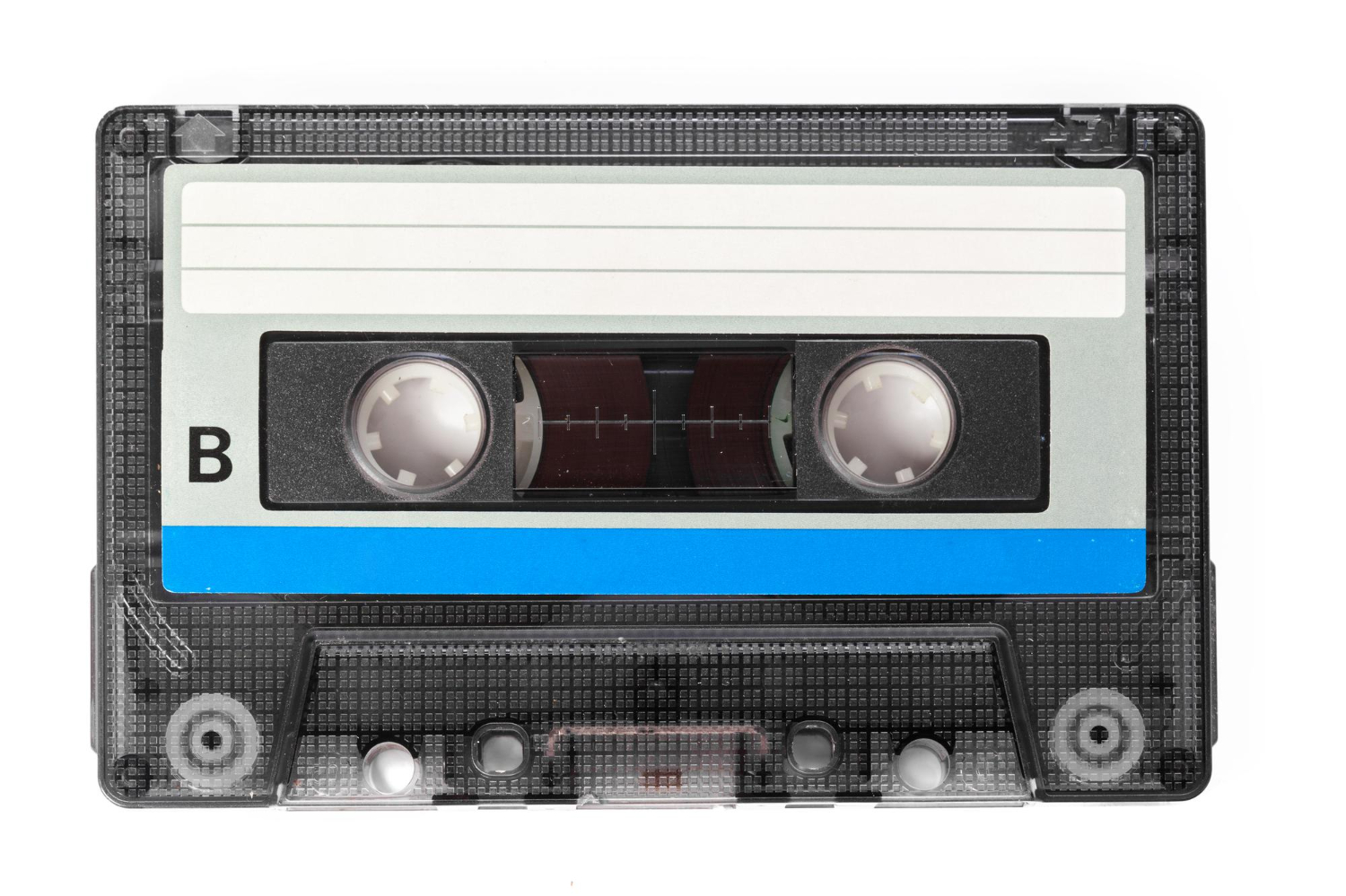
The whir of a cassette deck rewinding a tape — that high-pitched mechanical whine that lasted thirty seconds to two minutes depending on song length — was one of the most reliably familiar sounds of the 1980s and 1990s American teenage bedroom. The Compact Cassette, introduced by Philips in 1963, dominated portable music from approximately 1980 to 1995. Annual U.S. cassette tape sales peaked in 1989 at approximately 446 million units. The Sony Walkman, introduced in 1979, made the cassette the dominant personal listening format. By 2008, cassette sales had fallen to under 2 million units annually as CDs and then digital music replaced them. The boombox, the car deck, the Walkman, and the home stereo cassette tape player are all now silent in most American homes. A small artisanal cassette market has survived for indie music releases since around 2015.
4. The Polaroid Camera Ejecting a Photo
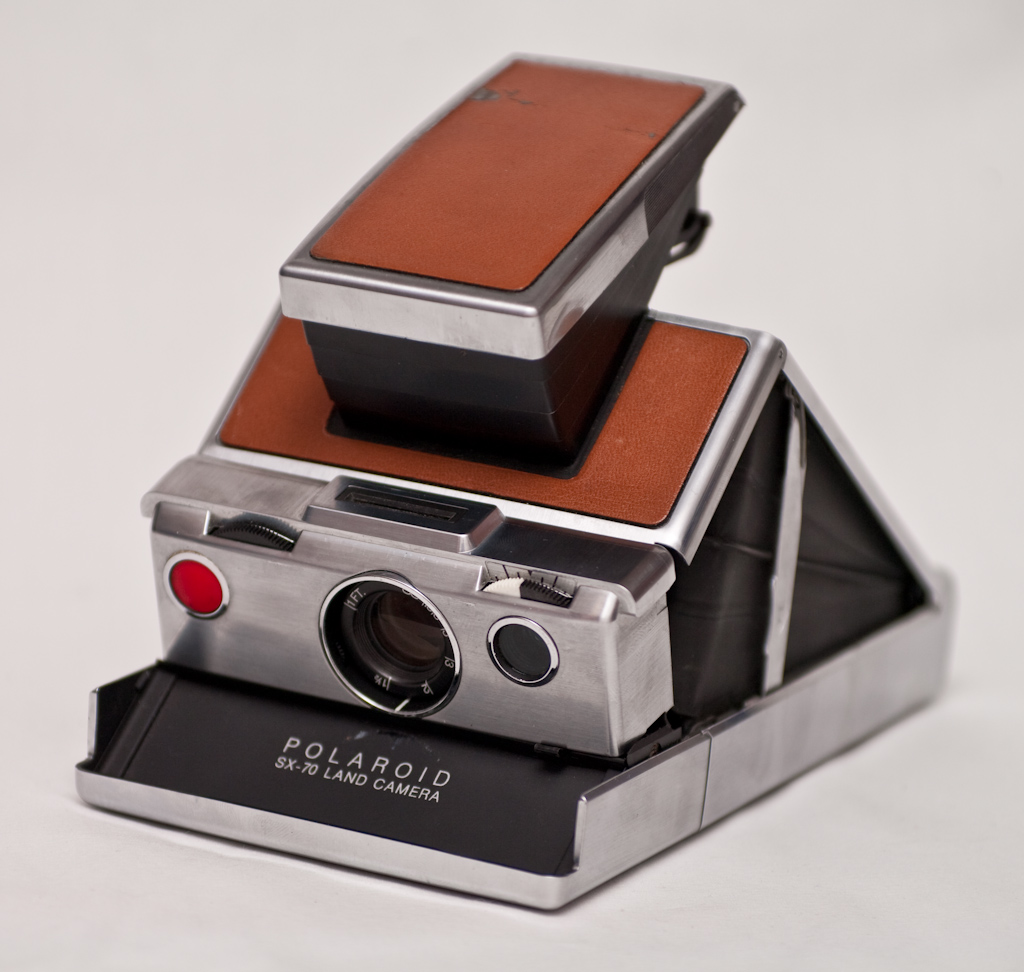
The Polaroid SX-70 and its successors made a distinctive whir-and-click sound as the camera ejected a developing photograph through the front slot. The sound lasted approximately three seconds and was followed by the photograph slowly developing in the user’s hand over the next 60 to 90 seconds. Polaroid Corporation produced an estimated 5 billion instant photographs between 1948 and 2008, with peak American household ownership during the 1970s and 1980s. The original Polaroid Corporation filed for bankruptcy in 2001 and again in 2008, and ceased producing instant film in early 2008. The brand was relaunched in 2010 as Polaroid Originals, which became Polaroid B.V., and a small specialty market for instant film has continued. The original SX-70 sound — the specific mechanical-electric whir of the 1972-design camera — is now produced only by working vintage units in private collections.
5. The TV Channel Knob Clicking

The mechanical television tuner — the rotary knob that physically rotated through channels 2 through 13 (VHF) or 14 through 83 (UHF) — produced a distinctive click between each channel position. The knob was solid metal or hard plastic and required two hands on small portable sets. Cable television in the 1980s gradually replaced the rotating tuner with electronic channel selection on a set-top cable box. By the time the DTV transition mandated by Congress took effect on June 12, 2009, the analog rotary tuner had already been gone from new sets for over a decade. The clicking knob sound is now produced only by working vintage television sets in collector hands. Most American children born after 2000 have never operated a television without a remote control.
6. The Camera Flash Bulb Pop
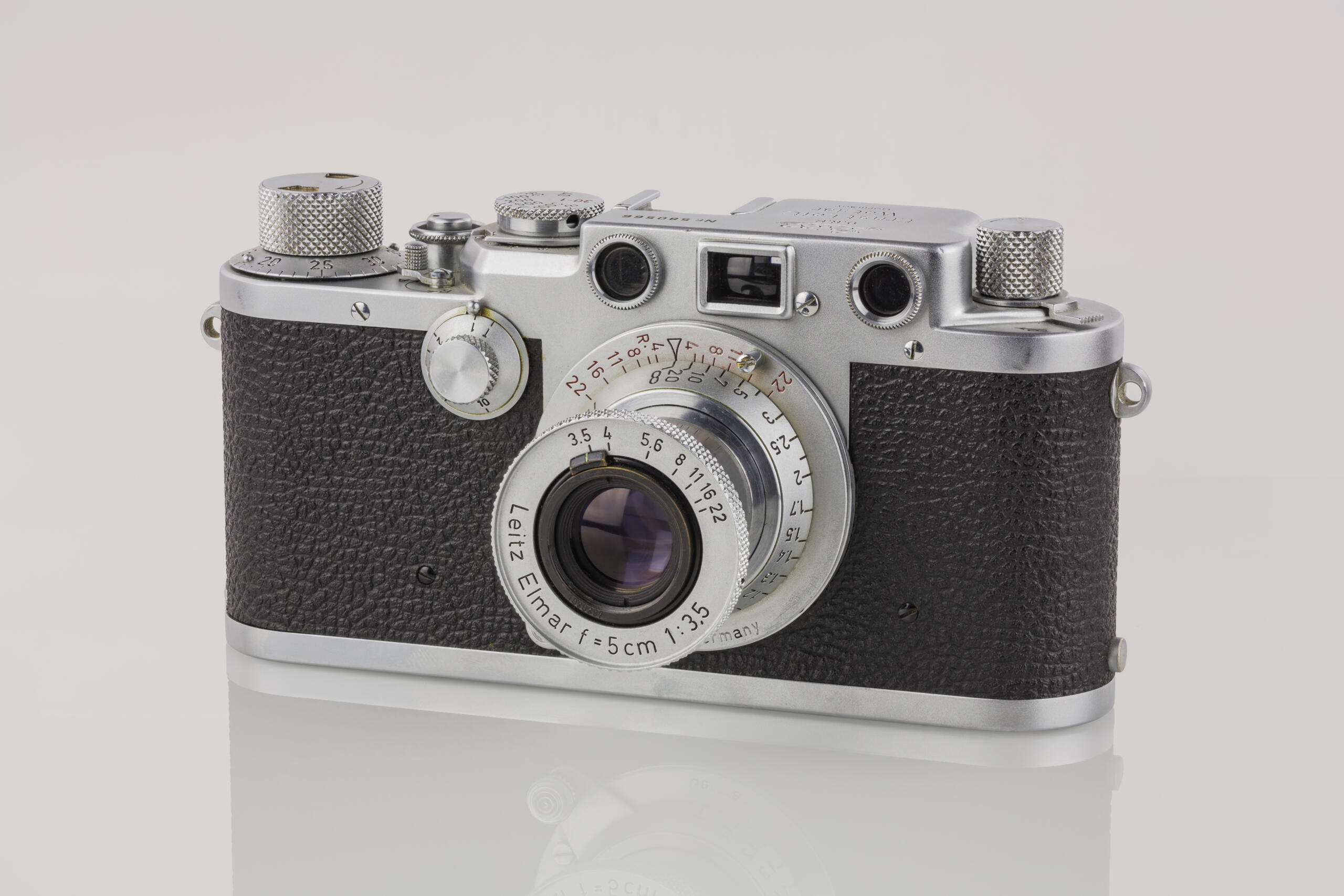
The single-use magnesium flashbulb — the small frosted bulb that screwed into a flash mount on a 1980s consumer camera — produced a sharp pop, a brief flare of brilliant white light, and a strong smell of burned magnesium. Each bulb could be used once and was then discarded, hot to the touch. The flashbulb was largely replaced by electronic flash by the late 1970s, but disposable cameras (Kodak FunSaver, Fuji QuickSnap) used a related technology through the 1990s. Camera makers shifted to electronic xenon flashes in 35mm cameras, and digital cameras eliminated film and flash bulbs entirely starting in the late 1990s. The pop-and-smell flash bulb is now almost extinct as a consumer technology. Working flashbulbs are still produced in small batches for specialty photographic applications, but the consumer flashbulb cube of 1985 family photos is gone.
7. The VHS Tape Rewinding
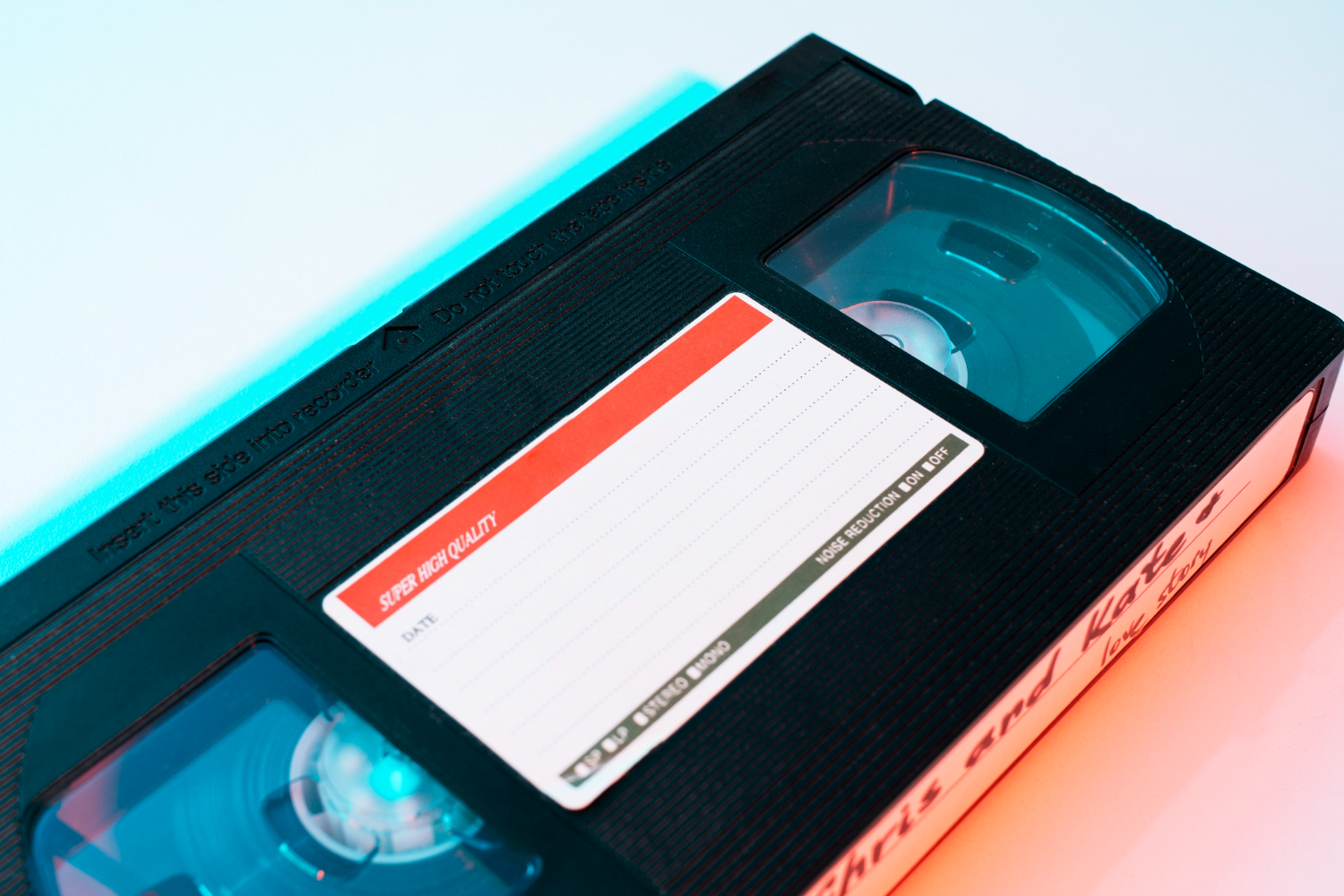
The home video cassette recorder (VCR) rewinding a VHS tape produced a deep mechanical whir that lasted three to seven minutes depending on tape length. The standard 120-minute VHS tape took approximately five minutes to fully rewind. The “Be Kind, Rewind” sticker on Blockbuster Video rental tapes became a cultural artifact in itself. According to Blockbuster historical filings, the company peaked at 9,094 stores worldwide in 2004 and filed for bankruptcy in 2010. The last Blockbuster store, in Bend, Oregon, continues to operate as a nostalgia attraction. The VCR itself was replaced by DVD players in the early 2000s, and DVD was replaced by streaming in the late 2000s. The whir of a VHS rewinding is now silent in nearly every American home. The tapes that survive are increasingly difficult to play because working VCRs are getting harder to find.
8. The Microfiche Reader
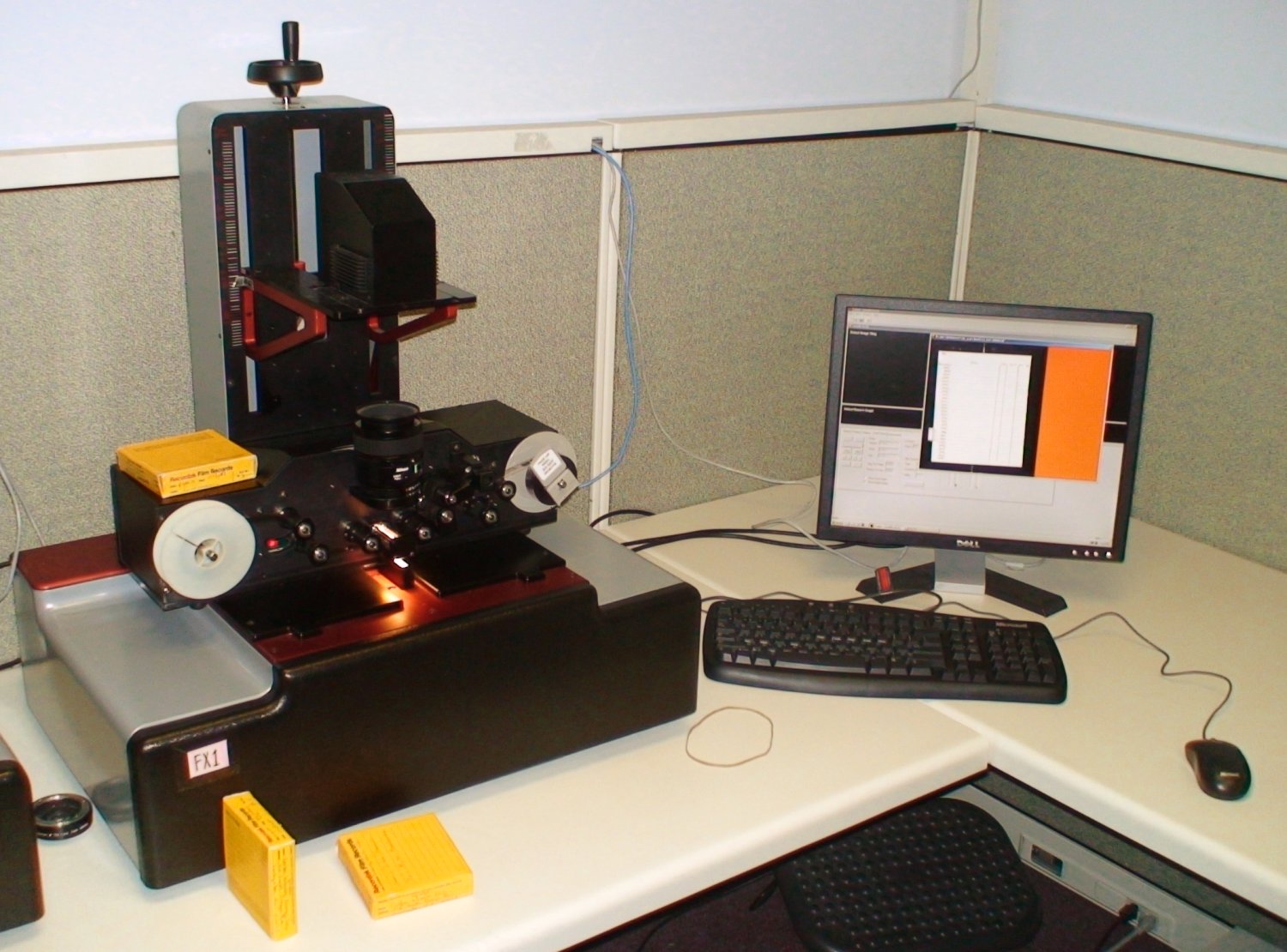
The microfiche reader — the large desktop machine in every 1980s American public library, university library, and government records office — produced a distinctive low-pitched motor whine as it advanced microfiche cards or microfilm rolls. The microfiche was the primary storage medium for newspaper archives, court records, genealogy databases, and academic journals throughout the 1970s, 1980s, and 1990s. The format was largely replaced by digital scanning in the 2000s, with major newspaper archives — including the New York Times, Washington Post, and Wall Street Journal — fully digitizing their pre-1985 content. Most American public libraries removed their microfiche readers in the 2010s as floor space was reallocated to computers and meeting rooms. The motor whine, the fan noise, and the soft click of changing cards are no longer audible in any major American library. The microfiche cards themselves still exist in archival storage.
9. The Pneumatic Bank Drive-Through Tube
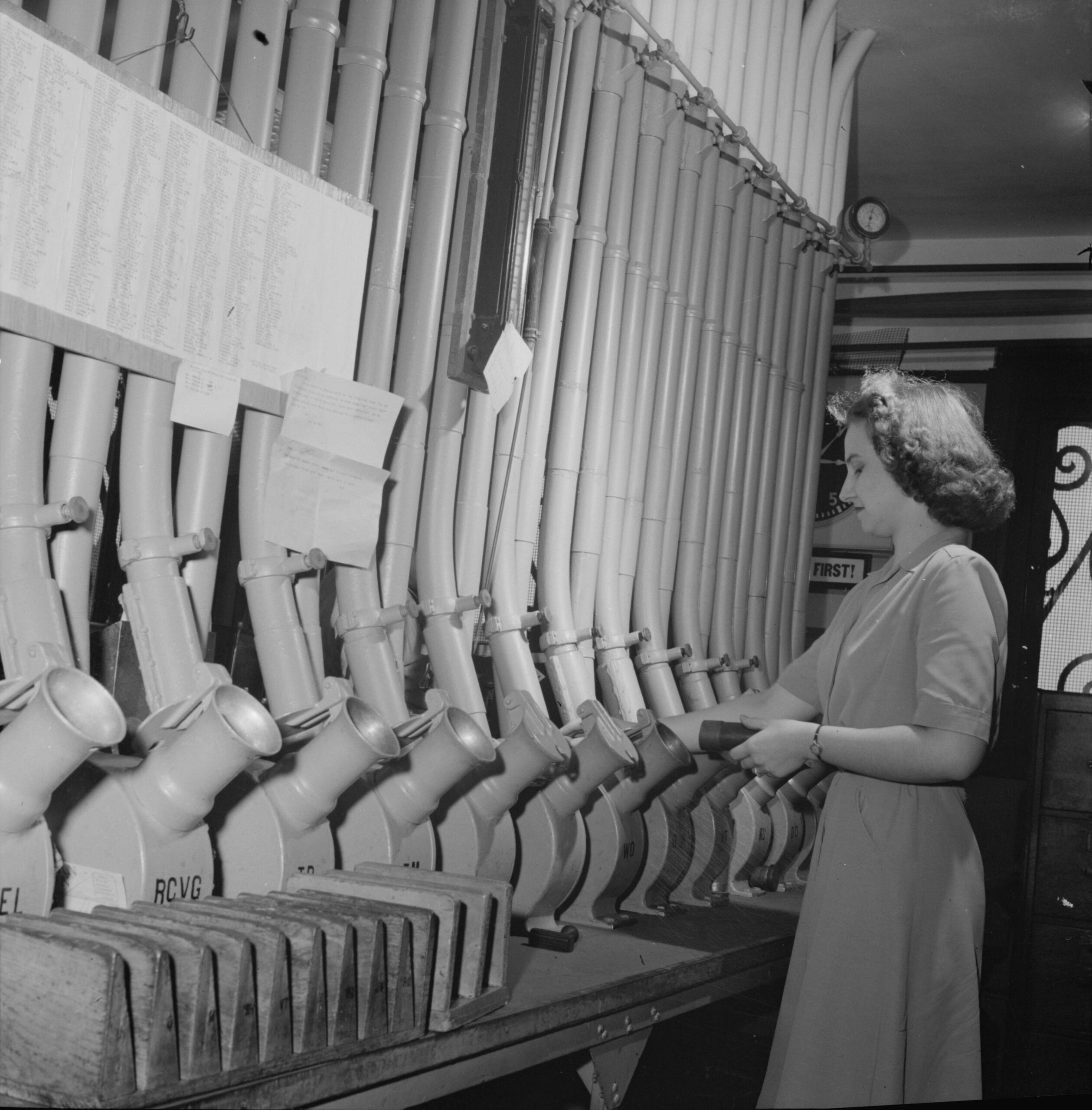
The drive-through bank teller pneumatic tube — the clear plastic capsule that whooshed up a vertical tube from the customer’s car to the teller window — was a standard American bank fixture in 1985. The capsule carried a deposit slip, check, or cash and returned with the teller’s response. The pneumatic tube system was first patented in the 1850s and remained in commercial use through the late 20th century. Most American banks closed their drive-through windows during the 2000s and 2010s as ATMs, mobile banking, and direct deposit reduced the need for live teller services. The remaining pneumatic tube installations are mostly at older bank buildings in smaller towns and at a handful of legacy drive-up windows. The deep whoosh of the tube launching and the click of arrival are now silent at most American banks. The Federal Reserve has documented a 40 percent decline in physical bank branch visits since 2012.
10. The Floppy Disk Read
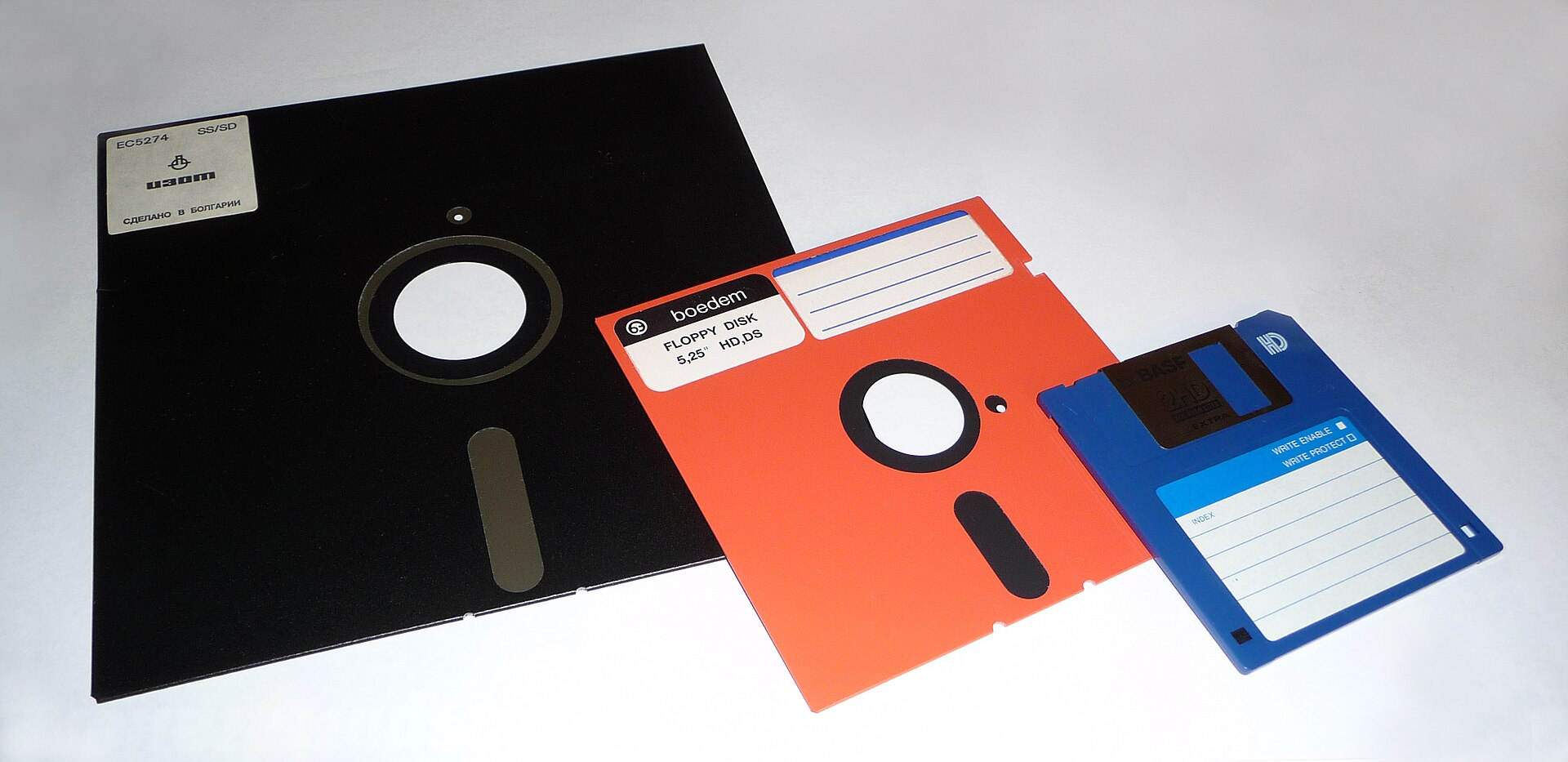
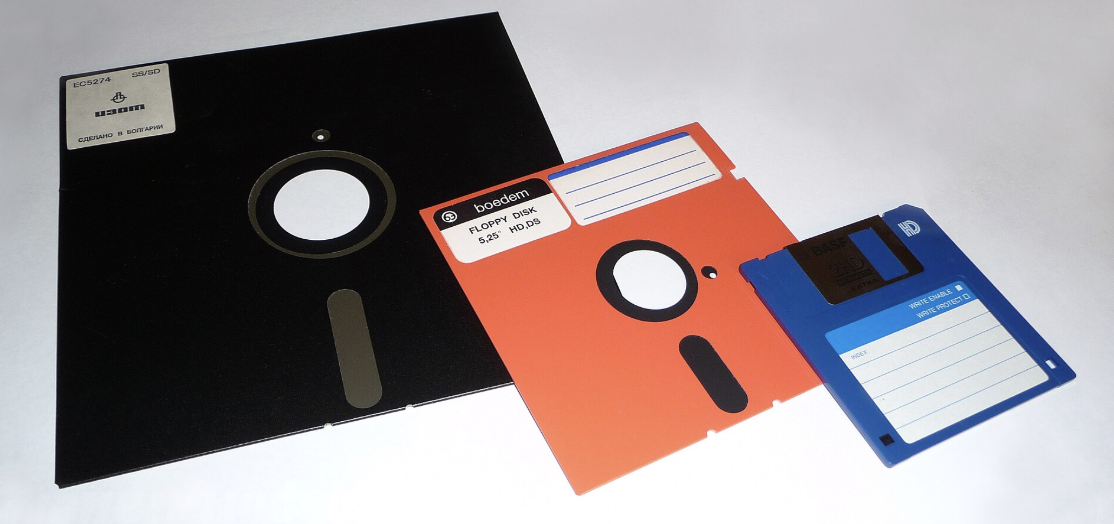
The 5.25-inch and later 3.5-inch floppy disk drives produced a distinctive grinding-and-clicking sound as the read head moved across the disk. The Apple II, Commodore 64, IBM PC, and Macintosh all relied on floppy drives as the primary storage medium through the 1980s and early 1990s. The 5.25-inch floppy was largely replaced by the 3.5-inch model by the late 1980s, and both were displaced by CD-ROMs in the 1990s and USB drives in the 2000s. Sony stopped manufacturing 3.5-inch floppy disks in 2011. Most modern computers — including all current Macs and most PCs — have no floppy drive at all. The grinding read sound is now produced only by vintage computer enthusiasts running emulators or operating original hardware. The U.S. Air Force used 8-inch floppy disks to control nuclear missiles until 2019, when the Government Accountability Office finally required modernization.
Like our content? Follow us for more.