It can come as a surprise that foods Americans grew up with are treated very differently abroad, with some unable to be sold in other countries in their familiar U.S. recipes. The reason usually comes down to a difference in regulatory philosophy: the United States has often allowed certain additives unless they are shown to be harmful, while the European Union and some other regions tend to require proof of safety before an additive is permitted, or take a more precautionary approach. The result is that a number of popular American products contain ingredients restricted elsewhere. Importantly, this reflects differing rules and ongoing scientific debate, not a simple verdict that these foods are “poison.” Here is a look at beloved American foods that face bans or restrictions abroad, and why. This is general information, not health or dietary advice.
Bread Made With Potassium Bromate
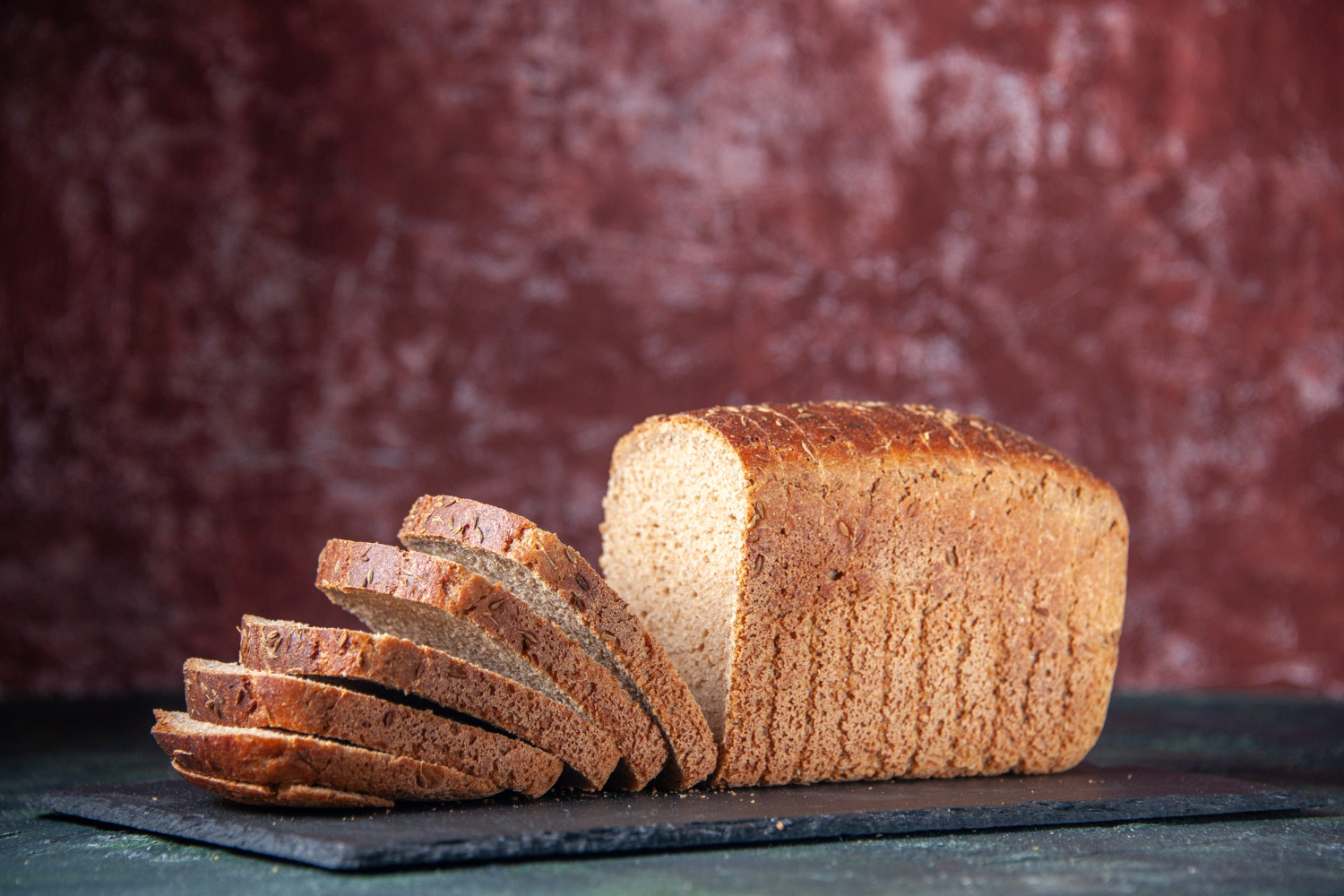
A number of American breads, rolls, and baked goods have historically contained potassium bromate, an additive used to strengthen dough and speed up baking. It helps produce the soft, high-rising loaves common in U.S. supermarkets.
Potassium bromate is banned in food in the United Kingdom, the European Union, Canada, China, and other countries over health concerns raised in laboratory studies. In the U.S., it remains permitted federally, though some states have moved to restrict it, and many bakers have voluntarily stopped using it. It is a textbook example of an additive treated very differently on either side of the Atlantic, prompting reformulation as rules shift.
Like our content? Follow us for more.
Citrus Sodas With Brominated Vegetable Oil
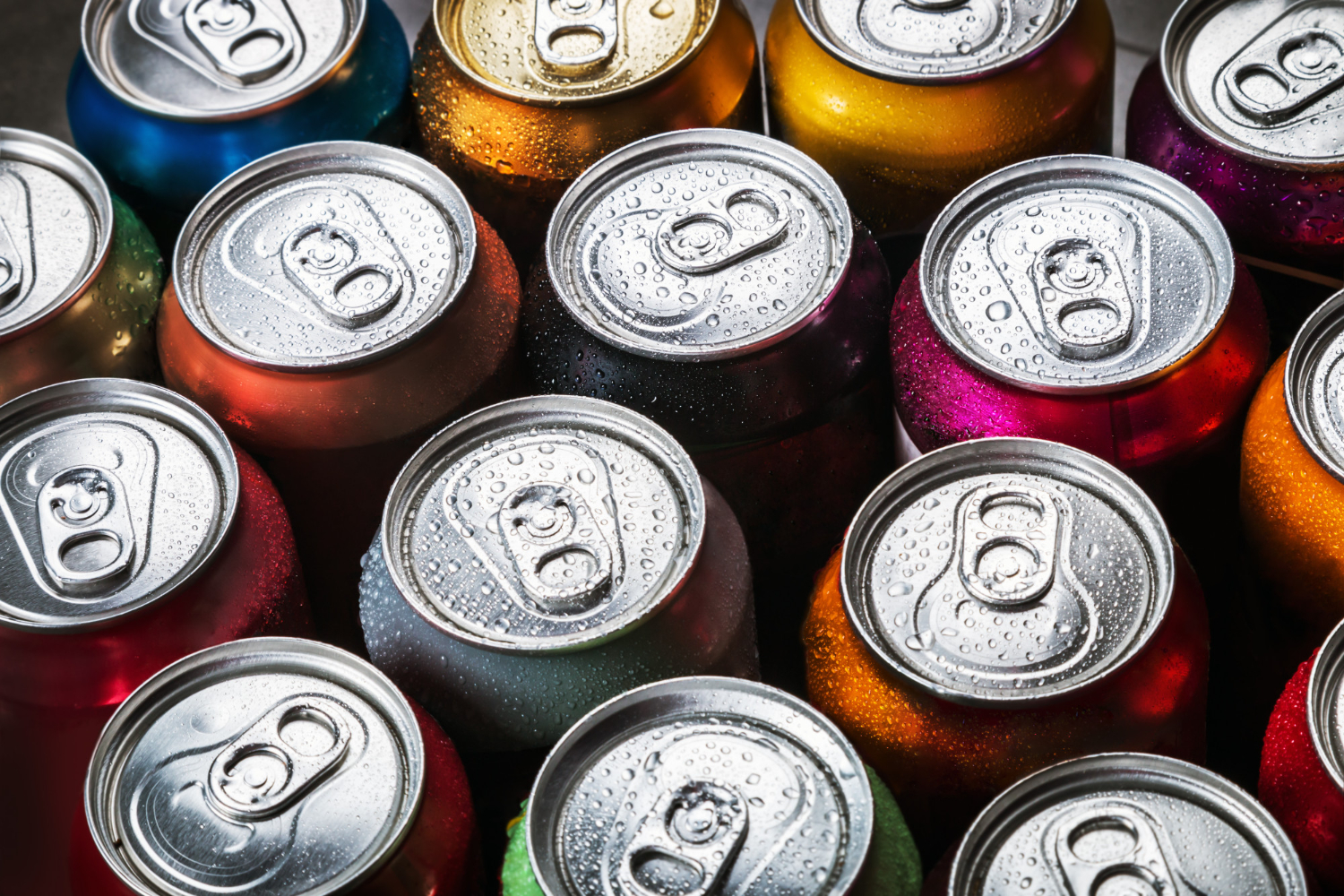
Certain citrus-flavored sodas in the U.S. long contained brominated vegetable oil, or BVO, an additive used to keep the citrus flavoring evenly mixed throughout the drink rather than separating out.
BVO was banned for use in food in the European Union and Japan years ago, and concerns about it eventually led to action in the United States as well, with regulators moving to ban it more recently. Many beverage makers had already reformulated their products to remove it. The story of BVO shows how an additive once common in American drinks can be phased out as scientific assessments and regulations evolve over time.
Pork Raised With Ractopamine
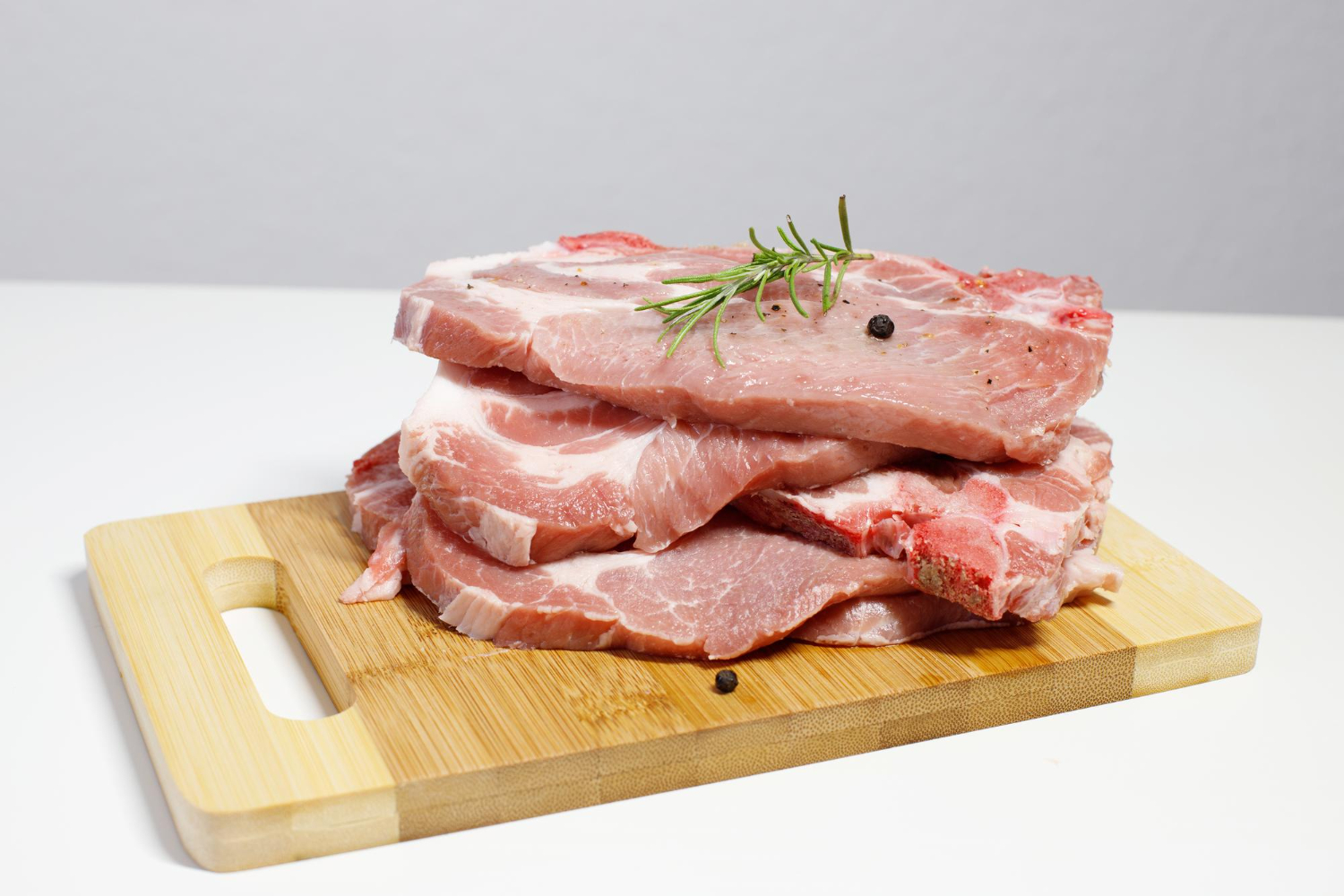
A significant share of American pork has been produced using ractopamine, a feed additive that promotes lean muscle growth in pigs. It is widely used in U.S. livestock production to improve efficiency.
Ractopamine is banned in pork production in a large number of countries, reportedly well over a hundred, including the entire European Union, China, and Russia, which cite concerns about animal welfare and gaps in long-term human safety data. This has real trade implications, as U.S. pork produced with the additive cannot be sold in many markets. It is one of the clearest examples of a difference not in a finished product but in how the food is produced.
Cereals and Candies With Artificial Dyes
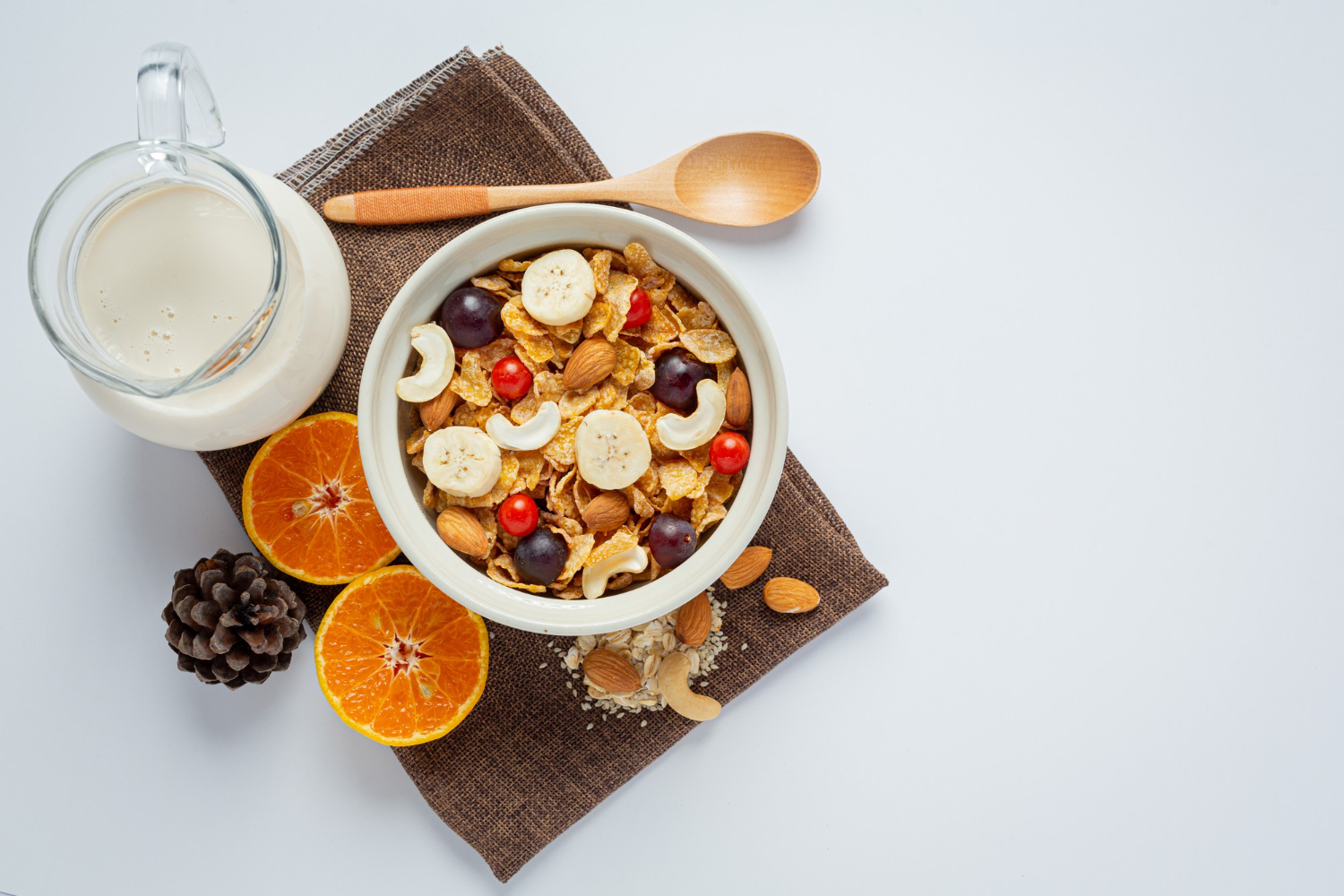
Many brightly colored American cereals, candies, and snacks get their vivid hues from artificial dyes such as Yellow 5, Yellow 6, and Red 40. These synthetic colorings make products eye-catching, especially those marketed to children.
In the European Union, foods containing certain artificial dyes must carry a warning label noting they may affect children’s activity and attention, which has prompted many manufacturers to reformulate their products with natural colorings for those markets. Some popular American cereals and candies are sold in noticeably different, naturally colored versions abroad, or restricted altogether. Regulatory attitudes toward these dyes have also been shifting within the U.S. in recent years.
Titanium Dioxide in Candies and Sweets
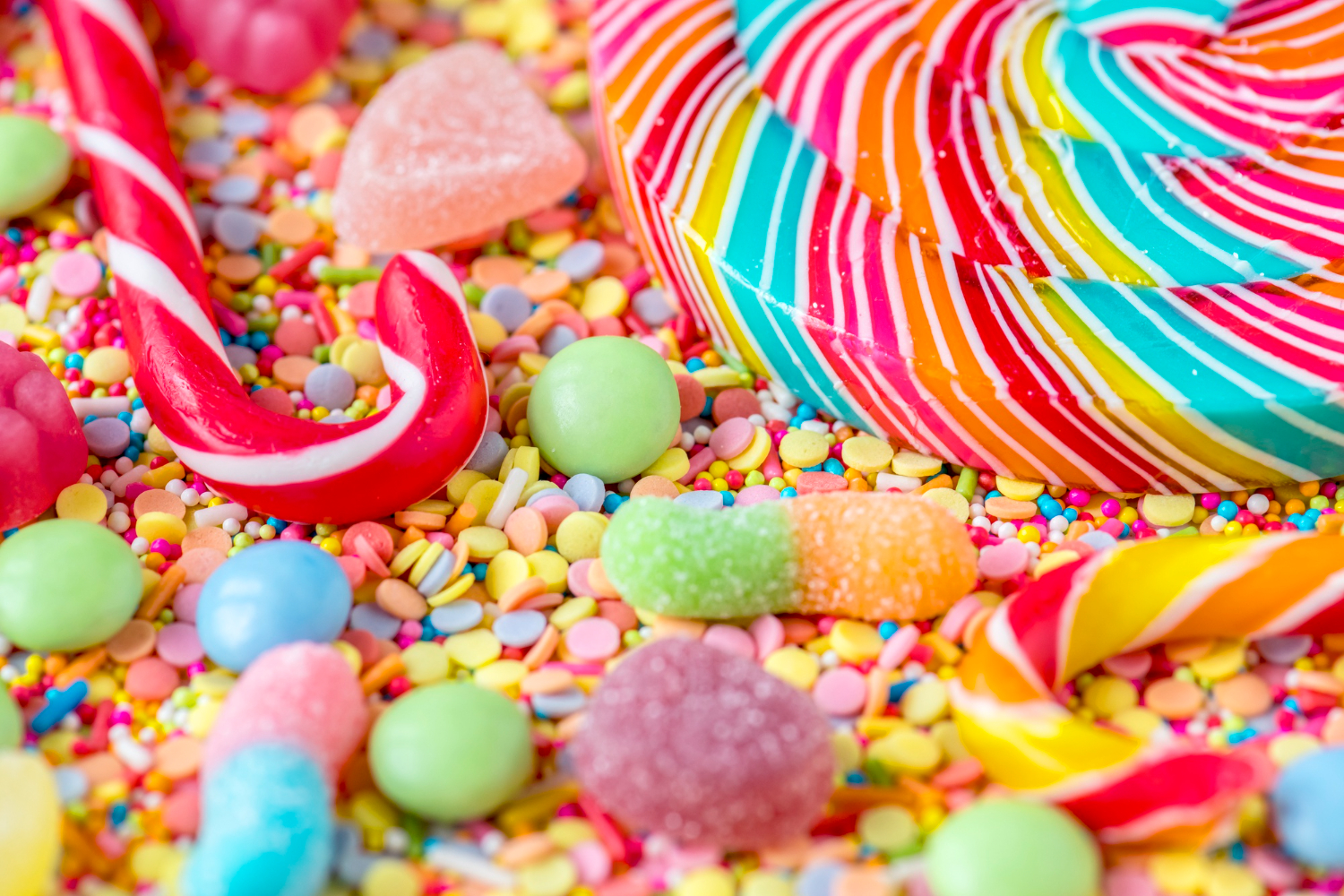
Some American candies and processed foods contain titanium dioxide, an additive used as a whitening and brightening agent to make products look shinier and more appealing. It shows up in a range of confectionery and other items.
The European Union moved to ban titanium dioxide as a food additive over safety concerns, meaning popular candies sold in the U.S. have had to be reformulated for the European market. As with artificial dyes, this is an additive used largely for appearance rather than flavor or preservation, which makes its restriction a particularly visible example of differing standards. American and European versions of the same candy can differ as a result.
Packaged Cakes and Snacks With Certain Additives
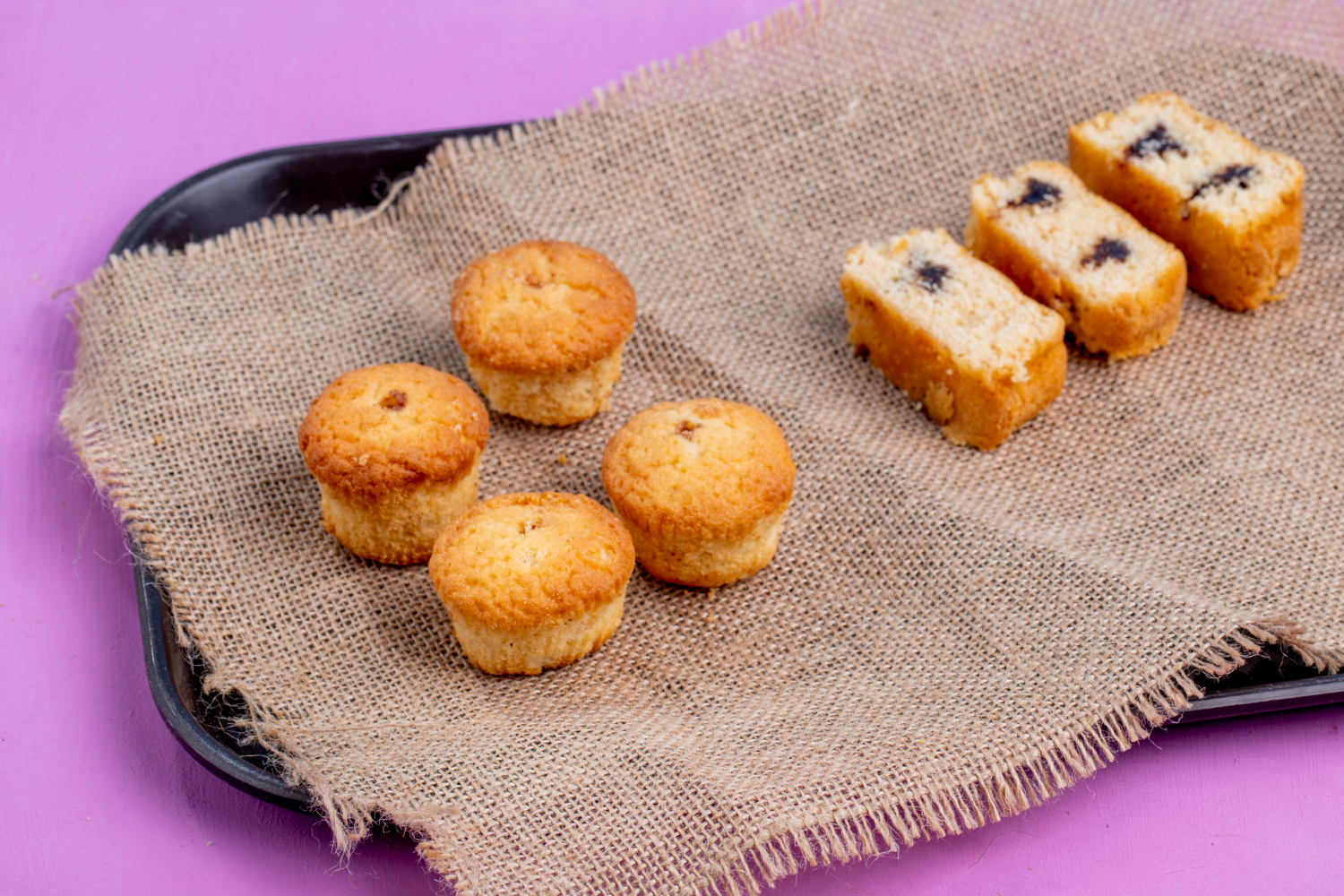
A variety of beloved American packaged cakes, snack foods, and crackers have faced restrictions in parts of Europe due to combinations of ingredients, including certain artificial dyes, high-fructose corn syrup, and partially hydrogenated oils (trans fats). Some iconic American snack-cake and cracker brands are not sold in certain European countries in their U.S. form.
Trans fats from partially hydrogenated oils, in particular, have been heavily restricted in many places, including within the U.S., where regulators moved to phase them out. The result is that some classic American treats are reformulated, restricted, or simply absent from shelves abroad. These products show how a stack of individually regulated ingredients can add up to a recipe that does not meet another country’s standards.
Preservatives Like BHA and BHT
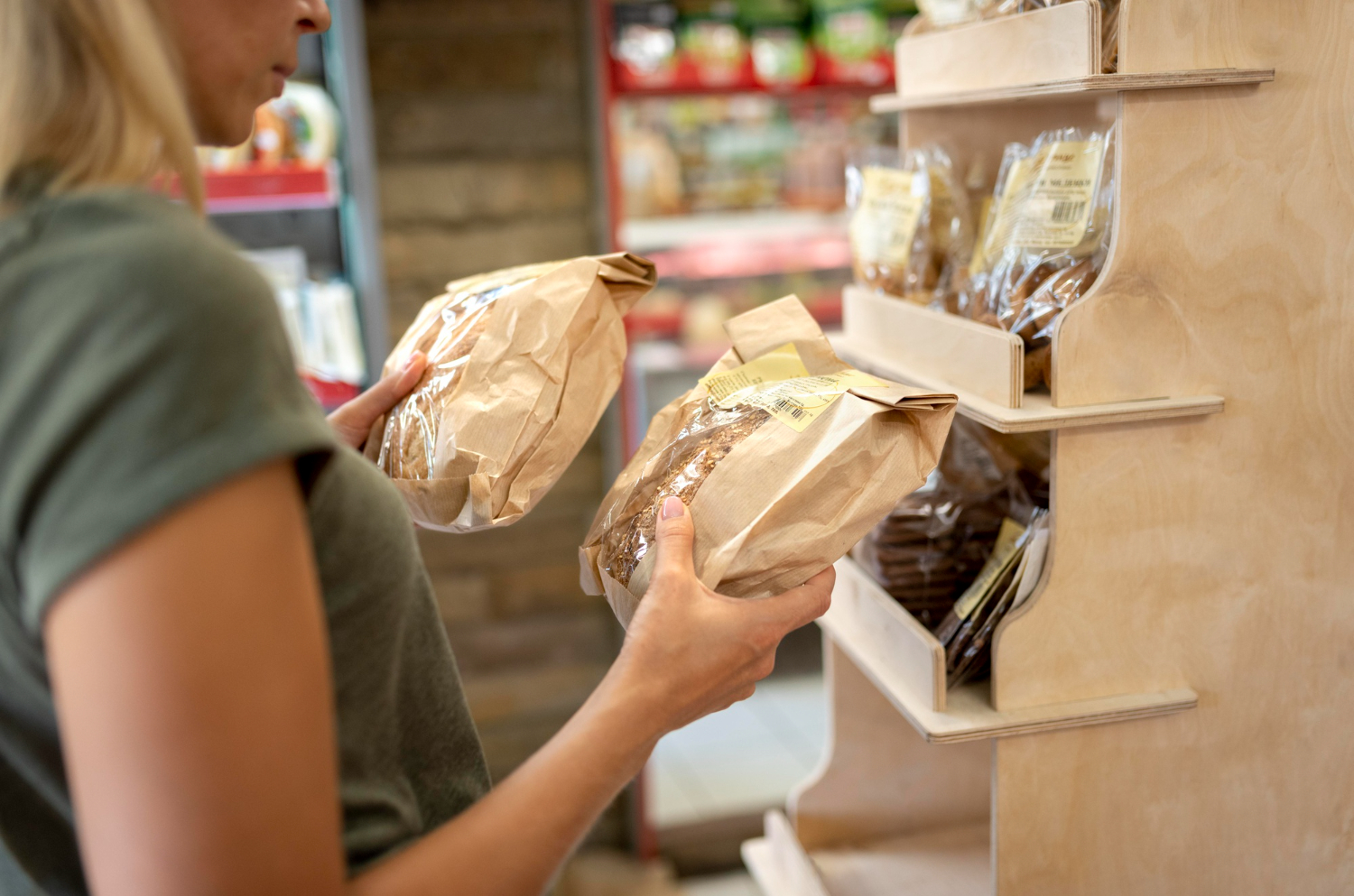
Some American processed foods contain the preservatives BHA and BHT, used to prevent fats from going rancid and to extend shelf life. They appear in a range of packaged products, and sometimes in their packaging.
These preservatives are banned or restricted in various countries, including parts of Europe and Japan, based on concerns raised in animal studies. As with the other additives on this list, regulators in different regions have weighed the available evidence differently, leading to different rules. Some products are reformulated for international markets to comply. It is another illustration of how preservation methods common in one country can run into restrictions in another.
Why the Same Foods Face Different Rules

The recurring theme behind all these examples is a fundamental difference in regulatory approach. The United States has often operated on a system where many additives are presumed acceptable unless evidence shows a problem, while the European Union and some other regions more often require additives to be proven safe before approval, or apply a stronger precautionary principle. Neither approach is simply right or wrong; they reflect different philosophies about risk.
It is also worth emphasizing that “banned in another country” does not automatically mean a food is dangerous, and the science on many of these additives is debated and evolving. Regulations are not static, either: rules are shifting, including within the United States, where there has been growing momentum to reconsider some of these additives, and many manufacturers reformulate their products as standards change. The landscape genuinely moves over time.
What This Means for You
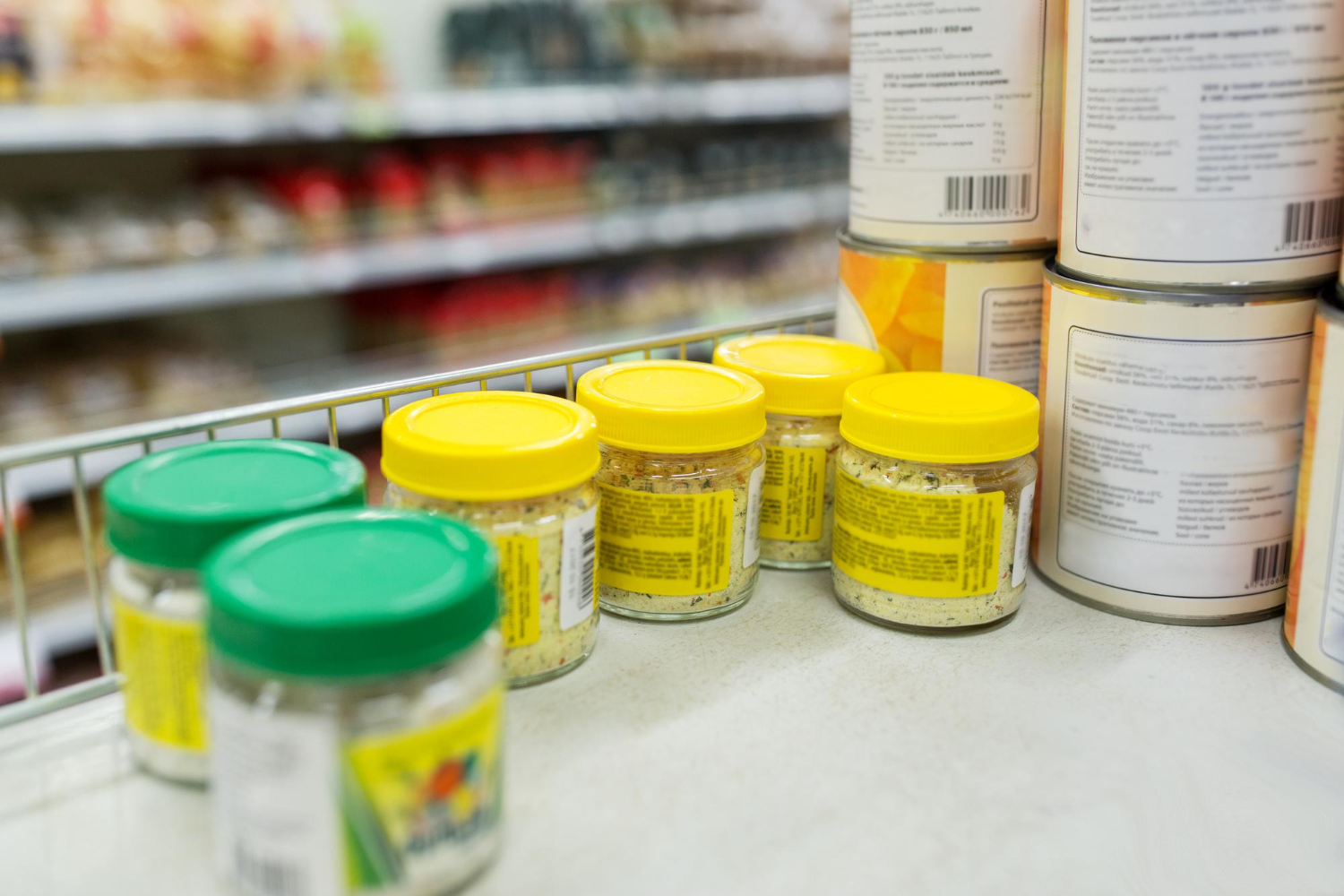
For consumers, the main takeaway is awareness rather than alarm. Knowing that regulatory standards differ around the world, and that many products are made in different versions for different markets, is genuinely interesting and can inform your own choices if you wish. Anyone who wants to know exactly what is in their food can read ingredient labels, which list additives, and make decisions that suit their own preferences and priorities.
It is not necessary to panic about foods that are restricted elsewhere; these are regulatory differences and matters of ongoing scientific discussion, not proof of harm, and individual dietary needs vary widely. For specific questions about how any ingredient might affect your health, a doctor or registered dietitian is the right source of personalized guidance. The broader story, of how the same familiar foods are treated so differently across borders, is a fascinating window into how the world weighs food safety, and a reminder that the contents of our grocery carts are shaped by decisions made far from the checkout line.
Like our content? Follow us for more.