Returning from a trip abroad with a favorite food souvenir is tempting, but many items are prohibited from entering the United States, and travelers are often surprised to have them taken away at the airport. U.S. Customs and Border Protection, enforcing U.S. Department of Agriculture rules, restricts foods that could carry pests and diseases harmful to American crops and livestock. The golden rule is simple: declare everything on your customs form, and let an inspector decide. Here is a countdown of ten foods U.S. Customs commonly confiscates, counted down one by one, so you know what to leave behind. Rules change with disease outbreaks, so always check current guidance.
10. Homemade and Unpackaged Foods

Homemade dishes and loose, unlabeled foods are often confiscated because their ingredients and origin can’t be verified. Commercial packaging matters.
Homemade meals and loose, unpackaged foods are frequently seized at U.S. Customs because inspectors can’t verify their ingredients or country of origin, and they may contain prohibited items like meat or fresh produce. Commercially packaged, labeled, and sealed foods stand a far better chance of being admitted. While that beloved homemade treat from abroad may seem harmless, it’s often a no-go. To avoid losing homemade or unlabeled foods, travelers are wise to leave them behind or expect that customs may confiscate them upon inspection.
Like our content? Follow us for more.
9. Fresh Eggs and Some Dairy
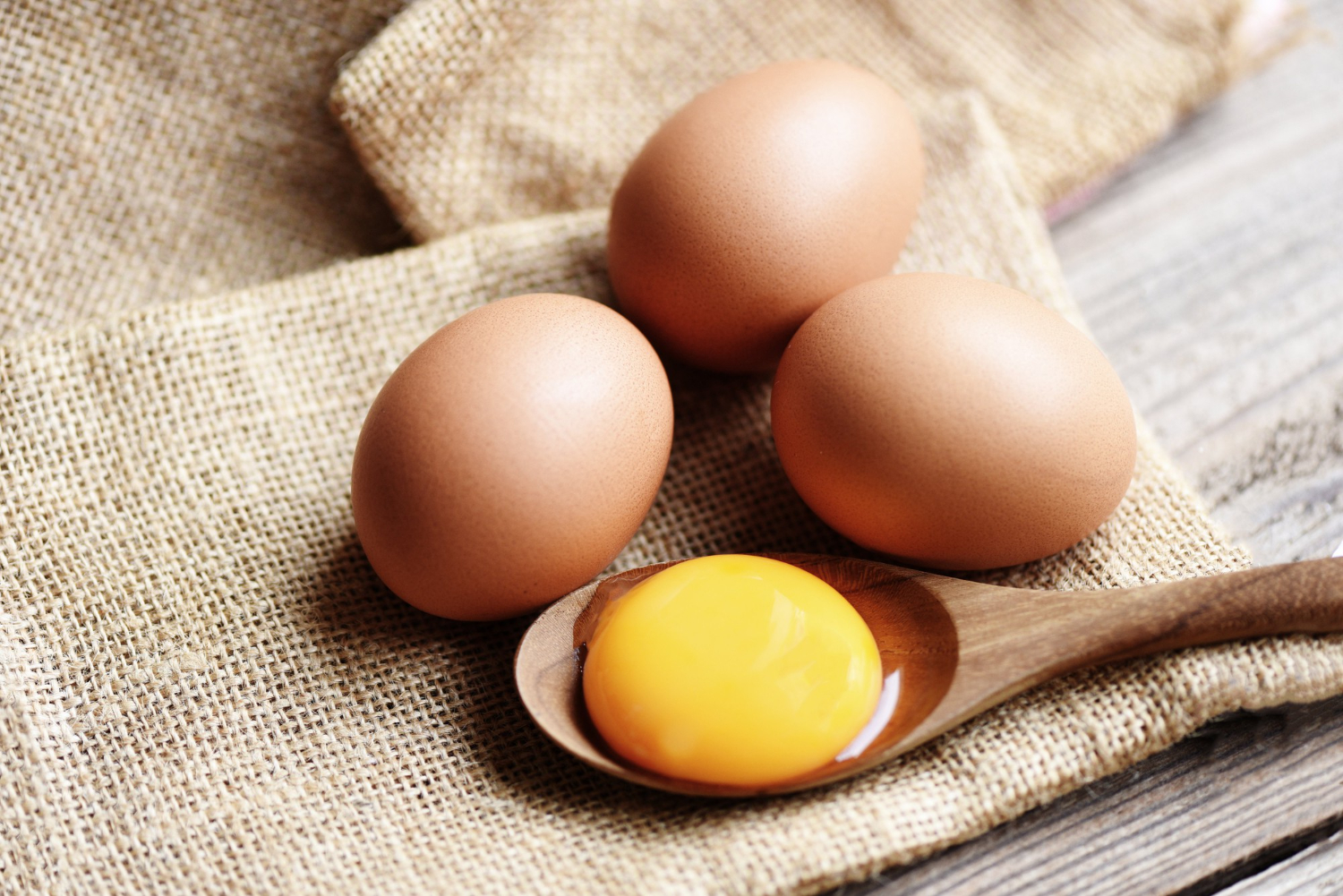
Fresh eggs and certain dairy products are restricted due to disease concerns. Many are confiscated if undeclared or from affected regions.
Fresh eggs and many dairy products face restrictions at U.S. Customs because of concerns about diseases like avian influenza. While certain hard cheeses are generally admissible if declared, raw eggs and various dairy items from affected countries may be prohibited and confiscated. Rules depend on the product and the country’s disease status. Travelers hoping to bring home eggs or soft dairy should check current requirements first, as these items are commonly seized, and always declare them so an inspector can make the determination.
8. Seeds and Plants for Growing
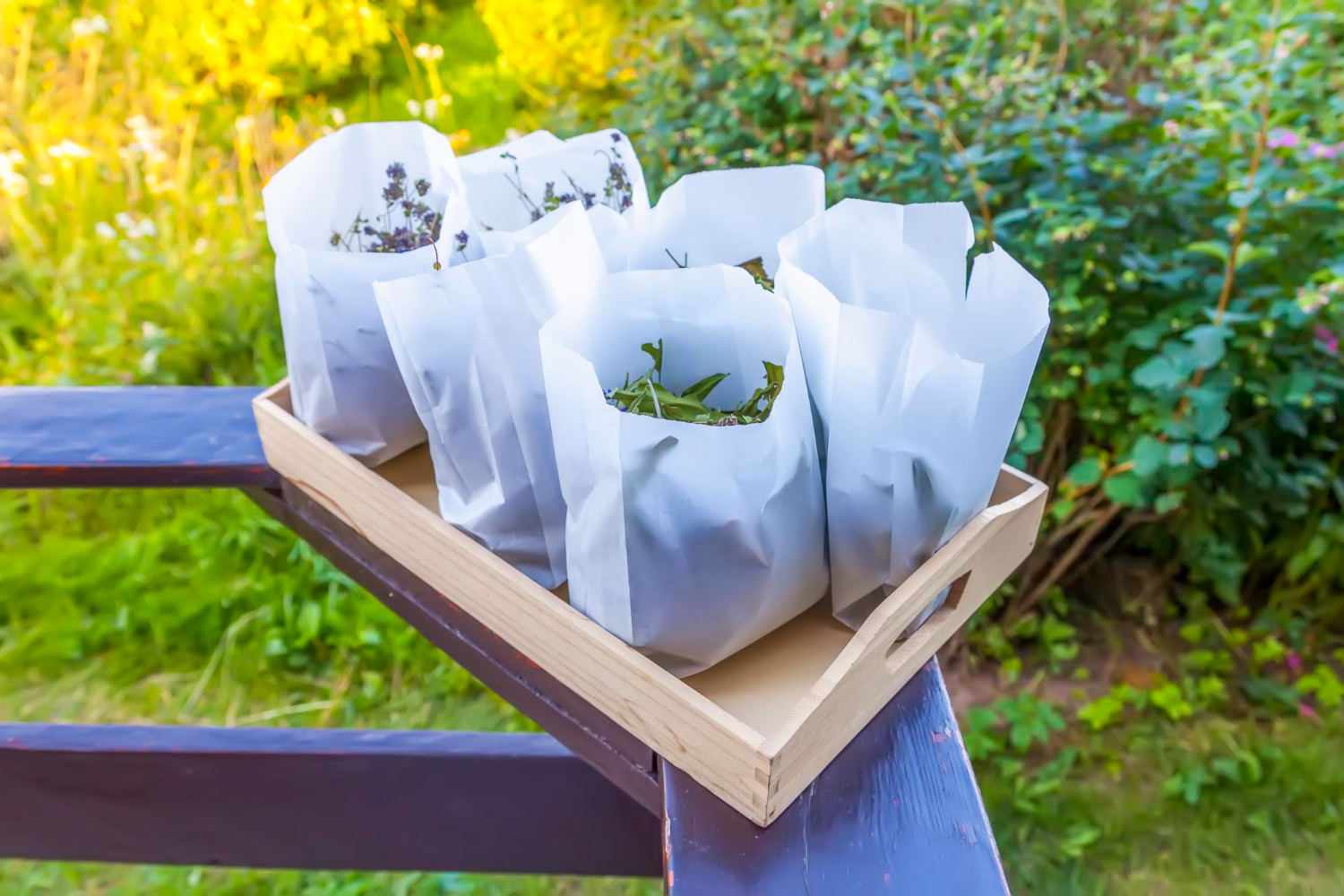
Seeds and live plants intended for planting require advance permits and are often confiscated without them. They pose a pest risk.
Seeds and plants intended for growing, known as propagative materials, are tightly regulated because they can introduce invasive pests and plant diseases. Bringing them into the U.S. generally requires a phytosanitary certificate obtained in advance, and without the proper documentation they are typically confiscated. That packet of exotic flower seeds or a cutting from a foreign garden is a common item to be seized. Travelers wanting to bring seeds or plants home must plan ahead and secure the required permits, or risk losing them at customs.
7. Rice
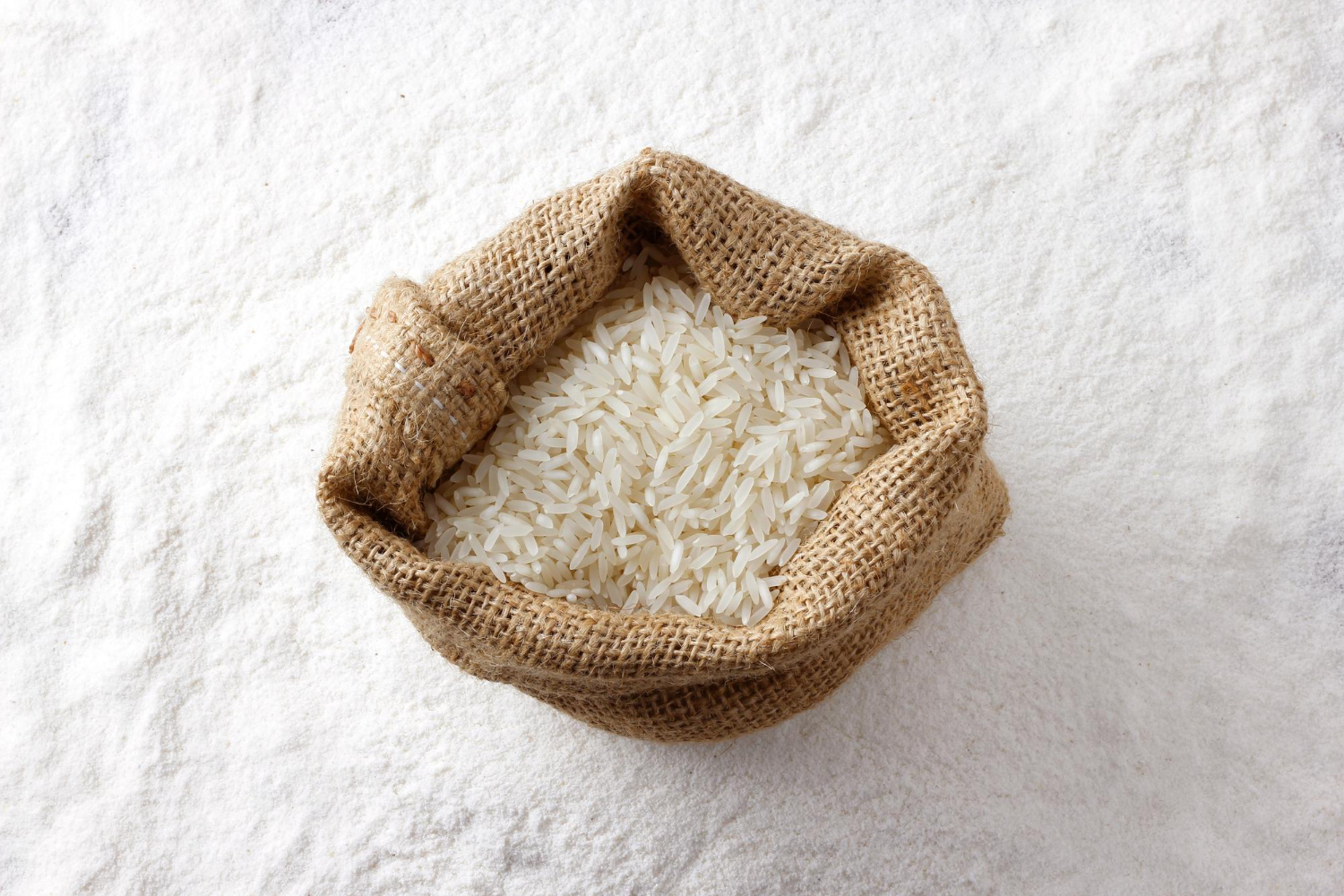
Rice is best left behind, as it can harbor insects and is frequently confiscated. Customs advises against bringing it in.
Rice might seem like an innocent pantry staple, but U.S. Customs advises against bringing it into the country because it can harbor hidden insects and pests that threaten American agriculture. As a result, rice is a commonly confiscated item at ports of entry. Whether it’s a specialty variety from your travels or a gift, it’s best left behind. Travelers carrying rice should declare it and be prepared for it to be taken, since the pest risk makes it one of the foods customs frequently does not allow into the United States.
6. Soil and Foods with Soil
Soil is prohibited, and produce or items carrying soil are confiscated. Even dirt on shoes or roots is a concern.
Soil is strictly prohibited from entering the United States because it can carry a host of pests, diseases, and organisms dangerous to American agriculture. This means not only bags of soil but also plants with soil on their roots, and even dirt clinging to shoes or equipment, can trigger confiscation or cleaning. Foods packed with soil are seized. Travelers should clean any soil off their belongings and never attempt to bring soil into the country, as it’s among the most strictly prohibited items at the border.
5. Bushmeat
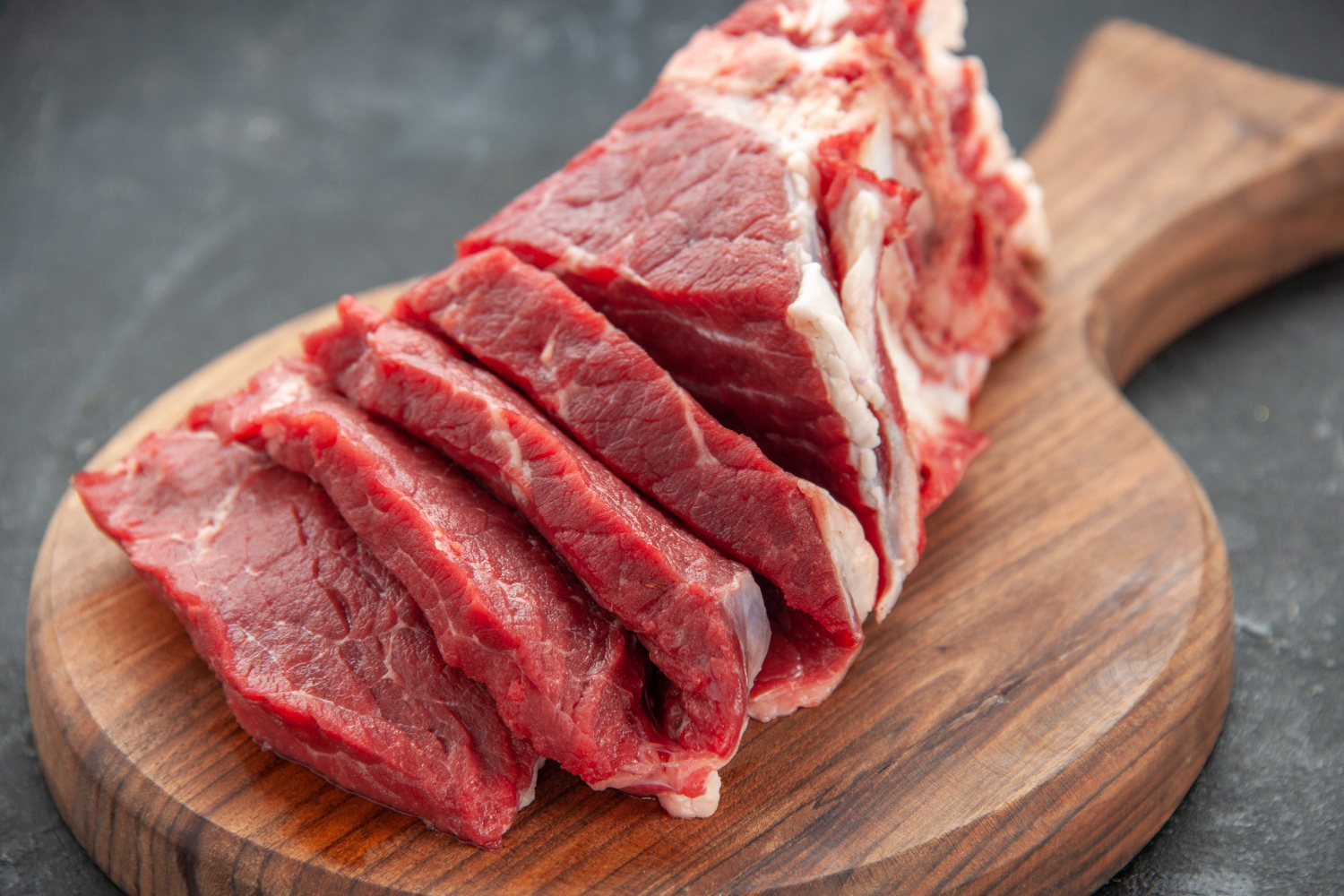
Bushmeat, the meat of wild African animals, is strictly prohibited and confiscated. It poses serious disease risks.
Bushmeat, meaning the meat of wild animals such as those hunted in parts of Africa, is strictly forbidden from entering the United States. It poses serious risks of introducing dangerous diseases and is also tied to wildlife-protection concerns. U.S. Customs lists bushmeat among its outright prohibited items, and it is confiscated and destroyed when found. Travelers should never attempt to bring bushmeat into the country under any circumstances, as it is both illegal and a significant public health and conservation hazard that customs treats with zero tolerance.
4. Cured Hams and Salami from Certain Countries
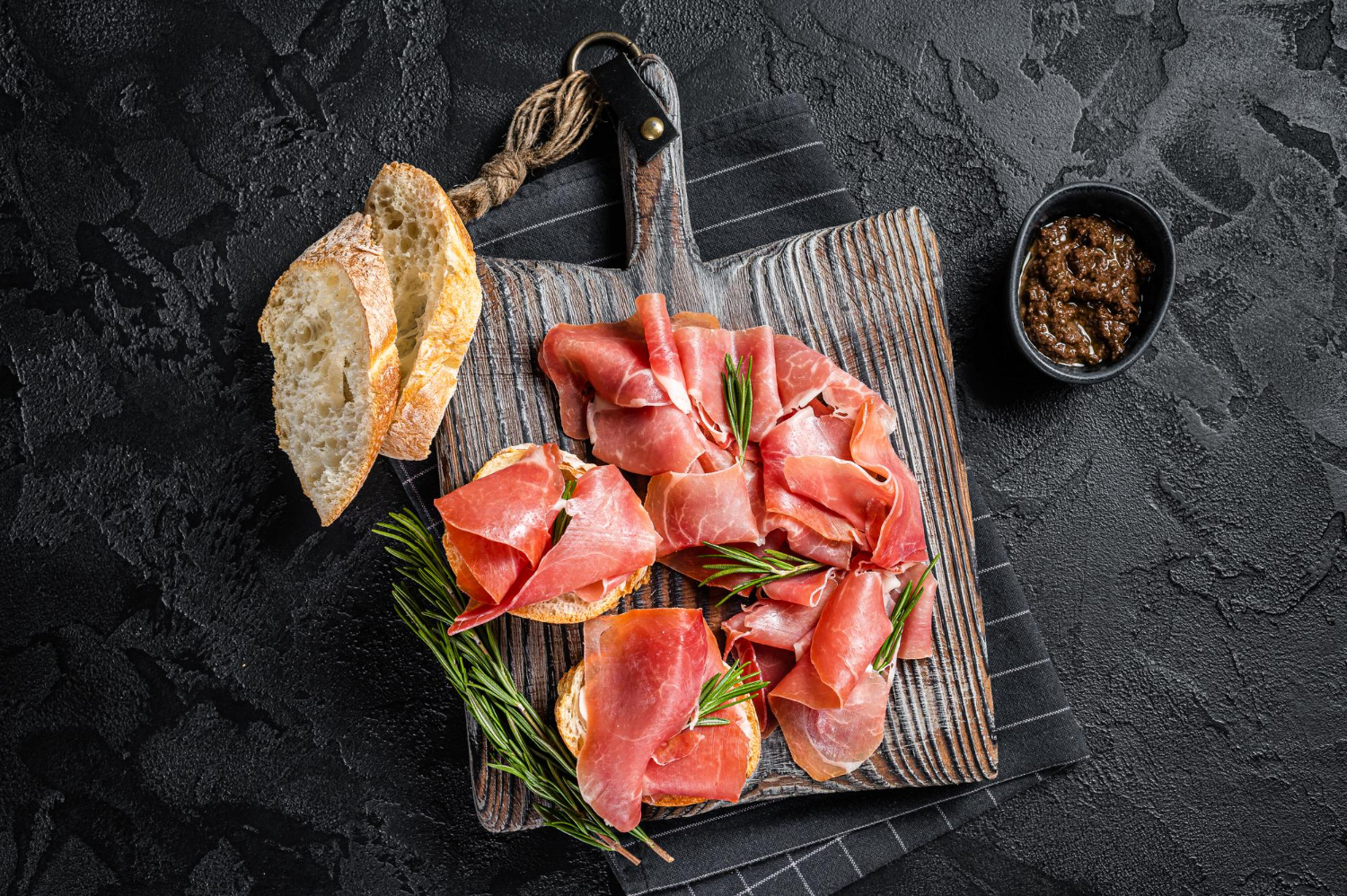
Travelers can’t bring cured hams like prosciutto, Serrano, and Iberian, or salami, from certain European countries. These are confiscated.
Beloved cured meats like prosciutto, Serrano ham, Iberian ham, and salami from regions of France, Germany, Italy, and Spain may not be brought into the U.S. by travelers, due to concerns about animal diseases. These products may only enter through commercial shipments that meet special certification requirements. So that gorgeous leg of prosciutto from your trip will be confiscated at the airport. Travelers dreaming of bringing home European cured meats should know they’re prohibited in luggage, and are commonly seized, so it’s best to enjoy them abroad.
3. Poultry from Disease-Affected Countries
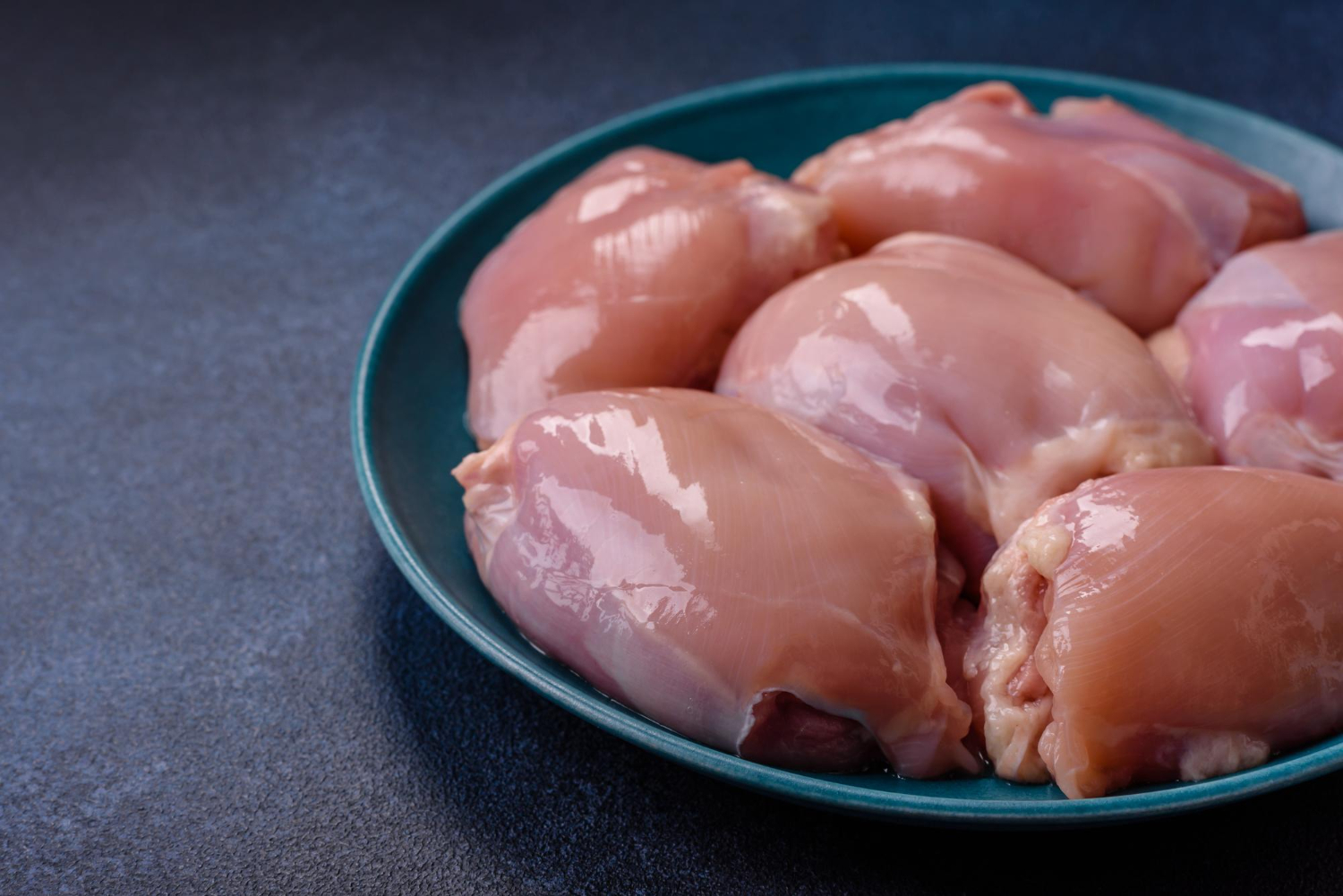
Poultry products from countries with bird diseases are restricted and confiscated unless thoroughly cooked or properly documented. Bird flu drives the rules.
Poultry and poultry products from countries affected by serious bird diseases, such as avian influenza, are largely prohibited from entering the U.S. unless they are thoroughly cooked, accompanied by official documentation of origin, or commercially packaged, shelf-stable, and in unopened containers. Undeclared or non-compliant poultry is confiscated. Because disease status changes frequently, the rules shift often. Travelers should declare any poultry products and check the latest guidance, as these items are commonly seized depending on the country’s current disease situation.
2. Most Meats and Meat Products
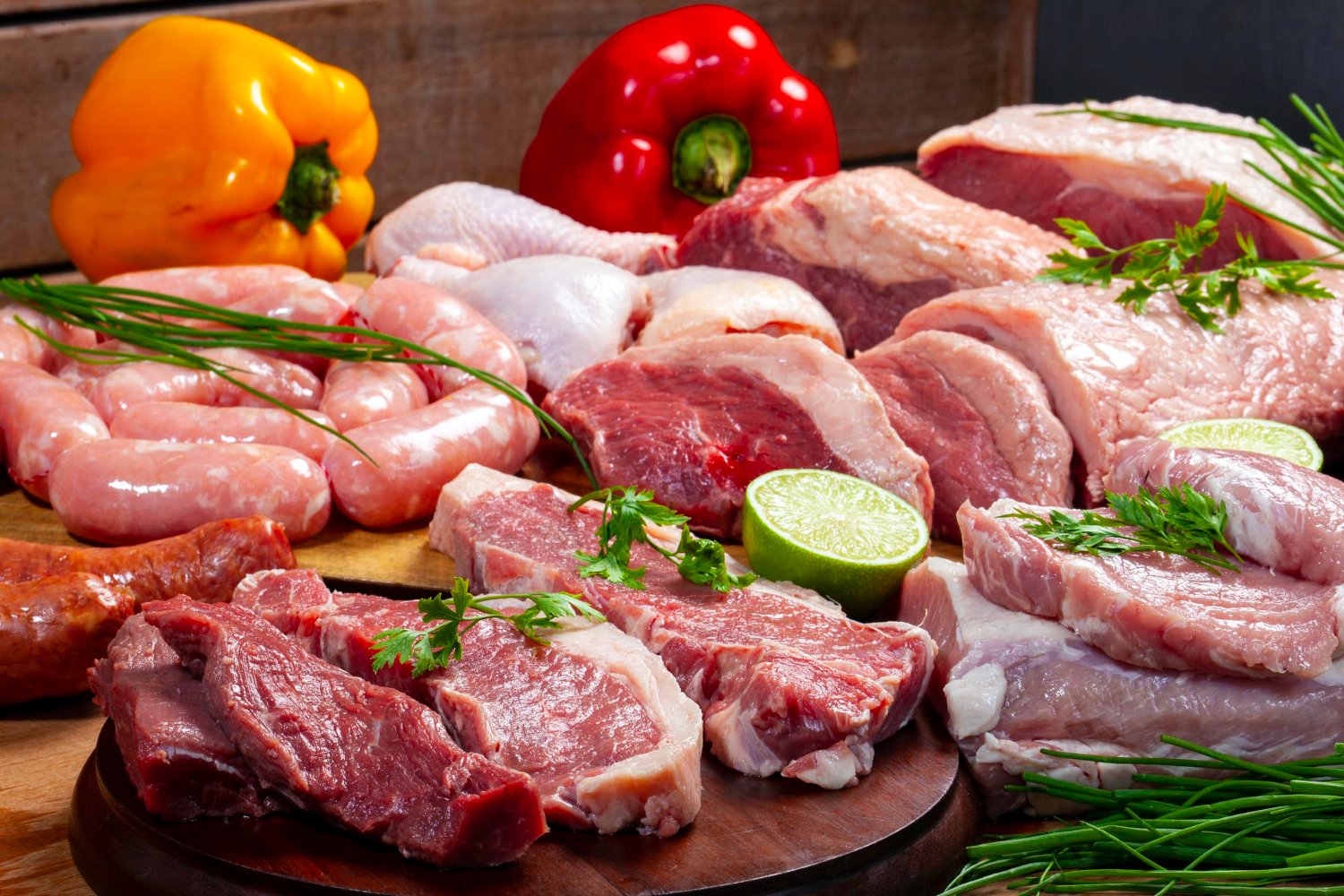
Most fresh, dried, and canned meats, and products containing meat like broth and soup mixes, are prohibited from most countries. They’re routinely confiscated.
Most fresh, dried, and even canned meats and meat byproducts are prohibited from entering the U.S. from the majority of foreign countries, due to the ongoing threat of animal diseases like foot-and-mouth disease, mad cow disease, and African swine fever. Crucially, products that merely contain meat, such as beef broth, bouillon cubes, and soup mixes, are usually prohibited too. These items are routinely confiscated. Travelers should assume most meat products will be seized and declare them, as they rank among the most commonly confiscated foods at the border.
1. Fresh Fruits and Vegetables
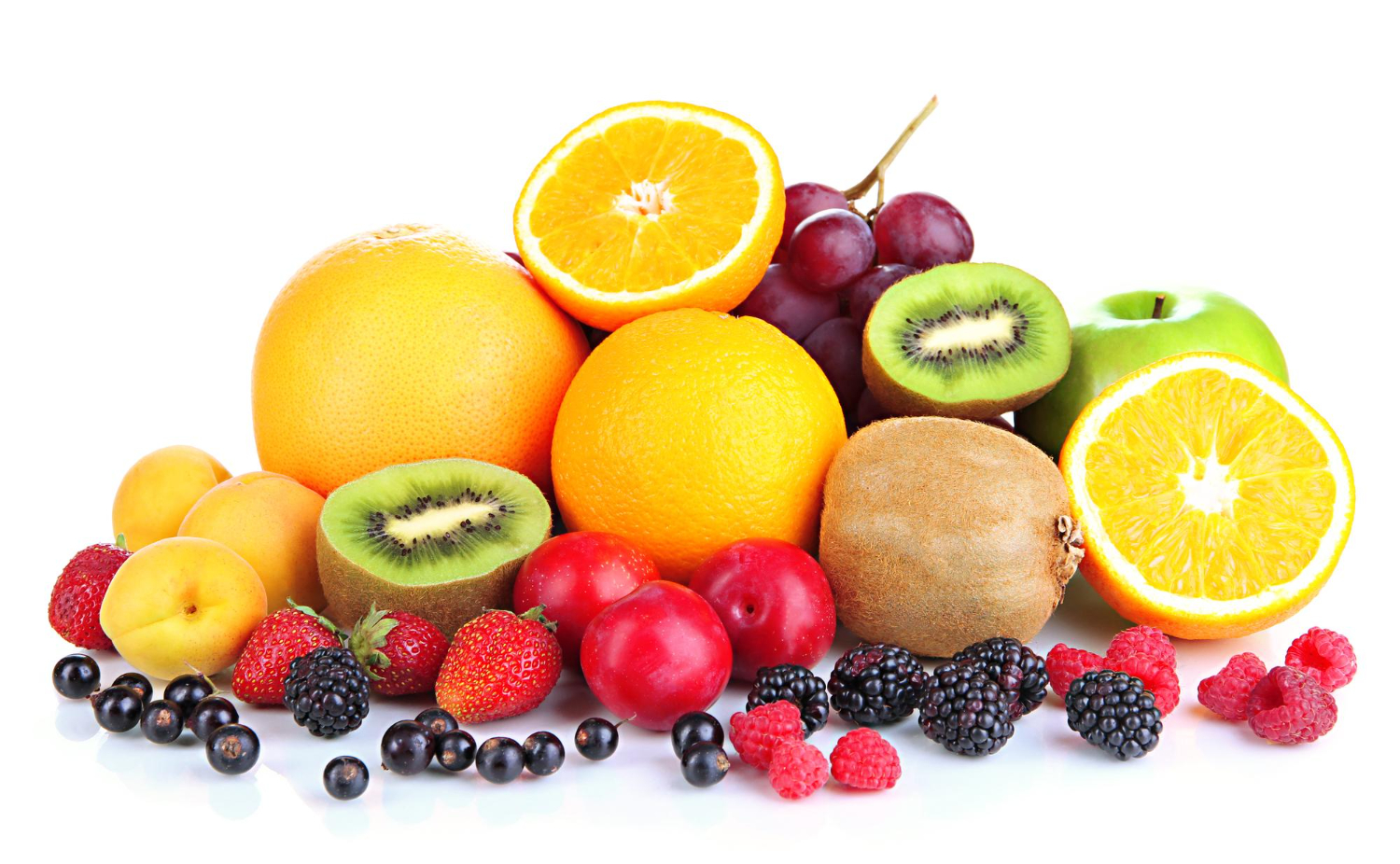
Almost all fresh fruits and vegetables are prohibited and confiscated, even the fruit handed out on your flight. They top the list of seized foods.
Topping the list, almost all fresh and frozen fruits and vegetables are prohibited from entering the United States because of the serious pest and disease risks they pose to American agriculture, a single contaminated piece of fruit caused a costly pest outbreak decades ago. This even includes the fresh fruit handed to you on the airplane or cruise ship, so plan to leave it behind. Fresh produce is by far the most commonly confiscated food at U.S. ports of entry. Travelers should declare any fruits or vegetables and expect them to be taken, making them the number-one food to leave at home.
Declare Everything and Travel Smart
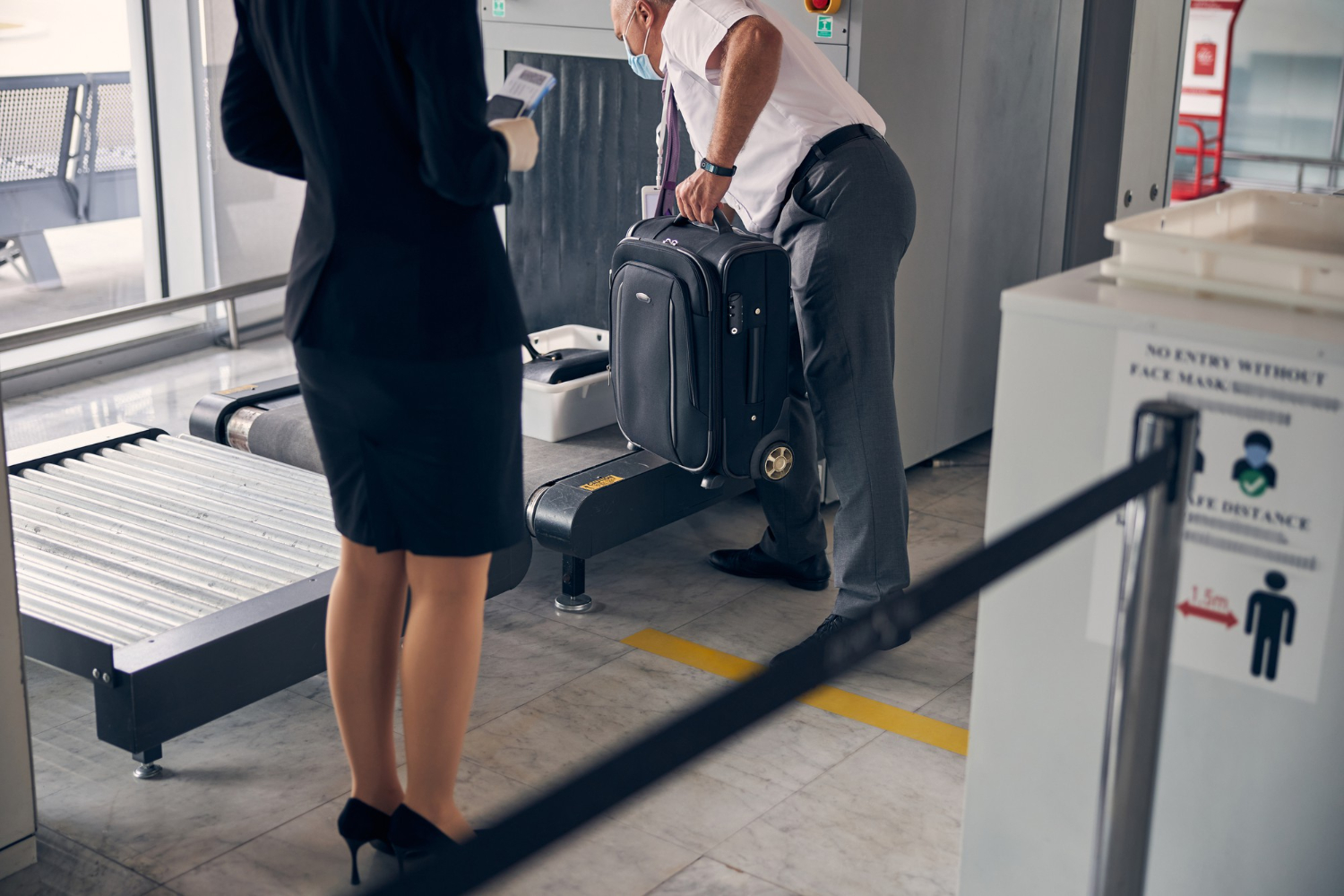
Taken together, these ten foods represent the items U.S. Customs most commonly confiscates from travelers returning home, from fresh produce and meats to seeds, soil, and homemade dishes. The reason is consistent: protecting American crops, livestock, and the environment from foreign pests and diseases that could cause enormous damage.
The single most important rule for travelers is to declare everything. All agricultural items, meats, fruits, vegetables, plants, seeds, soil, and animal products, must be declared on your customs form, whether in checked bags, carry-on, or a vehicle. Declared items that turn out to be prohibited can simply be abandoned without penalty, but undeclared prohibited items are confiscated and can bring a fine starting at $300. Because the rules change frequently with disease outbreaks around the world, travelers should check the latest guidance from U.S. Customs and the USDA before traveling. When in doubt, declare it, and enjoy that special food abroad rather than risk losing it at the border.
Like our content? Follow us for more.