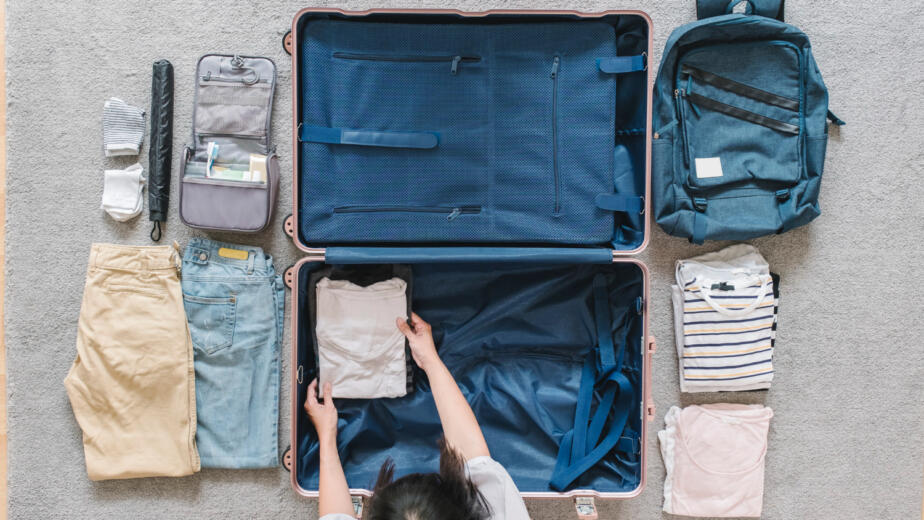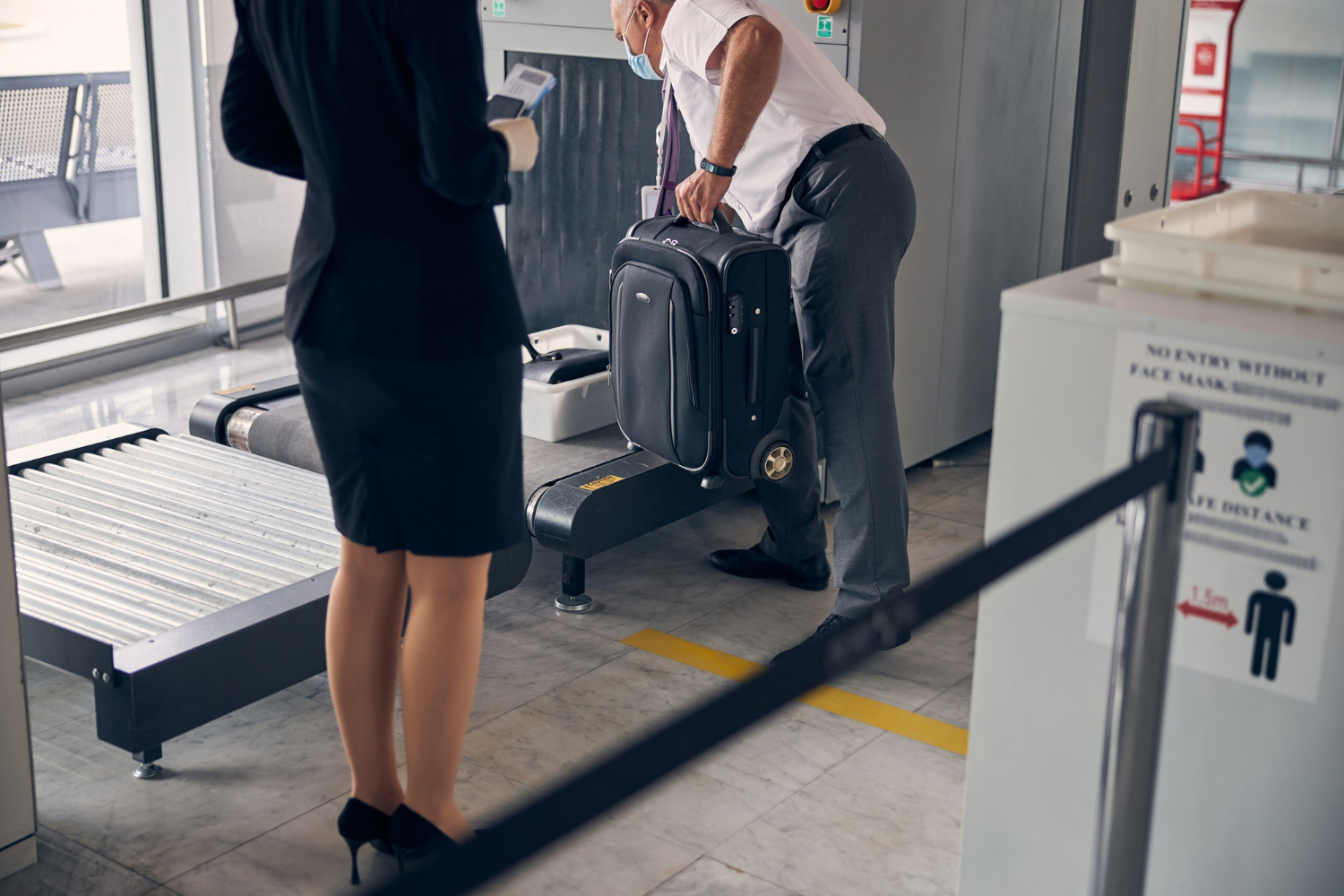
Packing for a flight involves more than fitting everything in, since federal rules dictate what can and can’t go in your checked luggage. Many travelers are surprised to learn that some everyday items, especially anything with a lithium battery, are banned from the cargo hold because of fire risks, and must be carried in the cabin instead. Others are prohibited from both checked and carry-on bags entirely. Knowing the rules helps avoid confiscated items, delays, and fines. Here is a countdown of twelve things you can’t pack in checked luggage in 2026, counted down one by one. As always, the TSA officer has the final say, and rules can change, so check the latest guidance.
12. Flammable Aerosols and Certain Hazmat
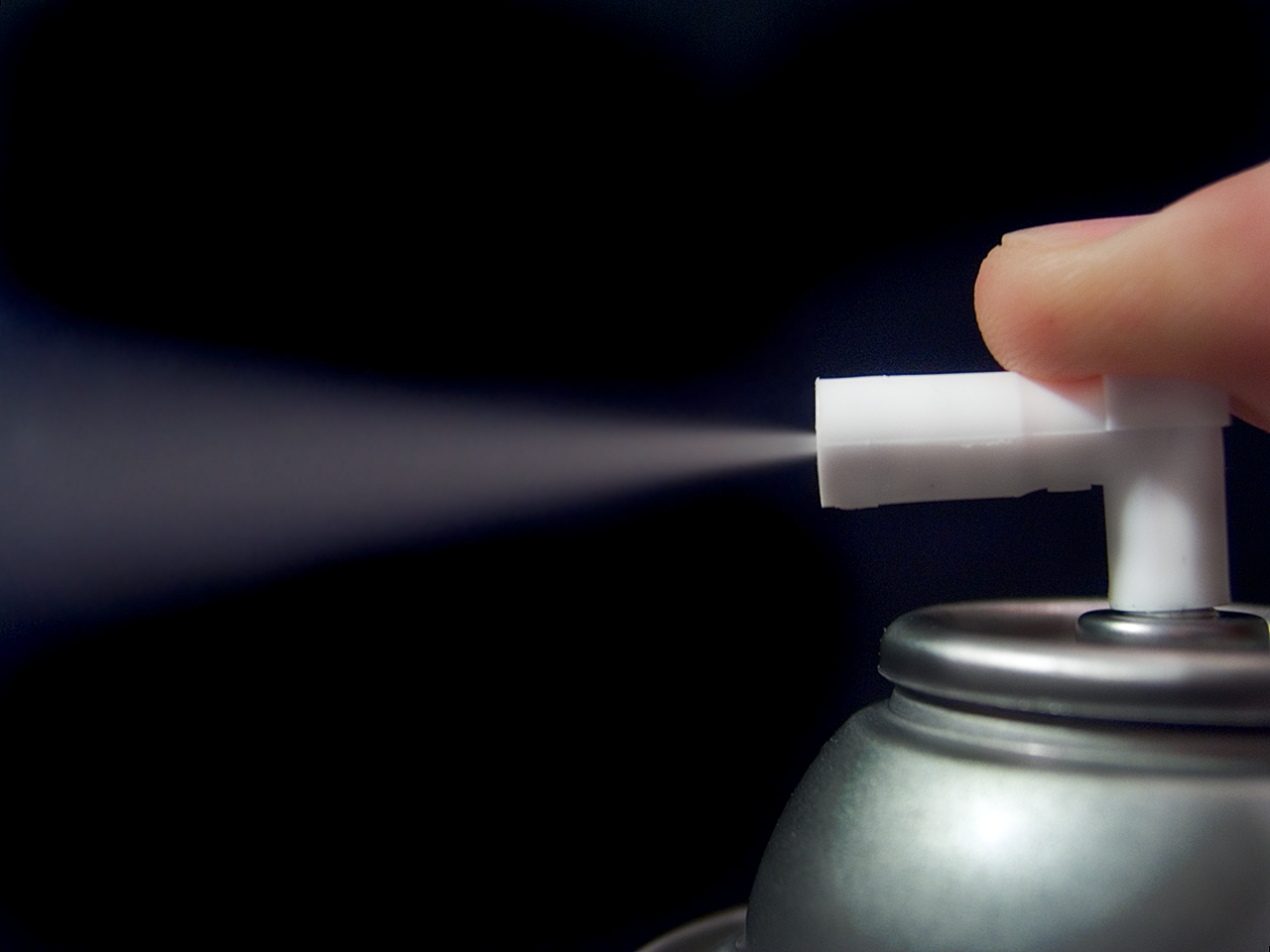
Flammable aerosols and various hazardous materials are restricted or banned from checked bags. Many household sprays are off-limits.
Flammable aerosols and a range of other hazardous materials face restrictions in checked luggage. While limited quantities of certain toiletry aerosols may be permitted, flammable sprays like some spray paints, certain cleaners, and other hazmat items are restricted or prohibited. The rules around aerosols and hazardous materials can be detailed and specific. Travelers should check the FAA’s “Pack Safe” guidance for any aerosol or chemical product before packing it, as flammable and hazardous items are commonly restricted from the cargo hold for safety reasons.
Like our content? Follow us for more.
11. Smart Luggage with Non-Removable Batteries
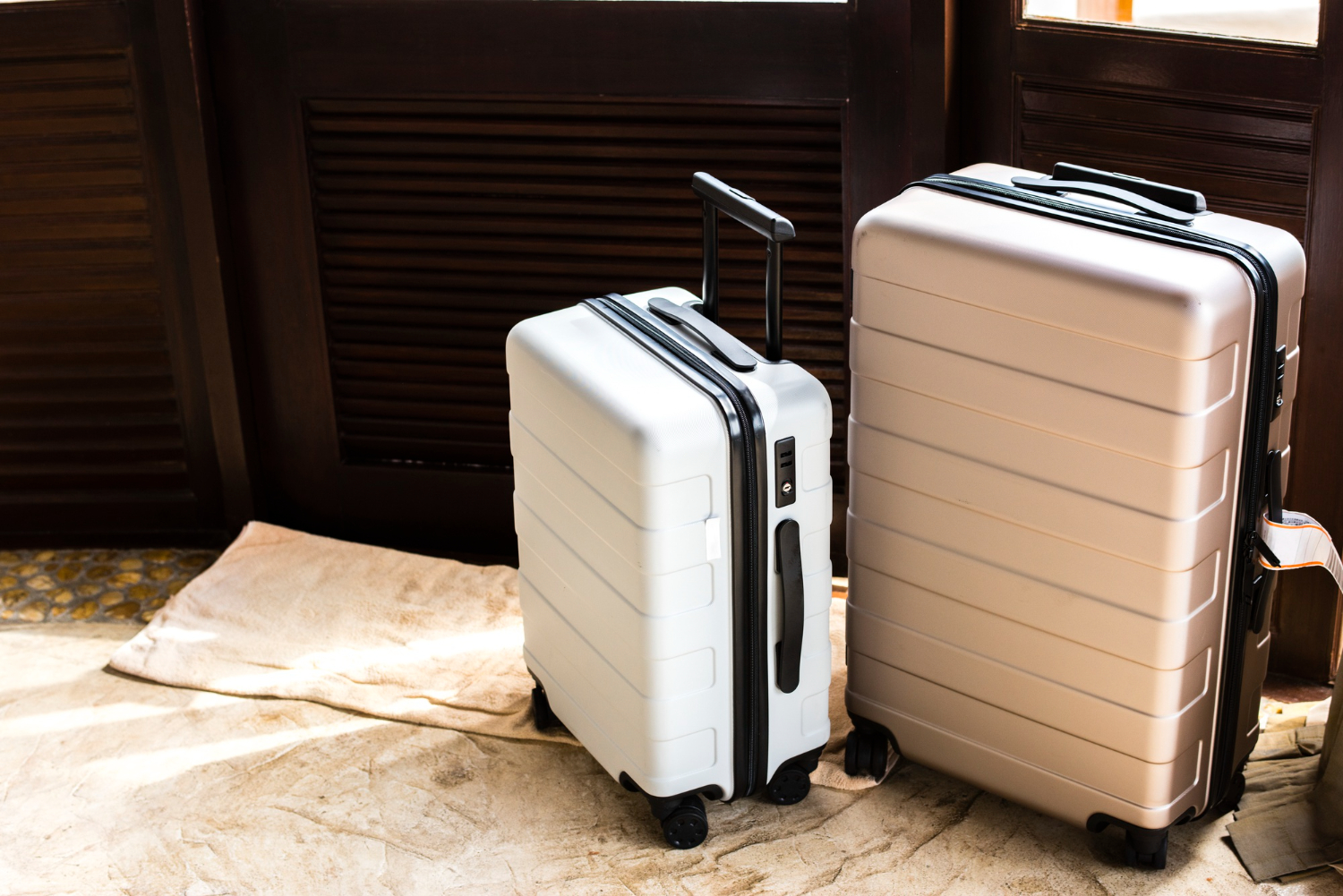
Smart bags whose lithium batteries can’t be removed are not allowed. The battery must come out and travel in the cabin.
So-called “smart luggage,” suitcases with built-in lithium batteries to charge devices or power features, comes with strict rules. If the battery can be removed, the bag may be checked once the battery is taken out and carried into the cabin, but bags with non-removable lithium batteries are generally not accepted for travel at all. Many travelers have been caught off guard at the gate. Anyone with a smart bag should confirm the battery is removable and plan to carry it onboard, or risk being denied at check-in in 2026.
10. High-Proof Alcohol Over 70% ABV

Alcohol stronger than 140 proof is banned from both checked and carry-on bags. Lower-proof spirits face quantity limits.
Alcoholic beverages over 70% alcohol by volume, that’s above 140 proof, are prohibited in both checked and carry-on baggage because they’re highly flammable. Beverages between 24% and 70% ABV are allowed in checked bags but limited to five liters per passenger in unopened retail packaging, while drinks under 24% have no such quantity limit. So that bottle of overproof spirits can’t fly. Travelers bringing alcohol home should check the proof and packaging rules carefully, as very high-proof liquor is among the items banned outright from luggage.
9. Strike-Anywhere Matches and Torch Lighters

Strike-anywhere matches and torch-style lighters are prohibited in checked bags. Fire-starting items face tight restrictions.
Fire-starting items are tightly regulated. Strike-anywhere matches are prohibited in both checked and carry-on bags, and torch lighters, which produce an intense jet flame, are also banned. While a passenger may carry one ordinary lighter or safety matches on their person in the cabin under specific rules, the cargo hold is off-limits for these items. Travelers should leave strike-anywhere matches and torch lighters at home, as they’re among the fire-risk items restricted from checked luggage for the safety of the aircraft.
8. Bear Spray and Self-Defense Sprays
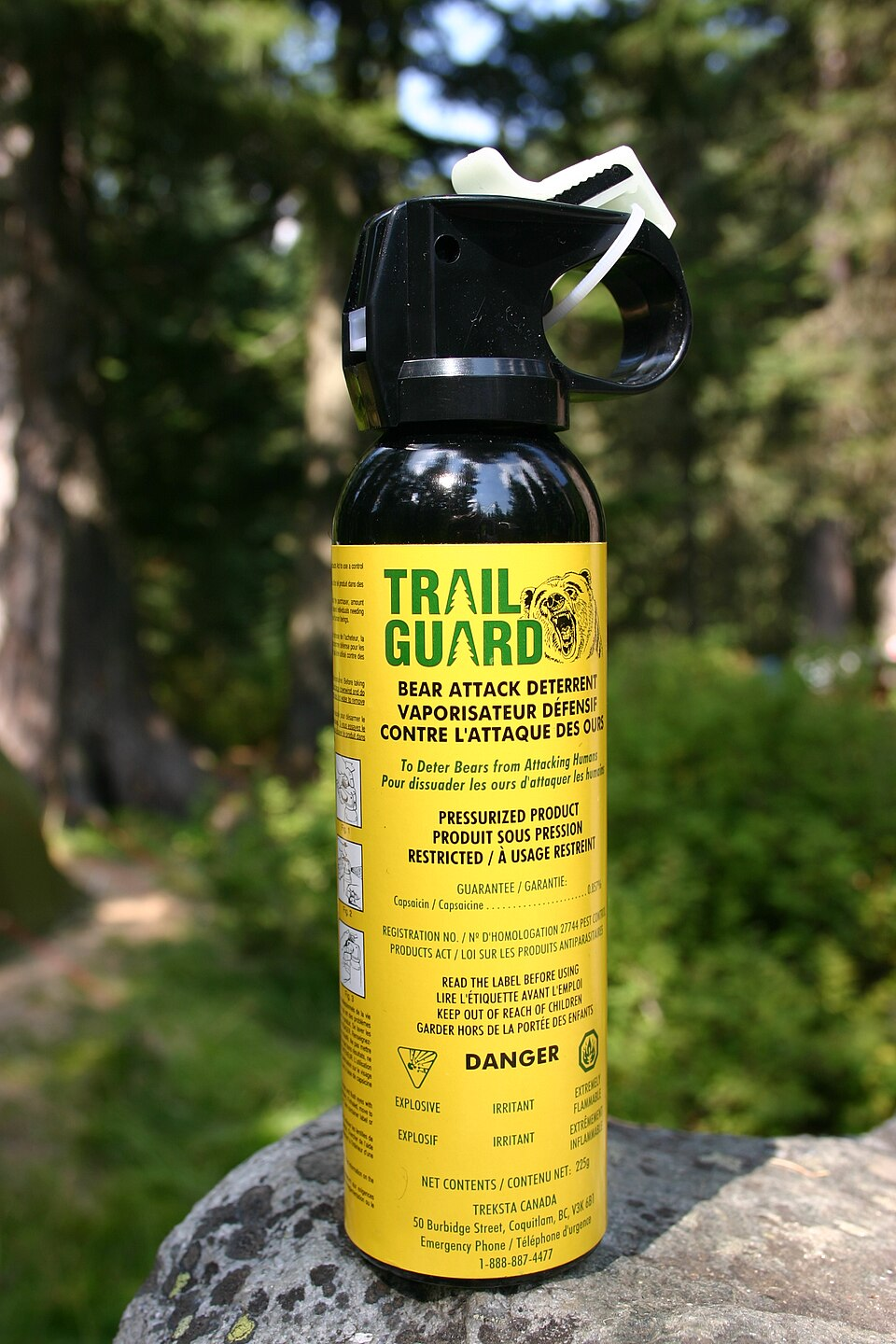
Bear spray and chemical self-defense sprays like mace are banned from checked bags. Their pressurized, irritant contents are the concern.
Bear spray and self-defense sprays such as mace and pepper spray face strict limits. Bear spray, a large, potent canister, is generally prohibited from both checked and carry-on baggage. Small personal self-defense sprays may be allowed in checked bags only under very specific size and safety-mechanism rules, but many are restricted. Their pressurized, irritant contents make them a hazard. Travelers, especially hikers and outdoors enthusiasts, should check the rules carefully, as bear spray in particular is among the items you cannot pack in checked luggage.
7. Compressed and Pressurized Gas Containers
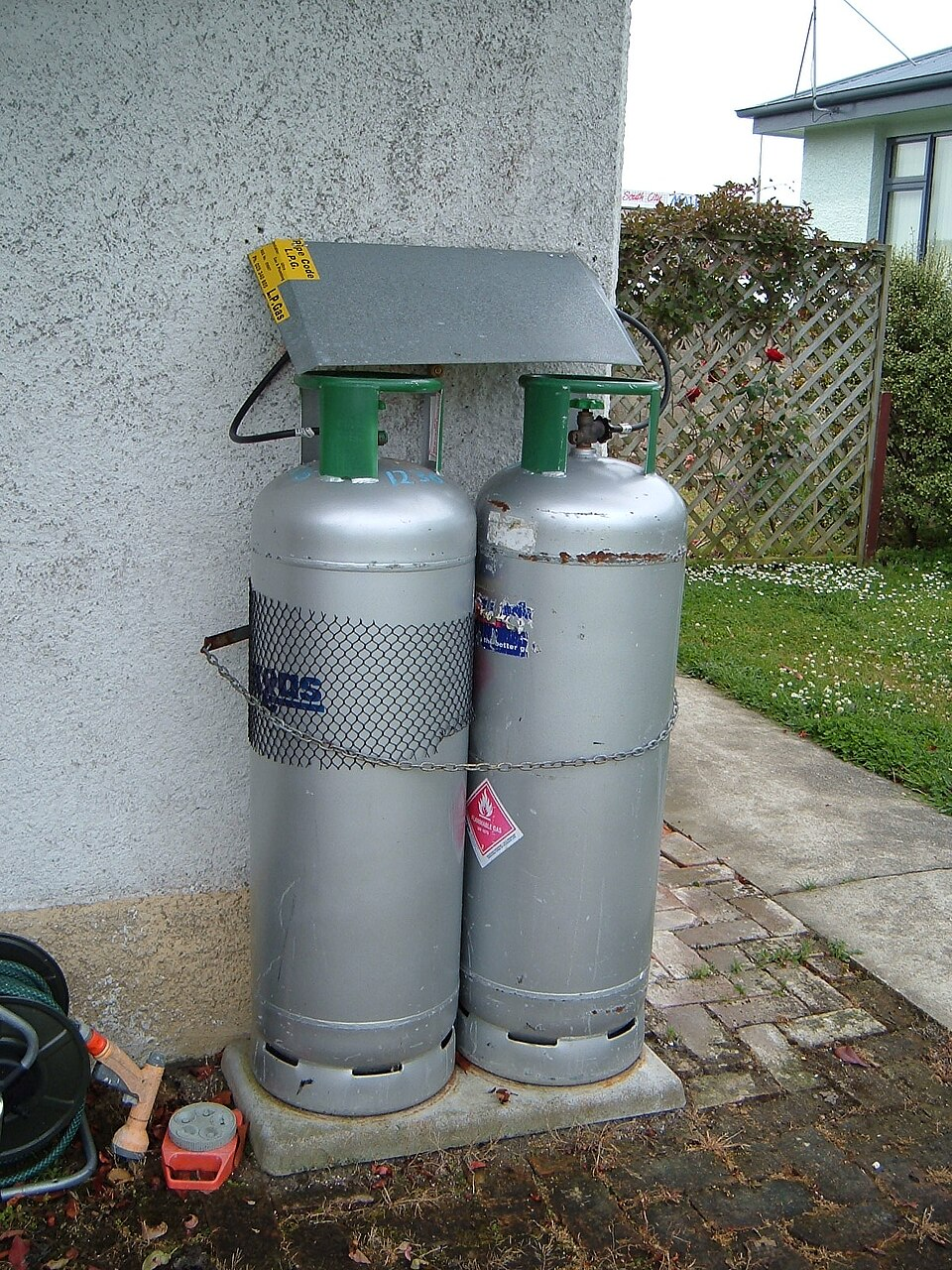
Propane, scuba tanks, CO2 cartridges, and similar pressurized containers are banned. Compressed gas poses a serious hazard.
Containers of compressed or pressurized gas are prohibited from checked luggage because of the danger they pose at altitude. This includes propane and butane canisters, scuba tanks, CO2 cartridges, certain spray paints, and similar items. The pressure changes and potential for leaks or explosion make them a clear hazard. Travelers heading to outdoor adventures or carrying equipment that uses gas cartridges should leave these items behind or ship them appropriately, as compressed-gas containers are firmly on the list of things banned from the cargo hold.
6. Flammable Liquids

Gasoline, lighter fluid, paint thinner, and similar flammable liquids are banned from all luggage. They’re classified as hazardous materials.
Flammable liquids are strictly prohibited in both checked and carry-on baggage. This covers gasoline, lighter fluid, fuel, paint thinner, and industrial solvents, all classified as hazardous materials that could ignite. Even small amounts or empty containers that held fuel can be a concern. There’s no exception for the cargo hold. Travelers should never attempt to pack flammable liquids, as they’re among the most clearly banned items, and bringing them, especially undeclared, can carry serious penalties under federal hazardous-materials law.
5. Fireworks and Explosives
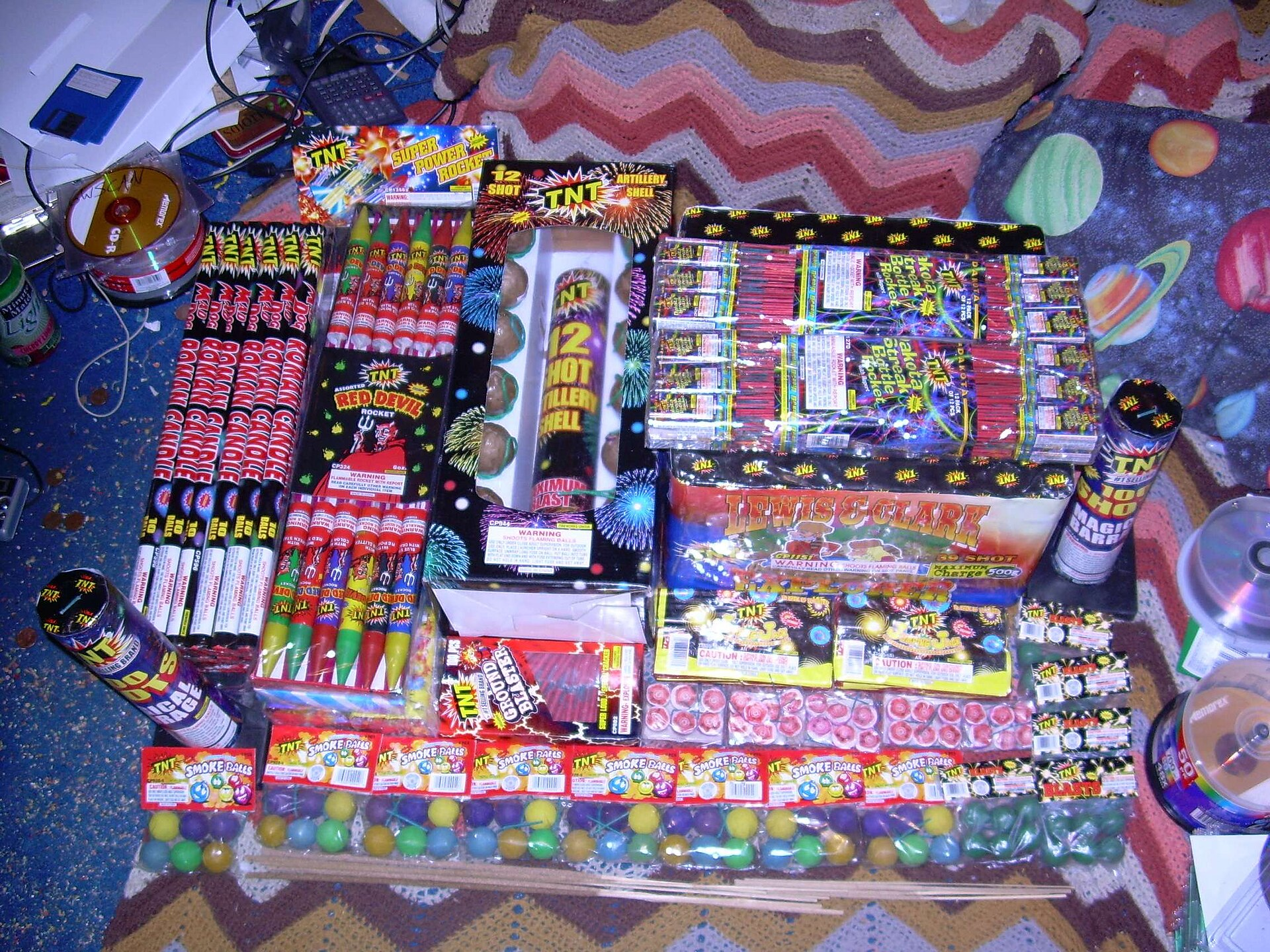
Fireworks, firecrackers, sparklers, and party poppers are banned from luggage. Anything explosive is strictly off-limits.
Fireworks and similar explosives are strictly prohibited from both checked and carry-on baggage. This includes firecrackers, sparklers, novelty explosives, and even small party poppers, all of which pose obvious fire and explosion risks. There are no exceptions for personal or celebratory use. Travelers hoping to bring home fireworks from a trip, or pack them for a holiday, must leave them behind, as they rank among the most clearly banned items in air travel and are taken seriously by security for the safety of everyone aboard.
4. Damaged or Recalled Lithium Batteries and Devices
Damaged, swollen, or recalled lithium batteries and devices are banned from both checked and carry-on bags. They’re a fire risk in any location.
Lithium batteries or devices that are damaged, defective, swollen, leaking, or subject to a safety recall are prohibited from both checked and carry-on baggage, since they’re prone to overheating and catching fire. This includes recalled phones and any battery showing signs of damage. The principle is simple: a compromised lithium battery is a serious hazard anywhere on the plane. Travelers should never fly with damaged or recalled batteries and devices, and should have them safely replaced before traveling, as they’re banned from luggage entirely.
3. E-Cigarettes and Vaping Devices
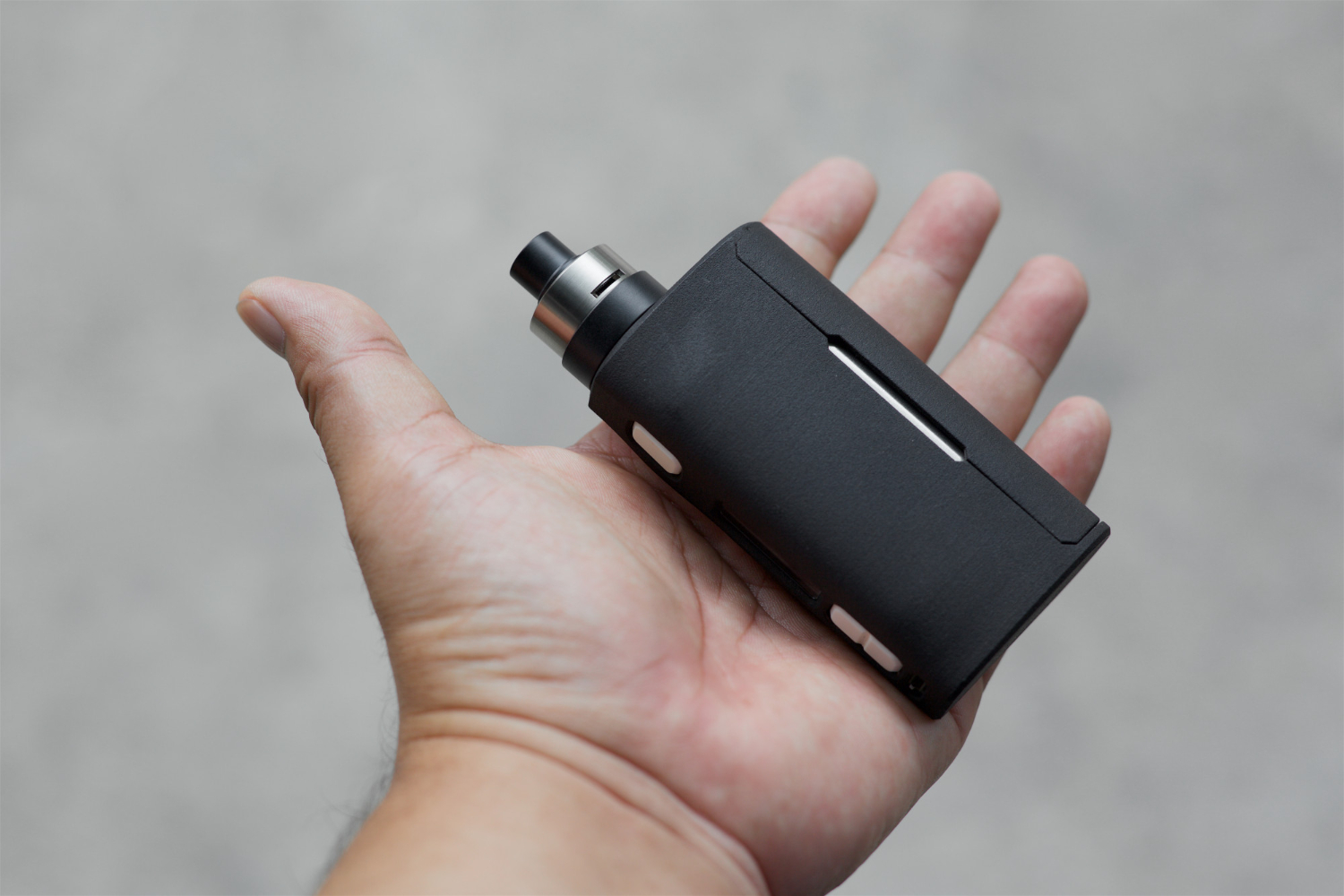
Vapes, e-cigarettes, and electronic smoking devices must travel in the cabin, never in checked bags. Their lithium batteries are the reason.
E-cigarettes, vape pens, and all electronic smoking devices are always prohibited from checked baggage and must be carried in the cabin instead, because their lithium batteries can overheat. They also must not be used or charged during the flight. This rule catches many travelers by surprise at check-in. Anyone who uses a vaping device should pack it in their carry-on, never in a checked bag, as these devices are firmly on the list of items banned from the cargo hold in 2026 for fire-safety reasons.
2. Power Banks and Portable Chargers
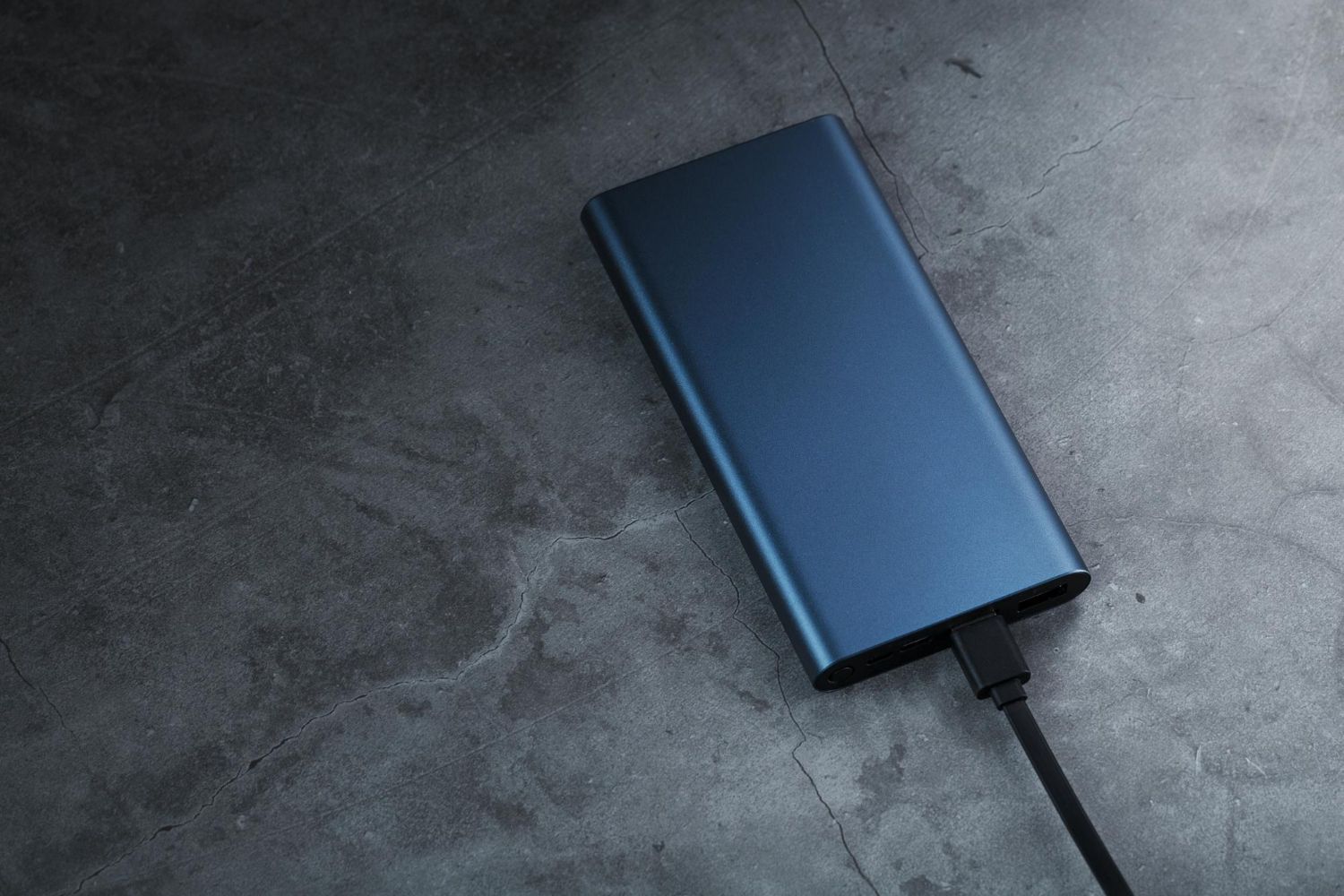
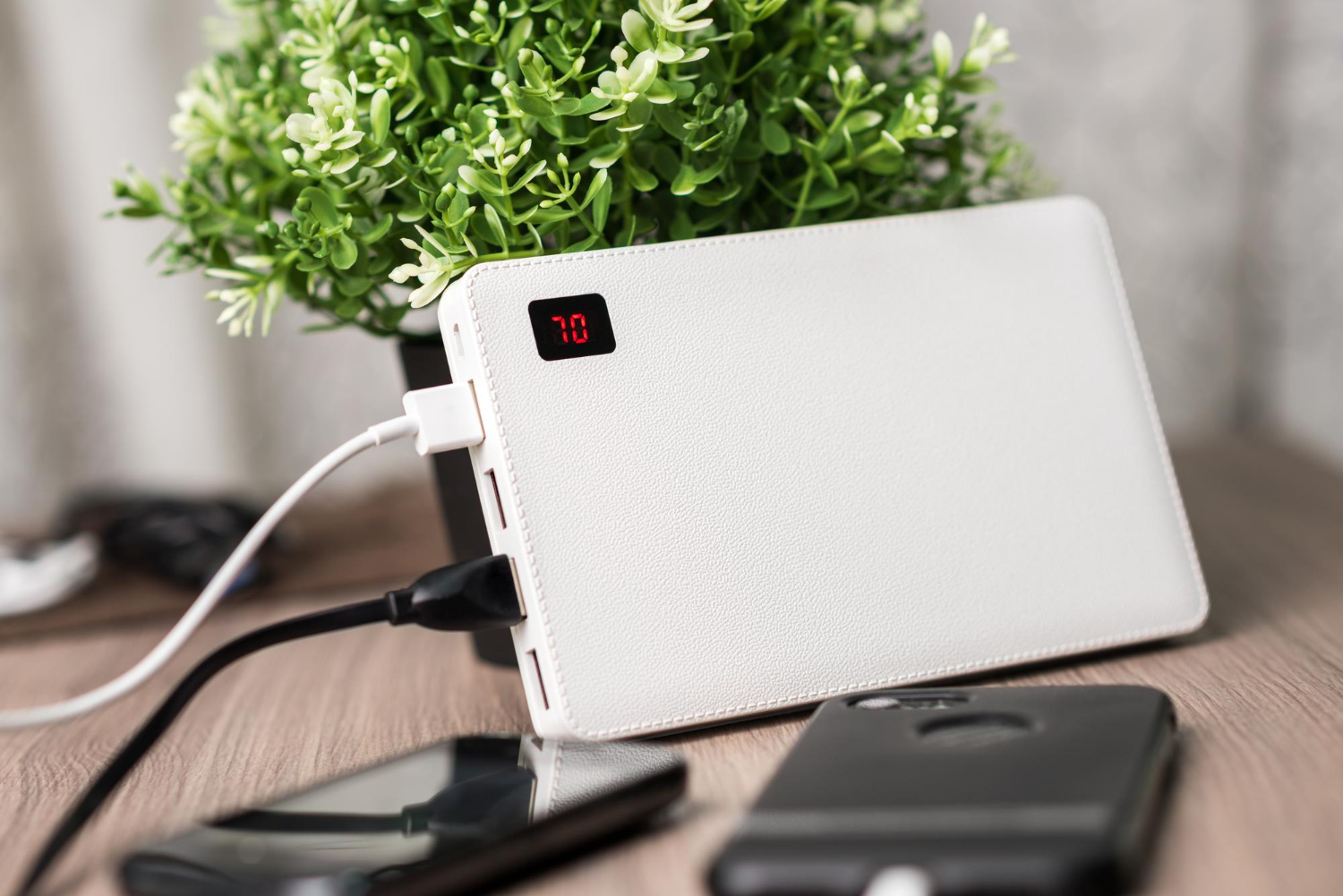
Power banks and portable chargers must go in your carry-on, not checked luggage. Their lithium batteries can’t ride in the hold.
Power banks and portable chargers, so handy for keeping devices charged, contain lithium-ion batteries and are prohibited from checked baggage. They must be packed in carry-on bags and kept in the cabin, and if a carry-on is gate-checked, the power banks must be removed and brought onboard. Many airlines also limit how many you can carry. With enforcement increasing in 2026, travelers should always pack power banks in their carry-on, as they’re among the most common items mistakenly placed in checked bags.
1. Spare Lithium Batteries
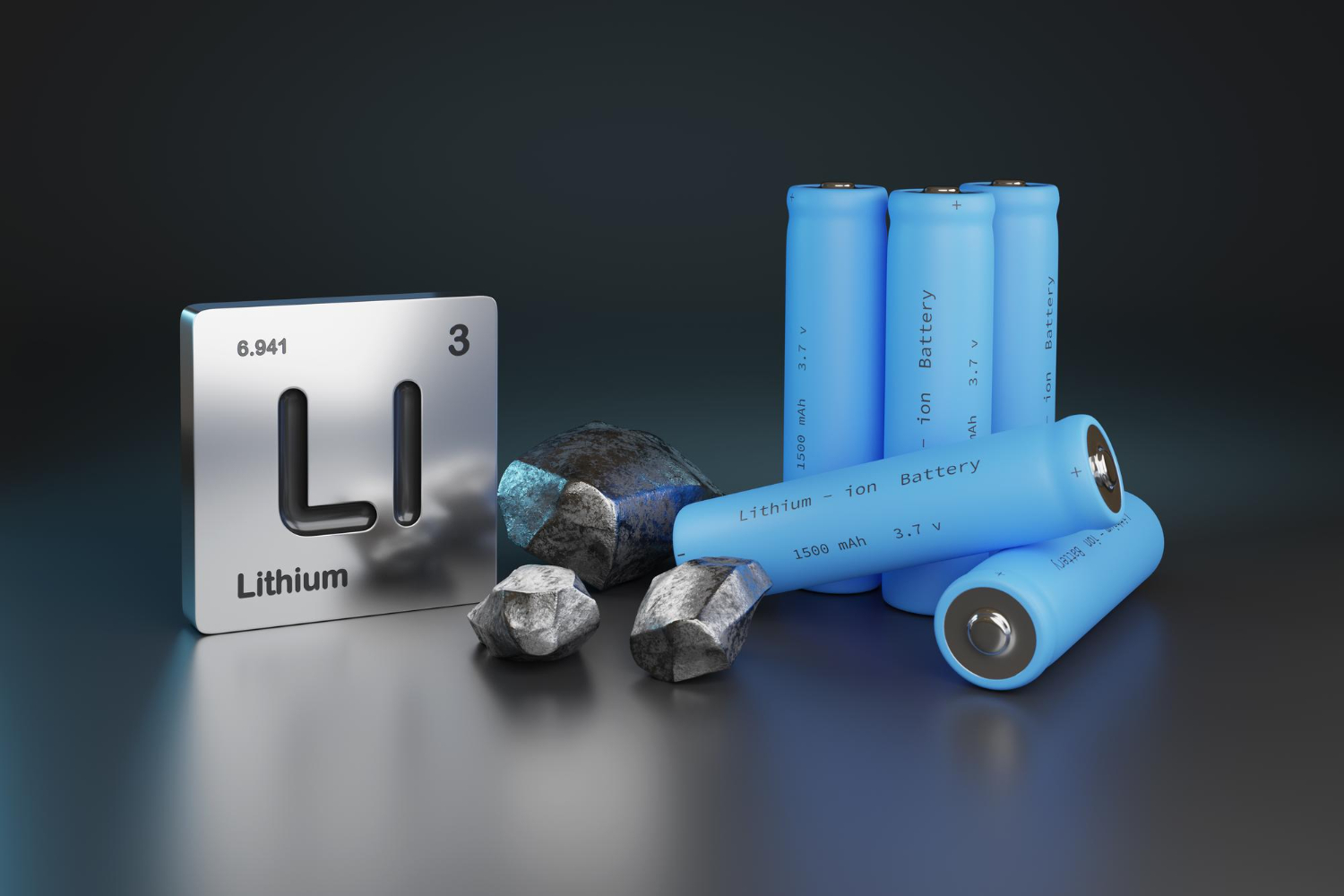
Spare, uninstalled lithium batteries top the list, banned from checked bags and required to travel in the cabin. Fire risk is the reason.
Topping the list, spare or uninstalled lithium batteries, for cameras, laptops, phones, and other electronics, are prohibited from checked baggage and must be carried in the cabin, with their terminals protected from short-circuiting. Batteries up to 100 watt-hours are fine in carry-on, those between 101 and 160 watt-hours need airline approval and are limited to two, and anything over 160 watt-hours is forbidden. Because a lithium battery fire is far easier to manage in the cabin than the hold, spare batteries are the number-one item you can’t pack in checked luggage.
Pack Smart and Fly Safe
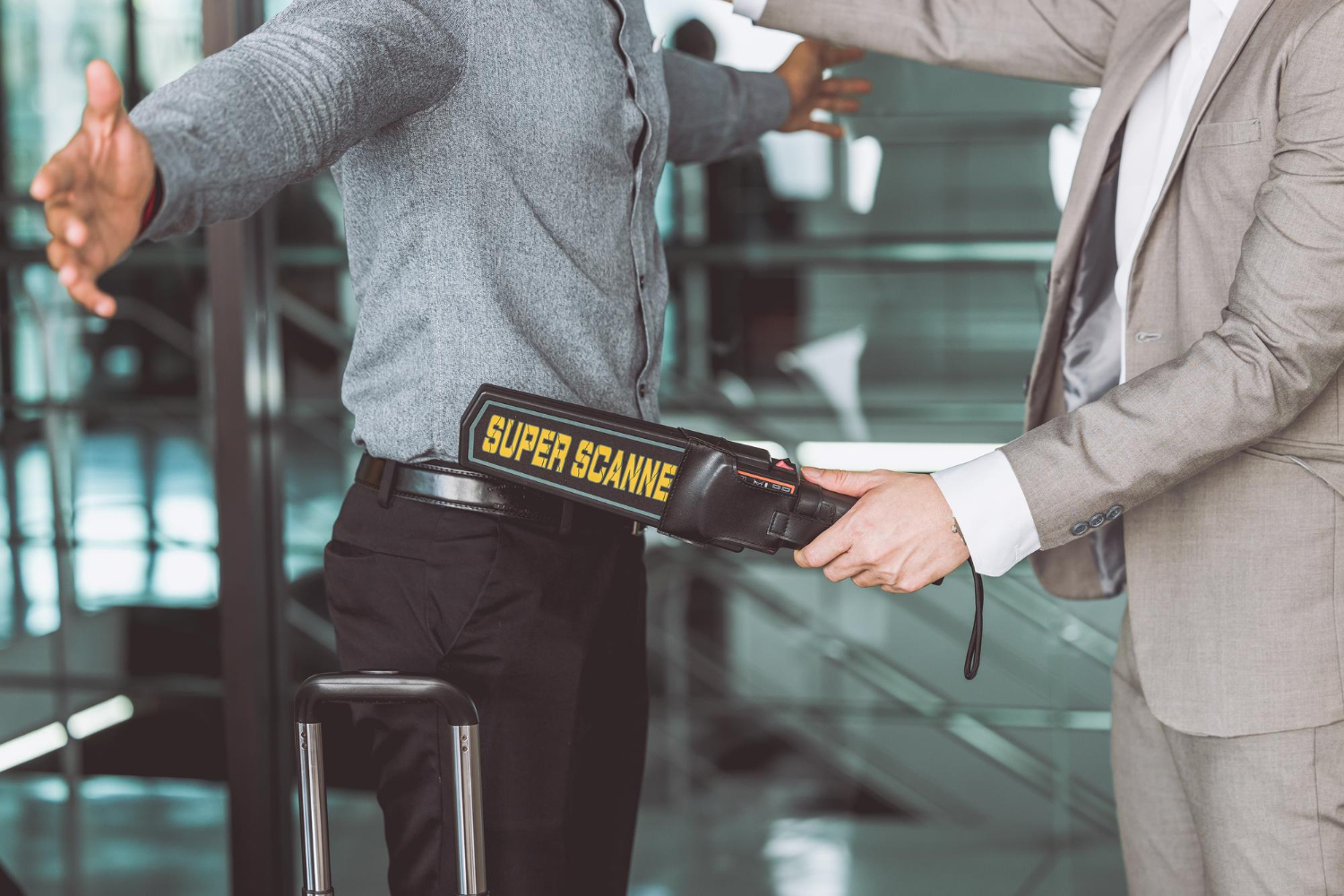
Taken together, these twelve items represent the things you cannot pack in checked luggage in 2026, with a clear theme running through the list: fire and explosion risks. Lithium batteries, in spare form, in power banks, and in vaping devices, must travel in the cabin, while flammable liquids, gases, fireworks, and damaged batteries are banned from luggage entirely.
The reasoning behind these rules is safety: an emergency in the passenger cabin can be spotted and handled by the crew, while a fire in the cargo hold is far more dangerous. To avoid having items confiscated, facing delays, or risking fines, travelers should review the FAA’s “Pack Safe” resource and their airline’s specific policies before packing, since individual airlines may have stricter limits and the rules can change. And remember, the TSA officer at the checkpoint always has the final say on what’s allowed. A little preparation ensures a smoother trip, and a safer flight, for everyone aboard.
Like our content? Follow us for more.