Most kitchens sort food into fridge and pantry by habit rather than by chemistry, and a surprising number of everyday items land on the wrong side of that door, steadily losing freshness, flavor, or safety margin on a shelf when they’d last weeks or months longer in the cold. Here are ten foods you should be refrigerating but probably aren’t, counted down one by one.
1. Maple Syrup, Once the Bottle Is Open
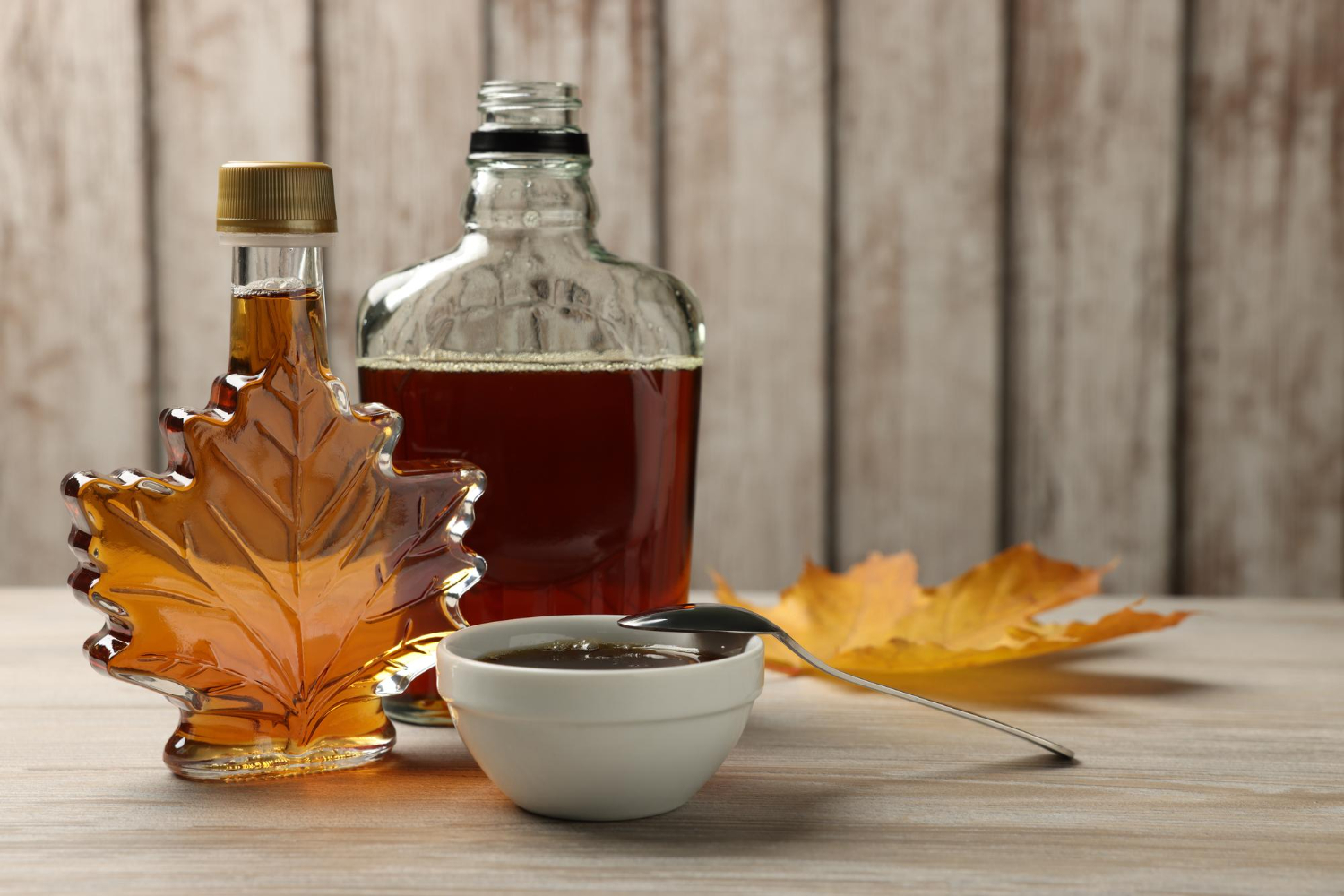
Real maple syrup is a pantry item only until opening. Afterward, it can grow mold at room temperature.
Pure maple syrup keeps beautifully unopened, but once the seal is broken it becomes a candidate for surface mold at room temperature, which is why producers themselves direct buyers to refrigerate after opening. Maple syrup, once the bottle is open, belongs in the fridge, where it keeps for many months, and its only cold-weather quirk, thickening slightly, disappears the moment it’s warmed.
Like our content? Follow us for more.
2. Natural Peanut and Nut Butters
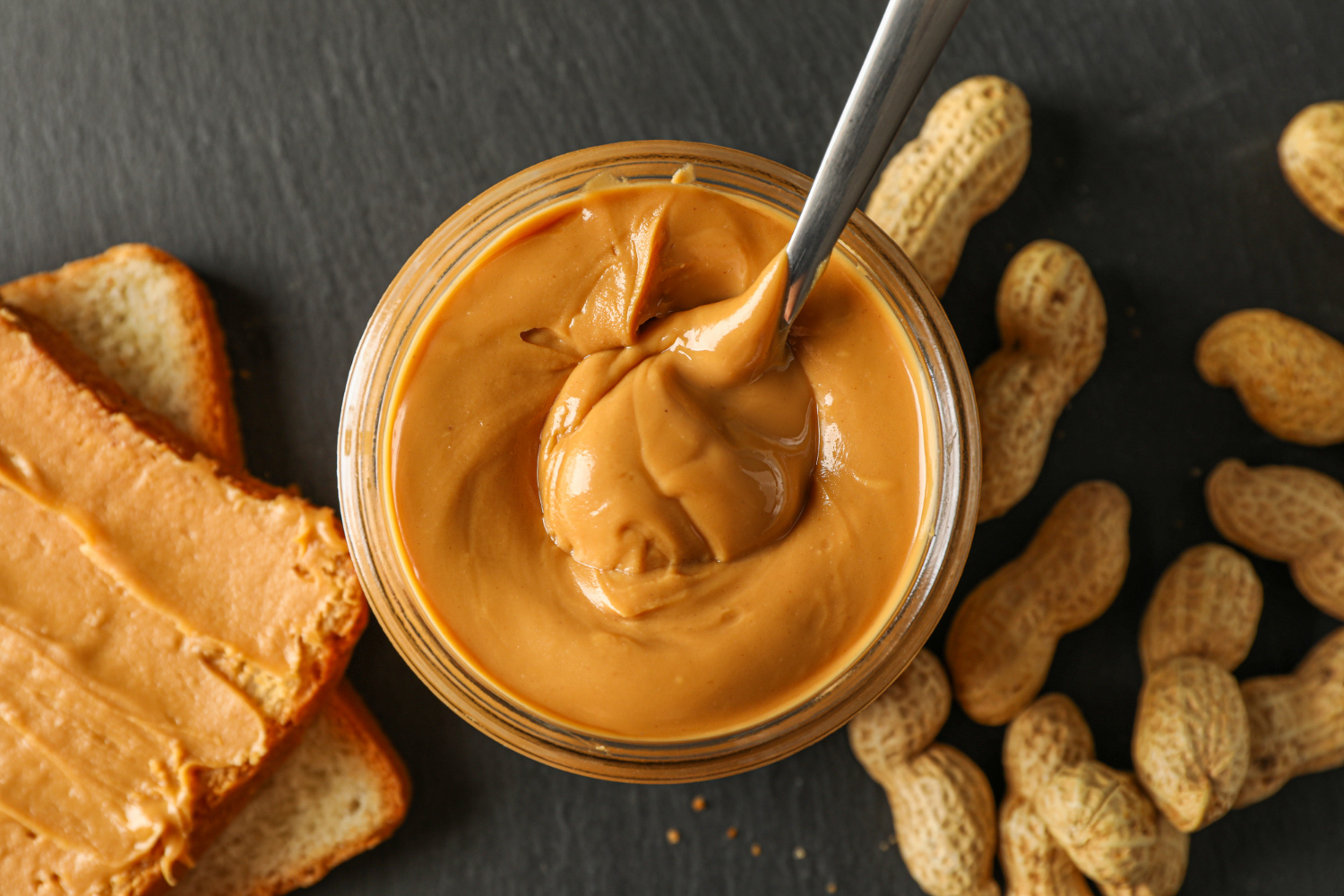
Natural nut butters contain oils that go rancid. The fridge slows that clock dramatically.
Natural-style nut butters, the kind with an oil layer on top and no stabilizers, are essentially jars of fresh-ground nuts, and their oils slowly turn rancid at room temperature, developing the flat, bitter taste of oxidation. Natural peanut and nut butters keep markedly longer refrigerated, and storing the jar upside down in the fridge even makes the stirring problem easier.
3. Whole-Wheat and Other Whole-Grain Flours
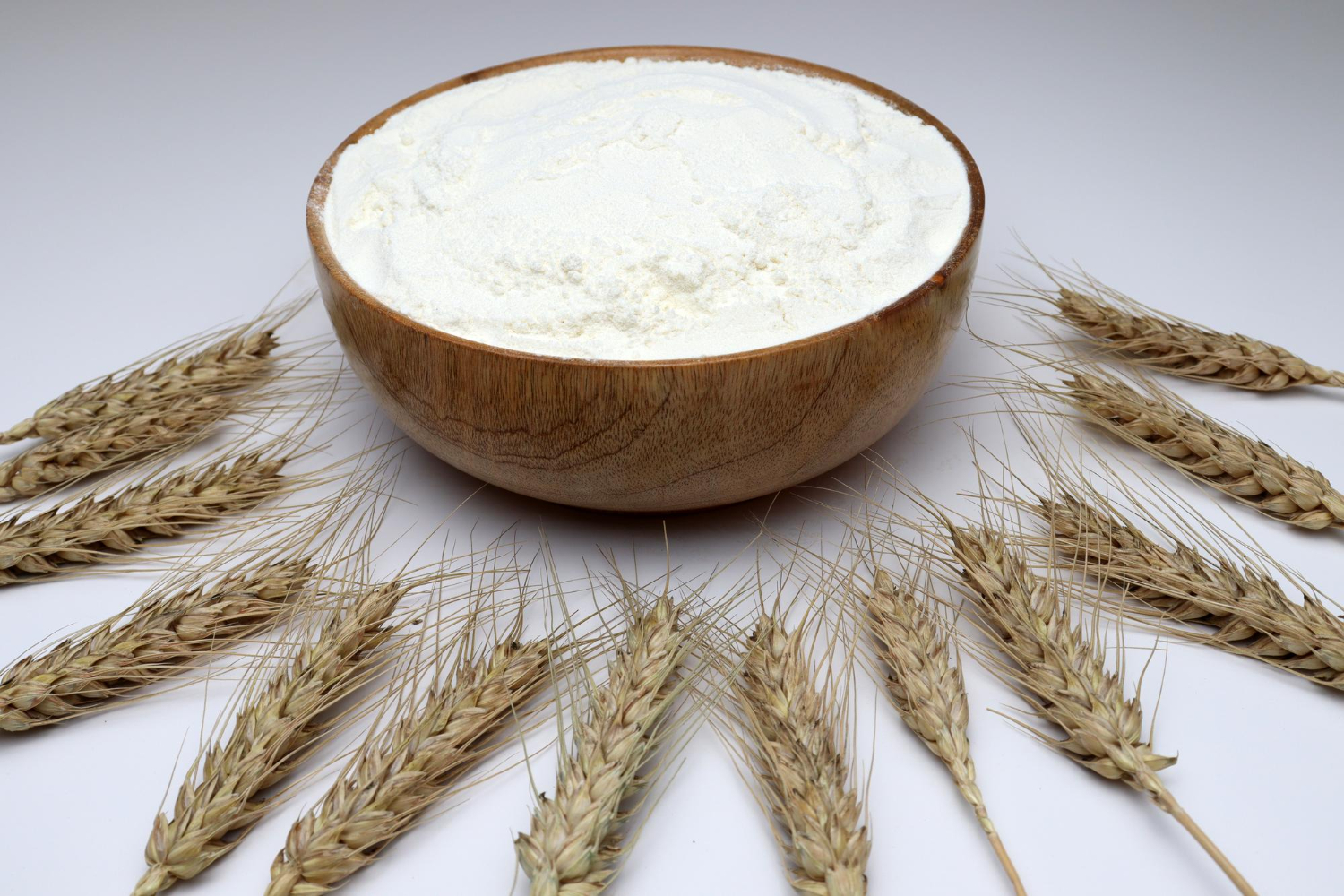
Whole-grain flours contain the oily germ of the grain. Room-temperature storage lets those oils spoil.
Unlike shelf-stable white flour, whole-wheat, rye, and other whole-grain flours still contain the grain’s oily germ, which goes rancid within months in a warm pantry and gives baked goods an off, bitter edge long before anyone suspects the flour. Whole-wheat and other whole-grain flours last dramatically longer sealed in the fridge or freezer, a swap serious bakers made long ago.
4. Nuts and Seeds Bought in Quantity
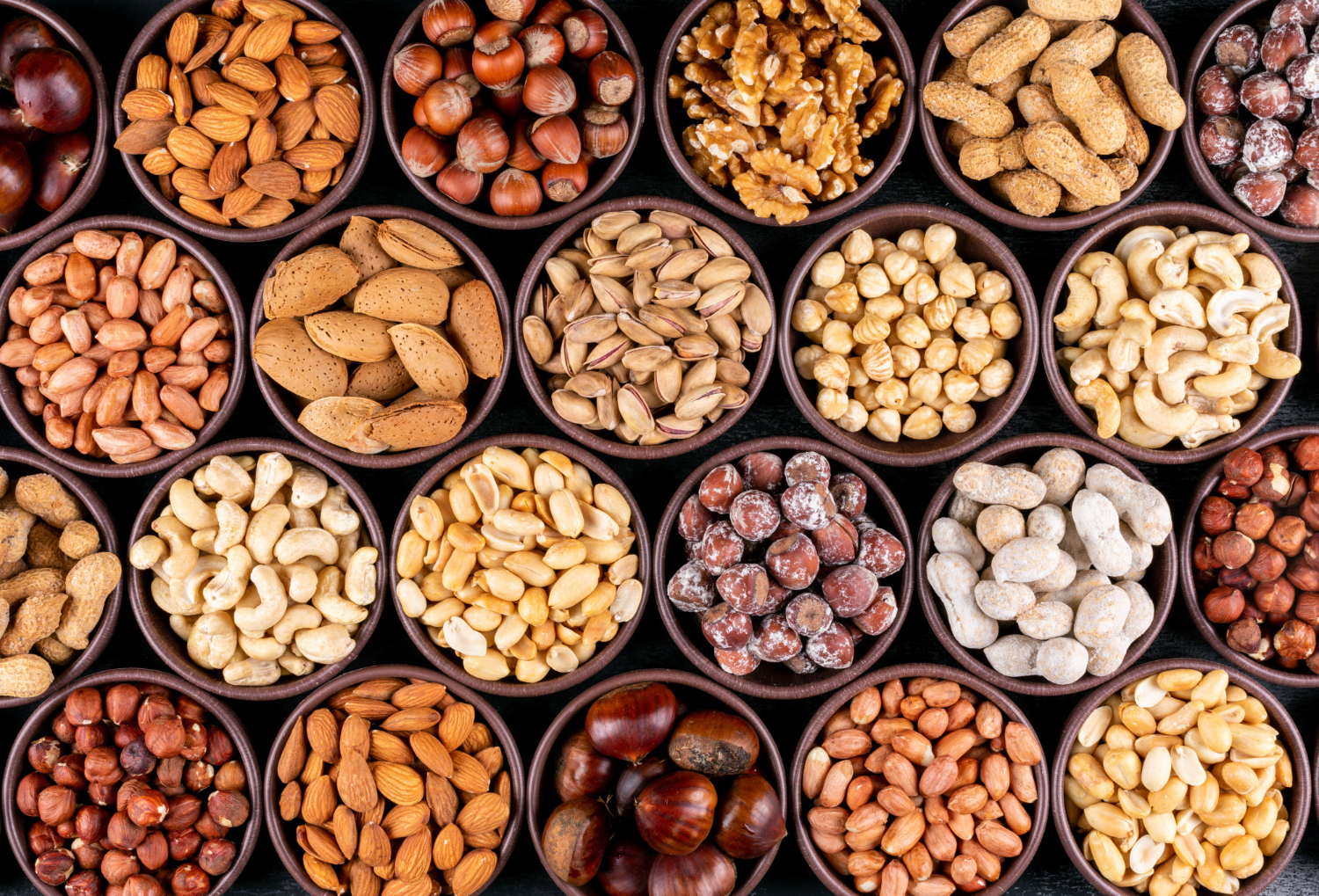
Nuts are rich in delicate oils. The pantry turns big bags stale before you finish them.
The same oils that make walnuts, pecans, and sunflower seeds nutritious also make them perishable, and a warehouse-club bag stored in a warm cabinet often turns stale and bitter months before it’s used up. Nuts and seeds bought in quantity hold their fresh flavor for many months refrigerated, and up to a year or more in the freezer, straight from which they can be used with no thawing at all.
5. Corn on the Cob, the Moment You’re Home
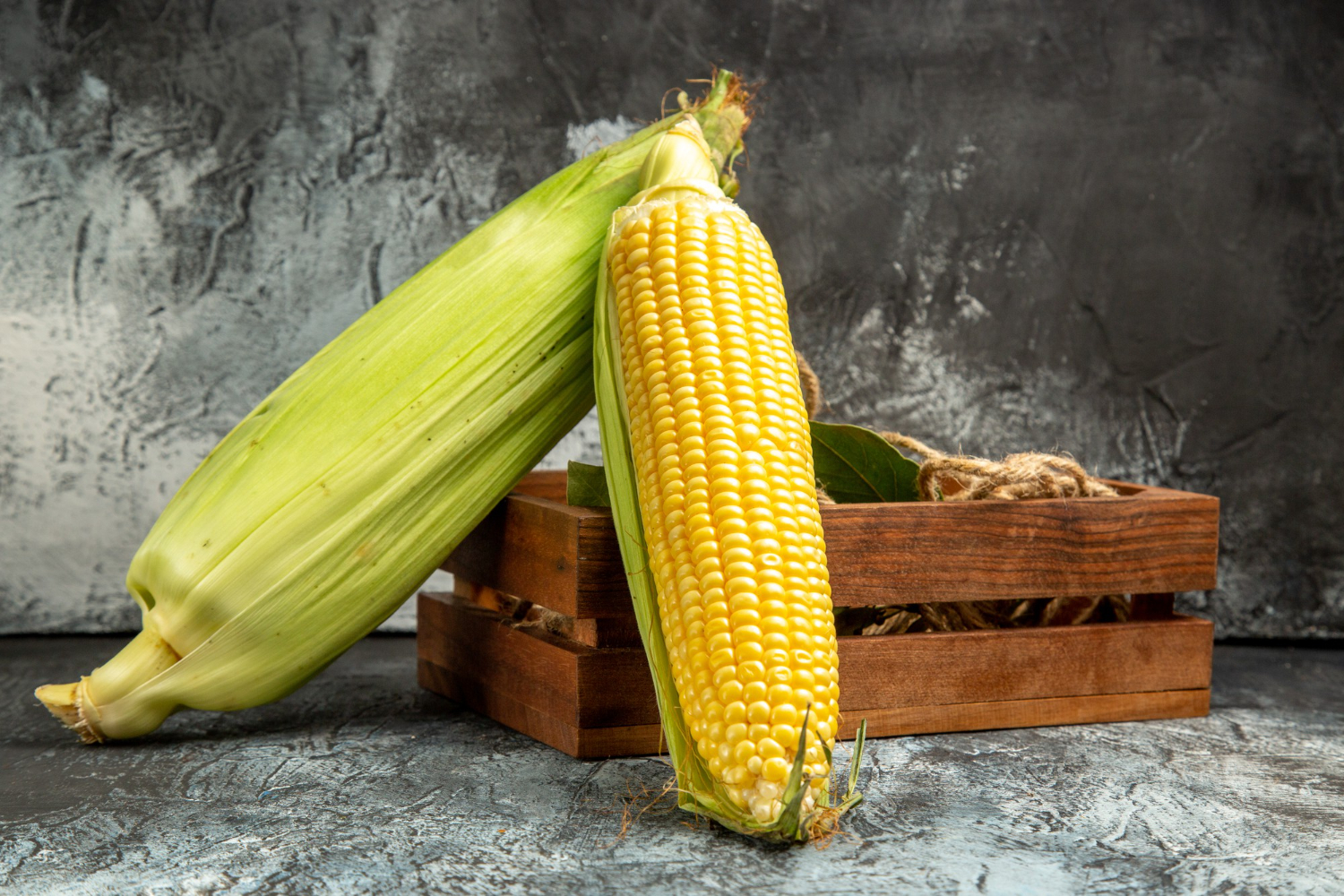
Sweet corn starts converting sugar to starch at picking. Warmth accelerates the loss dramatically.
Sweet corn begins converting its sugars to starch the moment it’s picked, and every warm hour on a counter costs it sweetness, which is why corn bought at a weekend farm stand can taste ordinary by Monday’s dinner. Corn on the cob, the moment you’re home, should go into the fridge in its husk, where the cold slows that conversion and protects the sweetness you paid for.
6. Ripe Avocados You’re Not Ready to Eat
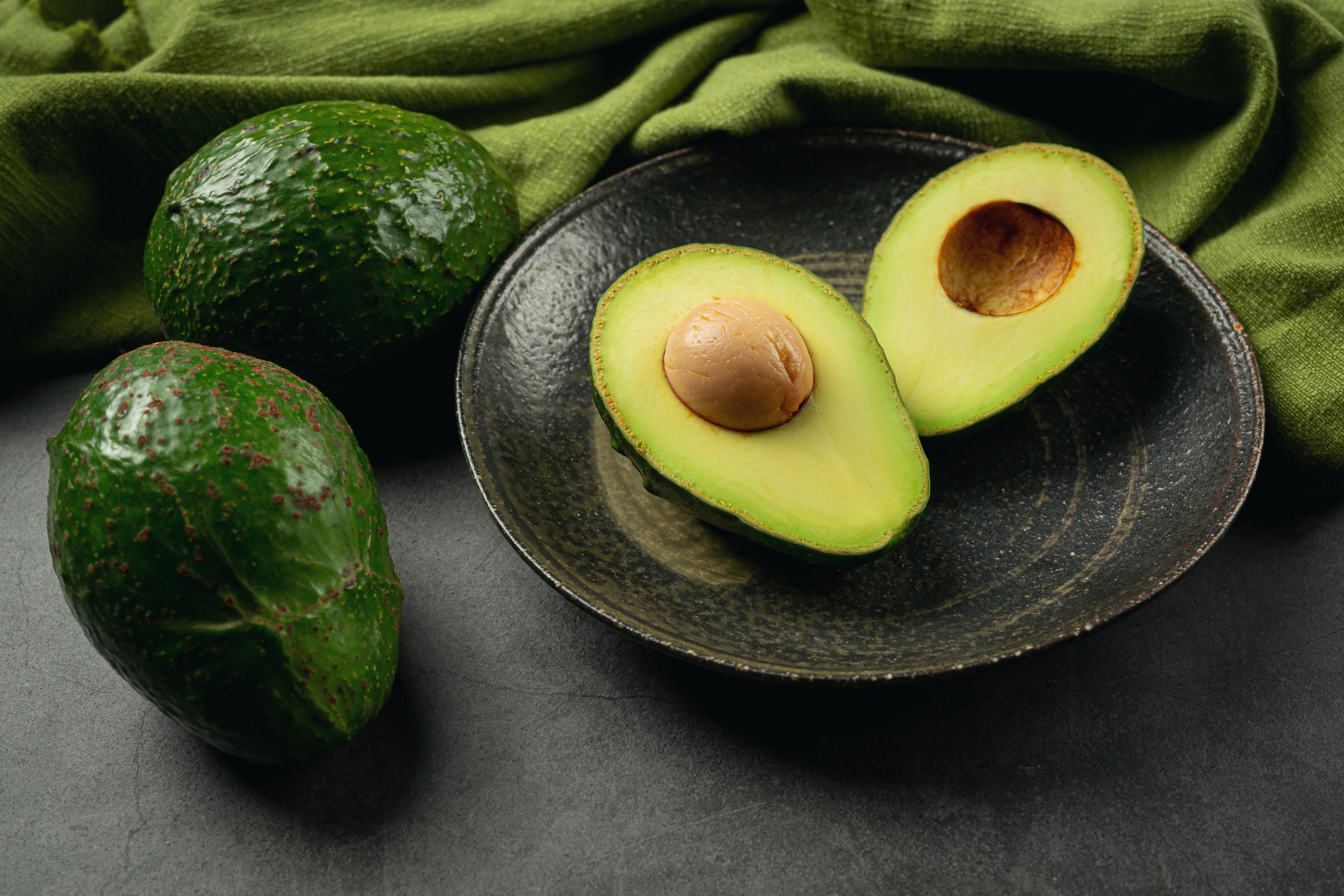
Refrigeration pauses a ripe avocado. The counter gives you a one-day window; the fridge gives you several.
An avocado should ripen on the counter, but the moment it yields to gentle pressure it’s on a one-day countdown to brown, unless it moves to the refrigerator, where ripening pauses and the perfect stage stretches across several days. Ripe avocados you’re not ready to eat belong in the fridge, one of the simplest fixes for the most famously narrow window in the produce aisle.
7. Citrus You Want to Last More Than a Week
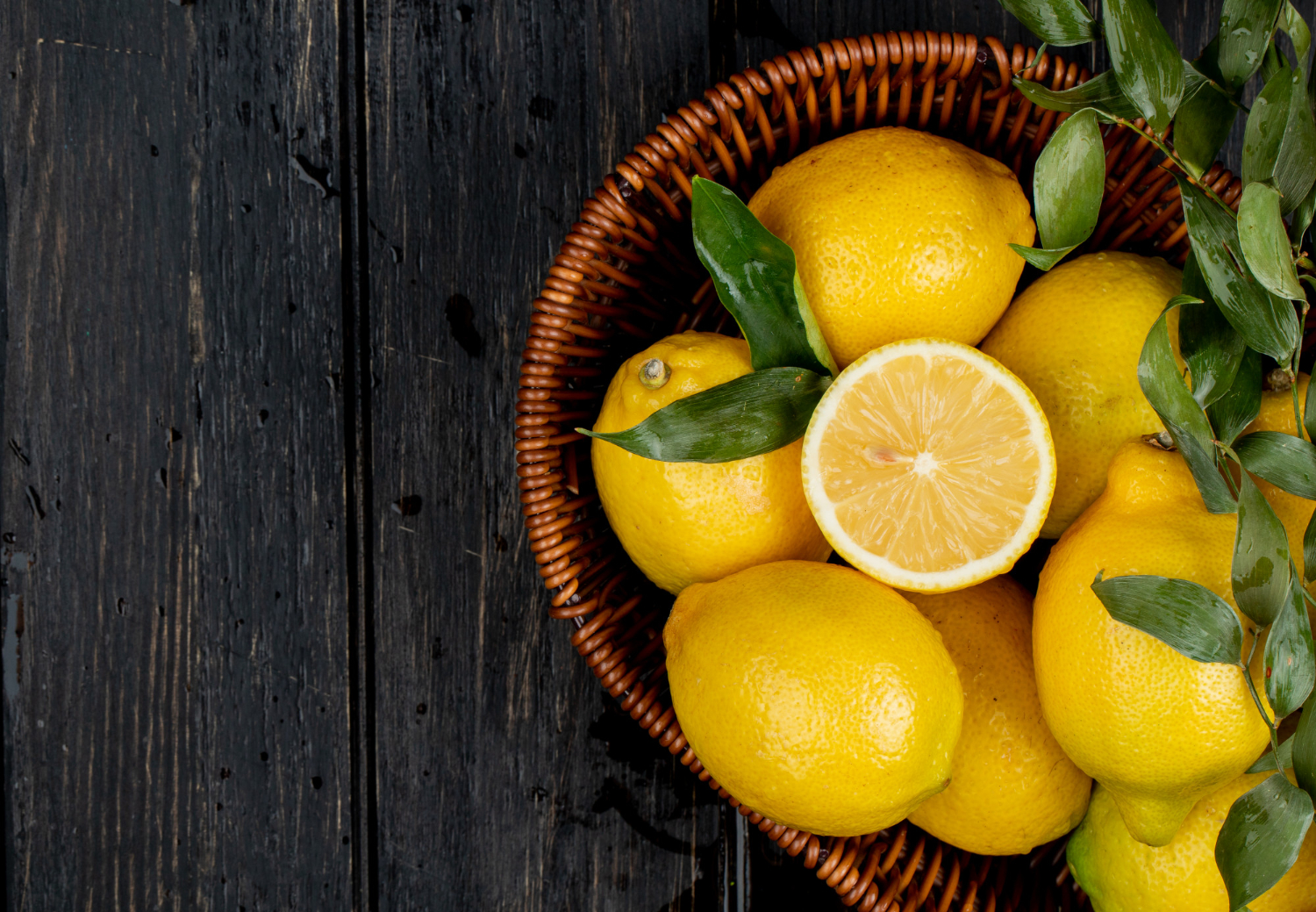
Oranges and lemons look permanent in a bowl. In the crisper, they last two to three times longer.
The countertop fruit bowl is where citrus looks best and lasts least, drying out and dulling within a week or so, while the same oranges, lemons, and limes hold their juice and flavor for several weeks in the refrigerator’s crisper drawer. Citrus you want to last more than a week belongs in the cold, with a few days’ supply left out for looks if the bowl must stay full.
8. Tortillas After the Package Is Opened
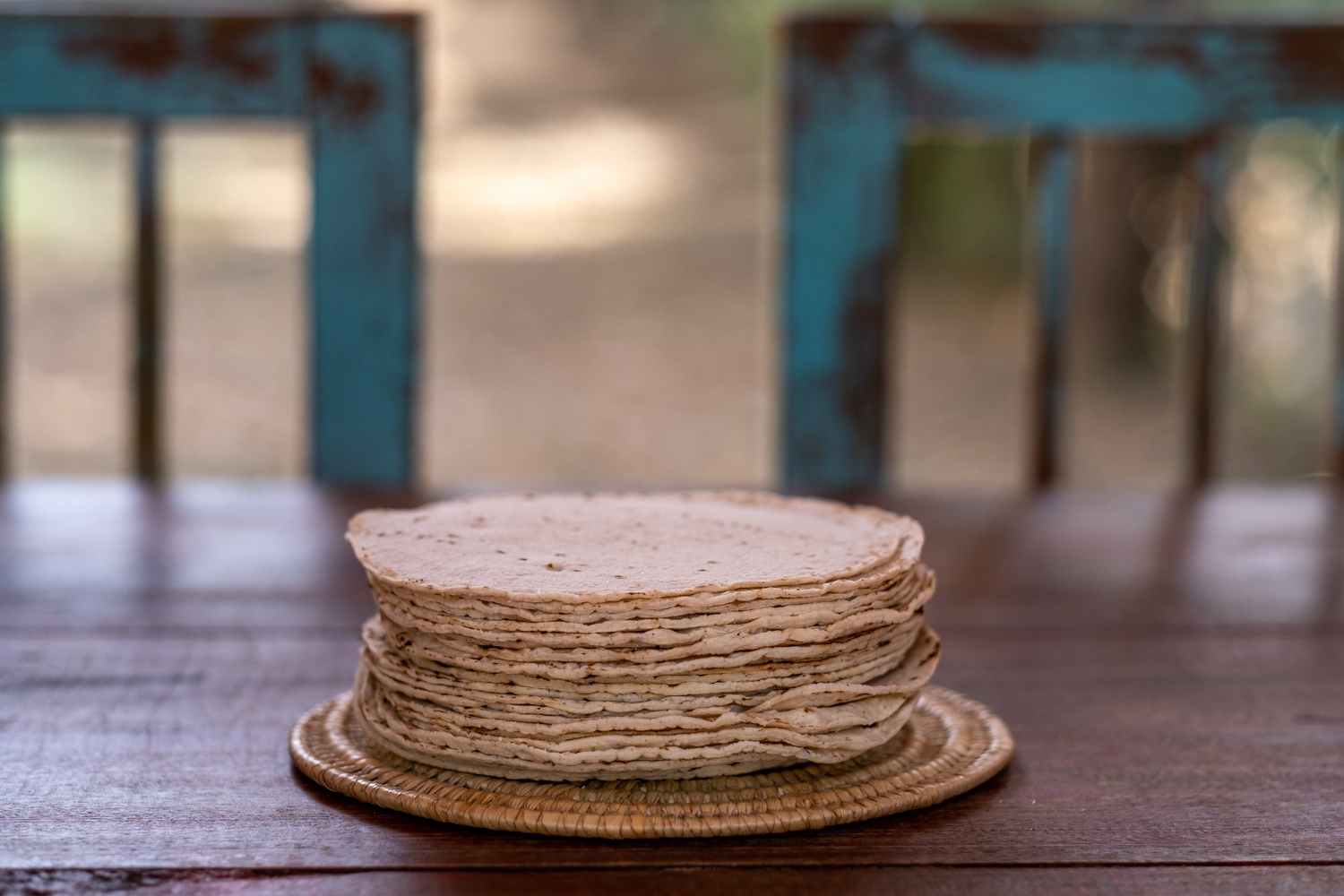
Opened tortillas mold quickly in a warm kitchen. Most brands themselves recommend refrigeration.
Tortillas ride in the pantry aisle at the store, but once opened they mold quickly at room temperature, which is why the fine print on most packages recommends refrigerating after opening, advice few shoppers ever read. Tortillas after the package is opened keep weeks longer in the fridge, and thirty seconds in a dry skillet restores them completely.
9. Dried Fruit You Bought in Bulk
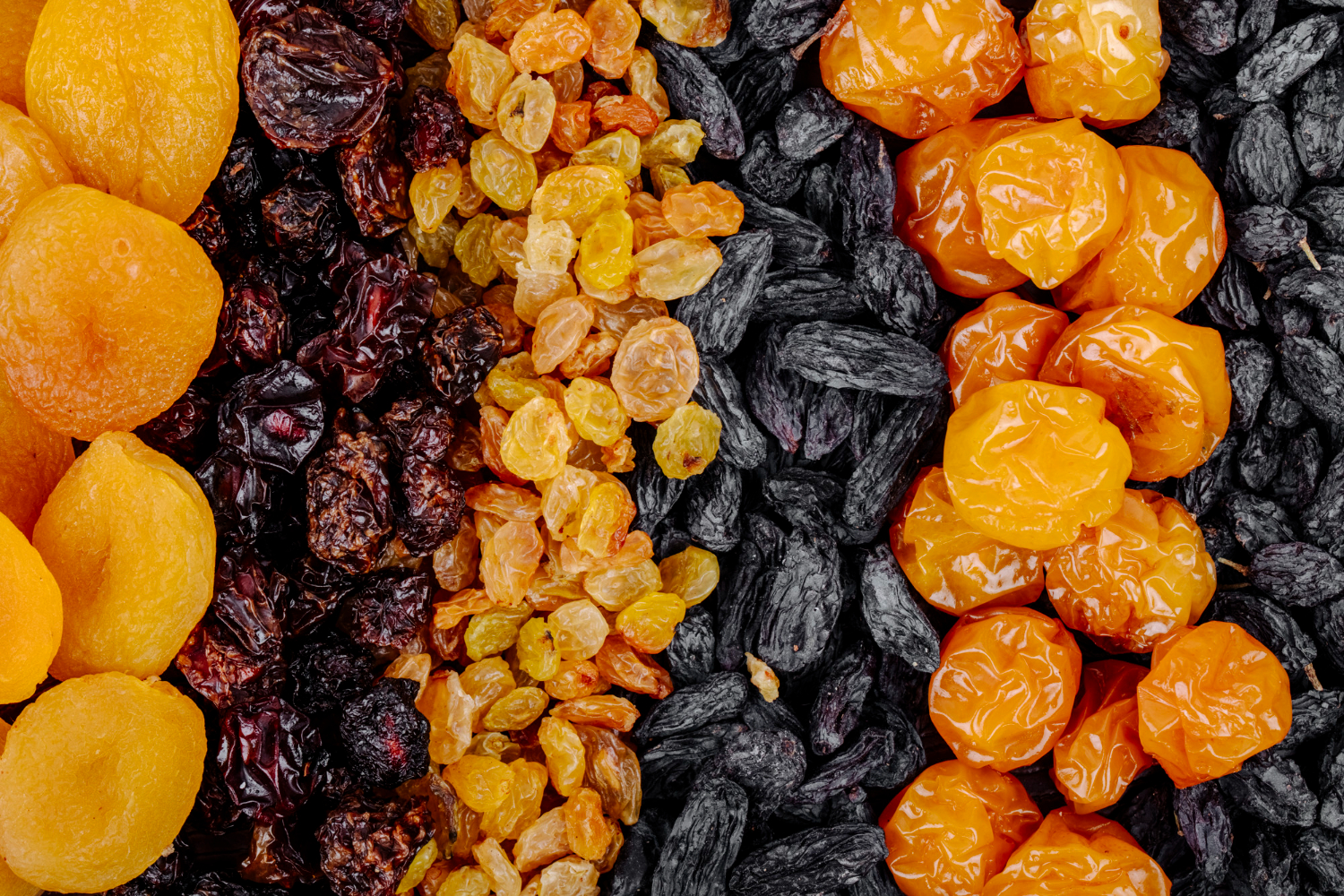
Dried fruit isn’t as shelf-stable as it looks. Cold storage keeps it from darkening and hardening.
Dried apricots, raisins, and dates read as permanent pantry goods, but they darken, harden, and can even mold over months in a warm cabinet, especially the moist, minimally treated kinds. Dried fruit you bought in bulk stays soft and bright far longer in a sealed container in the refrigerator, where the months-long bag actually lasts its months.
10. Pure Ground Spices You Rarely Use? No — but Their Fresh Cousins, Yes
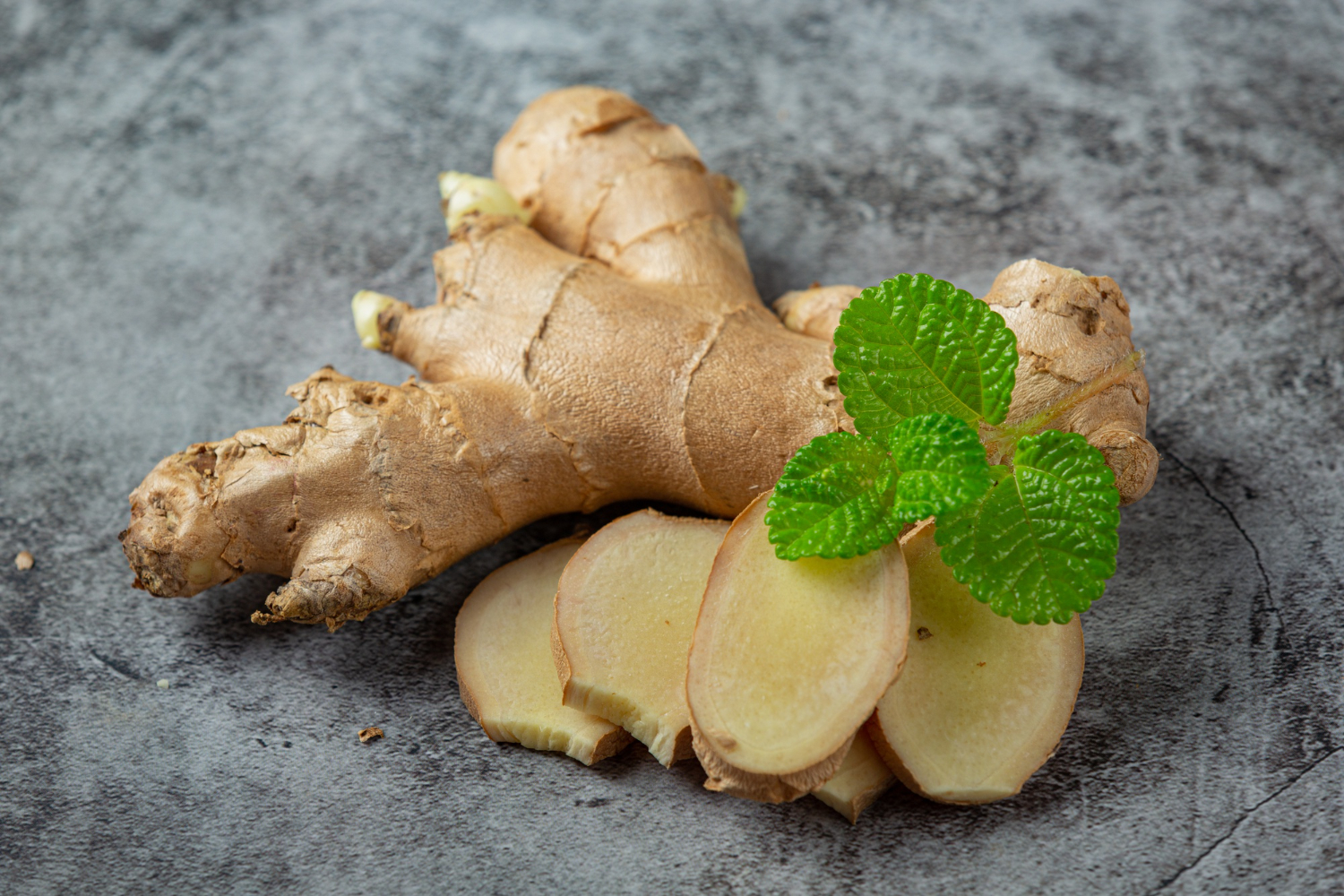
Fresh ginger, turmeric root, and chiles fade fast on the counter. The fridge multiplies their working life.
Dried spices genuinely belong in the cabinet, but their fresh counterparts, ginger root, turmeric, fresh chiles, and lemongrass, wither and mold within days on a counter while lasting weeks wrapped loosely in the refrigerator, or months in the freezer, where ginger even grates more easily. Fresh ginger, turmeric root, and chiles belong in the cold, the exception that proves the spice-rack rule.
And a Few Things That Never Belonged in the Fridge
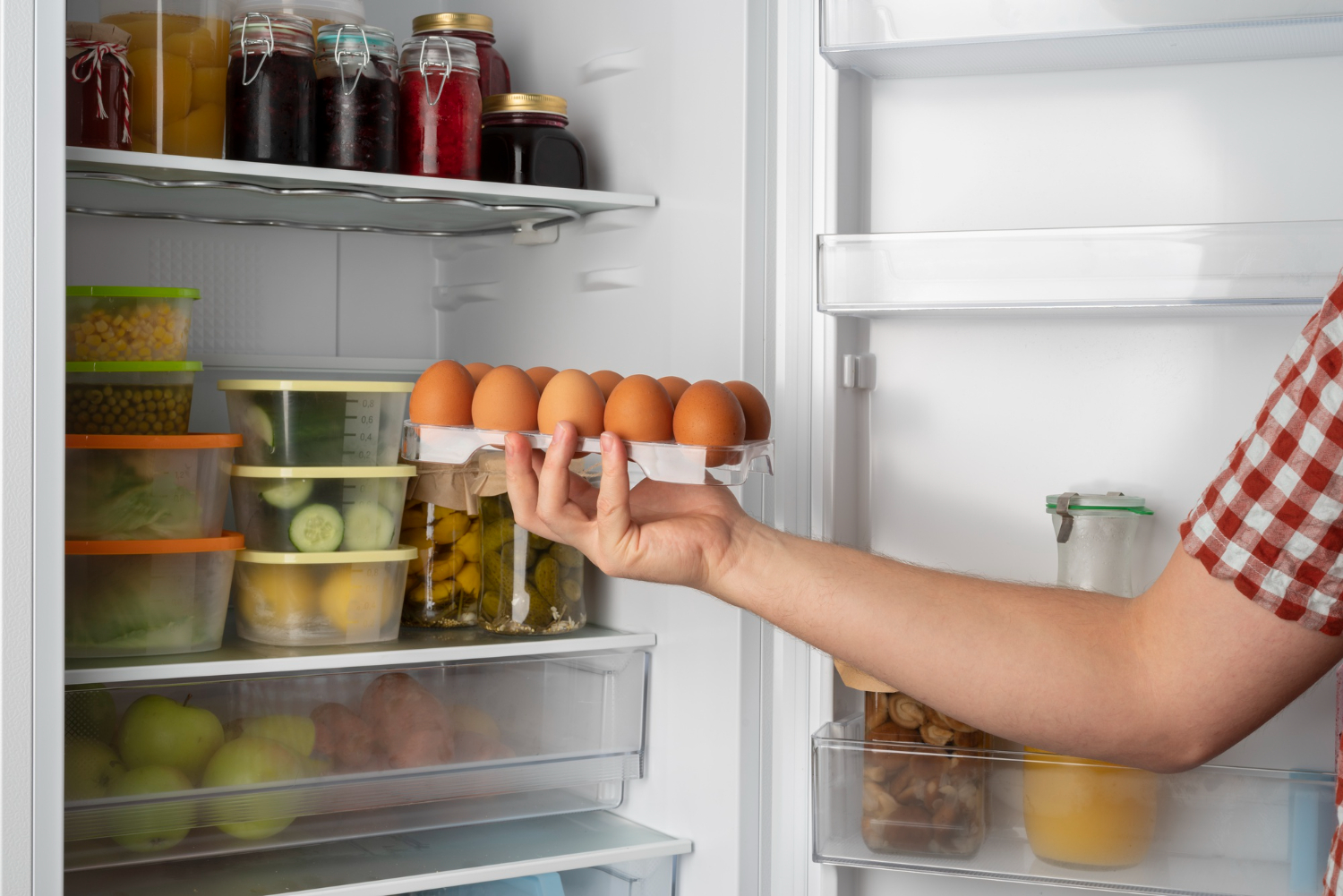
Taken together, these ten foods share one story, oils, sugars, and moisture that the cold protects and the pantry wastes. The opposite list is just as real: bread stales faster refrigerated, tomatoes lose flavor and texture, onions and potatoes prefer a cool dark cabinet, and honey simply crystallizes. The right home for food follows its chemistry, not its aisle at the store.
Food storage habits get inherited, from parents, from store shelving, from the shape of a fruit bowl, and most were formed for kitchens, climates, and packaging that no longer match how we actually buy food, in bulk, less often, and further from where it was grown. Moving these ten items into the cold costs nothing and pays back in flavor and fewer trips to the trash. Check the pantry tonight: the maple syrup, the big bag of walnuts, and the open sleeve of tortillas are all waiting for a better address.
Like our content? Follow us for more.