
The problem is almost never a lack of good places. It is deciding between them while hungry, which is the worst possible condition for the task. Here are ten.
1. Decide Before You Are Hungry

Choosing at the point of need means choosing badly, because tiredness and hunger compress the decision into whatever is nearest and looks acceptable.
Ten minutes earlier is a different decision. Advance choosing is worth more than any other item here.
Like our content? Follow us for more.
2. Walk the Street Once Without Stopping

Covering the options before committing to any of them gives a comparison rather than a sequence, and takes about four minutes.
You cannot compare what you have already sat down in. The initial pass is what makes a real choice possible.
3. Look at Who Is Inside Rather Than at the Menu
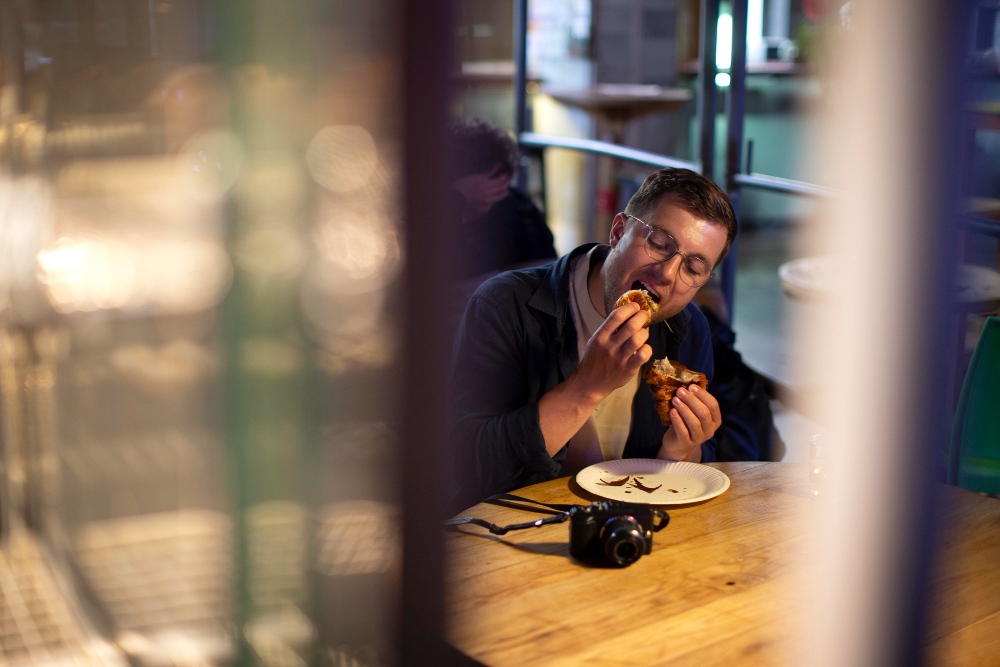
A room with a spread of ages, groups and people who appear to be there regularly tells you more than anything printed outside.
The customers are the most reliable signal available. Who is eating there is the information worth having.
4. Full Is Better Than Empty for a Reason

Somewhere busy has demand, turns over its ingredients and is being chosen repeatedly by people with local knowledge you do not have.
It also means waiting. Busy as a proxy is imperfect and better than the alternatives.
5. A Short Menu Is a Good Sign
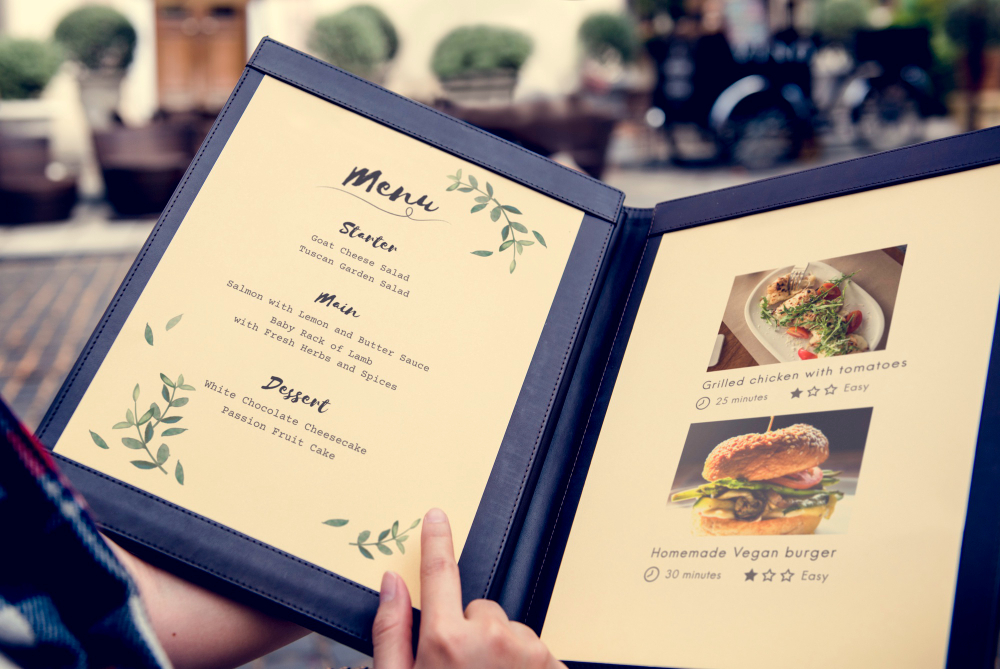
A kitchen offering a small number of things is more likely to be making them properly than one offering a great many, which implies preparation in advance.
The length is the signal rather than the content. Menu brevity is a real indicator.
6. Distance From the Obvious Attraction Matters

Prices fall and quality generally rises with a few streets of separation from whatever people came to see, because the customers change.
Two streets is frequently enough. Short displacement is the highest-value walk available.
7. Eat at the Hour the Place Does
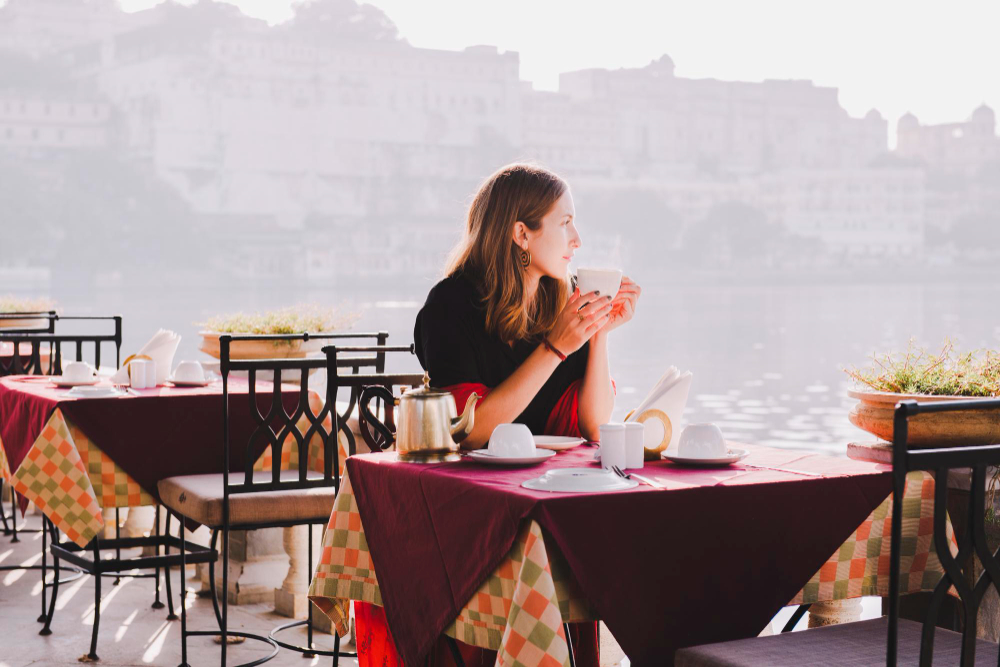
Arriving when locals eat rather than when you would at home means a working kitchen, a full room and the food the place actually makes.
The hour differs everywhere. Local timing changes what you get, not just when.
8. Lunch Is Frequently the Better Meal

In many places the midday meal is the substantial one, is better value and is what the kitchen is set up for – and the evening is the lesser version.
It reverses the usual assumption. Meal ranking is worth checking for anywhere you go.
9. One Good Place Twice Beats Two Unknowns
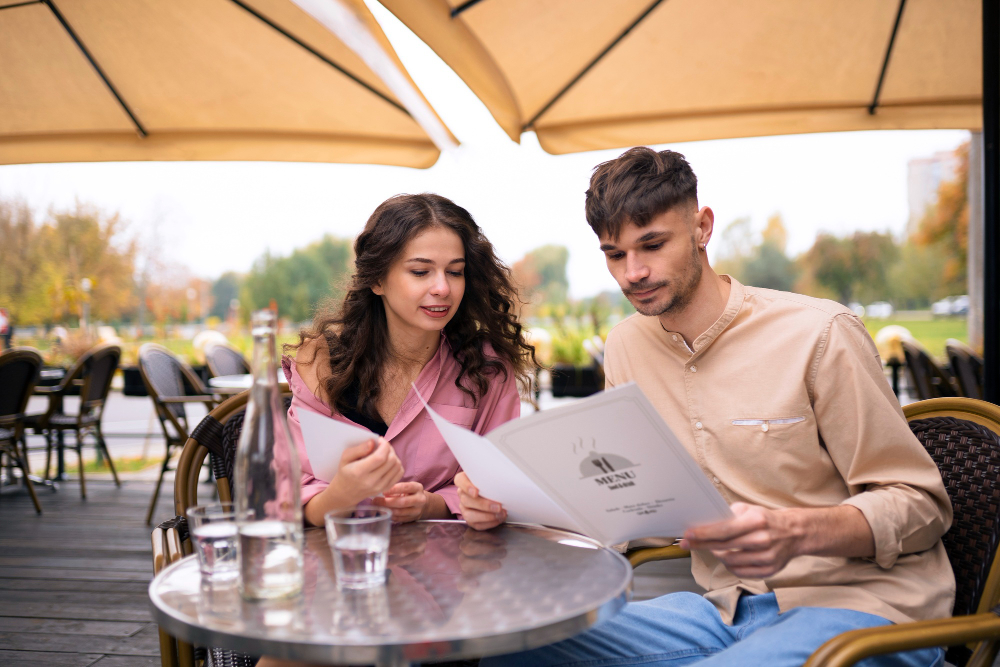
Having found somewhere that works, returning is not a failure of adventurousness – it removes the decision entirely and the second visit is generally better than the first.
The staff recognise you. Deliberate repetition is underused on short trips.
10. Have a Fallback Chosen

Knowing one acceptable option in advance removes the pressure from the whole process, because the decision stops being between eating well and eating at all.
It is rarely used and always worth having. A known fallback is what makes the rest of this workable.
A Decision Made Too Late

A choice made before hunger sets in, one walk past everything, the customers rather than the menu, a couple of streets of distance and a fallback you never need.
The first item carries the rest. Almost every disappointing meal on a trip was decided at the moment of maximum hunger and minimum patience, and moving the decision earlier in the day is the single change that improves the outcome most.
Like our content? Follow us for more.