
Which airline gets you to your destination on time isn’t a fixed fact, it’s a moving target, tracked monthly by the U.S. Department of Transportation and reported by various outlets, each using slightly different methodologies and time windows. In 2026, the picture has been unusually volatile, with cancellations running well above recent years and the historical pecking order among major carriers genuinely upended. Here are ten things to know about airline reliability in 2026, counted down one by one. (Reliability rankings shift monthly based on rolling DOT data; treat any single snapshot as a moment in time rather than a permanent ranking.)
1. Flight Cancellations Hit a Three-Year High
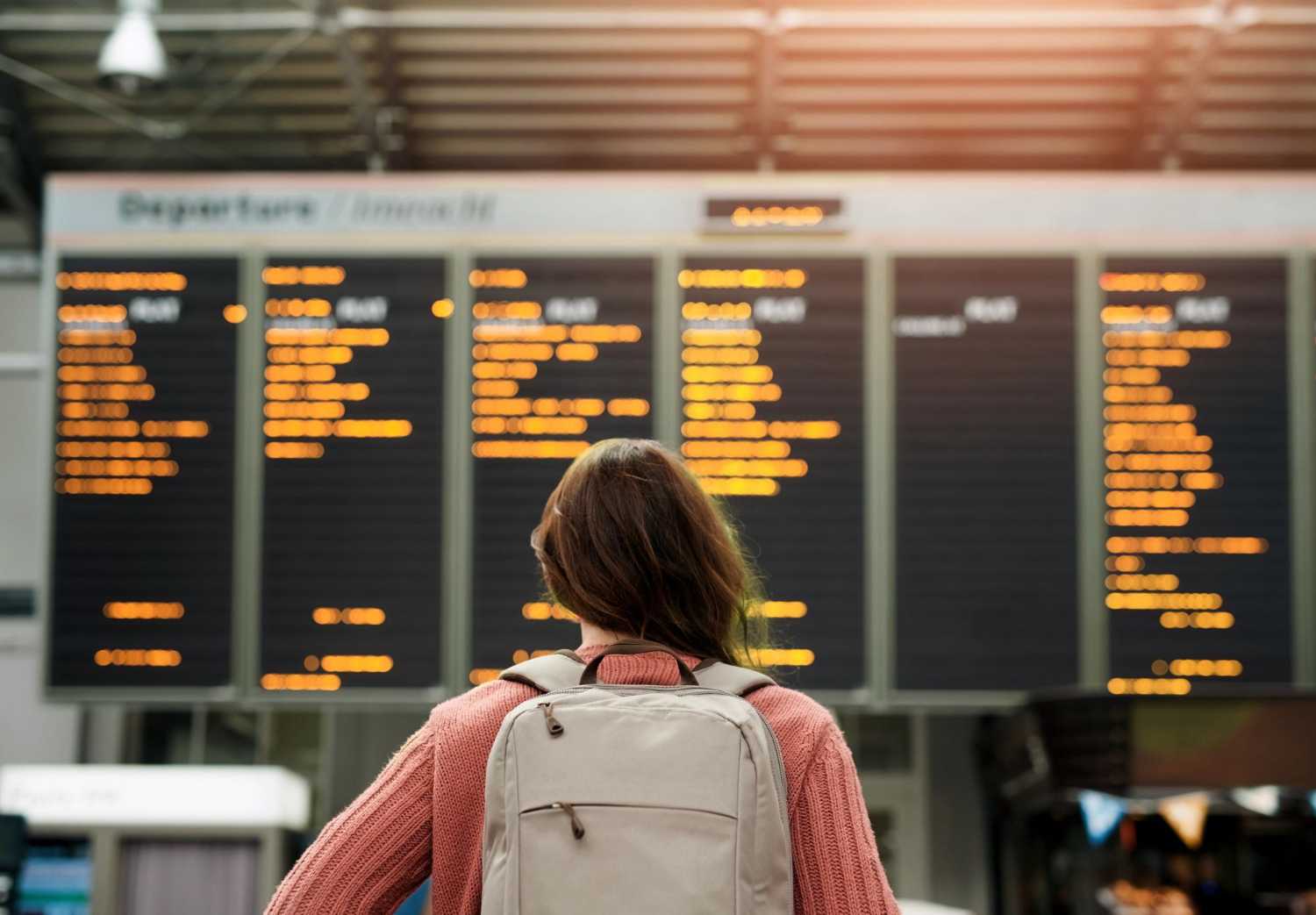
Cancellations have surged compared to recent years. A record government shutdown was a major factor.
Early 2026 saw U.S. airline cancellation rates climb to their highest level in three years, with roughly 3.4 percent of all departures canceled through the first quarter, according to Department of Transportation data. A major contributing factor was the longest government shutdown to date in late 2025, which forced airlines to cut flights at some of the busiest hubs amid air traffic control staffing shortages. Flight cancellations hitting a three-year high sets the backdrop for the entire year, the elevated disruption levels that have made reliability a bigger concern for travelers than it’s been in some time.
Like our content? Follow us for more.
2. Air Traffic Control Staffing Remains a Pressure Point
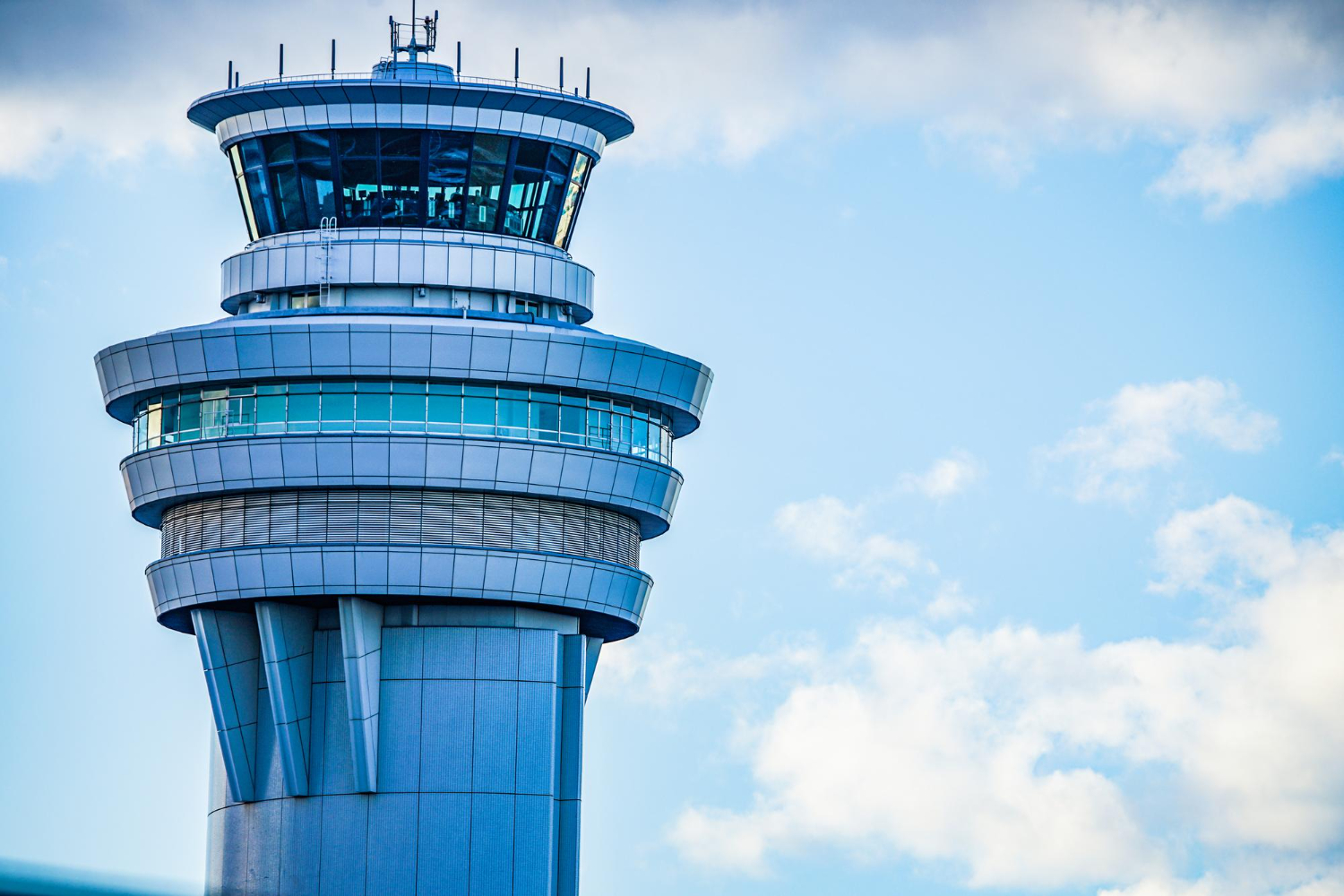
Controller shortages have strained the system. Disruptions can ripple across many airlines at once.
A persistent factor behind 2026’s disruptions has been air traffic control staffing shortages, a systemic pressure point that affects flights broadly rather than any single airline. When ATC staffing is stretched thin at major hubs, delays and cancellations can cascade across multiple carriers simultaneously, regardless of how well any individual airline is otherwise performing. Air traffic control staffing remaining a pressure point is important context for understanding 2026’s numbers, a reminder that not every disruption reflects an airline’s own operational choices.
3. Delta Fell Sharply From Its Usual Top Spot

Delta had led reliability rankings for years. A crew-related meltdown caused a real slide.
Delta Air Lines had topped multiple reliability rankings for roughly five consecutive years heading into 2026, but Department of Transportation data for early 2026 showed the carrier sliding to around sixth place after a significant operational disruption tied to crew staffing issues, which forced hundreds of cancellations over a single weekend in May. Delta falling sharply from its usual top spot was one of the year’s most notable reliability stories, a reminder that even historically dependable airlines can face sudden, serious operational setbacks.
4. Southwest and Allegiant Posted Strong Numbers
Both carriers ranked near the top in cancellation rates. Southwest in particular showed major improvement.
Southwest Airlines posted some of the lowest cancellation rates in the industry through much of 2025 and into 2026, a notable turnaround after ranking closer to the middle of the pack in prior years. Allegiant, the ultra-low-cost carrier, also posted very low cancellation rates in a DOT report covering January 2026 data. Southwest and Allegiant posting strong numbers reflects a genuine shift, with two carriers not always associated with top-tier reliability delivering some of the best on-time and completion figures in recent reporting.
5. Hawaiian Airlines Consistently Ranks Among the Best

Hawaiian’s limited network helps its numbers. It regularly posts strong on-time performance.
[IMAGE SUGGESTION] Wikimedia Commons “Hawaiian Airlines airplane tropical” — CC-licensed image representing Hawaiian Airlines.
Hawaiian Airlines has consistently ranked among the most reliable U.S. carriers across multiple reports in 2025 and 2026, with strong on-time performance and low cancellation rates. Part of this reflects its smaller, more predictable route network compared to sprawling national carriers, which tends to make on-time performance easier to sustain. Hawaiian Airlines consistently ranking among the best is worth noting for travelers flying its specific routes, though its limited network means the comparison to full-service national airlines isn’t perfectly apples to apples.
6. Methodology Matters More Than It Seems
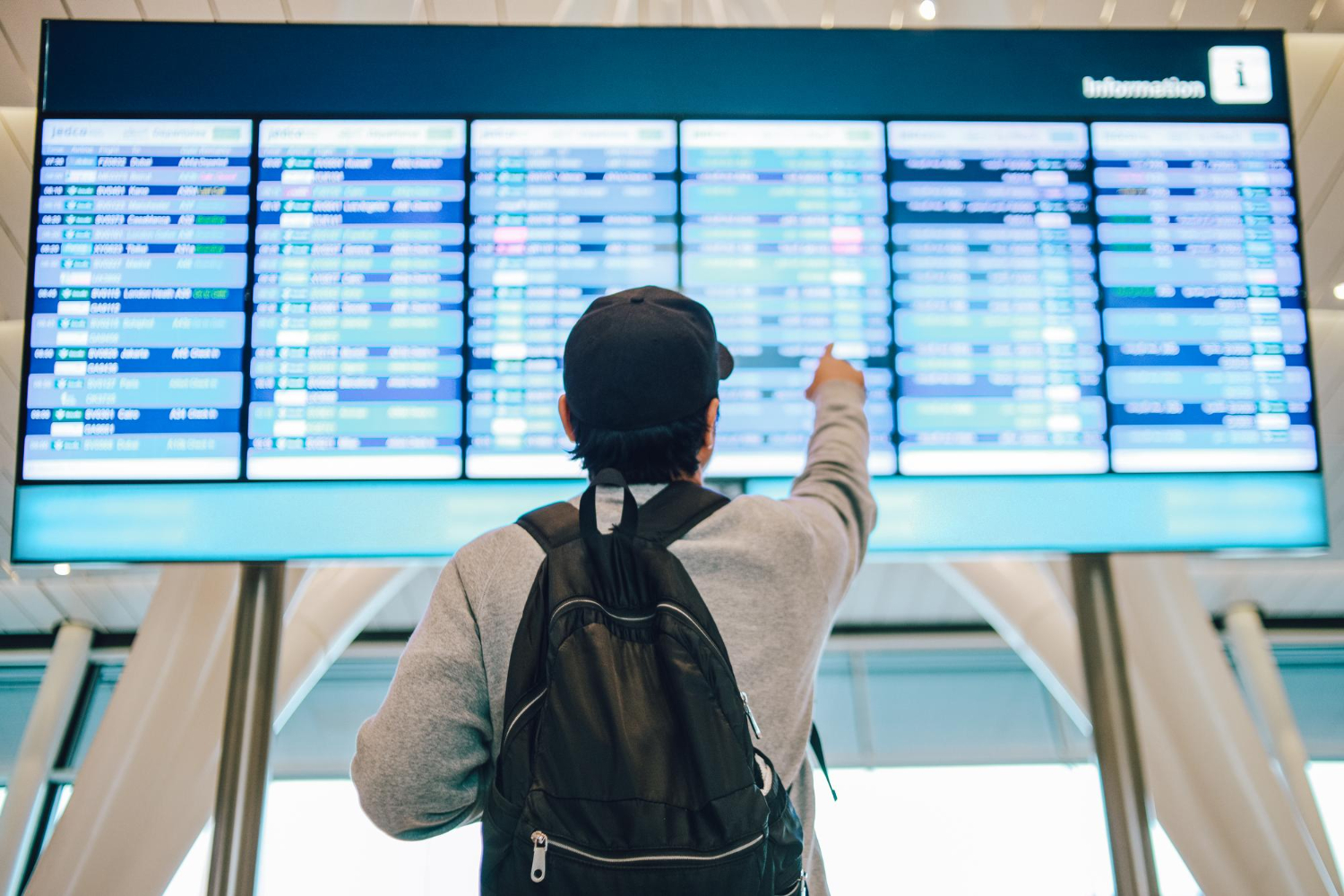
Different rankings use different data and time windows. Two “best airline” lists can disagree.
Not every reliability ranking agrees, and that’s not necessarily a contradiction, it often comes down to methodology. Some rankings weigh on-time arrivals most heavily, others prioritize cancellation rates or baggage handling, and time windows range from a single month to a full year of rolling data. Methodology mattering more than it seems is an important caveat for travelers comparing “best airline” lists, since two credible sources can reach different conclusions depending on exactly what they measured and when.
7. Regional and Budget Carriers Face Steeper Challenges
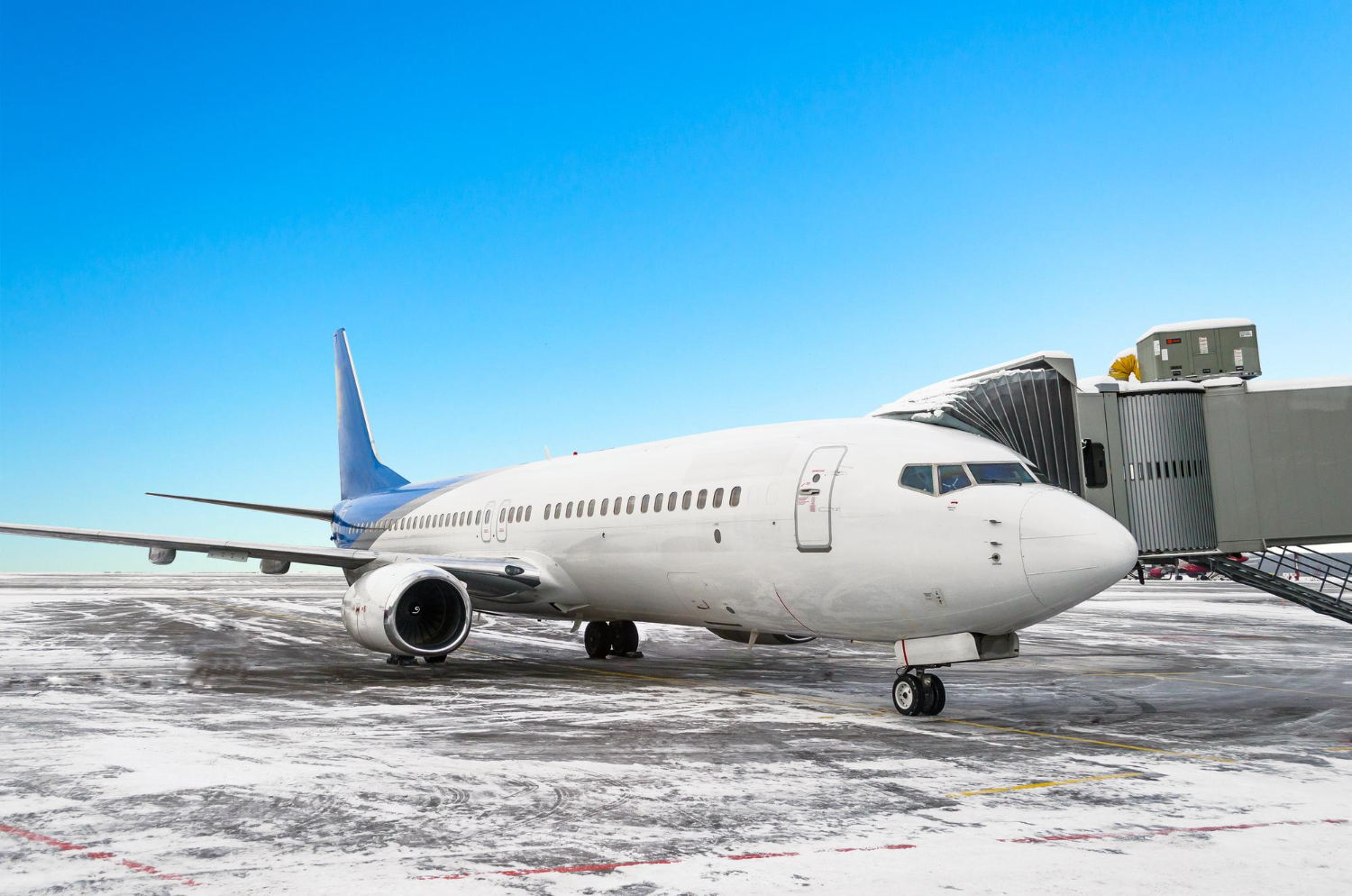
Smaller carriers often show more volatility. Financial pressures can compound operational issues.
[IMAGE SUGGESTION] Wikimedia Commons “budget airline airplane regional” — CC-licensed image representing a budget carrier.
Some budget and regional carriers have faced a tougher road in 2026, with a few posting persistently high cancellation rates or facing financial strain that compounds operational challenges. Ultra-low-cost carriers in particular can be more exposed to disruption, since they often operate with tighter margins and less scheduling buffer. Regional and budget carriers facing steeper challenges is a pattern worth knowing, though it’s not universal, since some budget carriers, like Southwest and Allegiant in recent reporting, have bucked this trend with genuinely strong numbers.
8. Time of Day and Season Affect Every Airline
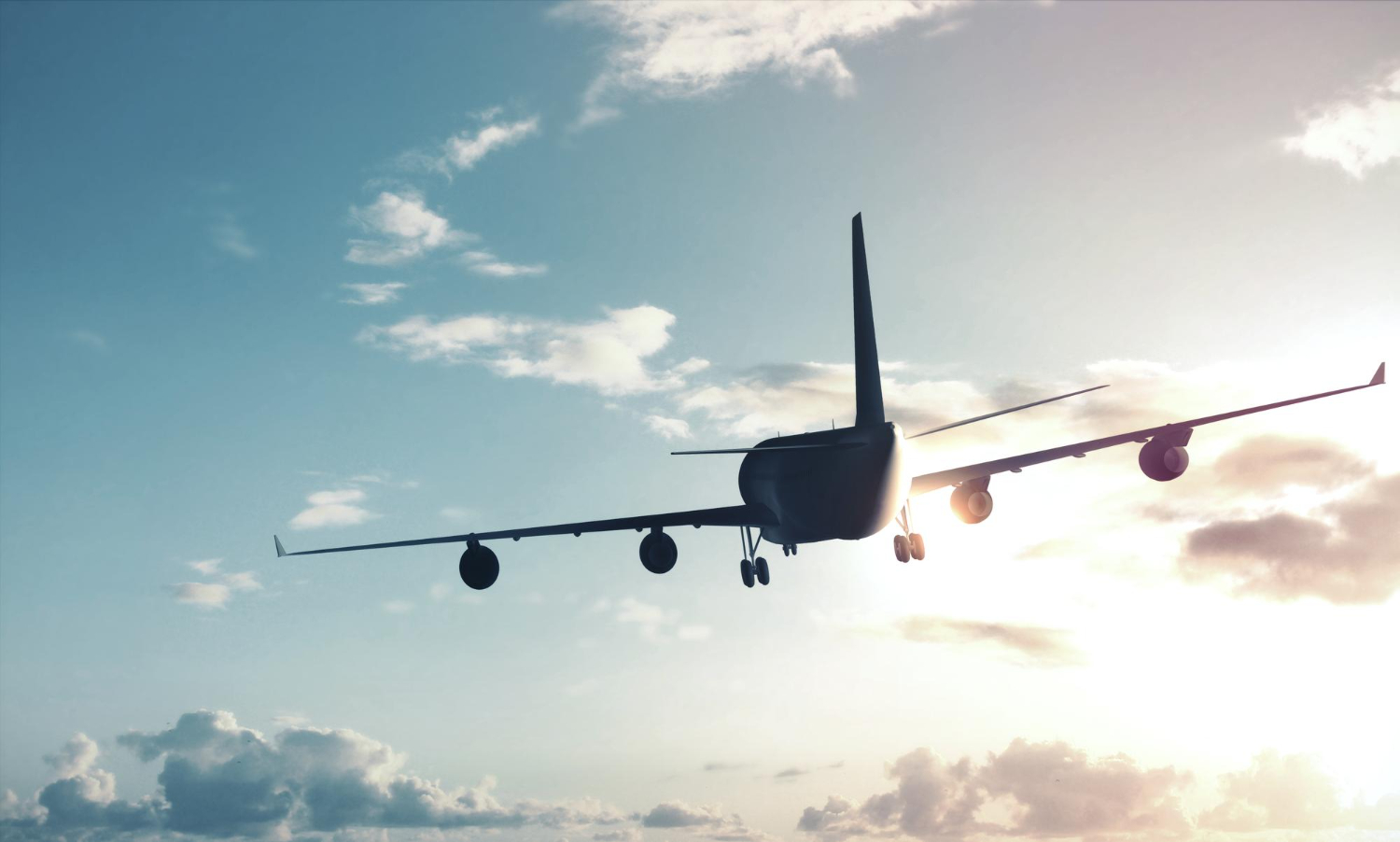
Morning flights face fewer delays than evening ones. Summer storms hit every carrier’s schedule.
Regardless of which airline you fly, some patterns hold nearly universally: morning flights tend to face fewer delays and cancellations than evening ones, since disruptions compound as the day goes on and aircraft fall behind schedule. Summer thunderstorms at busy hubs also affect every carrier operating through those airports, not just one. Time of day and season affecting every airline is a useful practical takeaway, a reminder that choosing an early flight can improve your odds of an on-time departure no matter which carrier you book.
9. Reliability Rankings Update Monthly

The DOT publishes fresh data regularly. This year’s rankings can look very different by year’s end.
The Department of Transportation’s Air Travel Consumer Report is published monthly, meaning reliability rankings are a constantly moving picture rather than a fixed annual verdict. An airline’s poor showing in one month’s data doesn’t necessarily reflect its performance six months later, especially following a specific operational disruption, like Delta’s spring 2026 struggles, that a carrier may quickly work to resolve. Reliability rankings updating monthly is essential context, a reminder to check for the most current data rather than relying on outdated “best airline” claims.
10. Booking an Earlier Connection Buffer Helps Regardless
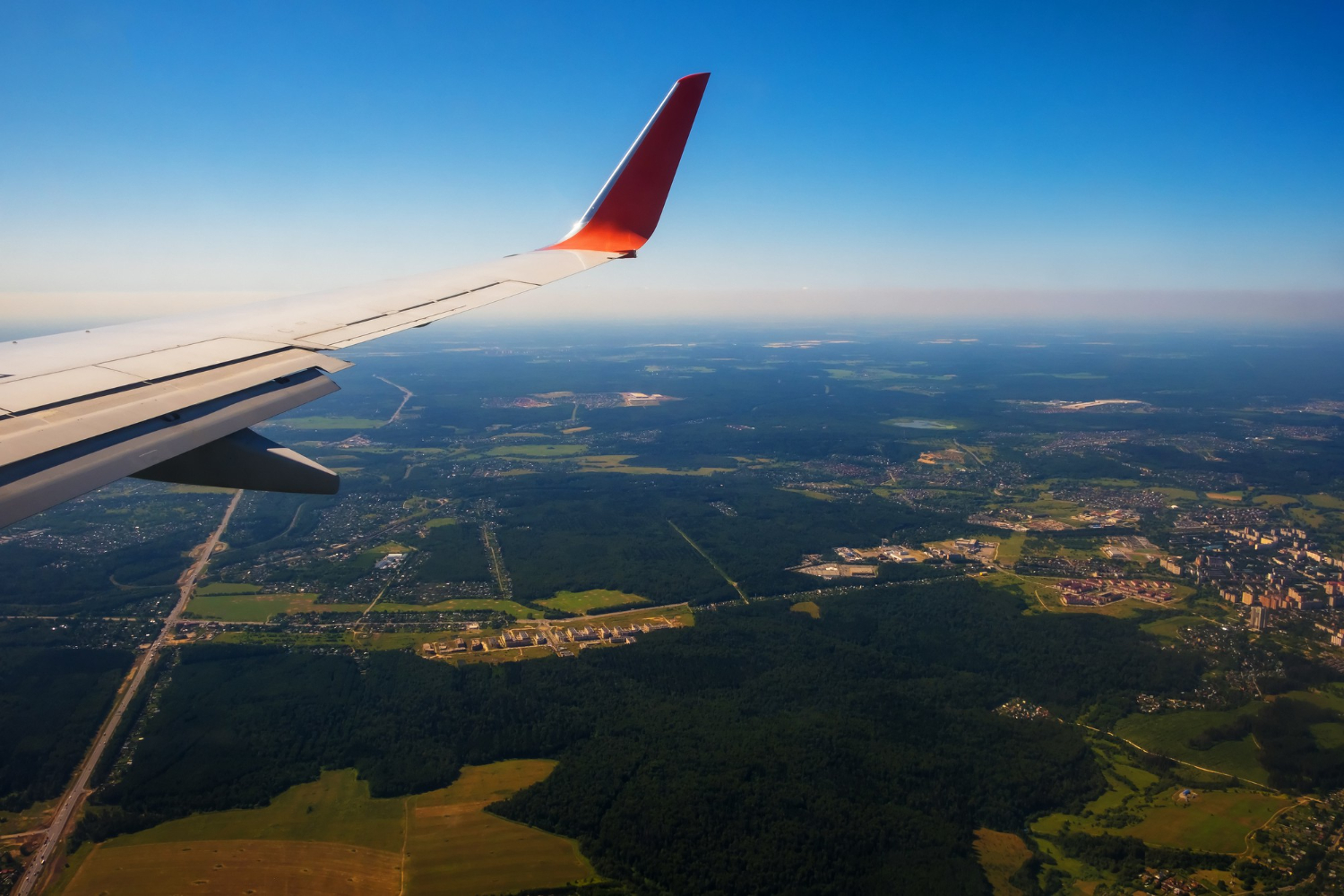
A tight layover magnifies any airline’s disruptions. Extra buffer time is smart no matter who you fly.
Whichever airline you choose, one of the most reliable ways to protect yourself from 2026’s elevated disruption levels is booking a generous buffer between connecting flights, giving yourself room to absorb a delay without missing your next leg. Given industry-wide cancellation levels, this simple habit matters this year more than most. Booking an earlier connection buffer helping regardless is a universally useful strategy, the practical step every traveler can take to reduce the personal impact of an industry that, across the board, has faced a genuinely disruptive year.
Fly Informed in a Volatile Year
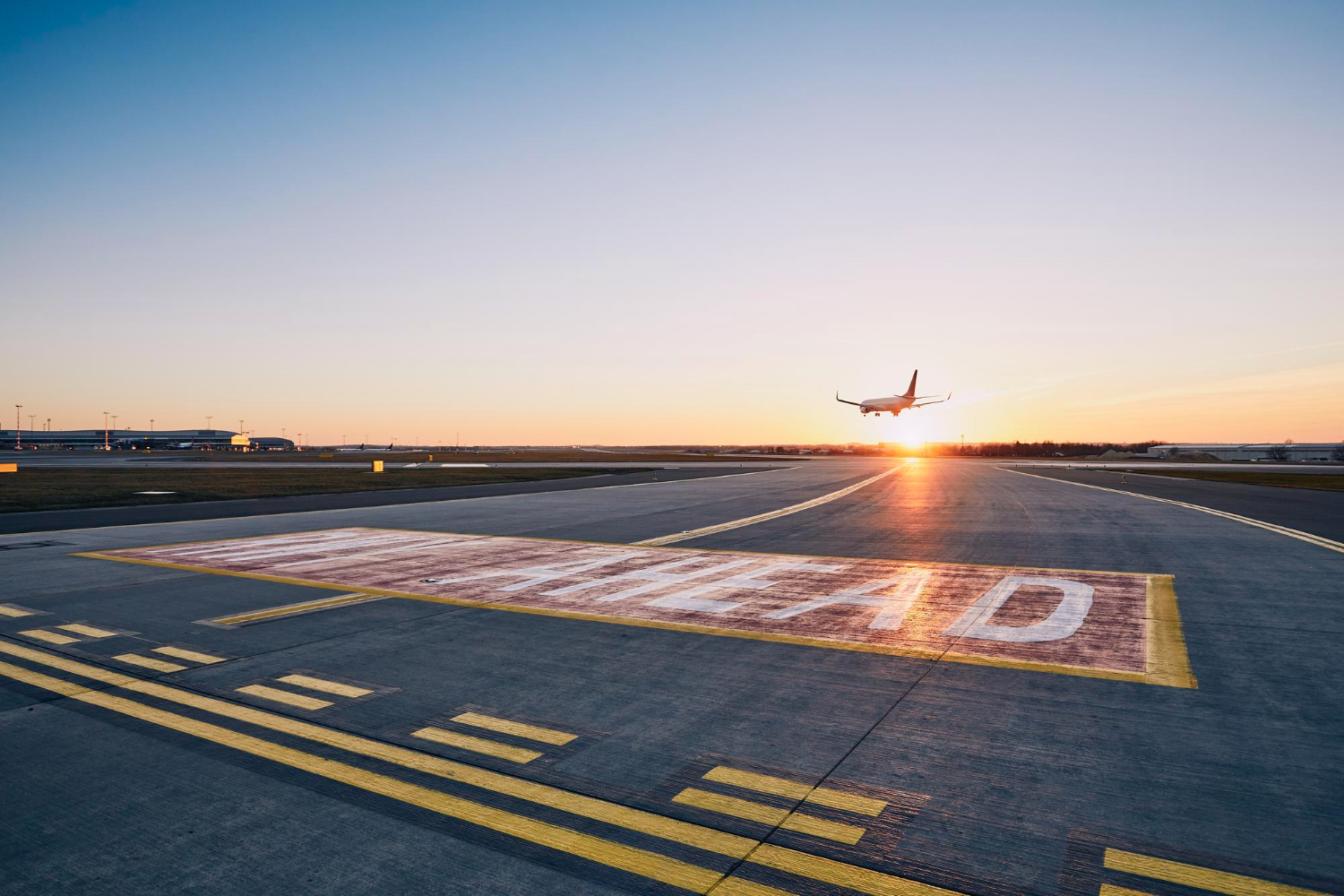
Taken together, these ten points capture a genuinely turbulent year for airline reliability in 2026, from record cancellation levels and air traffic control strain to Delta’s surprising slide and Southwest’s strong rebound. For travelers, the smartest approach is to check current data close to your travel dates rather than relying on any single airline’s past reputation.
If there’s one clear lesson from 2026’s reliability data, it’s that no airline’s reputation is permanent, carriers that led the rankings for years can slip, and others can post surprising improvement. Checking current on-time and cancellation data before booking, choosing earlier flights when possible, and building in buffer time for connections are smart moves regardless of which airline you ultimately fly. In a year defined by unusual volatility across the industry, a little extra planning goes a long way toward a smoother trip.
Like our content? Follow us for more.