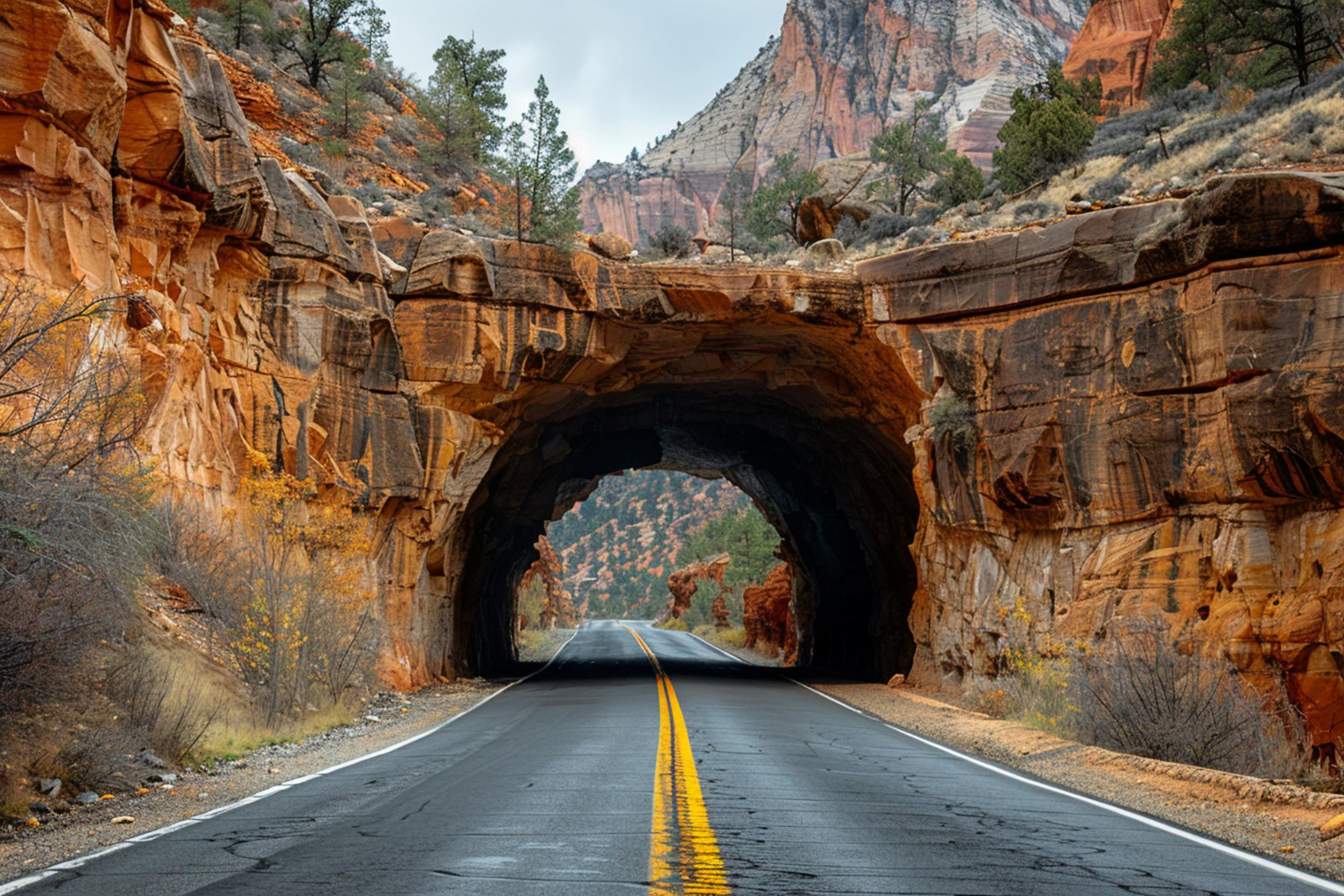
America’s national parks have a new, more complicated pricing structure in 2026, with international visitors now facing a substantial surcharge at some of the country’s most iconic destinations. The changes stem from a 2025 executive order directing the National Park Service to raise fees specifically for non-U.S. residents, and they took effect at the start of the year. Whether you’re a U.S. resident planning to bring visiting family, or an international traveler mapping out a trip, understanding the new system matters. Here are ten things to know about the new national park fees for 2026, counted down one by one. (Fees and policies are current as reported and subject to change; verify details on the official NPS website before traveling.)
1. Eleven Major Parks Now Charge a $100 Surcharge
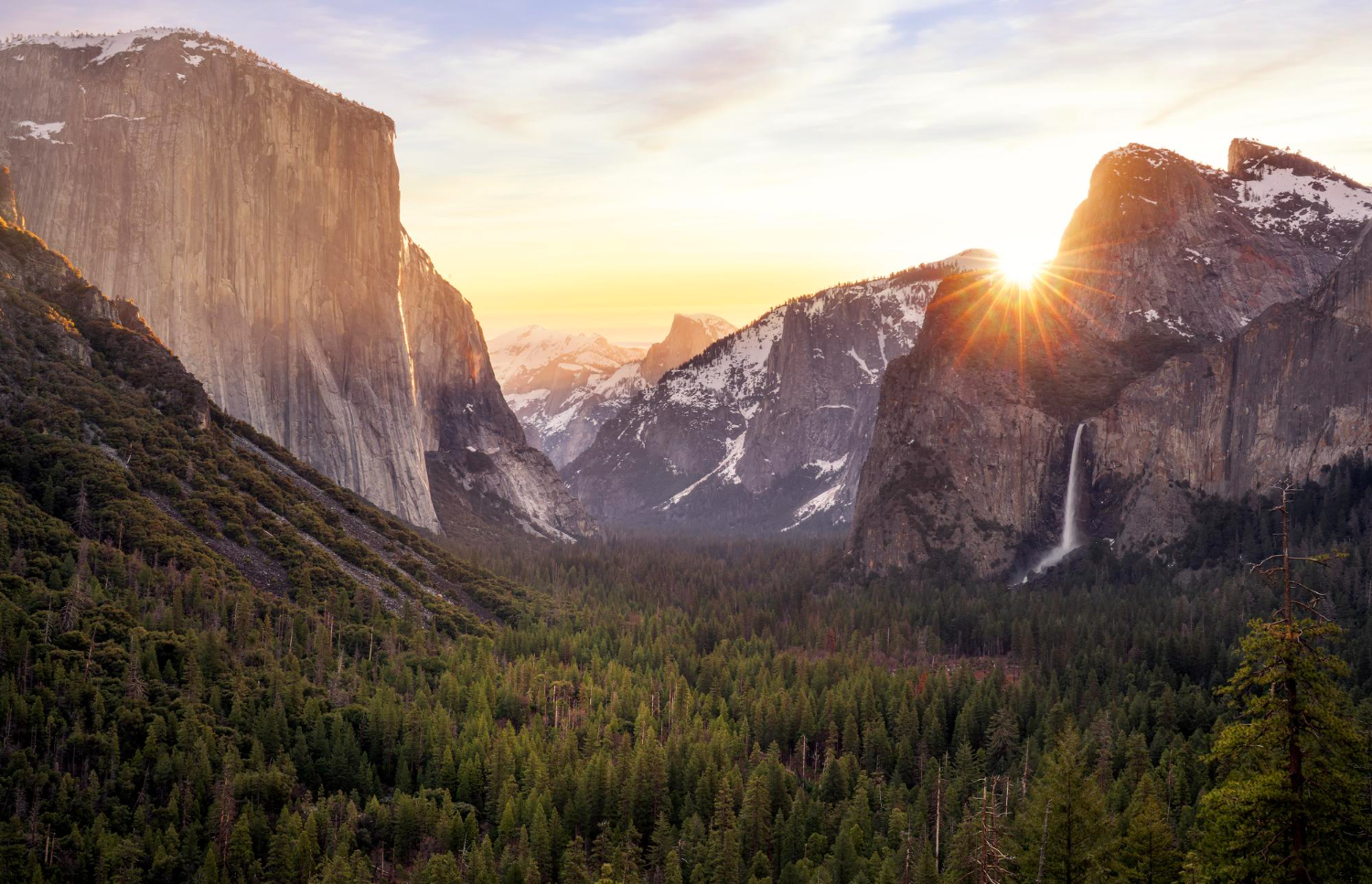
Non-U.S. residents pay an extra $100 per person. It applies at some of the most visited parks.
As of January 1, 2026, non-U.S. residents age 16 and older must pay an additional $100 per person to enter 11 designated national parks, on top of the standard entrance fee. The surcharge applies specifically at Grand Canyon, Yellowstone, Yosemite, Zion, Glacier, Grand Teton, Rocky Mountain, Acadia, Bryce Canyon, Sequoia and Kings Canyon, and Everglades. Eleven major parks now charging a $100 surcharge is the headline change of 2026, the new fee tier that specifically targets some of the country’s most iconic and heavily visited parks, reshaping the cost of a national park trip for international travelers.
Like our content? Follow us for more.
2. U.S. Residents See No Change to Standard Fees
Standard entrance fees stay the same for Americans. Vehicle rates remain $20 to $35.
For U.S. residents, the standard entrance fee structure hasn’t changed: private vehicle entrance fees at fee-charging parks remain in the familiar $20 to $35 range for a seven-day pass, and the America the Beautiful annual pass for residents stays at $80. U.S. residents see no change to standard fees, meaning American travelers can plan their park visits largely as they always have, with the new pricing structure applying only to the nonresident surcharge and the separate nonresident annual pass tier.
3. The Nonresident Annual Pass Jumped to $250
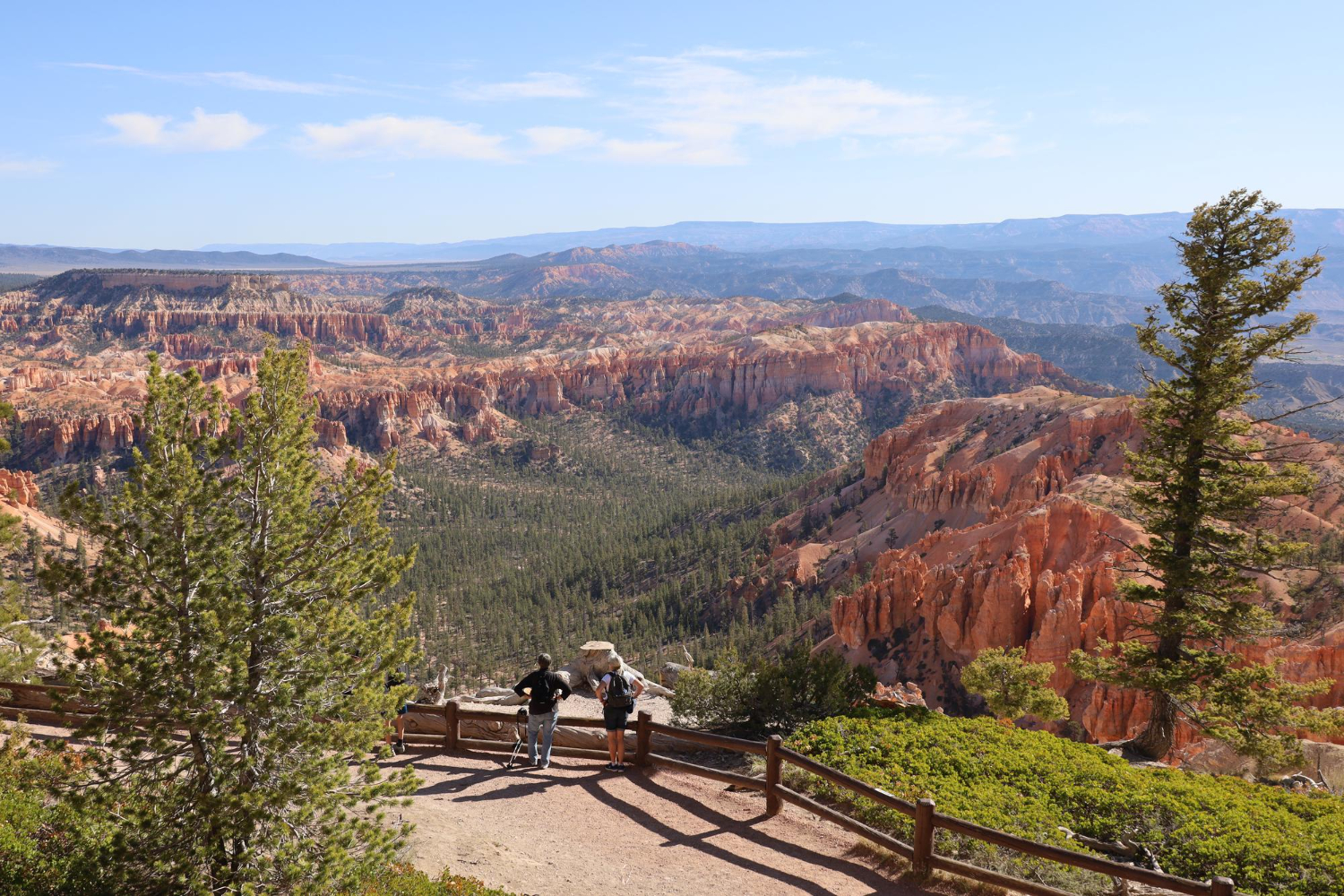
Foreign visitors can buy an annual pass instead. It now costs far more than the resident version.
Alongside the per-visit surcharge, the National Park Service created a new nonresident tier of the America the Beautiful annual pass, priced at $250, compared to $80 for the resident version. This pass waives both the standard entrance fee and the $100 surcharge across all fee-charging sites, including the 11 surcharge parks. The nonresident annual pass jumping to $250 gives international visitors an alternative to paying repeatedly at the gate, and understanding when it makes financial sense is key to planning a multi-park U.S. trip efficiently.
4. The Annual Pass Pays Off Fast for Groups
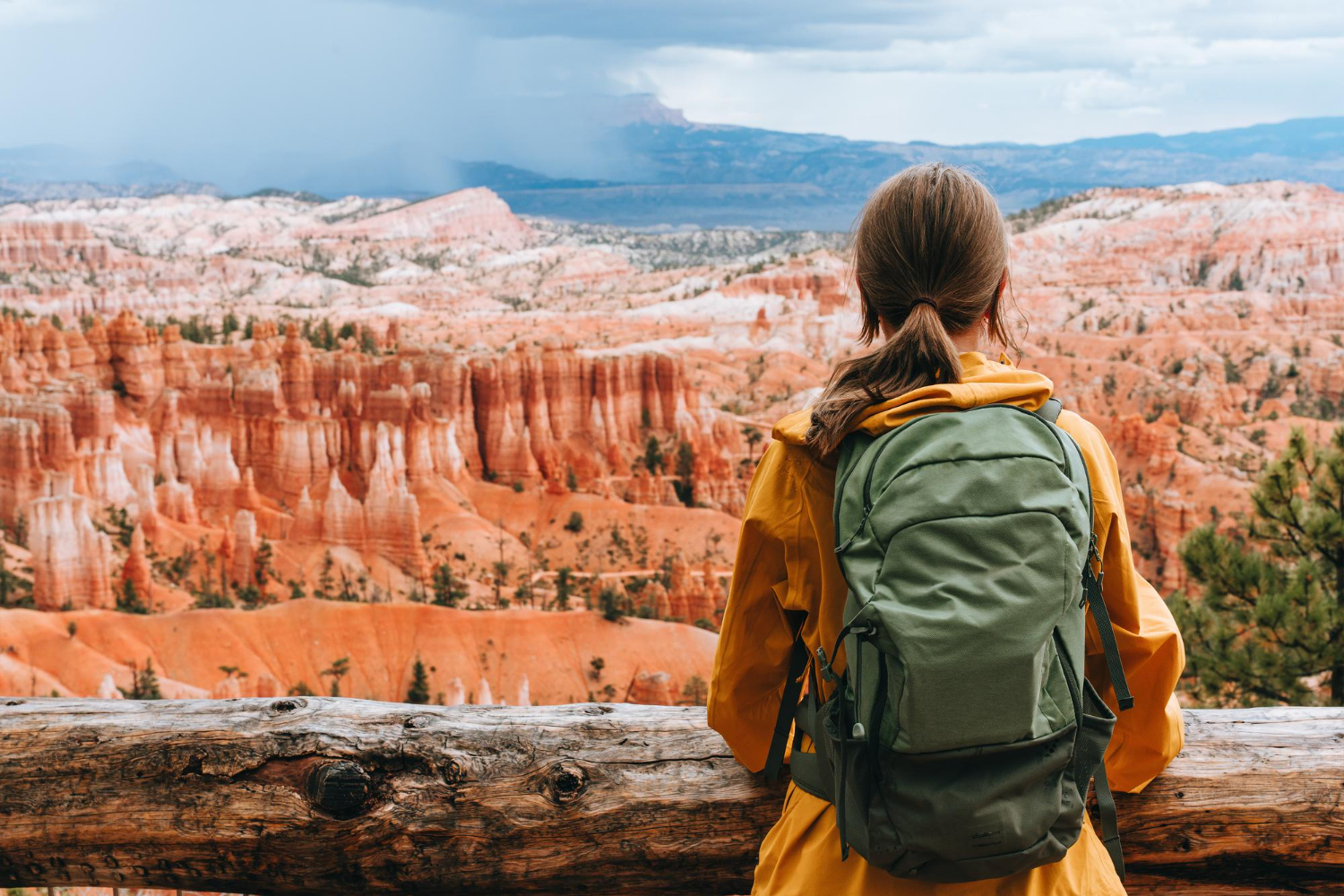
A family or group benefits quickly from the pass. It covers the whole vehicle at once.
For solo travelers, paying the $100 surcharge at the gate for one or two parks may be cheaper than the $250 annual pass. But for couples, families, or groups visiting multiple parks, the math shifts quickly, since the nonresident pass covers an entire private vehicle or up to four adults at per-person sites. A family visiting even two or three surcharge parks together will likely save money with the pass. The annual pass paying off fast for groups is an important budgeting insight, the break-even calculation that should guide most international visitors’ choice between paying per visit and buying the pass upfront.
5. Passes Bought Before 2026 Are Grandfathered In
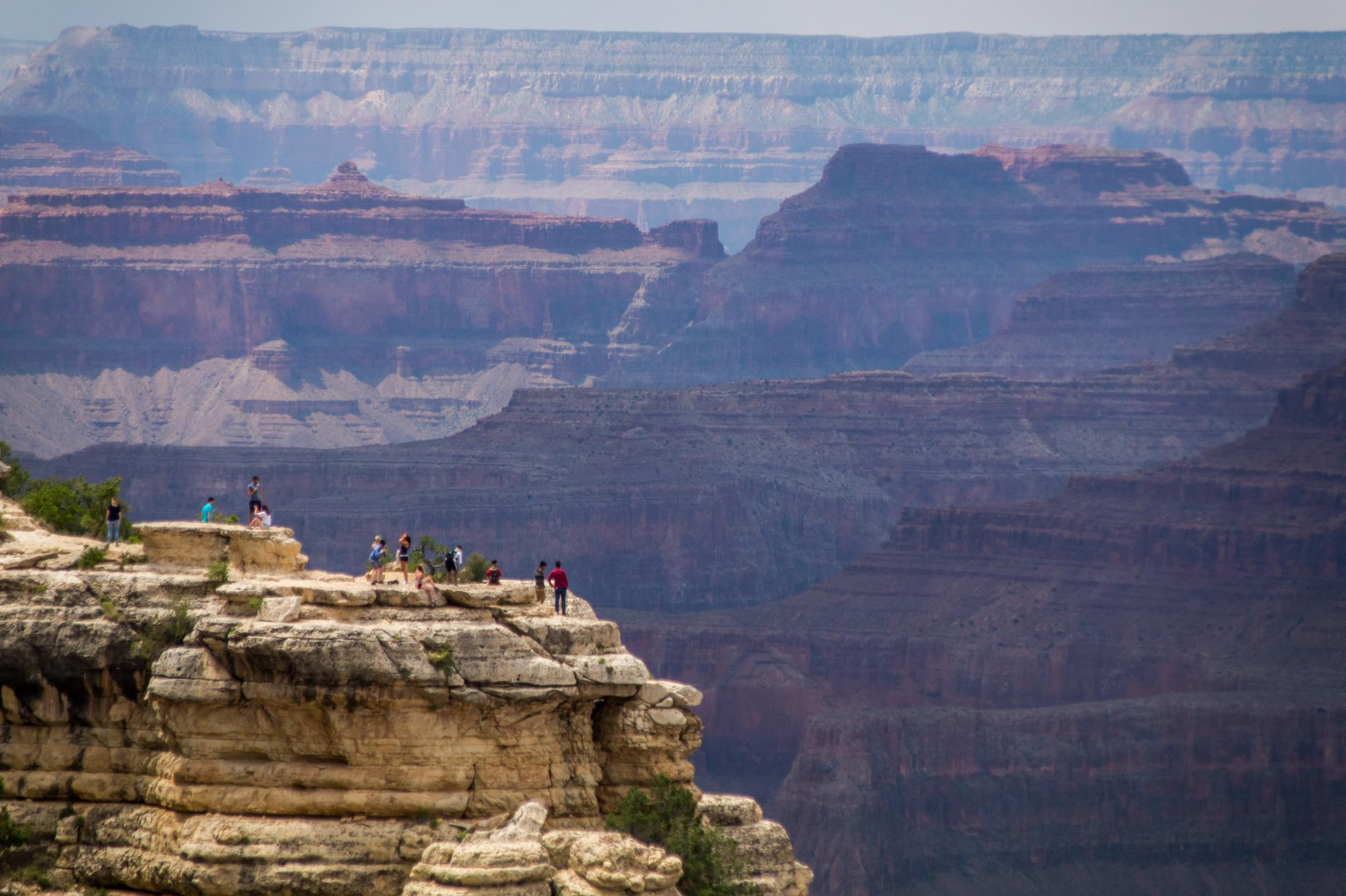
Existing annual passes still work as originally issued. The new surcharge doesn’t apply retroactively.
Travelers who purchased an America the Beautiful annual pass before January 1, 2026, don’t need to worry about the new fee. Those passes remain valid for a full 12 months from their original purchase date and are honored under their original terms, without requiring the new nonresident surcharge. Passes bought before 2026 being grandfathered in offers useful reassurance, confirming that international visitors who already hold a valid pass from 2025 can continue using it as planned through its full year of validity without any added cost.
6. Proof of U.S. Residency Is Now Required
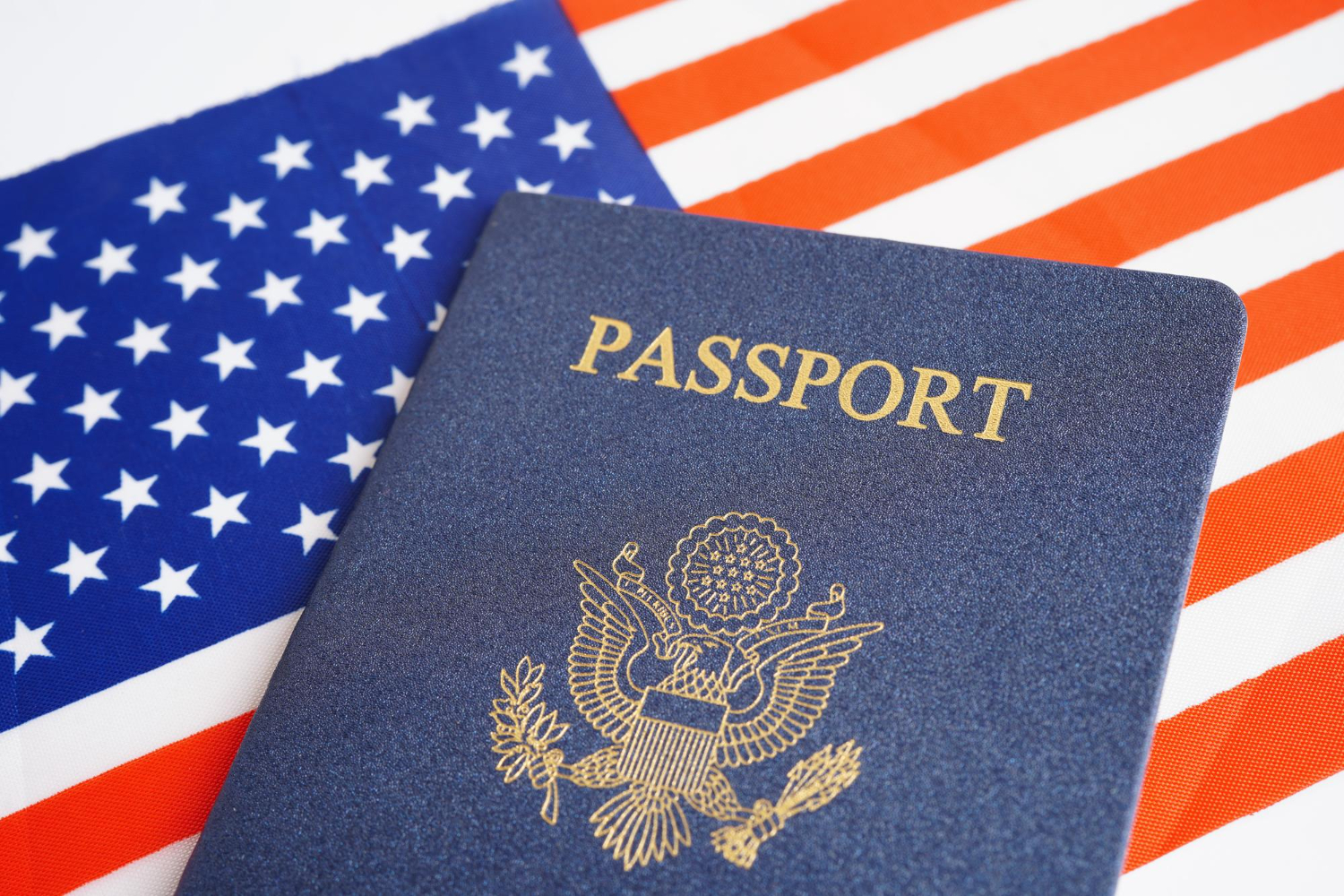
Visitors must show ID to get resident pricing. Acceptable documents include a passport or driver’s license.
To receive the lower resident rate, visitors must now present valid identification confirming U.S. residency, a U.S. passport, a state-issued driver’s license or ID, or a permanent resident card. This is a new requirement; NPS staff previously did not routinely check residency at park entrances. Proof of U.S. residency now being required marks a genuine operational shift for the parks, one that has led to some reports of longer entrance lines as staff verify identification, a change worth anticipating when planning arrival times at busy gates.
7. Fee-Free Days Don’t Apply to Nonresidents

The park system still offers days with free entry. Non-U.S. residents are excluded from them.
The National Park Service continues to offer a handful of “fee-free days” throughout the year when entrance fees are waived, but as of 2026 these are explicitly designated as resident-only. International visitors won’t benefit from these dates and should expect to pay applicable fees regardless of when they visit. Fee-free days not applying to nonresidents is an important detail for trip planning, ensuring international travelers don’t mistakenly plan a visit around a date that, under the new rules, no longer offers them a fee waiver.
8. Only 11 of 475 Park Sites Charge the Surcharge
Most park units don’t charge fees at all. The surcharge is narrowly targeted.
It’s worth keeping perspective: of the more than 470 sites managed by the National Park Service, only around 106 charge any entrance fee at all, and the new $100 nonresident surcharge applies to just 11 of those, all major, high-traffic parks. The vast majority of national park units remain free to enter for everyone, resident or not. Only 11 of 475 park sites charging the surcharge is a useful clarification, a reminder that international visitors interested in smaller or lesser-known park units can often explore extensively without encountering the new fee at all.
9. The Fees Are Projected to Raise Significant Revenue
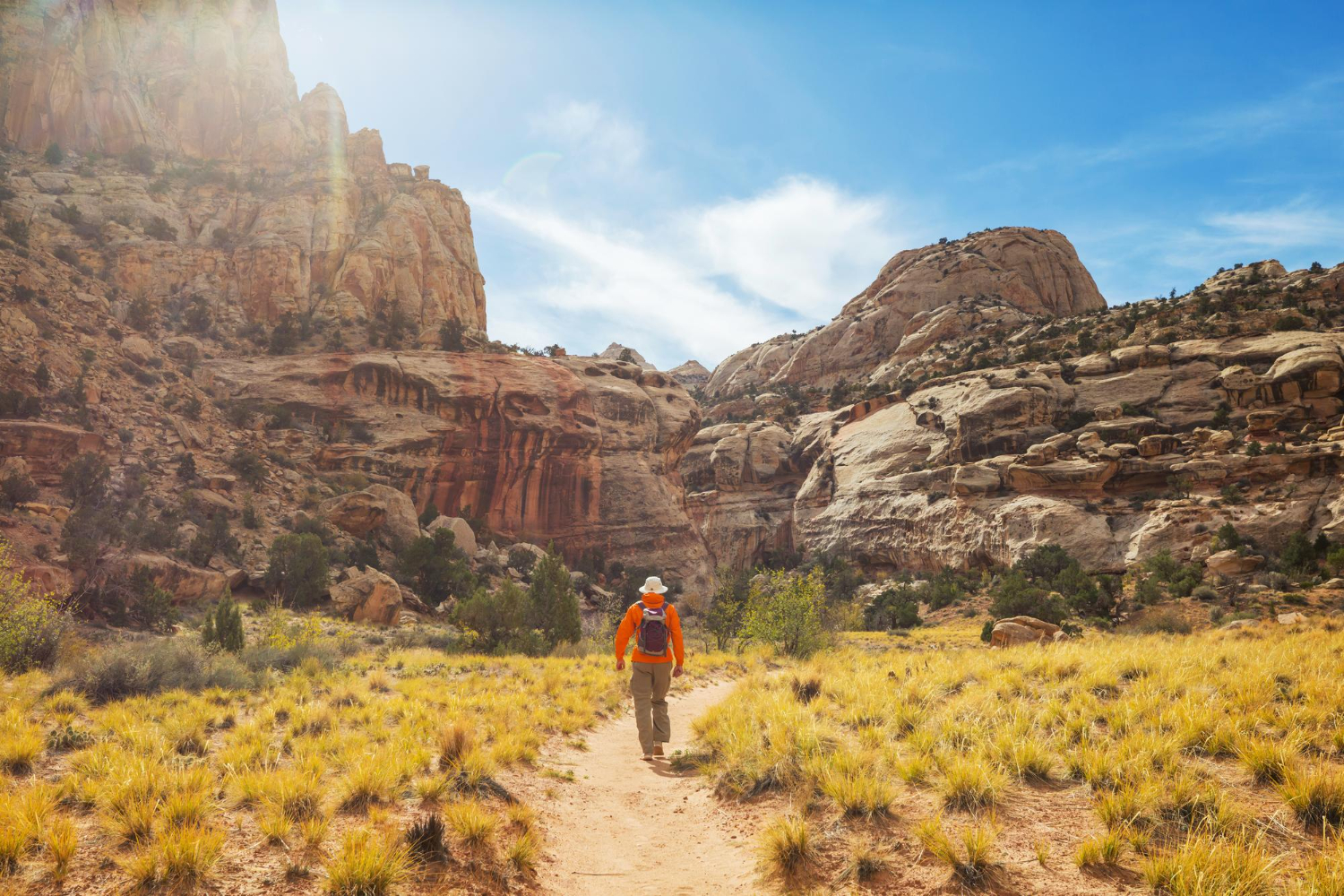
Officials estimate over $1 billion could be raised nationally. It’s meant to help fund maintenance backlogs.
Officials have projected the new international surcharge could generate substantial revenue, with one analysis estimating roughly $55 million a year at Yellowstone alone and potentially more than $1 billion nationally from international visitors. The funds are intended to help address the National Park System’s deferred maintenance backlog, which runs into the tens of billions of dollars, though researchers note this alone likely won’t resolve that shortfall. The fees being projected to raise significant revenue is the underlying rationale for the policy, framed by officials as bringing park funding in line with international norms where nonresidents often pay more than local visitors.
10. The Change Has Drawn Mixed Reactions
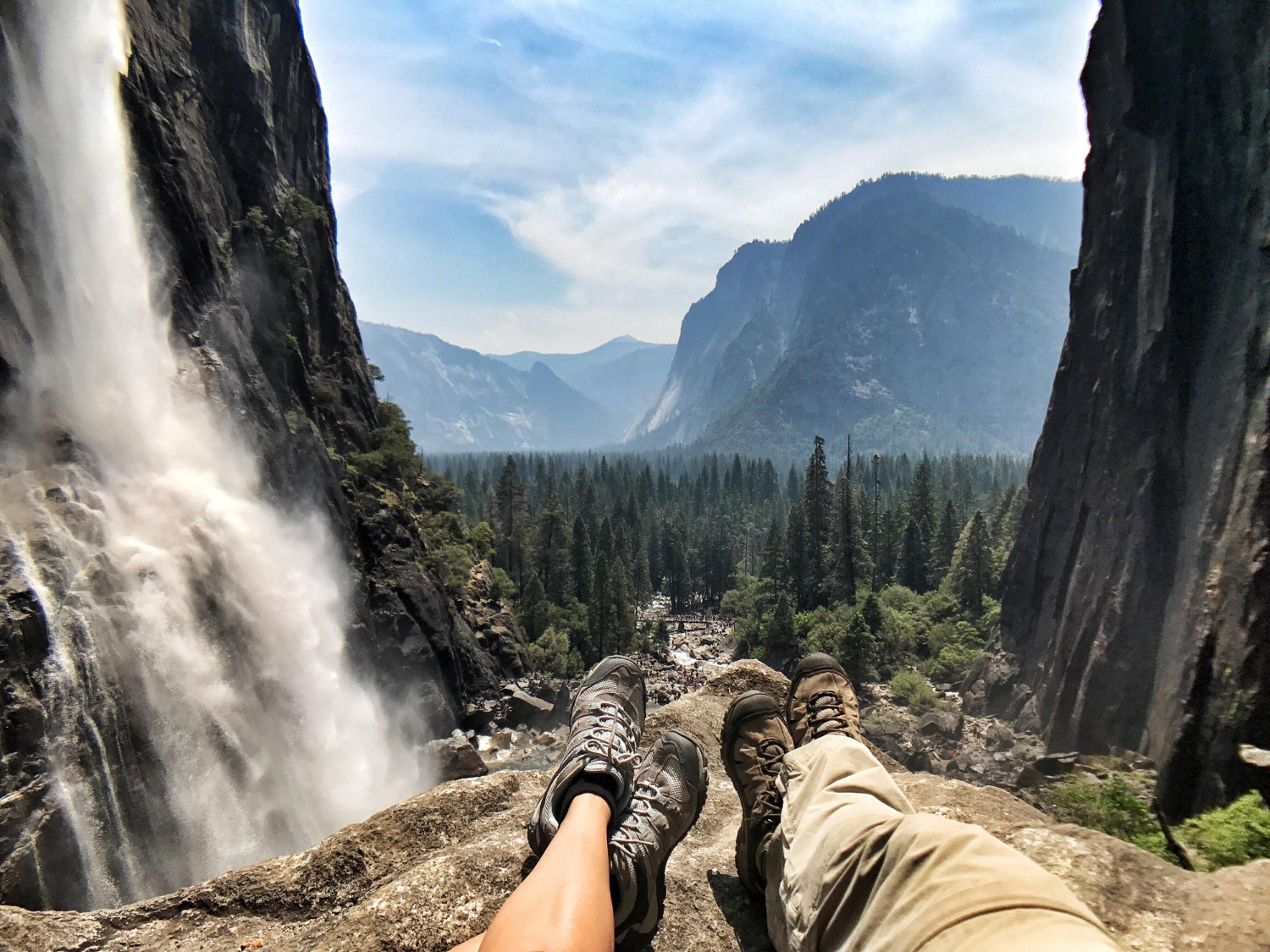
Tourism-dependent gateway towns have expressed concern. Supporters call it standard international practice.
The new fees have prompted a genuinely mixed response. Some tourism businesses and officials in gateway communities near parks like Yellowstone and Glacier have expressed concern that higher costs could discourage international visitors, who often stay longer and spend more locally. Supporters counter that many countries already charge foreign visitors more at their own national parks and heritage sites, framing the change as bringing the U.S. in line with common international practice. The change having drawn mixed reactions reflects a genuine ongoing debate, one worth watching as more data on international visitation and spending patterns emerges through 2026.
Plan Ahead for a Changed Fee System
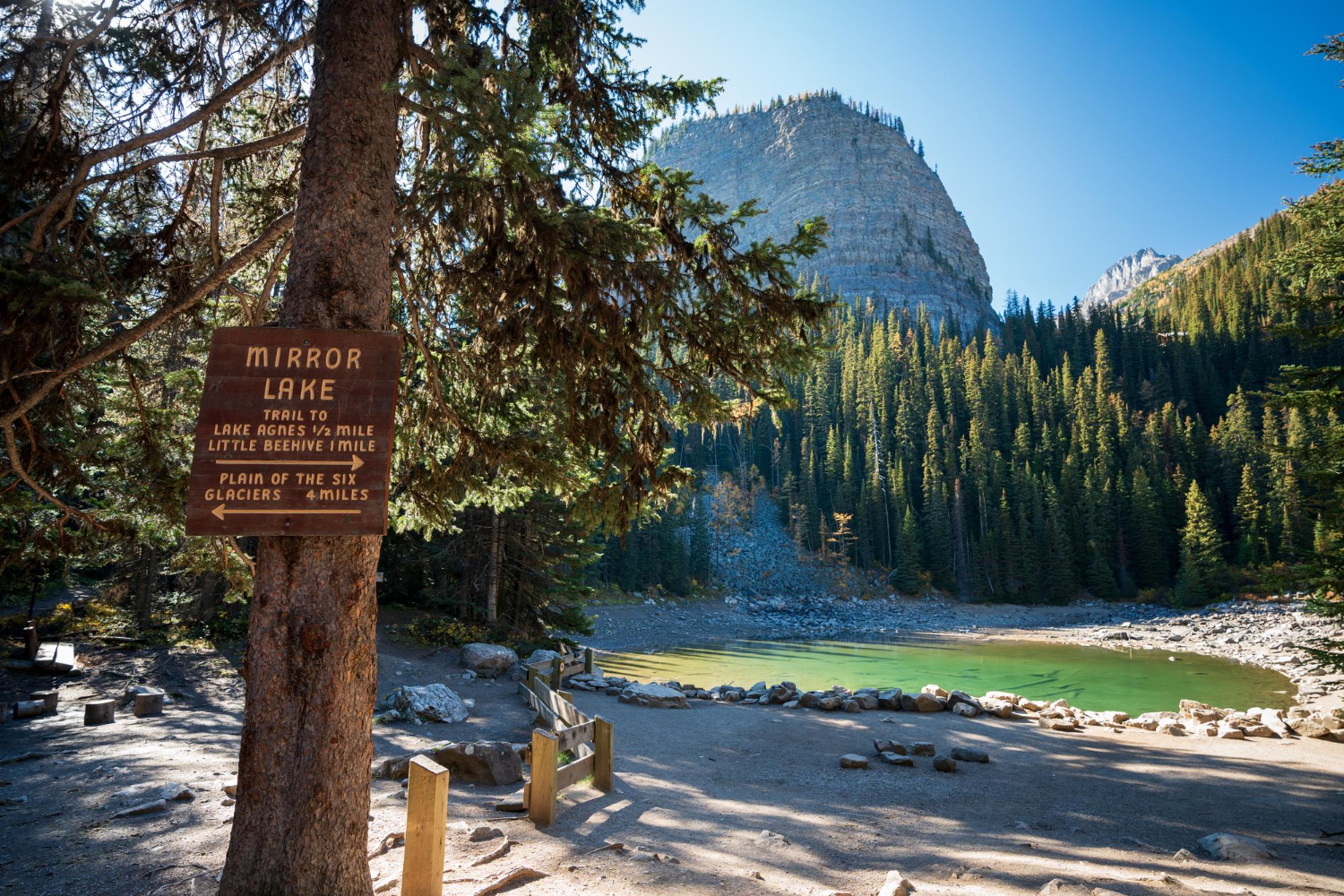
Taken together, these ten points capture a genuinely significant shift in how America’s most iconic national parks are priced for international visitors in 2026, from the new $100 surcharge and $250 annual pass to the residency verification now required at the gate. For any traveler bringing international guests, or planning a visit as a nonresident, understanding this system in advance is essential.
The bottom line for 2026 is straightforward: U.S. residents will notice little change, while international visitors face a genuinely new cost structure at some of the country’s most beloved parks. For nonresidents planning to visit more than a couple of these 11 parks, the annual pass is very likely the smarter financial choice. Whatever your residency status, a little research before you go, checking current fees, gathering the right ID, and planning around the surcharge parks if needed, will make for a smoother, better-budgeted national park adventure.
Like our content? Follow us for more.