
As overtourism strains popular destinations, more places are turning to tourist taxes and fees to manage crowds, fund infrastructure, and protect heritage and the environment. In 2026, a notable wave of new and increased levies is reaching travelers, often added discreetly to hotel bills or charged at entry points. These charges are usually modest, but they can add up and catch the unprepared by surprise at check-out. Knowing about them in advance helps travelers budget and avoid unwelcome surprises. Here are ten destinations charging new or higher tourist taxes in 2026, counted down one by one. Because these figures change frequently, always confirm the current rates before booking.
1. Venice, Italy
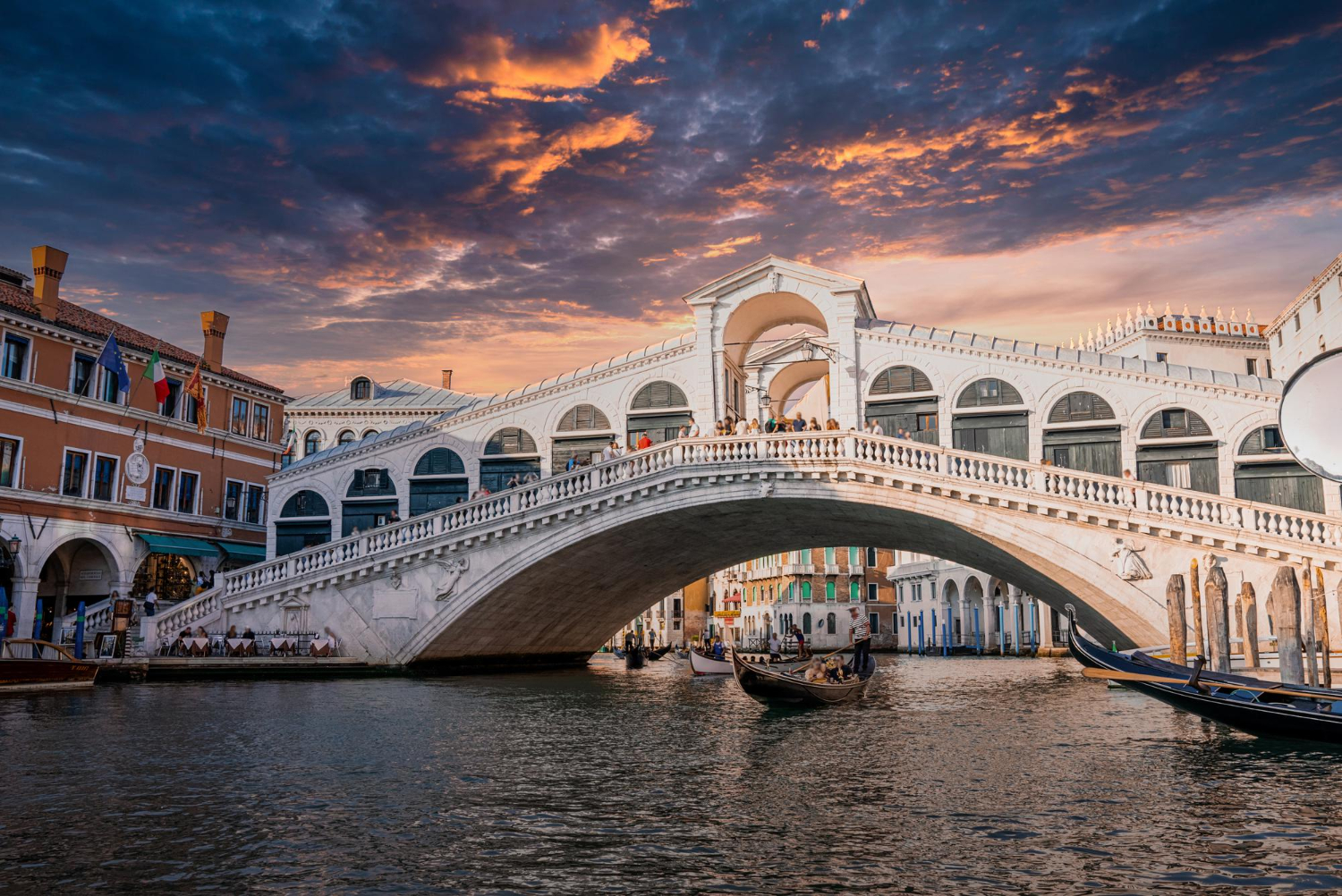
Venice continues its high-profile day-tripper access fee in 2026, charging visitors who enter the historic center without an overnight stay on designated peak days. The fee, which travelers must pre-book and pay online, aims to manage the crush of day visitors.
Venice’s access fee applies to day-trippers entering the historic center on certain busy days during the high season, typically reported in the range of €5 to €10, with payment made through an official online portal in advance. The measure targets the heavy flow of day visitors, especially from cruises, who strain the fragile city. Overnight guests, who already pay a lodging tax, are generally exempt. Travelers planning a Venice day trip in 2026 should check the designated dates and pre-book to avoid being caught out by the entry fee.
Like our content? Follow us for more.
2. Barcelona, Spain

Barcelona is raising its tourist tax notably in 2026, increasing the municipal surcharge added to accommodation and pushing total nightly charges higher, especially at upscale hotels. The city is using the levy to address overtourism and housing pressures.
Barcelona’s accommodation tax is climbing in 2026, with the municipal surcharge rising and combined nightly rates reaching higher levels, reportedly up to around €15 per night at luxury hotels, while holiday-rental rates have also increased. The city has tied the increases to managing tourism’s impact on housing and neighborhoods. The tax is added to your accommodation bill. Visitors to Barcelona should factor the higher nightly tax into their budgets and expect it at check-out.
3. Greek Islands, Greece
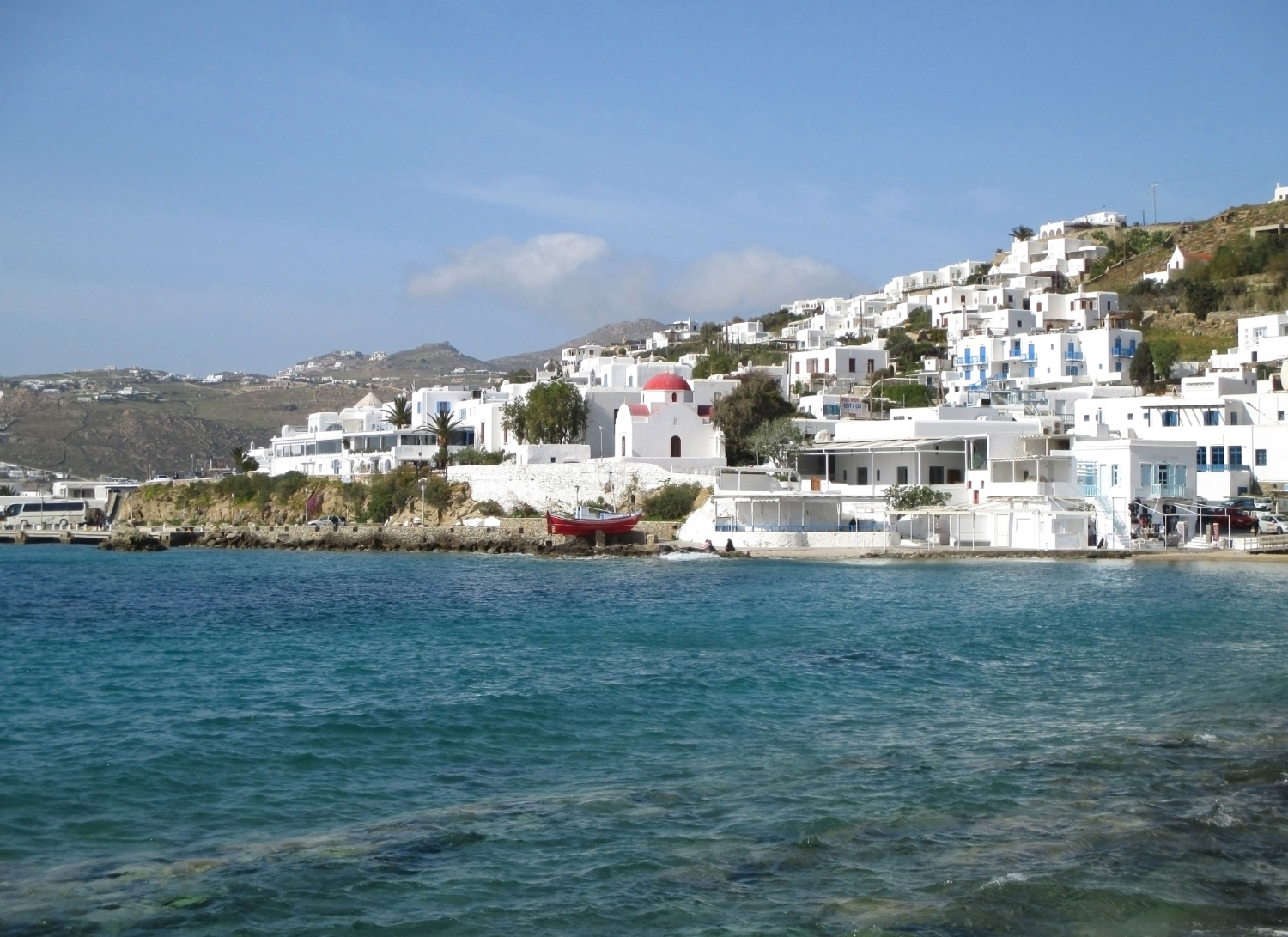
Greece has expanded its tourism levies for 2026, including accommodation taxes that vary by hotel rating and a cruise-passenger fee for popular islands like Santorini and Mykonos. The fees fund environmental and infrastructure efforts.
Greece’s accommodation tax is reported to range from around €1.50 to €4 per night depending on a property’s star rating, while a cruise fee, sometimes called a climate-resilience charge, applies to passengers visiting popular islands, reaching as high as around €20 per day at Santorini and Mykonos in peak season. The measures aim to ease tourism’s environmental toll. Travelers to the Greek islands in 2026 should budget for these accommodation and cruise charges.
4. Bali, Indonesia

Bali maintains its foreign tourist levy in 2026, a one-time charge for international visitors used to support the island’s culture and environment. The fee is part of Bali’s efforts to manage tourism’s impact.
Bali’s tourist levy is a one-time charge for foreign visitors, reported at 150,000 Indonesian rupiah, roughly $10, collected through an official system and used to fund cultural preservation and environmental and waste-management efforts. It applies specifically to international tourists, separate from any site entrance fees. Travelers heading to Bali in 2026 should be aware of the levy and pay it through official channels, factoring the modest charge into their trip planning.
5. Amsterdam, Netherlands
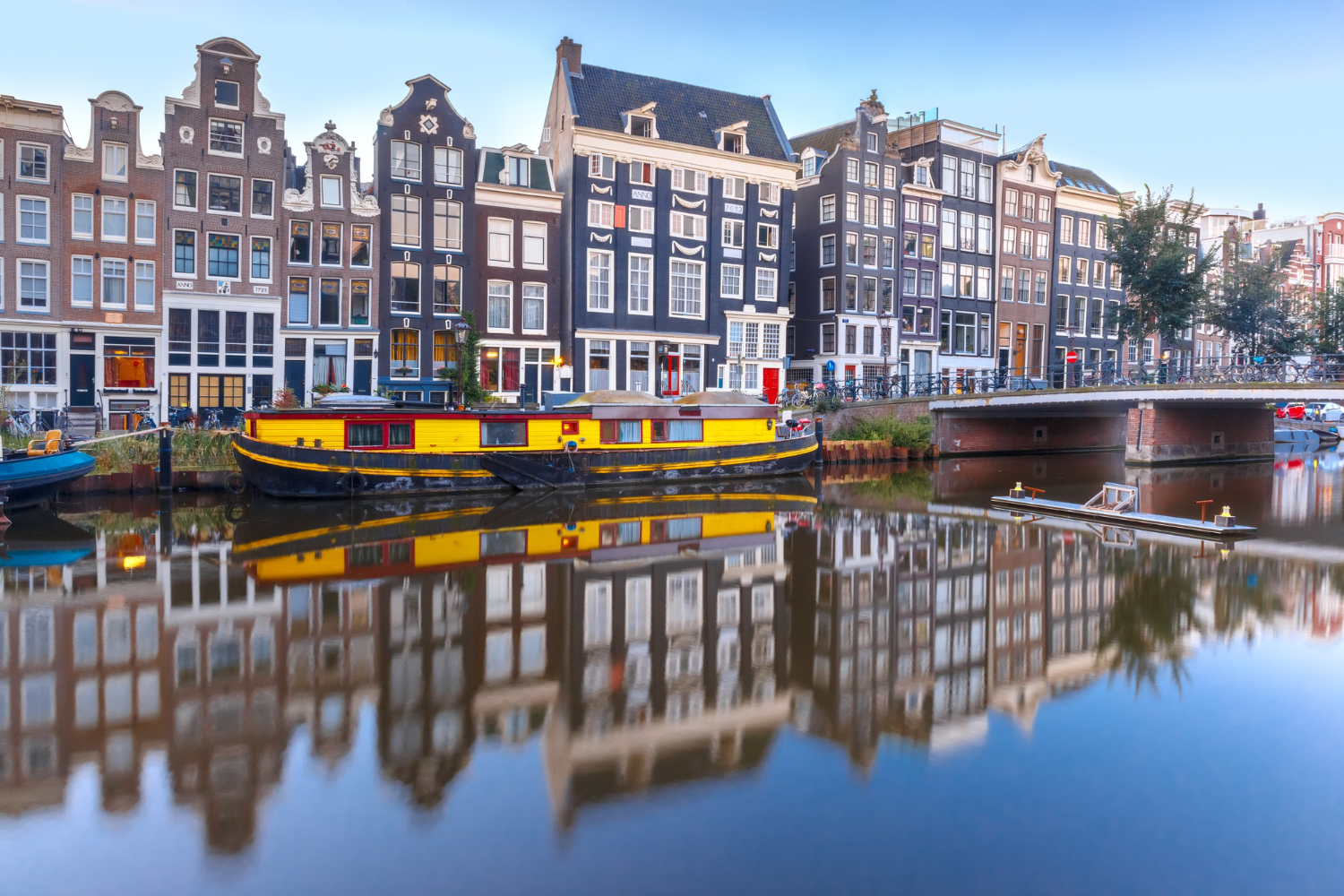
Amsterdam, already known for some of Europe’s highest tourist taxes, increased its levy further in 2026. The city’s accommodation tax adds a significant percentage to hotel and rental stays.
Amsterdam’s tourist tax rose again in 2026, reinforcing its position among the highest in Europe, with the charge applied as a percentage of accommodation costs and added to hotel and rental bills. The city uses the revenue to manage the pressures of heavy tourism. Because it is percentage-based, the tax can be substantial on pricier stays. Visitors to Amsterdam in 2026 should expect a notable tourist tax on their accommodation and budget accordingly when planning a trip to the Dutch capital.
6. Kyoto, Japan

Kyoto, one of Japan’s most visited cities, is raising its lodging tax in 2026 to help manage the strains of overtourism. The increase affects accommodation across the historic city.
Kyoto is increasing its accommodation tax in 2026, with the lodging levy rising as the city contends with crowds at its famous temples, shrines, and historic districts. The tax is added to hotel and accommodation bills and scales with the cost of the stay. The revenue supports tourism management and infrastructure. Travelers visiting Kyoto in 2026 should anticipate the higher lodging tax and check current rates, as the city joins a growing list of destinations raising fees on visitors.
7. Hawaii, USA
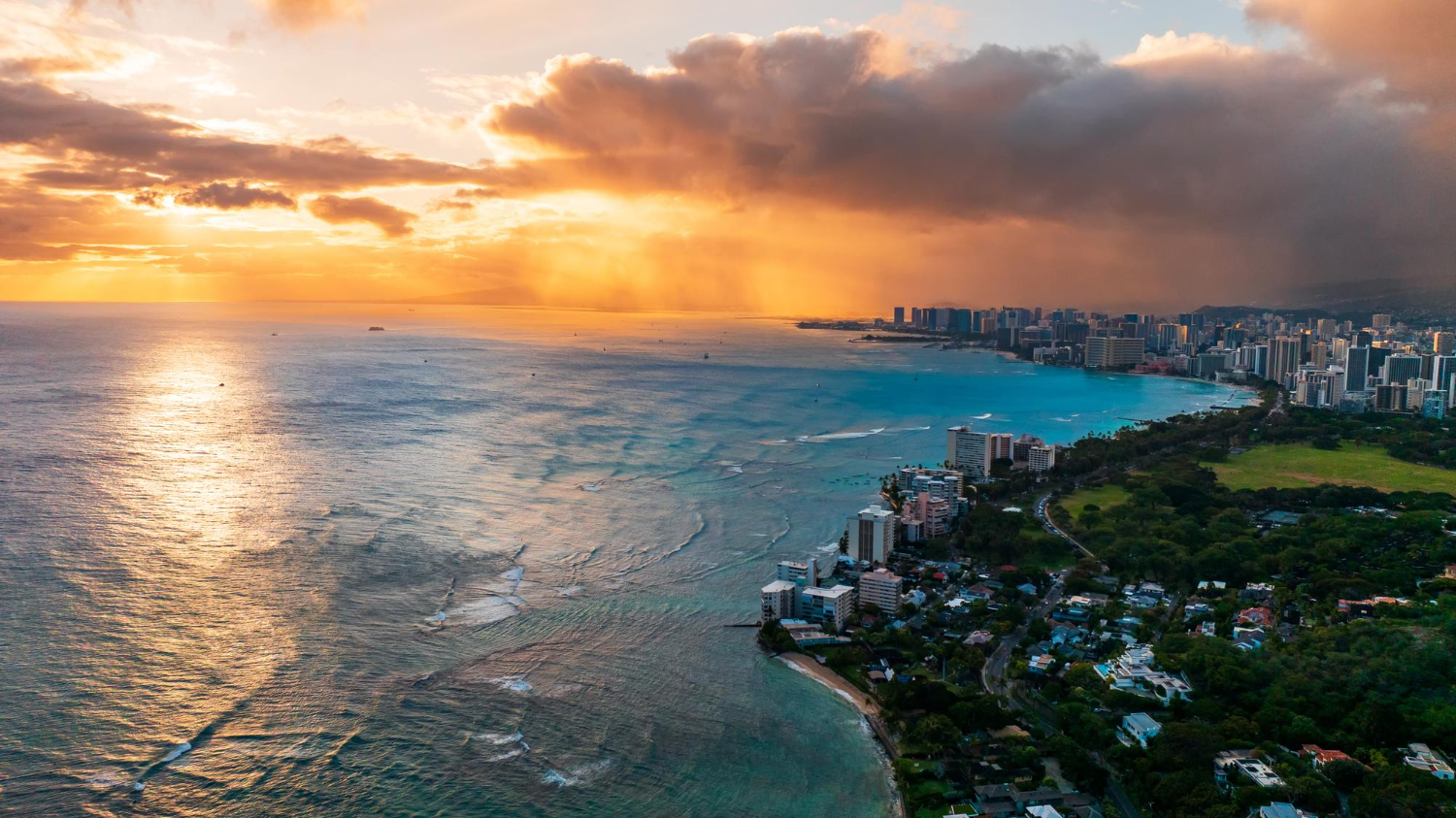
Hawaii is implementing increased accommodation-related taxes, including a so-called green fee, to fund environmental protection and climate resilience. The charges add to the cost of staying in the islands.
Hawaii has moved to increase its transient accommodations tax and add a green-fee element, directing revenue toward protecting the islands’ natural environment and addressing climate impacts. The charges are applied to hotel and short-term-rental stays. As a percentage-based levy, it adds meaningfully to the cost of a Hawaiian vacation. Travelers planning a trip to Hawaii in 2026 should factor in the higher accommodation taxes and check the current rates when budgeting for their stay.
8. Tenerife, Canary Islands
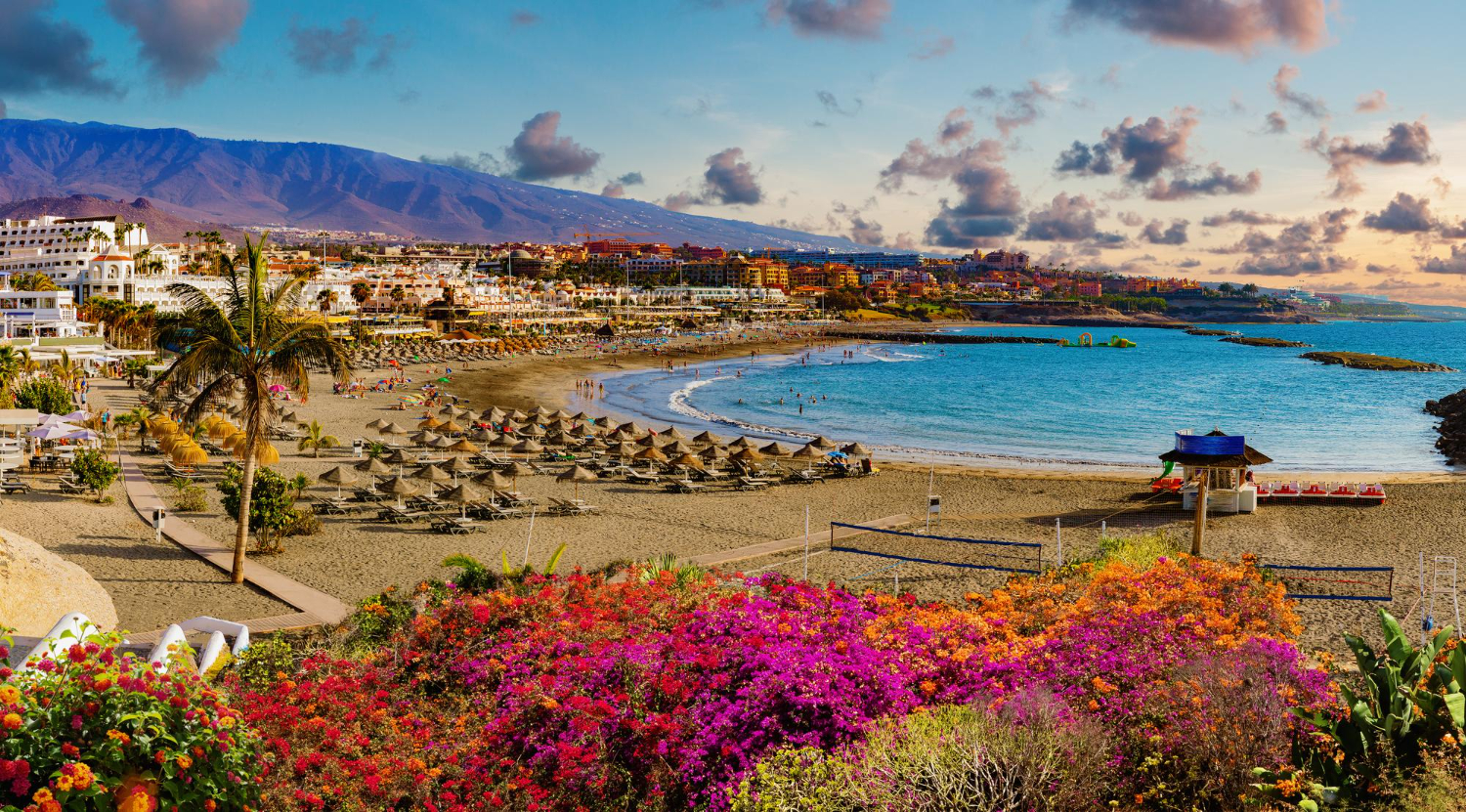
Tenerife is introducing an eco-tax in 2026 targeting one of its most popular natural attractions, the area around El Teide, with fees varying by trail. The charge aims to protect the fragile environment.
Tenerife’s new eco-tax applies to visitors accessing the popular El Teide National Park area, with the fee depending on the hiking trail chosen and reported to range from around €10 up to €25 per person for certain routes. The measure is designed to manage the environmental impact of heavy visitation at the UNESCO-listed site. Travelers planning to hike in the Teide area in 2026 should check the eco-tax requirements and fees for their chosen trails in advance.
9. Edinburgh, Scotland
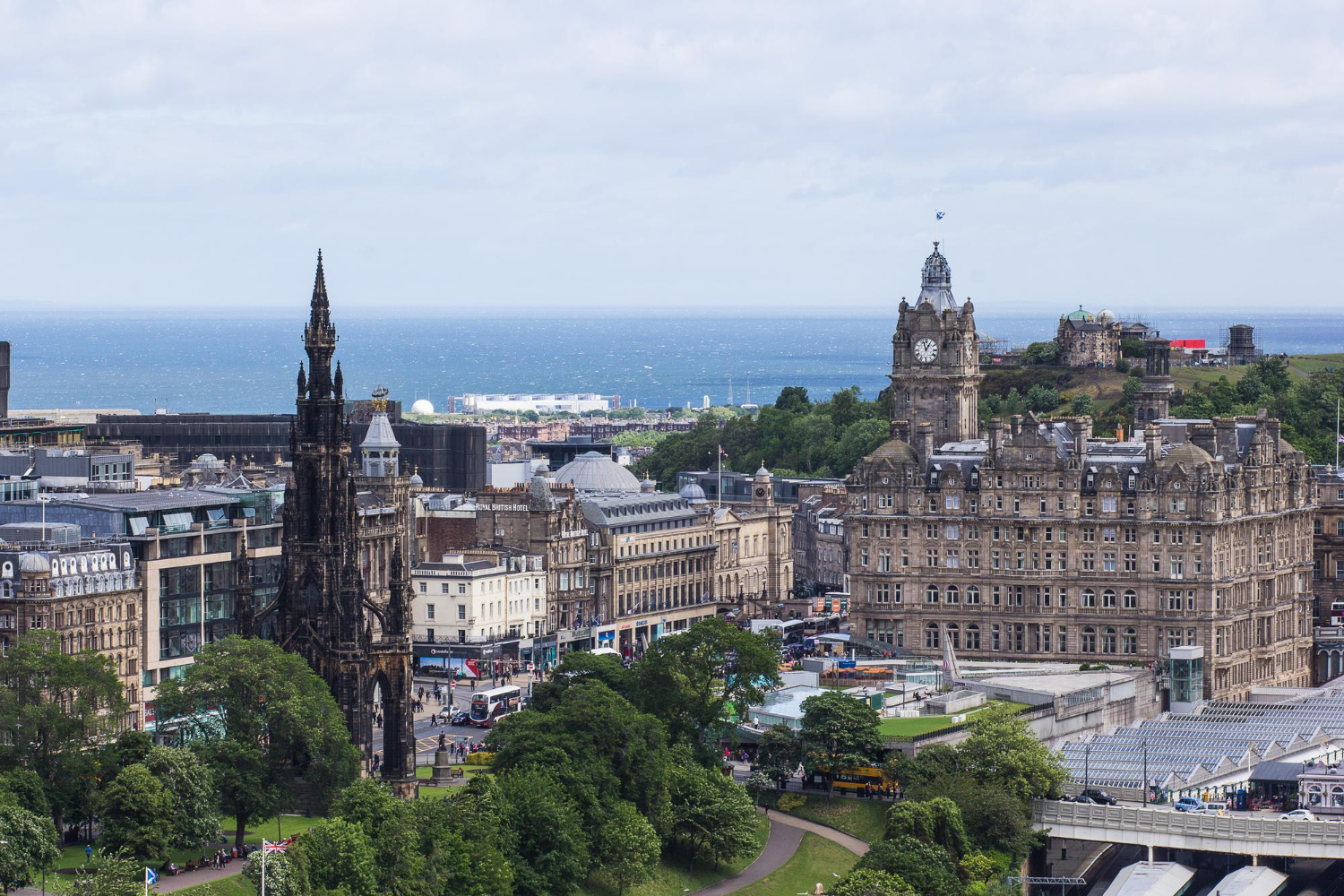
Edinburgh is introducing Scotland’s first visitor levy in 2026, adding a percentage charge to overnight accommodation. The city is among the first in the country to adopt such a tax.
Edinburgh’s new visitor levy, reported as a percentage added to accommodation costs, marks the first such tax in Scotland and applies to overnight stays in the city. The revenue is intended to support tourism infrastructure and manage the impact of visitors on the historic capital. As a percentage-based charge, it scales with the cost and length of a stay. Travelers visiting Edinburgh in 2026 should budget for the new levy and check the current rate when booking accommodation.
10. Norway

Norway is moving to allow tourist taxes in 2026, giving municipalities the ability to charge a visitor levy to help fund infrastructure in heavily visited areas. The measure responds to growing tourism pressures.
Norway is introducing the option for municipalities to levy a tourist tax, reported as a percentage on accommodation, to help popular destinations manage the costs of heavy visitation. Rather than a single national rate, the charge can be adopted locally where tourism pressures are greatest. The funds support infrastructure and services strained by visitors. Travelers heading to Norway’s popular destinations in 2026 should check whether a local visitor levy applies and factor it into their accommodation budget.
Budgeting for Tourist Taxes in 2026

Taken together, these ten destinations reflect a clear global trend: as overtourism strains beloved places, more are charging visitors to help manage crowds, fund services, and protect the environment and heritage. From Venice and Barcelona to Bali, Hawaii, and Norway, the fees are usually modest but can add up across a trip, and they often appear at check-out or entry. Knowing about them in advance is the best defense against surprise costs.
Because tourist taxes and fees change frequently, with rates, dates, and rules subject to revision, the figures here should be treated as a general guide rather than the final word. The smartest approach is to check the current, official requirements for each destination before booking and again before traveling, and to add a small contingency to your travel budget for these charges. With a little preparation, travelers can take these fees in stride and focus on enjoying the destinations, knowing the modest sums often go toward preserving the very places they came to see.
Like our content? Follow us for more.