

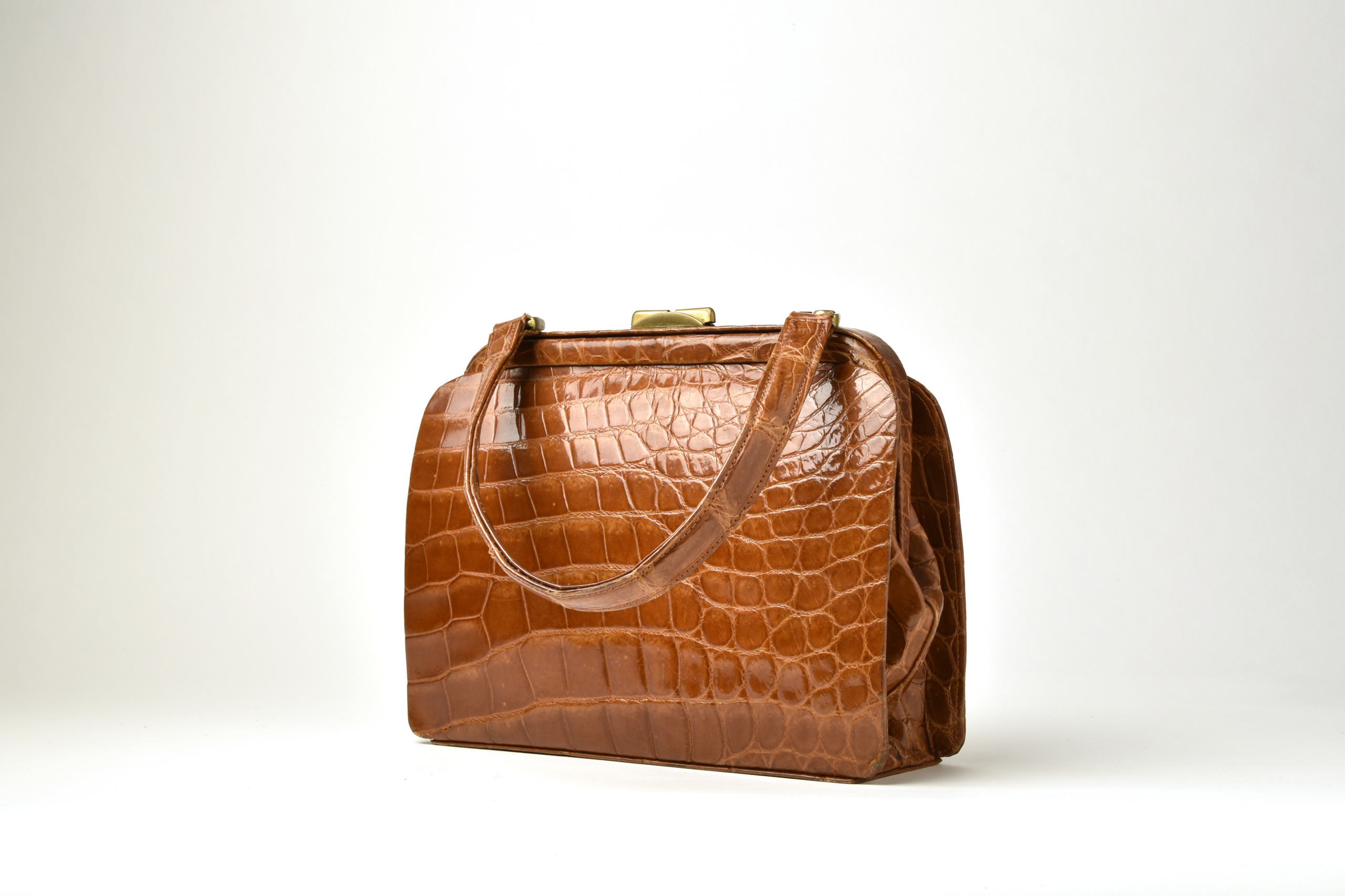
For a child of the 1970s, mom’s purse was a place of endless fascination, a seemingly bottomless bag from which she could produce a solution to almost any situation: a tissue for a runny nose, a candy to quiet a bored child, a coin for a gumball machine. The typical American mom’s handbag of that era held a very particular collection of items, many of which reflected how daily life, money, and habits worked before the digital age. A great number of those once-essential items have since vanished, replaced by smartphones and changing customs. Here is a fond and nostalgic tour of the things you would have found in a 1970s mom’s purse, and why so many of them have disappeared from the bags we carry today.
The Coin Purse
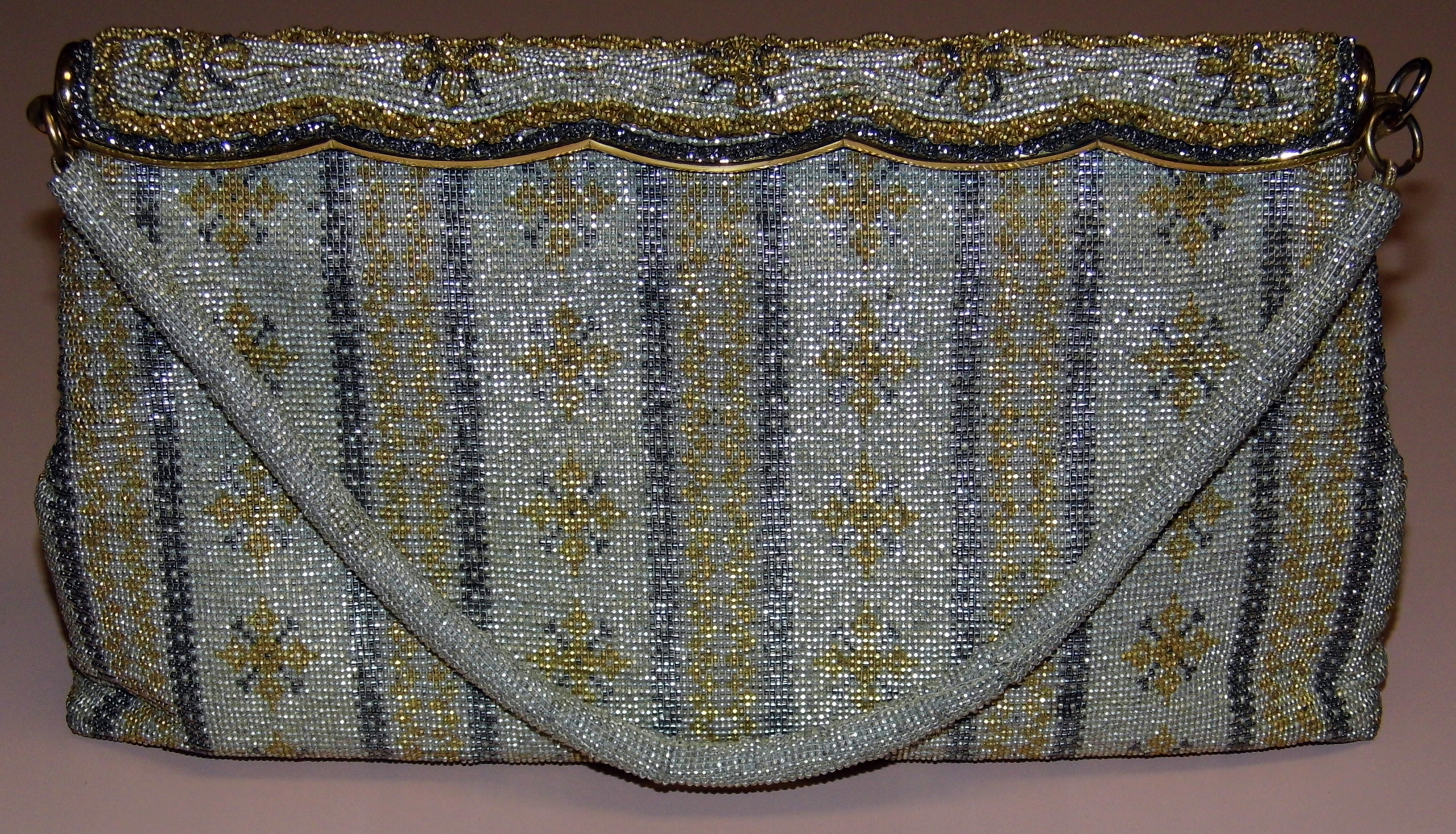
Tucked inside the handbag was almost always a small coin purse, often made of metal with a snap clasp or a soft leather pouch, jingling with the change essential for daily life. In an era of cash transactions, pay phones, parking meters, and gumball machines, having coins on hand was a genuine necessity, not an afterthought.
Mom could be counted on to fish out the exact change for a bus fare, a newspaper, or a treat from a vending machine. The satisfying snap of the coin purse and the sound of the coins inside are vivid memories for many. As cards and digital payments replaced cash for most everyday purchases, the dedicated coin purse, once a fixture of every handbag, has largely disappeared. Few people today carry the quantity of change that daily life once demanded, making the well-stocked coin purse a relic of a cash-based age.
Like our content? Follow us for more.
The Checkbook

A near-universal feature of the 1970s purse was the checkbook, usually housed in a protective leather or vinyl cover, often with a matching slot for a pen and a register for recording transactions. Before debit and credit cards became universal, the personal check was a primary way to pay for groceries, bills, and larger purchases.
At the grocery store or department store, it was completely normal to see someone carefully writing out a check at the register while others waited. Mom would record each check in the little register to keep track of the balance, a routine financial chore. As cards and electronic payments took over, writing a check became increasingly rare, and the checkbook has all but disappeared from everyday bags. The sight of someone writing a check at a busy checkout, once ordinary, now seems almost quaint.
The Compact and Lipstick
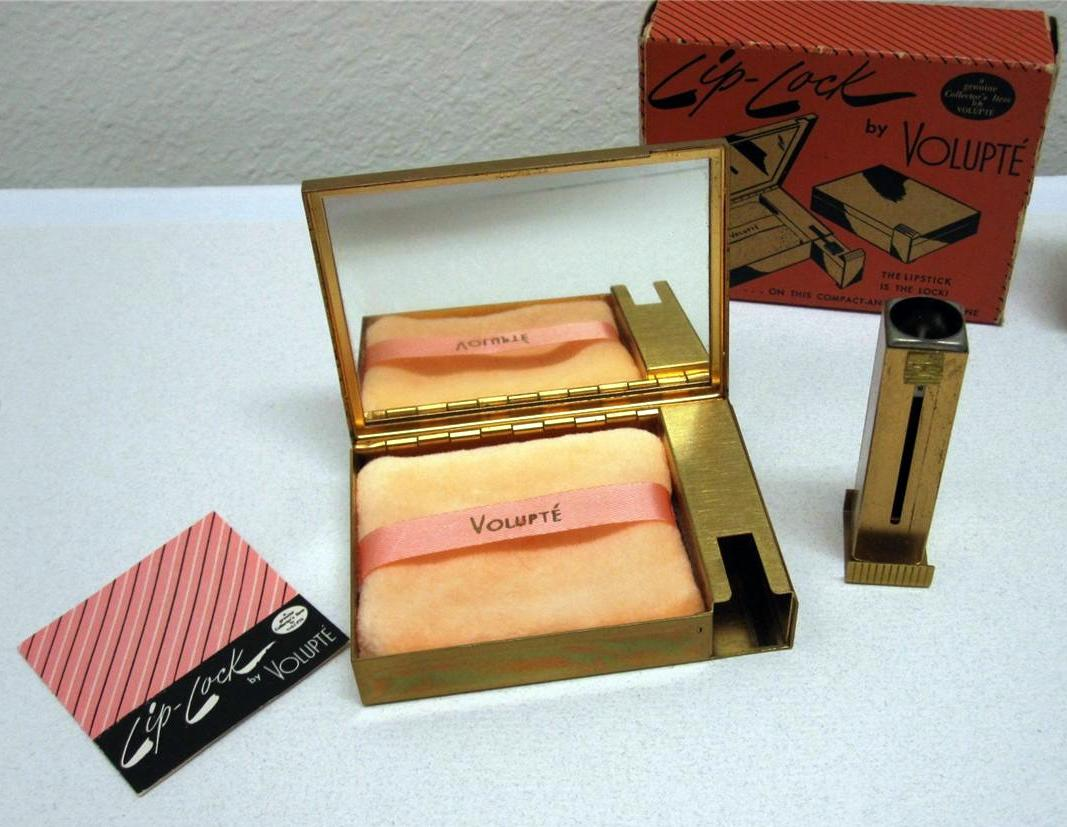
For touch-ups on the go, the 1970s purse reliably held a compact and a tube of lipstick. The compact, a small case containing powder and a mirror, allowed for quick checks and touch-ups, snapping open and shut with a satisfying click. Lipstick in the era’s fashionable shades was a daily essential.
These items reflected the grooming customs of the time, when a put-together appearance was important and a quick touch-up before an outing or after a meal was routine. The compact in particular was often a lovely object, sometimes decorative or even a special gift. While makeup is certainly still carried today, the specific classic powder compact has become less common, and the daily ritual it represented has shifted. Still, the click of a vintage compact remains an evocative sound of the era.
Hard Candies and Tissues

Any child who spent time with a 1970s mom or grandmother remembers the reliable supply of hard candies tucked in her purse, often individually wrapped in crinkly cellophane that announced their presence. Butterscotch discs, peppermints, and similar candies were always on hand to soothe a restless child or offer a small treat.
Alongside the candy, there was almost always a small packet of tissues or a folded handkerchief, ready for runny noses, spills, and tears. These small comforts were part of what made mom’s purse feel like a source of endless preparedness. The crinkle of a candy wrapper being steadily unwrapped during a church service or a long wait is a cherished memory for many. While candies and tissues are hardly gone, that particular ever-present stash, deployed with a knowing smile, belongs to the memory of the era.
The Book of Trading Stamps
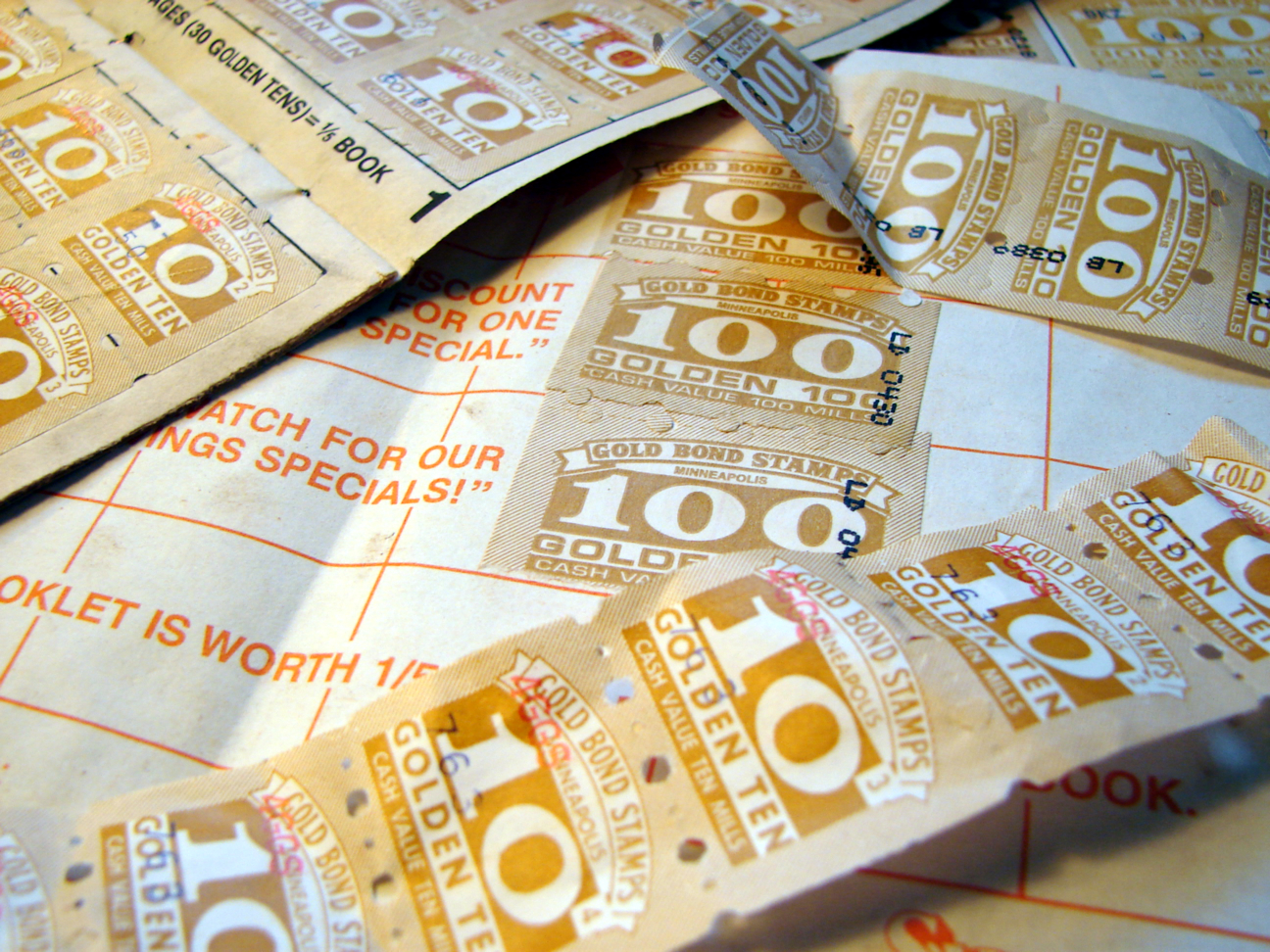
A distinctly period item often found in the 1970s purse was a book of trading stamps. Programs offered stamps with purchases at grocery stores and gas stations, and shoppers would collect these stamps, lick them, and paste them into little booklets, saving them up to redeem for merchandise from a catalog.
Diligently collecting and pasting stamps was a common household activity, and a full book represented real savings toward a coveted item like a toaster, a toy, or housewares. Mom would keep her current booklet handy in her purse to add stamps as she shopped. These trading-stamp programs, once enormously popular, faded away over the following decades. The little booklets, and the whole ritual of collecting and redeeming stamps, have vanished completely, a forgotten feature of 1970s shopping life.
Cigarettes and a Lighter
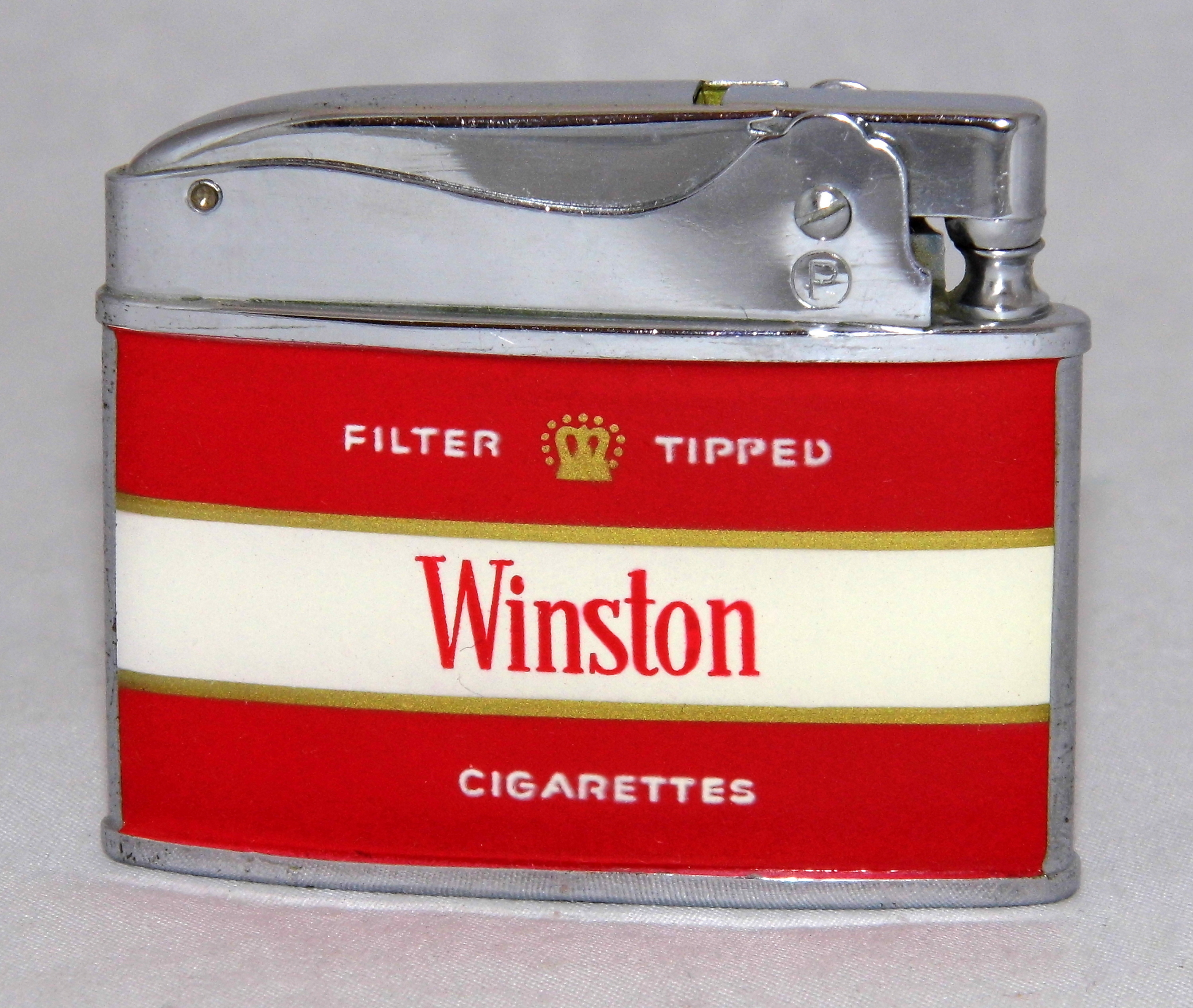
Reflecting the era’s habits, many 1970s purses contained a pack of cigarettes and a lighter or matches. With smoking widespread and accepted in nearly all public spaces, from restaurants to offices to airplanes, it was entirely ordinary for a mom to carry her cigarettes wherever she went.
A stylish lighter was often a personal accessory, and matchbooks collected from restaurants and hotels accumulated in the bottom of the bag. This was simply a normal part of daily life for a great many adults of the time. As awareness of smoking’s health effects grew and social attitudes shifted dramatically, smoking declined and cigarettes became far less common in everyday bags. Their former routine presence is one of the clearest signs of how profoundly habits and health awareness have changed since the 1970s.
The Odds and Ends of a Bygone Era
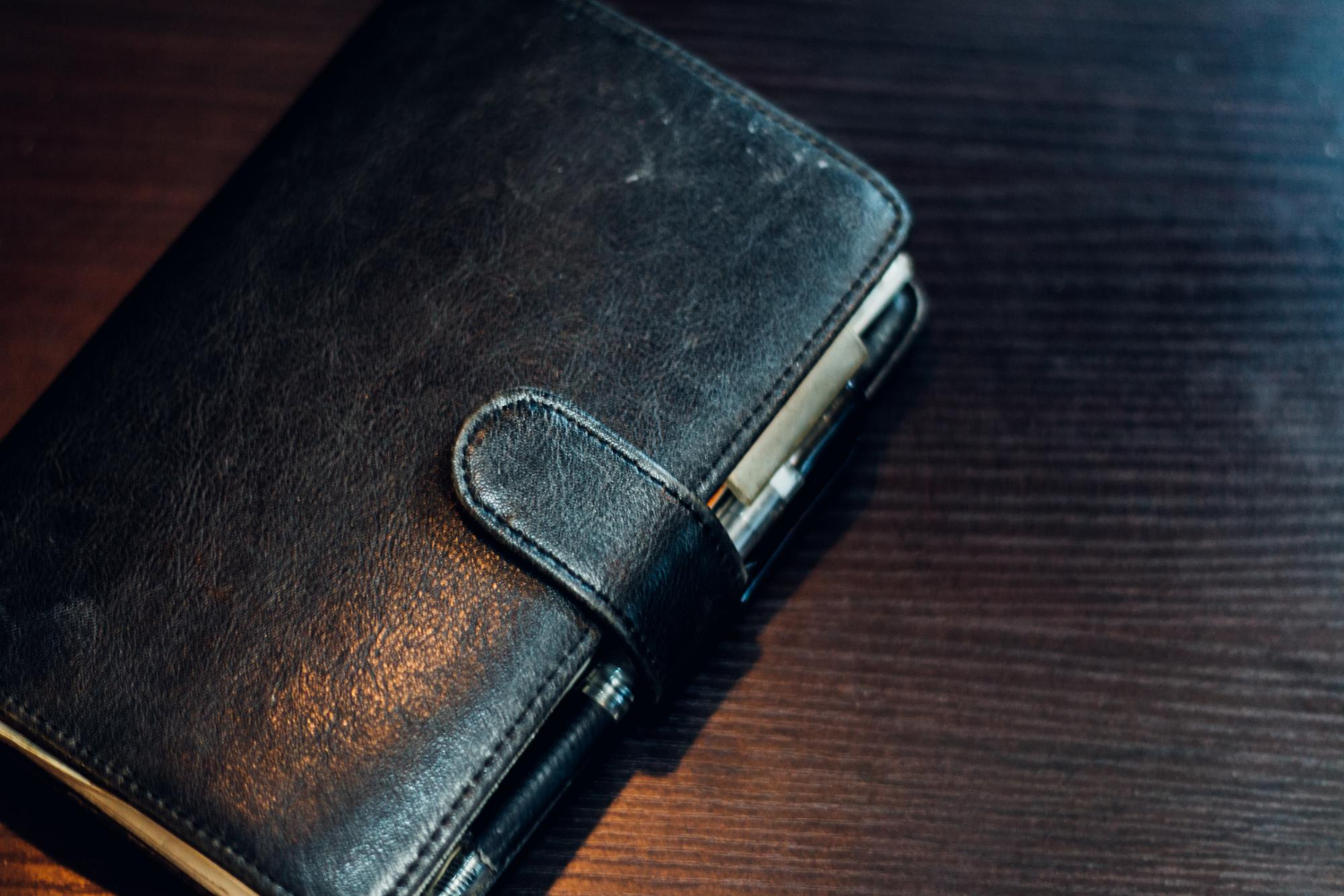
The rest of the 1970s purse was a treasure trove of now-dated items. There was often a small address book filled with handwritten phone numbers and addresses, a tin of breath mints, an emery board, a rain bonnet folded into a tiny packet, and S&H or similar receipts. A pack of gum, a few crumpled grocery coupons clipped from the newspaper, and reading glasses in a hard case were common too.
Many of these items reflected a world before smartphones consolidated so many functions into a single device. The address book, the calculator, the camera, the notepad, the maps, all once carried separately, now live in the phone. The 1970s purse was, in its way, a physical toolkit for daily life, each item serving a specific need. Looking at its contents today is a vivid reminder of how much we once carried, and how a single device has replaced so many of those familiar objects.
Why Mom’s Purse Looks So Different Today
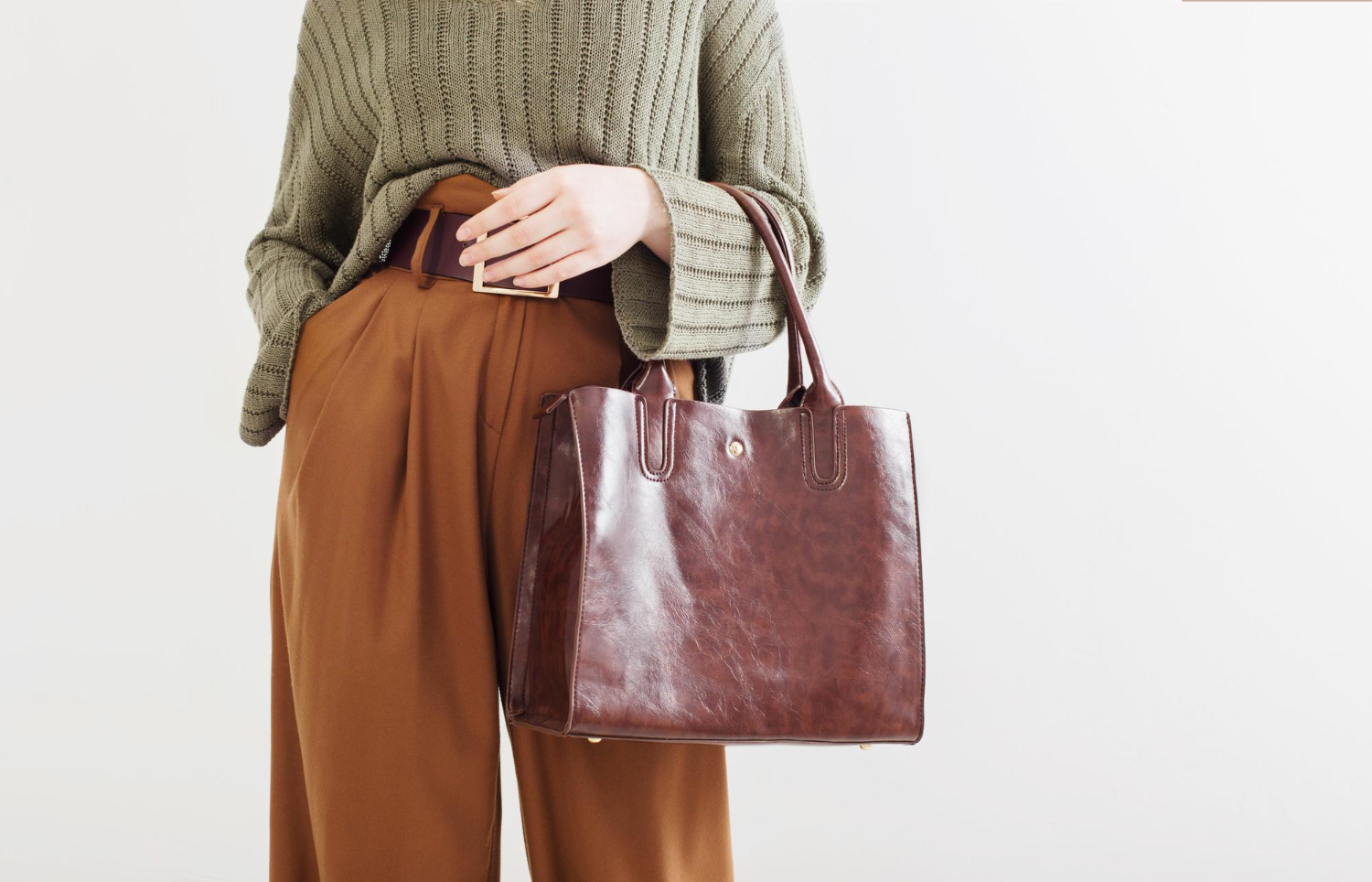
The transformation of the handbag’s contents tells a larger story about how daily life has changed. The shift from cash and checks to cards and digital payments emptied the purse of coin purses and checkbooks. The smartphone absorbed the address book, the camera, the notepad, the maps, and much more. Changing habits and health awareness removed the cigarettes, while evolving customs reshaped the rest.
What remains is a fascinating snapshot of a particular moment in American life, when a mom’s purse was a self-contained kit of essentials for a cash-based, analog, in-person world. For those who remember reaching into that magical bag, or watching their mother produce just the right item for any situation, these vanished contents stir warm memories. The handbag endures, but what we carry inside it has been transformed, mirroring the sweeping changes in technology, money, and daily habits over the past half century.
Like our content? Follow us for more.
