For a generation of Americans, the 1980s shopping mall was far more than a place to buy things, it was the place to be. Teenagers gathered there, families spent whole afternoons there, and the mall became the beating heart of suburban social life. Every mall, from coast to coast, shared a familiar set of features that made the experience instantly recognizable. While the great American mall has faded in the decades since, its 1980s heyday remains a powerful source of nostalgia. Here are the ten things you’d find in every 1980s mall, counted down one by one.
1. The Arcade
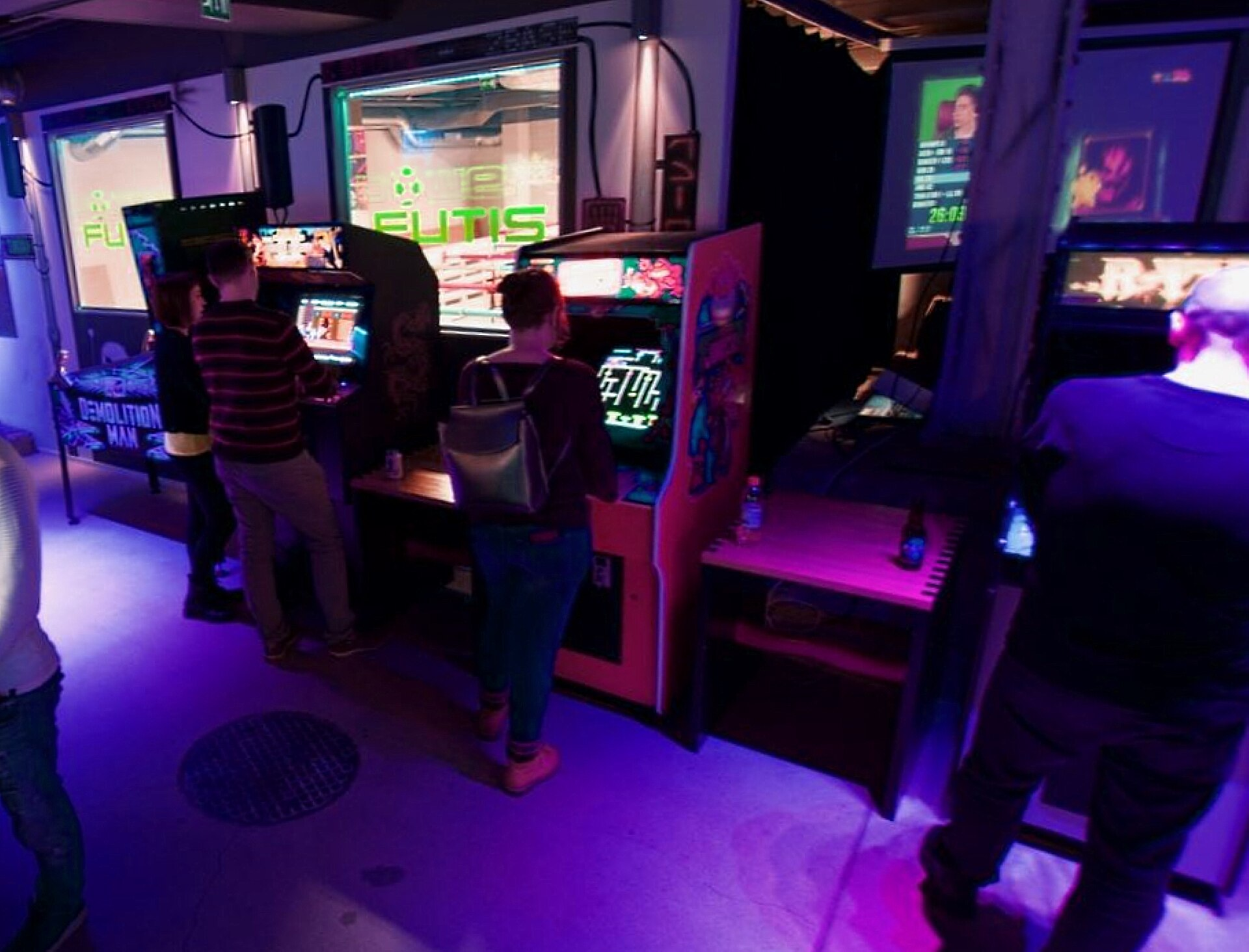
Tucked somewhere in the mall, glowing and beeping, was the video arcade, a dim room packed with stand-up cabinets where kids and teens poured quarters into the era’s biggest games. The arcade was a social hub and a destination in its own right, drawing crowds with its flashing screens and electronic soundtrack.
The arcade was where you proved your skills, spent your allowance, and hung out with friends amid the cacophony of bleeps and explosions. Getting the high score was a point of genuine pride. The mall arcade was central to 1980s youth culture, a gathering place built around the era’s gaming craze. As home consoles improved and mall culture declined, the classic arcade faded, but for those who lived it, the quarter-fed cabinets remain a cherished memory.
Like our content? Follow us for more.
2. The Record Store
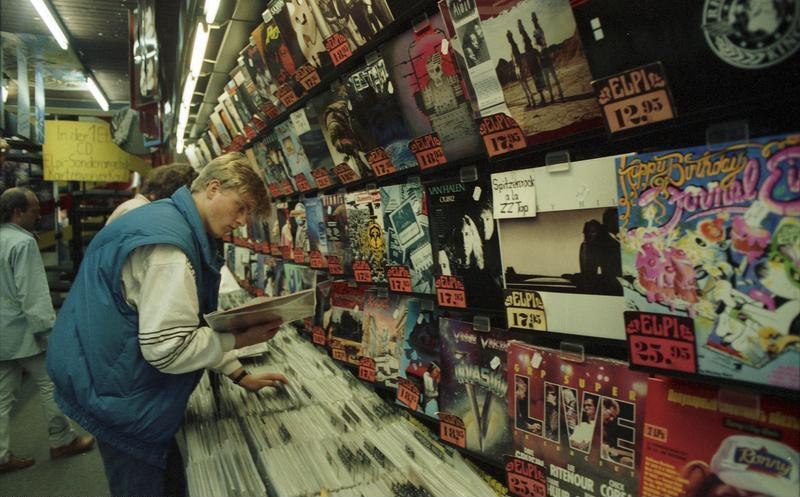
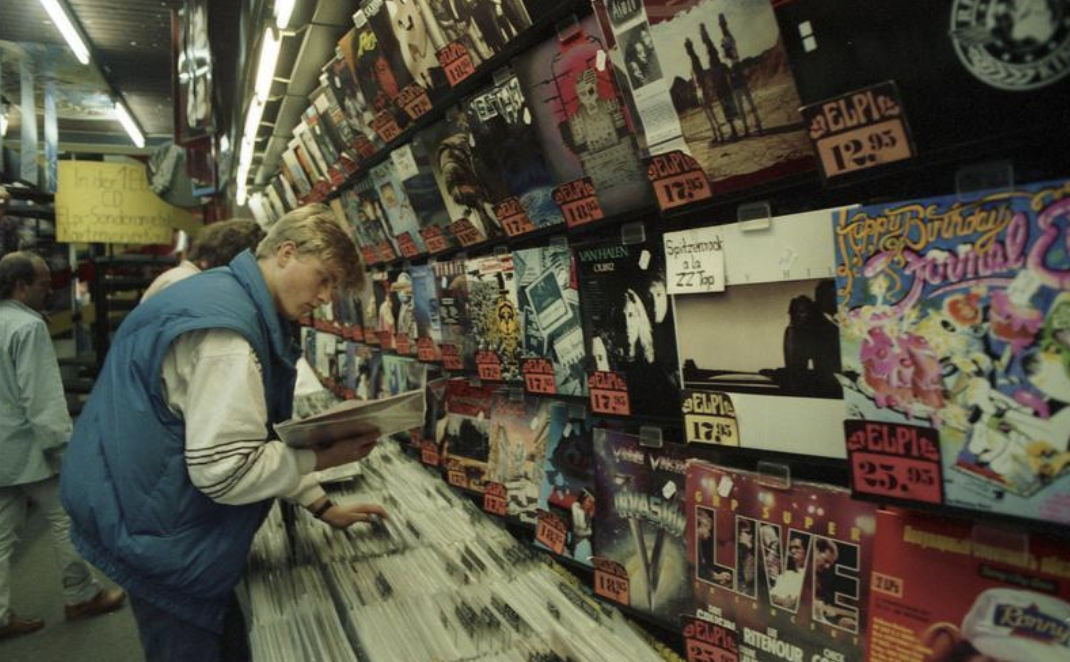
For music, the mall had a record store, packed with bins of vinyl, racks of cassette tapes, and eventually CDs, plus posters, band T-shirts, and music magazines. Browsing the racks and discovering new music was a beloved pastime and a key reason to visit the mall.
The mall record store was where teens spent their money on the latest albums and lingered flipping through the bins. Staff often shared recommendations, and the store buzzed with the music of the moment. It was a cultural hub for young music fans. As music moved to digital downloads and streaming, the mall record store all but disappeared. The memory of browsing those bins and walking out with a new cassette or CD is pure 1980s nostalgia.
3. The Food Court
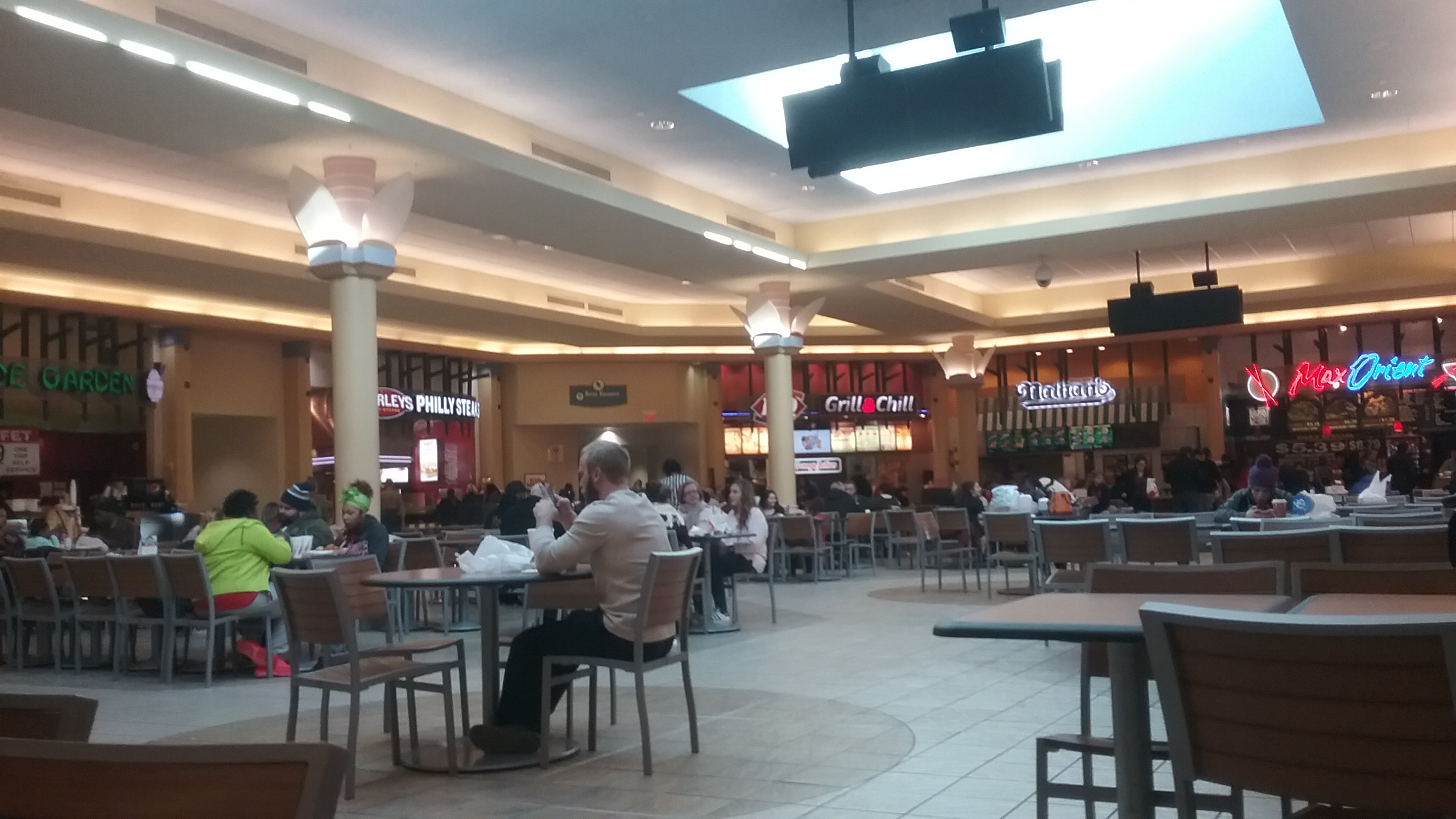
At the center of the action was the food court, a noisy hub of fast-food counters surrounding a sea of tables. From slices of pizza to soft pretzels to teriyaki samples handed out on toothpicks, the food court offered a one-stop feast and a place to refuel between stores.
The food court was where shoppers regrouped, where teens met up, and where the smell of a dozen cuisines mingled in the air. The free samples offered at the counters were a small thrill. It was as much a social space as a dining one, the communal heart of the mall. While food courts still exist, the lively 1980s version, with its specific chains and crowds, is a beloved memory of the era’s mall culture.
4. The Central Fountain
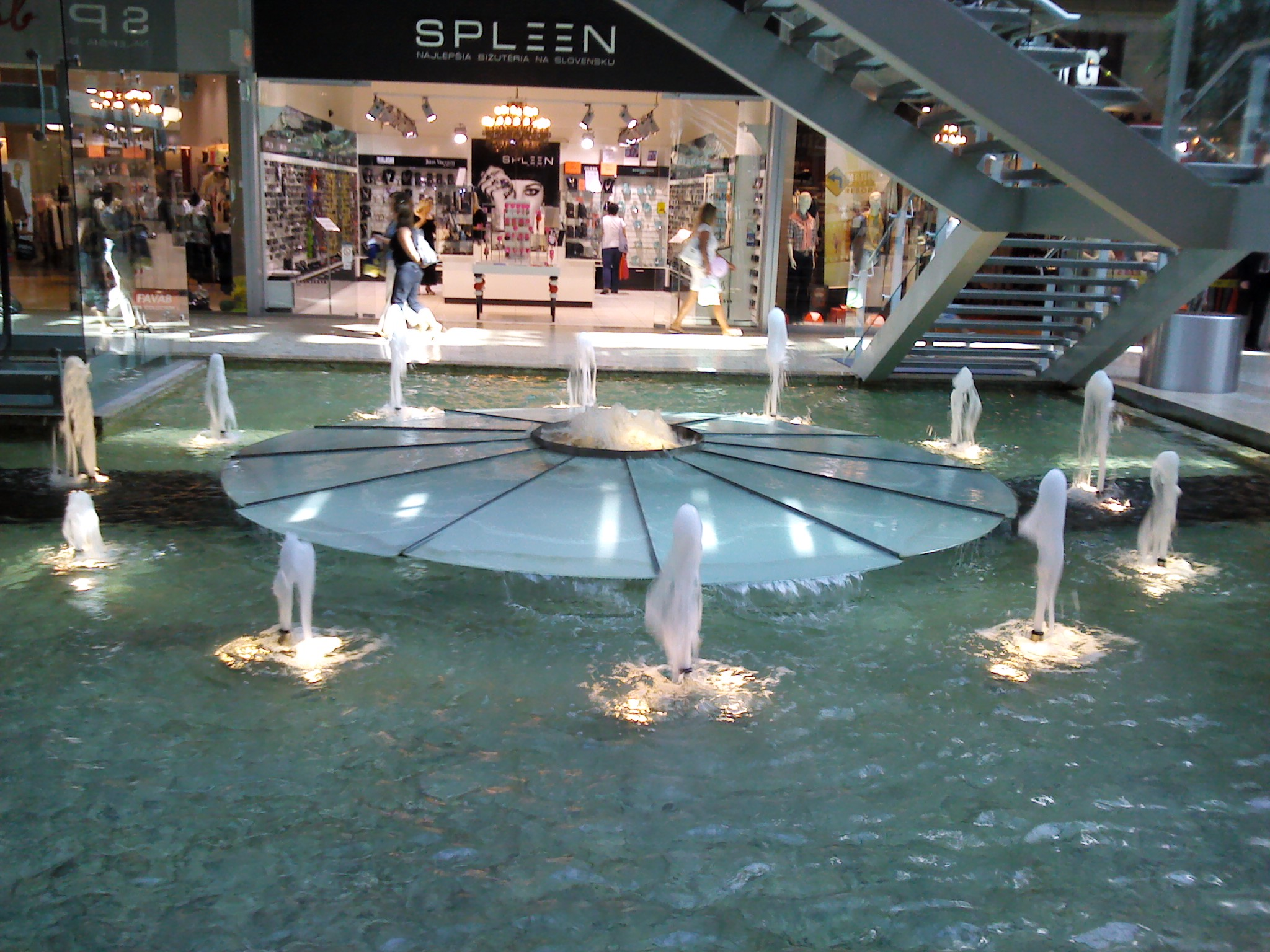
Anchoring the common area was almost always a fountain, a splashing water feature surrounded by benches and greenery, its bottom glittering with coins tossed by hopeful wish-makers. The fountain was a landmark, a meeting spot, and a moment of calm amid the shopping.
“Meet me by the fountain” was a common refrain, as the water feature served as the mall’s natural gathering point. Tossing in a penny and making a wish was a small ritual for kids. The fountain added a touch of spectacle and serenity to the busy mall. As malls were renovated or declined, many fountains were removed. The coin-filled mall fountain remains an iconic and fondly remembered centerpiece of the 1980s shopping experience.
5. The Anchor Department Stores
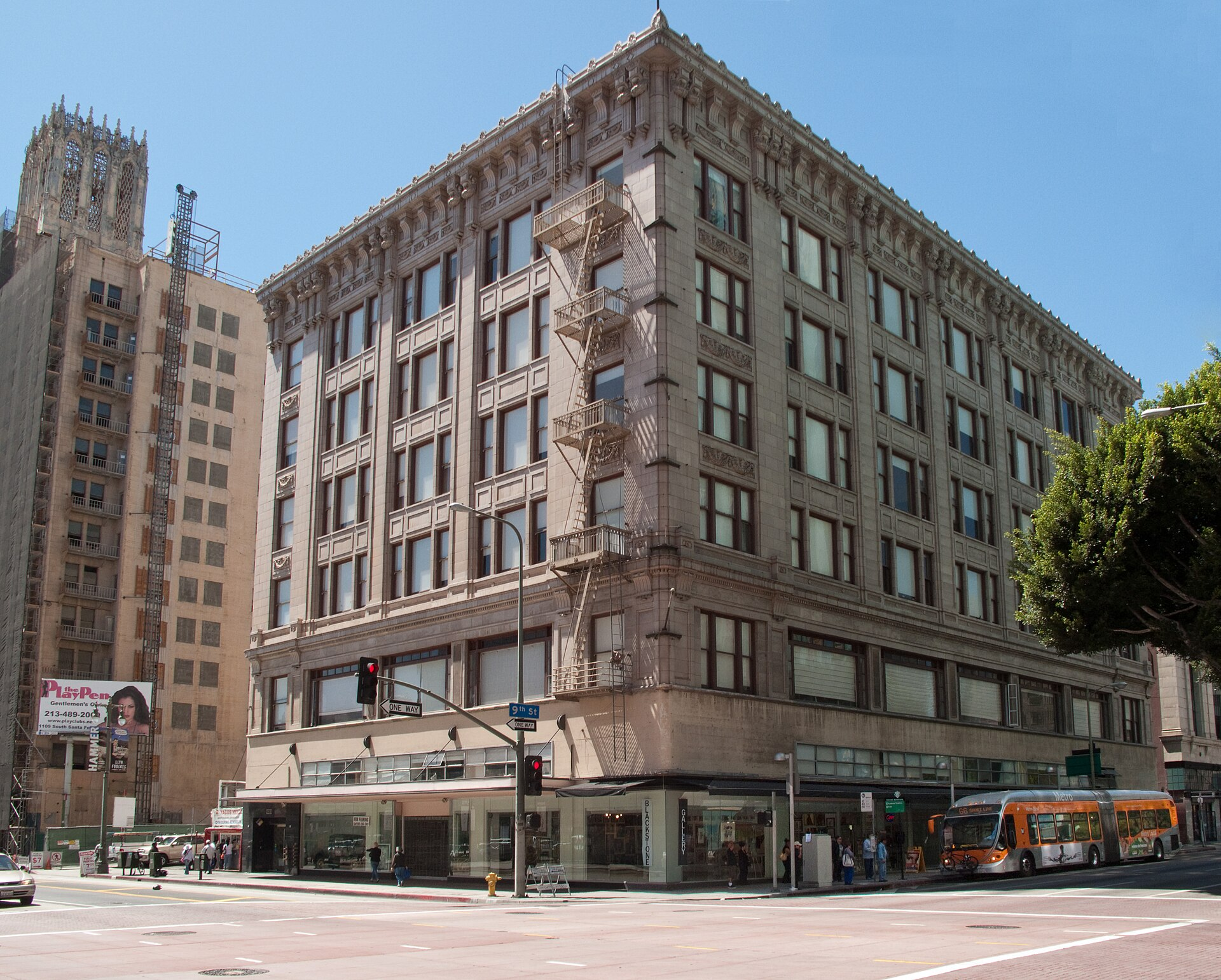
At each end of the mall stood the anchor department stores, the large retailers that drew shoppers in and gave the mall its gravitational pull. These big stores offered everything from clothing to housewares and were the cornerstones around which the whole mall was built.
Walking the long corridor between anchor stores, passing dozens of smaller shops along the way, was the basic rhythm of a mall visit. The anchors hosted big sales, seasonal displays, and the catalog counters of the era. They were essential to the mall’s success and identity. As many of these great retailers struggled and closed in later decades, the loss of the anchor stores hollowed out countless malls, making them a poignant symbol of the era’s faded retail glory.
6. The Photo Booth
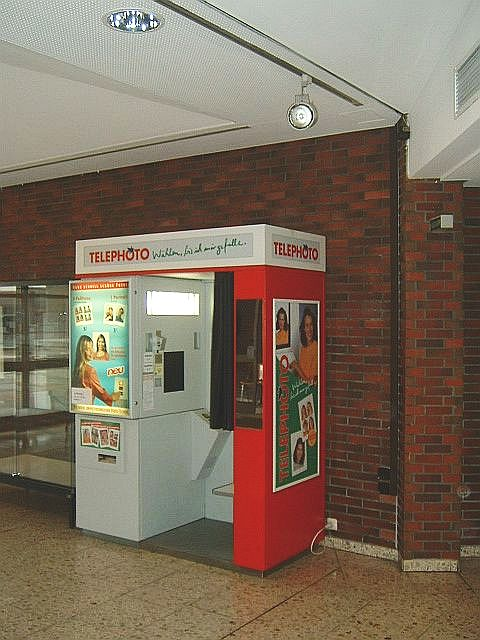
Tucked along a corridor was the photo booth, where for a few coins you could squeeze in, pull the curtain, and pose for a strip of small black-and-white or color photos that emerged minutes later. The booth was a favorite stop for friends and couples wanting a goofy keepsake.
Cramming friends into the little booth and mugging for the camera produced a strip of candid photos that became cherished mementos. The few minutes of waiting for the strip to develop added to the fun. The photo booth captured spontaneous mall memories in a uniquely analog way. While photo booths have seen nostalgic revivals, the classic mall booth churning out photo strips is a beloved feature of the era’s shopping centers, remembered fondly by those who crowded in.
7. The Pretzel and Cookie Stand
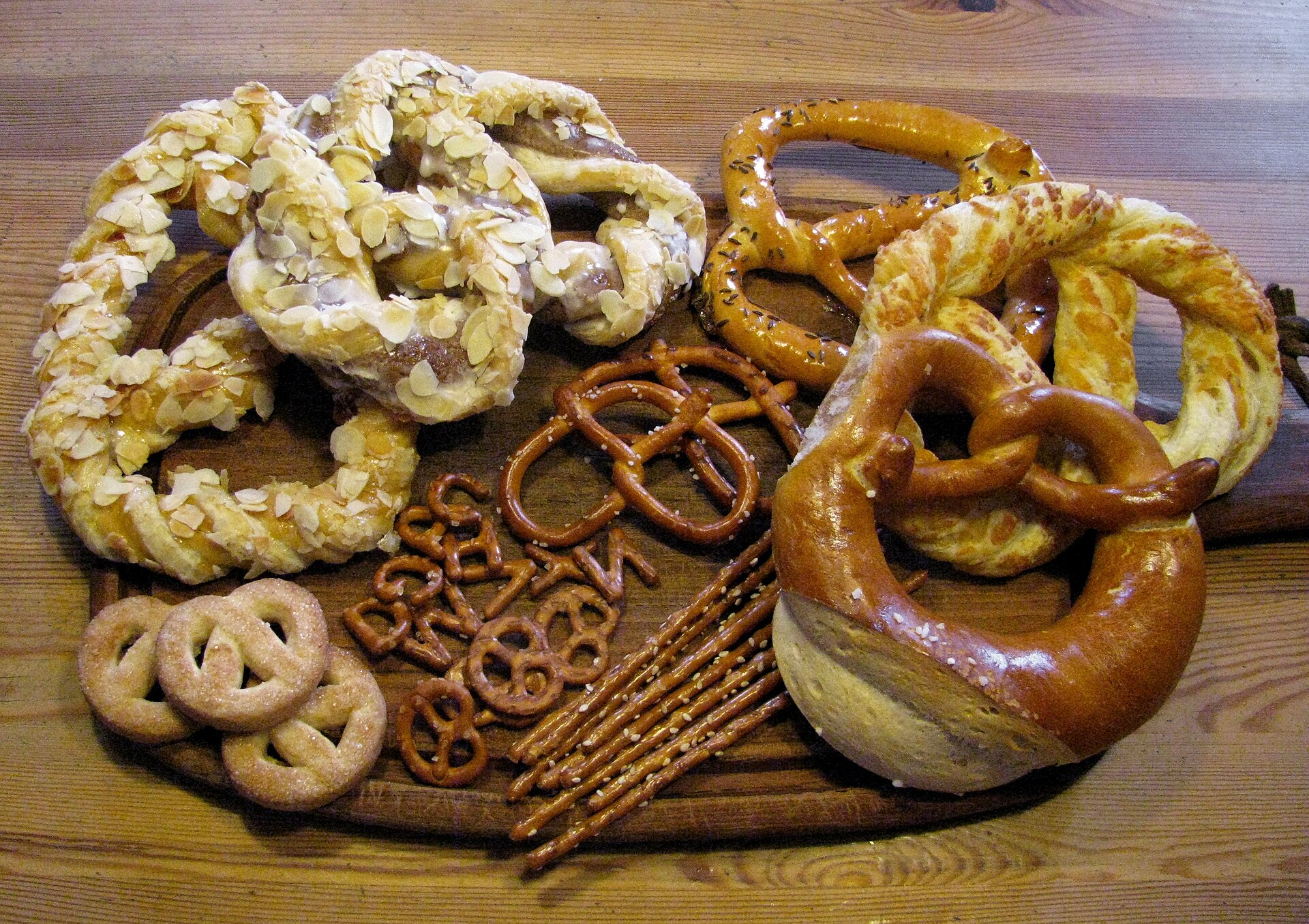
The aroma of the mall was defined in part by the snack stands, especially the soft pretzel stand and the cookie counter, whose smells of warm dough, cinnamon, and fresh-baked cookies wafted irresistibly through the corridors and lured shoppers in.
A warm soft pretzel or a fresh cookie was the perfect mall treat, and the smell alone was a powerful draw. These stands, positioned in high-traffic spots, were a sensory signature of the mall experience. Grabbing a snack was part of the ritual of a mall visit. The smell of fresh pretzels and cookies remains one of the most evocative sensory memories of the 1980s mall, instantly transporting anyone who experienced it back to those crowded corridors.
8. The Mall Pet Store
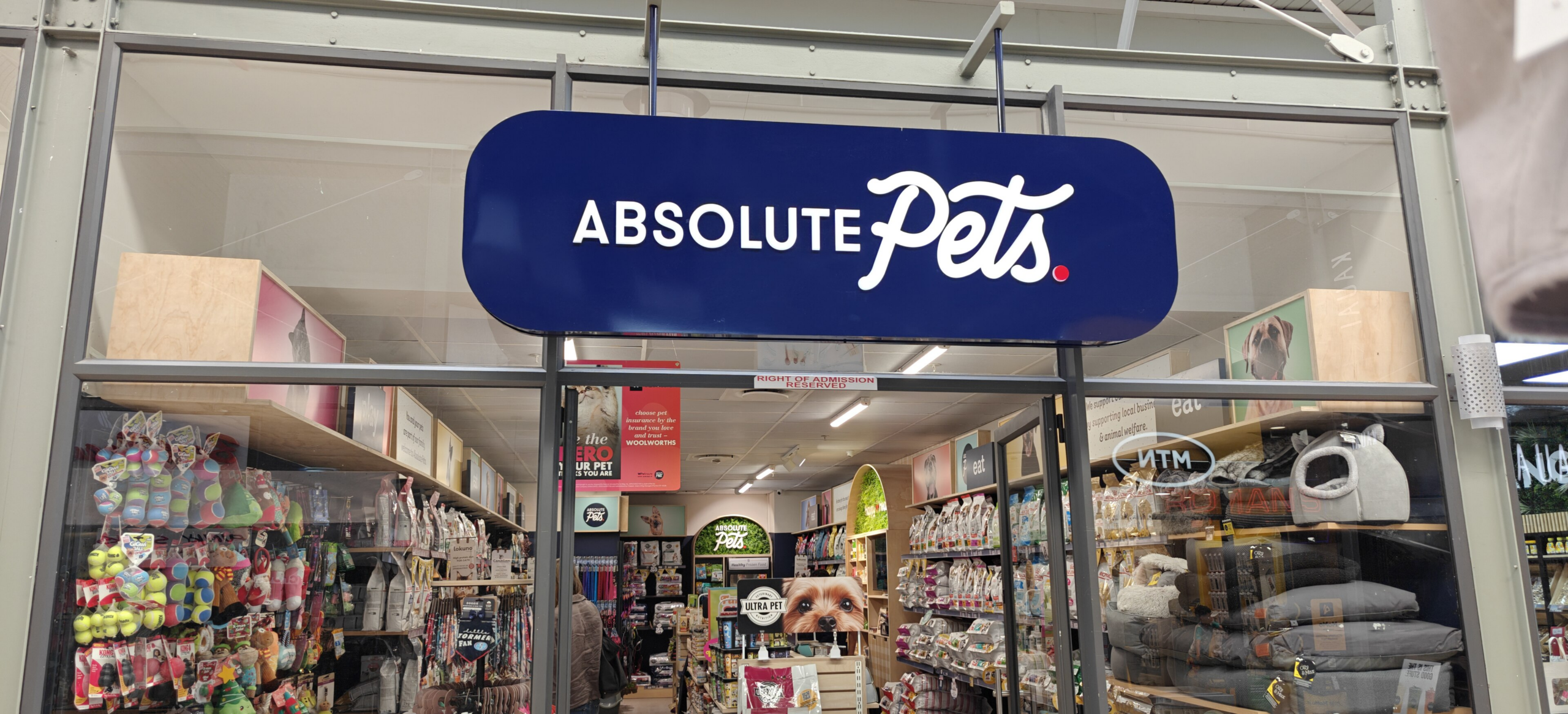
A perennial favorite, especially with kids, was the mall pet store, its front window filled with puppies, kittens, birds, and fish that drew crowds of children pressing their faces to the glass. The pet store was a guaranteed stop for families and a highlight of any mall trip for young visitors.
Watching the puppies tumble in the window was a beloved bit of free entertainment, and begging parents for a pet was a familiar mall ritual. The pet store added life and excitement to the corridor. While attitudes toward mall pet stores later changed considerably, the window full of animals was, at the time, a major attraction. For many who grew up then, the mall pet store window is a vivid and bittersweet childhood memory.
9. The Bank of Payphones
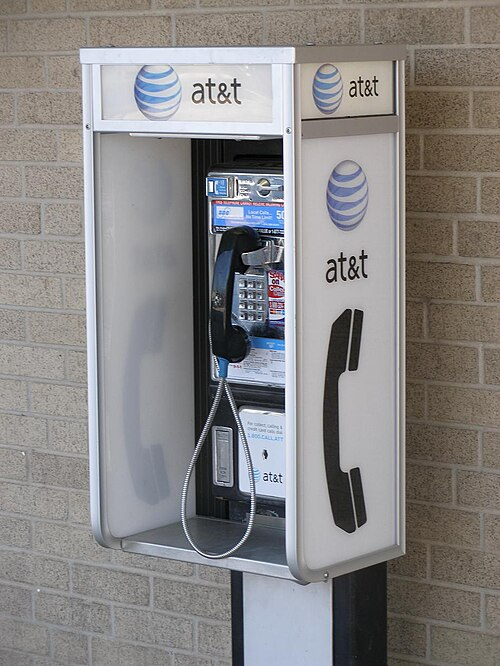
Before cell phones, every mall had a bank of payphones, the essential link to the outside world. Shoppers used them to call for rides, check in with parents, or coordinate meeting up with friends elsewhere in the sprawling complex.
The row of payphones was a practical necessity in the era before mobile phones, and teens kept change handy to call home for a pickup. Finding a free phone in a busy mall could be a small challenge. The payphones were simply part of the infrastructure of a day at the mall. Their complete disappearance, rendered obsolete by the phones now in everyone’s pocket, marks one of the clearest changes between the 1980s mall and today.
10. The Bookstore and Novelty Shops
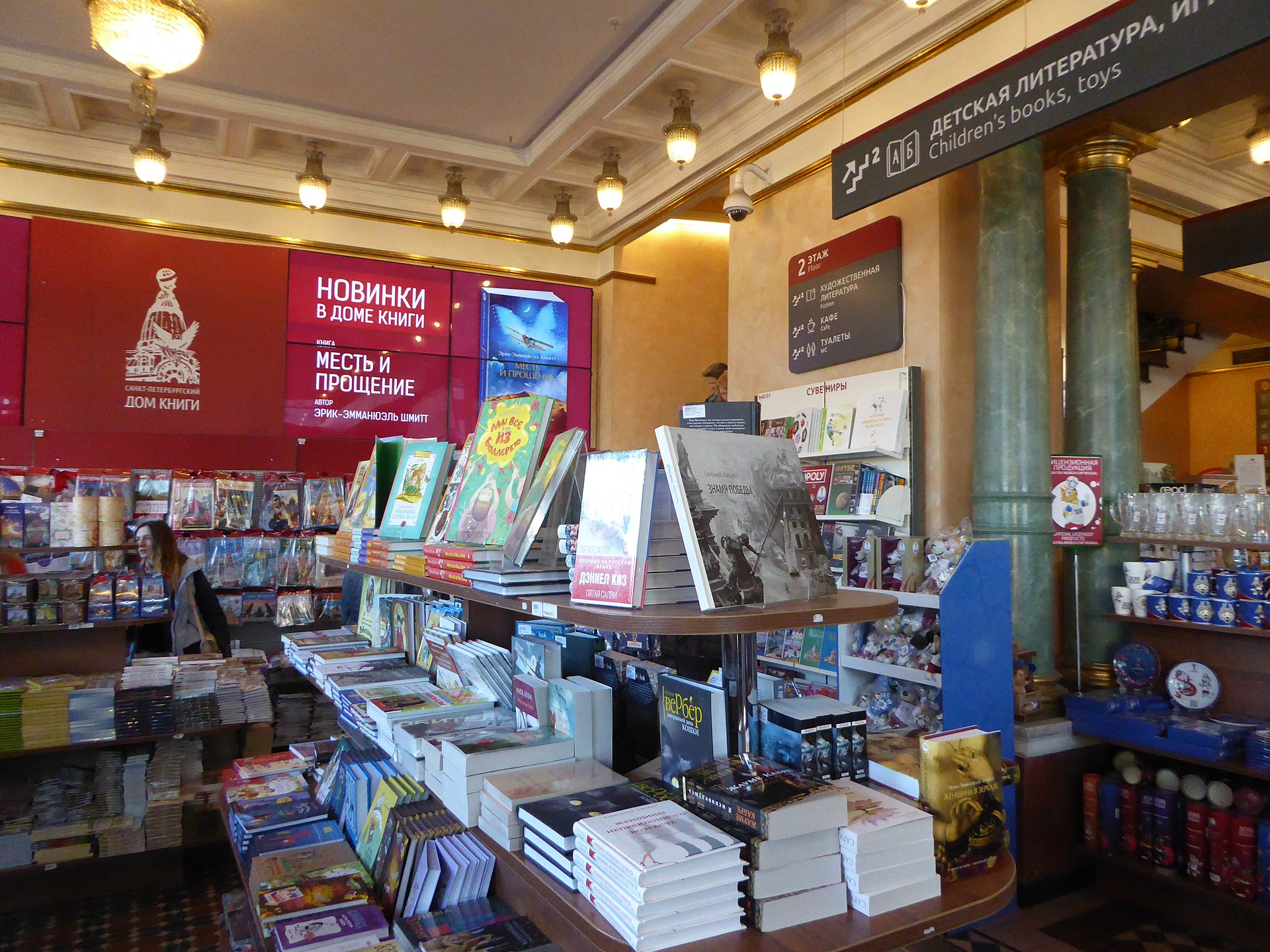
Rounding out the mall were the bookstores, where shoppers browsed shelves of paperbacks and magazines, and the novelty shops packed with gag gifts, posters, and trinkets that fascinated teenagers. These stores offered hours of browsing and a distinct flavor of mall fun.
The mall bookstore was a cozy place to lose track of time among the shelves, while the novelty and poster shops drew teens with their irreverent gifts and pop-culture wares. Together they rounded out the mall’s mix of shopping and browsing. As reading and shopping moved online, these stores dwindled. The mall bookstore and the novelty shop, each a destination for browsing and discovery, are fondly remembered features of the complete 1980s mall experience.
Looking Back at the 1980s Mall
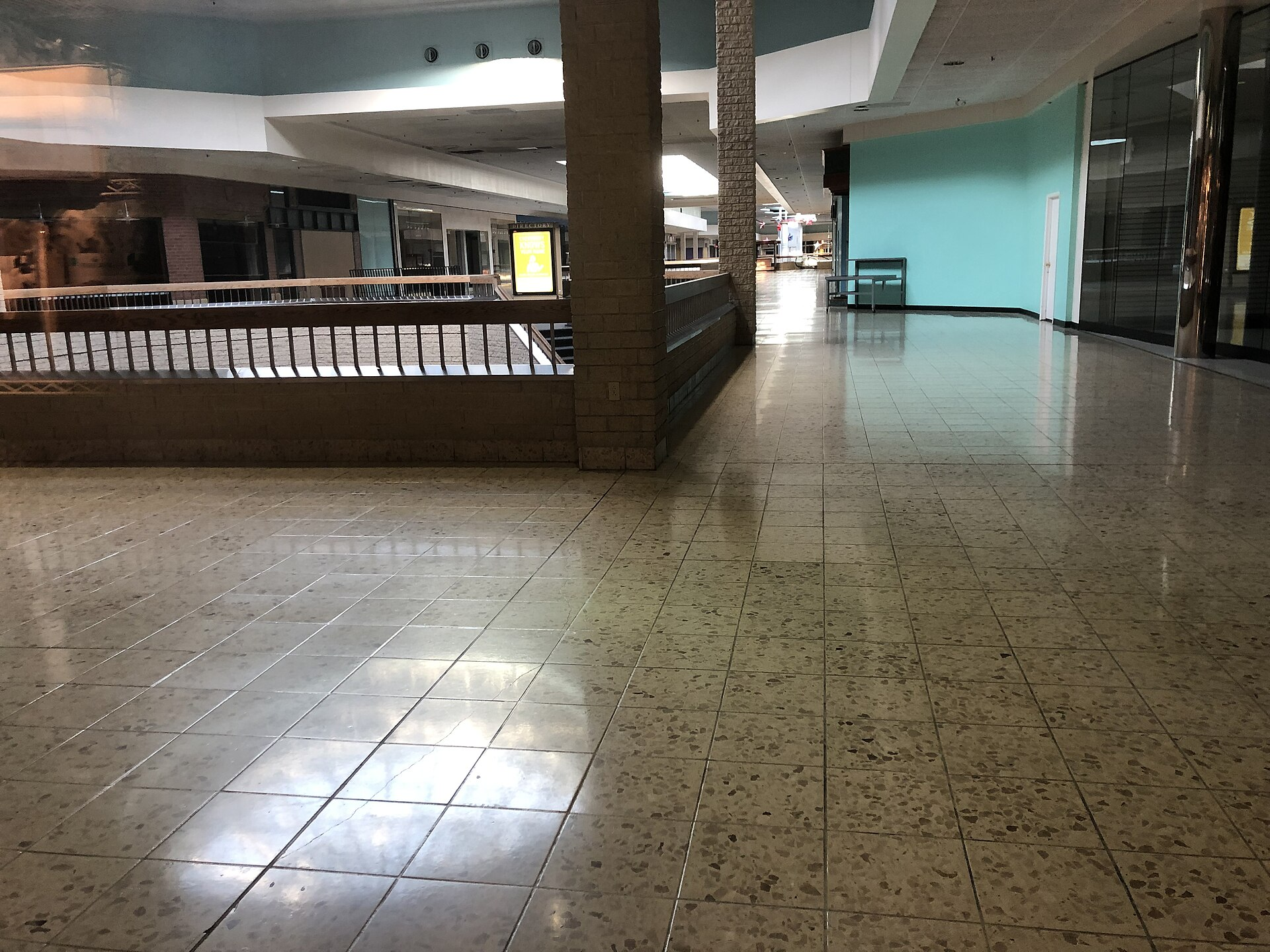
Taken together, these ten features capture why the 1980s mall held such a central place in American life. It was a self-contained world of shopping, dining, entertainment, and socializing, the default gathering place for a generation. The mall offered something for everyone and became woven into the culture of the decade.
In the decades since, online shopping, changing habits, and economic shifts hollowed out many of these malls, turning some into near-empty shells. The arcades, record stores, and fountains that defined the experience have largely vanished. Yet for those who came of age there, the 1980s mall remains a powerful symbol of the decade, a place of freedom, fun, and social connection. Remembering its features is a nostalgic trip back to the golden age of American mall culture.
Like our content? Follow us for more.