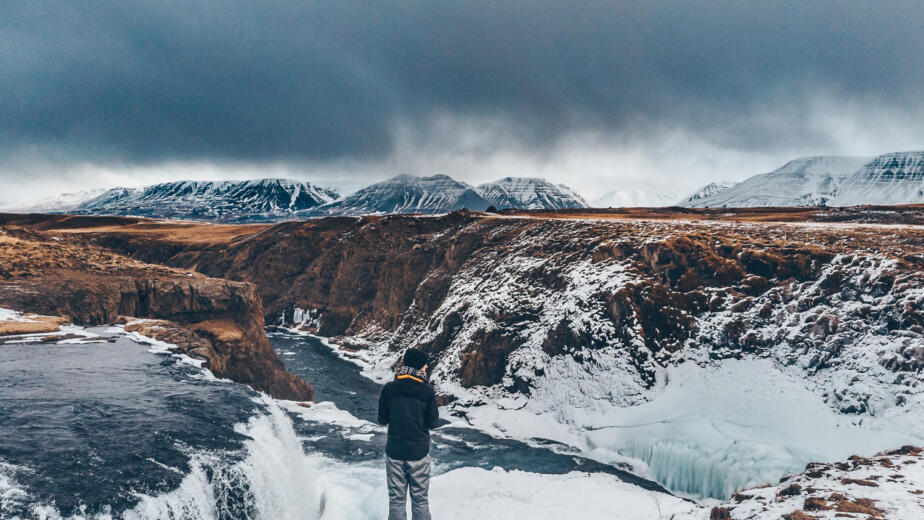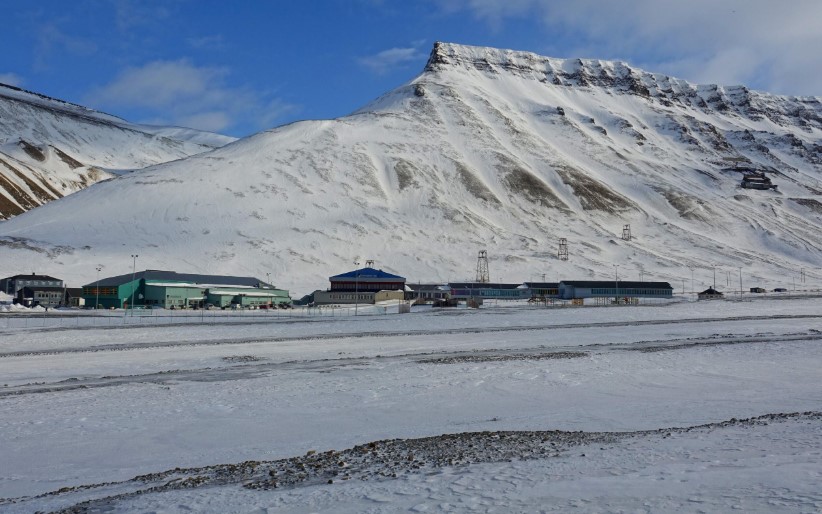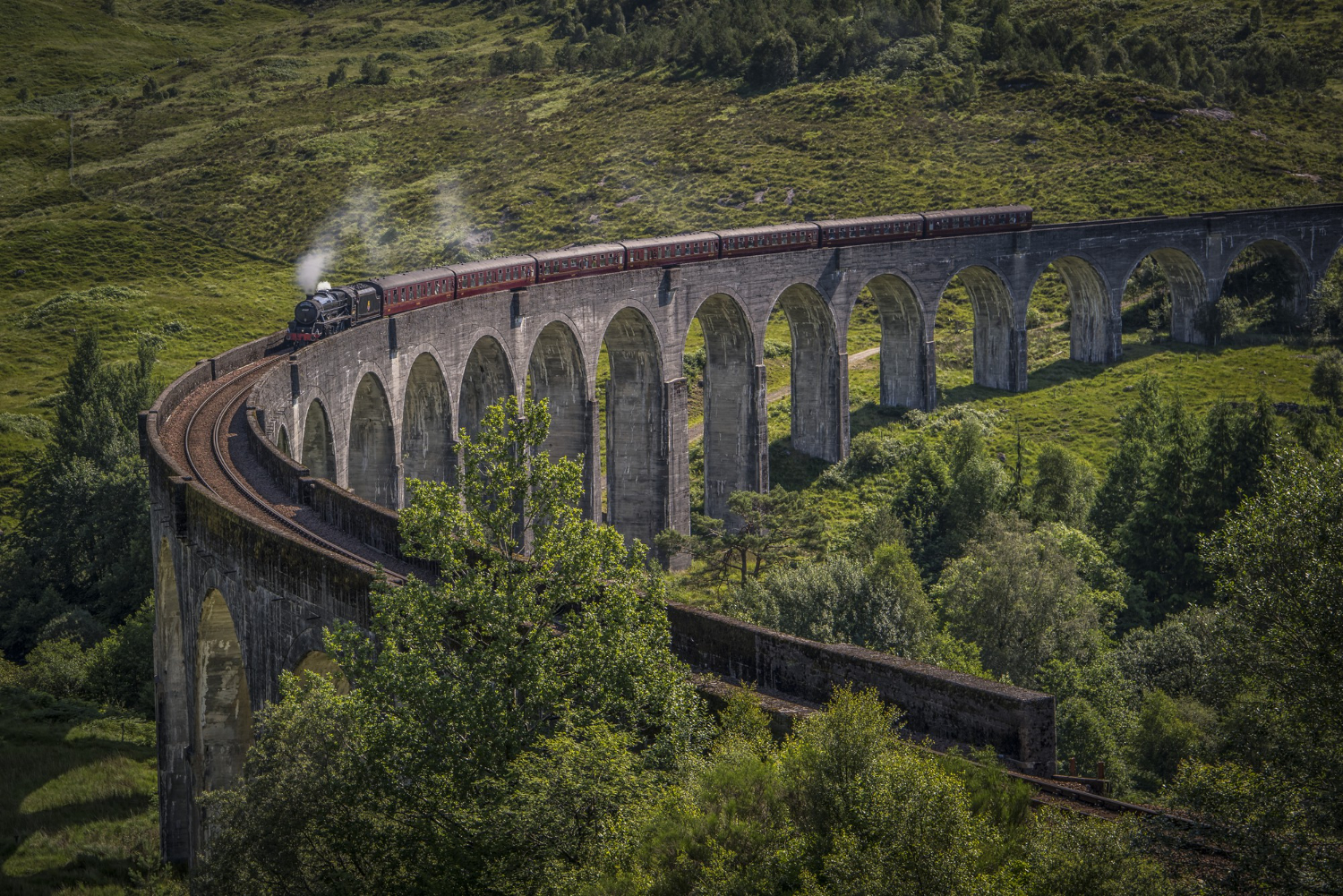
These are working transport systems rather than fairground rides, most of them over a century old, and several remain the only practical way to reach where they go. Here are twelve worth riding.
1. Jungfraubahn, Switzerland
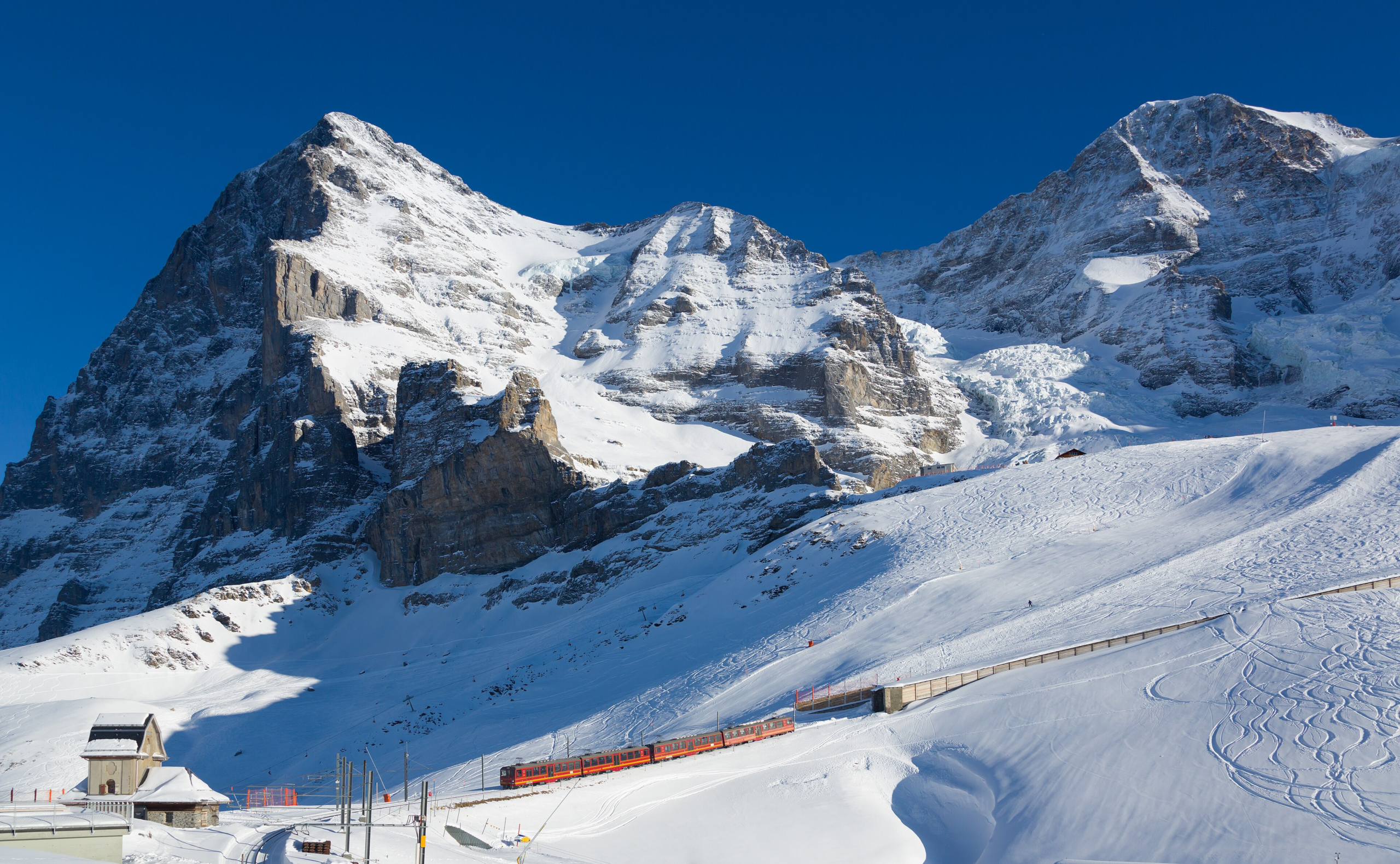
A rack railway climbing through tunnels bored inside the Eiger and Mönch to reach one of the highest railway stations in Europe, at the Jungfraujoch saddle.
Much of the ascent is underground, with viewing windows cut into the rock face, before emerging into a landscape of ice and snow. It is expensive and worth it. The Jungfraubahn is the mountain railway that tunnels through the inside of a famous mountain.
Like our content? Follow us for more.
2. Gornergrat Bahn, Switzerland
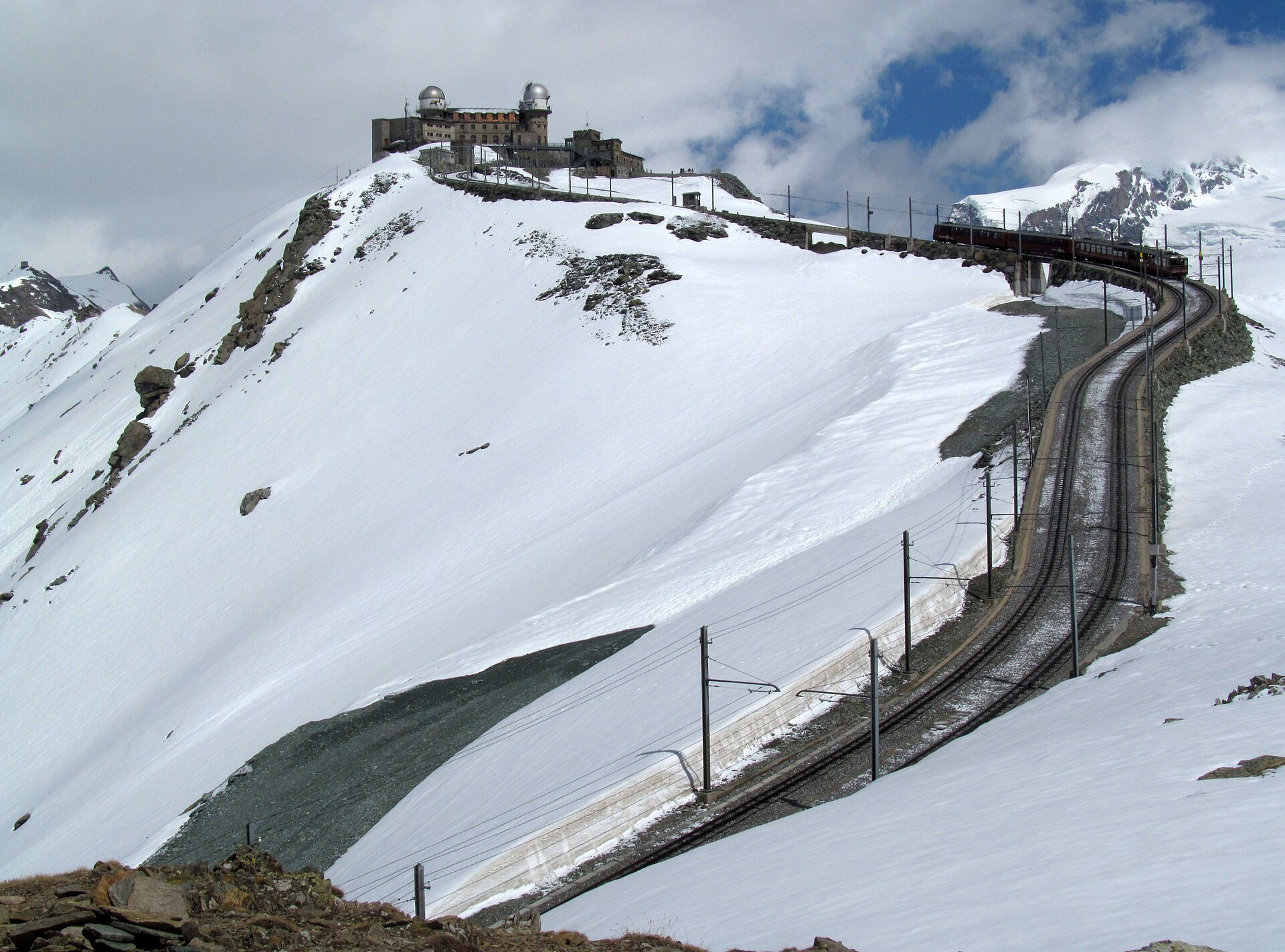
An open-air rack railway from Zermatt climbing to a ridge with a full frontal view of the Matterhorn and a surrounding ring of high peaks.
Unlike the Jungfrau route it runs largely in the open, so the view builds continuously through the ascent. Sit on the right going up. The Gornergrat is the mountain railway with the single most photographed mountain in front of it.
3. Pilatusbahn, Switzerland
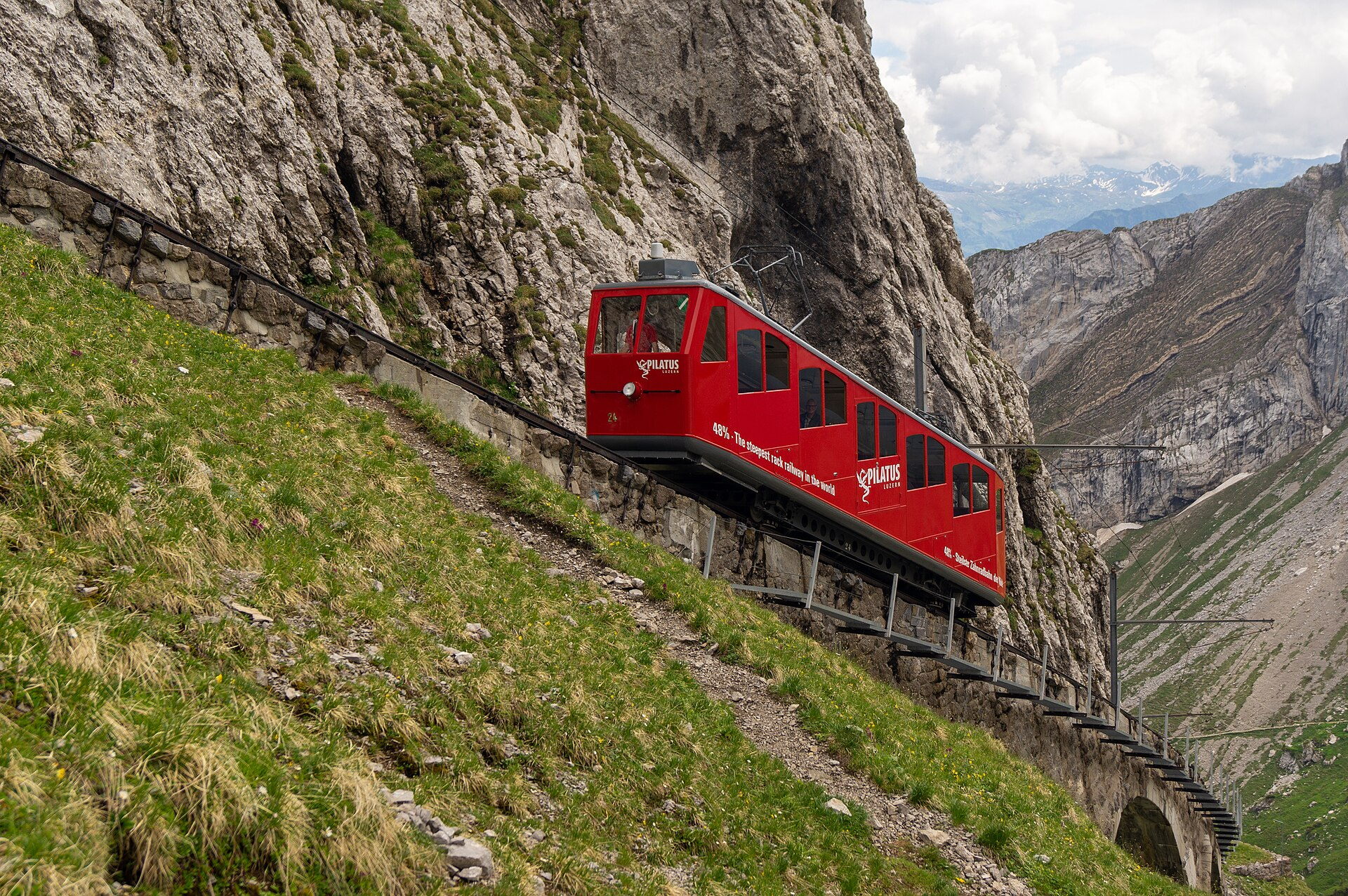
The steepest rack railway in the world, climbing gradients that look implausible from inside the carriage, up to a summit above Lucerne.
The gradient is severe enough that the seating is stepped, and the descent is more unnerving than the climb. It runs seasonally. The Pilatusbahn is the mountain railway with the most alarming angle anywhere.
4. Flåmsbana, Norway
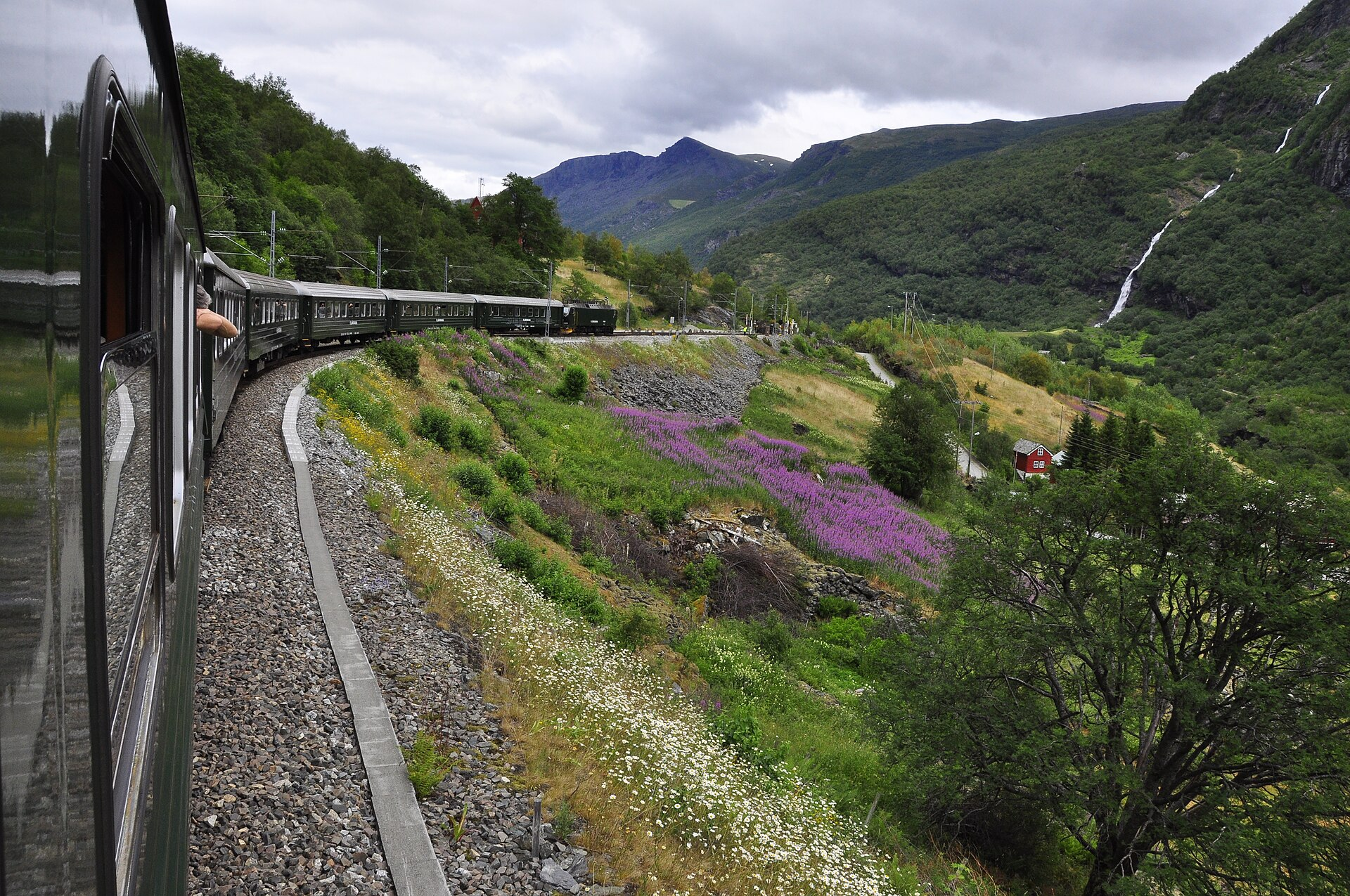
A steep standard-gauge line descending a valley between a mountain plateau and a fjord arm, passing waterfalls and hairpin tunnels.
It is frequently described as one of the world’s most scenic rail journeys, and it connects with fjord boat services at the bottom. Trains stop at a waterfall. The Flåm railway is the mountain line where the descent is the attraction.
5. The Funiculars of Naples, Italy
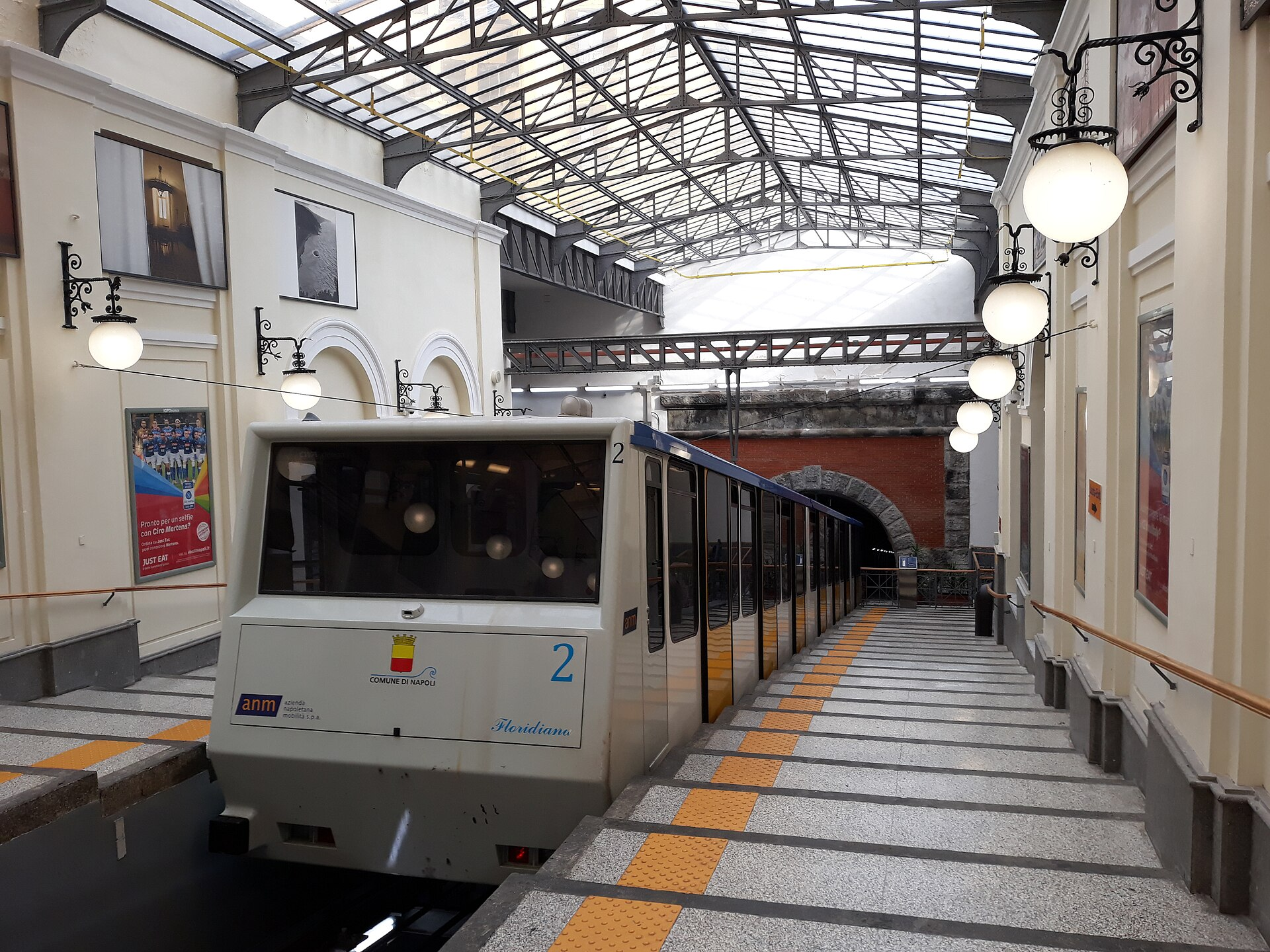
Naples runs a network of funiculars climbing the steep hills above the bay, used daily as ordinary public transport by residents.
They are not tourist attractions, which is the appeal: you ride up with commuters and step out to a view across the bay. Tickets are standard transit fares. Naples’ funiculars are the mountain railways that are simply someone’s route to work.
6. Petřín Funicular, Prague, Czech Republic
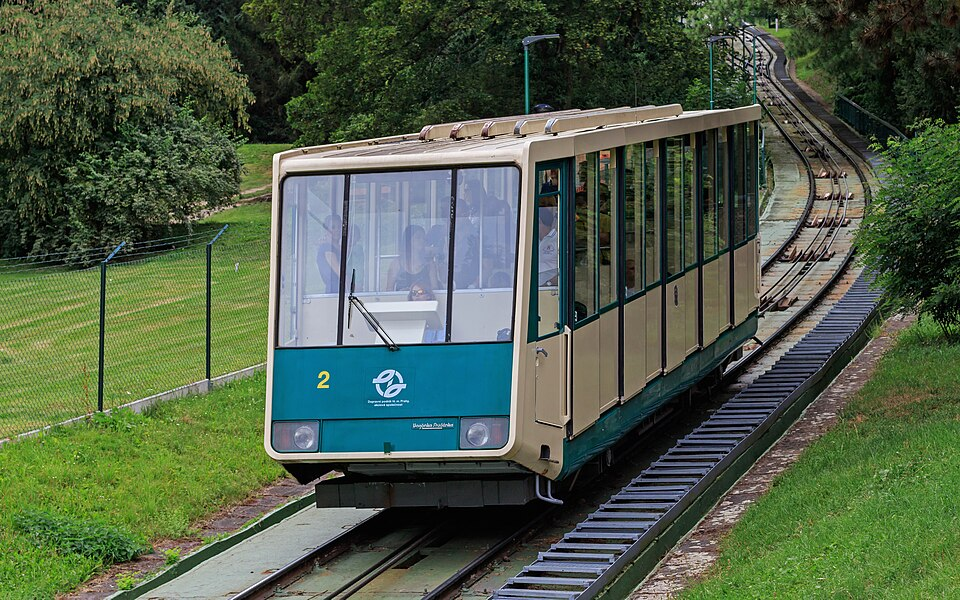
A short funicular climbing Petřín hill from the city below, running since the late nineteenth century and integrated into the public transport system.
At the top there is parkland, an observation tower and a view across the whole of the old city. It is inexpensive and quick. The Petřín funicular is the mountain railway that is really a shortcut with a view.
7. Snowdon Mountain Railway, Wales
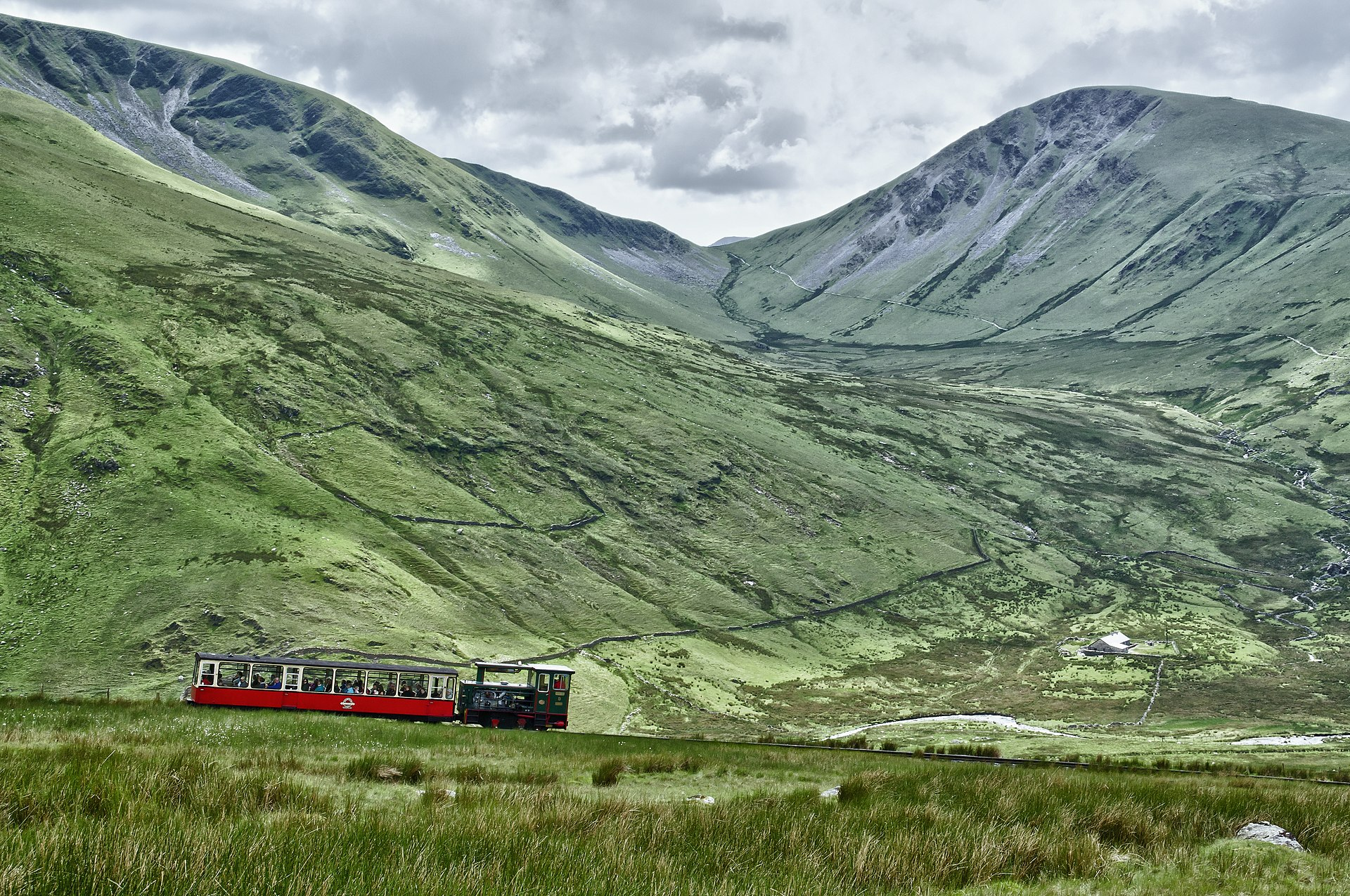
Britain’s only public rack railway, climbing to near the summit of the highest mountain in Wales from the village of Llanberis.
It runs seasonally and weather permitting, and services sometimes terminate below the summit when conditions require. Booking ahead is essential. The Snowdon railway is the mountain line most likely to be turned back by the weather.
8. The Pittsburgh Inclines, USA
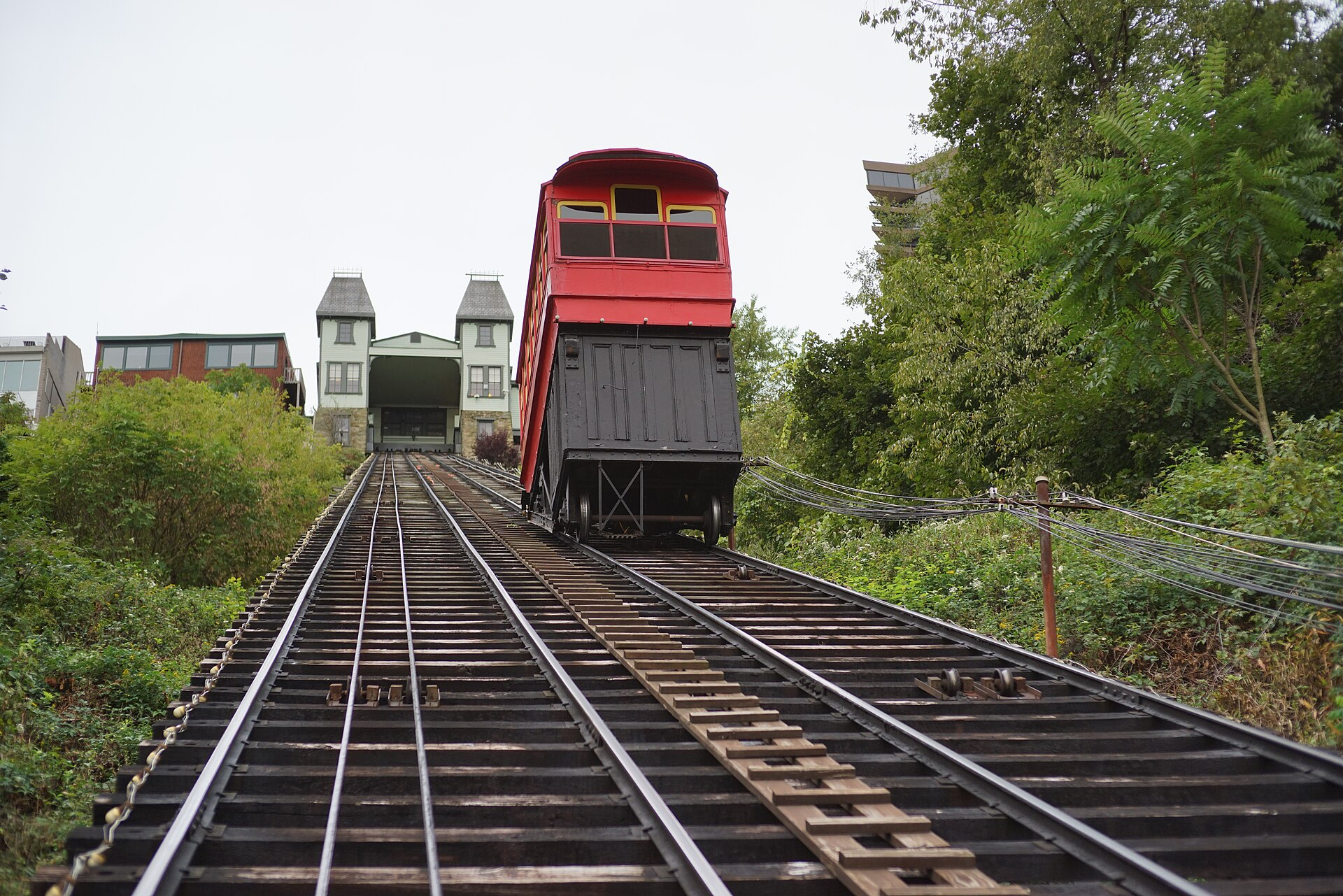
Pittsburgh retains historic funiculars, locally called inclines, climbing the steep slopes above the rivers, originally built to move workers and goods.
They still operate as public transport and deliver one of the best city panoramas in the United States. The wooden cars are original in character. Pittsburgh’s inclines are the mountain railways preserved as working infrastructure rather than museums.
9. Hakone Tozan Line, Japan
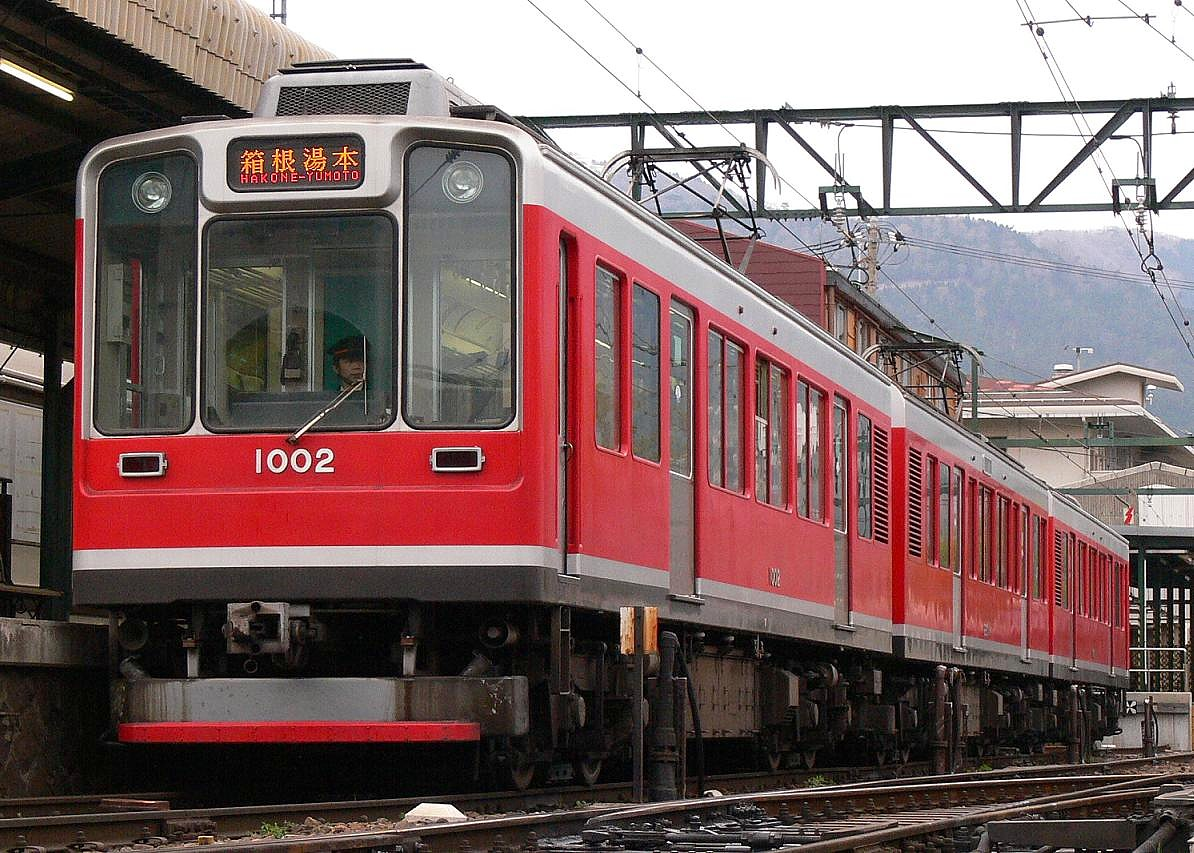
A mountain railway climbing through forest using switchbacks, where the train reverses direction at points along the ascent because the gradient is too steep for curves.
It connects to a wider network of cable cars, ropeways and boats forming a circuit around the Hakone area. Hydrangeas line the route in season. The Hakone Tozan Line is the mountain railway that has to zigzag to climb at all.
10. Funicular de Montserrat, Spain
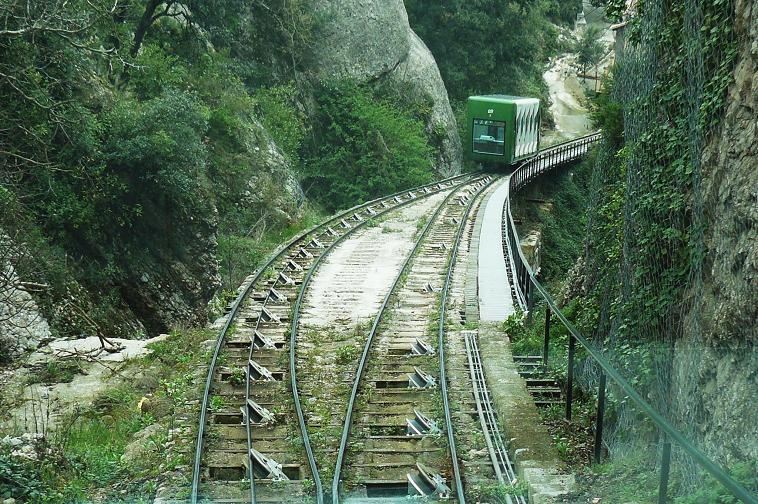
Funiculars serving the mountain monastery complex north of Barcelona, climbing sharply through dramatic rounded rock formations.
One line climbs above the monastery to walking trails along the ridge, and the geology is as much the attraction as the height. It connects with a rack railway below. The Montserrat funiculars are the mountain railways set among the strangest rock formations on this list.
11. Wellington Cable Car, New Zealand
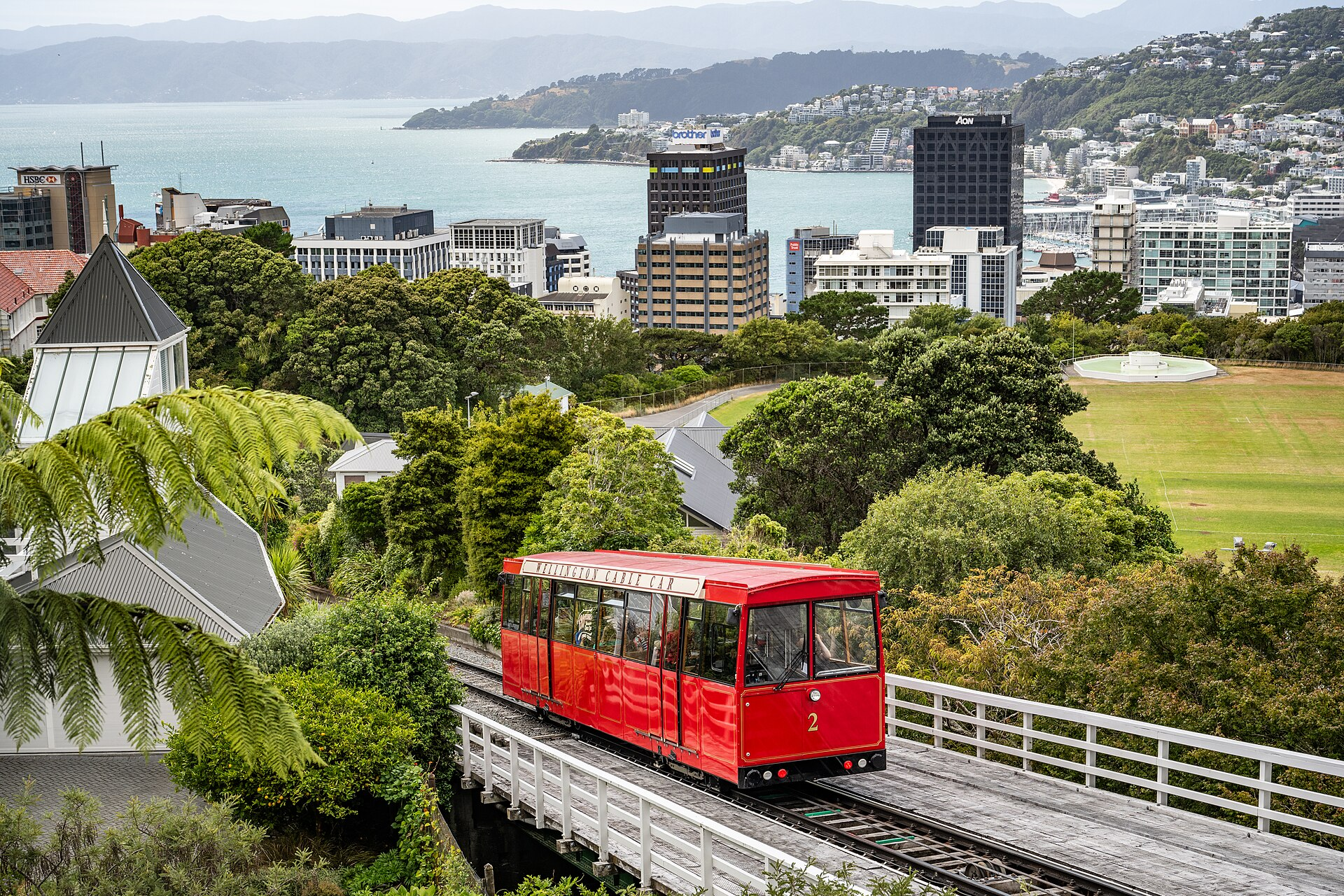
A funicular climbing from the centre of Wellington to a lookout, botanic garden and small museum about the line itself.
It has been running since the early twentieth century and is used both by commuters and by visitors heading for the gardens. The walk back down is the standard return. The Wellington cable car is the mountain railway with the shortest walk home.
12. The Andean Railways of Peru
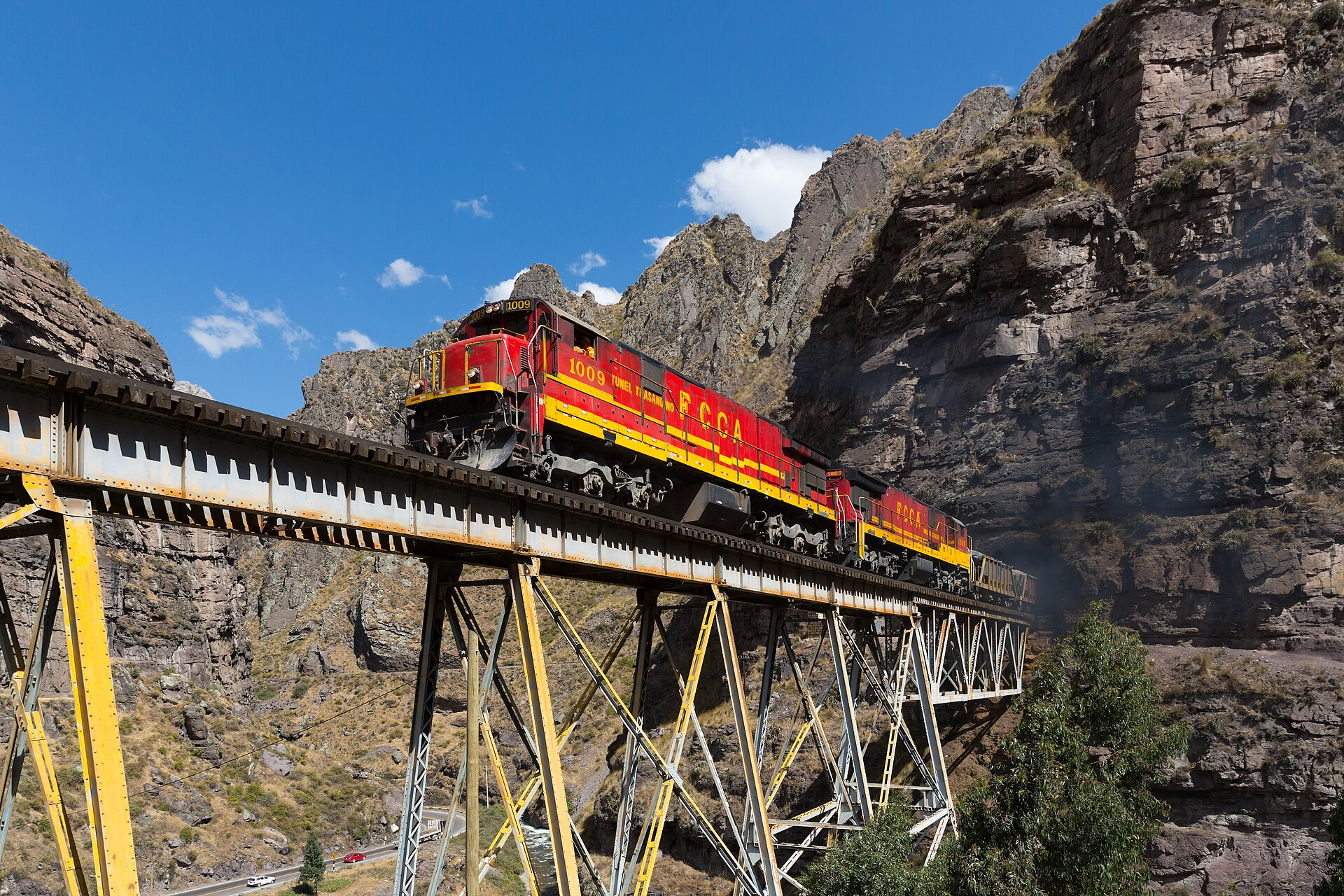
Andean railways in Peru climb to some of the highest railway altitudes in the world, crossing viaducts and switchbacks through extremely high terrain.
Services and operators change, and high-altitude travel affects some passengers, so checking current schedules and health guidance beforehand matters. The Peruvian Andean lines are the mountain railways that climb higher than anywhere else on this list.
Built to Climb
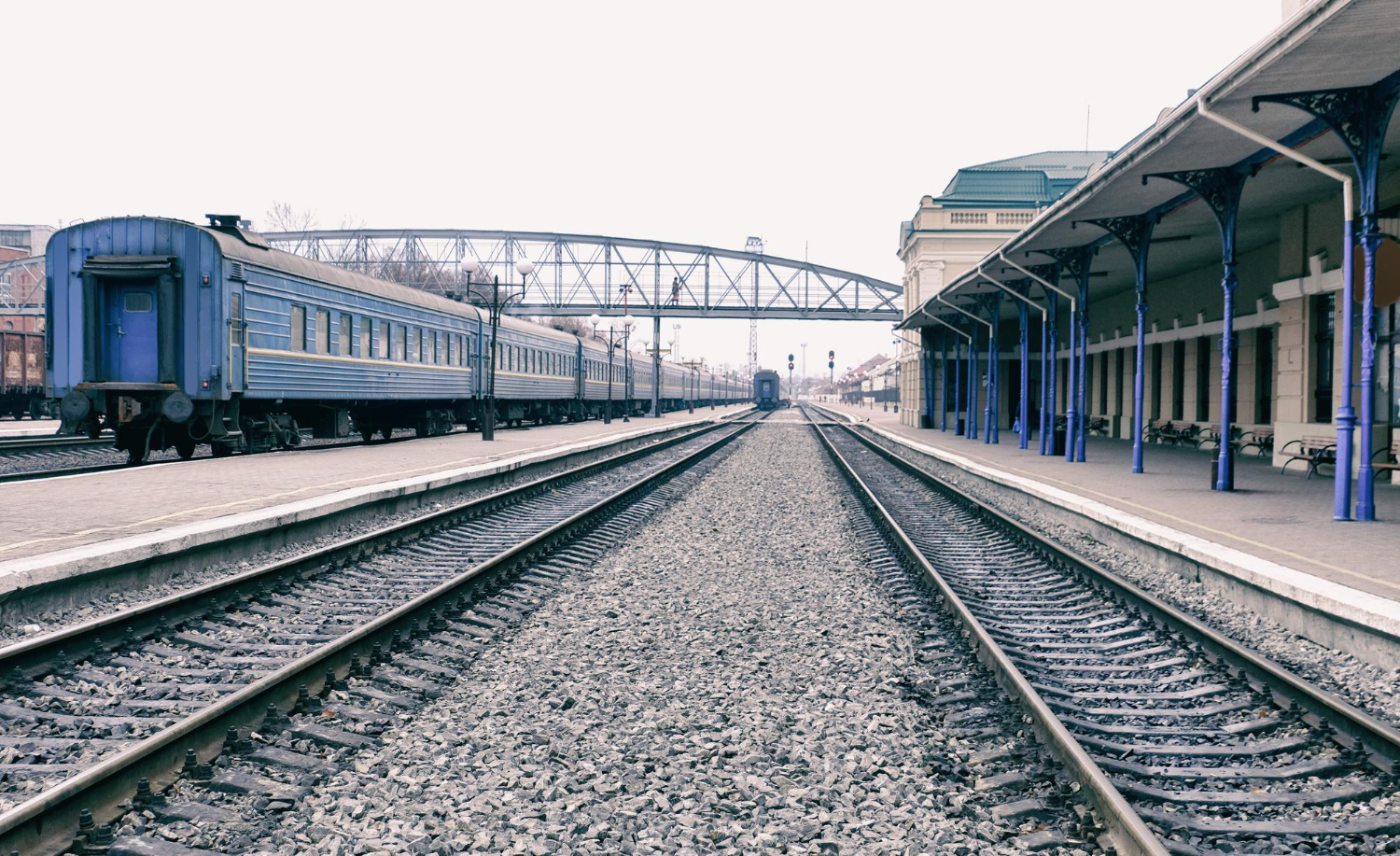
Every line here exists because somebody needed to get up a slope that defeated ordinary transport, and solved it with cables, toothed rails or switchbacks.
Practical notes: most of these run seasonally or on reduced winter timetables, several require advance booking, mountain weather closes lines at short notice, and views are entirely dependent on cloud. Check operating status and the forecast on the day, and where altitude is significant, follow the operator’s guidance. Then sit on the side with the view.
Like our content? Follow us for more.