
Peak season exists because of school holidays rather than because it is the best time to go anywhere. Move a few weeks either side and almost everything about a trip improves. Here are twelve reasons to shift the dates.
1. Prices Drop Sharply
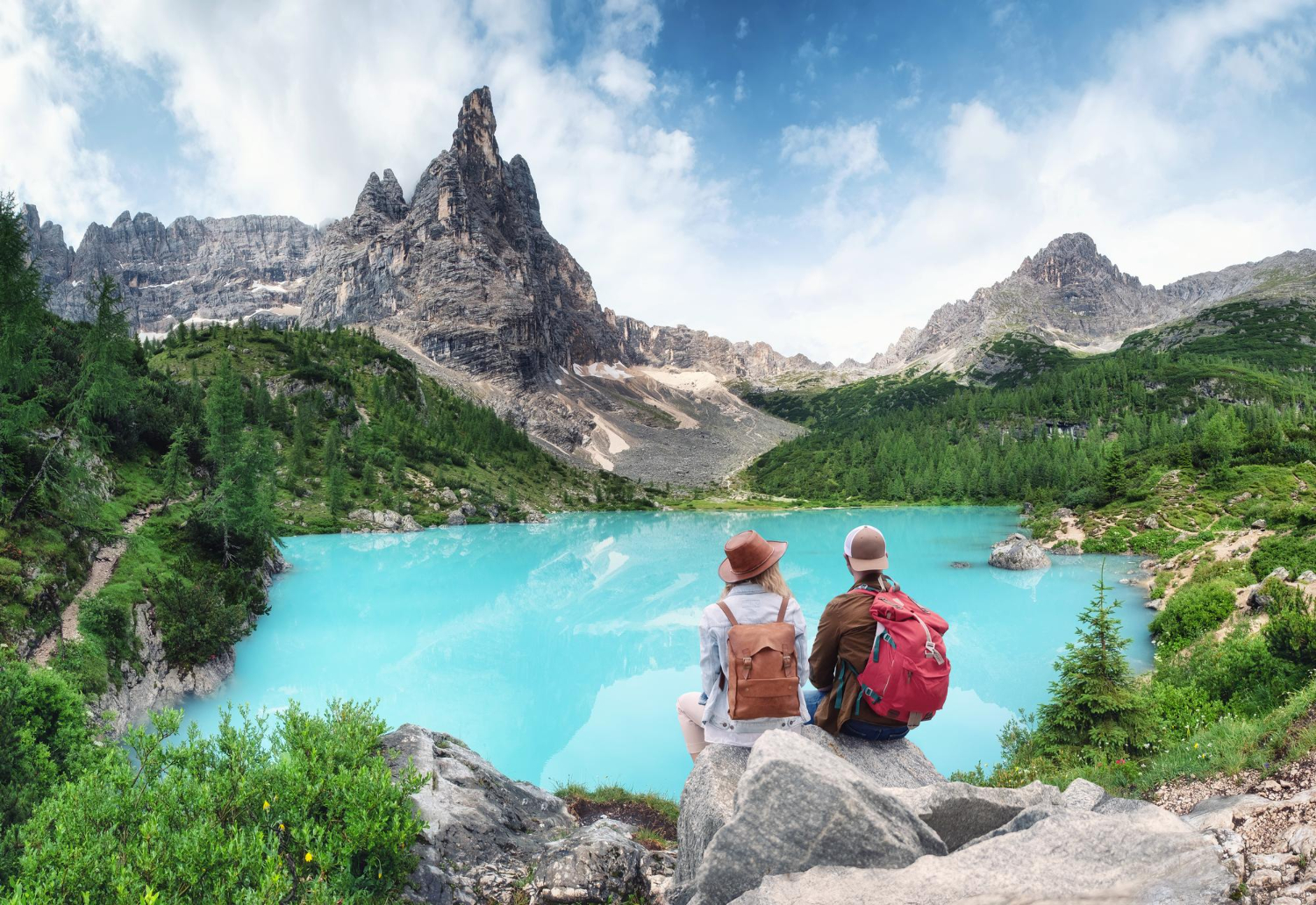
Flights and accommodation are priced by demand, and demand falls off quickly once the peak weeks end. The same room can cost dramatically less.
The saving is often large enough to upgrade where you stay, extend the trip by a few days, or simply spend more while you are there. Nothing about the destination has changed. Lower prices are the most immediate reason to travel in shoulder season.
Like our content? Follow us for more.
2. The Queues Disappear
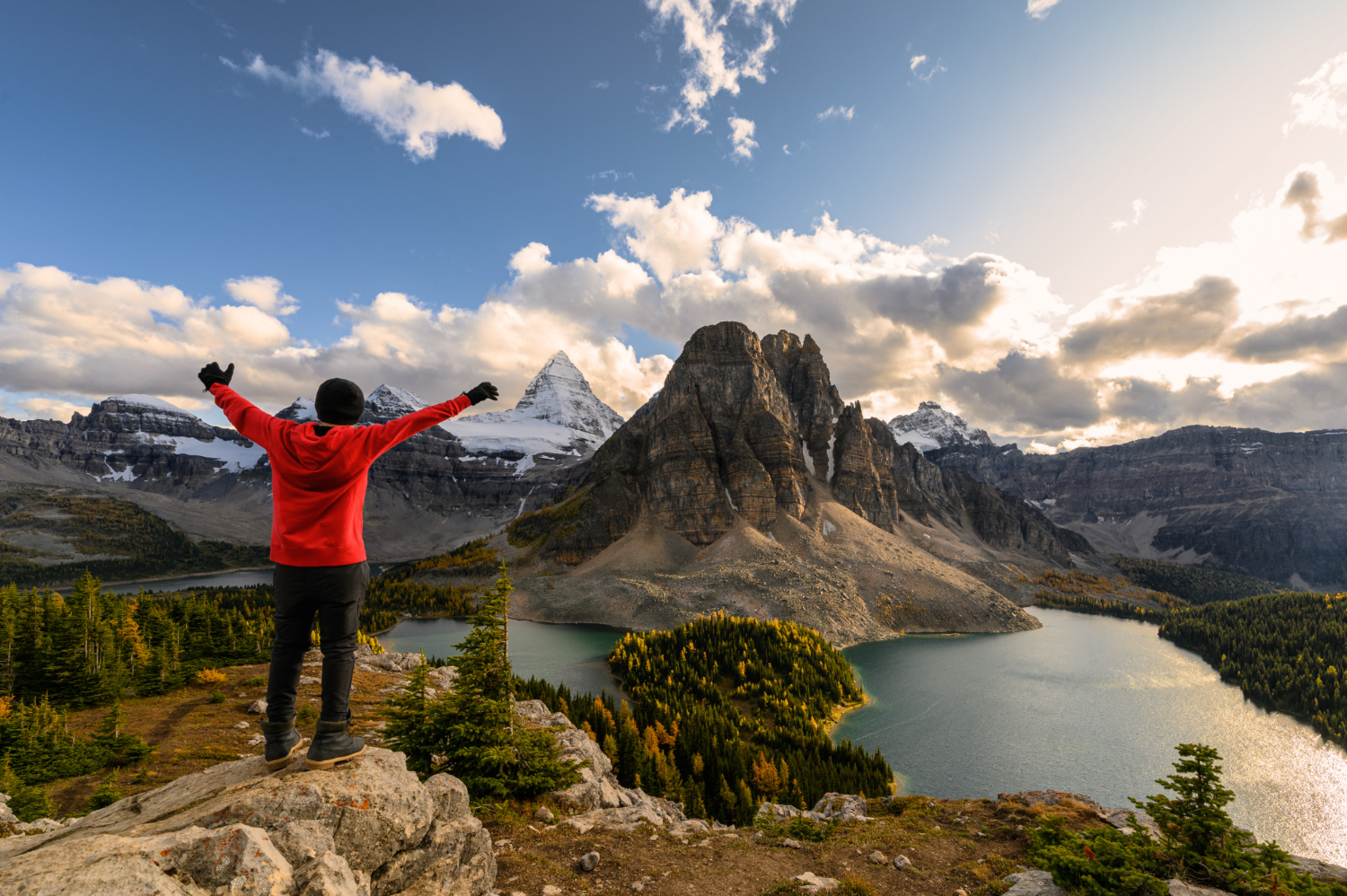
The difference between a major attraction in August and the same attraction in late September is frequently the difference between two hours of queueing and walking straight in.
Sites that require timed tickets months ahead in peak season often have same-week availability. The building is identical. Shorter queues are the shoulder-season benefit you feel within an hour of arriving.
3. The Weather Is Often Better
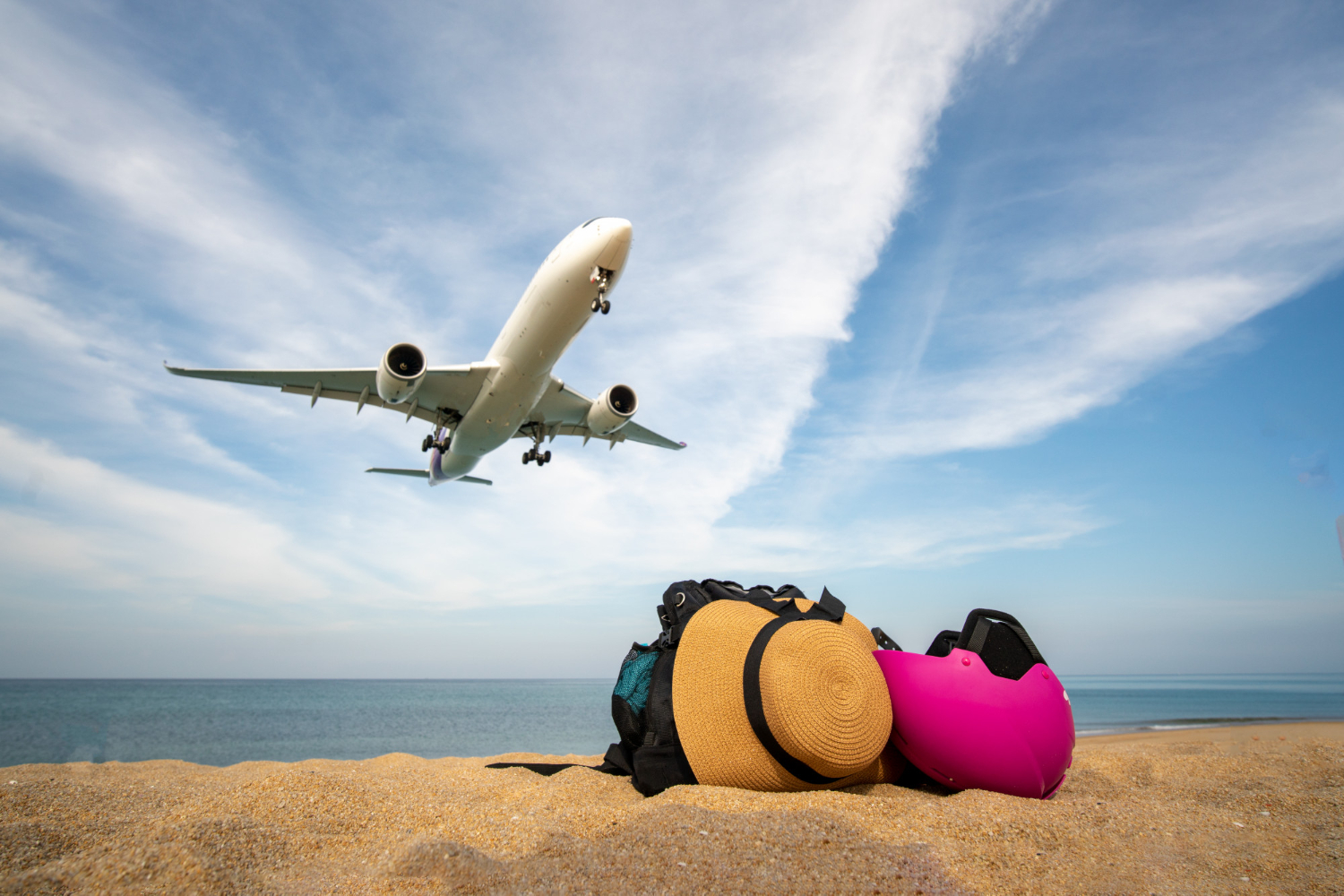
Peak summer in much of southern Europe, the Mediterranean and many warm destinations is truly uncomfortable — too hot to walk around midday, too hot to sleep without air conditioning.
Spring and autumn frequently offer the temperatures people imagine when they picture the destination. Check historical averages rather than assuming. Better weather is the shoulder-season advantage that surprises people most.
4. You See the Place Rather Than the Crowd
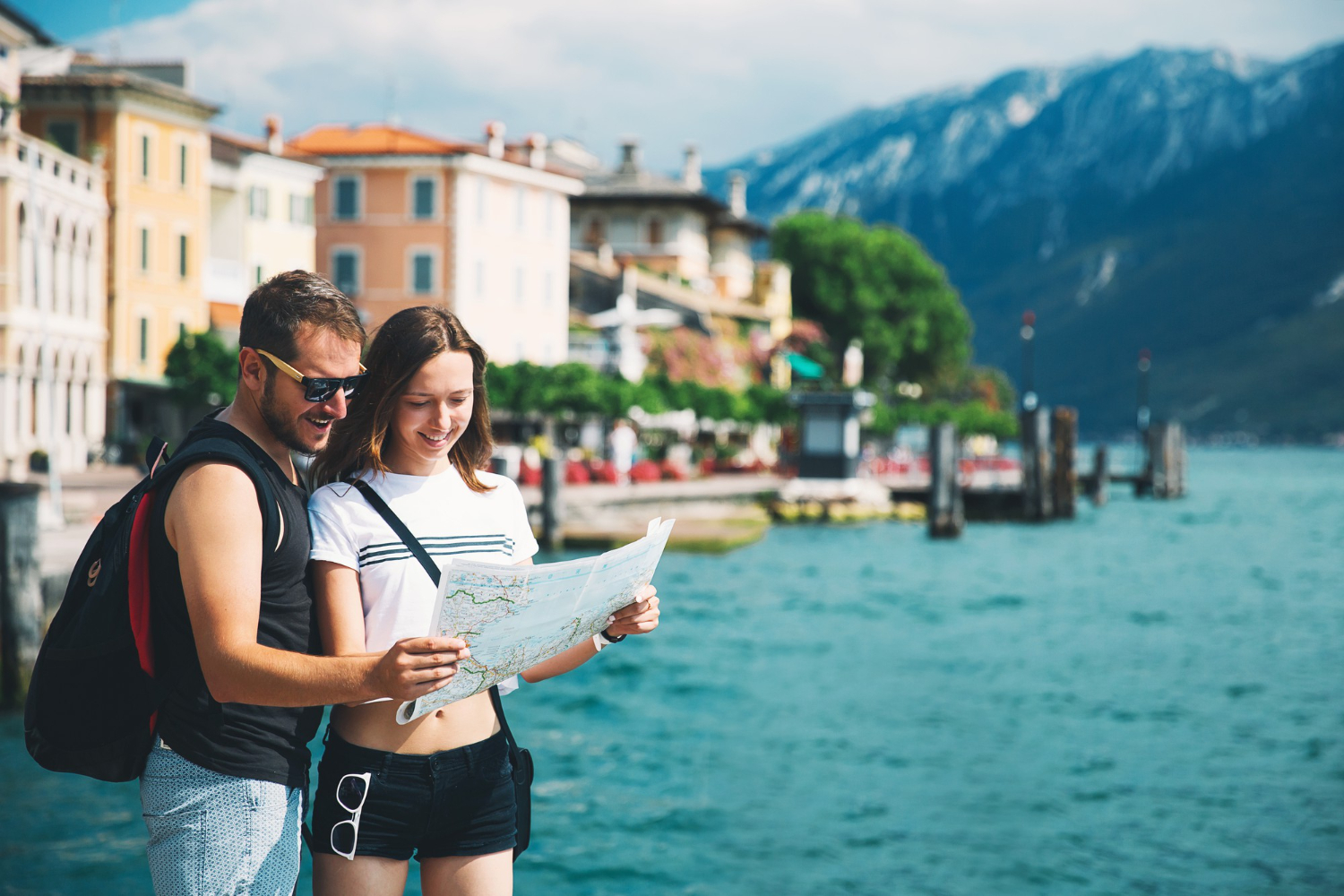
In peak season a famous square is a mass of people. A few weeks later it is a square, with residents crossing it on their way somewhere.
That changes the entire experience of a destination, from photographs to the simple ability to stand still and look at something. Seeing the place rather than the crowd is the reason many travellers never book peak season again.
5. Restaurants Have Tables

Booking a well-regarded restaurant weeks ahead is standard in peak season and often unnecessary outside it. Walk-ins become possible again.
Staff also have time to talk, recommend and explain, which is frequently where the best meals of a trip come from. Available tables are a shoulder-season benefit that improves the food itself.
6. Locals Are Not Exhausted
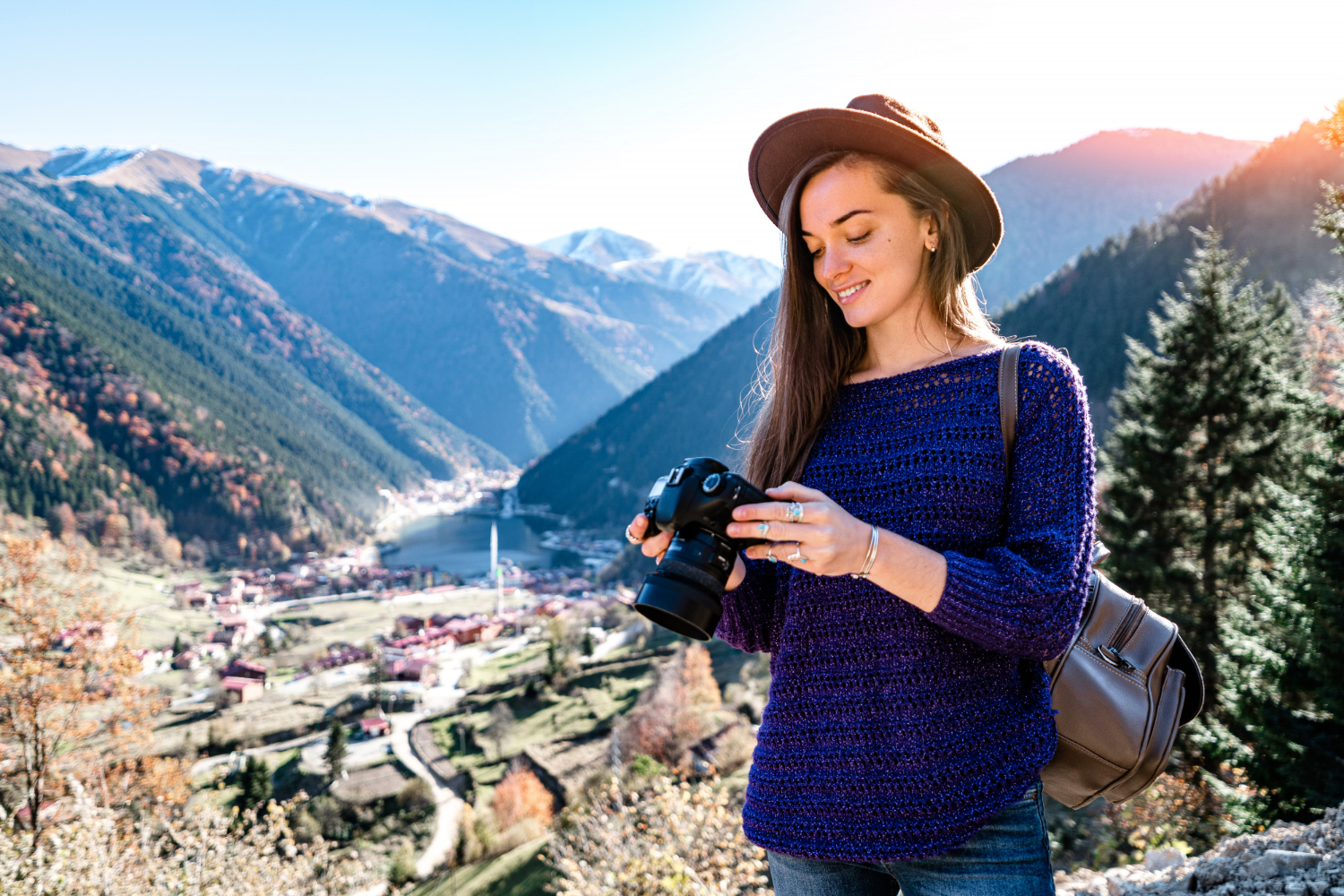
By late August, people working in heavily visited destinations have been dealing with peak crowds for months, and it shows in every interaction.
Arrive at the start or end of the season and you meet people who have not yet been worn down or who are relieved it is over. Interactions are noticeably warmer. Meeting people who are not exhausted changes the texture of a whole trip.
7. Better Accommodation Choices

Outside peak weeks, the good places have availability. In peak season you take what is left after everyone who booked six months ahead has chosen.
That means better locations, better rooms and more flexibility to change plans. Cancellation terms are often more generous too. Better accommodation choice is the shoulder-season advantage that compounds across a whole trip.
8. Seasonal Food Is Often at Its Best
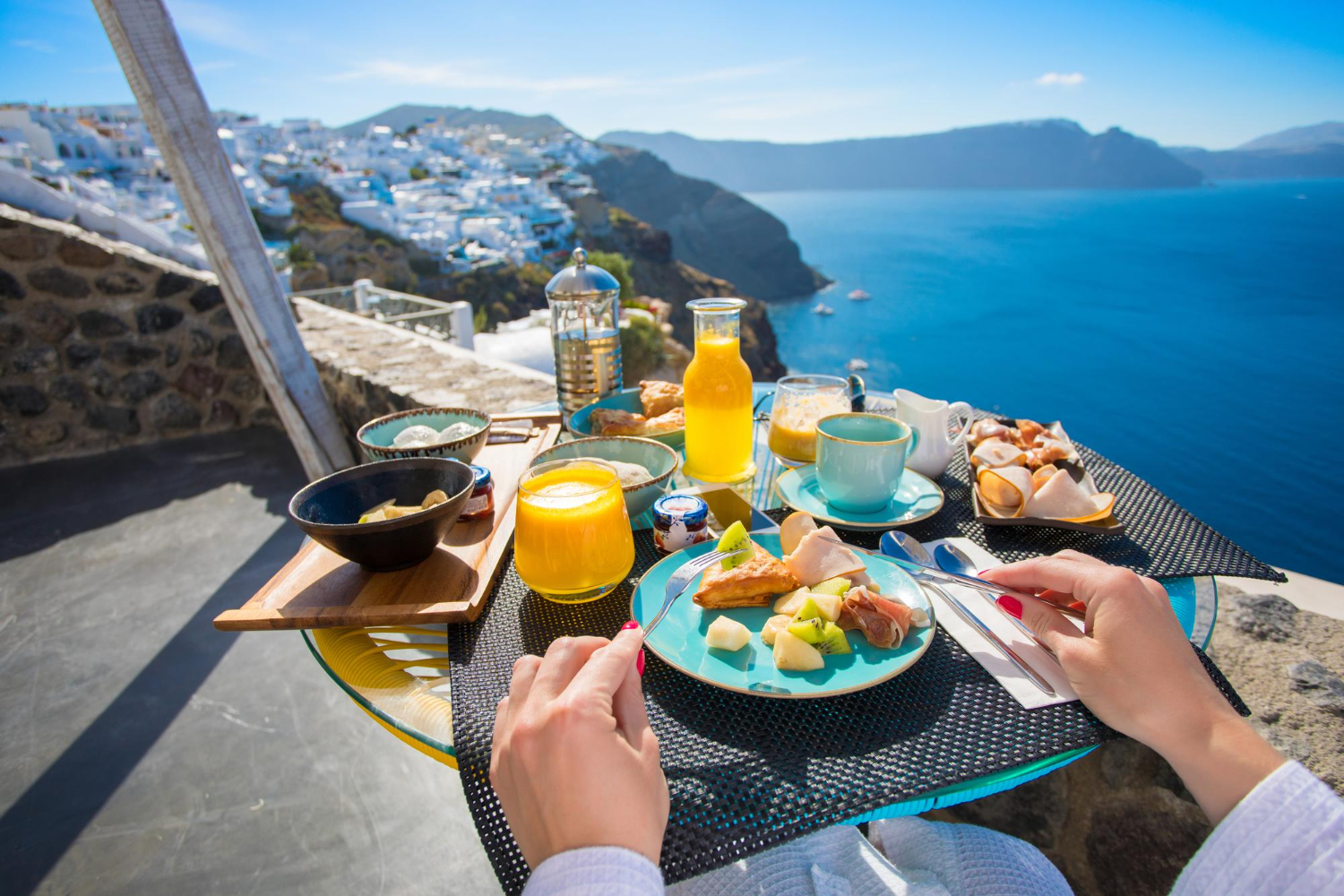
Autumn in particular delivers harvest produce, mushrooms, game and new wine across much of Europe, while spring brings its own specialities.
Peak summer is not automatically the best eating season anywhere; it is simply the busiest. Local menus tell you what is actually good. Seasonal food is a shoulder-season reason that rewards anyone who plans around markets.
9. Festivals Cluster Outside Summer

A great many harvest festivals, religious observances, film festivals and local celebrations fall in spring and autumn rather than midsummer.
Checking a destination’s calendar before fixing dates can turn an ordinary week into one built around something truly local. Festivals outside summer are a shoulder-season bonus most travellers never look for.
10. Photographs Are Better

Lower sun angles in spring and autumn produce longer golden hours and softer light for more of the day, rather than the harsh overhead glare of midsummer.
Add fewer people in the frame and autumn colour in many regions, and the difference is substantial. Better light is a shoulder-season advantage anyone with a camera notices immediately.
11. Transport Is Less Stressful

Airports, trains and roads are all quieter outside the peak weeks. Security queues shrink, seats are easier to change, and delays cascade less.
The journey is a meaningful proportion of any trip, and removing pressure from it improves the whole thing. Less stressful transport is the shoulder-season benefit that starts before you arrive.
12. You Can Be Flexible Once You Are There
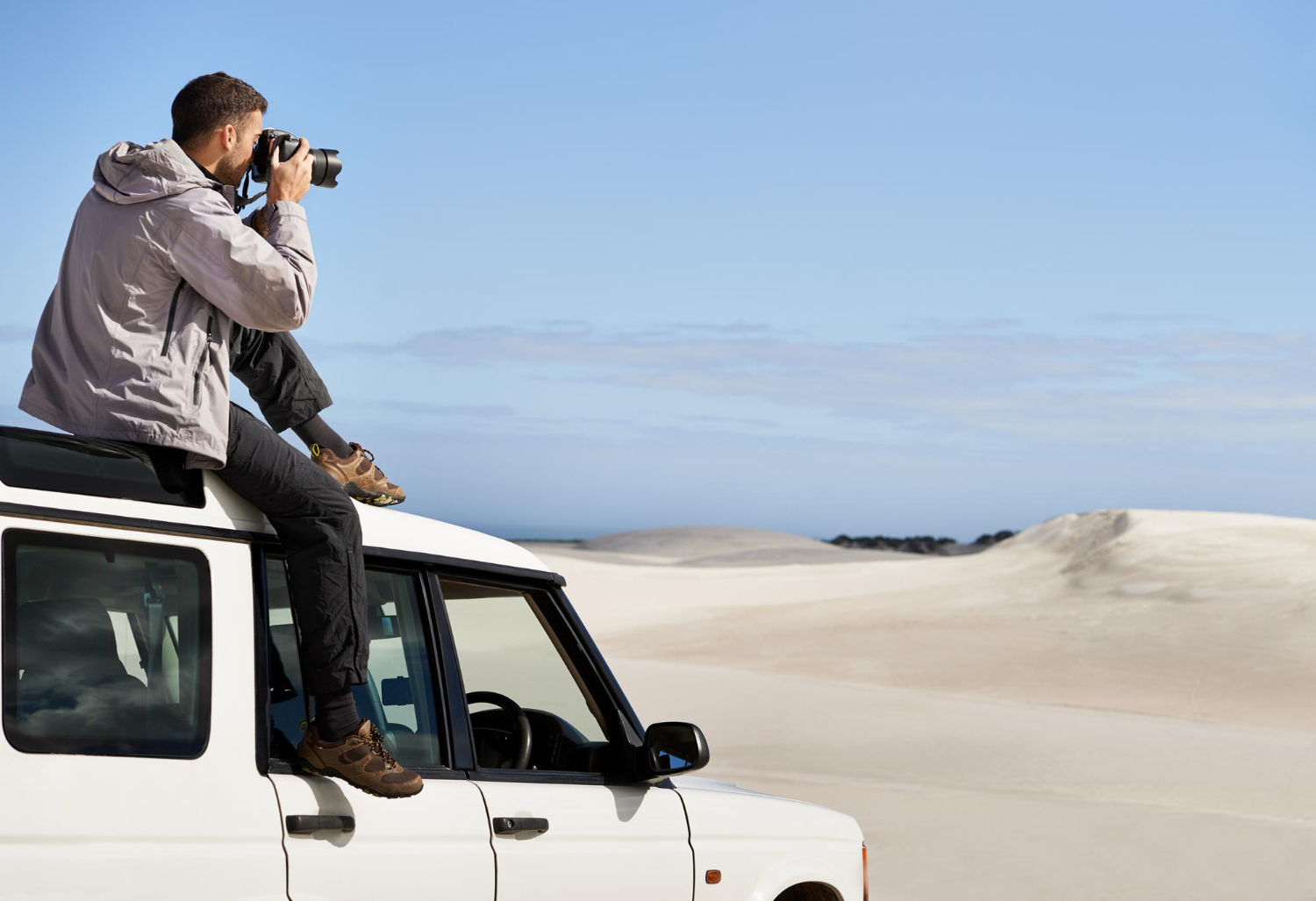
The single biggest practical advantage is that plans stop being fixed. When things are not fully booked, you can extend a stay, change a route, or take a detour on the strength of a recommendation.
Peak season locks you into whatever you booked months ago. Being able to change your mind is what shoulder-season travel actually buys you.
The Trade-Offs, Honestly
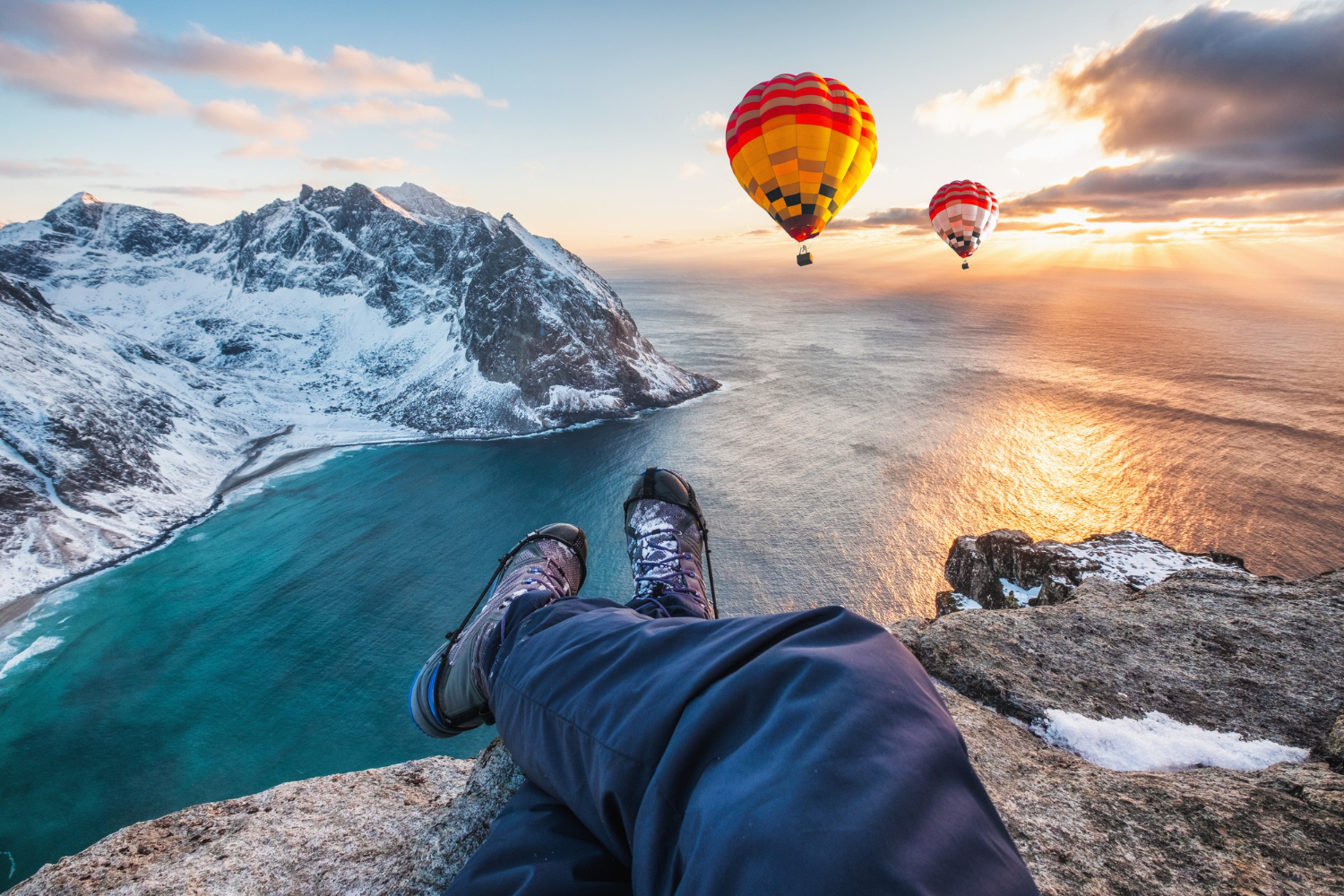
Shoulder season is not free of drawbacks. Some seasonal businesses close, some mountain routes and ferries do not run, daylight is shorter in autumn, and weather is less reliable — spring and autumn carry more chance of rain in many places.
The way to handle that is simple: check what is actually open at your destination for your dates, look at historical weather averages rather than guessing, and take clothing for a wider range of conditions. Do that, and shoulder season gives you most of what peak season offers, for less money, without the crowd.
Like our content? Follow us for more.