It is not a parasite and does not strangle anything. Here are twelve.
1. It Does Not Strangle Trees
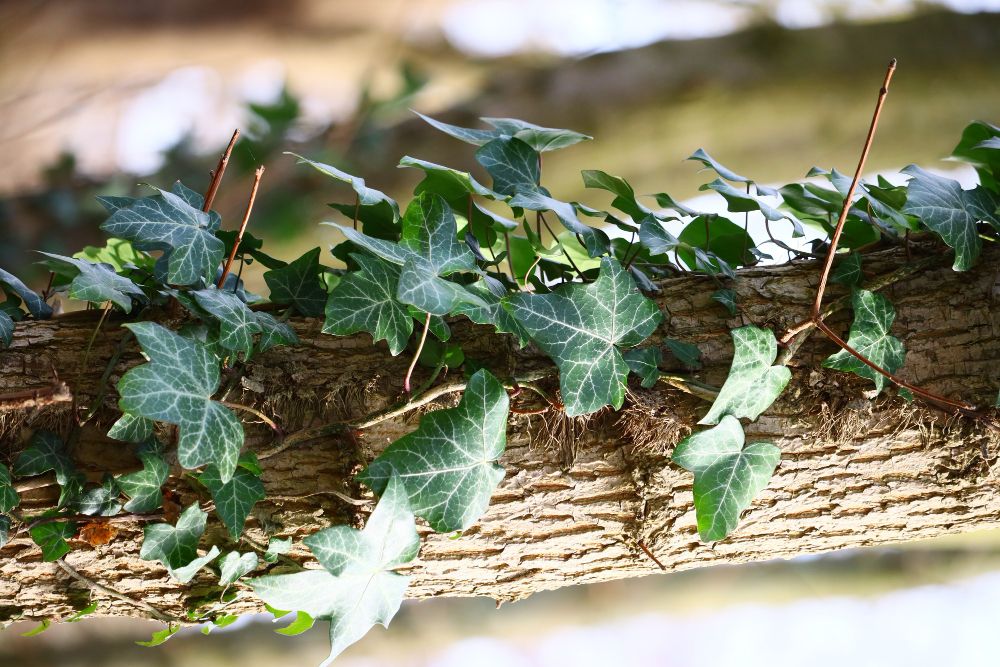
This is the belief worth demolishing first, because it is the reason an enormous amount of ivy gets cut off trees that were not in any trouble. Ivy does not constrict, squeeze or throttle anything.
It has no mechanism for doing so. It does not spiral tightly round a trunk and tighten as it grows, which is what a strangling plant does. It climbs straight up the outside, attached to the bark, and the trunk underneath expands year by year without being gripped. A healthy tree with ivy up it is a healthy tree with a plant on it.
Like our content? Follow us for more.
2. It Takes Nothing At All From the Tree
Ivy is not a parasite. There is no connection between it and the tree’s internal tissues anywhere, and nothing passes between them.
It has its own roots in the ground, drawing its own water and nutrients, and its own leaves making its own sugars. The tree is scaffolding and nothing else. This is the single most common misunderstanding about the plant and the easiest to settle: cut an ivy stem at the base and the whole plant above dies, because everything it needs was coming up from the soil.
3. The Things Gripping the Bark Are Not Feeding Roots
The short brown fibrous growths along an ivy stem look like roots and are frequently assumed to be drilling into the tree for food. They are not.
They are adhesive organs. They have no absorptive function, they do not penetrate living tissue, and they are doing one job: holding the stem against a vertical surface. The plant’s actual roots are at the bottom, in the ground, where you would expect them to be.
4. They Glue Themselves On and Then Lock
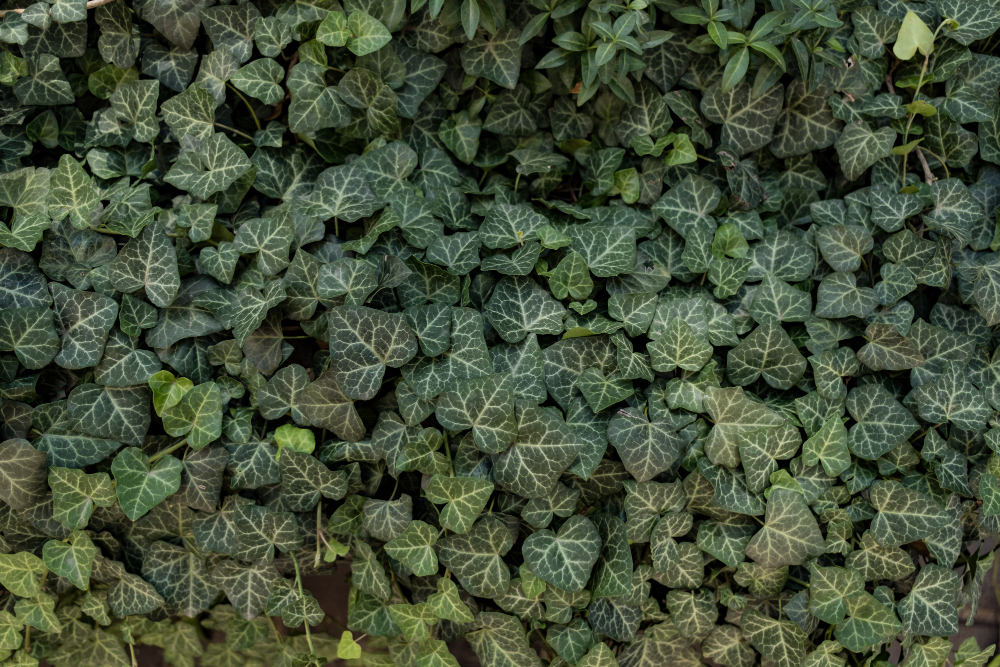
The attachment is a two-stage mechanism and it is considerably cleverer than it looks. First the fine hairs on the gripping organ grow into every irregularity in the surface and the plant secretes an adhesive.
Then the hairs dry out and curl, shrinking as they do, which pulls the stem tight against the surface and locks it mechanically into the roughness it has grown into. So it is glued and then it is also hooked, and the combination is strong enough that removing old ivy from a wall takes the surface of the wall with it. The adhesive has been studied closely as a model for glues that have to work on damp surfaces.
5. It Changes Its Own Leaf Shape When It Decides to Flower
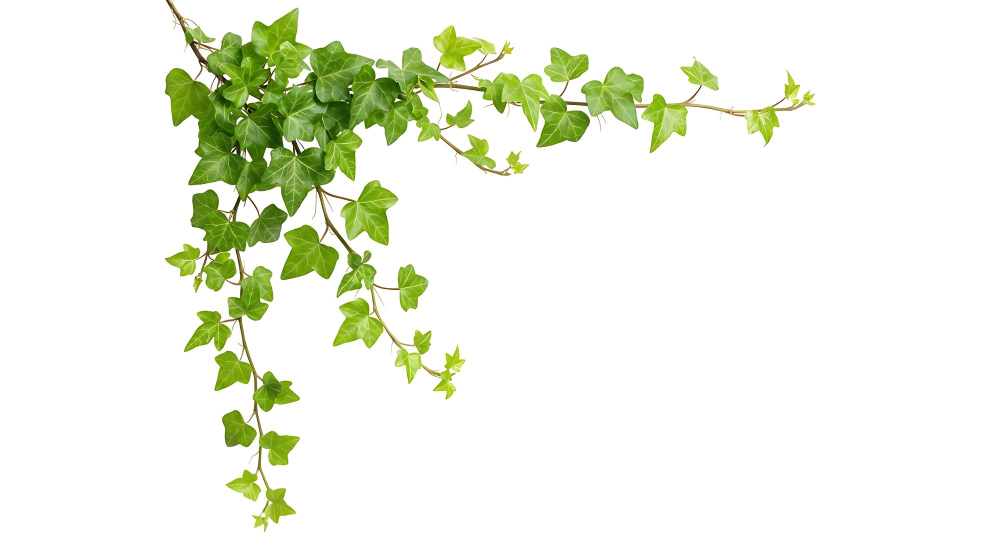
Young climbing ivy has the pointed lobed leaf everybody can draw. Mature flowering ivy has a plain oval leaf with no lobes at all, and it grows outward as a bush rather than climbing.
Same plant, same individual, different shape. Once a stem has reached enough light and is ready to reproduce, it switches to a completely different form of growth: unlobed leaves, no gripping organs, stiff outward shoots. The two kinds of growth look so unlike one another that they are routinely taken for two species.
6. Which Is Why Half of It Looks Like a Different Plant
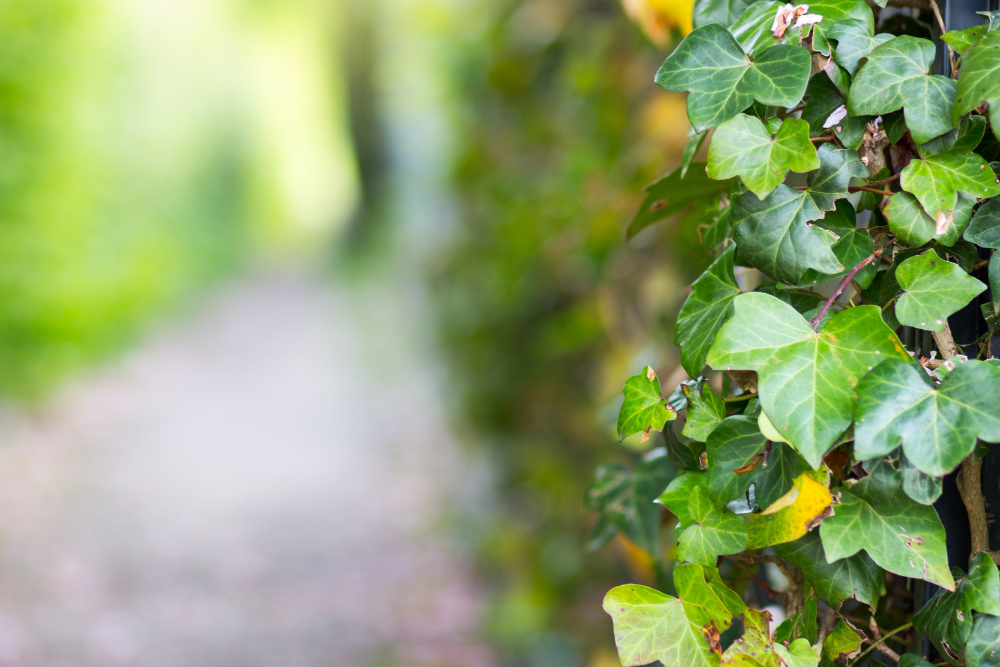
The practical upshot is that the dense bushy mass at the top of an ivy-covered tree, with the round leaves and the flowers, is not something growing on the ivy. It is the ivy, grown up.
And it only happens where there is light, which is why the climbing lobed form covers the trunk and the bushy oval form sits in the canopy. A single plant presenting two entirely different leaf shapes, growth habits and attachment behaviours at two different heights is unusual enough that people have been misreading it for as long as they have been looking at it.
7. It Flowers in Autumn, When Almost Nothing Else Does
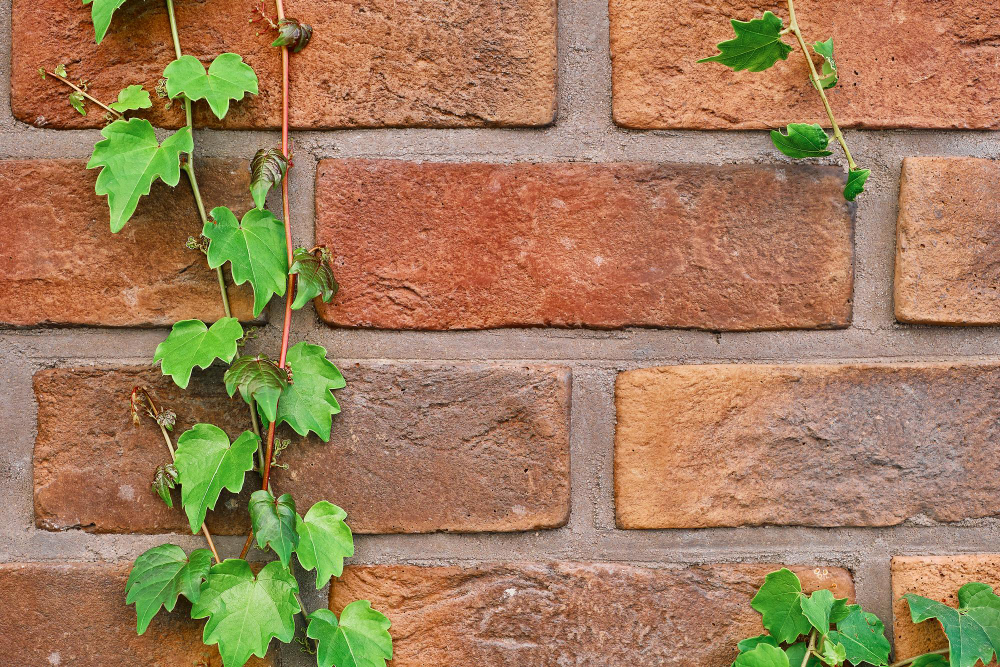
Ivy flowers from about September into November – small greenish-yellow clusters that nobody would call showy and that almost everybody walks past.
The timing is the whole point. By then virtually everything else has finished, so a flowering ivy is one of very few sources of nectar and pollen available, in quantity, at the end of the season. The flowers are also fully open and accessible rather than deep and tubular, which means anything can feed from them.
8. Which Makes It the Most Important Late Feeding Station There Is
Stand next to a flowering ivy on a warm October afternoon and it is loud. Wasps, flies, hoverflies, late butterflies, honeybees and bumblebees are all working it at once, in numbers you will not see on anything else at that date.
For a great many insects this is the last substantial meal of the year and the thing that determines whether they go into winter in condition to survive it. There is also a specialist bee that emerges late specifically to use ivy and almost nothing else. An unremarkable green plant on a wall is carrying a disproportionate share of the autumn.
9. And It Fruits in Late Winter, When Almost Nothing Else Does
The berries ripen from midwinter into early spring – black, in clusters, and conspicuously late compared with everything else.
Which is the same trick at the other end. Autumn fruit is abundant and competed over; by February almost all of it has gone, and ivy is still holding a crop. It is unusually high in fat as well, so it is not a filler but a seriously valuable food at the point in the year when birds are at their thinnest.
10. It Does Not Damage Sound Masonry
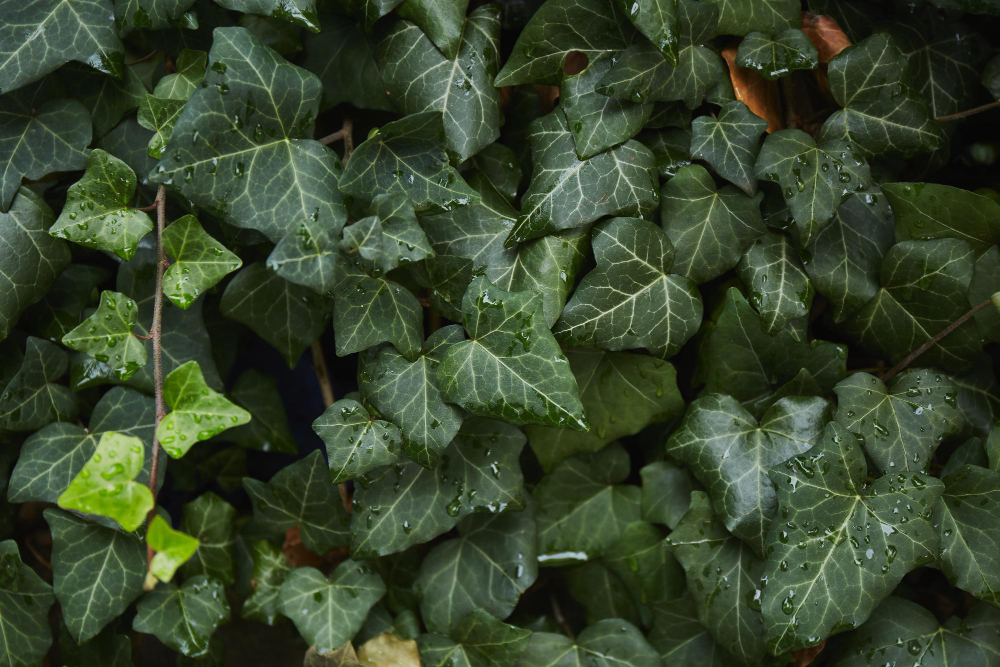
The companion myth to the strangling one, and about as reliable. Ivy on a wall in good condition does not create cracks, loosen bricks or open joints.
What it does is exploit damage that is already there – a failing joint, a loose brick, a gap it can get a stem into – and then make it worse. Which is a real consideration and a completely different claim from the usual one. Work on historic buildings has gone further and found that a covering of ivy can moderate how much the wall surface behind it swings between hot and cold and wet and dry, which is a benefit rather than a cost.
11. Young Shoots Grow Toward Darkness, Not Light
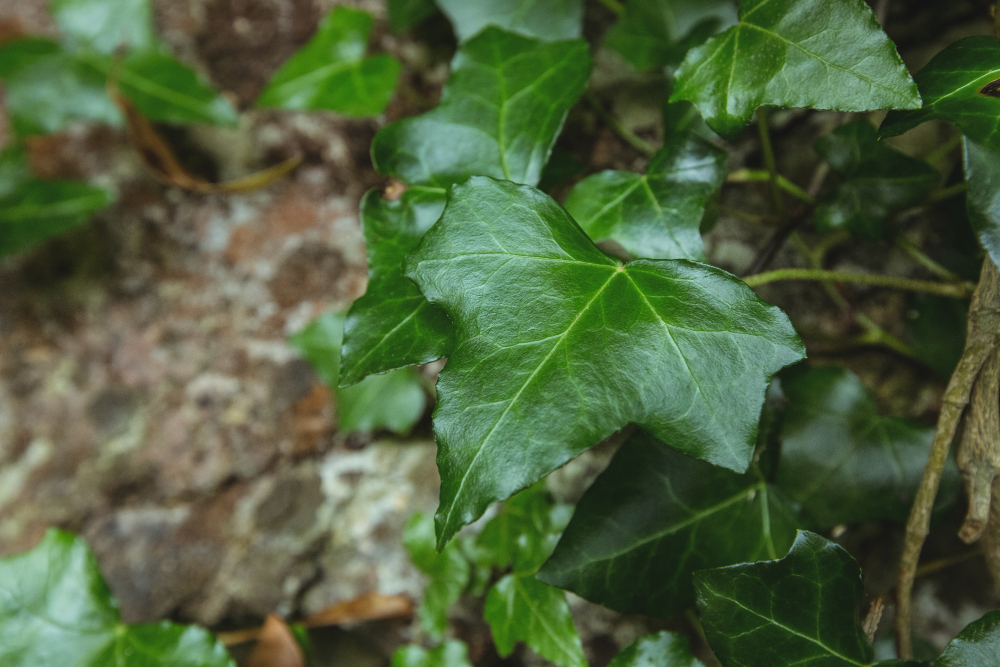
Nearly every plant grows toward light. A young ivy shoot does the opposite: it heads for the darkest thing it can detect.
Which is exactly correct behaviour for something that needs to find a trunk. The darkest patch in the visual field of a seedling on a woodland floor is the base of a large tree, so growing into the dark is an efficient way to locate a climbing frame. Once the plant is attached and climbing, the preference reverses and it heads up toward the light in the ordinary way.
12. It Is One of Very Few Native Evergreens
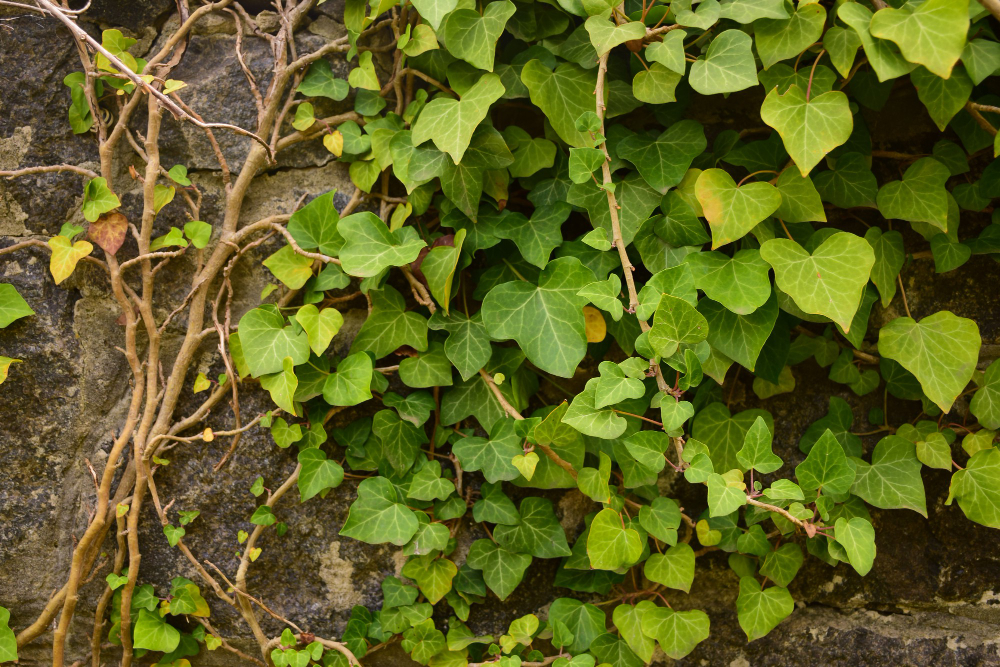
In temperate European woodland the list of native broadleaved plants that keep their leaves through the winter is extremely short, and ivy is on it.
Which explains a great deal of its significance and a great deal of its folklore. It is one of the only green things in a winter wood, it provides the only dense cover available at that season for roosting birds and hibernating insects, and it has been brought indoors in midwinter for as long as anybody has been recording what people bring indoors in midwinter. A plant that stays green when nothing else does was always going to mean something to people.
A Plant Carrying the Autumn and Blamed for Everything
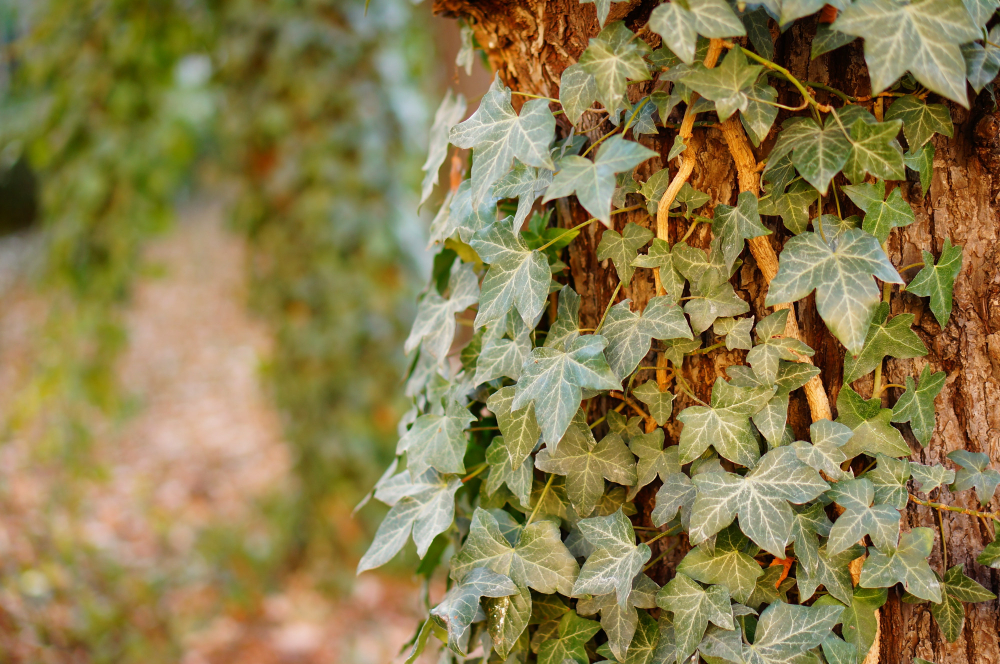
No constriction, no parasitism and no connection to the tree at all, gripping organs that glue and then lock, leaves that change shape when the plant is ready to flower, flowers in October and fruit in February when nothing else offers either, and young shoots that find a trunk by growing toward the dark.
The eleventh item is the one that sounds wrong and is not. A young ivy shoot grows toward darkness rather than light, which is the reverse of almost every plant – and it is exactly the right rule for the job. If you are a seedling on a woodland floor and you need to find something to climb, the darkest thing in view is the base of a big tree. So it heads for the dark, finds the trunk, attaches, and only then switches to growing up toward the light like everything else.
Like our content? Follow us for more.