One fire, one anvil, and everything metal for a mile. Here are twelve.
1. The Fire Was Not Hot Because It Was Big
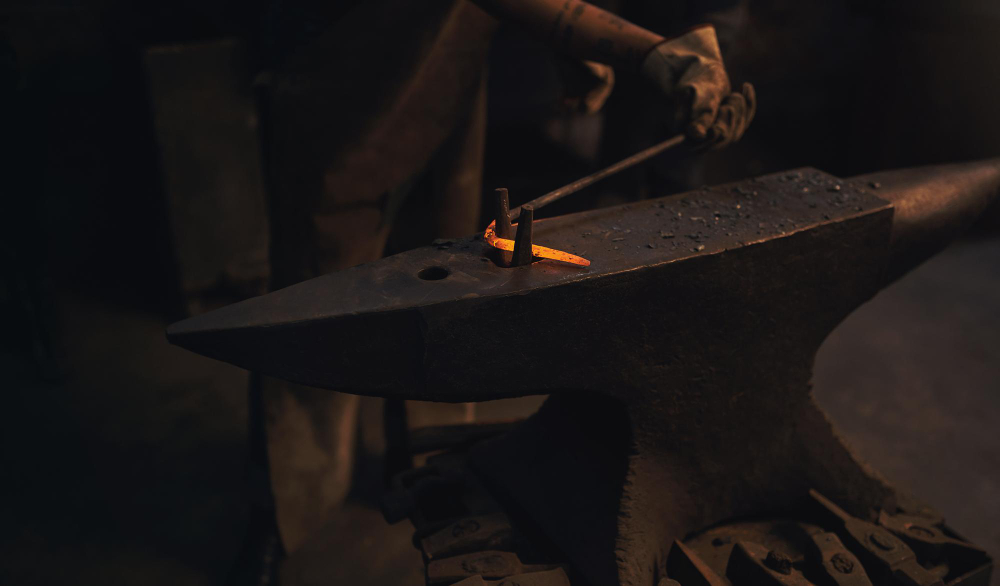
A forge fire is small and concentrated, with air forced through it to raise the temperature far above an open flame.
The bellows are the reason it works, and the fire without them is just a fire.
Like our content? Follow us for more.
2. The Colour of the Metal Was the Thermometer
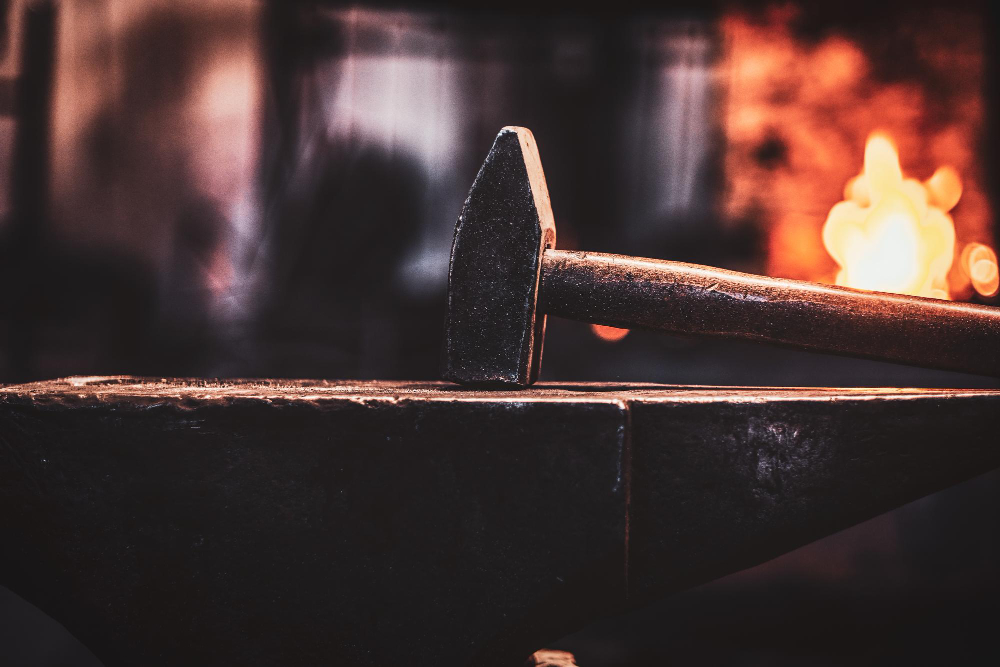
Iron glows through a predictable sequence as it heats, and the smith worked by reading that colour.
Too cold and it will not move; too hot and it crumbles under the hammer. Nothing measured it but the eye.
3. The Anvil Had a Shape for Every Job
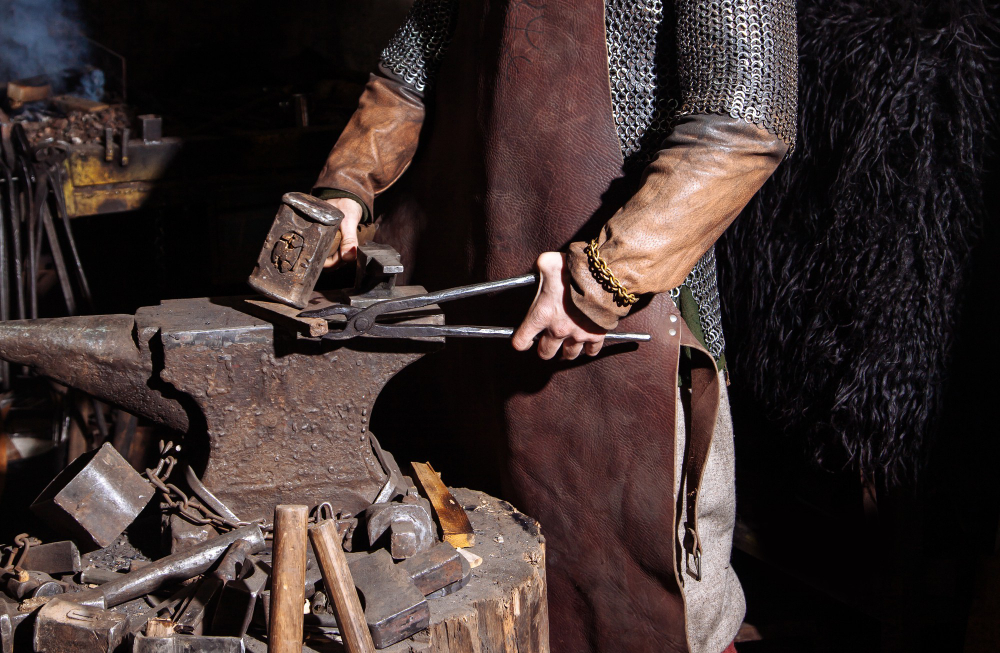
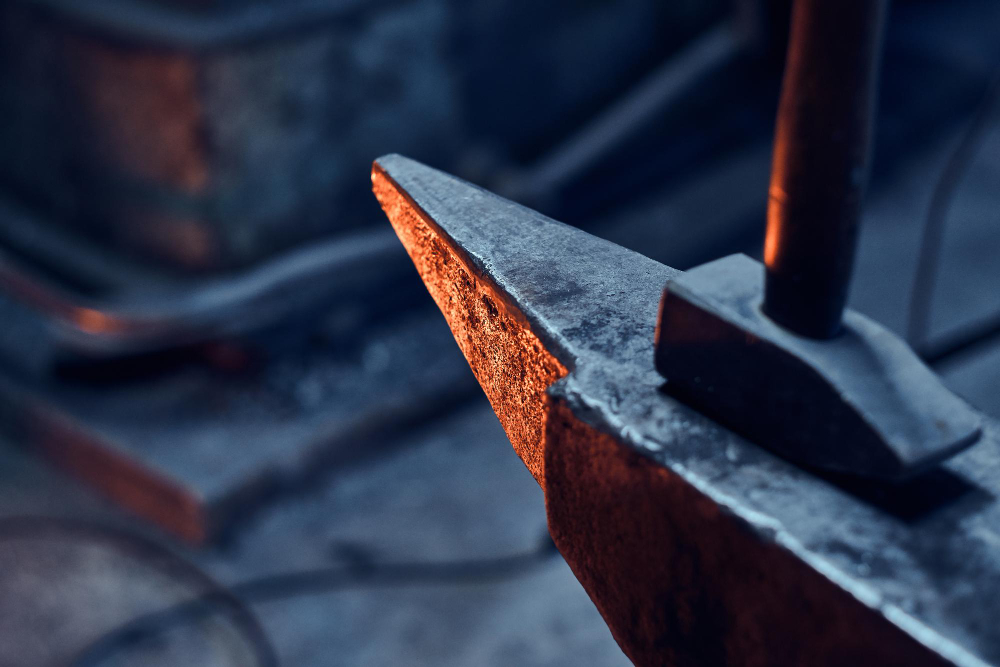
The flat face, the rounded horn, the square hole and the hardened edge each existed for a different operation.
It is not a block to hit things on. It is a set of tools arranged in one lump.
4. You Heard Two Hammer Blows for Every Useful One
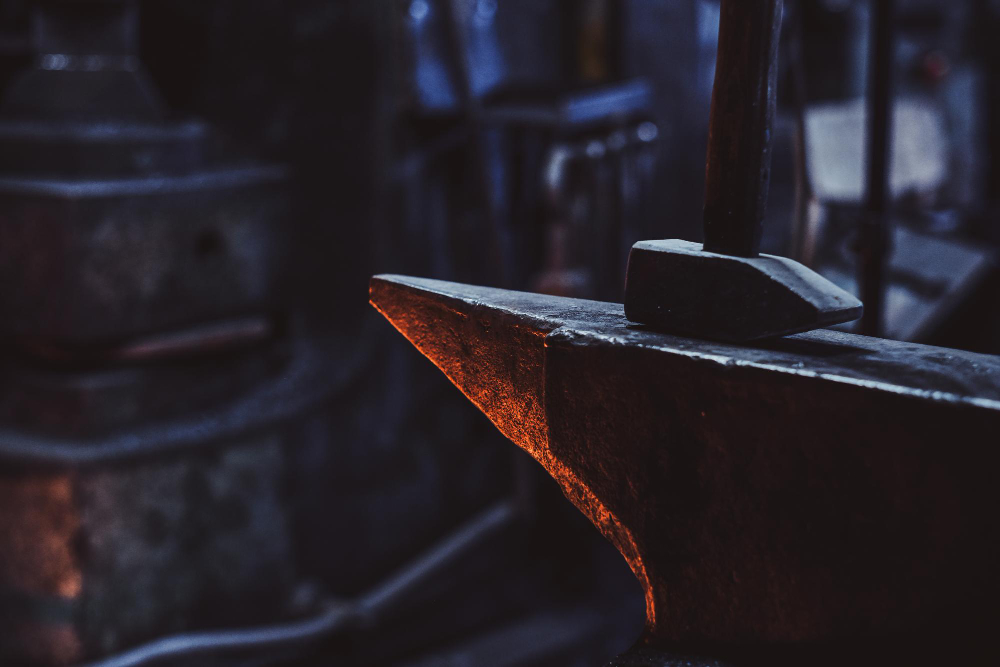
Smiths tap the anvil between blows to keep the rhythm and let the arm recover without stopping the swing.
The pattern of ring and thud carrying across a village was the sound of the trade.
5. Iron Could Be Joined Without Anything Added
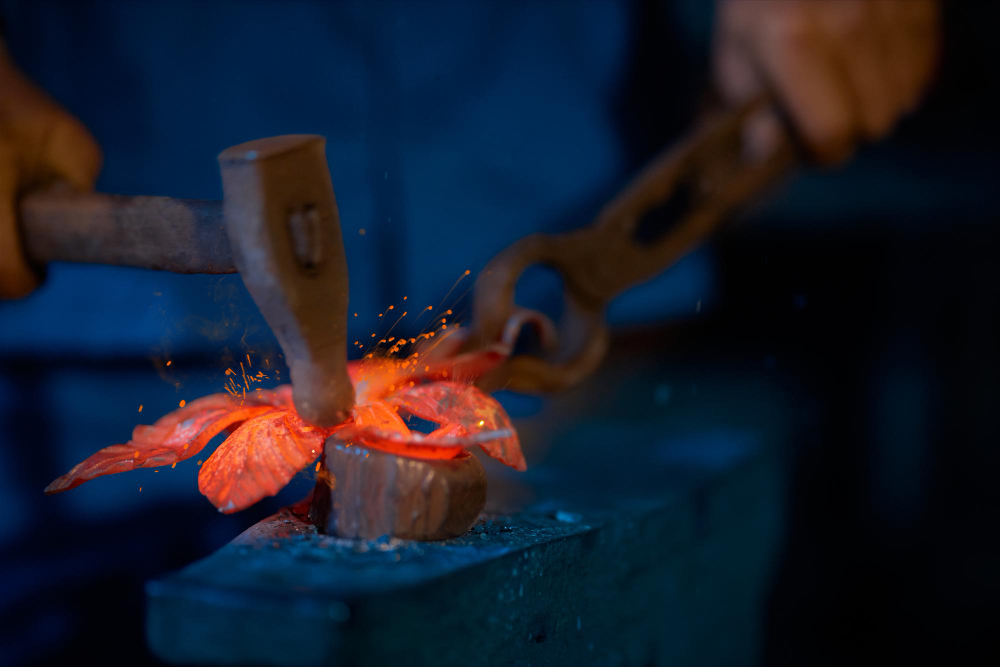
Two pieces heated to the right point and struck together fuse into one, with no solder, glue or rivet involved.
Getting the temperature right was the whole skill, and the join is stronger than the metal around it.
6. Everything Was Made to Be Repaired
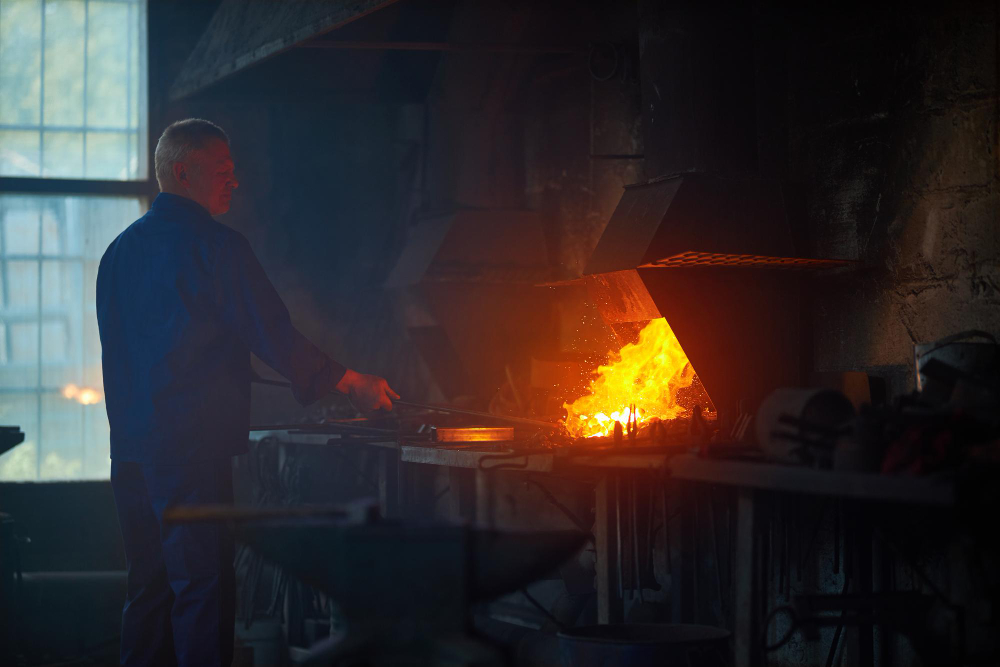
Nothing was a sealed unit. A broken item came back, was heated, reworked and returned, frequently more than once.
The smith was the village’s repair service as much as its manufacturer.
7. Wooden Wheels Depended on Him Entirely
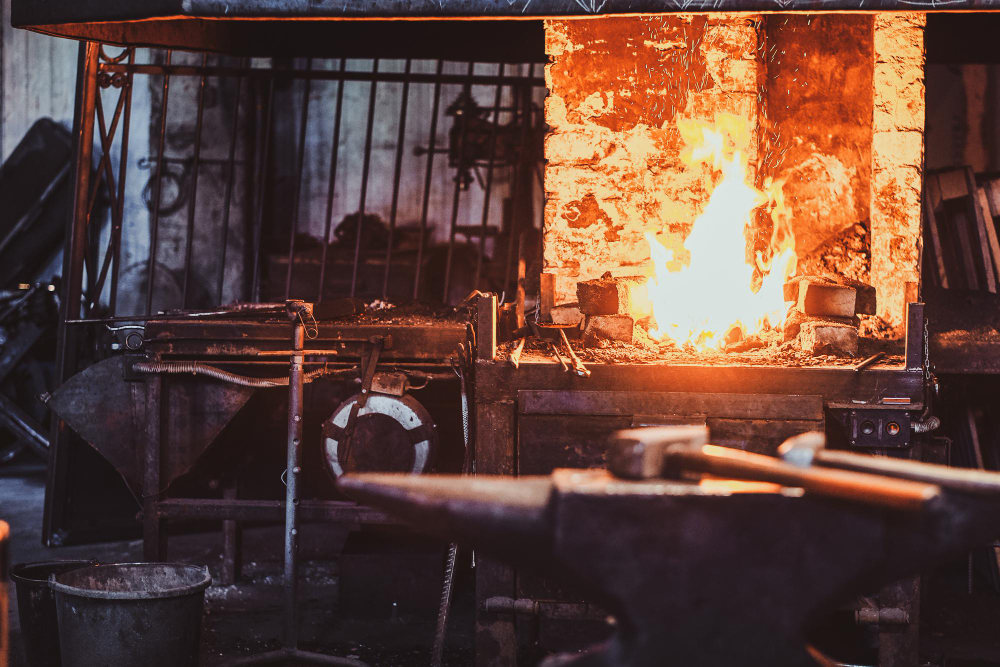
A cartwheel was held together by an iron tyre fitted red hot and then quenched so that it shrank and clamped the whole wheel tight.
It is a spectacular operation and the wheel is useless without it.
8. He Made the Tools Other Trades Used
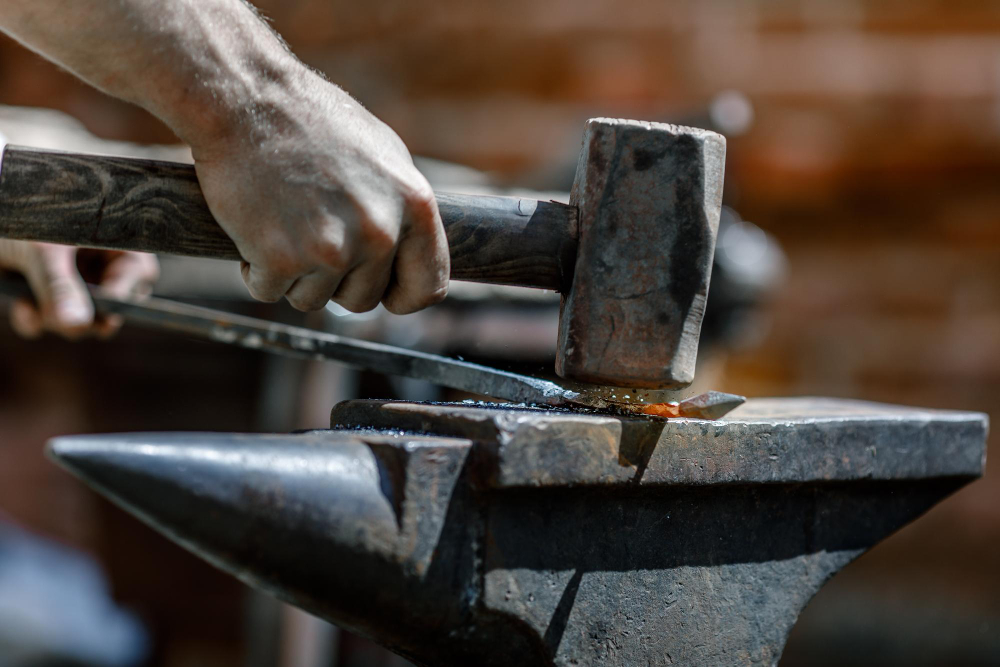
Chisels, blades, hooks, irons and fittings were made to the individual requirements of the carpenter, the mason and the farmer.
Tools were not bought to a pattern; they were commissioned to a hand.
9. The Building Was Deliberately Dark
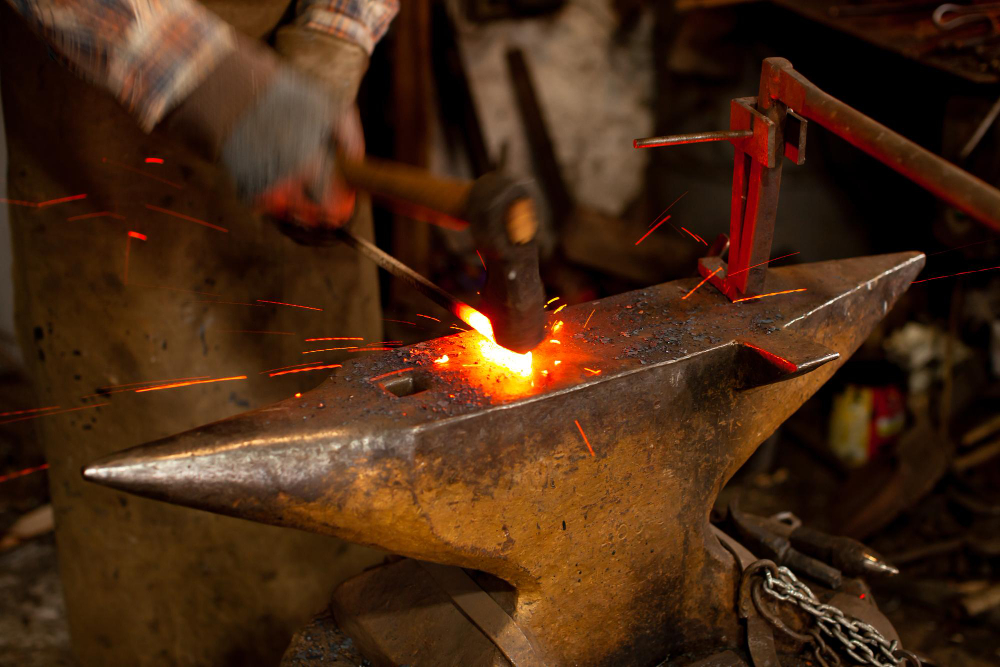
Forges were kept dim because judging the colour of hot metal is impossible in bright light.
The gloom is a working condition rather than neglect.
10. It Was Where Everybody Ended Up Standing
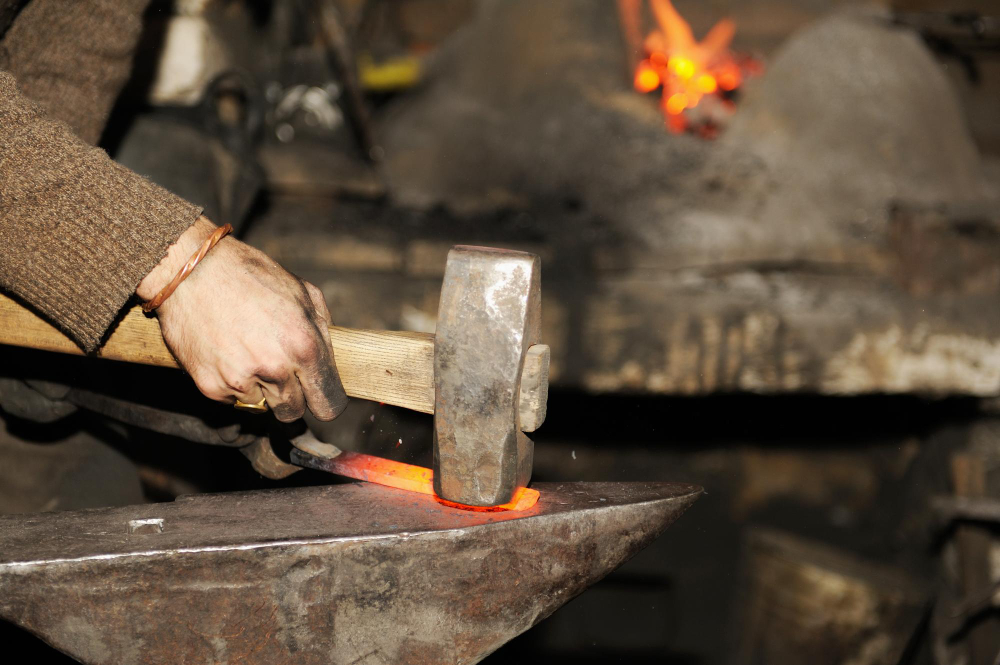
People waiting for work, warming up, or watching, made the forge a place where news was exchanged.
It functioned as a meeting place because everybody had a reason to come.
11. Coal, Water and a Road Decided Where It Stood
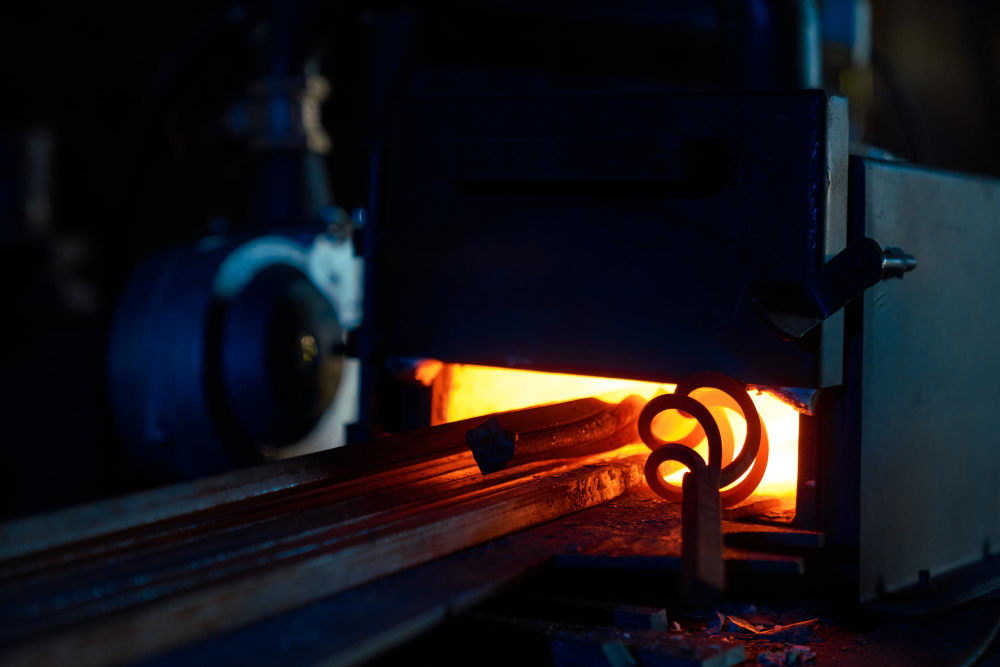
A forge needed fuel delivered, water for quenching and a position on a route with traffic passing.
Which is why so many stand at a junction or beside a former main road.
12. Mass Production Took It Apart Piece by Piece
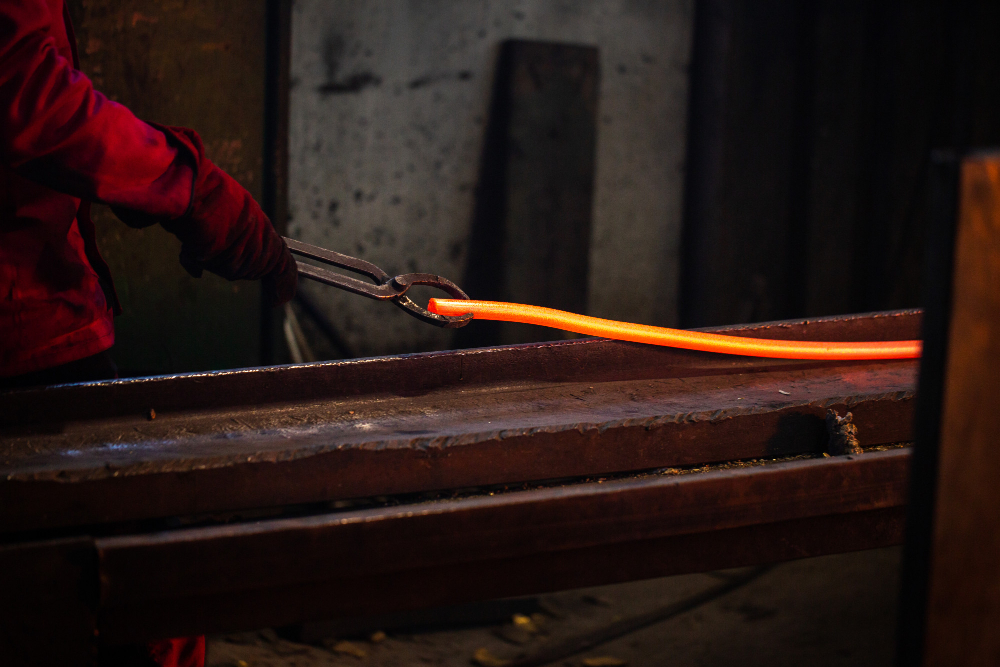
Factory-made nails, then fittings, then tools, then wheels, removed one line of work after another.
The building usually survives, because a forge is solidly built, and is now almost always something else.
One Fire and Everything Made to Order
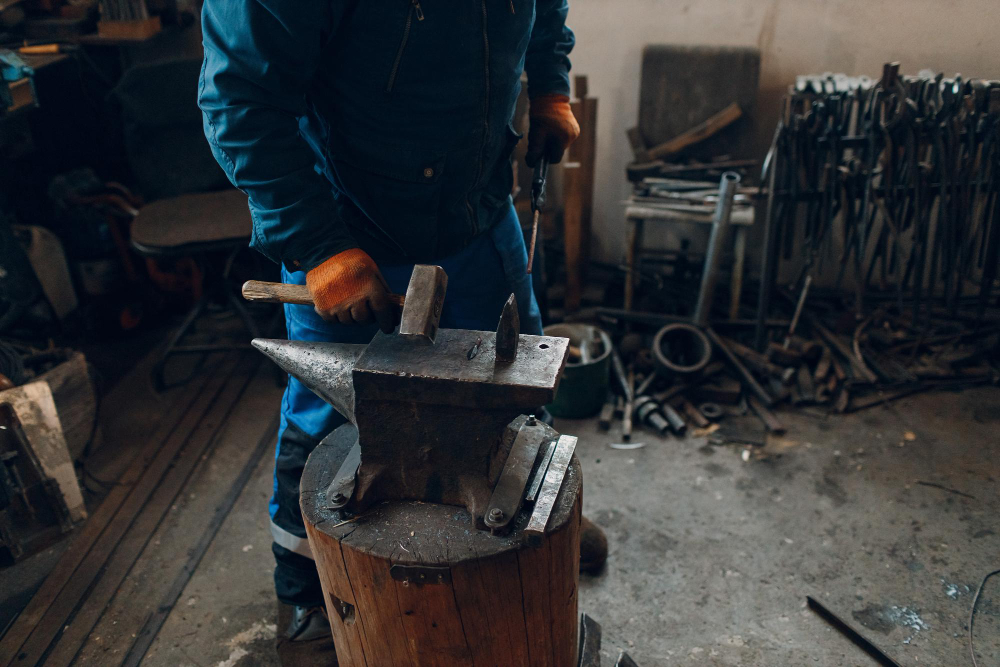
A small fire made hot by forced air, colour read as temperature, an anvil that is several tools at once, iron joined with nothing added and a building kept dark so the metal could be judged.
The ninth item is the detail that explains the rest. A forge was kept deliberately dark because the only thermometer was the colour of the metal, and colour cannot be judged in daylight – so the gloom everybody remembers was not a shortcoming of the building, it was the instrument.
Like our content? Follow us for more.