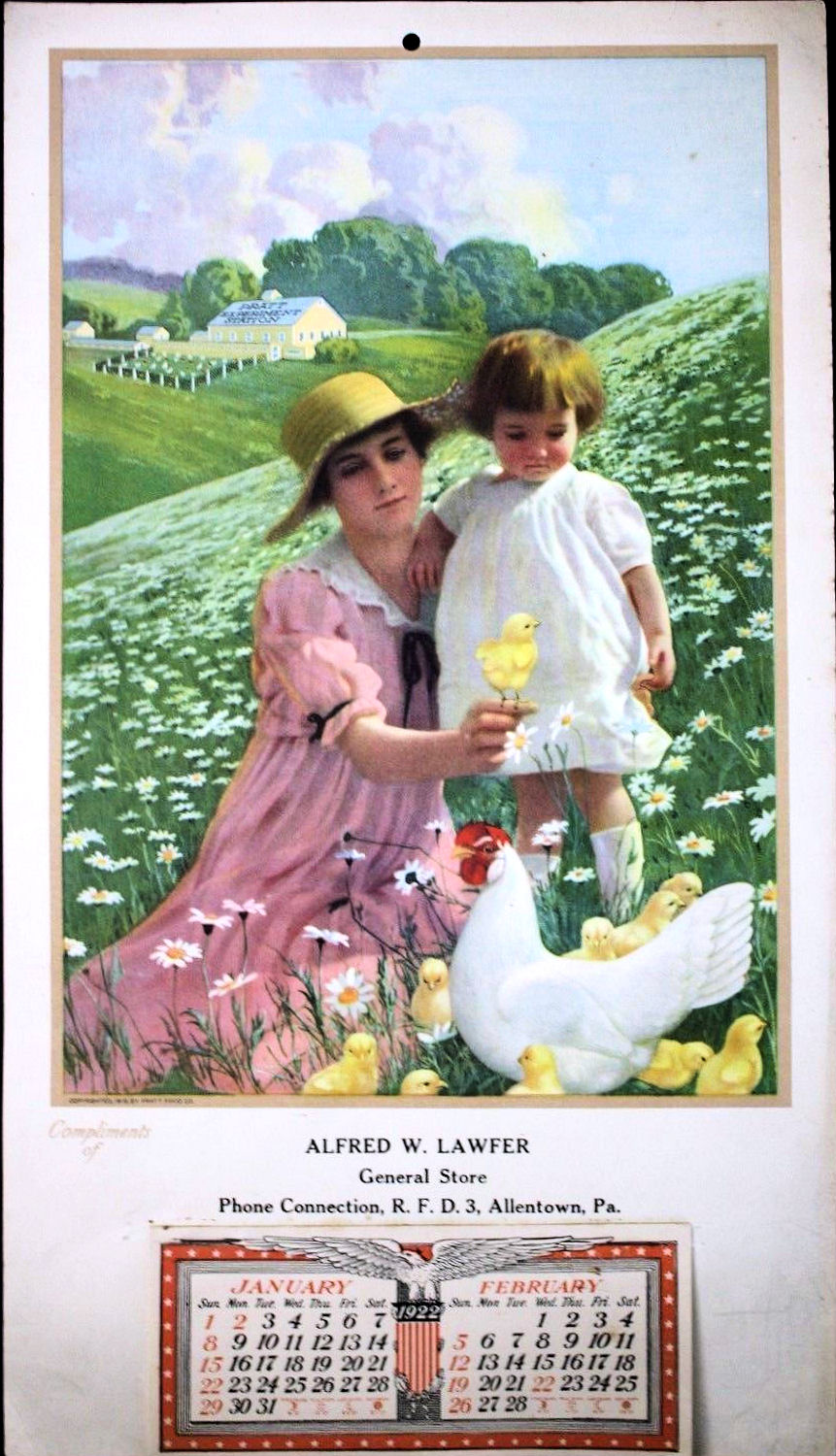
It was free, and that was the whole business model.
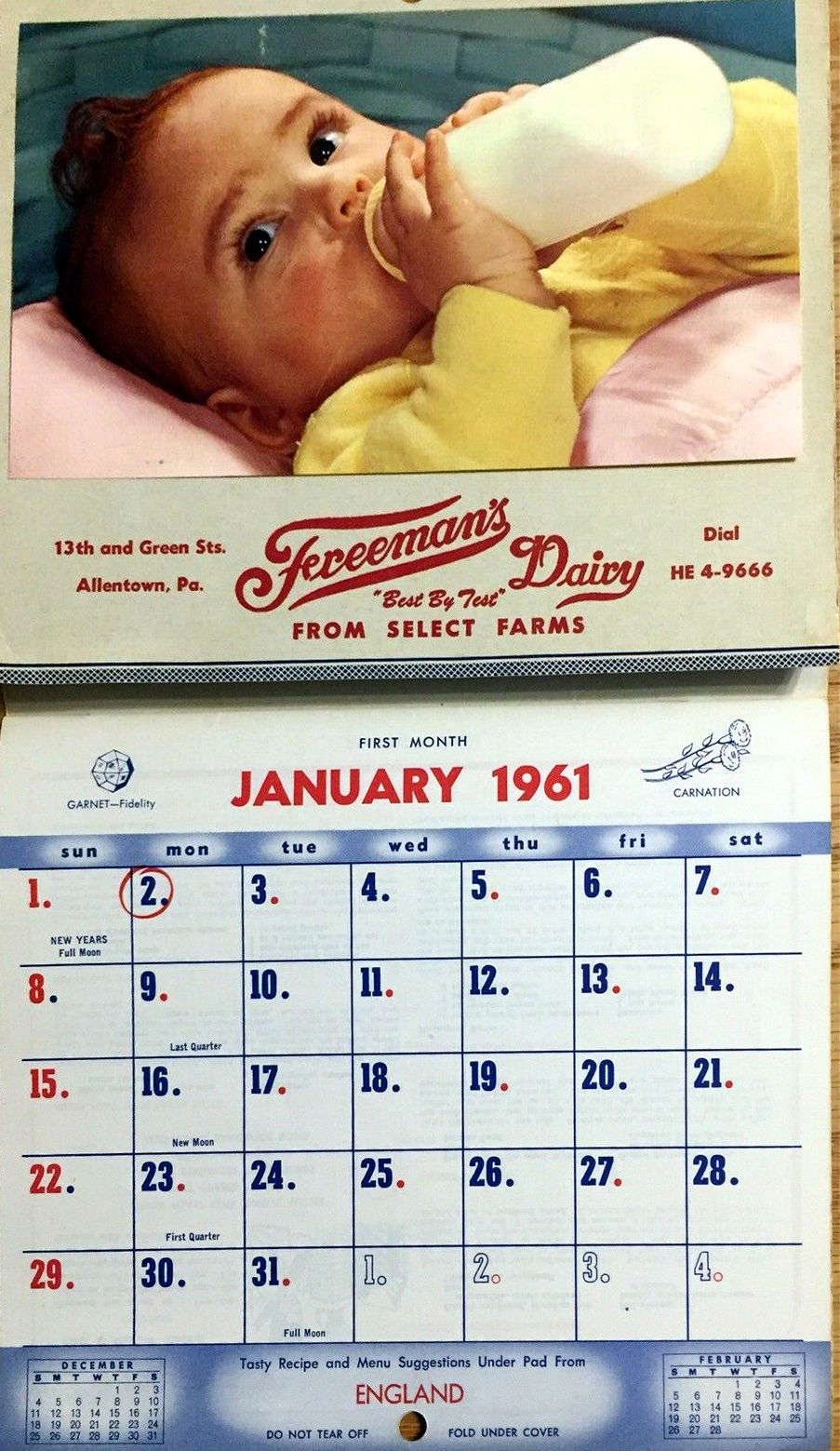
Feed stores, implement dealers, banks, hardware stores and insurance agents gave calendars away at the turn of the year with their own name and address printed on them. An advertisement that a household hangs on its own wall and consults every day for a year, voluntarily, is close to a perfect advertising medium – and the only way onto that wall is to make the object genuinely useful and give it away.
Which mattered more than it sounds, because a household did not necessarily own a calendar unless somebody gave it one. If the only calendar in a house came from a feed dealer, then a business’s advertisement was also the household’s record of what day it was. Here are twelve things every American household knew.
1. The Calendar Was Free and That Was the Point
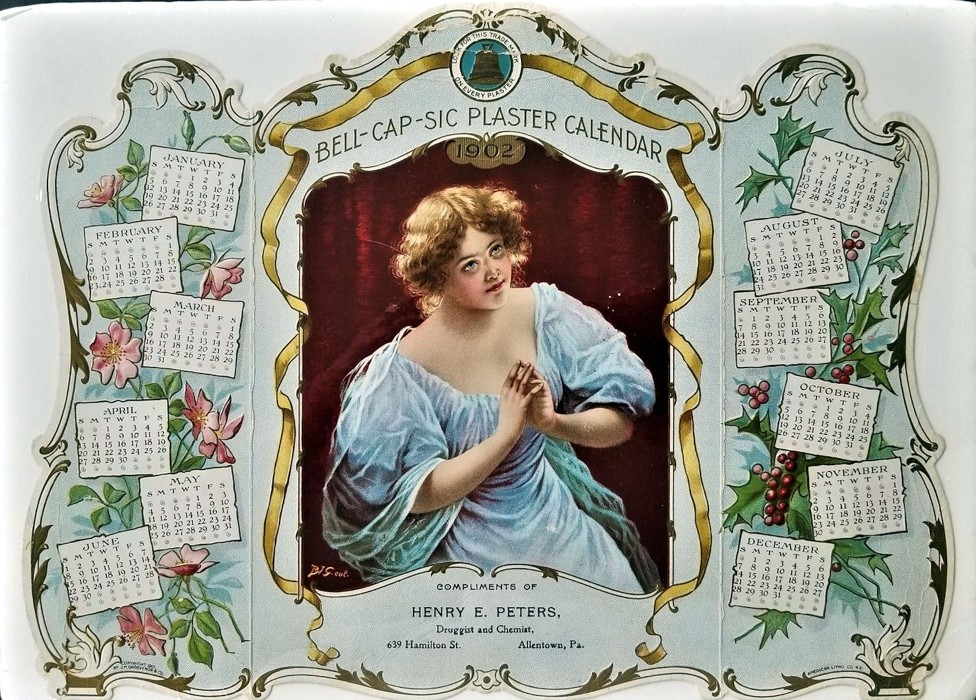
Feed stores, implement dealers, banks, hardware stores and insurance agents gave calendars away at the turn of the year, printed with their own name and address.
Advertising is digital and a calendar is something people buy.
Start with the business logic because it is unusually clean. An advertisement that a household hangs on its own wall and consults every day for a year, voluntarily, is close to the perfect advertising medium – and the only way to get one onto that wall is to make the object genuinely useful and give it away.
Like our content? Follow us for more.
2. It Was Frequently the Only Calendar in the House
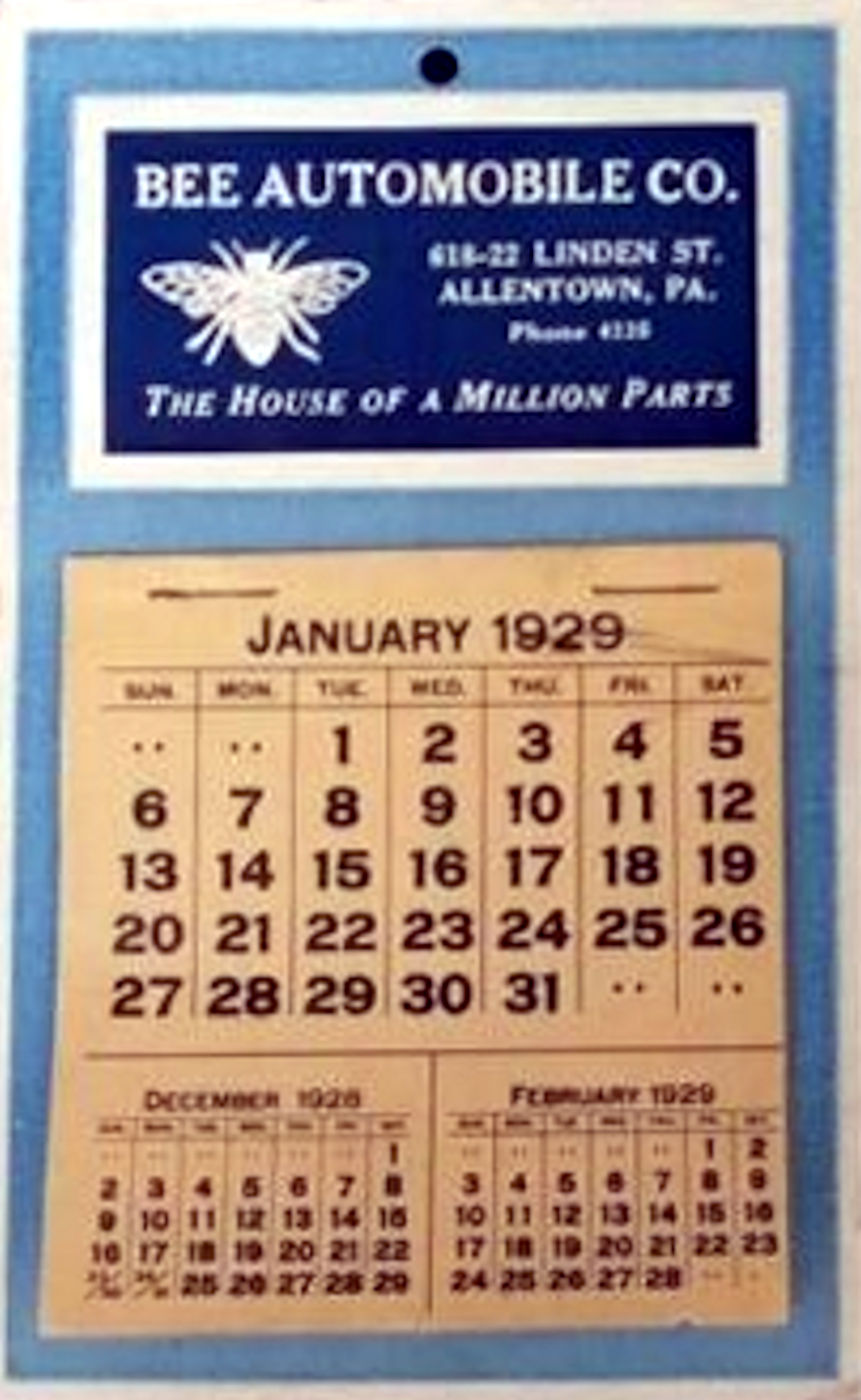
A household did not necessarily own a calendar unless somebody gave it one, which meant the free advertising calendar was the household’s actual record of the date.
Dates are everywhere.
This is the fact that makes the object important rather than quaint. If the only calendar in a house came from a feed dealer, then a business’s advertisement was also the household’s infrastructure for knowing what day it was – which is a remarkable position for a piece of marketing to occupy.
3. The Picture Was Doing the Work
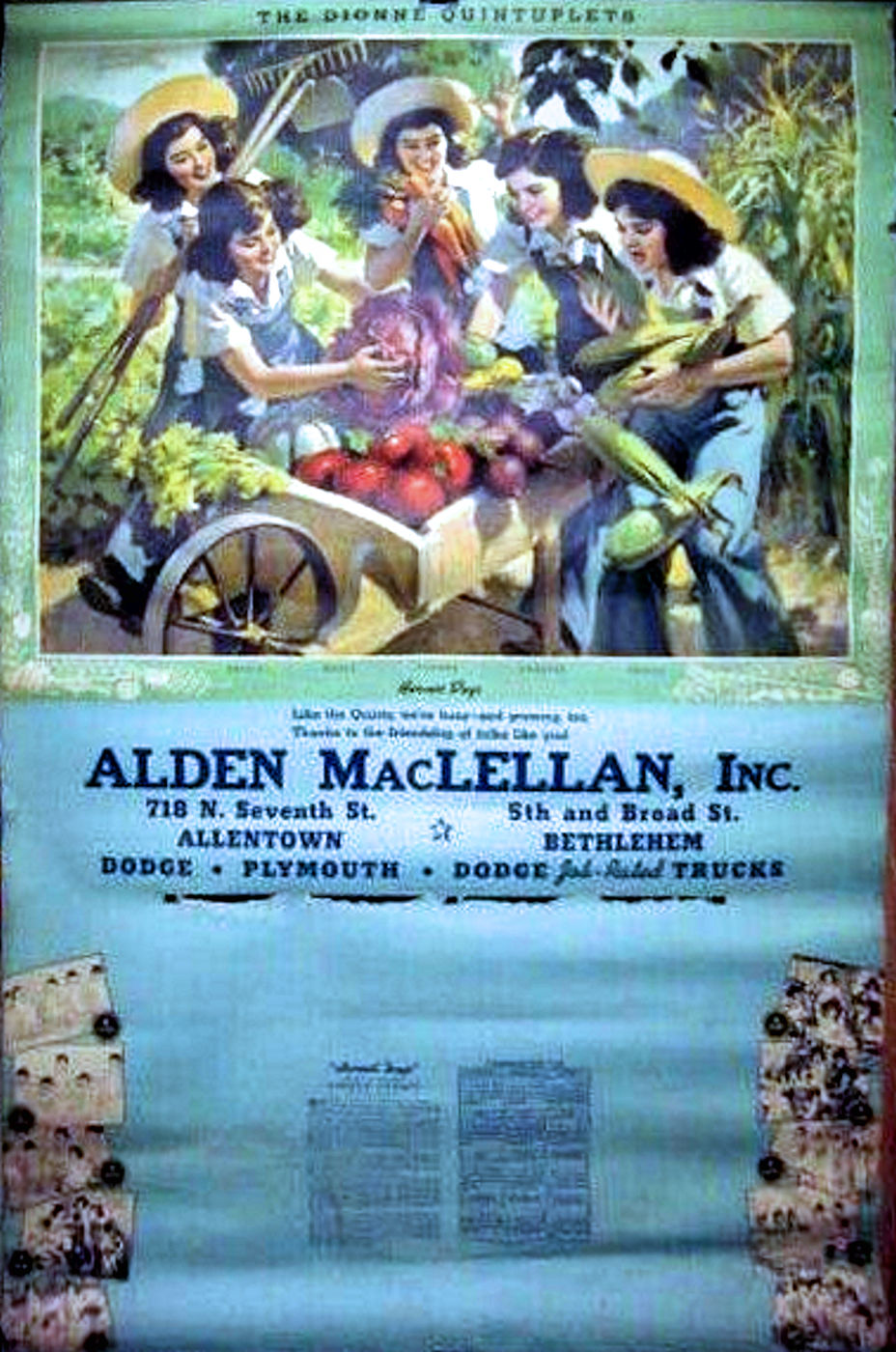
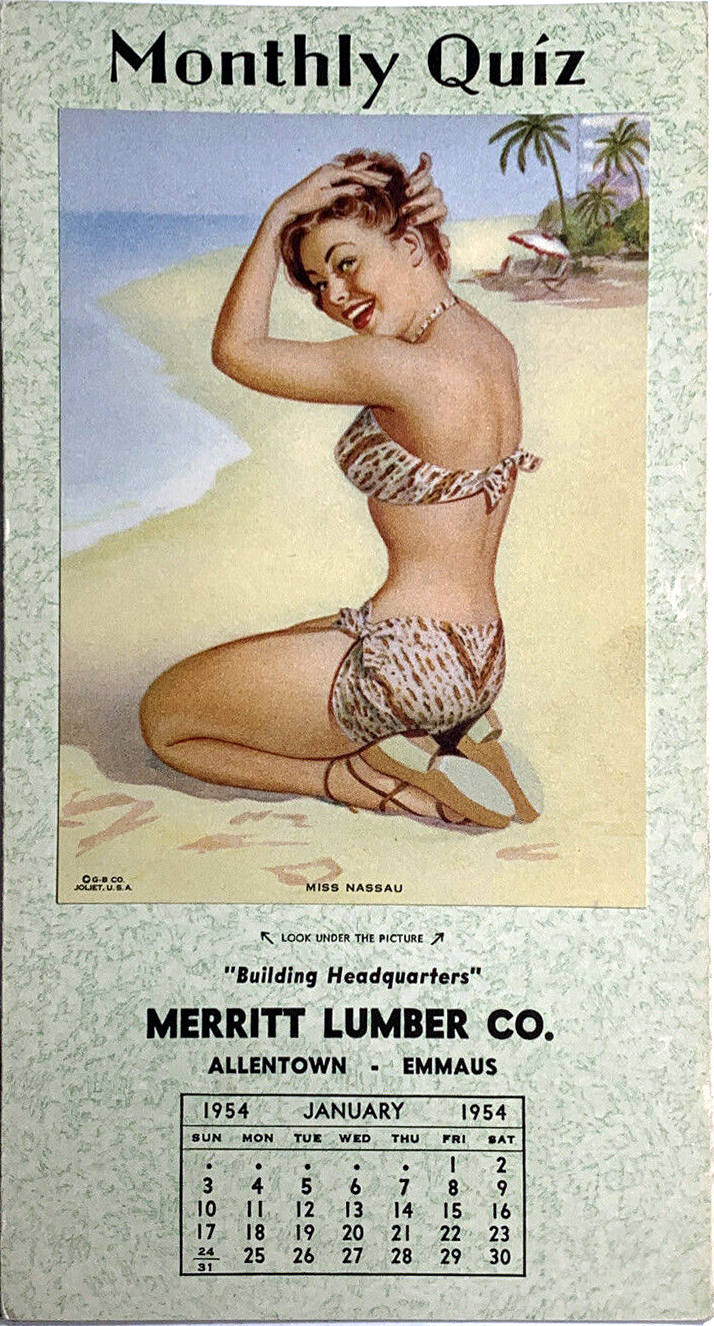
Calendars carried a large colour lithograph – a landscape, a child, an animal, a scene – printed to a standard far beyond what the advertising needed.
Not applicable in the same way.
The quality of the printing is the part that surprises people and it is a direct consequence of the business model. A calendar only advertises if somebody chooses to hang it, so the picture has to be good enough that a household wants it on the wall – which means the advertiser was competing on art rather than on message.
4. Households Chose Between Them
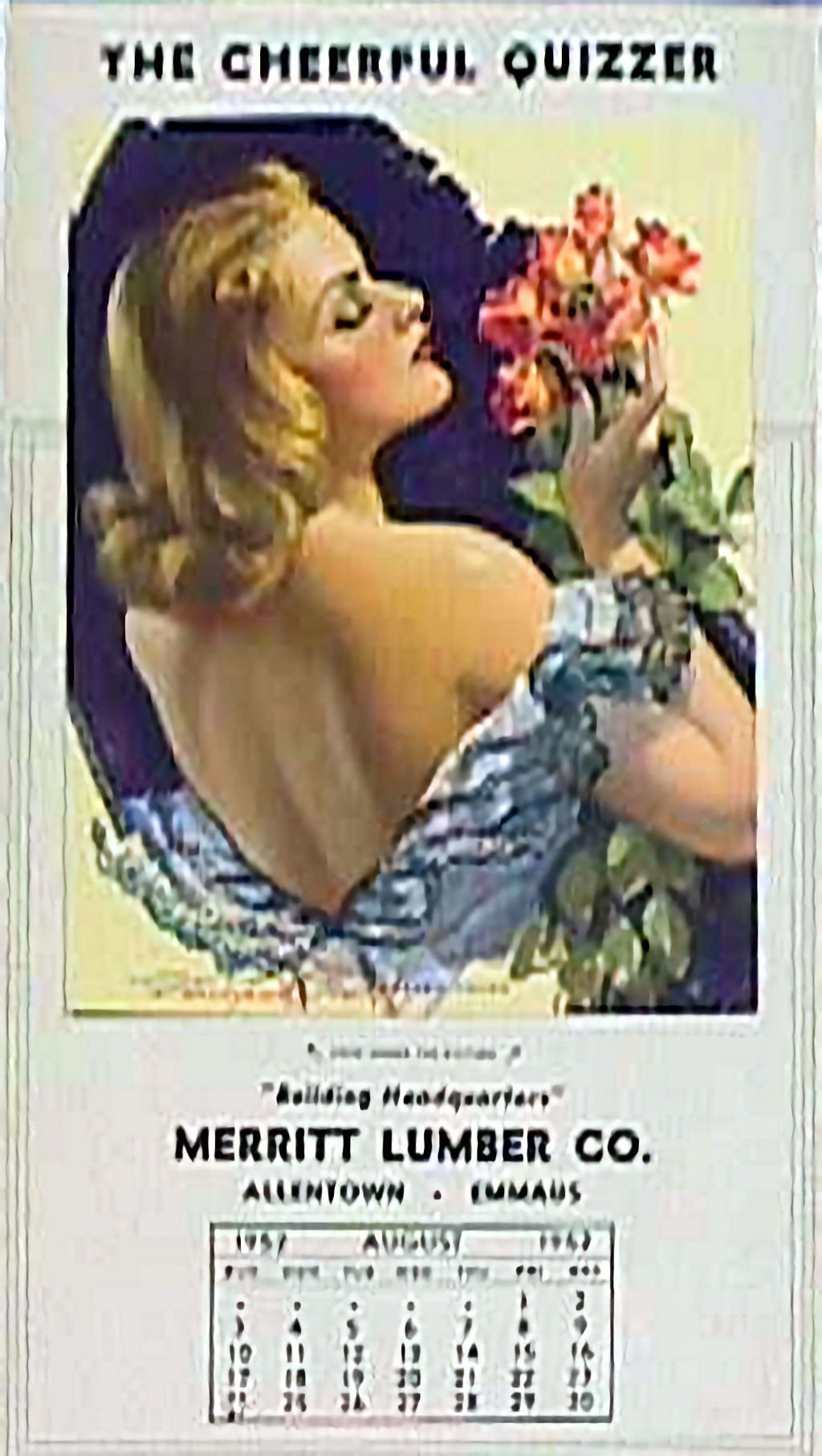
A family that was offered several calendars kept the one with the best picture and the rest went into a drawer or were given away.
Not applicable.
The selection process is what disciplined the whole trade. Giving away a calendar nobody hangs is money spent for nothing, so businesses were in direct competition over which picture a household preferred – and the surviving calendars are therefore a reasonably good record of popular taste.
5. The Dealer’s Name Sat Under the Picture
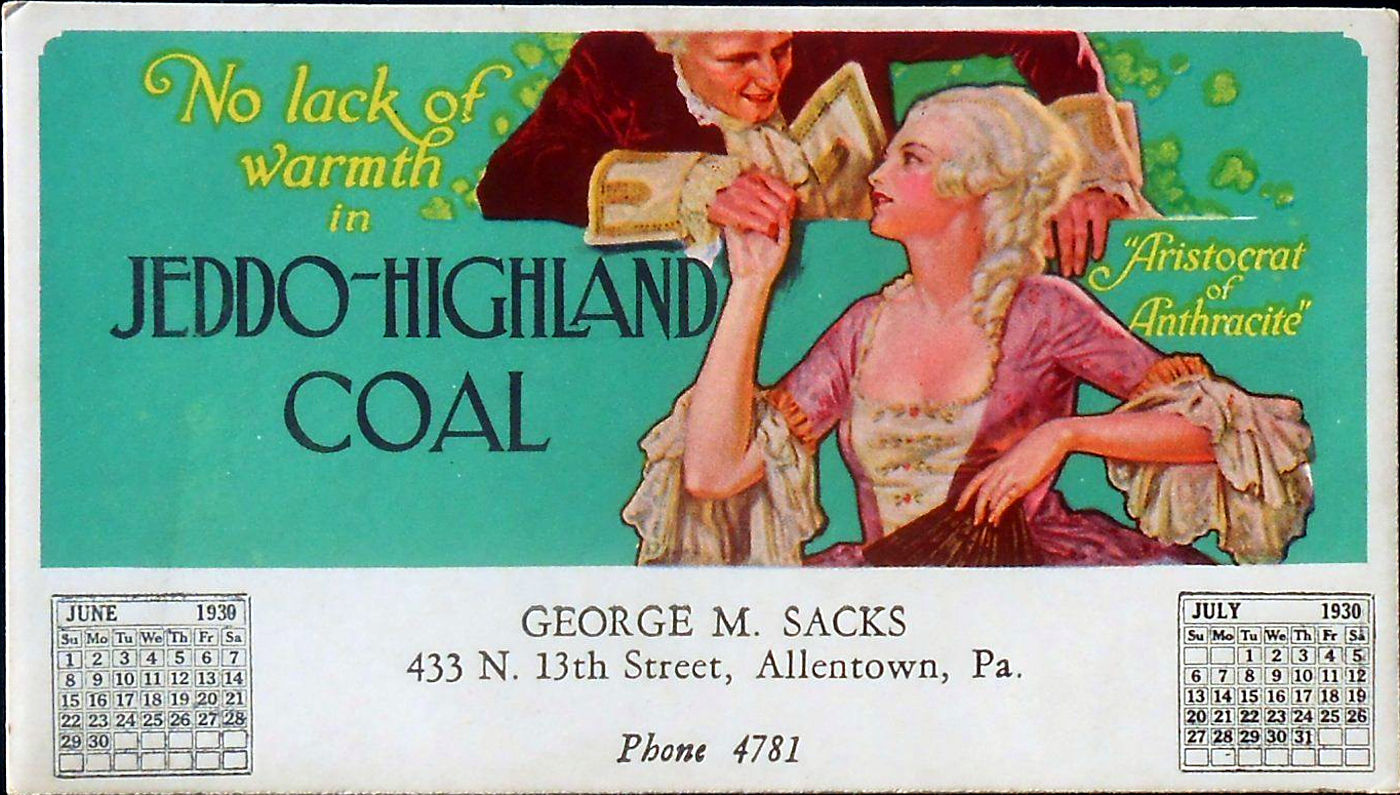
The business’s name, trade and address were printed below or beside the image, usually modestly, with the picture given the dominant position.
Not applicable.
The proportions tell you how well the advertisers understood their medium. A loud advertisement with a small picture does not get hung, so the name was kept small and the image large – which is an advertiser deliberately subordinating its own message in order to be looked at every day for a year.
6. The Dates Were Only Half the Information
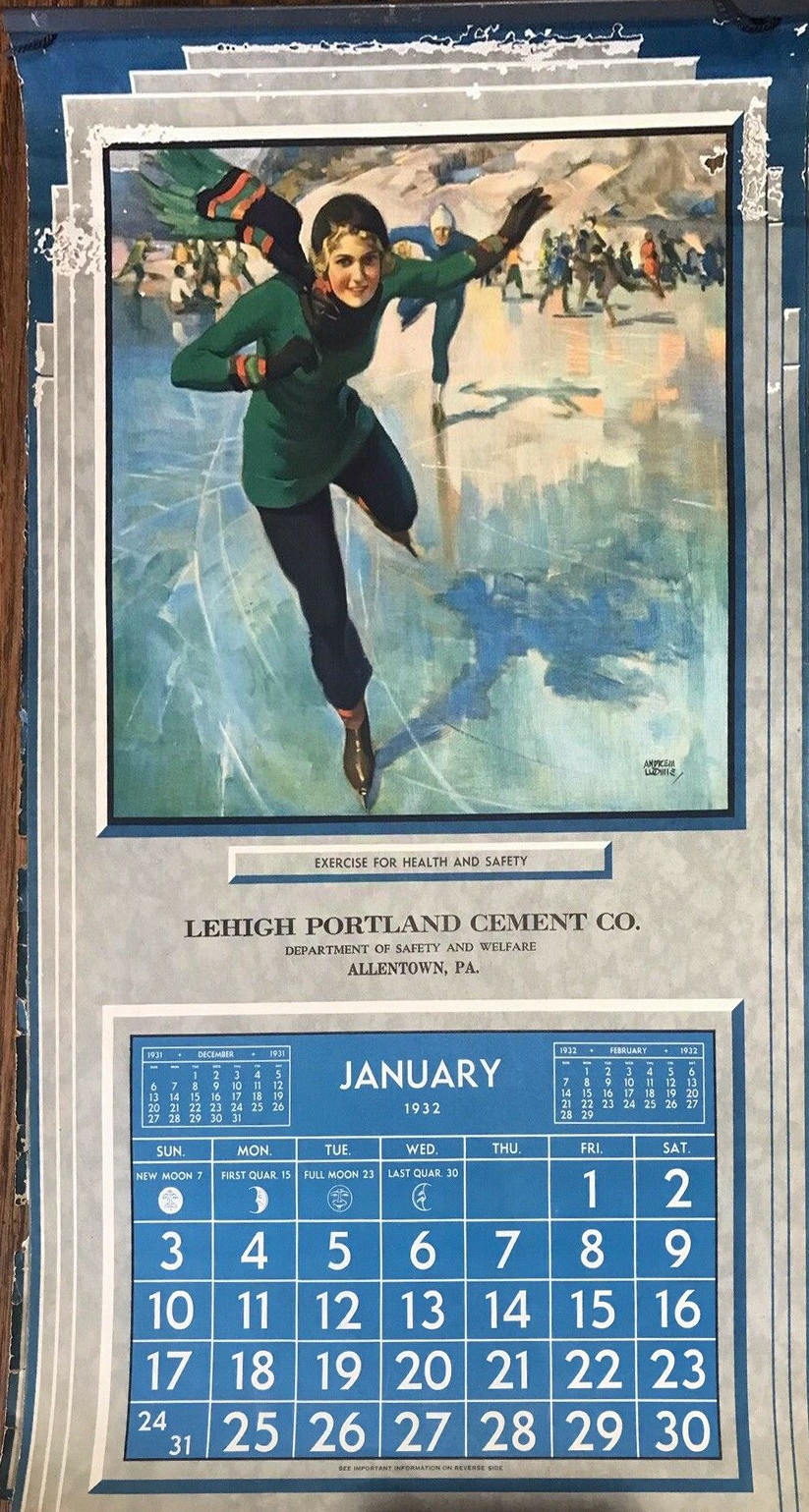
Calendars carried moon phases, planting signs, weather notes, holidays, postal rates, interest tables, conversions and whatever else would make the sheet worth consulting.
Dispersed across many sources.
The reference content is what made the object indispensable. A sheet on a kitchen wall that answers several recurring questions becomes the household’s first place to look for anything – which keeps the advertiser’s name in front of somebody far more often than a date alone would.
7. It Hung Where Everybody Could See It
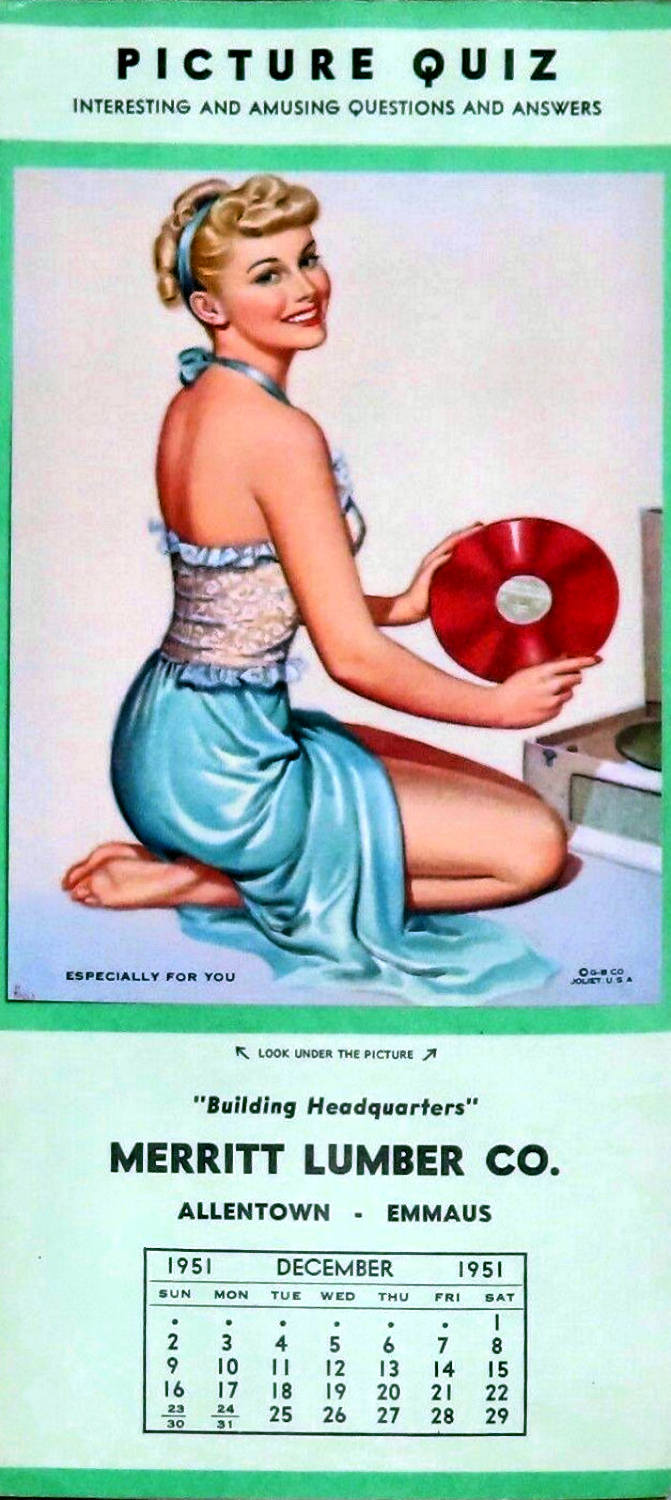
The calendar went on the kitchen wall, by the door or beside the telephone, in the place the household passed most often.
Not applicable.
The hanging position was the whole value of the placement. A household puts its calendar where it will be read, which means the advertiser’s name occupies the most looked-at wall in the house for twelve months – and no other form of advertising of that period came close to that.
8. People Wrote on It
Births, deaths, weather, prices, visits, the day a cow calved and the day somebody left were pencilled onto the squares.
Dispersed into phones and apps.
The annotation is what turns the object into a document. A calendar written on all year becomes a record of a household’s actual life, kept inadvertently, in pencil – and the surviving annotated ones are among the best sources that exist for what happened in an ordinary house in an ordinary year.
9. The Old One Was Kept
Rather than being thrown out, last year’s calendar frequently went into a drawer or onto a nail behind the door, because it had the year’s notes on it.
Not applicable.
Keeping the old one follows directly from having written on it. A household that has recorded a year on a sheet of paper is not going to burn it, so the calendars accumulated – which is why farm houses sometimes turn up with a decade of them stacked somewhere.
10. Then the Paper Was Used for Something Else
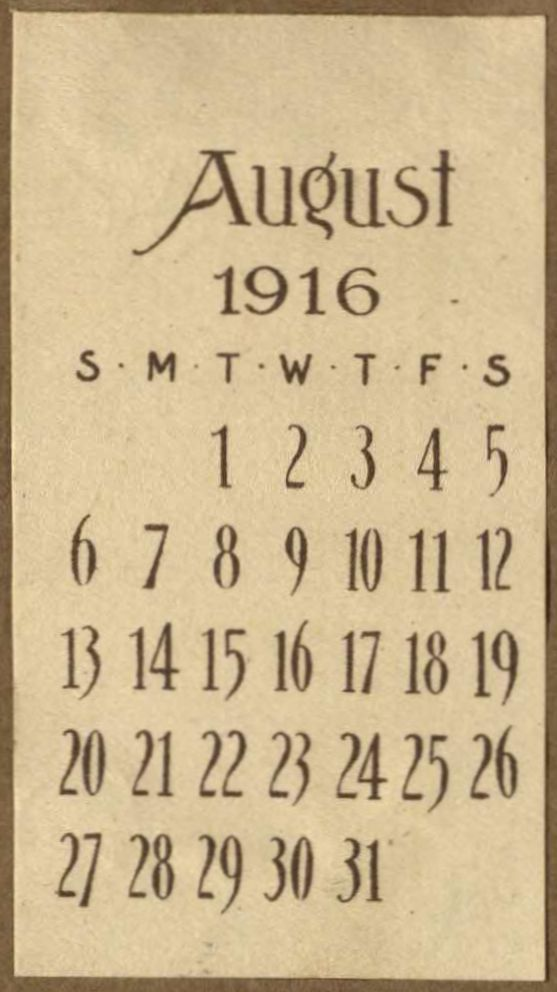
An expired calendar’s stiff printed sheet was used for lining drawers, wrapping, patterns, children’s drawing, and anything else that needed paper.
Not applicable.
The afterlife of the paper is the last stage of a thoroughly used object. Stiff printed stock was worth something to a household with no other supply of paper, so the calendar served as advertising, as reference, as a diary and finally as raw material – four uses from one free item.
11. Then Everything Acquired a Date
Watches, radios, newspapers, telephones and eventually every device displayed the date, and knowing what day it was stopped being something a household needed an object for.
Universal.
The redundancy came from the information rather than from the calendar. Once the date is everywhere, a sheet on the wall whose primary function is to supply it has lost its reason to exist – and an advertising medium that depends on being needed cannot survive its content becoming free.
12. And by 1964 They Were Still Being Given Out and Mattered Less
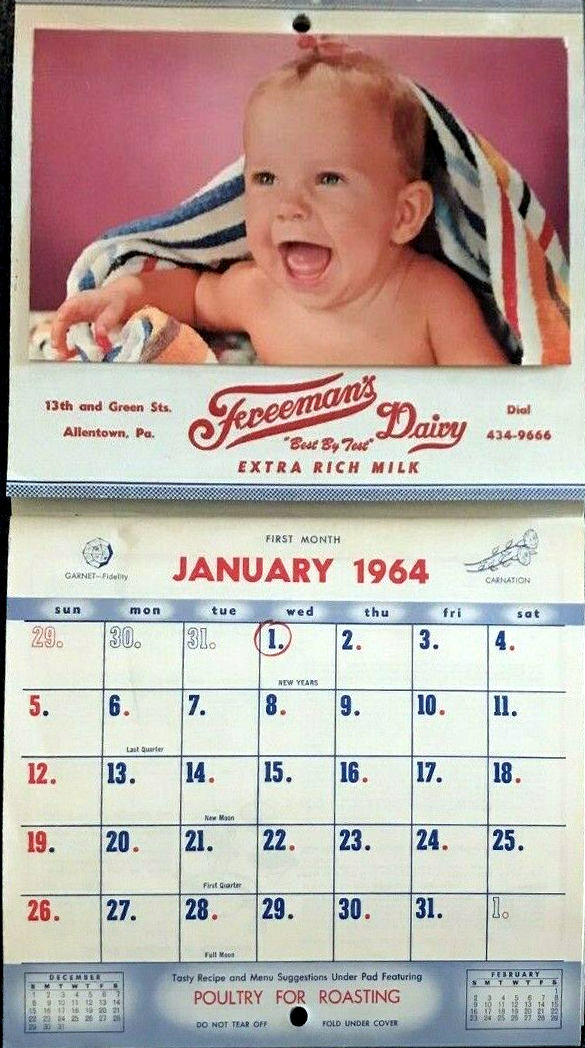
Businesses continued handing out calendars, households continued hanging them, and the object had become a pleasant promotional item rather than a necessity.
A small promotional category.
And what deserves the last word is how good a piece of advertising this was. An American business could put its name on the most looked-at wall in a household, for twelve months, by giving away an object the family genuinely needed and would otherwise have had to buy – and then that household wrote its own year onto the advertisement in pencil, kept it afterwards because of what was written on it, and used the paper for something else when it was finished. Four functions, one free sheet, and the name of a feed dealer in front of somebody several times a day for a year. Nothing in modern advertising achieves that, and the reason it worked is the part that cannot be reproduced: the household needed the thing, so it was grateful for it – which is a relationship no advertiser has had with anybody since.
Four Functions From One Free Sheet
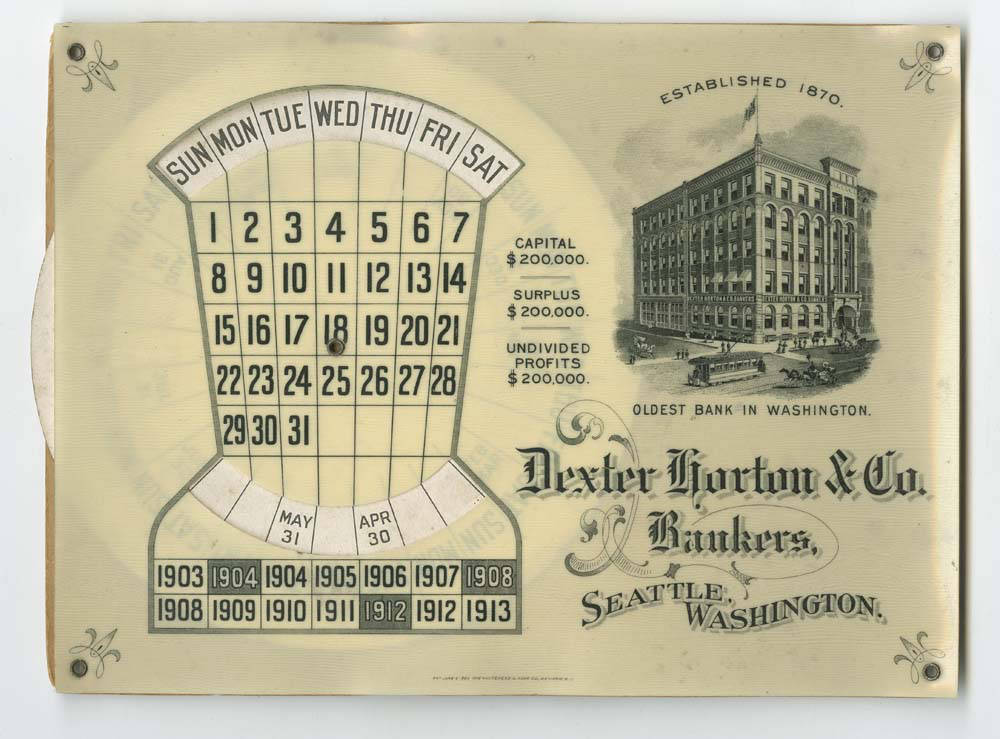
The advertising calendar is the most efficient piece of marketing anybody has ever handed out, and the reason has almost nothing to do with the advertising.
It starts with a genuinely clean piece of business logic. An advertisement that a household hangs on its own wall and consults every day for a year, by choice, is close to ideal – and the only way to get one onto that wall is to make the object genuinely useful and then give it away for nothing.
And it was needed. A household did not necessarily own a calendar unless somebody gave it one, which means the free advertising calendar was frequently the house’s actual record of the date. That is a remarkable position for a piece of marketing to occupy: a feed dealer’s advertisement doubling as a household’s infrastructure.
Which disciplined everything about how they were made.
The picture was doing the work – a large colour lithograph of a landscape, a child, an animal or a scene, printed to a standard well beyond what the advertising required. Because a calendar only advertises if somebody chooses to hang it, so the image has to be good enough that a household wants it on the wall. The advertisers were competing on art rather than on message.
Households chose between them. A family offered several kept the one with the best picture and the rest went in a drawer. Giving away a calendar nobody hangs is money spent for nothing, so businesses were in direct competition over which image a household preferred – which makes the surviving calendars a reasonably good record of popular taste.
And the proportions show how well the medium was understood. The name, trade and address sat below or beside the image, usually modestly, with the picture dominant. A loud advertisement with a small picture does not get hung – so the advertiser deliberately subordinated its own message in order to be looked at every day for a year.
The dates were only half of it. Calendars carried moon phases, planting signs, weather notes, holidays, postal rates, interest tables and conversions – whatever made the sheet worth consulting. A wall sheet that answers several recurring questions becomes the household’s first place to look for anything, which puts the advertiser’s name in front of somebody far more often than a date alone would.
Then it hung in the most-passed place in the house: the kitchen wall, by the door, beside the telephone. Which means the advertiser’s name occupied the most looked-at wall in a household for twelve months, and nothing else in the period’s advertising came close.
Now the two things that happened to it afterwards.
People wrote on it. Births, deaths, weather, prices, visits, the day a cow calved, the day somebody left – pencilled onto the squares. Which turns the object into a document: a calendar written on all year is a record of a household’s actual life, kept inadvertently, and the surviving annotated ones are among the best sources that exist for what happened in an ordinary house in an ordinary year.
So the old one was kept, in a drawer or on a nail behind the door, because of what was written on it. A household that has recorded a year on a sheet of paper does not burn it, which is why farmhouses sometimes turn up with a decade of them stacked somewhere.
And when it was finished, the paper was used – lining drawers, wrapping, patterns, children’s drawing. Stiff printed stock was worth something to a household with no other supply of paper.
Four uses from one free item: advertising, reference, diary, raw material.
One more thing about the physical object is worth noticing, because it explains why so many survive in good condition.
These were not flimsy. The sheet was stiff, the printing was on good stock, and the whole thing was usually finished with a metal strip along the top and bottom edges with a hanging ring punched through it – which is a binding method chosen because the object had to hang flat on a wall, in a kitchen, through a year of steam and handling, without curling or tearing at the nail.
That is a deliberate manufacturing decision and it says something about how the advertisers understood the arrangement. A calendar that falls apart in June has stopped advertising in June, so it was built to last exactly as long as its useful life and no longer – and the ones that were kept afterwards, in drawers and behind doors, were kept by households rather than preserved by anybody.
Which is why the surviving examples are frequently in better order than anything else printed in the same year. A newspaper was read and burned. A catalogue was used up and cut up. The calendar was built to be hung for twelve months, and then somebody could not bring themselves to throw away a sheet with their own year written on it.
What ended it was not the calendar but the information. Once watches, radios, newspapers, telephones and eventually every device displayed the date, a sheet whose primary function was supplying it had lost its reason to exist – and an advertising medium that depends on being needed cannot survive its content becoming free.
So the real lesson is in why it worked. An American business could put its name on the most looked-at wall in a household for a year by giving away something the family genuinely needed and would otherwise have had to buy. Then the household wrote its own year onto the advertisement in pencil, kept it afterwards for what was written on it, and used the paper for something else when it was done.
Nothing in modern advertising achieves that. And the reason is the part that cannot be reproduced: the household needed the thing, so it was grateful for it.
Which is a relationship no advertiser has had with anybody since.
If your family kept old calendars, read the pencil marks rather than the pictures.
That is a year of somebody’s life written in the squares.
Like our content? Follow us for more.