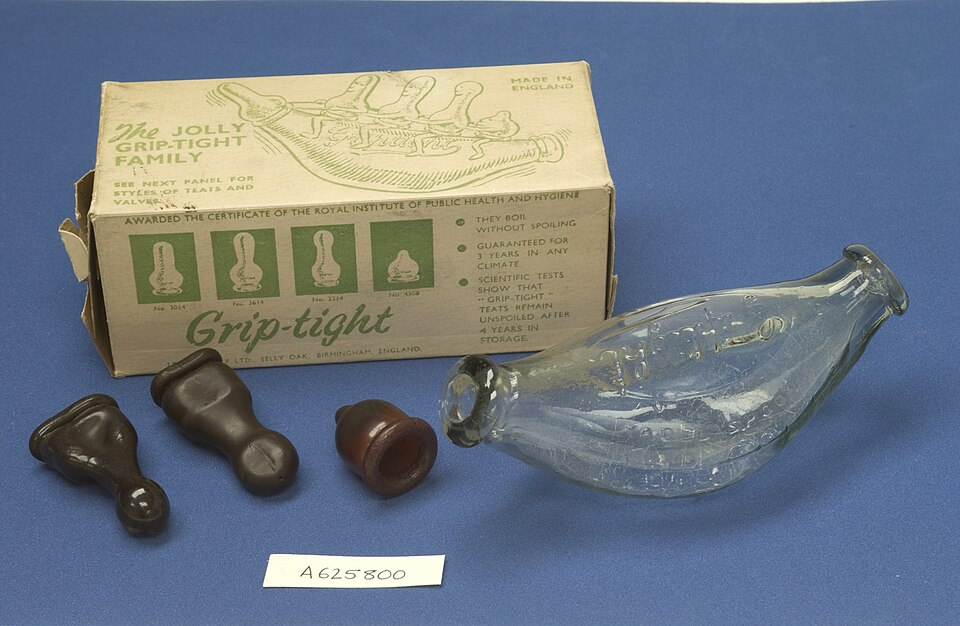
Infant feeding is the area of domestic practice where advice has changed most and where the change is least discussed, because almost nobody goes back and reads what their own mother was told. The 1962 kit was a set of entirely reasonable solutions to real problems using the materials and knowledge available, and nearly every element of it has since been replaced.
Nothing here is medical advice and no recipe, ratio, quantity or temperature appears anywhere; anything concerning a particular baby belongs with a clinician. What was fed to older children, and the nutritional guidance of the period, is covered separately in this batch. Here are twelve items from that counter, and what happened to each of them.
1. Glass bottles, in a house with a baby in it
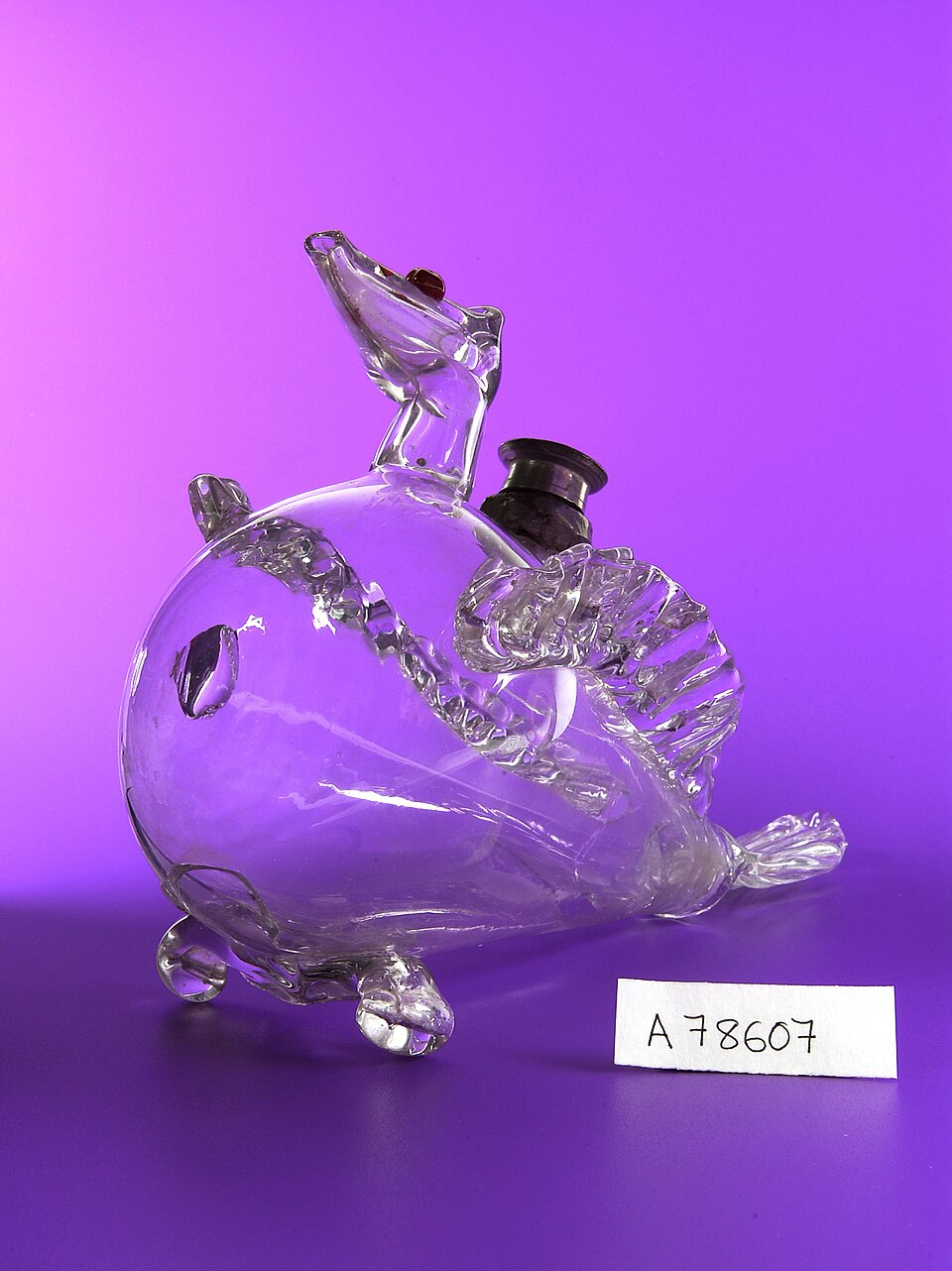
The feeding bottle of 1962 was glass. It was the obvious material: it could be boiled without degrading, it could be seen through so a mother could judge how much had gone, and it was cheap enough to own a dozen of.
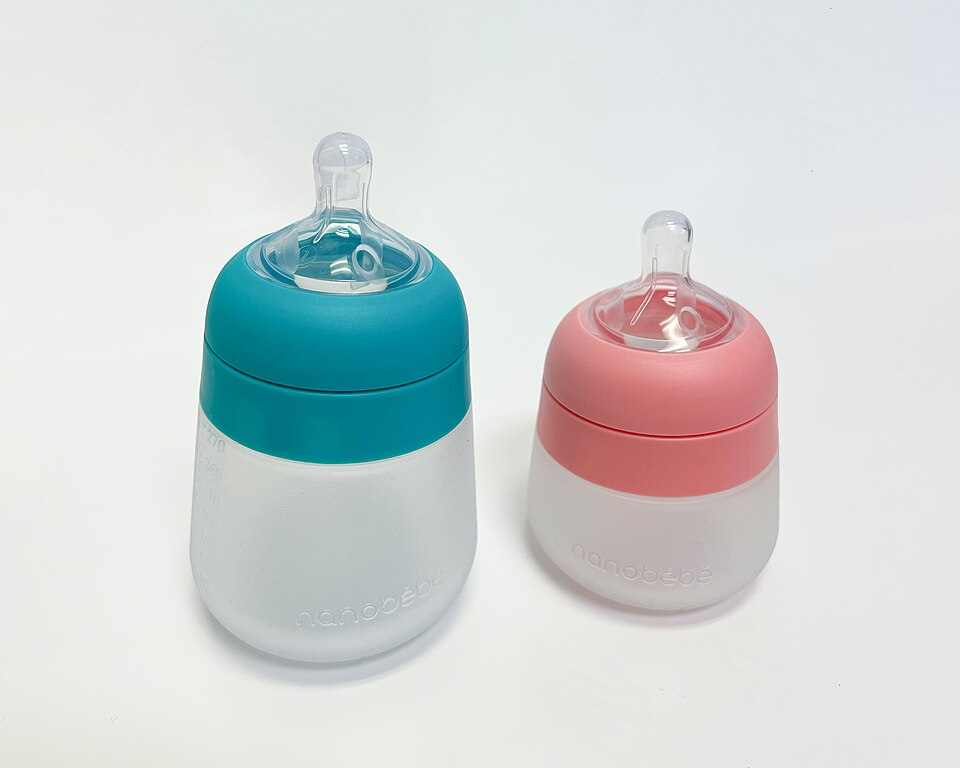
It also broke. A bottle dropped on a tiled kitchen floor or knocked off a cot side broke into a hazard in exactly the place a crawling baby would reach it, and a bottle that had been chipped without anybody noticing went back into use. Modern bottles are plastic or, where glass is used, are sold with a silicone sleeve designed to contain a break.
Glass has come back into fashion among American parents for reasons connected to item twelve on this list, and the versions sold now are a different proposition from the 1962 bottle. The sleeve is the difference, and it exists because somebody worked out that the material was fine and the failure mode was not.
Like our content? Follow us for more.
2. Rubber teats, boiled daily until they perished
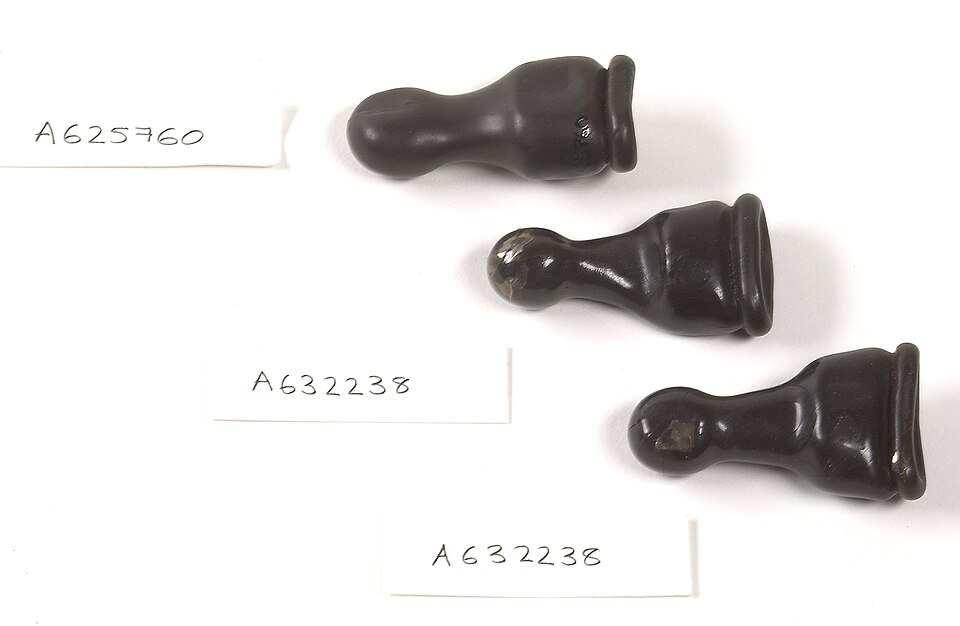
Teats were natural rubber and they were boiled with the bottles every day, which is the right thing to do and also what destroys rubber. They went soft, then sticky, then cloudy, then they tore, and a mother judged the moment by feel.
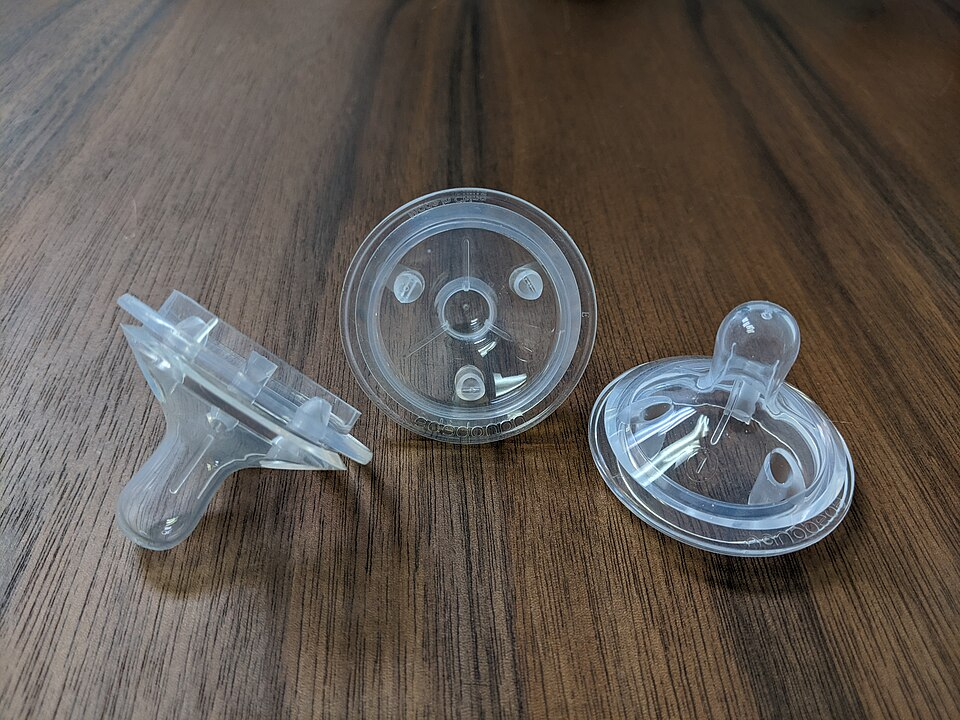
Current guidance is to inspect teats regularly and replace them at the first sign of thinning, discolouration, stickiness or tearing, and modern silicone teats tolerate repeated sterilising far better than rubber did. A perished teat can tear and release a piece.
This is a material science improvement rather than a regulatory one, and it is the kind that gets no credit. Silicone simply does the job rubber was being asked to do and could not, and the inspection advice exists because the old material gave very little warning.
3. Formula made up at home from evaporated milk and syrup
A great many American babies in 1962 were fed on a mixture made in the kitchen from tinned evaporated milk, water and a carbohydrate — corn syrup or sugar — to a recipe given by a physician or taken from a magazine. Commercial formula existed and the home-made version was cheaper and extremely widespread.
Infant formula in the United States has been regulated since the Infant Formula Act of 1980, which sets nutrient requirements, quality control procedures, testing, record-keeping and recall provisions. No recipe, ratio or quantity is given here, and current guidance is unambiguous that infant feeding uses breast milk or a commercially prepared formula.
The 1980 act was passed after a serious episode at the end of the 1970s in which reformulated commercial products left infants deficient in an essential mineral. The lesson applied to the home-made version with equal force: an infant’s whole diet is a far less forgiving thing to improvise than anybody realised.
4. Mixed by eye, in whatever jug was to hand
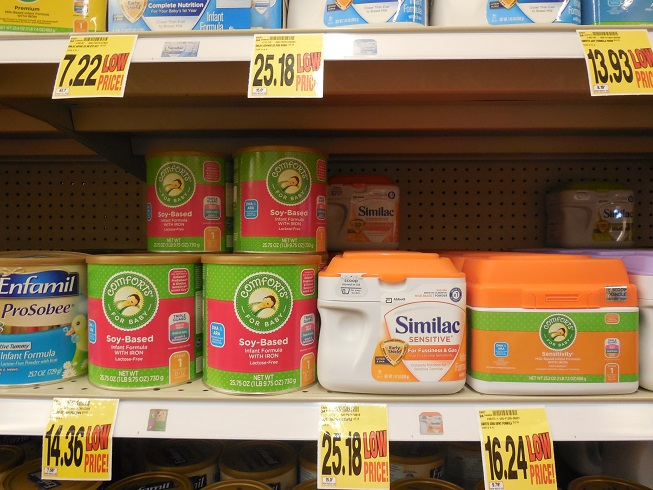
The water, the milk and the carbohydrate were combined by estimate as often as by measure, in a jug, scaled up to make a day’s bottles at once, and kept in the refrigerator. A busy mother with four children did not weigh anything.
Preparation of modern formula is specified exactly — the scoop provided, the stated volume, the stated water temperature, made fresh for each feed or stored for a stated short period — because the concentration matters in both directions and because a made-up bottle is a growth medium.
Over-concentration and over-dilution are both harmful and neither is visible. The instruction on a modern tin looks fussy and every element of it is there because an infant has very little margin, which is precisely what the 1962 kitchen did not know.
5. Evaporated milk in cans closed with lead solder
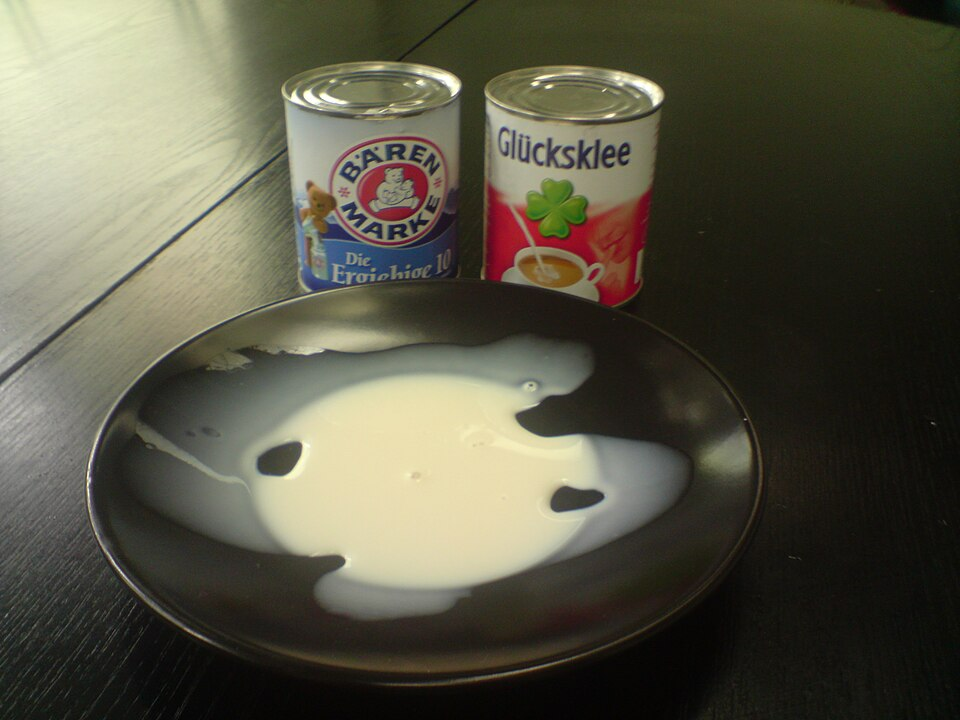
The tinned evaporated milk that formed the base of the home-made mixture came in cans whose side seams were closed with lead solder, which was standard for American food cans at the time.
The Food and Drug Administration prohibited lead solder in food cans sold in the United States in 1995, having worked the industry away from it through the preceding decade. The measurable reduction in dietary lead exposure from packaging was substantial.
This item is included because of who was drinking it. Lead exposure matters most in infancy and early childhood, and the product at the centre of American infant feeding for a generation arrived in a leaded container. Nobody connected the two at the time because nobody was looking at either.
6. Honey, on a spoon or on the end of a pacifier
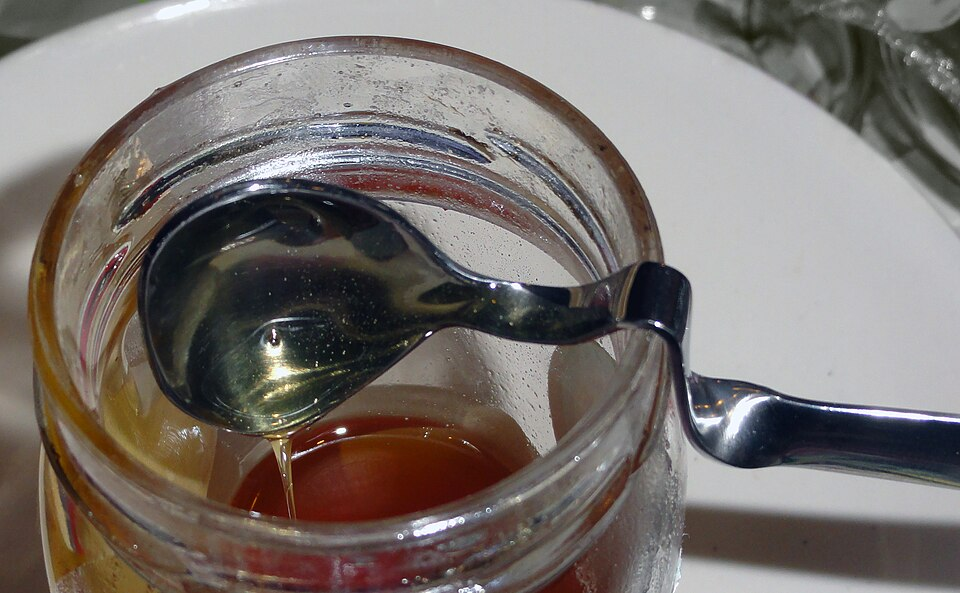
Honey was given to babies as a soother, a sweetener and a folk remedy for a cough, on a spoon or smeared on a pacifier or a teat. It is a practice of very long standing and it was entirely unremarkable in an American kitchen.
Honey should not be given to infants under twelve months. It can contain spores that an adult gut handles without difficulty and an infant gut does not, and the resulting illness in babies is serious. This is among the firmest and most unambiguous pieces of modern infant guidance there is.
The link was established in the later 1970s, which means the 1962 practice preceded the finding by fifteen years. It is the single clearest item in this list: a traditional practice, universally regarded as benign, identified as a specific hazard to a specific age group, and now the subject of a flat prohibition in guidance.
7. A pacifier dipped in sugar or syrup

Dipping the pacifier was the standard way to make a reluctant baby take it, and it was also done with condensed milk, jam and corn syrup. In some households it was routine at every sleep.
Current guidance is against it, on two grounds: dental, because sugar held against emerging teeth for long periods causes decay in a pattern dentists recognise immediately, and because with honey specifically it carries the hazard in the previous item.
Pacifiers themselves have gone the other way and are now positively suggested at sleep in American guidance, which is covered elsewhere in this batch. The object was rehabilitated and the practice of dipping it was not.
8. The bottle propped in the cot so the baby could feed alone
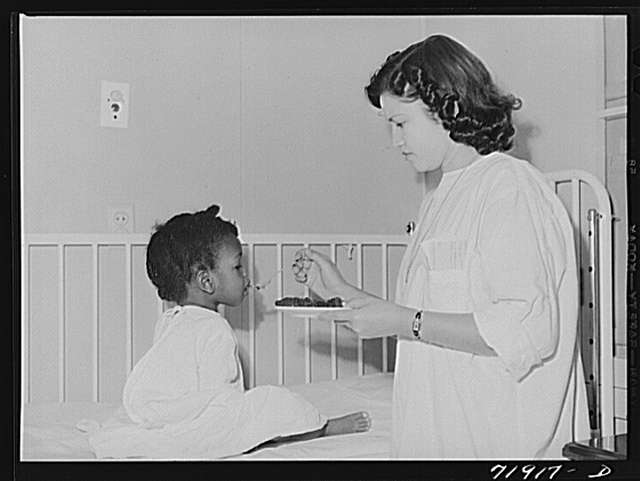
Propping was a labour-saving arrangement with a certain amount of ingenuity behind it: a folded blanket, a cushion, or a purpose-made bottle holder sold for the job, leaving the baby to take the feed unattended while the mother did something else.
Current guidance is against propping at any age. A baby cannot turn away from a propped bottle, which is both a choking concern and a feeding one, and the practice is also associated with ear infections because of the position the baby is held in.
The purpose-made holders are the detail that surprises people. This was not an improvised shortcut that mothers were getting away with; it was a product category sold in American stores for exactly that use.
9. The bottle in bed overnight
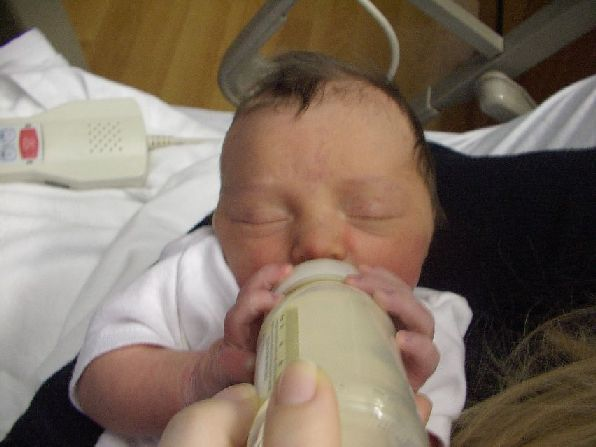
A bottle given at bedtime and left with the baby through the night was a widespread American practice, and it worked, in the sense that the baby settled and stayed settled.
Guidance is firmly against it. Milk or juice pooling around the teeth through a night of sleep produces a severe and distinctive pattern of early childhood decay, and the condition is well enough recognised to have been named after the practice.
This is the item that affected the most children for the longest, because it carried on well past 1962 and in many families past the point where the advice had changed. The dental consequence was identified and publicised through the 1970s and 1980s and the habit took another generation to shift.
10. Sugar water, given as a matter of routine
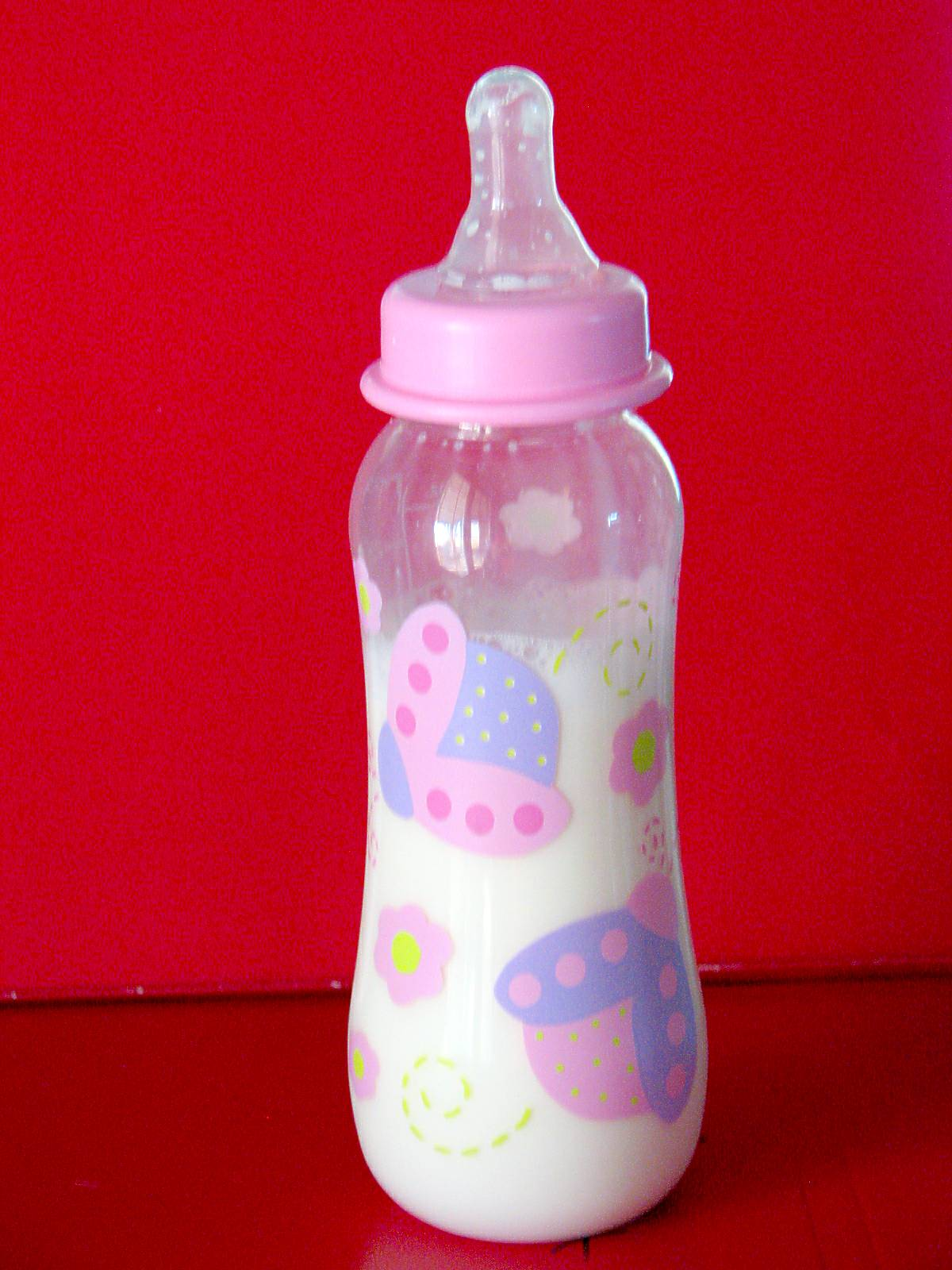
Boiled water with sugar in it was given to American babies routinely — for colic, for thirst in hot weather, to settle a baby between feeds, and in hospital nurseries as a first feed before the mother’s milk came in.
Modern guidance is that a baby under six months needs nothing but breast milk or formula, including water, except on specific medical advice. Routine supplementation with water or sugar water displaces the feeds a baby needs and can disrupt feeding being established.
The hospital nursery practice is the part that most changed. A supplementary bottle given on a schedule in a central nursery, before feeding was established, is now understood to have undermined the thing it was meant to support, which is covered further elsewhere in this batch.
11. Warming the bottle on the stove, with no way to check it
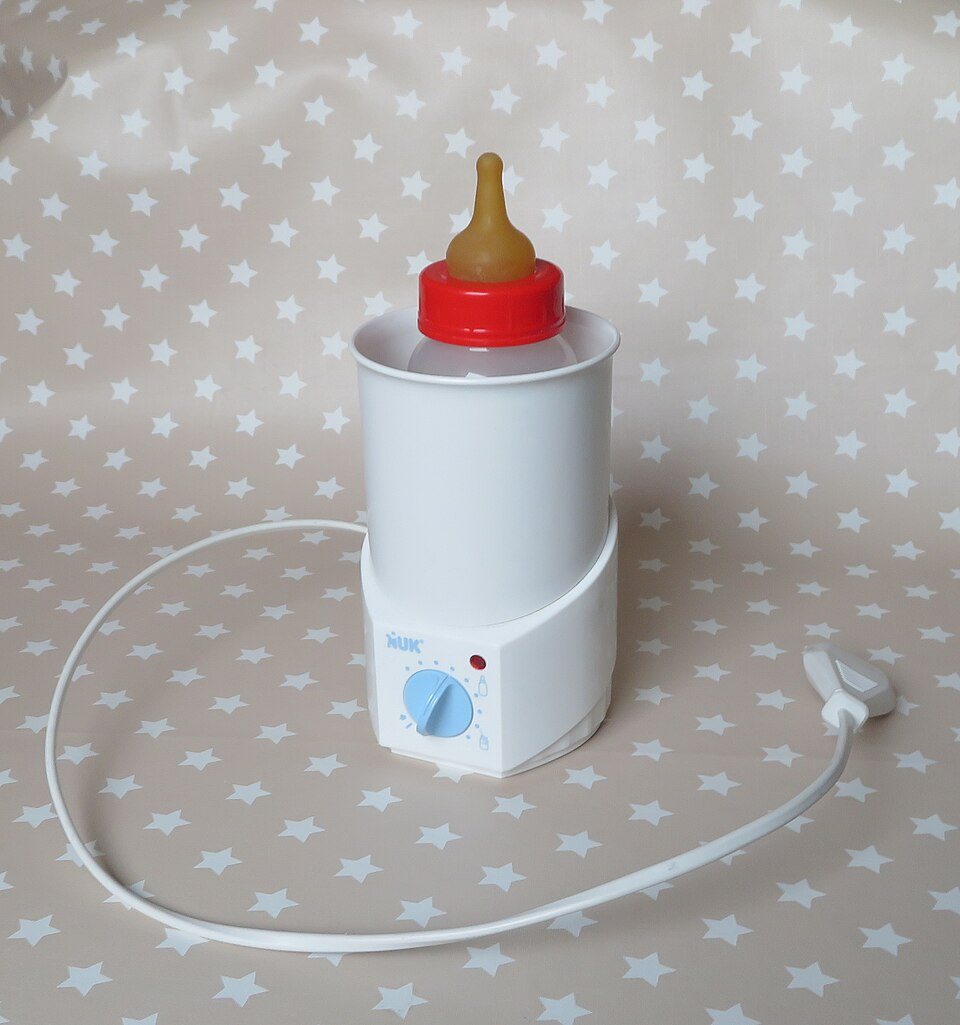
Bottles were warmed in a pan of water on the stove or held under a hot tap, and the temperature was checked by shaking a few drops onto the inside of the wrist. That test is a genuinely good one and it is still recommended.
What has gone is the method. A pan on a stove heats unevenly and can take a bottle far hotter than intended, and the microwave, which replaced it in many American kitchens, is worse, because it produces hot spots in the milk that the wrist test on the outside of the bottle does not detect.
The modern recommendation is a bowl of warm water or a thermostatic warmer, and specifically not a microwave. The wrist test survives from 1962 and is the only item in this entire list that current guidance endorses unchanged.
12. And the hazard that arrived afterwards
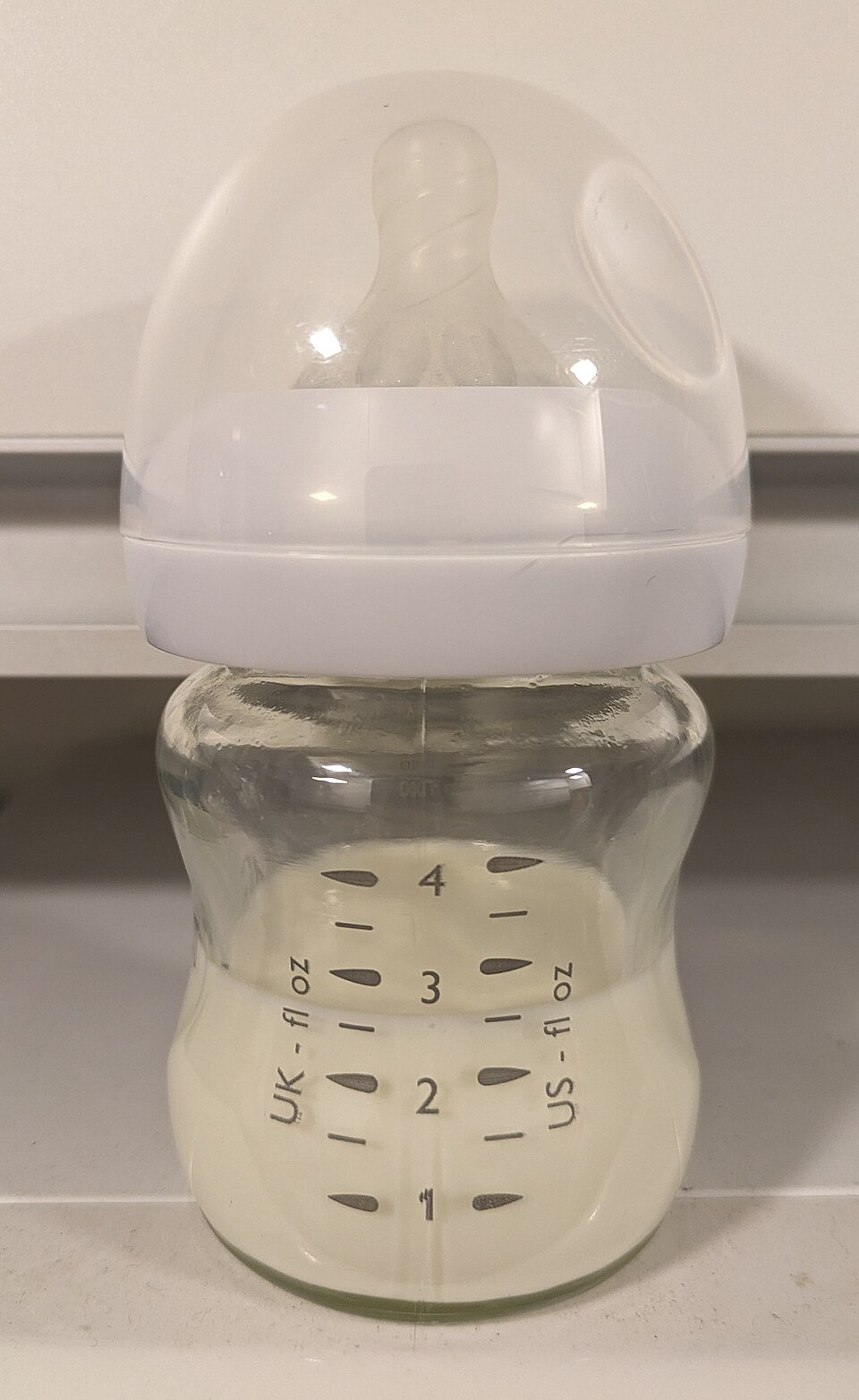
This list would be dishonest if it stopped in 1962. The glass bottle was largely replaced through the 1970s and 1980s by polycarbonate, which was light, clear, unbreakable and, as it turned out, made with bisphenol A.
Concerns about the compound leaching from the plastic, particularly when heated, led the Food and Drug Administration to end its authorised use in American baby bottles and children’s drinking cups in 2012, following the industry having already abandoned it.
That is the honest note to end on. The replacement for the material in item one had a problem of its own that took thirty years to identify, which is why glass has come back with a silicone sleeve on it. The process did not finish in 1962 and it has not finished now.
Materials, measurement and the thing nobody was told
The list divides three ways. Four items are materials — glass, rubber, the leaded can, and then the polycarbonate that replaced the glass — and all four were solved by better materials rather than by rules. Four are measurement and preparation, and those were solved by regulation and by the instruction printed on a tin. The remaining four are practices: propping, the night bottle, the dipped pacifier and the sugar water, and those were solved, slowly and incompletely, by somebody identifying a specific consequence and telling enough people about it.
The third group took the longest and is the most instructive. Propping had a product category built around it. The night bottle produced a dental condition distinctive enough to be named after the practice. Both carried on for decades after the finding, because a practice that works for the parent in the moment is much harder to shift than an ingredient a manufacturer can be made to remove.
The one piece of 1962 practice that current guidance endorses without modification is the wrist test. Shake a few drops onto the inside of your wrist. It was right then, it is right now, and it is the only thing on the counter that has not had to change.
Everything else, including the material that replaced the material in item one, has been through at least one reversal. That is the honest summary of sixty years of infant feeding advice, and it is a reason to read the current instruction rather than to distrust it.
Like our content? Follow us for more.