

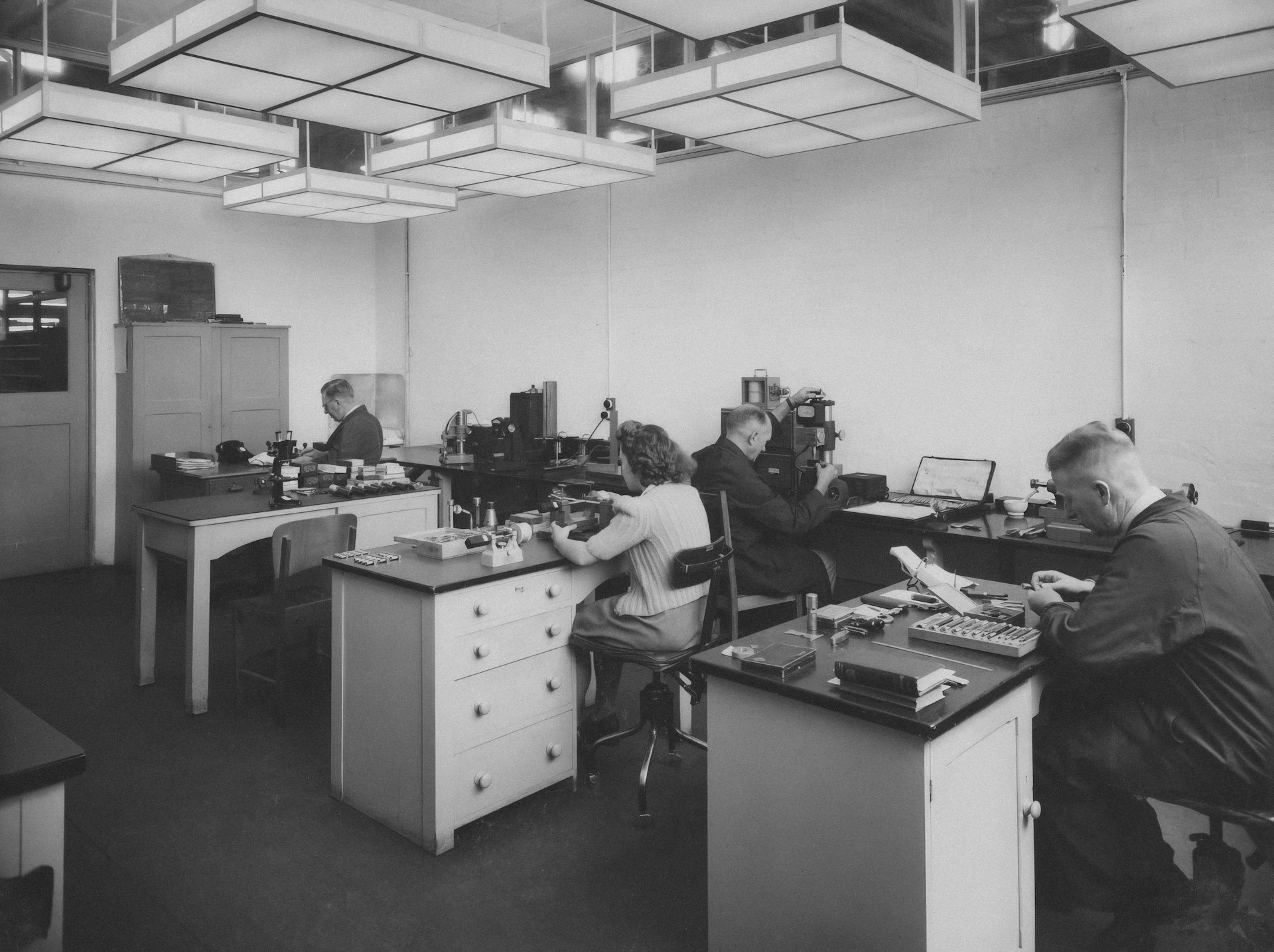
The American office of 1985 was a world of paper, smoke, and the constant clatter of machinery, a workplace that would feel like a foreign country to anyone who started their career in the digital age. There were no email inboxes, no cell phones, no internet, and a whole ecosystem of tools and habits that have since disappeared completely. The pace was different, the atmosphere was different, and the very air was different. Here is a nostalgic tour of what you would have found in a typical American office in 1985, and the reasons each fixture has faded into history.
Ashtrays on Every Desk
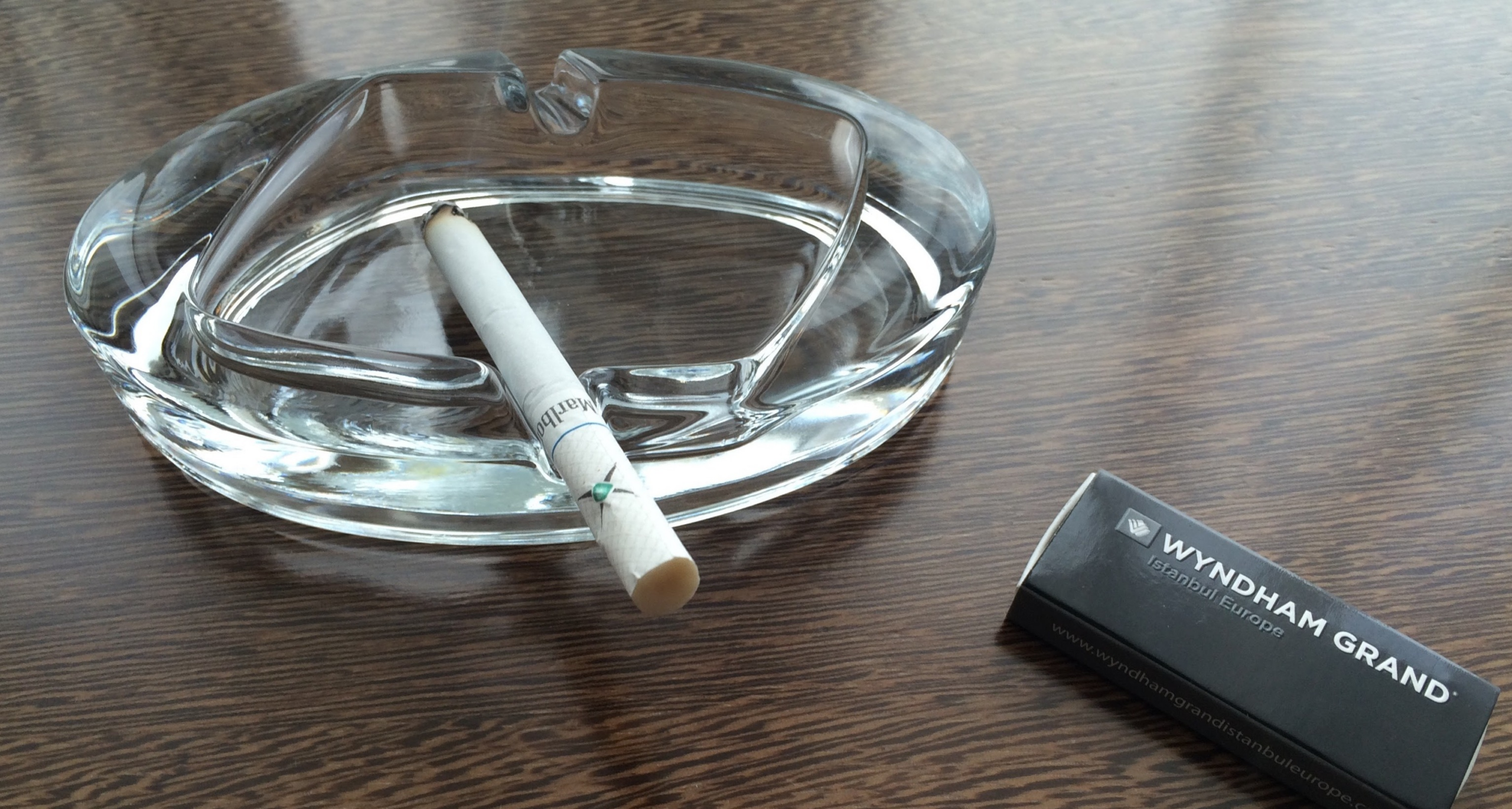
Perhaps nothing captures the difference more than this: in 1985, people smoked at their desks. Ashtrays were standard office supplies, smoking was permitted indoors in most workplaces, and a perpetual haze hung in the air of many offices. Colleagues lit up during meetings, on phone calls, and at their typewriters.
As understanding of the dangers of secondhand smoke grew, indoor-smoking bans spread through workplaces across the country, and today smoking in an office is essentially unthinkable and widely illegal. The desk ashtray, once as common as a stapler, has vanished entirely. The smoke-free modern office is one of the most dramatic, and healthiest, changes of the past few decades.
Like our content? Follow us for more.
The Typewriter
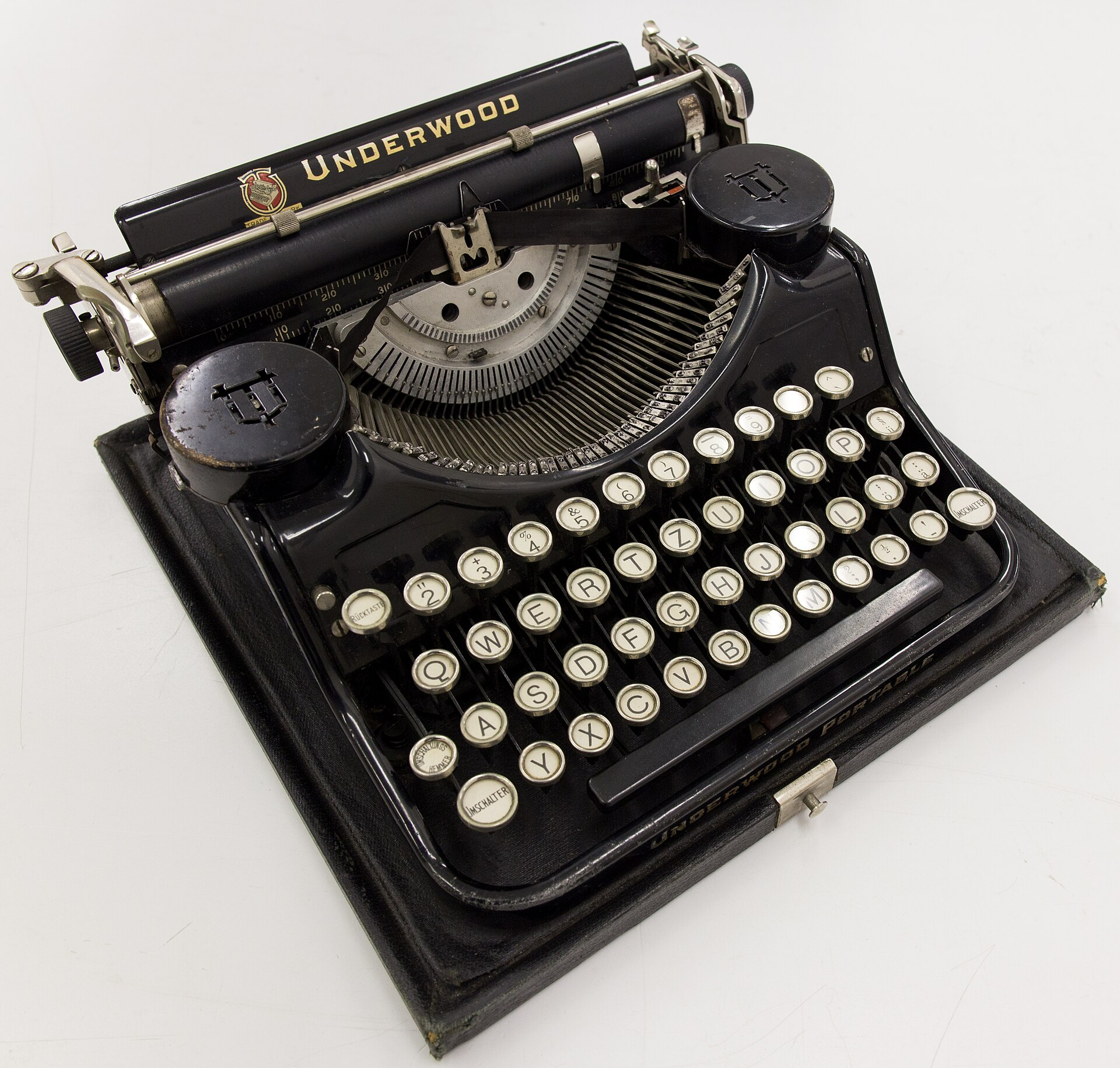
Before the personal computer conquered the workplace, the typewriter was the heart of the office. The rhythmic clatter of keys and the ding of the carriage return were the soundtrack of work, and skilled typists were essential. Correcting a mistake meant correction fluid or special tape, and a fresh copy meant retyping the whole page.
The rise of the personal computer and word processor rendered the typewriter obsolete with remarkable speed. Today it is a nostalgic curiosity, but in 1985 it was indispensable. The shift from typewriter to computer transformed not just how documents were produced but the entire nature of office work, and few tools have fallen so completely out of use.
The Rolodex
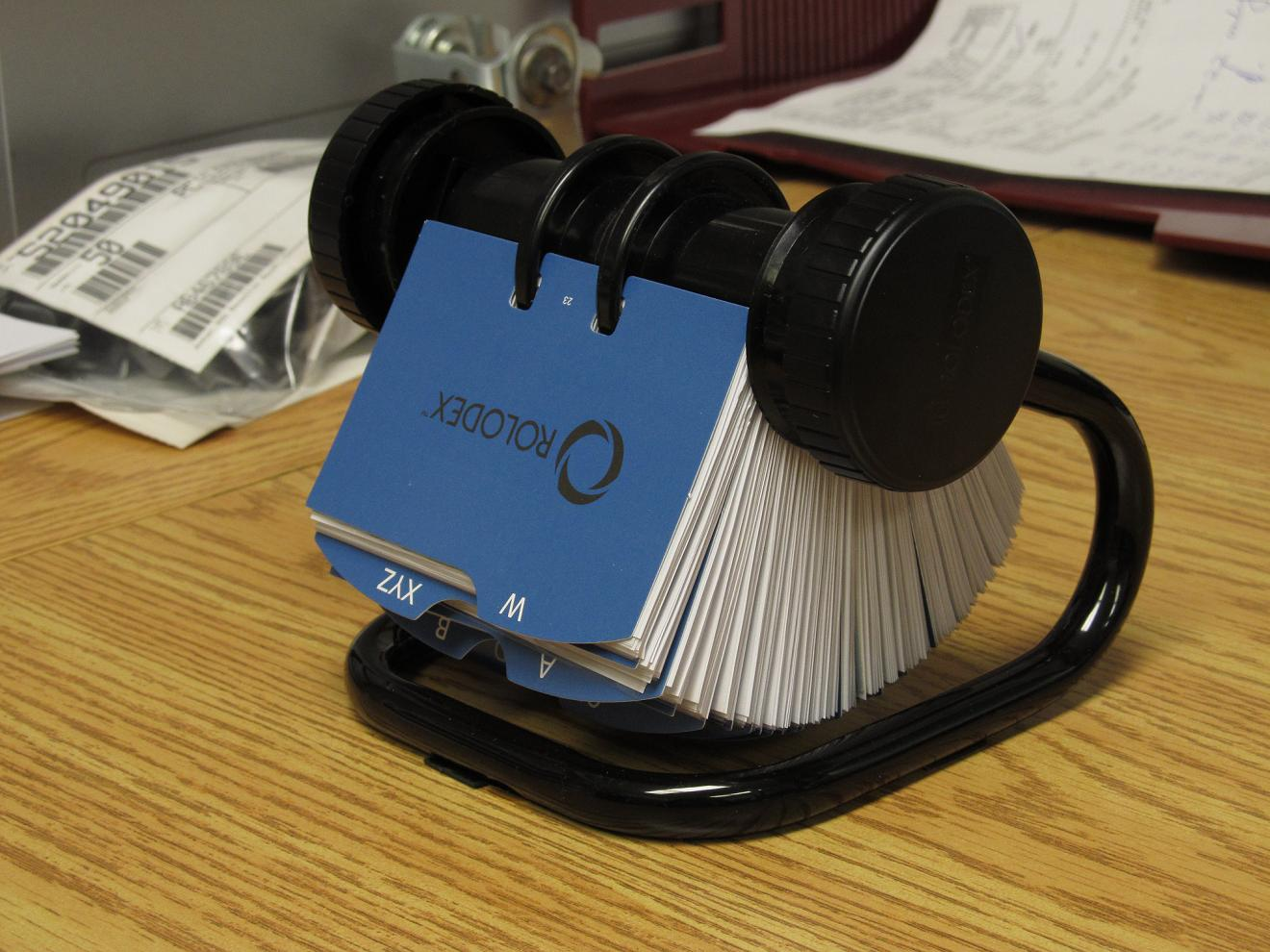
To keep track of contacts, the 1985 office worker relied on the Rolodex, a rotating file of cards holding names, phone numbers, and addresses. A well-stocked Rolodex was a professional’s most valuable possession, representing years of accumulated connections, and “let me check my Rolodex” was everyday office language.
Digital contact lists, smartphones, and professional networking sites have made the physical Rolodex obsolete. The idea of manually maintaining a spinning wheel of contact cards seems quaint now, but it was the backbone of business relationships for decades. The Rolodex survives mainly as a metaphor, its physical form long retired to desk drawers and antique shops.
Carbon Paper and Mimeograph Machines
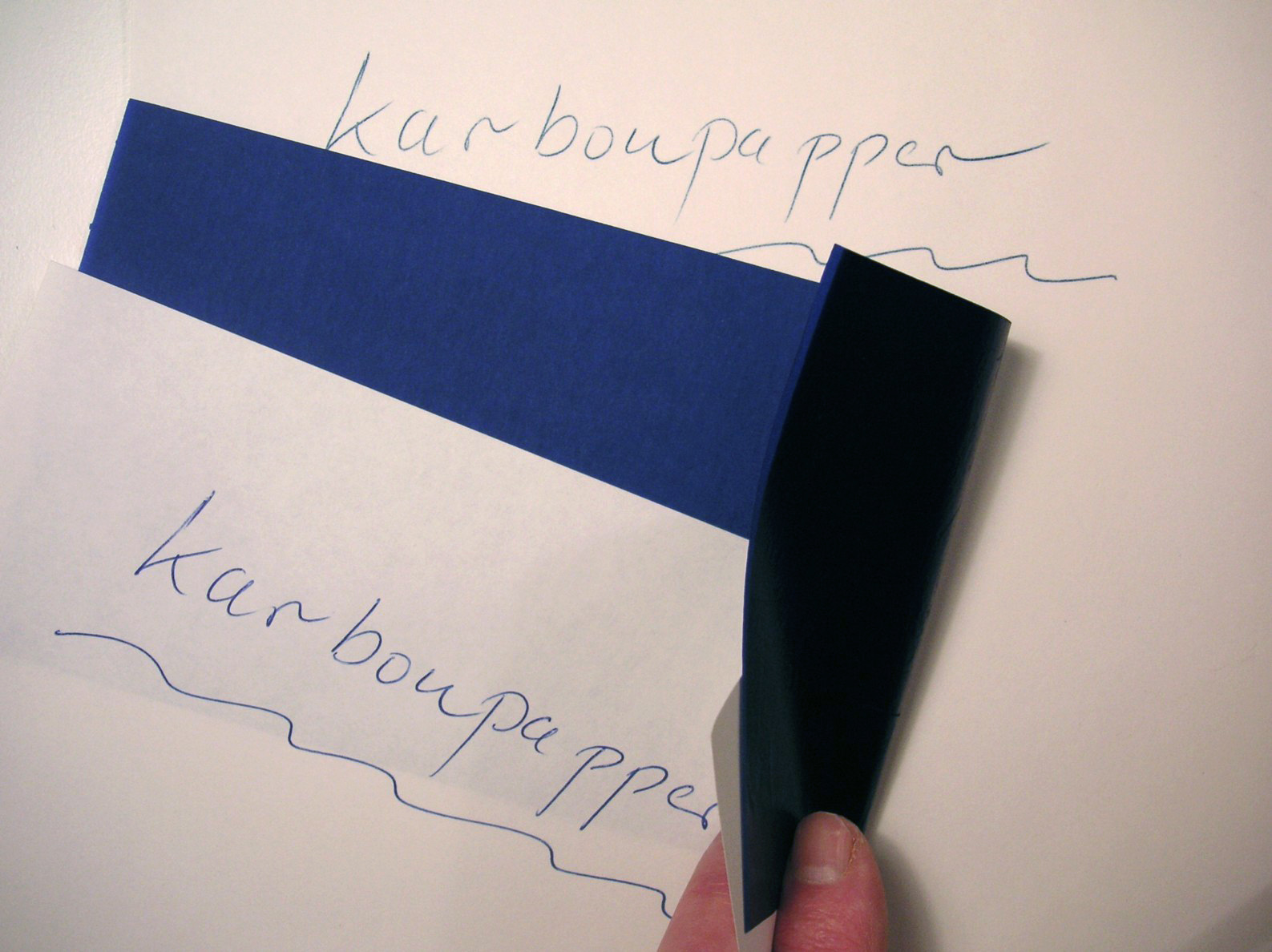
Making copies in 1985 often meant carbon paper, sheets that produced a duplicate as you typed or wrote, or the mimeograph and early copier machines with their distinctive smell and mess. Distributing a document to a team was a genuine production involving ink, stencils, and patience.
The modern photocopier, printer, and above all digital file sharing made these messy duplication methods obsolete. The faint purple ink of a freshly mimeographed page is a powerful sensory memory for those of a certain age. The entire laborious process of making and distributing copies has been replaced by the click of a “send” button.
The Memo and the Inbox Tray
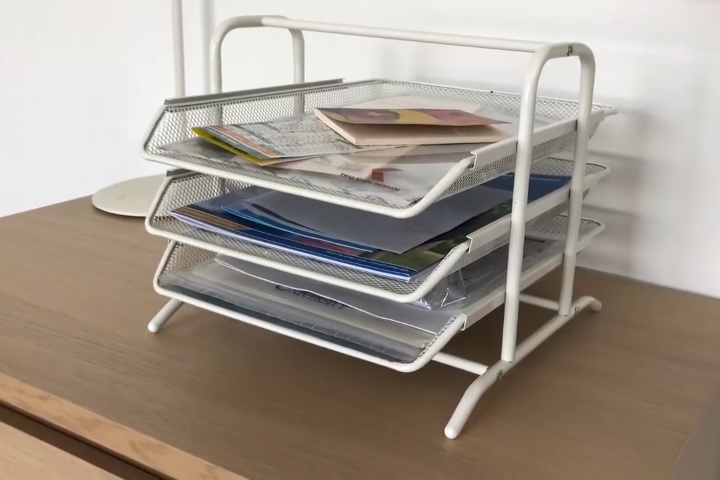
Communication in 1985 ran on paper memos, physically typed, copied, and distributed, and the physical inbox and outbox trays that sat on every desk. Information moved at the speed of interoffice mail, carried by hand or internal mail carts from one tray to the next.
[IMAGE SUGGESTION] Wikimedia Commons “office inbox tray paper memos” — CC-licensed image of desk trays.
Email obliterated this entire system, collapsing days of paper-shuffling into instant digital messages. The physical inbox tray, once overflowing with memos and documents, has given way to the email inbox, though the term lives on. The transformation of office communication from paper to digital is perhaps the single biggest change in how work gets done.
The Shared Landline and the Phone Message Pad
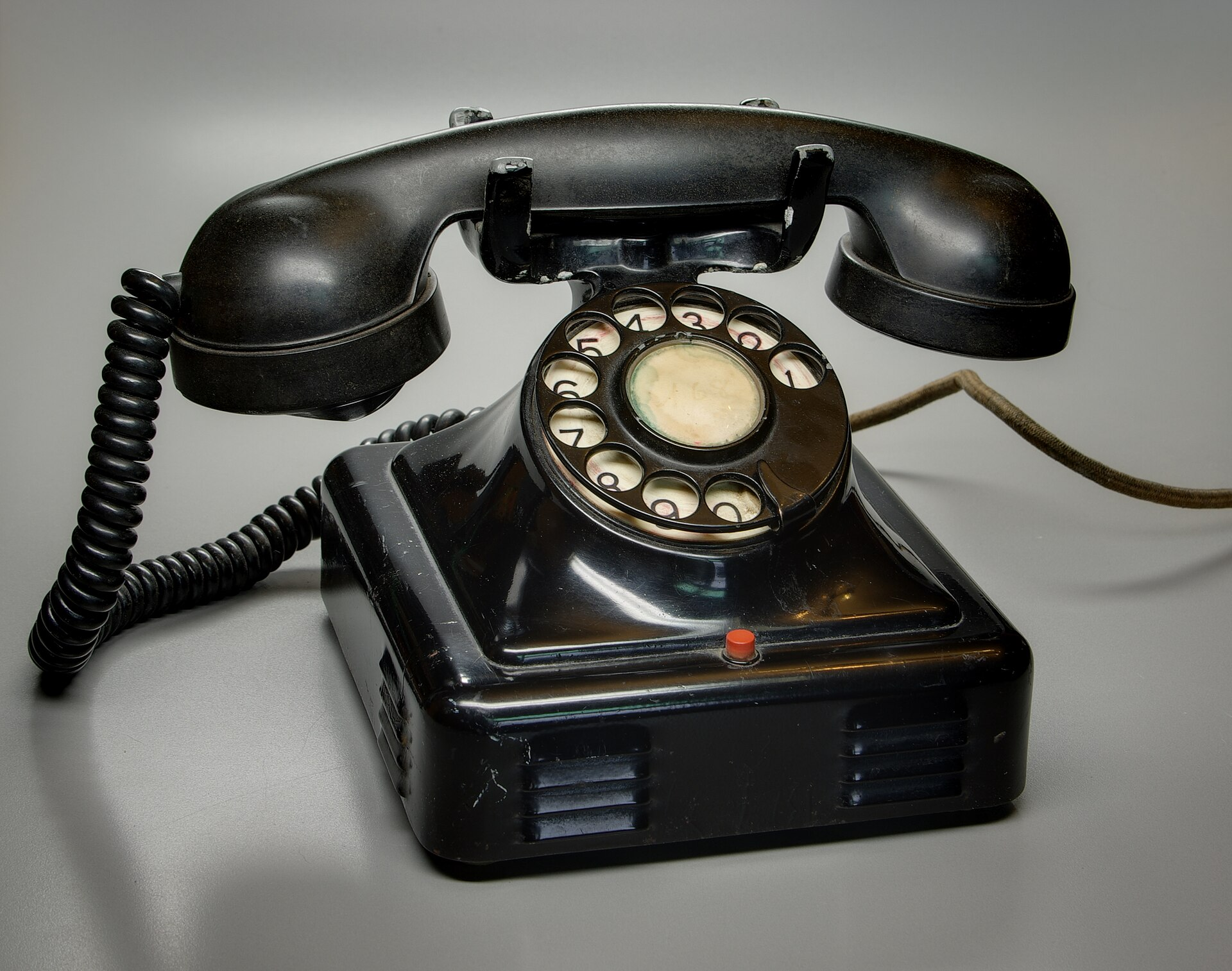
With no cell phones, the office ran on landline telephones, often shared, with calls routed through a receptionist or switchboard. When someone was away from their desk, a colleague took a message on the ubiquitous pink “While You Were Out” message pad, a slip left on the desk to be found later.
Voicemail, mobile phones, and instant messaging have made the handwritten phone message a relic. The whole culture of taking and leaving paper messages, of playing “phone tag,” has largely disappeared. The shared office phone and its accompanying message pad were central to a workplace where being reachable meant being physically present at your desk.
Smoking Breaks, Coffee Service, and the Water Cooler
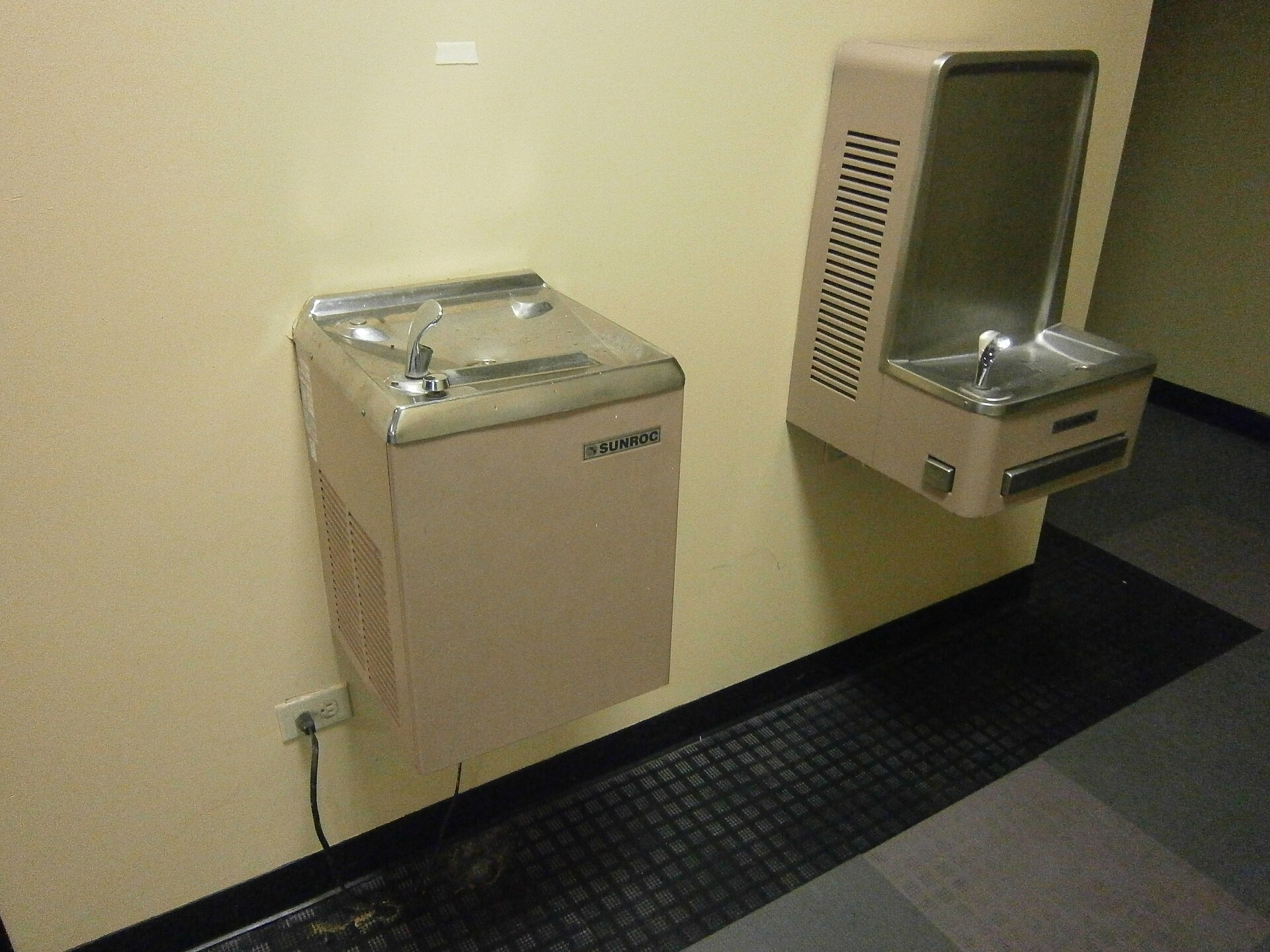
The social rhythms of the 1985 office had their own fixtures. The coffee was often made in a communal pot that someone was always responsible for refilling, the water cooler was a genuine gathering spot for conversation, and the smoke break was a standard social ritual. The pace allowed for more in-person interaction.
Many of these social structures have shifted with remote work, changing norms, and new technology. The “water cooler conversation” survives as a phrase even as the literal gathering has faded. The 1985 office, for all its smoke and paper, was in some ways a more physically social place, with rhythms built around shared spaces and face-to-face contact.
The Dress Code and Office Culture
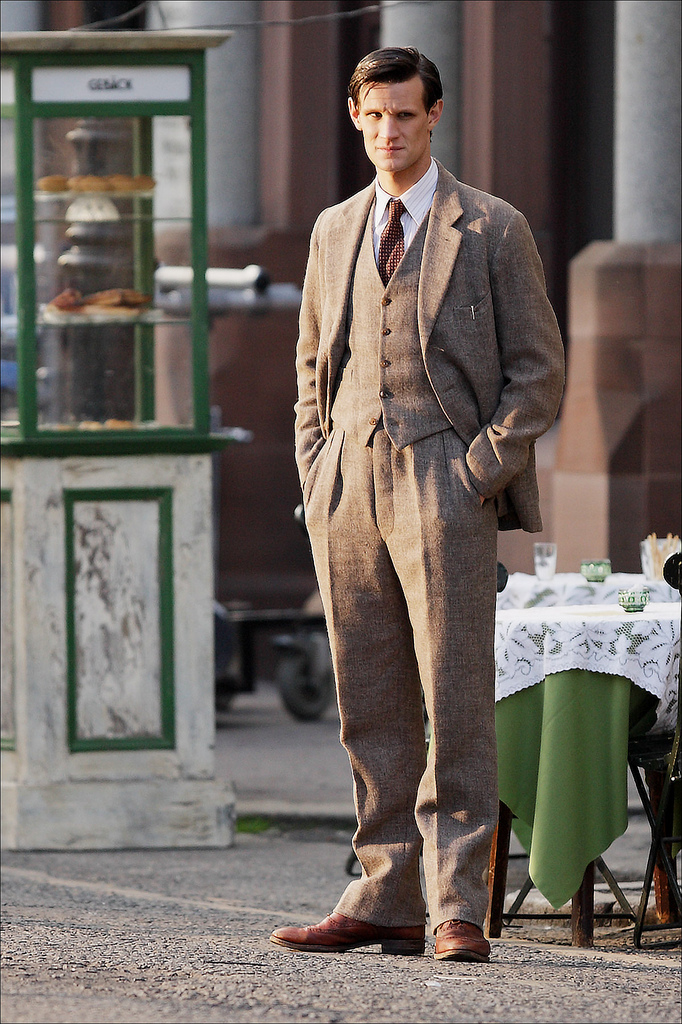
The culture of the 1985 office extended to how people dressed and behaved, and here too the changes have been dramatic. The workplace of the 1980s generally enforced more formal dress codes, with suits, ties, and formal attire expected in many offices, reflecting a more rigid and hierarchical professional culture. Casual Fridays, let alone everyday casual wear, were largely unknown.
Over the following decades, workplace dress codes relaxed dramatically, accelerated by the rise of technology companies and changing attitudes, to the point where business-casual and even fully casual attire became common in many fields. The shift mirrored broader changes in office hierarchy and culture, which generally became flatter and less formal. The buttoned-up, suit-and-tie atmosphere of the 1985 office, with its strict codes and formal manners, has given way to a far more relaxed professional world, another way the workplace of four decades ago would feel foreign to a modern employee.
Why the Office Transformed So Completely
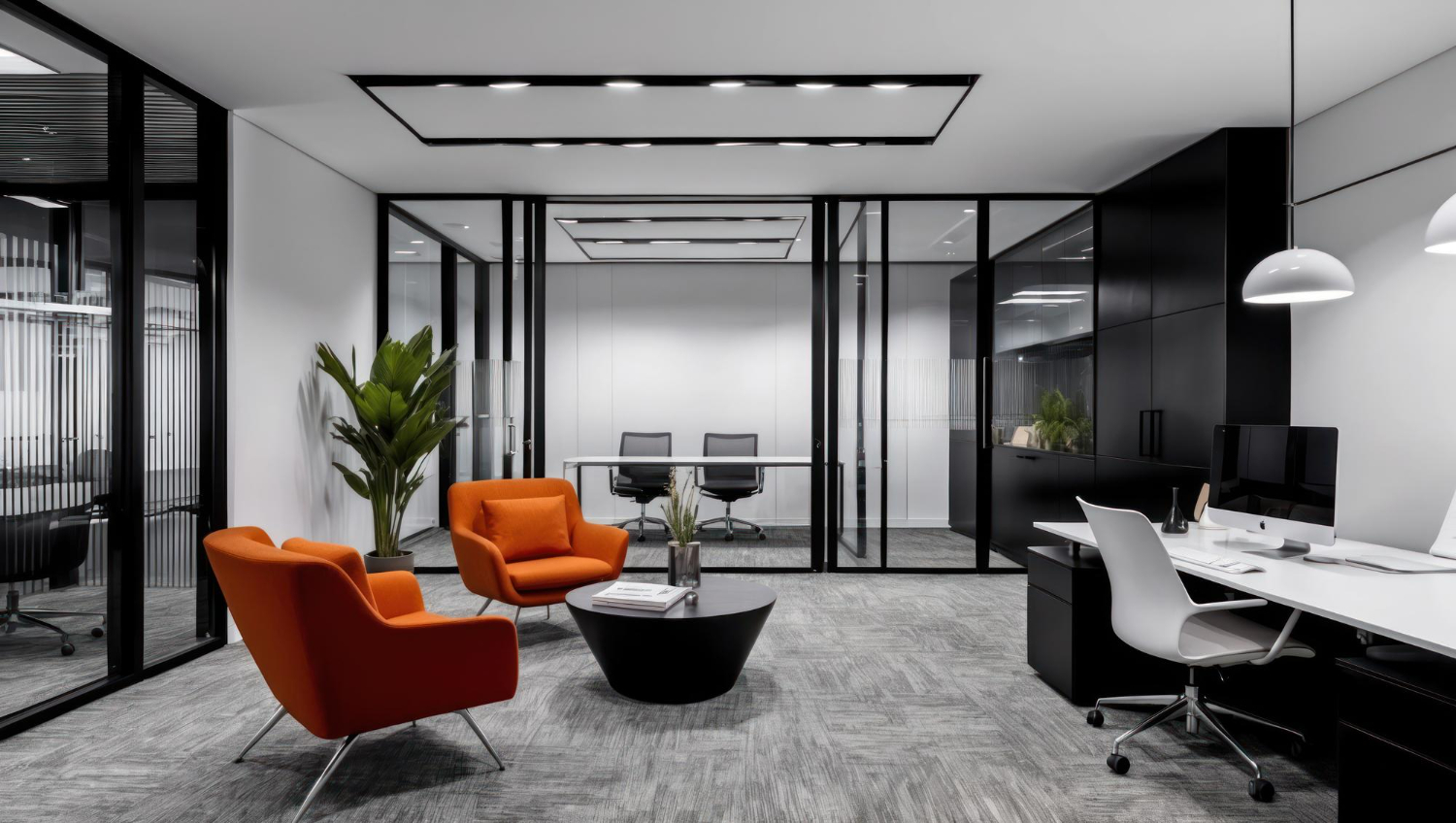
The wholesale transformation of the American office comes down to two great forces: the digital revolution and changing attitudes toward health and work. Computers, email, the internet, and smartphones swept away the typewriters, carbon paper, Rolodexes, and message pads almost overnight. Meanwhile, indoor-smoking bans cleared the air, and evolving norms reshaped workplace culture.
For those who began their careers in that smoky, clattering, paper-filled world, the modern office can seem almost sterile by comparison, quieter, cleaner, and more connected, yet sometimes more isolated. The office of 1985 was a distinctive environment with its own tools, rituals, and atmosphere, nearly all of which has vanished within a single working lifetime. Looking back at it is a striking measure of how profoundly technology and changing values have reshaped the everyday experience of work, transforming not just what we do but the entire world in which we do it.
Like our content? Follow us for more.
