

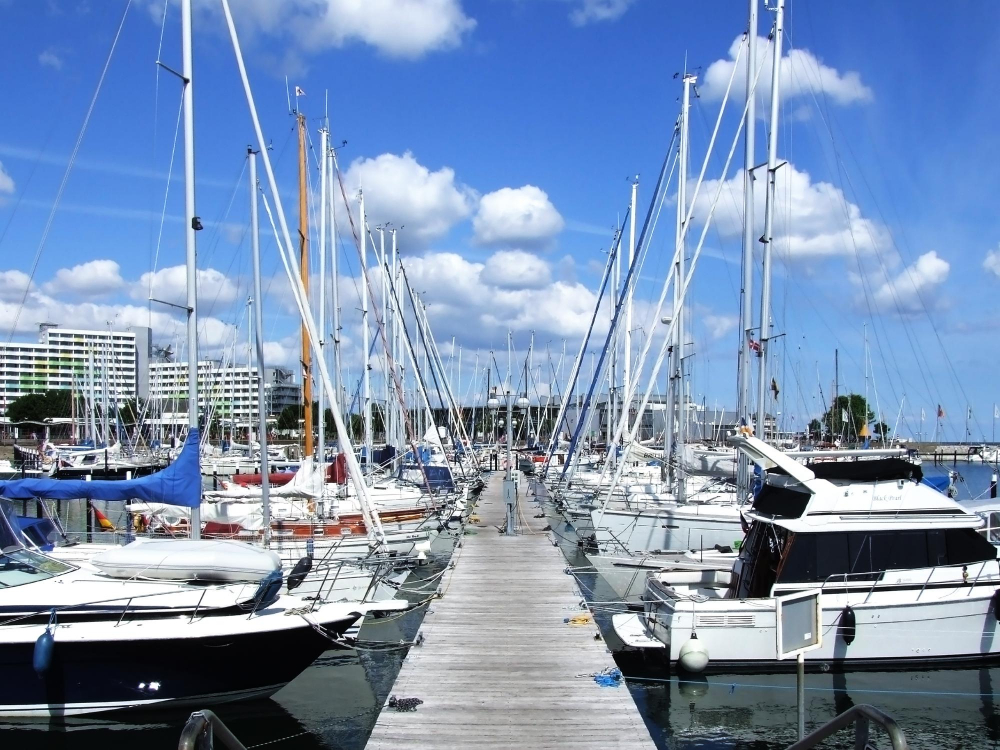
Here are fourteen clearance rules a small boat has to follow arriving from another country. The legal category is the same as a merchant ship’s, the skipper rather than any infrastructure is responsible for initiating it, and the commonest breach on the list is an entirely understandable one: walking up to the marina office to ask what to do. Everything here is general information dated 2026 rather than legal advice.
1. A small boat crossing a border is a vessel arriving from abroad, with everything that implies

The legal treatment of a sailing yacht or a motor cruiser arriving from another country is the same in kind as that of a merchant ship: it is a vessel entering the jurisdiction and it must be cleared by the authorities. The size of the boat and the fact that it is a holiday do not change the category it falls into.
That surprises people whose experience of borders is airports, where the infrastructure does the work. In a small boat the skipper is responsible for initiating clearance, finding the right place to do it, and producing documents nobody has asked for in advance. There is no check-in desk and no system doing any of it for you.
This file is general information dated 2026 and not legal advice. Requirements differ sharply between countries and change, and the maritime authority of the country you are entering is the source to use. A cruising guide is useful for harbours and is not an authority on law.
Like our content? Follow us for more.
2. You must arrive at a designated port of entry
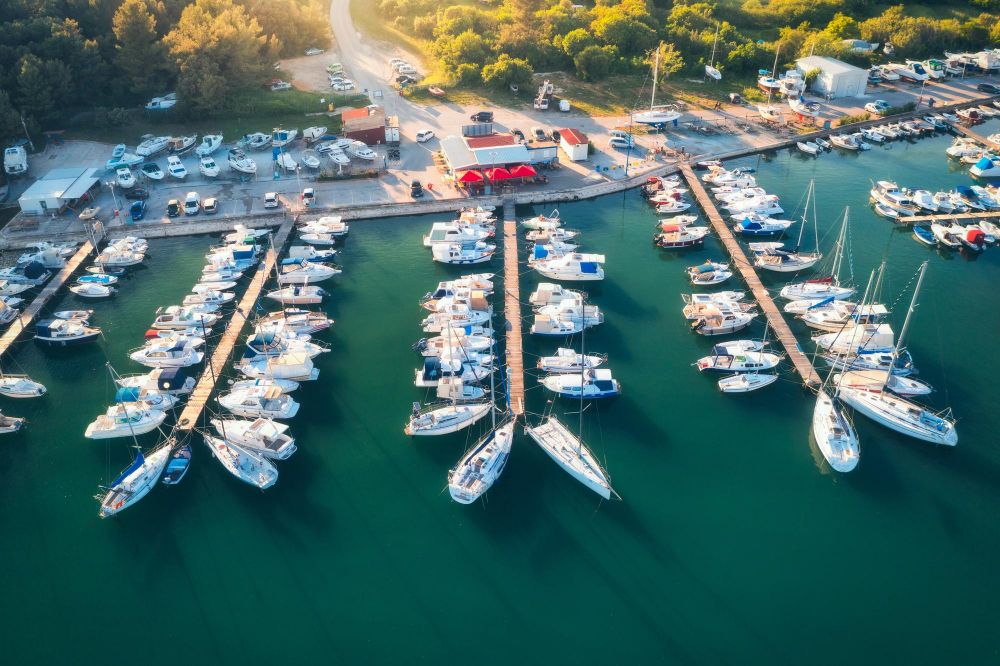
Countries designate specific harbours, marinas and anchorages where a vessel arriving from abroad may clear in, and arriving anywhere else is an offence in most jurisdictions even if you then proceed to a proper port.
The designated places are frequently not the nearest or the most convenient, and in some countries there are very few of them along a long coast, which has to be planned into the passage rather than discovered at the end of it. A hundred miles of coast with one port of entry is an ordinary situation.
Identify the port of entry before departure, plan the passage to make it, and if weather forces you elsewhere, contact the authorities immediately rather than going ashore and sorting it out later. An unreported arrival is a far worse starting position than a reported diversion.
3. The quarantine flag is the formal signal that you have not cleared in
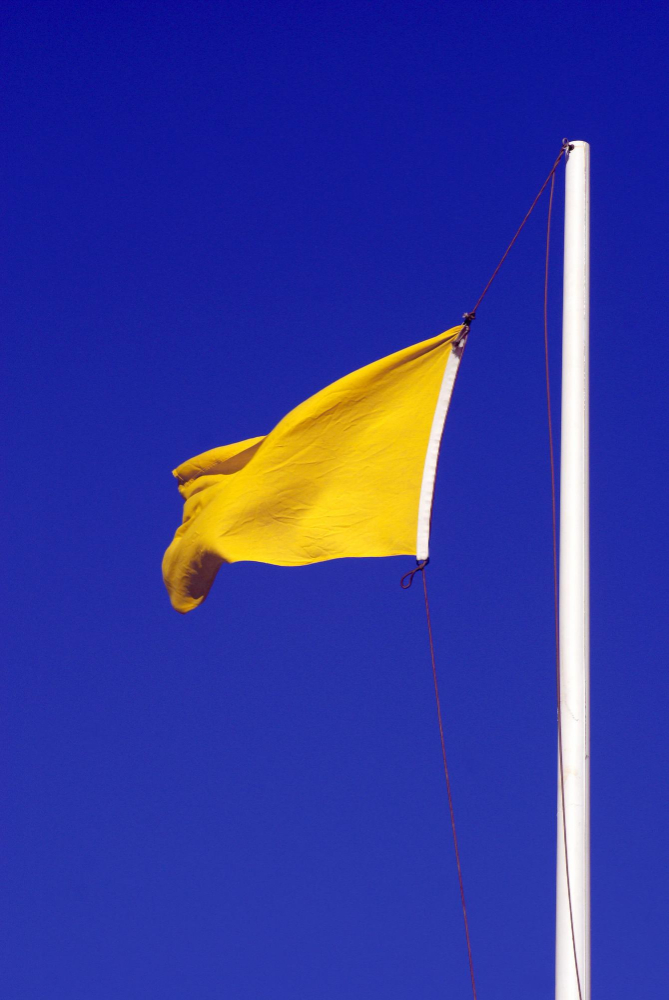
A plain yellow flag, flown from the starboard rigging on arrival, is the international signal that a vessel requests free practique — permission to interact with the shore — and has not yet been cleared.
It is a convention with real standing and in many countries a requirement, and it tells officials, marina staff and other crews exactly what your status is without a word being exchanged. It also stops a helpful neighbour inviting you aboard for a drink.
Carry one, fly it from arrival until you are cleared, and lower it afterwards. A small flag costs very little and its absence is a visible indication that the skipper does not know the procedure. Officials notice, and first impressions shape how long clearance takes.
4. Nobody goes ashore until the vessel is cleared
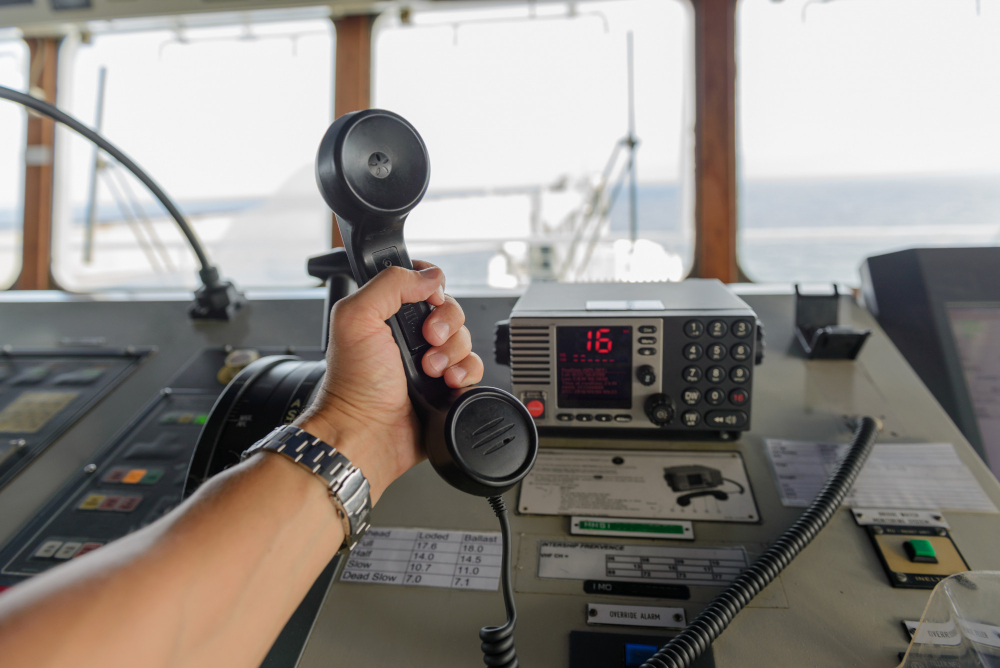
Until clearance is complete, the crew may not land and nobody may come aboard, other than officials. That includes going to the marina office to ask what to do, which is a common and entirely understandable breach.
The practical sequence is to secure the boat, fly the flag, and make contact by radio or telephone from aboard, and to wait where you are told to wait. That wait can be several hours and is not negotiable.
Establish before arrival how contact is made in that country, because it varies: some expect a radio call on a stated channel, some a telephone call to a specific office, and some an electronic notification submitted in advance. Finding out mid-passage with no signal is the wrong time.
5. A crew list is a document, and it has a format

Authorities expect a written list of everybody aboard, with full names, dates and places of birth, nationalities, passport numbers and the capacity in which each person is aboard, and several countries have their own form.
It is required for every arrival and departure, not once per trip, and a change of crew mid-cruise is a reportable event in many jurisdictions. Picking a friend up at the next port is a paperwork event.
Prepare the list in advance, print several copies, and keep a blank editable version on board. Officials asked to wait while a skipper writes out six passport numbers by hand are officials in a worse mood than they started in. Clearance speed correlates almost perfectly with paperwork readiness.
6. The vessel needs its own papers and they are checked

Registration documents, evidence of ownership or authority to use the vessel, and in many countries evidence of insurance are all requested. A chartered or borrowed boat needs documentation of the arrangement.
A vessel’s papers are to the boat what a passport is to a person, and an incomplete set is the commonest cause of a long clearance. Nothing else delays a boat as reliably. Originals are generally expected rather than copies.
Keep the originals aboard in a waterproof folder, with certified copies stored separately, and check that nothing has expired before departure — registration, radio licence and insurance all have dates on them. One expired certificate can hold a vessel at a quarantine berth for a day.
7. Some countries issue a cruising permit or transit log
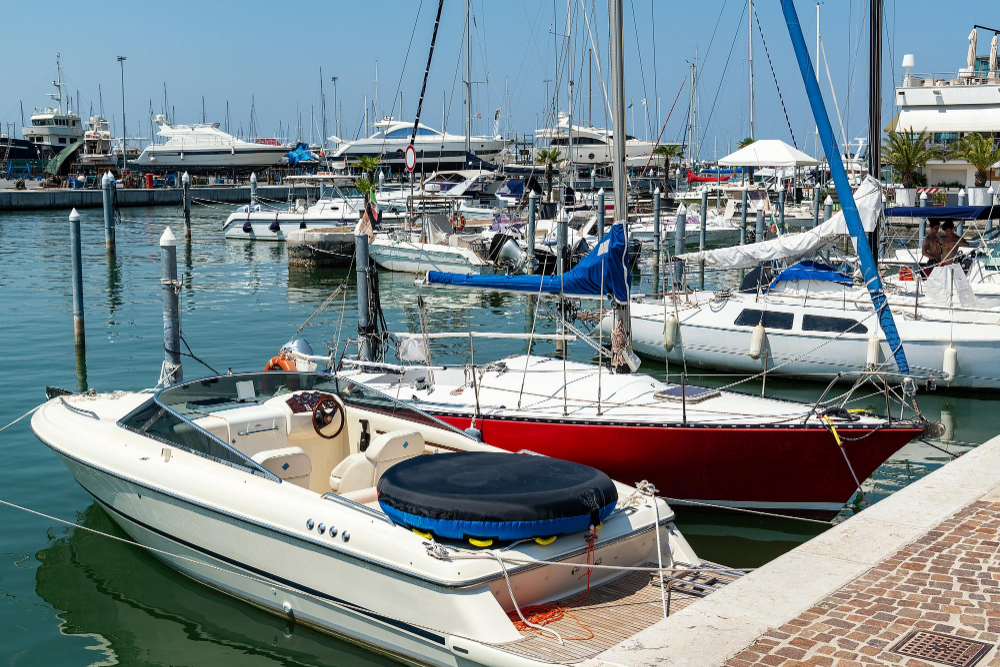
Where such a document exists, it is issued at the port of entry and governs where the vessel may go, for how long, and what must be reported along the way. It is frequently the document that makes coastal cruising lawful at all.
It may carry a fee, a validity period, a requirement to report at each subsequent port, and a condition that the vessel leave or be formally laid up by a certain date. Overstaying a cruising permit is a separate matter from overstaying a visa.
Read the conditions when it is issued, ask what reporting is required along the coast, and keep it with the ship’s papers. Losing it is a considerably larger problem than losing a receipt. In some countries the vessel cannot leave without surrendering it.
8. The crew’s own immigration status is separate from the vessel’s clearance

Clearing a vessel in is not the same as admitting the people aboard. Every person needs their own valid passport and whatever visa or authorisation their nationality requires, assessed individually.
A crew member who cannot be admitted is a problem for the vessel as well as for themselves, and in some jurisdictions the skipper carries responsibility for the crew’s compliance. Which is a reason to check their documents yourself rather than take their word.
Check each person’s documents against the destination’s requirements before departure, including anybody joining partway, and do not assume that arriving by sea changes anybody’s visa position. It does not, and the crew list is where a problem becomes visible.
9. Ship’s stores are treated differently from personal imports

Goods aboard for consumption on the voyage — provisions, alcohol, tobacco, fuel — are generally treated as ship’s stores rather than as imports, which is a real concession and a bounded one.
Quantities beyond what the voyage reasonably requires can be treated as an importation, and some countries require stores to be declared, sealed or landed. Duty-free fuel arrangements, where they exist, come with their own conditions. Usually including a requirement to leave within a stated period.
Declare what is aboard honestly on the form provided, do not assume that a locker nobody asked about is a locker nobody will open, and keep receipts for fuel and provisions bought abroad. They establish what was bought where, which is the whole question.
10. Fresh food, plants and anything biological are the usual seizures

Biosecurity rules apply to a boat exactly as to an aircraft, and fresh meat, dairy, fruit, vegetables, plants, seeds and soil are among the categories most commonly prohibited or restricted on arrival.
A cruising boat is especially exposed to this because it provisions in one country and arrives in another days later, with a galley full of whatever was cheap at the last port. The cheapest provisioning port is frequently the one with the strictest neighbour.
Find out what may not be landed, eat or dispose of it properly before arrival rather than at the dock, and declare anything you are unsure about. Declaring an apple costs nothing; failing to declare one can cost a great deal. Fixed penalties for undeclared food are substantial in several countries.
11. An animal aboard changes the arrangements entirely

A pet on a vessel arriving from abroad is subject to the destination’s animal health requirements in full, and in several countries a boat carrying an animal may be refused clearance at an ordinary port of entry or confined until the animal’s position is resolved.
The requirements commonly include documentation and treatments completed to a timetable well before arrival, and some countries prohibit the landing of animals arriving by private vessel altogether. Which can rule out an entire cruising ground.
This is a subject in its own right and is covered elsewhere in this series. For passage planning, establish the position for every country on the route before you leave, not after. A route that is fine for the crew can be impossible for the dog.
12. Advance notification is increasingly required and increasingly electronic

A growing number of countries require notification of an intended arrival some period in advance, submitted electronically, with details of the vessel, the crew and the expected time and place of arrival.
Failure to notify is a separate matter from the clearance itself and is penalised in its own right in some jurisdictions, and the systems differ in what they ask for and how far ahead. Some want twenty-four hours and some want rather more.
Check whether the destination operates such a system, register before departure rather than on passage, and keep the submission reference. Doing it from a boat with intermittent connectivity is harder than doing it from a marina. Register and test the system while you still have shore internet.
13. Clearing out is a requirement too, and skippers forget it
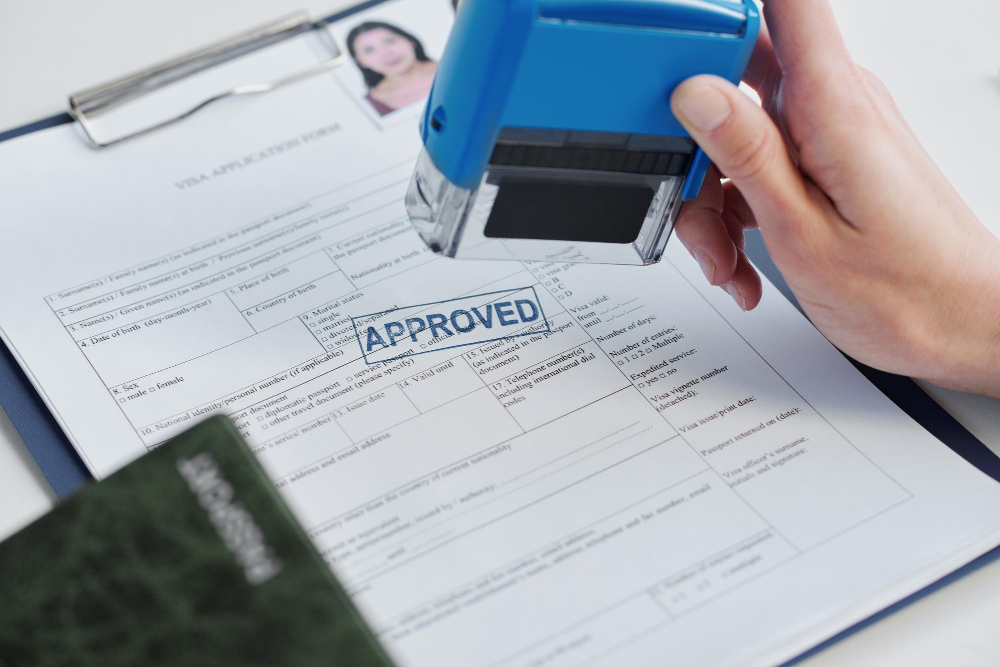
Many countries require formal outward clearance before a vessel departs for a foreign port, producing a document the next country will ask to see. Leaving without it can create problems at both ends. And the problem at the far end is the one you cannot fix.
The next country’s officials frequently want evidence of lawful departure from the last one, and a vessel without it looks exactly like a vessel that left somewhere it should not have.
Ask at inward clearance what is required on departure, allow time for it, and keep the outward clearance document with the ship’s papers. It is the cheapest insurance in this whole list. A sheet of paper that prevents a conversation about where you have been.
14. And the folder that should be ready before you sail

Ship’s registration, evidence of ownership or charter, insurance certificate, radio licence, the skipper’s qualifications where required, printed crew lists, every person’s passport, visas or authorisations, the quarantine flag, the previous port’s outward clearance, and any advance notification reference.
Plus the practical set: the destination’s port-of-entry list, the contact method for clearance, the biosecurity restrictions, and the cruising permit conditions if one applies. All of it in a waterproof folder in one place, because clearance happens at the chart table and not at leisure.
Everything here is general information dated 2026 and not legal advice. Requirements differ sharply between countries, change, and the maritime and customs authorities of the country you are entering are the only reliable sources.
The sequence, from one day out
Before departure: identify the port of entry, establish how clearance contact is made in that country, submit any advance notification, print the crew lists, check that registration, insurance and radio licence have not expired, confirm every person’s visa position, and find out what may not be landed.
On arrival: fly the quarantine flag, secure the boat where you are directed, make contact from aboard, and let nobody ashore and nobody aboard until officials say so. Produce the folder rather than assembling it. Declare the stores and the galley honestly.
Before leaving: ask what outward clearance requires, obtain it, and keep it, because the next country’s officials will want evidence that you left the last one lawfully. A vessel arriving without that document looks precisely like a vessel that should not have left.
The single cheapest item in this entire subject is a plain yellow flag, and the single most expensive habit is stepping ashore to ask a question before clearance. Everything else is a folder of paperwork prepared at home rather than assembled at a foreign quay with an official waiting.
Like our content? Follow us for more.
