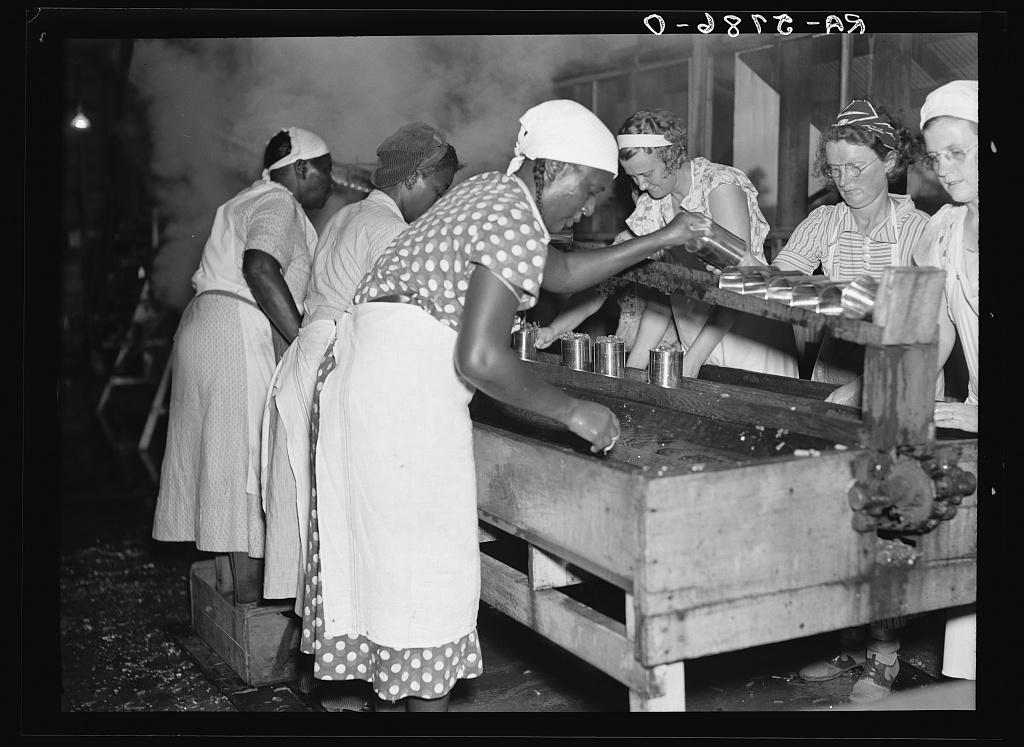
A cannery is the point where a farm becomes a factory, and in 1960 it was legally and practically both at once, which is the key to everything below. The plant was industrial and the workforce was agricultural, and American law treated those two things very differently.
The result is a list that runs from food safety regulation through machine guarding and occupational exposure to labour standards and housing, because all of it was happening in the same six weeks in the same building. Here are fourteen things that season involved, and what each of them ran into.
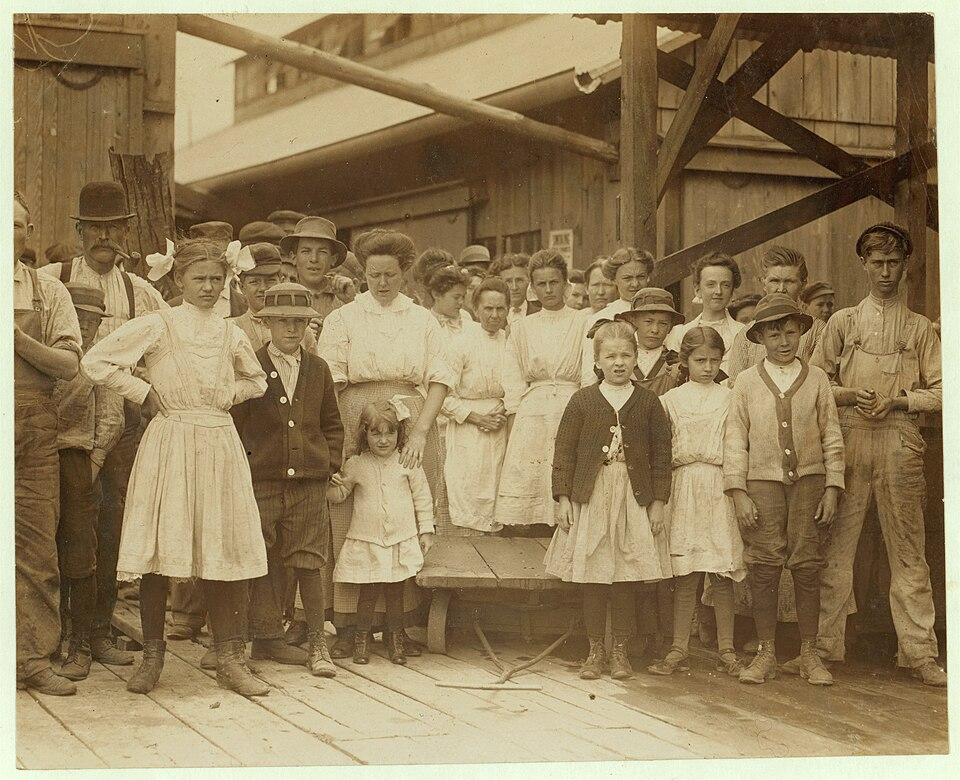
1. Put children on the line for the season

The pack was seasonal and it ran on whoever was available, which in a fruit-growing county meant whole families. Children worked in the sheds sorting, trimming and packing, and in the orchards picking, and the work was counted as agricultural.
American federal labour law has long treated agriculture differently from other industry, with age and hours provisions that are looser than elsewhere, and the hazardous occupation orders restrict minors from powered machinery. A cannery line is industrial work rather than fieldwork and the distinction is now drawn much more sharply.
The families involved generally describe it as ordinary and often as necessary, which is true and is not an argument that it was acceptable. Both things belong in the same sentence, which is how the people who did it tend to put it themselves.
Like our content? Follow us for more.
2. Worked fourteen-hour shifts for six weeks straight
Fruit does not wait. A peach crop comes in over a few weeks and has to be processed as it arrives, which meant shifts running fourteen or sixteen hours, seven days, for the length of the pack, with the plant running continuously.
There is still no federal limit on daily or weekly hours for most American adult workers, so the modern constraint is overtime cost, state law in a handful of states, and collective agreements rather than a cap. What has changed is the overtime exemption position for agricultural processing and the enforcement around it.
This is the item where the least has changed in law and the most has changed in practice. Modern plants run the same seasonal crush with far more automation and far fewer people, which solved the hours problem by removing the jobs.
3. Peeled peaches in hot caustic baths, by hand
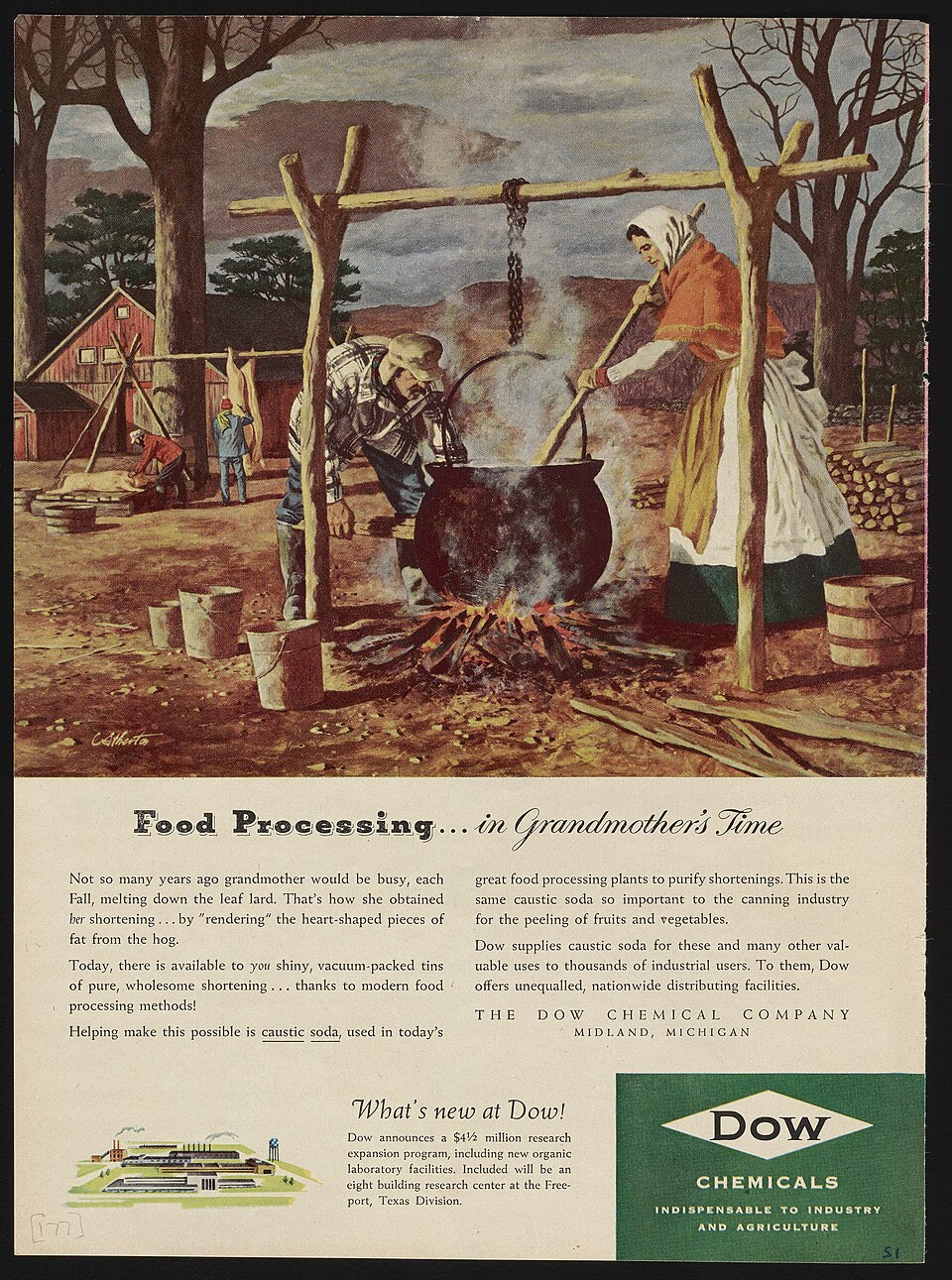
Lye peeling is the standard method and it works: hot caustic solution loosens the skin, which is then washed off. In 1960 fruit went in and came out of open heated tanks with workers at the tank side, splashing, with no barrier and no face protection.
Caustic handling now requires enclosure or splash protection, face and eye protection, chemical-resistant clothing, an accessible eyewash and emergency shower, and defined handling procedures. The process itself is unchanged and is now done in enclosed equipment.
Alkali injury is more serious than acid injury and progresses for longer, which is why this process is high on the protection list. Nothing further is described here. The relevant point is that the chemistry has not changed and everything around it has.
4. Used sulfur dioxide with nothing on the label to say so
Sulfiting agents were used across American fruit processing to prevent browning and to preserve colour, in dried fruit, in syrups and in the pack itself. Nobody was told, because nothing required anybody to be told.
The Food and Drug Administration required the declaration of sulfites on American food labels from 1986, after reactions in sensitive people — including severe reactions in people with asthma — were identified, and prohibited their use on fresh produce intended to be sold or served raw.
This is the clearest single-date reform affecting this industry and the first American allergen-style labelling requirement of its kind, arriving nearly twenty years before the broader allergen act. The people it protects had no way of avoiding the ingredient before it.
5. Ran the retorts on judgement rather than on a recorded schedule
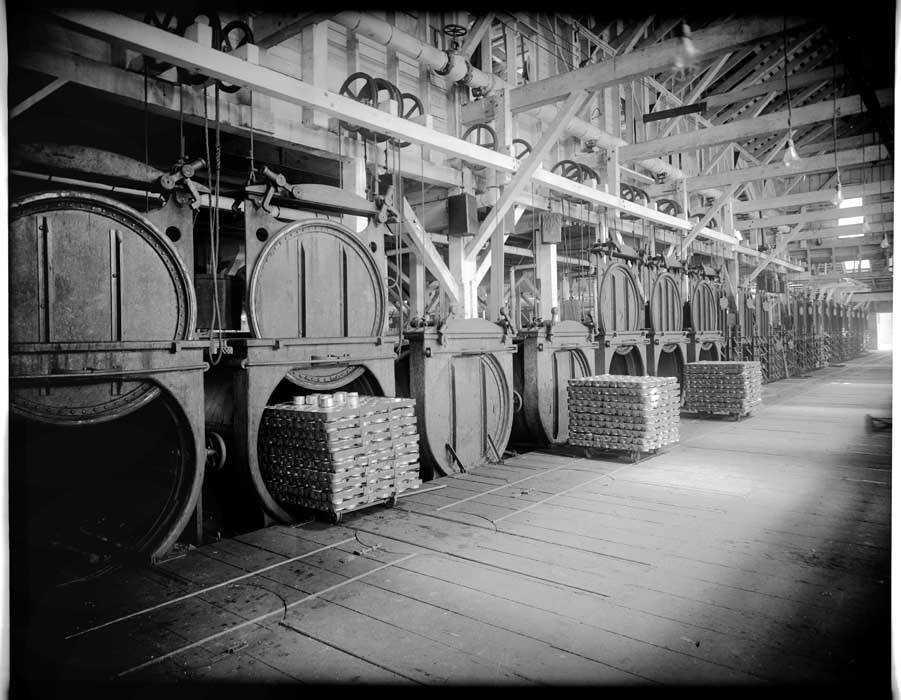
Thermal processing is the whole point of canning: the sealed can is heated long enough and hot enough to make the contents safe. In 1960 that was done in steam retorts operated by experienced men, against practice rather than against a filed and validated process.
American low-acid canned food regulations were introduced in 1973, requiring an established scientifically validated process schedule for each product and container, recorded processing data, registration of the facility and trained supervision of the operation.
The regulations followed a botulism death in 1971 traced to a commercially canned product, which ended the assumption that a competent operator and a good reputation were sufficient. Fruit is acidic and lower risk, but the plants ran mixed packs and the rules apply to the facility.
6. Judged the can seams by eye
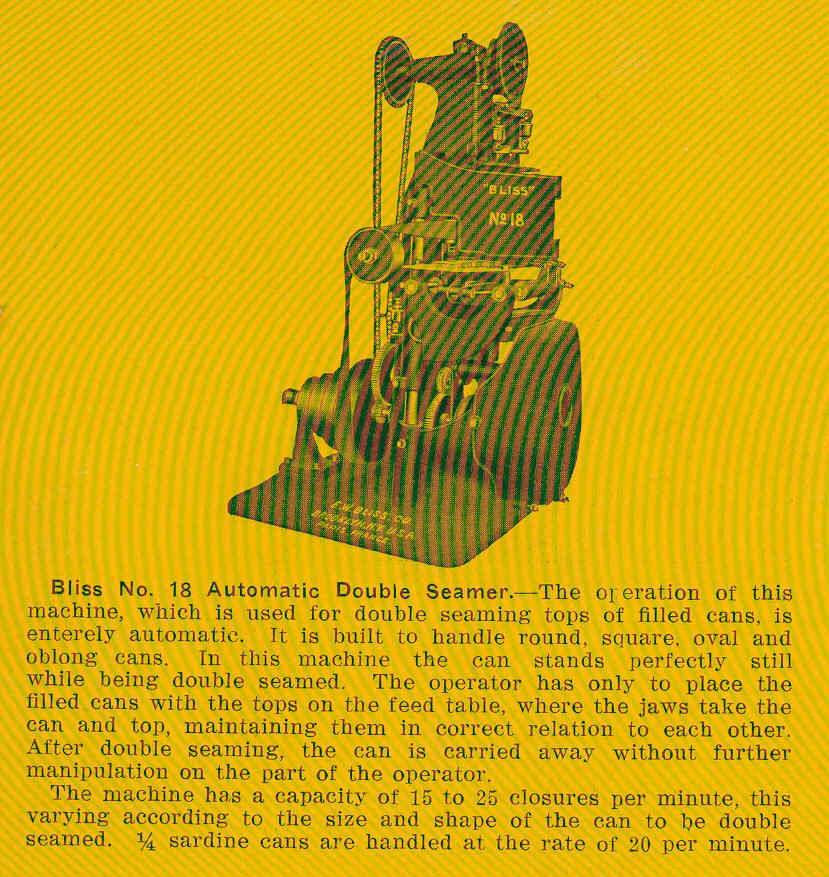
The double seam that closes a can is the only thing between the contents and the outside, and a seam that is marginally wrong will fail weeks later on a shelf. In 1960 the seamer was set by a skilled man and the output was inspected visually.
Seam integrity is now a measured, documented control with teardown examination at defined intervals, recorded dimensional measurements and specified corrective action, forming part of the required process control system.
This is the most skilled job in an old cannery and the one most completely replaced by measurement. The men who could set a seamer by feel were genuinely expert, and the modern approach does not trust expertise it cannot see on a chart.
7. Filled cans closed with lead solder
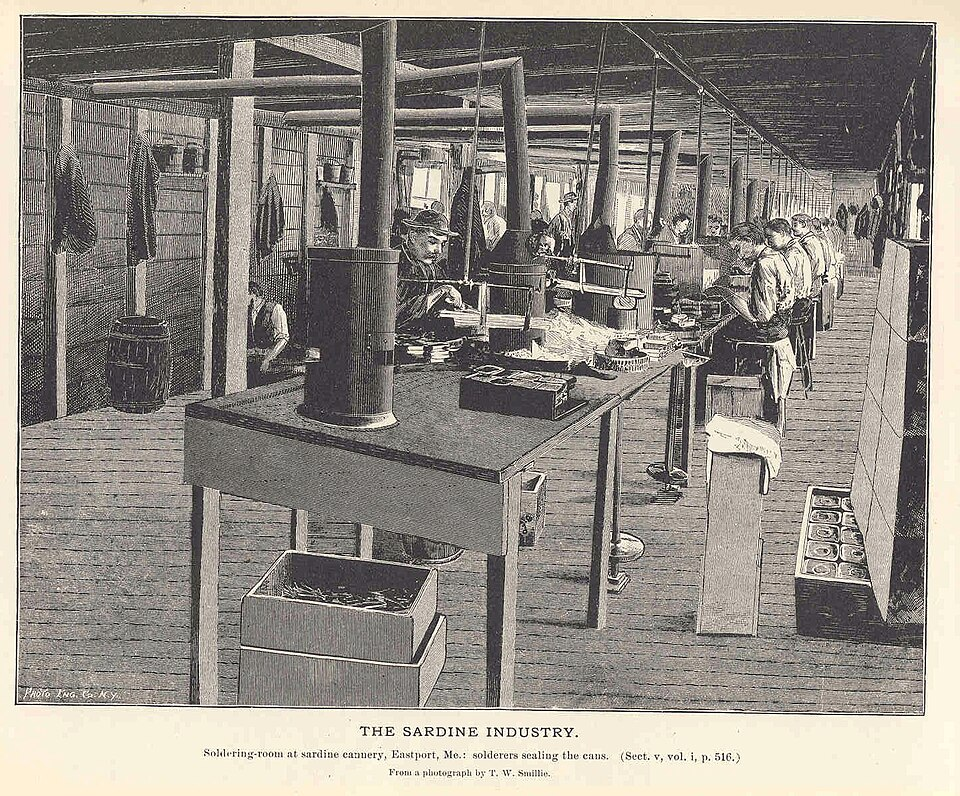
Can side seams were closed with lead solder, and acidic contents draw lead out of a soldered seam. A fruit cannery produces almost nothing that is not acidic, which made this close to the worst-case application of the technology.
The Food and Drug Administration prohibited lead solder in food cans sold in the United States in 1995, having worked the industry away from it over the preceding decade. The measurable reduction in dietary lead exposure from food packaging is substantial.
Welded and two-piece drawn cans replaced it entirely. It is worth noting how late the prohibition is: a 1960 practice survived in American food packaging for thirty-five more years.
8. Worked beside unguarded conveyors, fillers and seamers
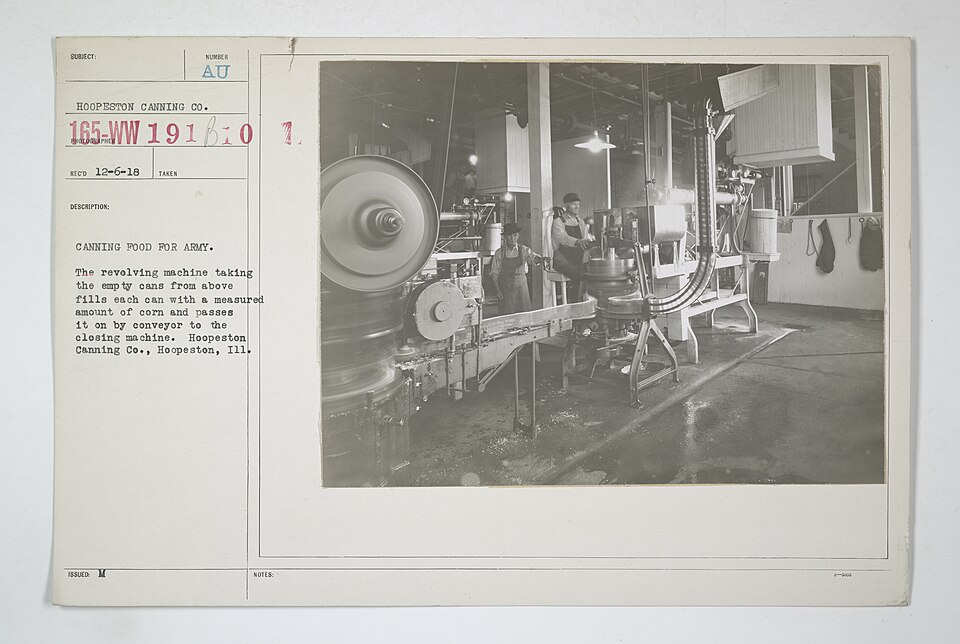
A cannery is a continuous line of moving belts, rotating fillers, pitters, slicers and seamers, and in 1960 the drives, chains, sprockets and in-running nips were open. Workers reached in to clear jams with the line running.
Machine guarding requirements cover points of operation, in-running nips and power transmission, with interlocked guards that stop the machine when opened, and the lockout and tagout standard of 1989 requires energy isolation verified before anybody works on equipment.
No injury is described. The physics is the whole argument: a nip point takes what enters it at the speed of the belt, and training somebody to be careful is not a control.
9. In noise that nobody was protected against
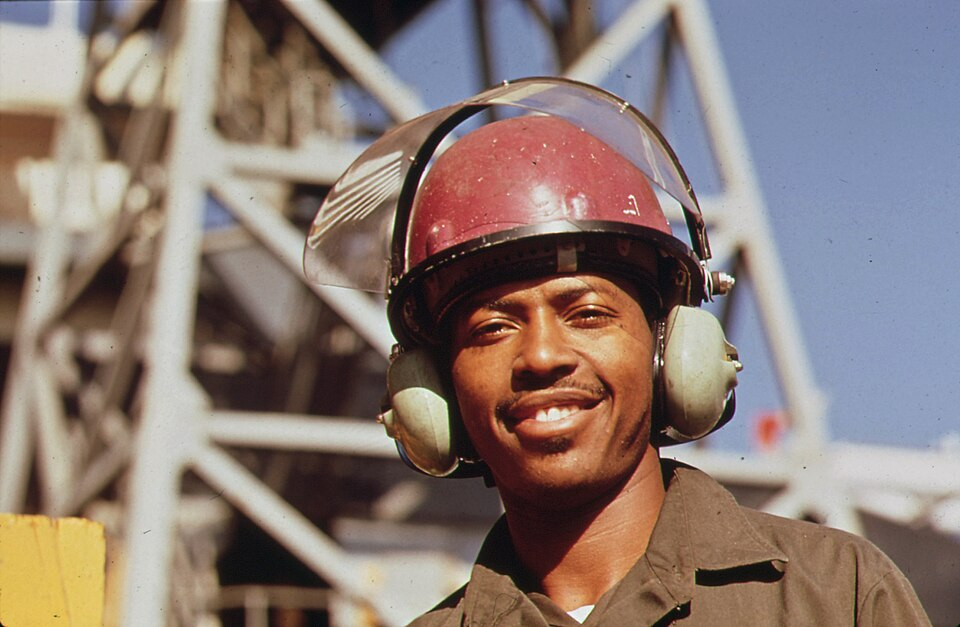
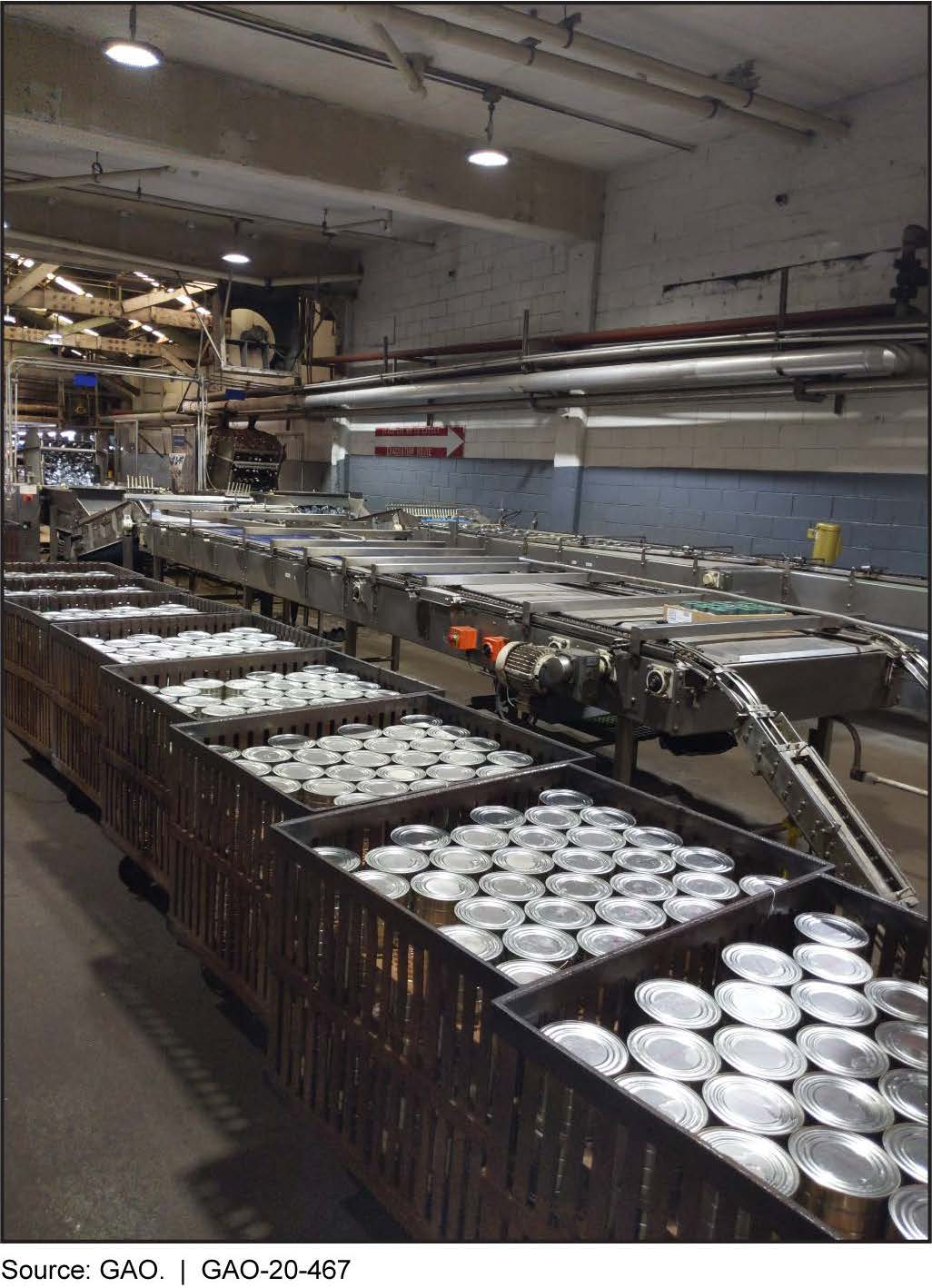
A can line is one of the loudest environments in food manufacturing, because the product is steel and the line is long. Empty cans running on steel rails produce a sustained level that makes speech impossible.
American hearing conservation requirements set a measured action level, with monitoring, provision of protection and audiometric testing. Occupational hearing loss is among the most commonly recorded industrial conditions in the country.
Of all the exposures in an old cannery this is the one that affected the most people and the one that could have been addressed most cheaply. Ear defenders cost almost nothing and were not issued because nothing required it.
10. Ran ammonia refrigeration with no leak detection
Cold storage for fruit awaiting the pack ran on anhydrous ammonia, which is an excellent refrigerant and a serious inhalation hazard. Systems were large, engineered to the standards of the day, and monitored by smell.
American process safety management requirements now apply to facilities holding ammonia above a threshold quantity, with hazard analysis, written procedures, mechanical integrity programmes, emergency planning and fixed detection, and separate accidental release prevention rules apply.
Ammonia is still the refrigerant of choice in industrial food plants, which is the point. Nothing was wrong with the technology. What was missing was detection, procedure and a plan for the day something failed.
11. Gave the line no handwashing and no sanitary facilities
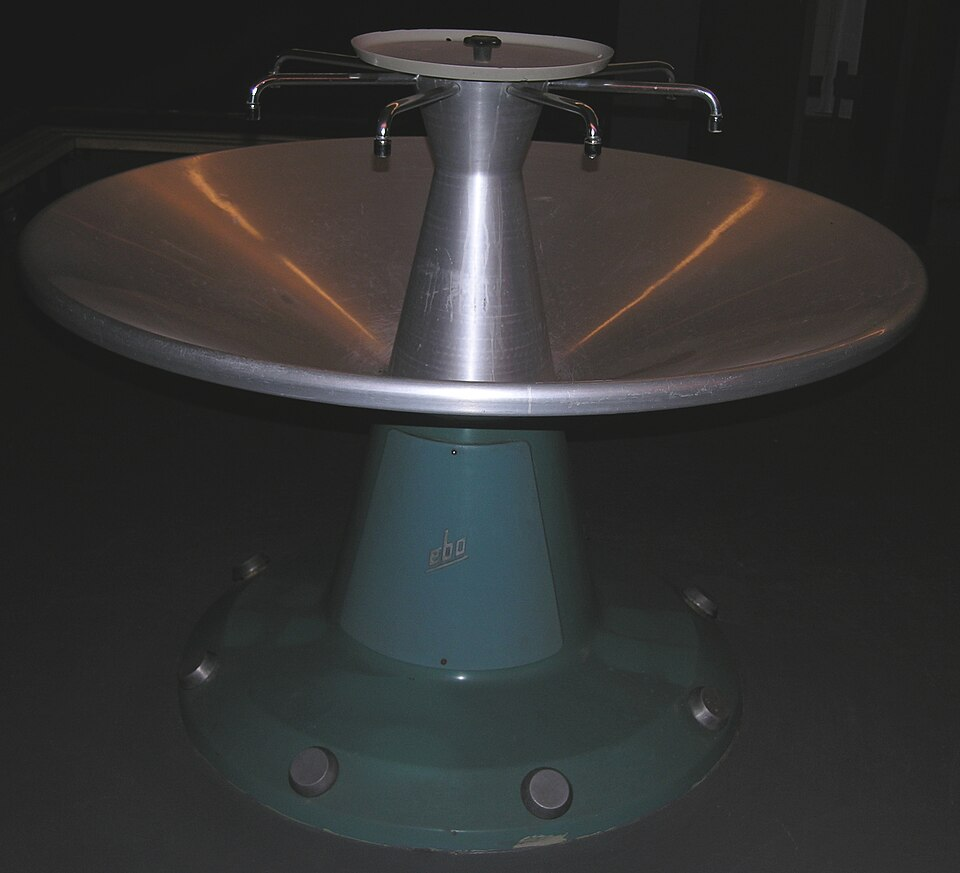
Seasonal plants ran with facilities built for a permanent crew of a few dozen and a pack crew of several hundred. Handwashing stations, toilets and break areas were inadequate, and in the fields they were frequently absent entirely.
American food safety rules require adequate handwashing and toilet facilities for food handlers, and a separate federal field sanitation standard requires drinking water, toilets and handwashing for agricultural crews above a size threshold, which was introduced in 1987.
That field sanitation date is worth sitting with. The requirement that an American farm crew be provided with drinking water, a toilet and somewhere to wash their hands was not a federal obligation until 1987.
12. Washed the fruit in water that was reused all day
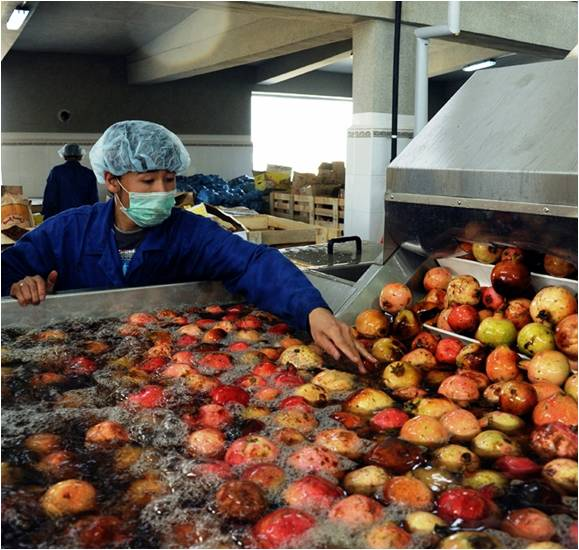
Incoming fruit was flumed and washed in tanks, and the water was recirculated through the shift because it was cheap and because nobody was measuring anything in it. The last fruit of the day went through the accumulated load of the first.
Process water in American food manufacturing is now controlled, with requirements on water quality, antimicrobial treatment where used, monitoring and the prevention of cross-contamination through reused water, all of it documented under the preventive controls regime.
This is the item a modern food safety professional would flag first in an old cannery, ahead of anything in the chemistry. A recirculating wash tank is an efficient way to distribute a problem across a whole day’s production.
13. Sent orchard crews back into blocks that had just been sprayed
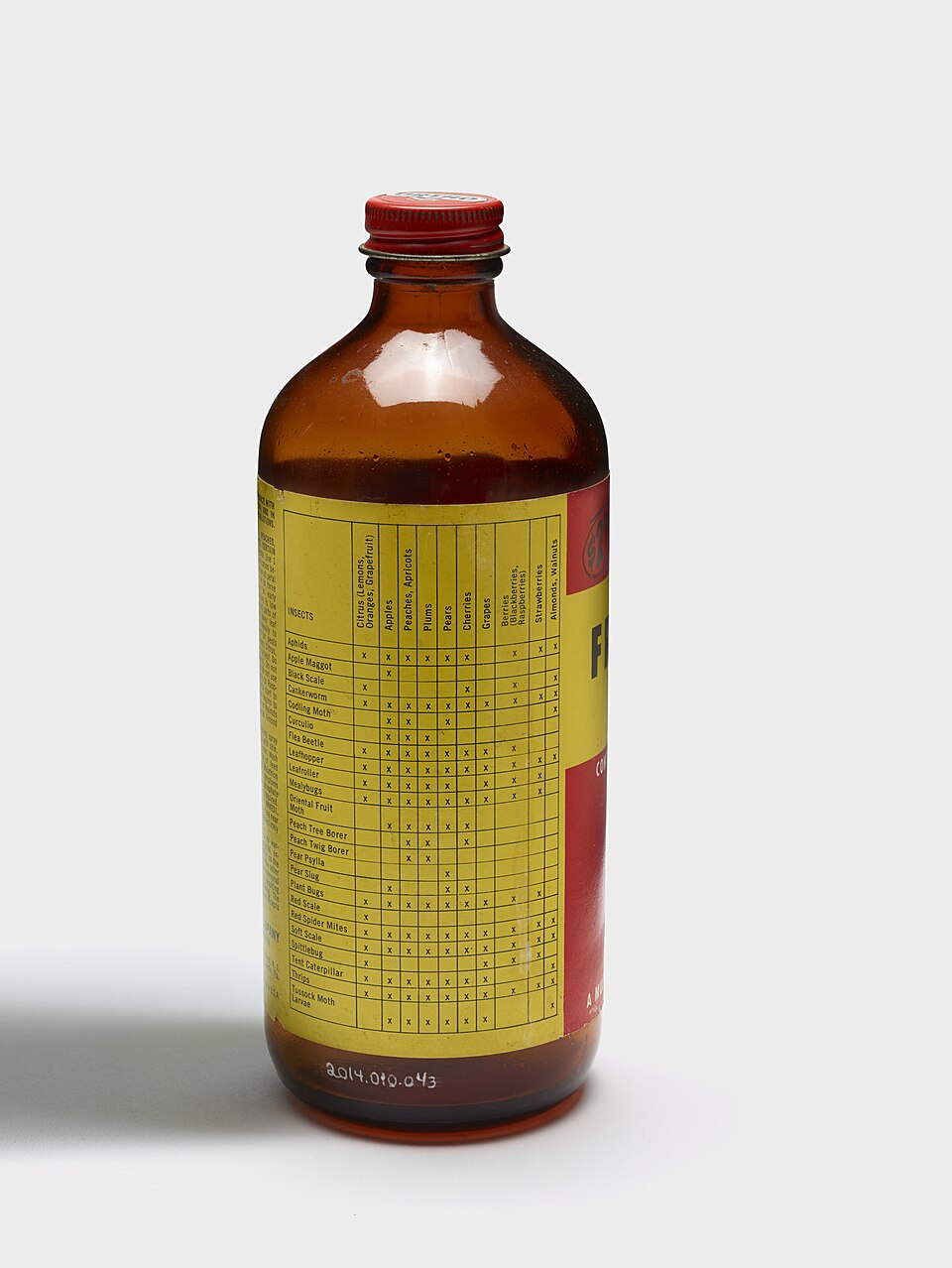
The fruit came from orchards treated with the pesticides of the period, including compounds since withdrawn, and crews went back in to pick when the work required it rather than after a defined interval.
The American worker protection standard for agricultural pesticides, substantially revised in 1992 and strengthened since, sets restricted-entry intervals, requires notification, hazard training, decontamination supplies and protective equipment. Several of the compounds used in 1960 have since been cancelled outright.
The relationship between the plant and the orchard is the part that gets left out of an industrial account. The cannery’s raw material arrived from a workforce under a separate and weaker set of protections, and in many cases it was the same families.
14. Housed the pack crew on the plant’s own land
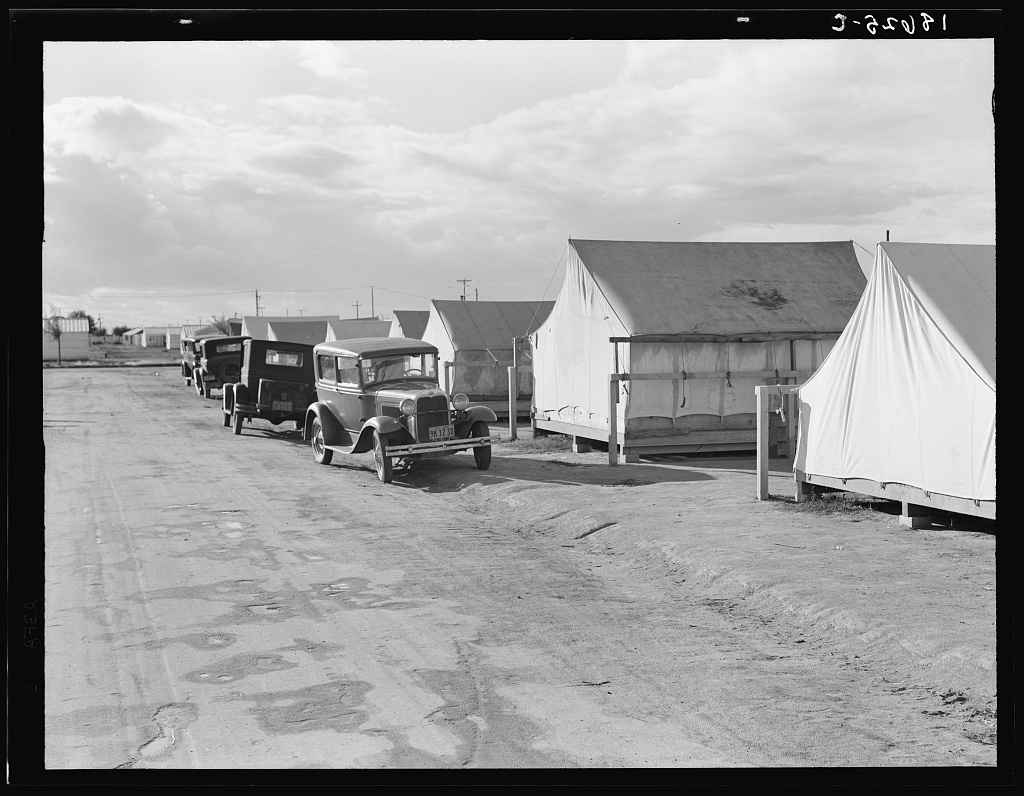
Seasonal labour was accommodated in camps provided by the processor or the grower: barracks, cabins and converted buildings, with shared water, shared sanitation and conditions that varied enormously between operations.
American federal standards for temporary labour camps set requirements for housing, water supply, sanitation, cooking facilities and occupancy, enforced alongside the agricultural worker protection legislation, and state codes add to them.
This is the part of the industry’s history that the companies’ own accounts of themselves tend to omit entirely. It is included because the pack crew is the reason the fruit got into the can, and where they slept was part of the operation.
Two regimes in one building
The thing that makes the cannery distinctive among the workplaces in this batch is the split. The can, once sealed, was subject to food law that became genuinely rigorous: validated process schedules from 1973, documented seam control, sulfite declaration from 1986, lead solder prohibited in 1995, and the whole preventive controls system from 2011. The product leaving an American cannery today is among the most thoroughly controlled food there is.
The people were a different matter and moved later. Field sanitation became a federal requirement in 1987. The worker protection standard for pesticides was substantially revised in 1992. The agricultural exemptions in federal labour law have never been closed. So the regulatory history of a cannery is really two histories running at different speeds in the same shed, and the gap between them is the single most honest thing to say about the industry.
What the modern plant looks like is fewer people, almost all of the hazardous steps enclosed, and a documented control on everything that touches the food. The seasonal crush still happens because the fruit still ripens all at once.
The reason the hours problem went away is that the jobs did. That is not a reform and it should not be presented as one, and it is the main reason the towns that had canneries remember them the way they do.
Like our content? Follow us for more.