

There is a particular category of thing that is not a mistake in the ordinary sense: a product sold legally, used as directed by careful people, and later withdrawn because the evidence about it arrived afterward. The American household shelf of 1960 was full of them. Not because standards were lax, though in places they were, but because the testing regime that would have caught these products did not yet exist and in several cases was created in response to them.
What makes this history useful rather than merely alarming is that each reversal has a mechanism. Somebody measured something that had not been measured, usually for an unrelated reason, and the product did not survive the measurement. Read in order, the list is less a story about dangerous chemicals than a story about what happens to a market when a new instrument becomes available.
The spot remover under the sink
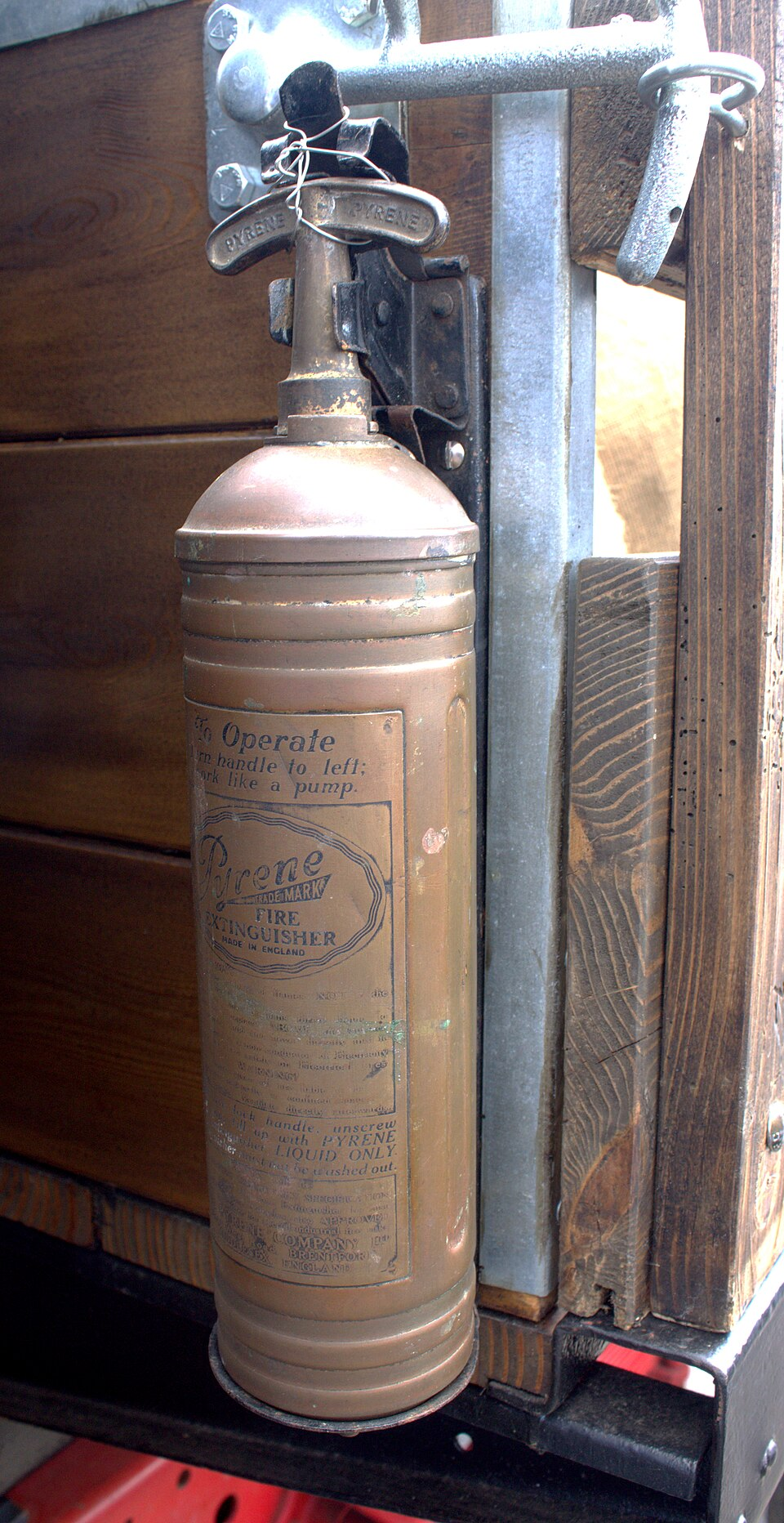
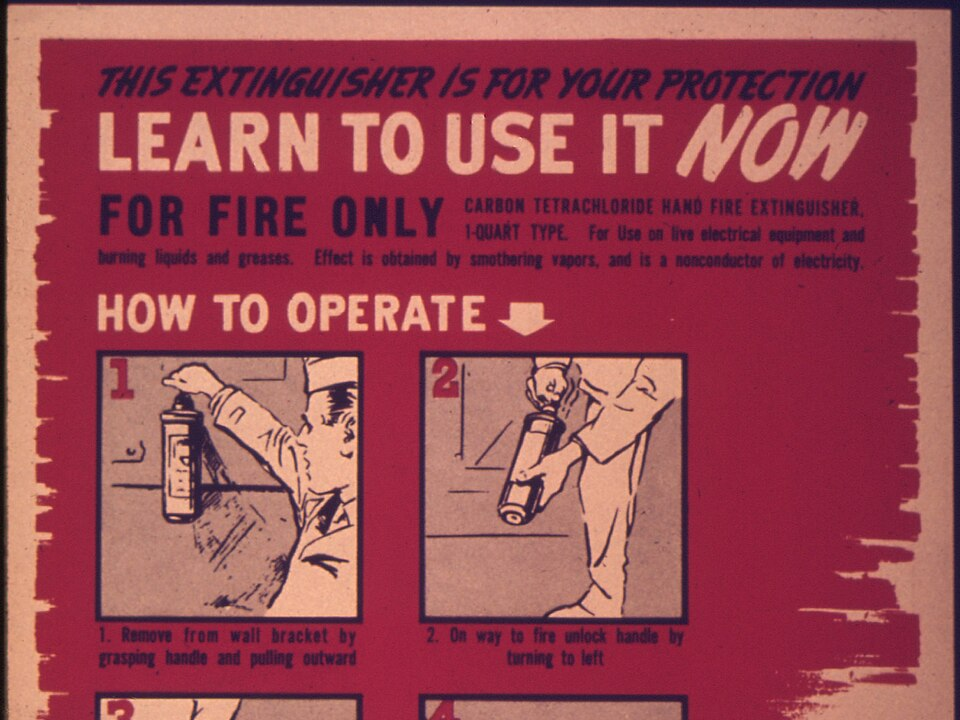
Carbon tetrachloride is the one that most surprises people, because it was everywhere and because the ban is so old. It was the standard dry-cleaning fluid and household spot remover, sold in bottles for use on a kitchen table with a cloth, and it was also the charge in a class of small brass fire extinguishers that were mounted in cars and kitchens.
It is a potent liver toxin and it is now classified as a probable human carcinogen. Worse, the fire extinguisher application was actively dangerous in a way nobody had anticipated: heated on a fire, carbon tetrachloride decomposes into more toxic products, so using the device as intended in a confined space was the hazardous case. The United States prohibited carbon tetrachloride in consumer products in 1970. That is the whole arc — a product in general domestic use, then a complete consumer prohibition, with no intermediate stage of reduced-strength formulations.
Like our content? Follow us for more.
The paint on the window sill

Lead paint is the case with the longest lag between evidence and action, and it is worth being exact about the timeline because the common assumption is that nobody knew. Lead’s toxicity has been understood since antiquity, and several European countries restricted lead in interior paint in the 1920s. The American market did not follow. Lead carbonate white was an excellent pigment — durable, opaque, washable — and it continued to be sold for interior residential use for another half-century.
The Consumer Product Safety Commission banned lead above a very low threshold in residential paint in 1978. The research that forced it concerned low-level exposure in children and effects on development that earlier work, focused on acute poisoning, had not been looking for. The parallel decision on leaded gasoline ran from 1973 to a complete phase-out in 1996, and the measurable fall in blood lead levels across the American population after it is one of the most striking public health graphs there is. The paint remains in tens of millions of older American houses, which is why the rules around renovation of pre-1978 housing exist.
The pesticide in the garden shed
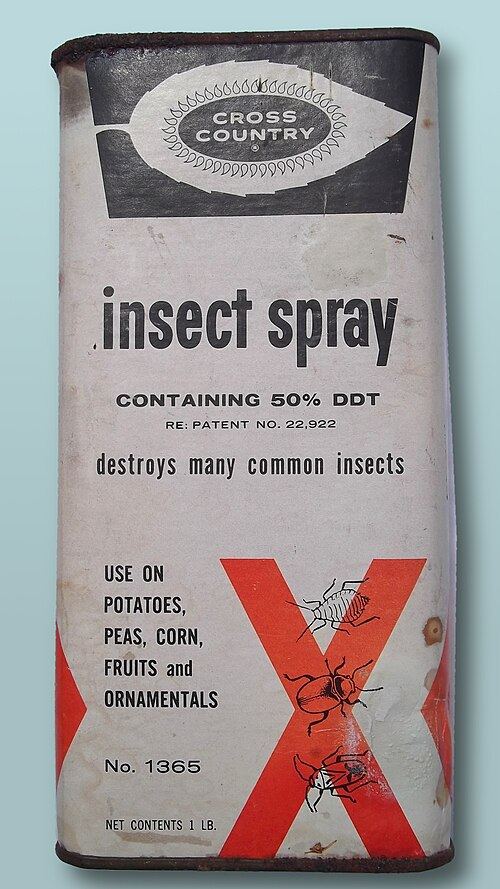
DDT is the famous one, and it is famous for a reason that is slightly different from what people remember. It was a genuinely remarkable compound, it was used domestically as well as agriculturally, and it was sprayed in American homes and gardens and on children at summer camps with no sense of transgression.
The case against it was not primarily about acute toxicity to people, which is low. It was about persistence and accumulation: DDT and its breakdown products concentrate up the food chain and thin the eggshells of birds of prey, which is the finding that the 1962 book most associated with the subject put in front of the public. The newly created Environmental Protection Agency cancelled most American agricultural uses in 1972. Chlordane and heptachlor, the termite treatments that were pumped under American houses in enormous volume, followed in 1988. The common thread is that all three were assessed on the wrong axis at first, against immediate harm rather than against what happens to a persistent compound over decades.
Asbestos in the oddest places
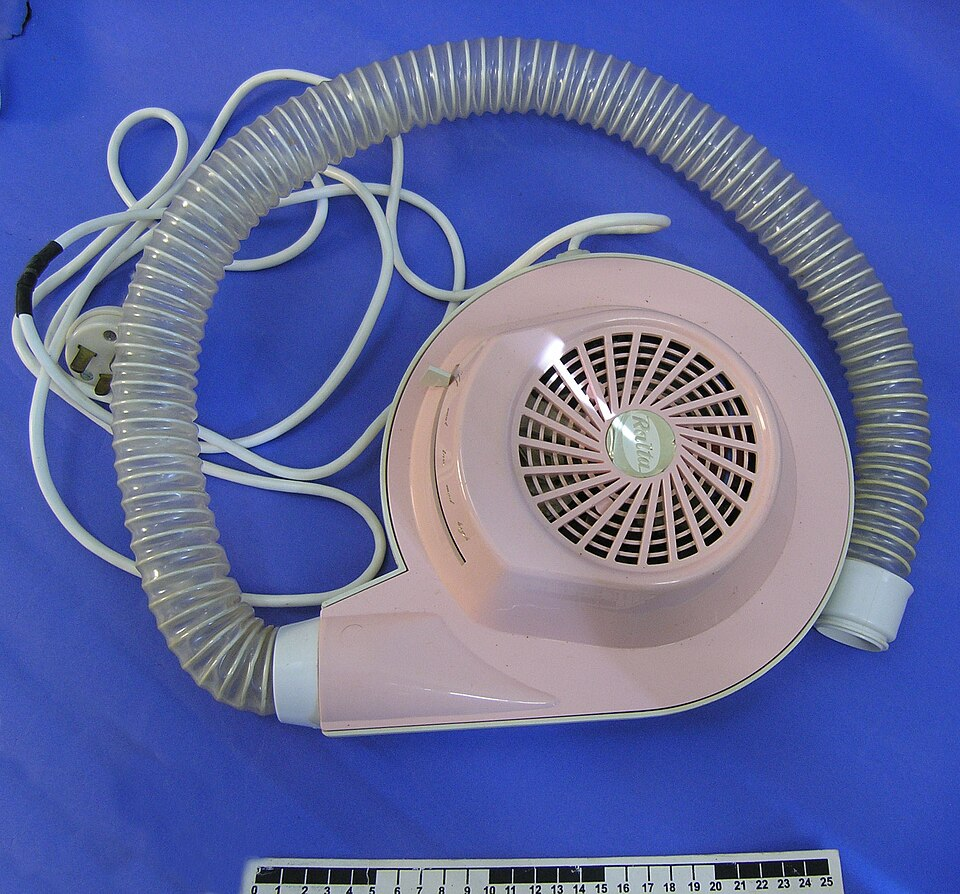
Asbestos in insulation and construction is well known. What is less remembered is its presence in consumer goods sold for use in the home by hand. It was in patching and joint compounds that a householder sanded. It was in artificial snow sprayed on Christmas trees and store windows. It was in the heating element assembly of some hand-held hair dryers, which blew air across it and at the user, a problem identified in the late 1970s and addressed by withdrawal of the products.
The lesson the regulators drew was about the difference between a material and its use. Asbestos bound in a solid matrix behaves very differently from asbestos that somebody abrades, sprays or blows air through, and the consumer applications were overwhelmingly in the second category. That distinction had to be learned, and it was learned product by product.
The hair dryer case is worth dwelling on because of how it was found. The products had been on the market for years and were not suspected of anything. The problem surfaced when somebody thought to test the air coming out of one, which is an obvious thing to do and had not occurred to anybody because the asbestos was understood as a component of the appliance rather than as something in the airstream. That is the recurring shape of these discoveries: not a hidden hazard concealed by a manufacturer, but an ordinary assumption that went unexamined because examining it required thinking of the product in an unfamiliar way.
The bottle in the medicine cupboard
Mercurochrome was the orange-red antiseptic painted onto every scraped American knee for decades, and the reason it is no longer in the cupboard is procedural rather than dramatic. It is a mercury compound. The Food and Drug Administration had never formally completed a safety and effectiveness review for it, and in 1998 reclassified it from generally recognised as safe to an unapproved new drug, which ended its over-the-counter sale in the United States.
That is a different kind of reversal from the others, and an instructive one. Nothing new was discovered. A product that had been grandfathered into the market before the modern review framework existed was finally asked to meet the framework, and it was withdrawn rather than tested. A fair number of the oldest items on a 1960 shelf left the market by exactly that route, without a scandal and without most people noticing.
Children’s pyjamas and the aerosol can
Two cases from the 1970s show the system working faster. Tris was a flame retardant applied to children’s sleepwear to meet flammability rules introduced for good reasons. It was found to be mutagenic and was banned from children’s clothing in 1977, which is an unusually quick cycle from adoption to prohibition and a reminder that a safety measure is itself an intervention that needs testing.
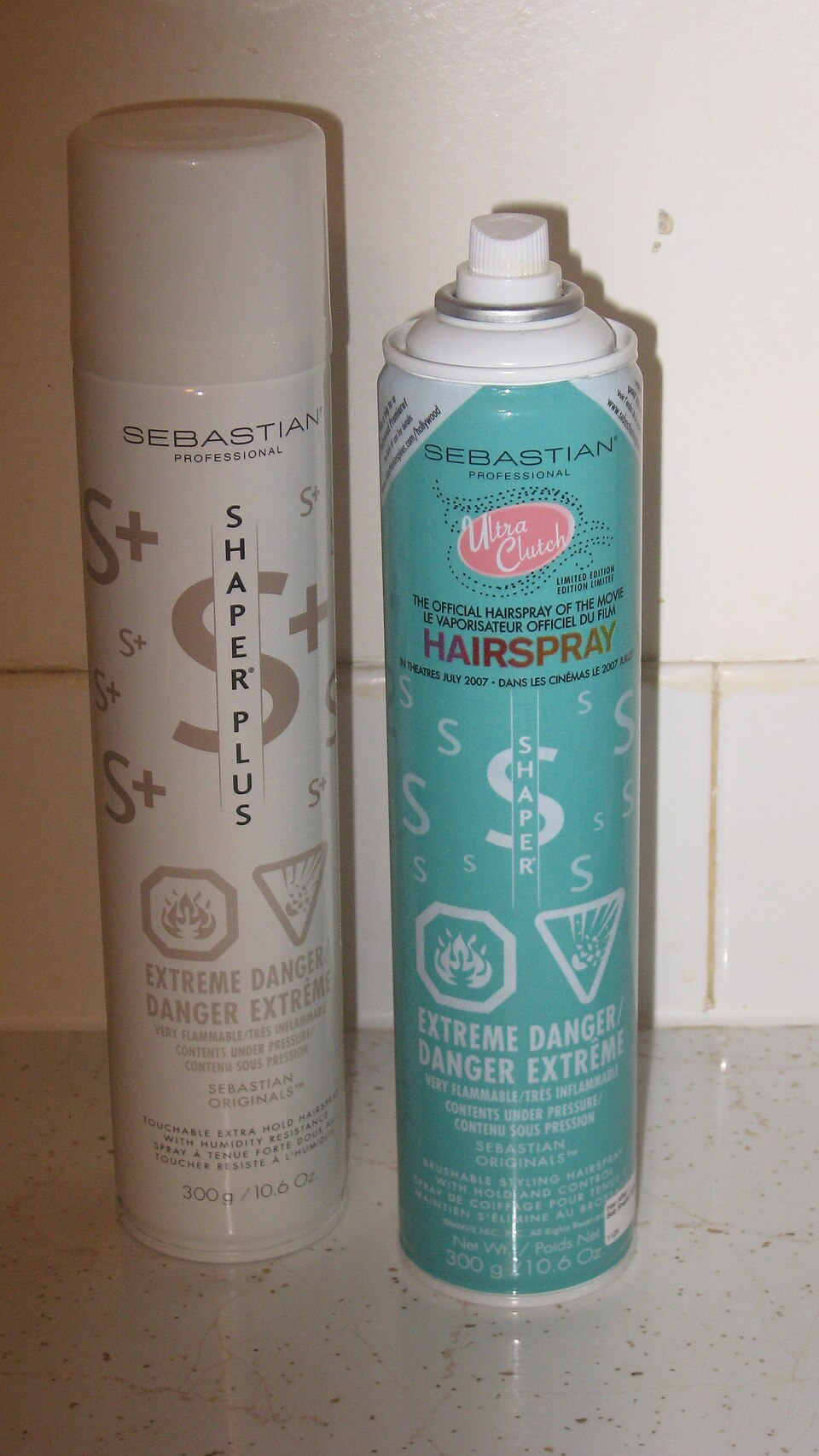
Vinyl chloride was used as an aerosol propellant, including in hair sprays, and was prohibited in that use in 1974 after it was linked to a rare liver cancer in exposed workers. Chlorofluorocarbon propellants went next: the United States banned most aerosol uses in 1978 on the basis of the stratospheric ozone argument, years before the international agreement that is usually credited with the change. Each of those decisions was made on a measurement that had not previously been taken, by people who were looking for something else.
What the shelf teaches
The temptation is to read all this as evidence that official assurances are worthless, and that reading does not survive contact with the list. Every product above was removed by the same institutional machinery that had previously permitted it, usually within a few years of the evidence appearing, and the removals held. The system that got lead paint wrong for fifty years is the system that got vinyl chloride right in about two.
The better lesson is narrower. A product’s safety record is only as good as the questions that have been asked of it, and the questions asked of a 1960 household product were about whether it would poison somebody that week. Persistence, accumulation, low-dose developmental effects and the behaviour of a material when a user abrades it were not on the list, because the means of asking were not available. Nothing on a modern shelf is exempt from the same structure. The useful habit is not suspicion of regulators but awareness that an absence of evidence of harm is a statement about the evidence.
It also cuts the other way, and that half gets left out. The same decades removed these products and introduced child-resistant closures, mandatory labelling of contents, flammability standards for furnishings and sleepwear, and the requirement that a new pesticide be assessed before sale rather than after. A 1960 shelf was not only stocked with things that would be withdrawn; it was stocked in a market with no systematic obligation to find out. The things that are not on a modern shelf are the visible half of the change, and the paperwork behind the things that are is the larger half.
Like our content? Follow us for more.
