The entire craft is one simple knot, repeated, in two orientations.
That is all there is to learn – which makes tatting extremely easy to begin and extremely difficult to do well, because all of the skill is in consistency rather than in variety. Every pattern is built from just two shapes, closed rings and open curved chains, arranged and joined in different ways.
The hard part is that each knot is formed on the working thread and must then flip onto the core thread. A knot that fails to transfer looks almost identical and behaves completely differently, which means an error stays invisible until the piece refuses to draw up. And the whole toolkit is one small flat shuttle no larger than a finger. Here are fourteen things every household knew.
1. The Whole Craft Is One Knot Repeated
Tatting builds lace by tying a single simple knot over and over along a thread, and the pattern comes from how many knots go where rather than from any variety of technique.
A small living craft with a dedicated following.
Start with how little there is to learn, because it is the most surprising fact about the subject. One knot, in two orientations, is the entire technique – which means tatting is extremely easy to begin and extremely difficult to do well, since all of the skill is in consistency rather than in variety.
Like our content? Follow us for more.
2. The Knot Has to Transfer or Nothing Works
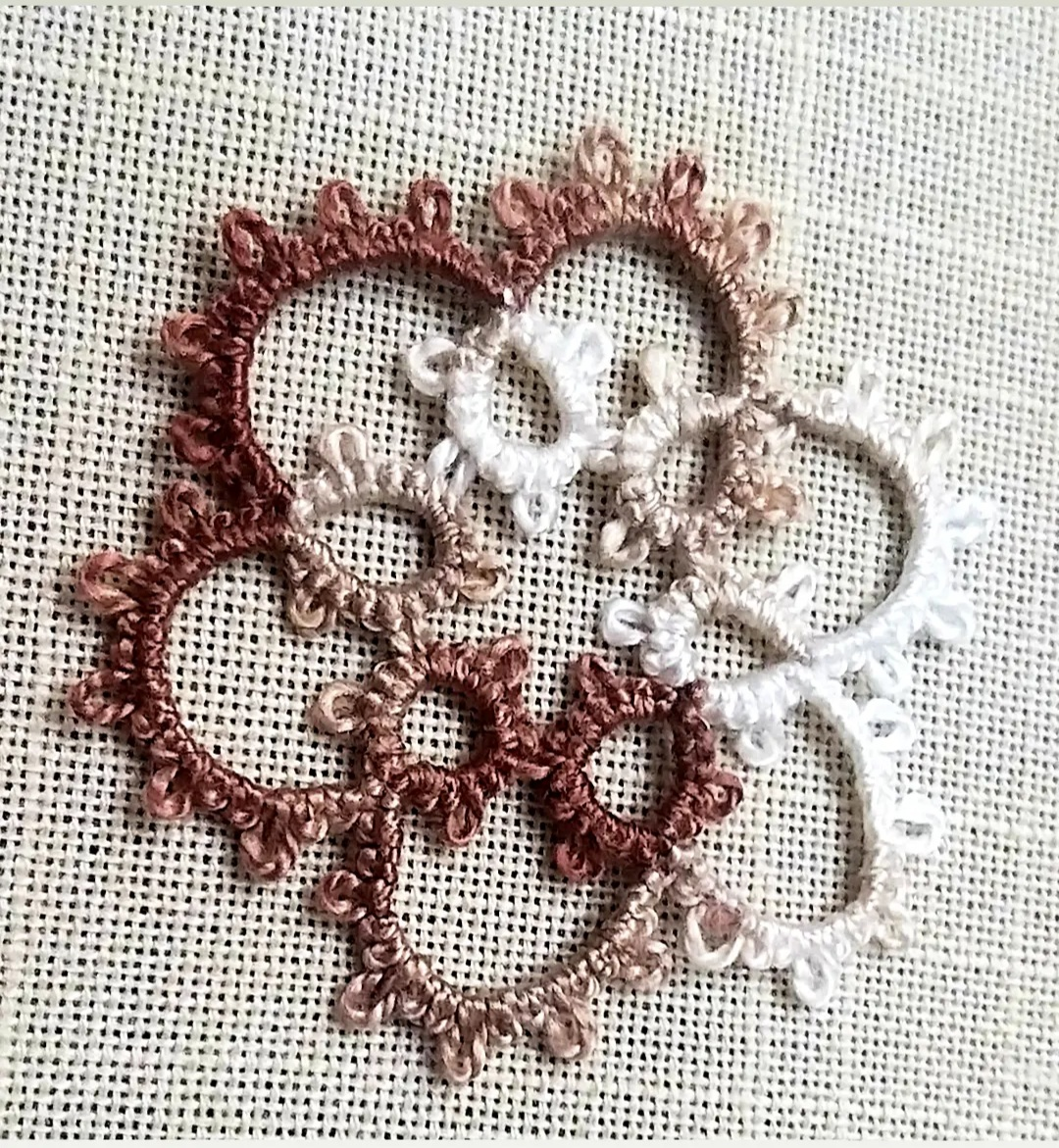
Each knot is formed on the working thread and must then flip onto the core thread, and if it fails to flip the whole piece is wrong.
Unchanged.
This is the step that defeats beginners and it is a genuinely elegant piece of mechanics. The knot is made one way round and then transfers to the other thread by a specific movement, and a knot that does not transfer looks almost identical while behaving completely differently – which means an error is invisible until the piece refuses to draw up.
3. The Shuttle Is the Whole Toolkit
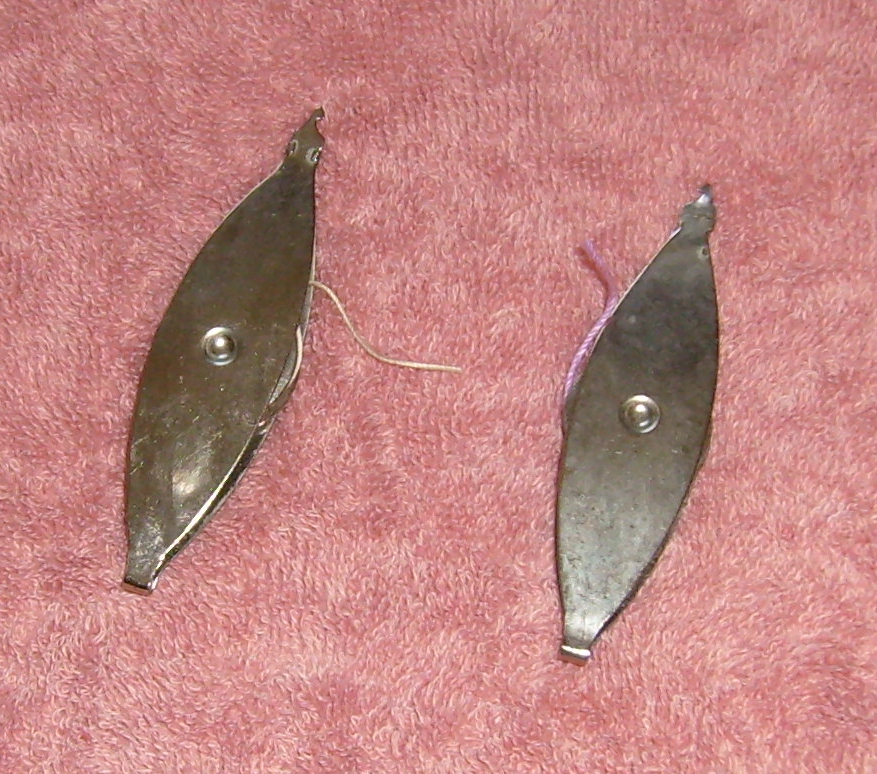
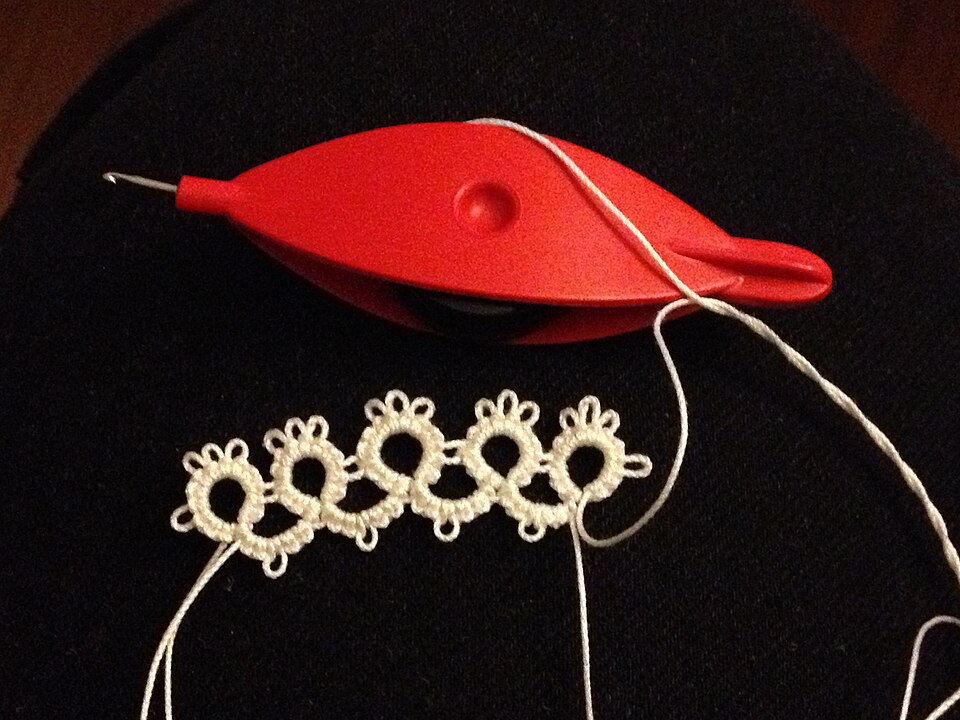
A small flat shuttle holding wound thread, no larger than a finger, is the only implement required.
Shuttles and needles are both used.
The economy of equipment is the practical fact that made the craft spread. One small object and a ball of thread is the entire capital requirement, it costs almost nothing, it fits in a pocket, and it needs no frame, no table and no space – which puts the craft within reach of absolutely anybody.
4. It Could Be Done Anywhere, Including in the Dark
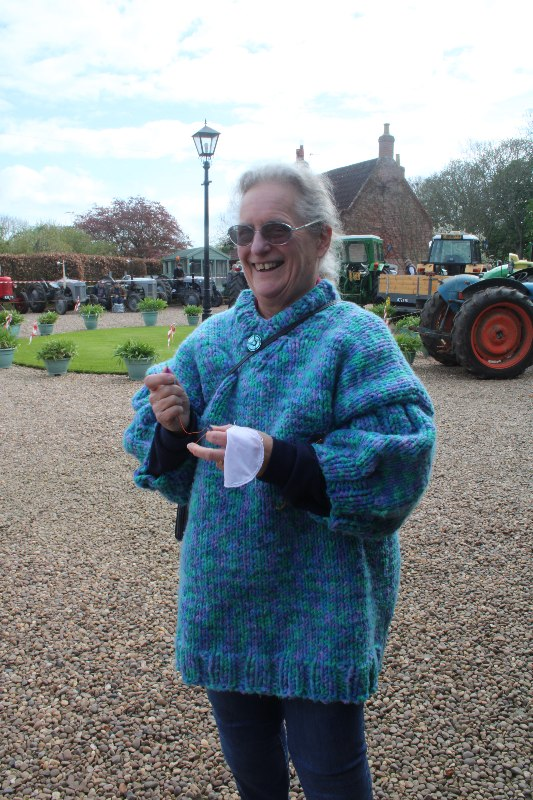
Tatting is small, portable, requires no light to speak of once learned, and can be put down and picked up mid-row without damage.
Unchanged.
Portability is why this particular craft survived in households where others did not. Work that fits in an apron pocket and survives interruption is work that can be done in the gaps – on a porch, in a waiting room, in a wagon, in conversation – which is a completely different proposition from anything requiring a frame.
5. Rings and Chains Are the Only Two Shapes
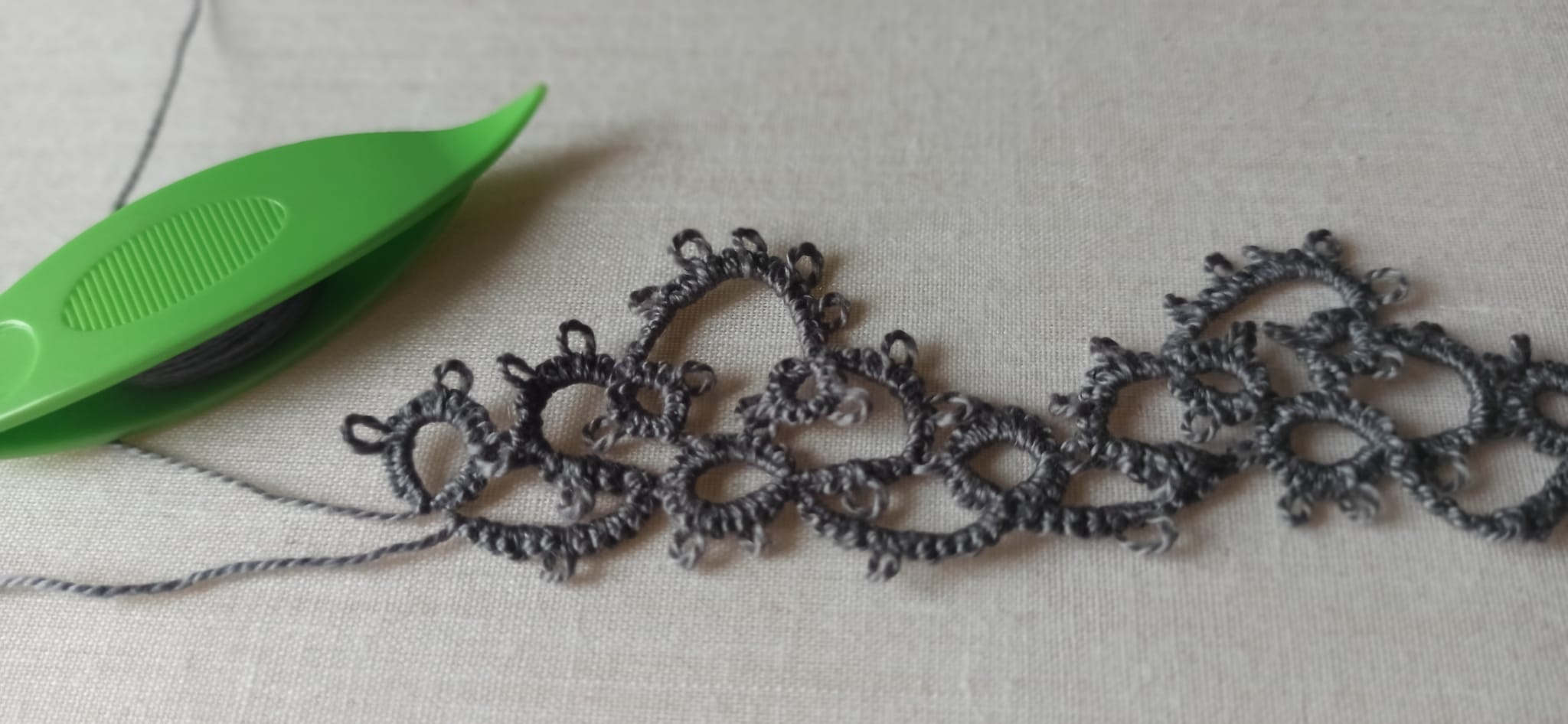
Every tatted pattern is made of closed rings and open curved chains, arranged and joined in different ways.
Unchanged.
Reducing the whole vocabulary to two elements is what makes the designs so various. A ring and a chain, repeated at different sizes and joined at different points, generates an enormous range of patterns – which means a tatter is working combinatorially rather than learning a new technique for every design.
6. A Mistake Could Not Be Unpicked
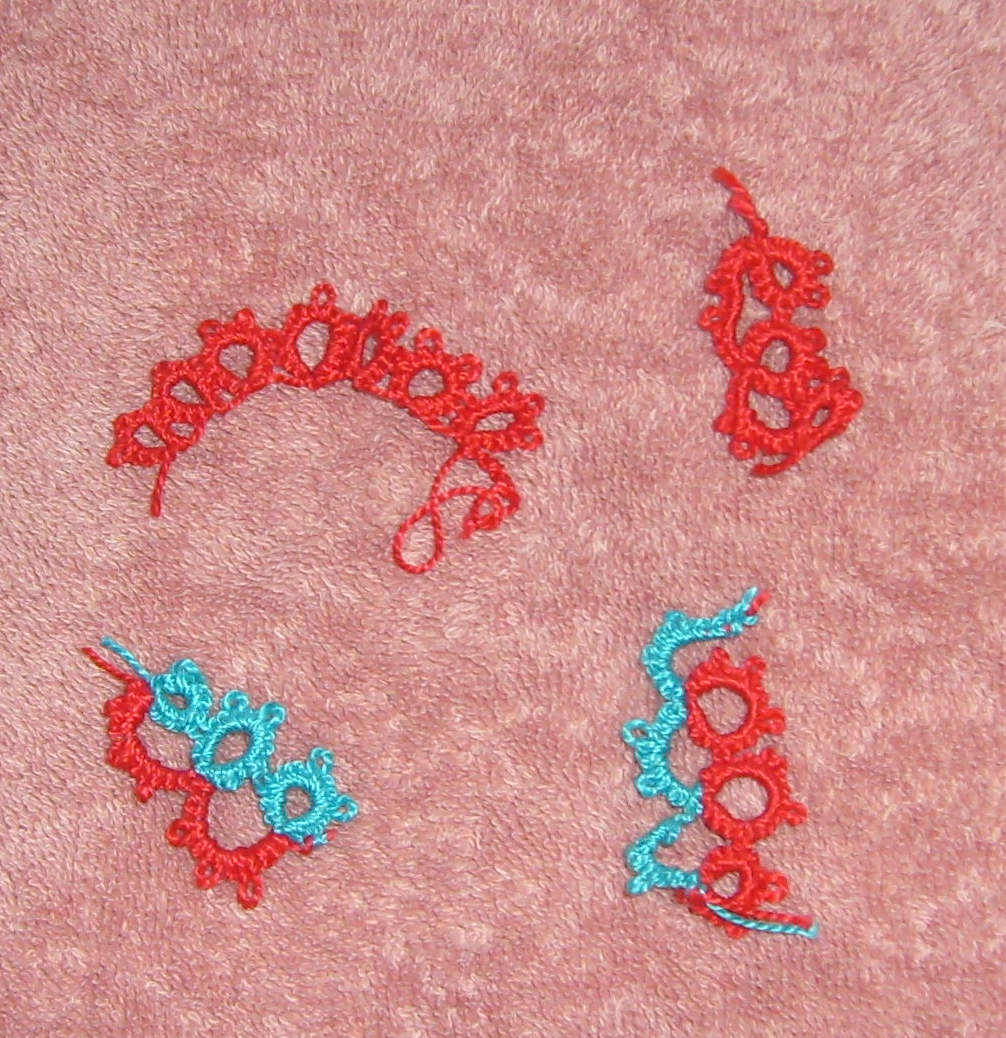
Tatted knots are designed to lock, so an error several rows back generally cannot be undone and the work has to be cut out and restarted.
Unchanged, and it is the craft’s defining difficulty.
This is the fact that separates tatting from every other needlecraft. Knitting and crochet can be pulled back; tatting cannot, because the knots are deliberately secure – so a mistake is permanent, and the discipline the craft demands is attention rather than the ability to correct.
7. That Security Is Exactly Why It Was Used
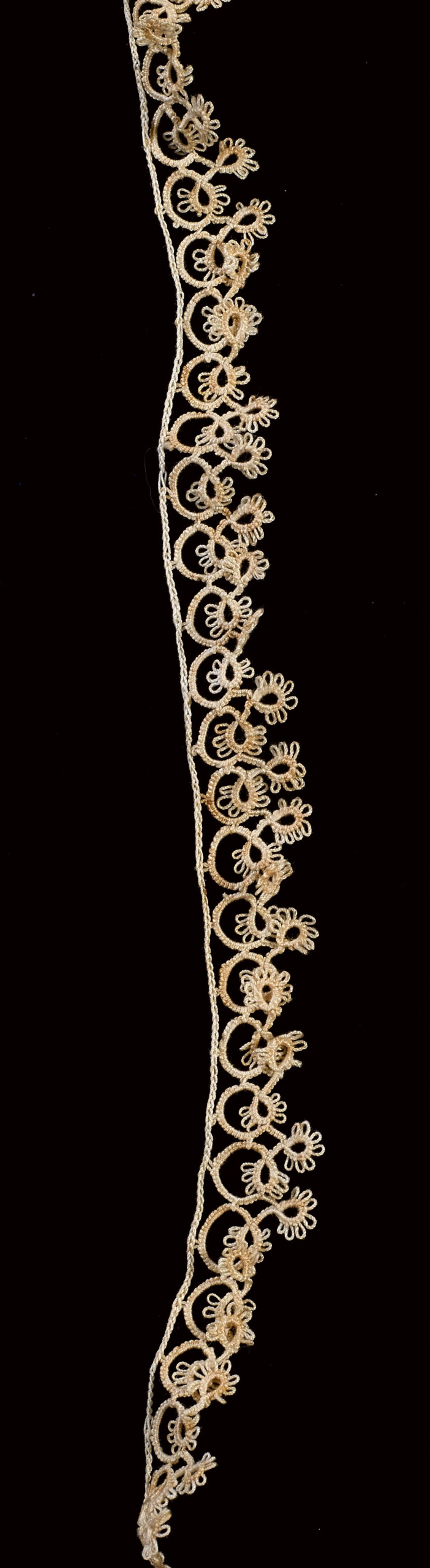
Because the knots lock, tatted lace holds its shape, survives washing and does not run or unravel when a thread breaks.
Unchanged.
The trade-off is the whole point and it should be stated clearly. The property that makes errors unfixable is the same property that makes the finished lace durable – so tatting was chosen for edgings that had to go through a laundry repeatedly, which is precisely where a crocheted or knitted lace would fail.
8. It Was Made for Edges
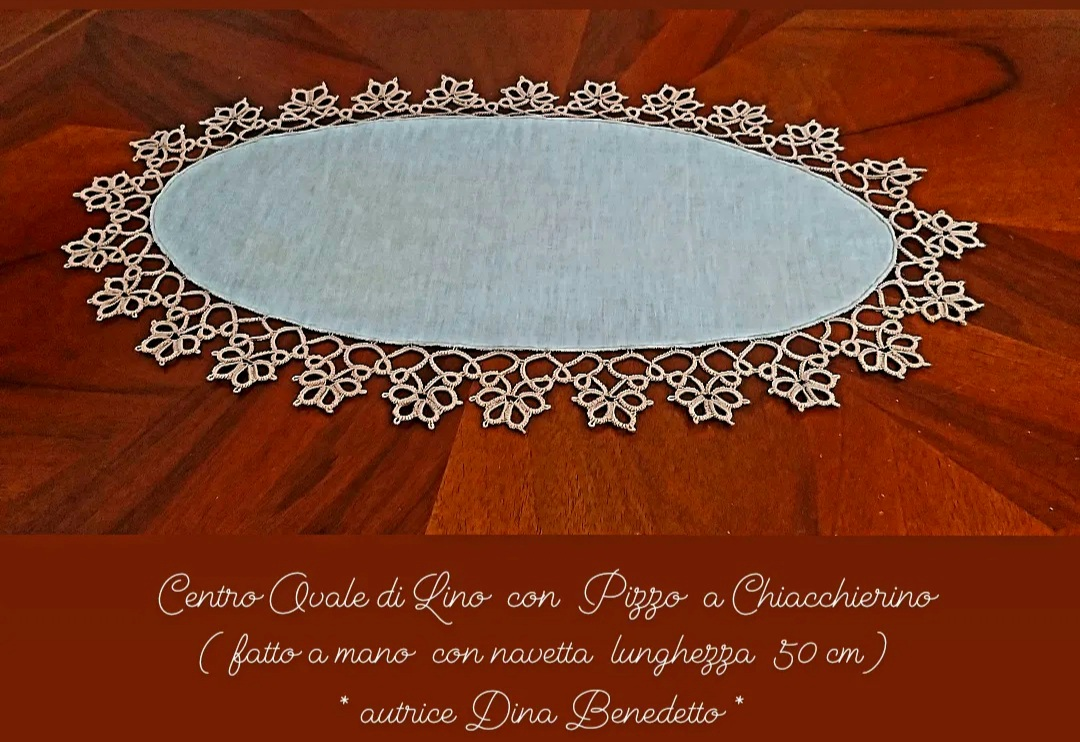
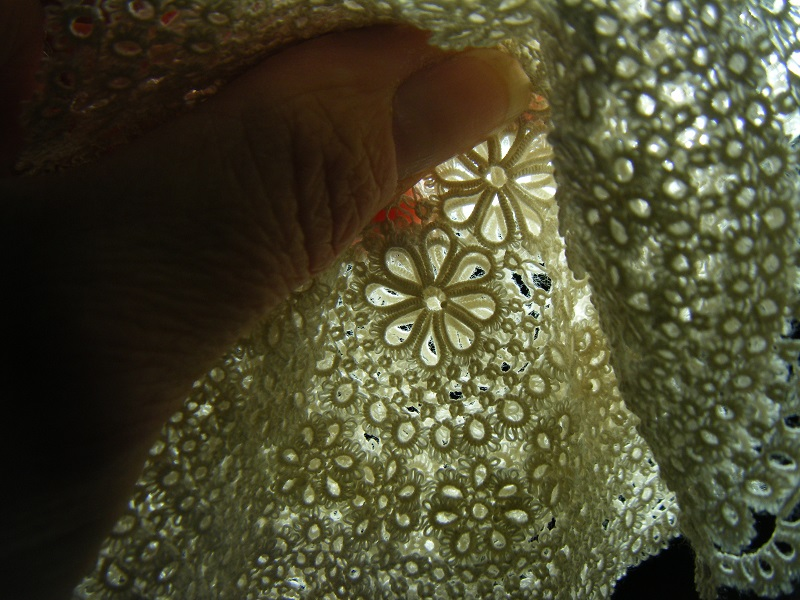
Tatting was used chiefly as a border – on collars, cuffs, handkerchiefs, pillowcases, tablecloths, doilies and infants’ clothes – rather than as a fabric in itself.
The same uses persist among people who make it.
The application follows from the structure. An openwork lace built of rings and chains is strong along its length and perfect as a trim, while making a large area of it is slow and heavy – so the craft settled naturally into edging, which also happens to be where a durable lace is most needed.
9. Joining Was Done by Pulling a Loop Through
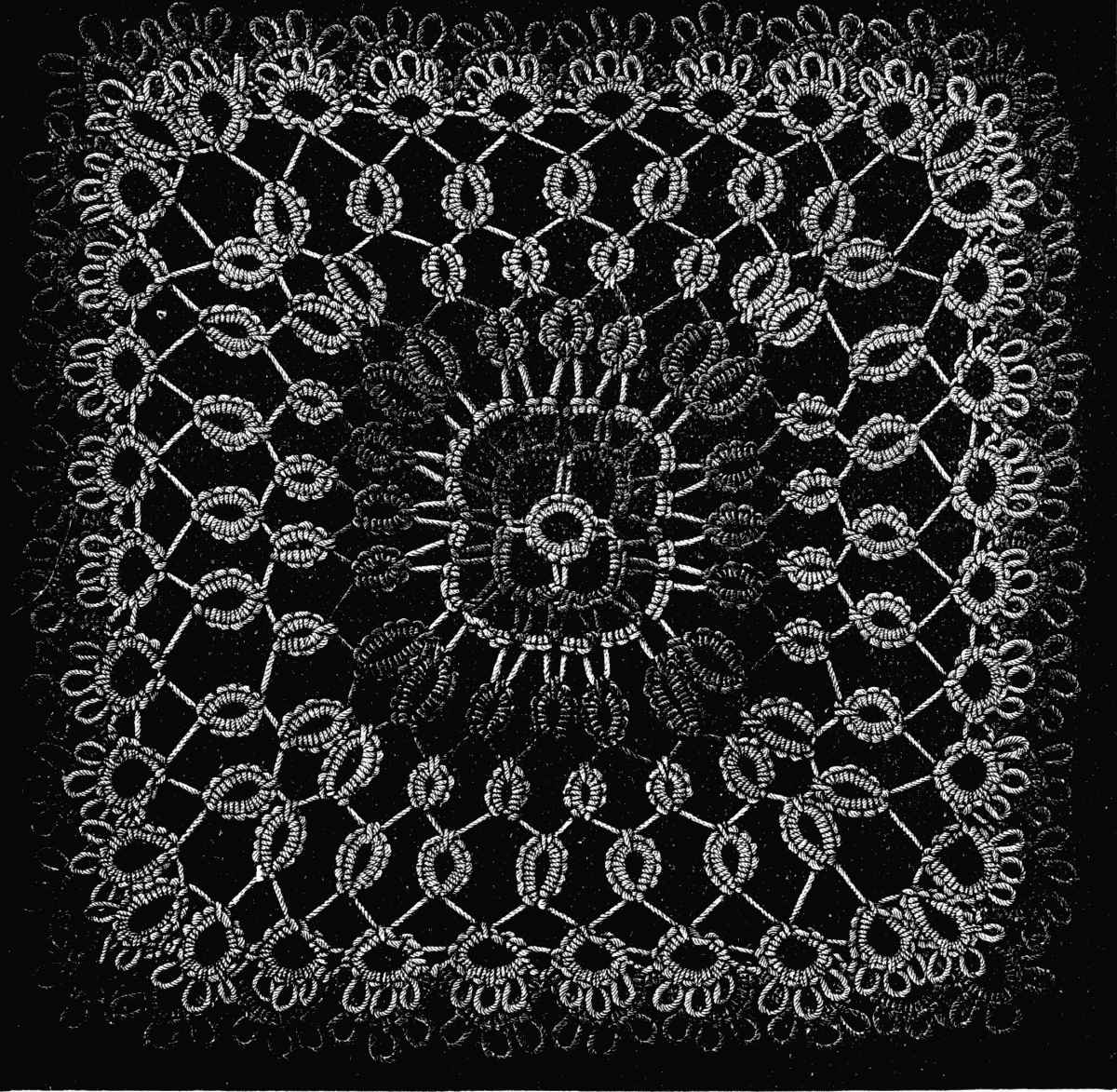
Rings and chains were attached to each other as the work progressed by drawing the working thread through a loop already made, so the piece assembled itself as it went.
Unchanged.
The joining method is what makes a tatted piece a single continuous object rather than an assembly. Nothing is sewn together afterwards – each element is attached to its neighbour at the moment it is formed, which means the whole pattern has to be planned before the first ring, since there is no way to add a connection later.
10. The Thread Was Extremely Fine
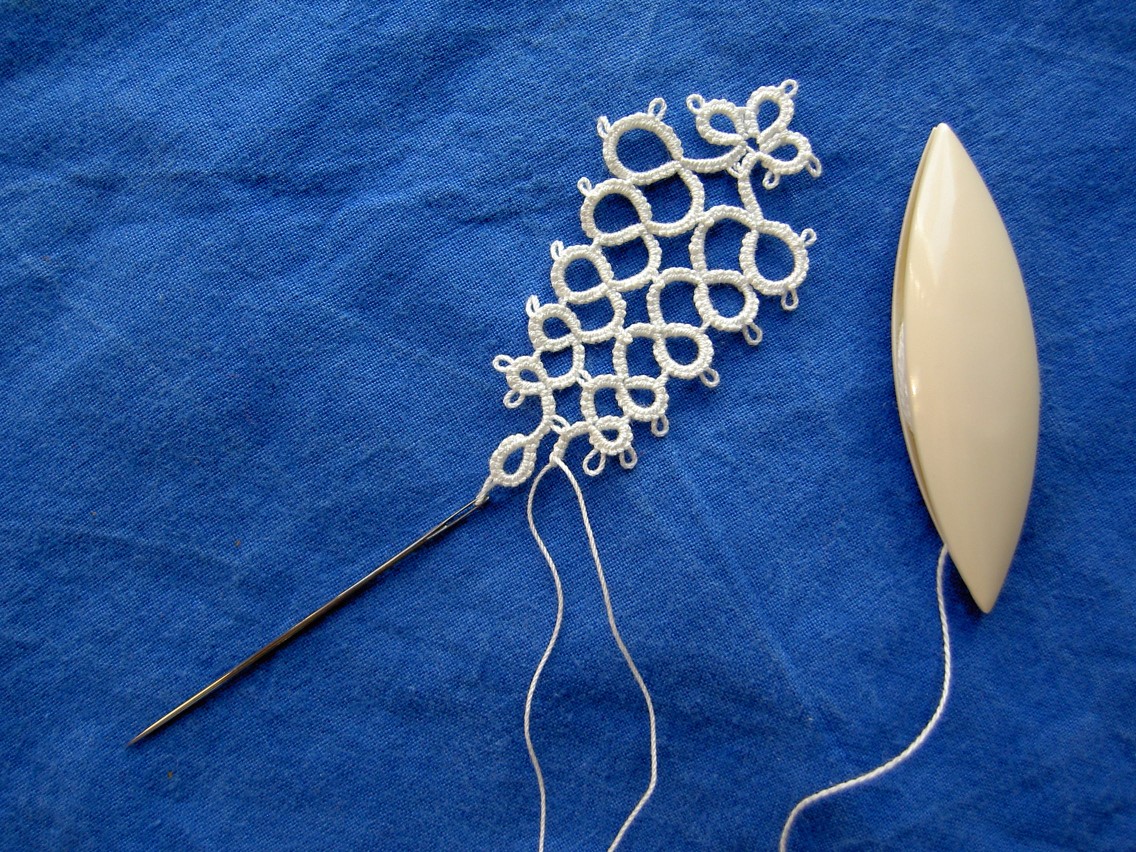
Tatting used hard-twisted cotton thread far finer than sewing thread, which is why the lace is so delicate and why the work is so slow.
Still available in a range of weights.
The thread choice determines everything about the result and about the time involved. Finer thread gives finer lace and requires proportionally more knots for the same area, so a small piece can represent many hours – and the hard twist is necessary because a soft thread will not hold the knots crisply.
11. It Was Taught Hand to Hand
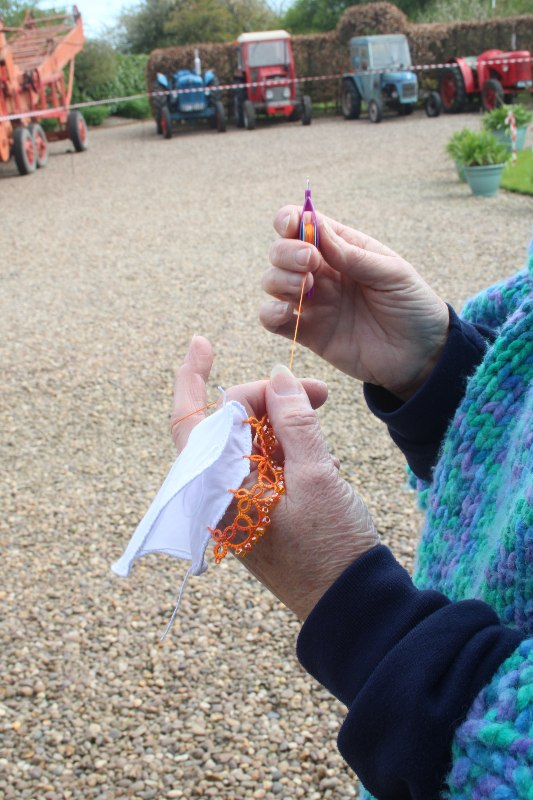
Tatting was learned by watching somebody’s fingers and then having them guide yours, because the knot transfer is almost impossible to learn from a description.
Taught by video, which solves the same problem.
The transmission method explains both the craft’s spread and its near disappearance. A technique that must be demonstrated spreads wherever somebody who knows it sits down next to somebody who does not – and stops spreading completely the moment that chain is broken, which is exactly what happened.
12. Nearly Everything Made Was Given Away
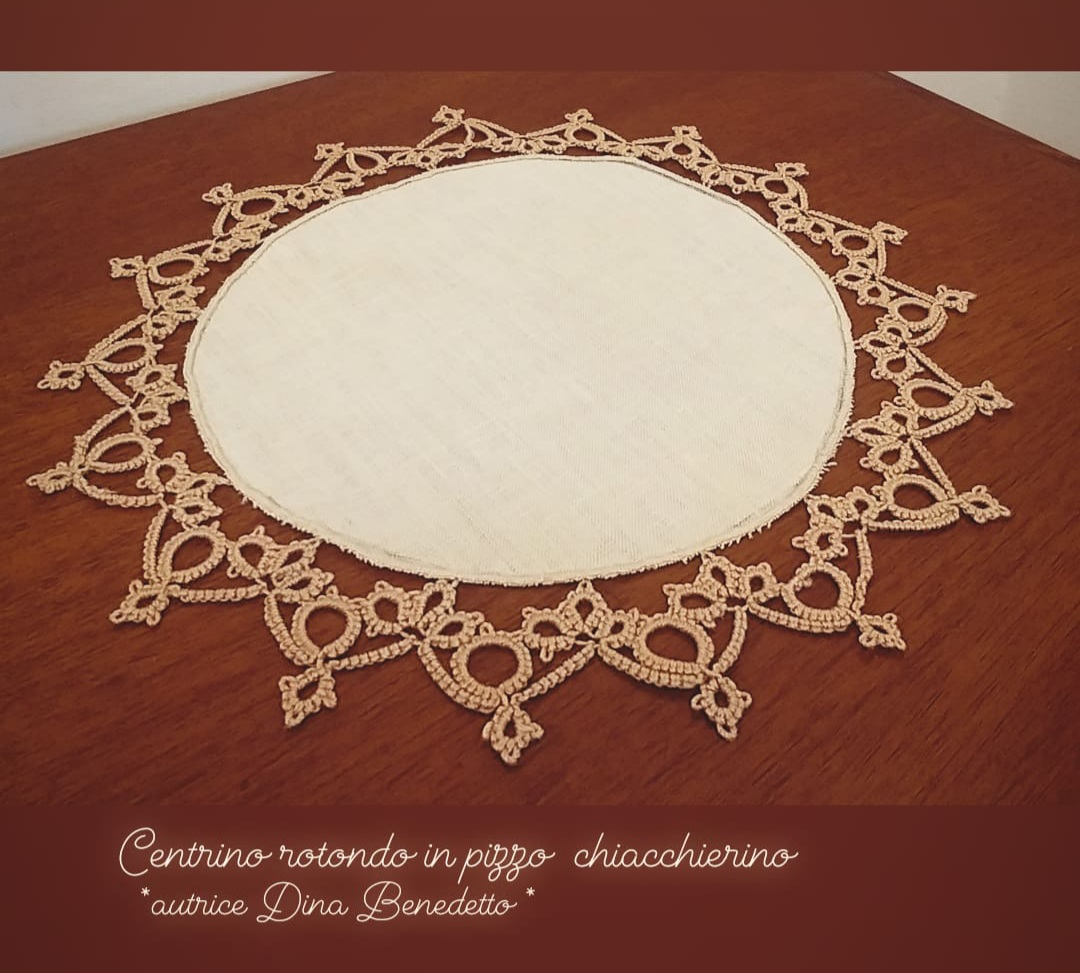
Tatted edgings were made as gifts, for trousseaux, for new babies and for church sales, far more often than for the maker’s own use.
Still largely true.
The gift economy around the craft is the part worth noticing. An object representing many hours, made from almost no material, is the ideal present for somebody with time and no money – which is why so much surviving tatting is in families that did not make it.
13. Then Machine Lace Made Trimming Cheap
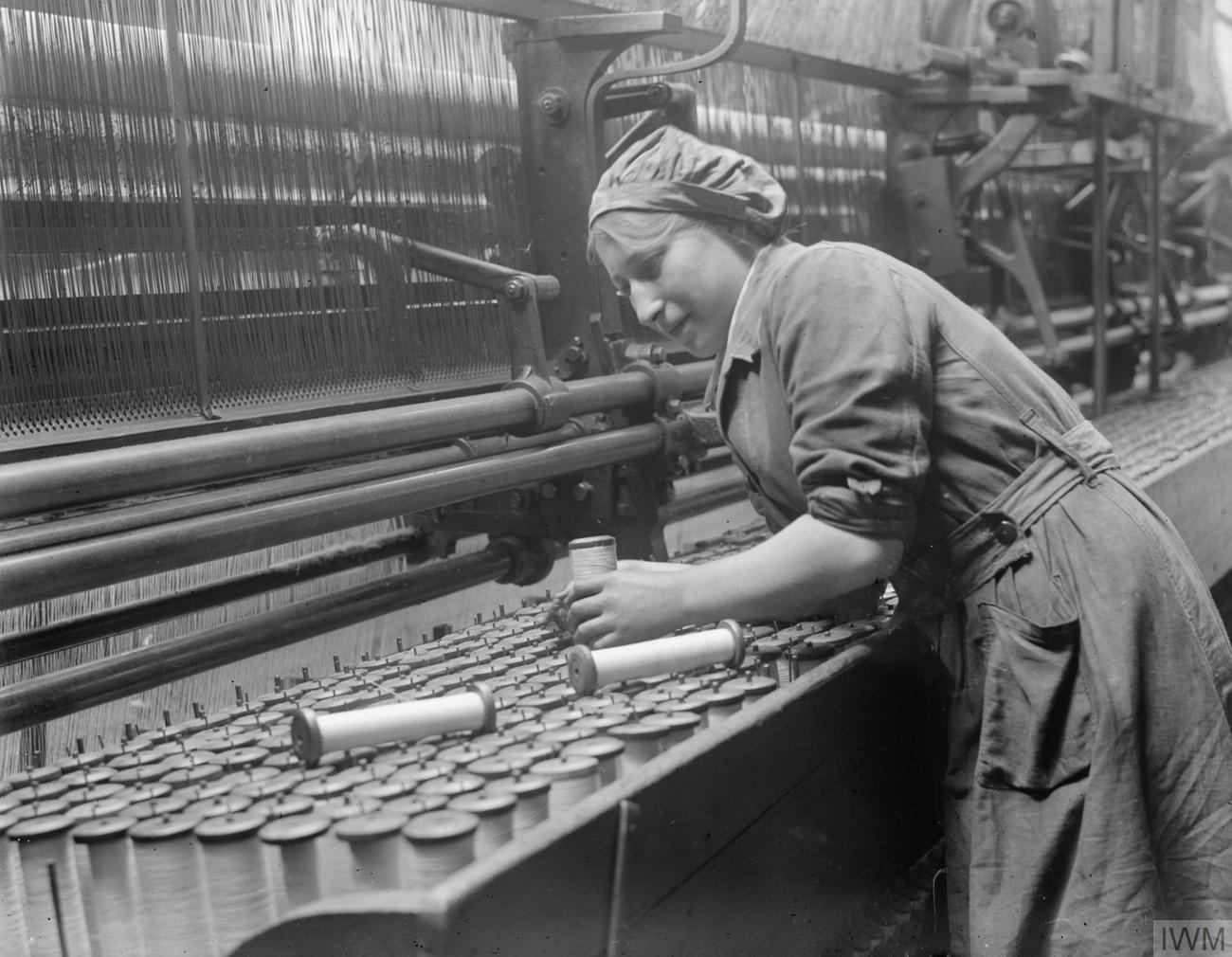
Manufactured lace trim by the yard cost a fraction of what hand lace represented in labour, and was perfectly adequate for most purposes.
Universal.
The economics ended the necessity rather than the craft. Once an edging could be bought by the yard for almost nothing, hand tatting became a choice rather than a means – and a craft that survives only as a choice depends entirely on people wanting to do it.
14. And by 1964 It Was a Skill Held by Older Women and Very Few Others
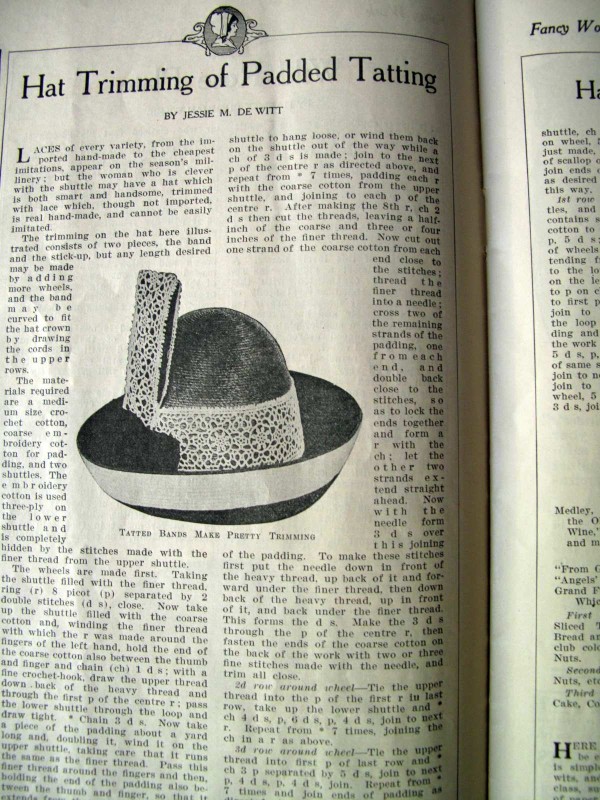
Tatting survived mainly among women who had learned it decades earlier, with the hand-to-hand teaching largely stopped and the surviving pieces being kept rather than used.
A deliberate revival, taught through books, classes and video.
And what deserves the last word is the strange shape of this craft’s difficulty. One knot, in two orientations, made with a shuttle smaller than a finger, worked in the dark on a porch in the gaps between everything else – and no mistake can ever be corrected, because the knots are built to lock. That single property is both the reason an American household chose tatting for an edging that had to survive a hundred washings and the reason the craft punishes inattention more than any other needlework. It could not be learned from a book, because the critical movement has to be shown, so it travelled only where one person sat beside another – and when the generation who knew it stopped teaching, it very nearly stopped existing. The lace itself is still in drawers, perfectly sound, outlasting everything it was sewn onto.
The Property That Made It Useful Is the Property That Punishes You
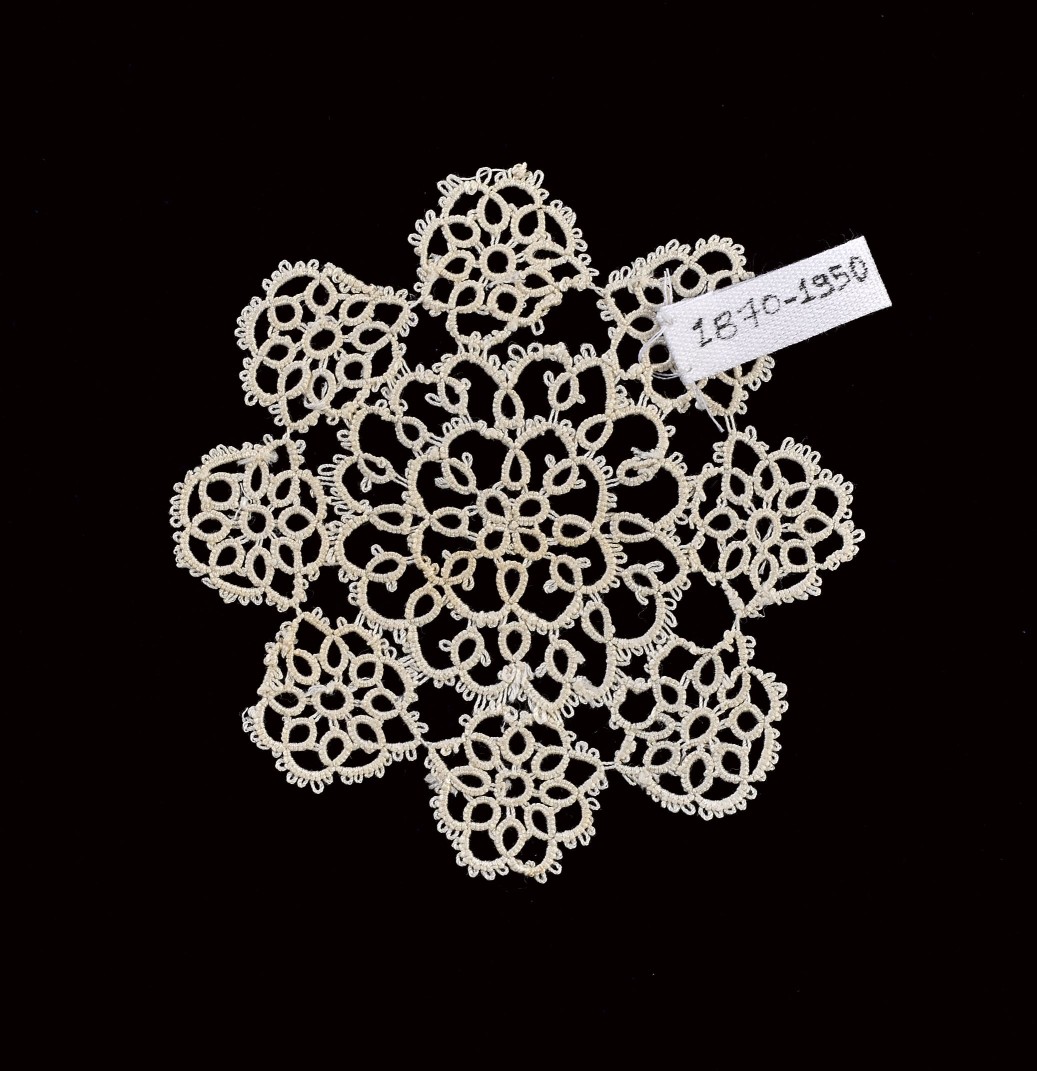
Tatting has the strangest difficulty profile of any needlecraft, and the whole of it comes down to one decision about the knot.
Start with how little there is to learn. One simple knot, in two orientations, is the entire technique. Which means the craft is trivially easy to begin and extremely hard to do well, because all the skill is in consistency rather than in range.
The one genuinely difficult mechanic is the transfer. Each knot is formed on the working thread and must then flip onto the core thread, and a knot that does not flip looks almost identical while behaving completely differently – so an error stays invisible until the piece refuses to draw up.
And the vocabulary is two shapes. Closed rings and open curved chains, repeated at different sizes and joined at different points, generate an enormous range of patterns – which means a tatter works combinatorially rather than learning a new technique for every design.
The equipment is almost nothing: one small flat shuttle holding wound thread, no bigger than a finger. No frame, no table, no space, almost no cost – which puts the craft within reach of anybody at all. And because the work is small, survives interruption and needs barely any light once learned, it could be done in the gaps: on a porch, in a waiting room, in a wagon, in conversation. That is a completely different proposition from anything needing a frame, and it is why tatting persisted in households where other crafts did not.
Now the central fact, which cuts both ways.
Tatted knots are designed to lock. So a mistake several rows back generally cannot be undone – the work has to be cut out and started again. Knitting and crochet can be pulled back; tatting cannot. The discipline the craft demands is attention rather than the ability to correct.
And that same locking is exactly why it was used. Because the knots are secure, tatted lace holds its shape, survives repeated washing, and does not run or unravel when a thread breaks. So households chose it for edgings that had to go through a laundry over and over – precisely where a crocheted or knitted lace would fail.
The property that makes errors permanent is the property that makes the lace last.
Everything else follows from the structure. Tatting was made for edges – collars, cuffs, handkerchiefs, pillowcases, tablecloths, doilies, infants’ clothes – because an openwork lace of rings and chains is strong along its length and ideal as a trim, while a large area of it is slow and heavy. Which happens to be exactly where a durable lace is most wanted.
The thread was far finer than sewing thread and hard-twisted, which determines both the delicacy of the result and the time involved: finer thread needs proportionally more knots for the same area, so a small piece can represent many hours, and the hard twist is necessary because a soft thread will not hold the knots crisply.
Two things about how it moved between people.
It was taught hand to hand, by watching somebody’s fingers and then having them guide yours, because the transfer is almost impossible to learn from a description. Which means it spread wherever somebody who knew it sat down beside somebody who did not – and stopped spreading completely the moment that chain broke.
And nearly everything made was given away: gifts, trousseaux, new babies, church sales, far more often than for the maker’s own use. An object representing many hours and almost no material is the ideal present for somebody with time and no money, which is why so much surviving tatting is in families that did not make it.
Machine lace by the yard ended the necessity rather than the craft. Once an edging cost almost nothing, hand tatting became a choice – and a craft that survives only as a choice depends entirely on people wanting to do it.
So by 1964 it was held mainly by women who had learned it decades earlier, with the teaching largely stopped.
One knot, two orientations, a shuttle smaller than a finger, worked in the dark in the gaps between everything else – and nothing in it can ever be corrected, because the knots are built to lock.
The lace is still in drawers, perfectly sound, outlasting everything it was sewn onto.
If there is tatted lace in your family, find the thread end and look at the knots.
Whoever made it never once got to fix a mistake.
Like our content? Follow us for more.