

The whole subject rests on a single exchange: turn something slower and you turn it harder, in precise proportion. Nothing is gained and nothing is free. Here are fourteen consequences.
1. Size Ratio Is the Whole Trade
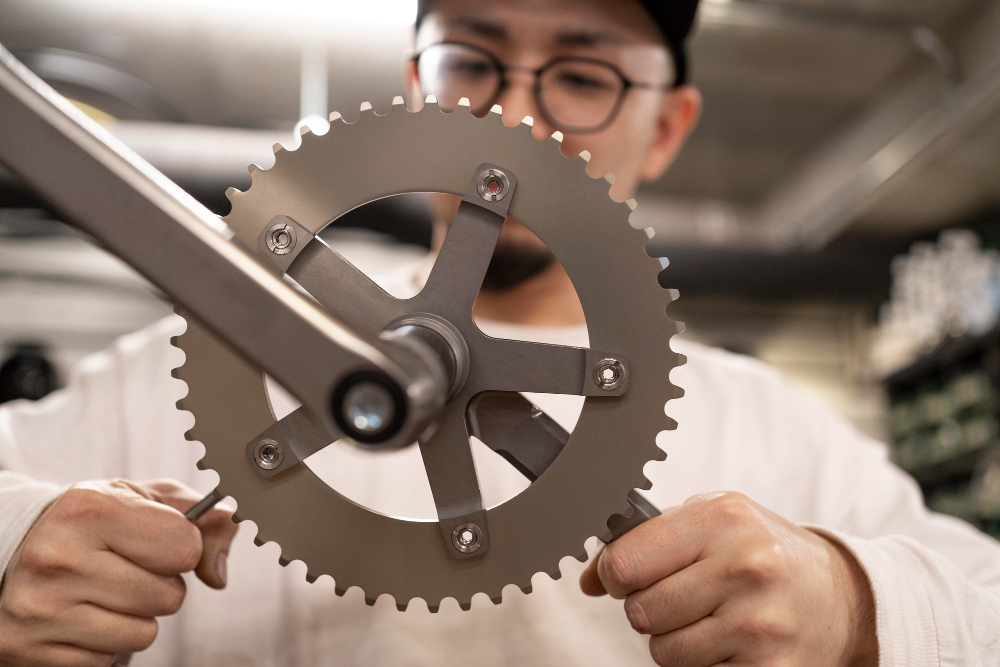
A small gear driving a larger one turns it more slowly and with correspondingly more force, and the factor is simply the ratio between the number of teeth.
Nothing is created at any point. Ratio exchange is the only thing a gear does.
Like our content? Follow us for more.
2. And It Works Both Ways
Running the same pair in reverse turns the output faster with less force, which is why the identical arrangement is a reduction in one direction and an increase in the other.
Which end you drive determines what you get. Reversibility is why one gearbox can serve two purposes.
3. Meshing Gears Turn Opposite Ways
Two gears in contact rotate in opposite directions, because the teeth of one push the teeth of the other in the direction they are travelling.
That is frequently inconvenient. Direction reversal is the side effect every gear train has to manage.
4. So Sometimes a Gear Does Nothing But Fix That
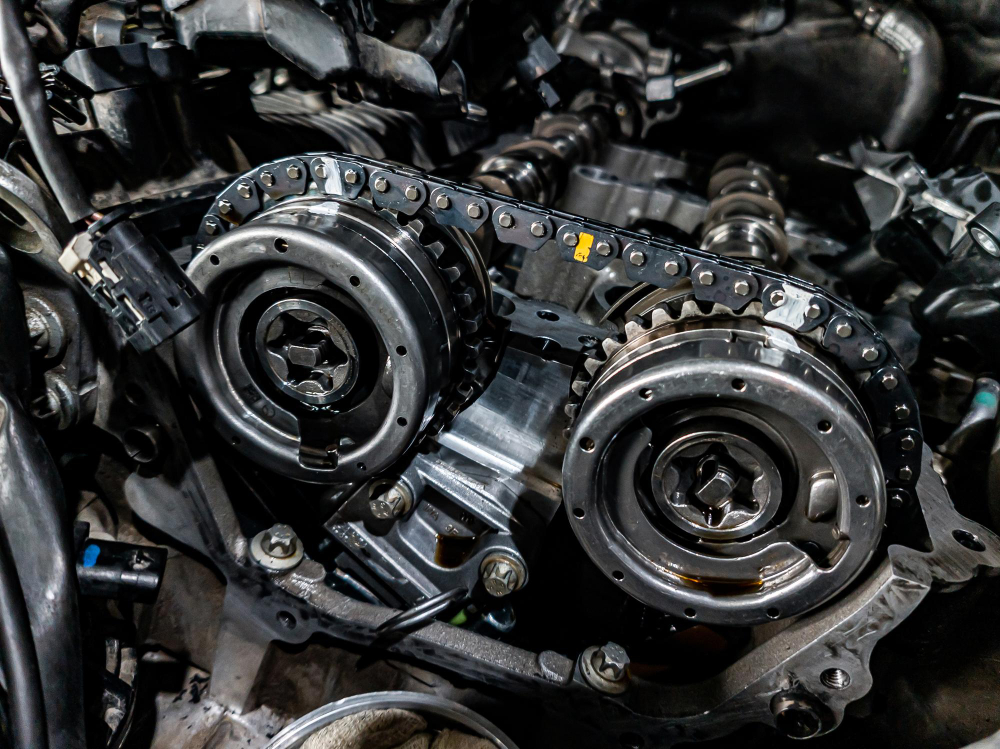
Adding a third gear between two others reverses the direction again, restoring the original sense without altering the ratio at all.
It contributes nothing mechanically. The idler gear is a component whose entire job is direction.
5. The Teeth Are Curved for a Reason
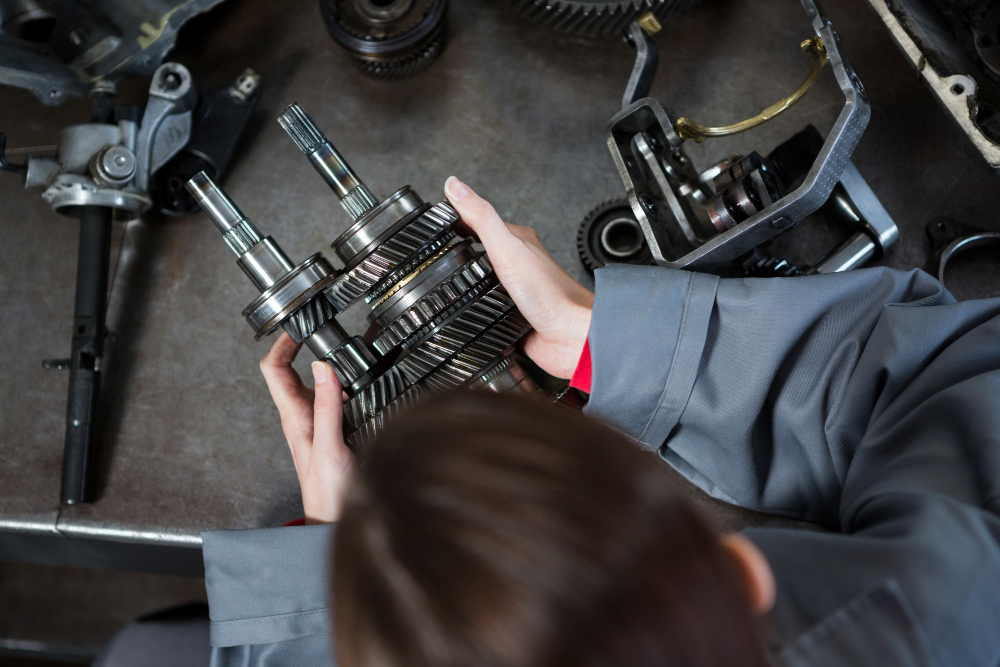
Gear teeth are shaped so that the contact point rolls across the surface rather than sliding, which enormously reduces friction and wear.
A triangular tooth would grind rather than roll. Tooth profile is precision geometry disguised as a simple shape.
6. And They Have to Be Loose

A small clearance is deliberately left between meshing teeth, because a perfect fit would jam as soon as anything expanded, deflected or picked up debris.
That clearance produces the small free movement you can feel. Backlash is a designed tolerance rather than a fault.
7. A Chain Does the Same Job at a Distance
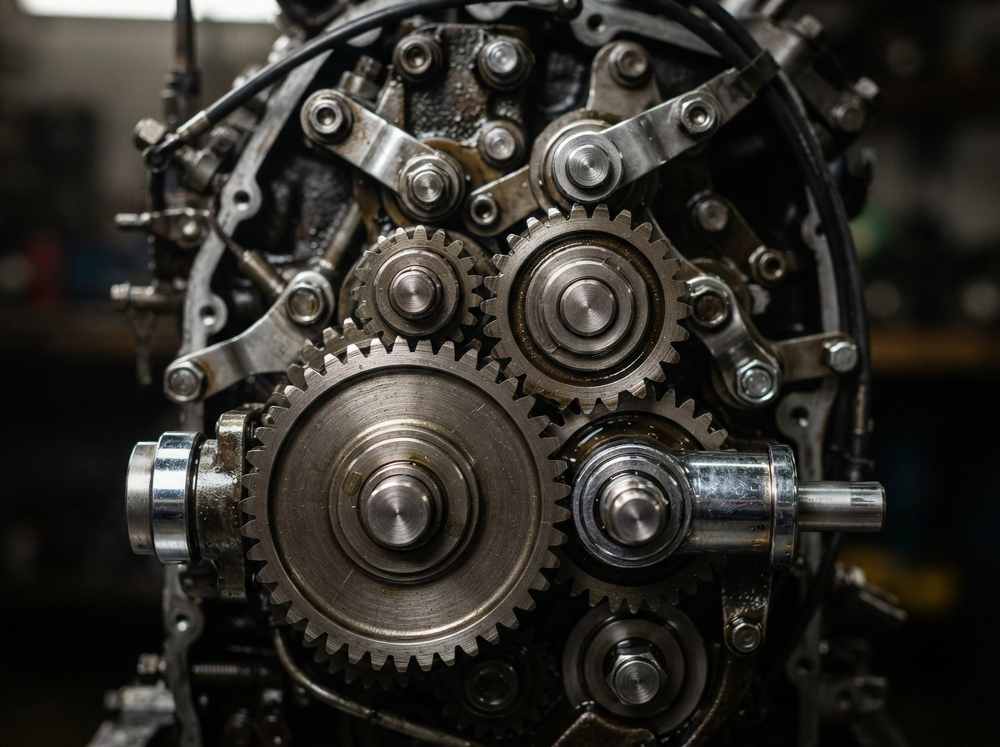
A chain or toothed belt over two wheels gives exactly the same ratio while allowing the shafts to be far apart – and, unlike meshing gears, both turn the same way.
It solves two problems at once. Flexible drive is gearing without the shafts touching.
8. Bevel Gears Turn the Corner
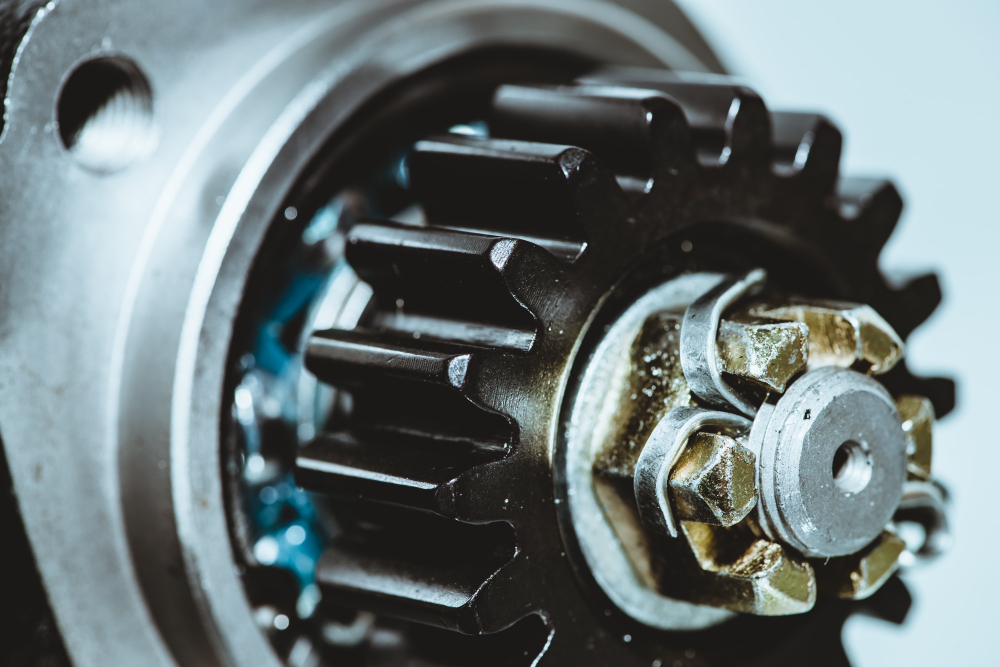
Cutting teeth at an angle on a cone-shaped face allows rotation to be transmitted between shafts that meet at an angle rather than lying parallel.
The principle is unchanged and the geometry is not. Angled meshing is how rotation changes direction in space.
9. A Worm Drive Gives an Enormous Reduction at Once
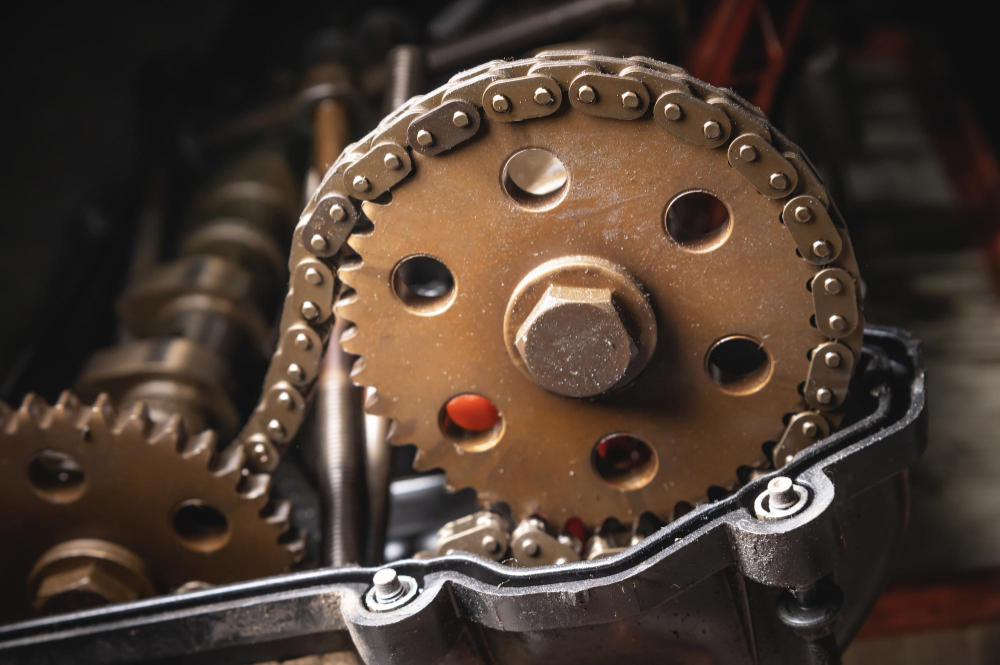
A screw meshing with a toothed wheel advances it one tooth per revolution, which produces a very large reduction in a single compact stage.
No gear pair can match it for size. Screw gearing is the arrangement for extreme reduction.
10. And Generally Cannot Be Pushed Backwards

Because of the angle at which the surfaces meet, force applied to the output wheel tends to lock rather than turn the screw, making the drive self-holding.
That is a safety property as much as a mechanical one. Self-locking is why worm drives hold position without a brake.
11. A Differential Lets Two Outputs Disagree
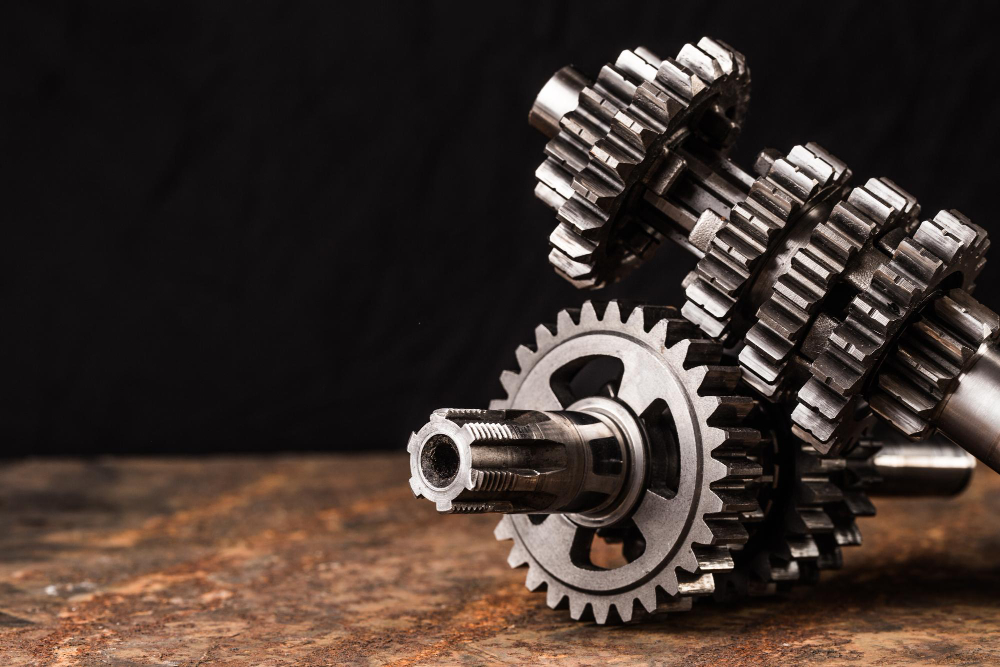
An arrangement of bevel gears can take one input and drive two outputs that are free to turn at different speeds while sharing the applied force.
It is required whenever two driven wheels follow different paths. Speed splitting is the problem the differential exists to solve.
12. Planetary Gears Fit Several Ratios in One Space

Placing gears around a central one inside a toothed ring allows different ratios to be selected by holding different parts still, all within a single compact assembly.
Nothing has to move in or out of mesh. Concentric arrangement is how multiple ratios fit in a small housing.
13. The Load Is Carried by Very Few Teeth

At any instant only one or two pairs of teeth are actually transmitting force, which concentrates enormous stress on a small area and determines how a gear wears and fails.
Tooth count and width are set by that. Contact loading is the constraint that decides how big a gear must be.
14. It Cannot Give You Anything for Nothing

Whatever the arrangement, the energy going in equals the energy coming out minus losses – so more force always costs speed and more speed always costs force.
Every gearbox is an exchange rather than a gain. Conservation is the rule the entire subject operates under.
Speed for Force, in Exact Proportion
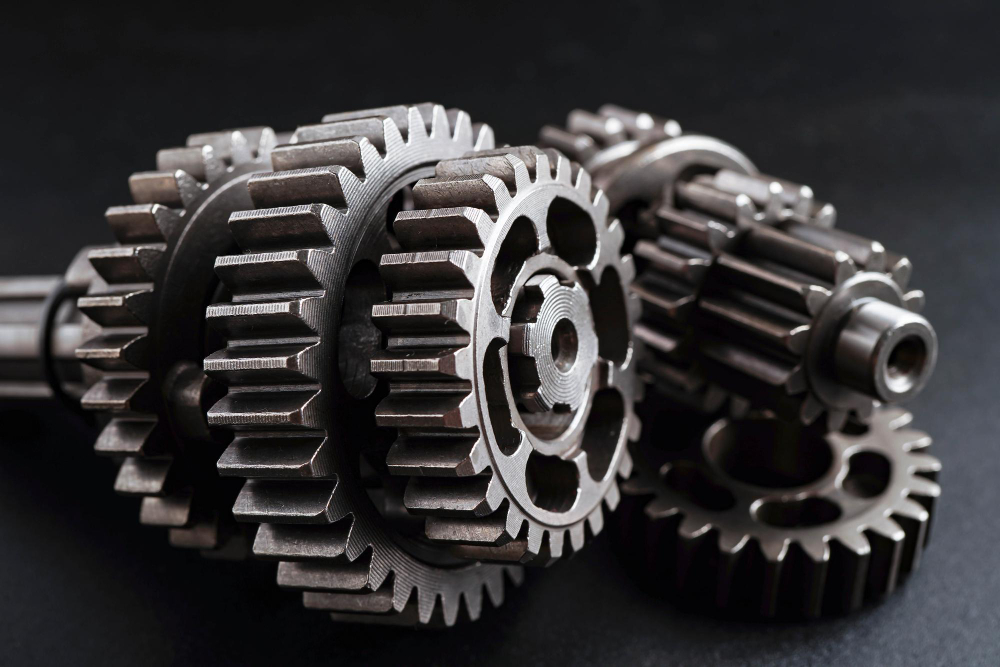
A ratio set by tooth counts, teeth shaped to roll rather than slide, a deliberate looseness so nothing jams, and a strict accounting in which anything gained at one end is paid for at the other.
The last item is the one worth carrying into anything mechanical. A gearbox looks like it multiplies effort and it does nothing of the sort – it converts a fast weak rotation into a slow strong one, and the total never changes, which is why there is no arrangement of gears anywhere that produces more than it was given.
Like our content? Follow us for more.
