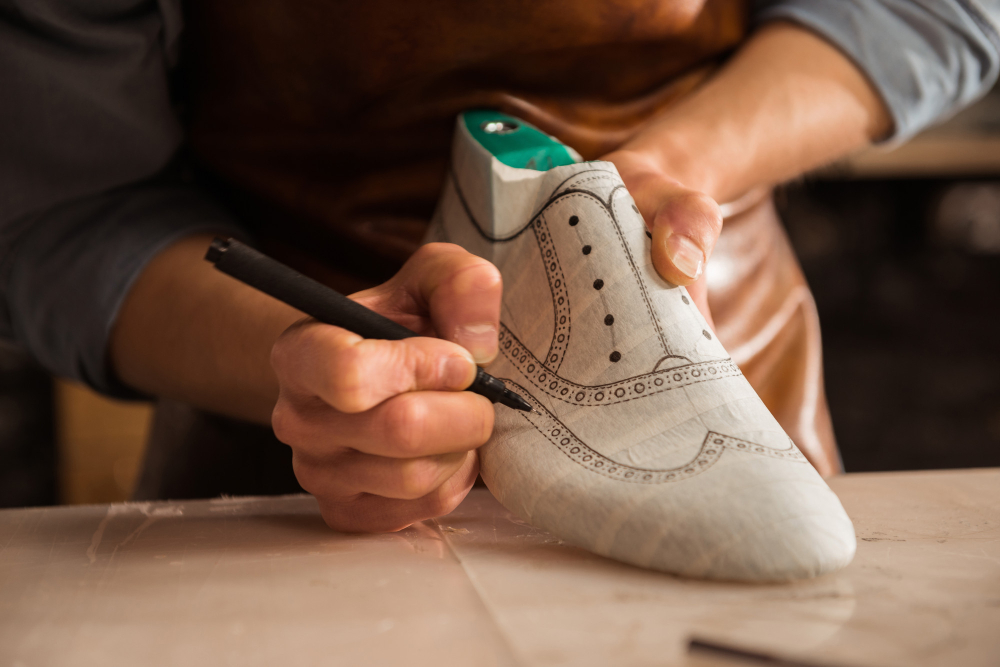
Everything is built around a solid form, and everything afterwards is a set of conflicting requirements settled in a particular way. Here are fifteen decisions inside any pair.
1. It Is Built Around a Solid Form
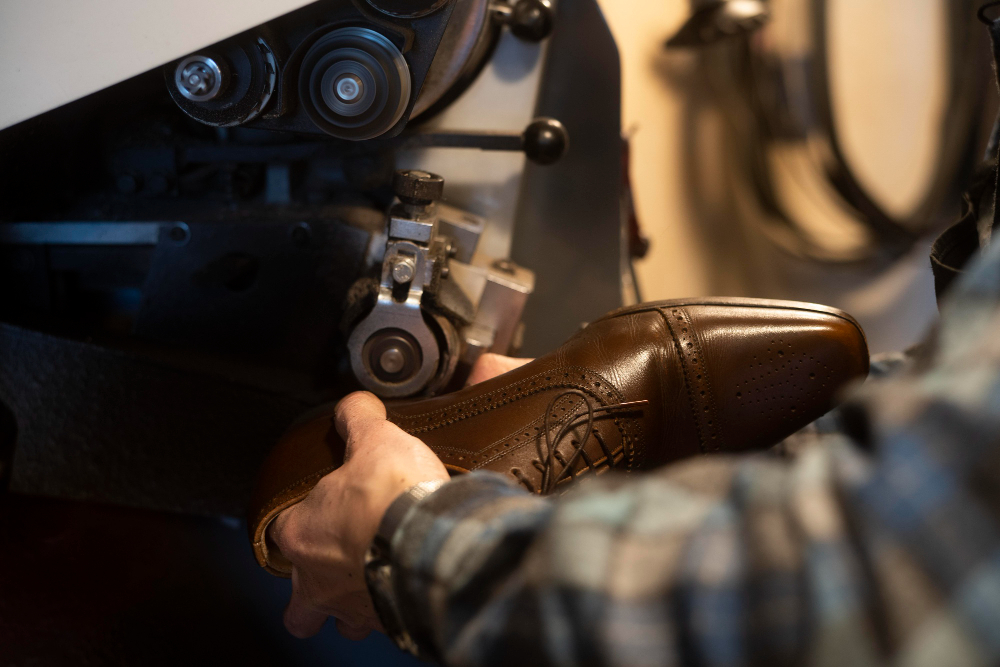
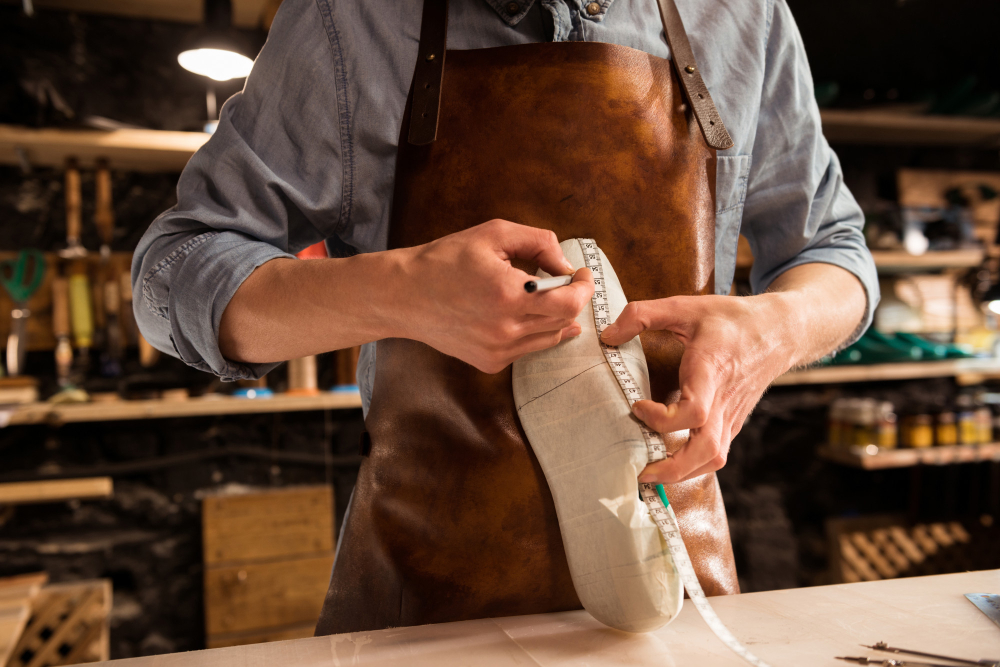
A last is a rigid shape that the upper is stretched over and the sole attached to, and it determines the internal shape of the finished shoe entirely.
Nothing is shaped by the wearer. The last is the object a shoe is actually a copy of.
Like our content? Follow us for more.
2. And That Form Is Not Foot-Shaped
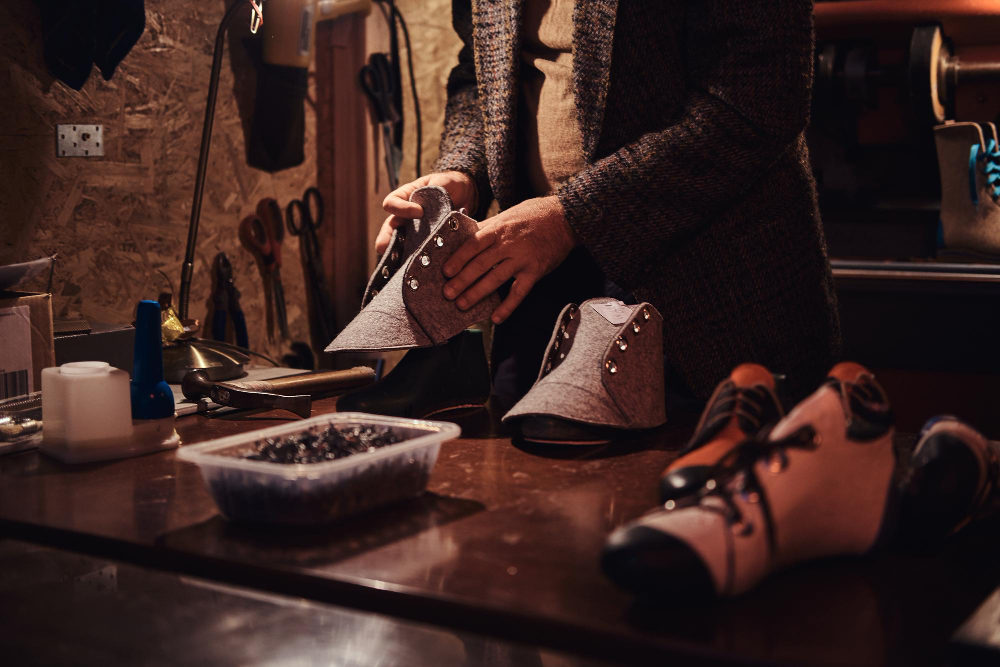
A last deliberately differs from a foot – it accounts for how material will stretch, where movement happens and what the finished shape should look like – so a shoe is not a cast of anything.
The difference is intentional. Non-anatomical shaping is why shoes of the same size differ so much.
3. How the Sole Is Attached Is the Main Distinction
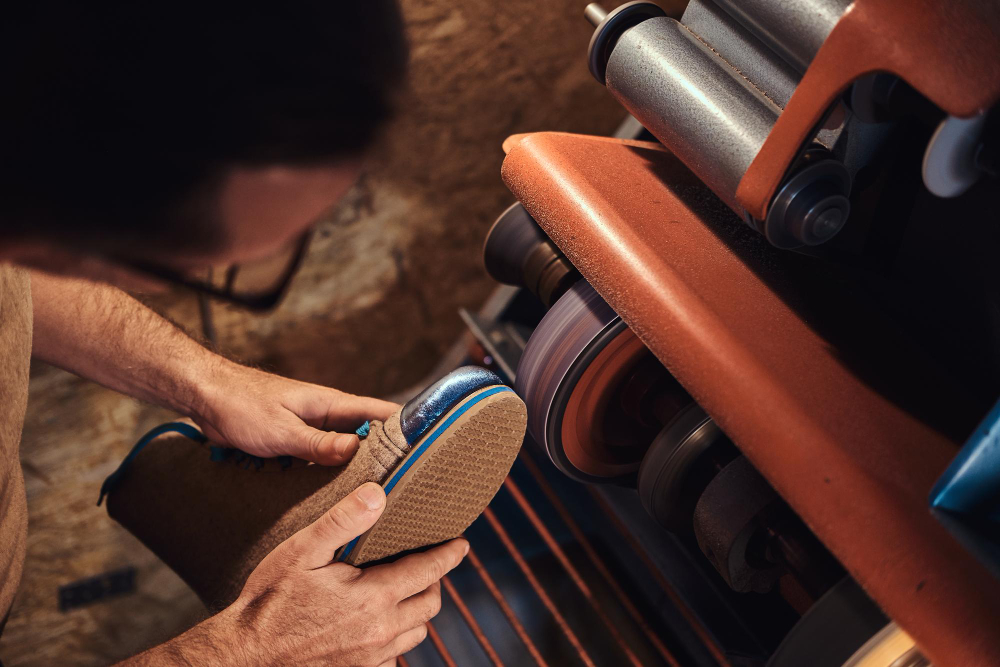
Everything else about construction follows from whether the upper and sole are stitched together or glued, which is the fundamental fork in how any shoe is made.
It decides repairability above all. Attachment method is the single most consequential choice.
4. Stitching Through a Strip Allows Replacement
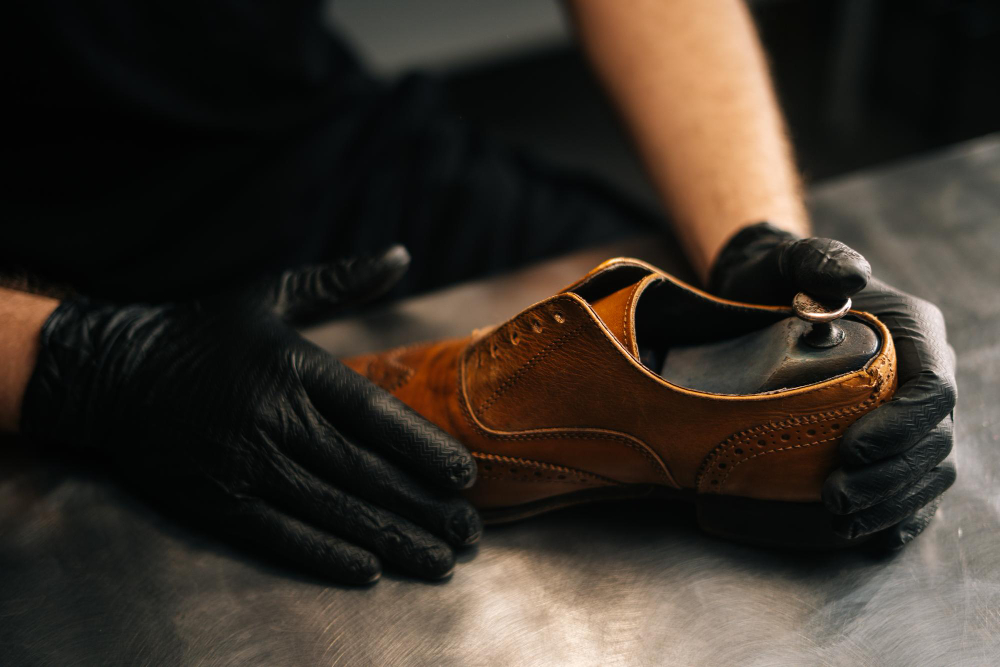
Attaching the upper to an intermediate strip and then stitching that to the sole means the sole can be removed and replaced without disturbing the upper at all.
The upper outlives several soles. Welted construction is what makes a shoe a repairable object.
5. Gluing Is Lighter, Cheaper and Generally Final
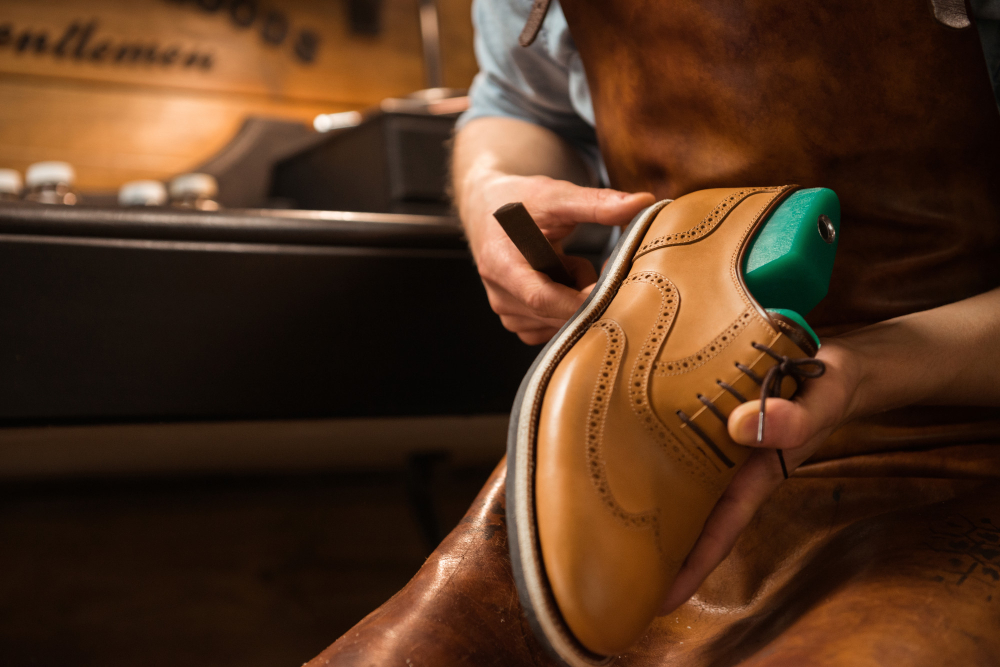
Bonding the sole directly is faster, uses less material, produces a lighter and more flexible result, and generally cannot be undone for repair.
It is not a defective method. Cemented construction is a different trade rather than a worse one.
6. The Stiffener Under the Arch Supports the Shoe
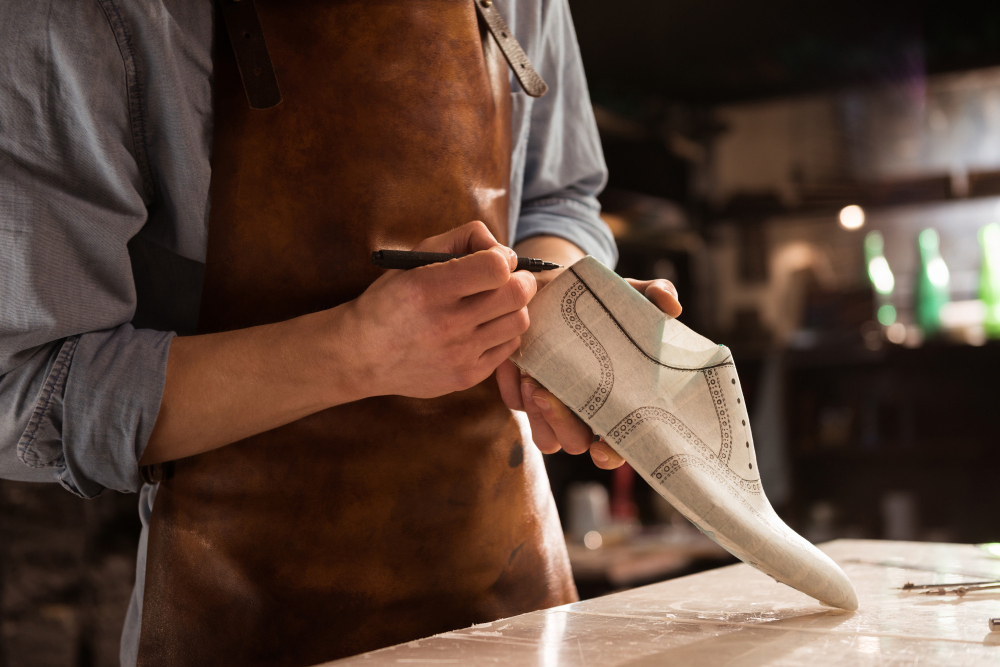
A rigid strip between heel and ball prevents the shoe collapsing in the middle under load, which holds its shape over time.
It is supporting the structure rather than anything anatomical. The shank is a component of the object.
7. Stiffeners Hold the Toe and Heel
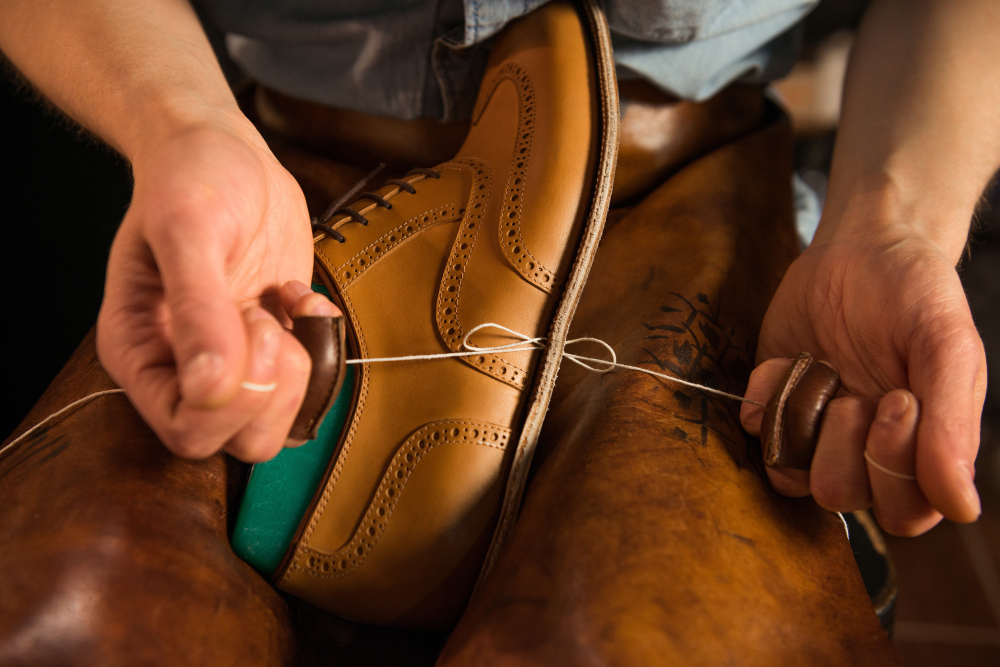
Reinforcements at both ends keep the shape where an upper would otherwise flatten – which is why an old shoe with failed stiffeners looks collapsed rather than merely worn.
They are hidden inside the material. Internal reinforcement is what maintains the outline.
8. The Sole Has Three Conflicting Jobs
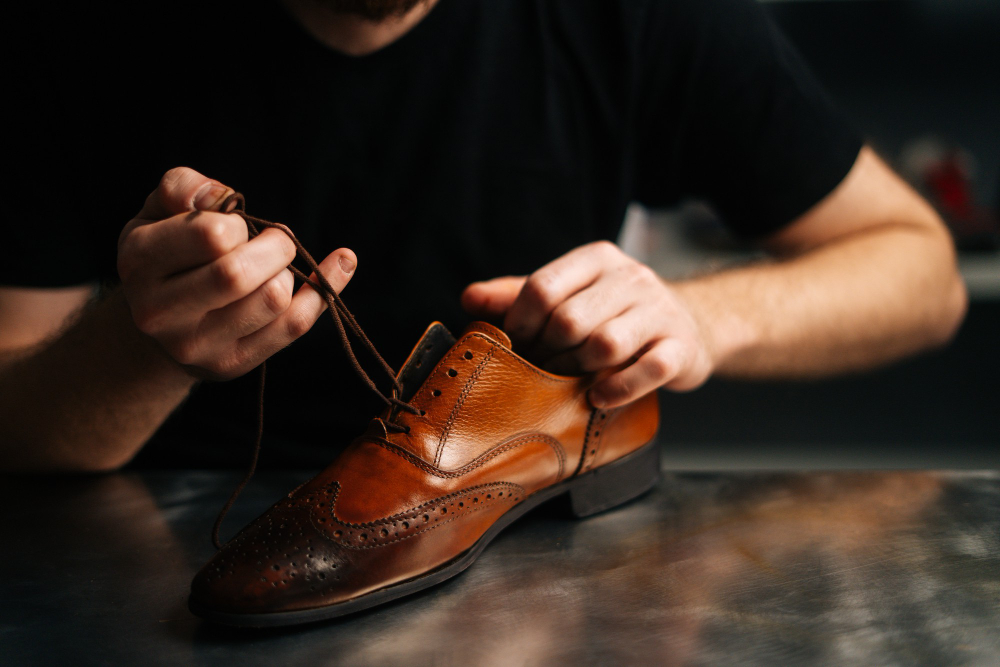
It must grip, resist wear and absorb impact, and the properties that improve one generally worsen another – a hard compound lasts and grips poorly, a soft one grips and wears away.
No material does all three. The sole compromise is the trade every design settles differently.
9. Which Is Why Soles Are Layered
Combining a harder wearing surface with a softer layer above lets different materials handle different jobs, which is a way of avoiding the compromise rather than accepting it.
Each layer answers one requirement. Layered construction is the escape from a three-way conflict.
10. The Pattern Underneath Is Doing Two Things
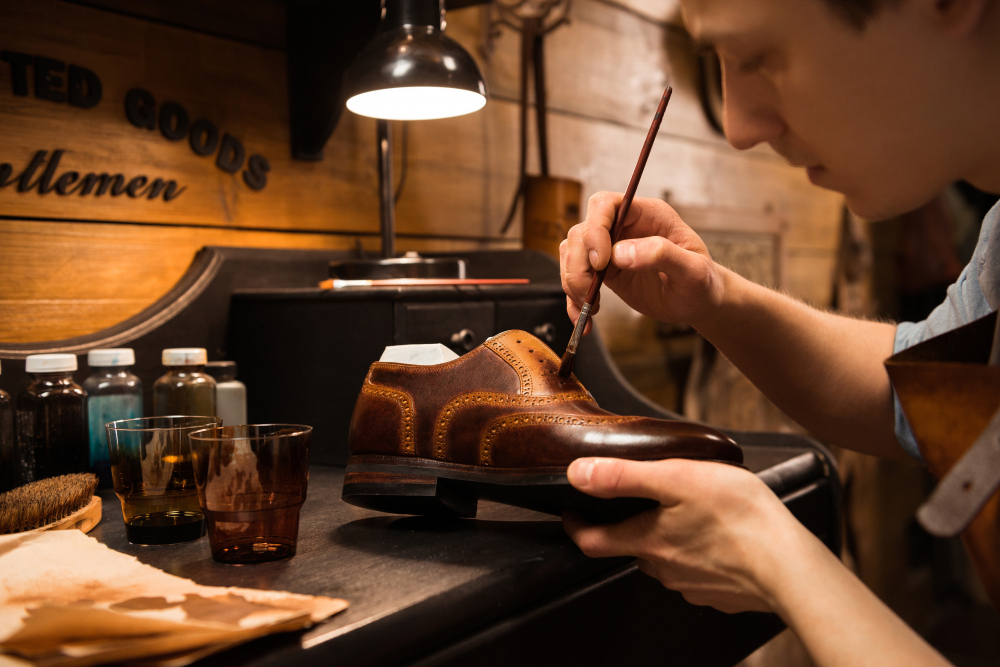
Tread provides edges that bite into a surface and channels that let water escape from under the contact area – which are different functions requiring different features.
A smooth sole fails at both. Tread geometry is grip and drainage designed together.
11. Heel Height Redistributes the Load
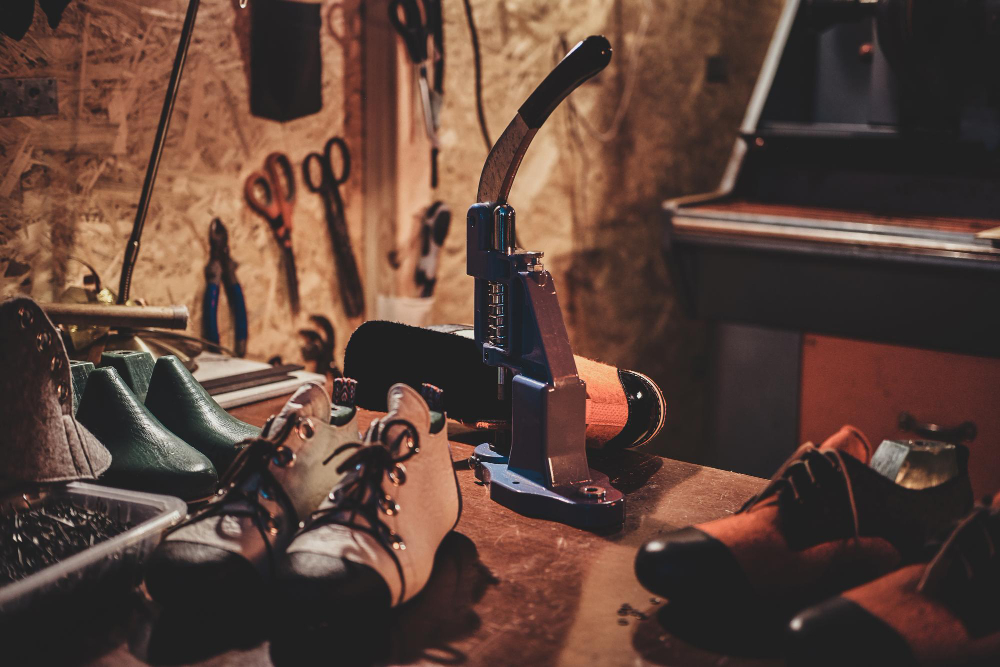
Raising the heel shifts weight forward across the foot, which changes where pressure falls and how the whole shoe is loaded – and the construction must account for that.
It is a structural decision as well as a visual one. Heel geometry alters the loading of every other component.
12. Leather Stretches to the Wearer
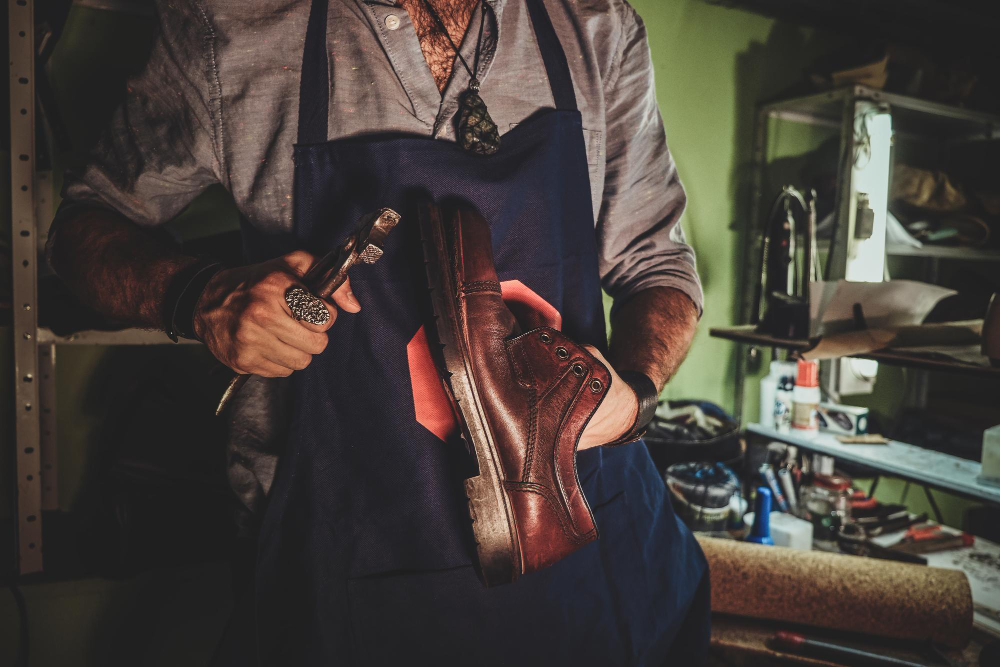
Natural material deforms under pressure and warmth and retains the new shape, which means a leather shoe gradually becomes a copy of whatever is inside it.
That is why old ones feel different. Progressive moulding is a property of the material rather than the design.
13. And Most Synthetics Do Not

Synthetic uppers largely hold their original shape indefinitely, which means they feel the same after a year and never adapt – an advantage in consistency and a limitation in accommodation.
Neither behaviour is better. Dimensional stability is the trade a synthetic upper makes.
14. The Inside Is a Separate Construction
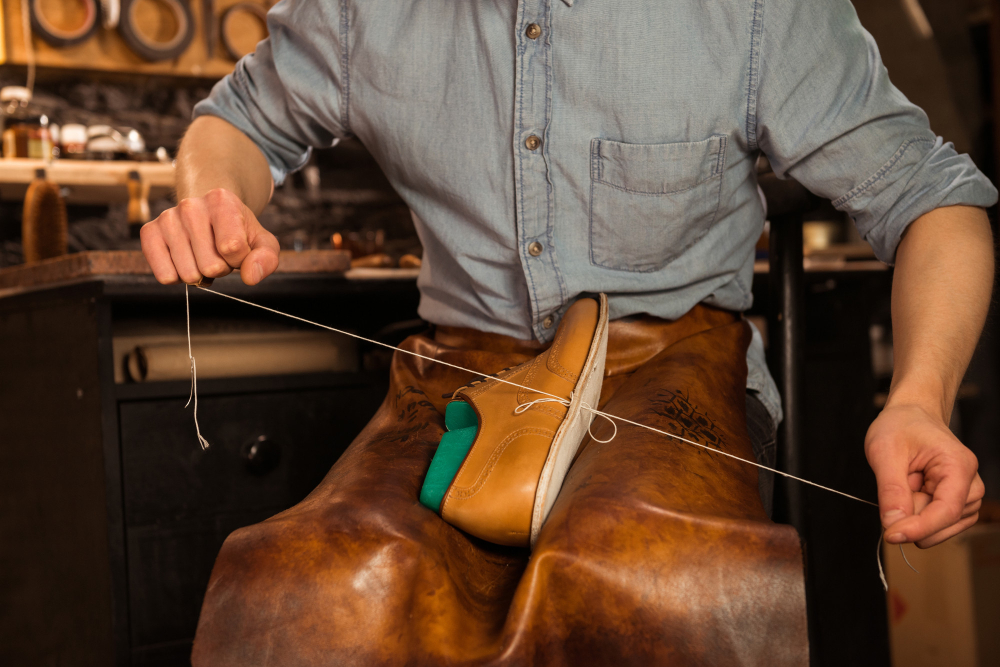
A lining, an insole and whatever sits between them are assembled independently and determine most of what the shoe feels like, despite being invisible.
The outside gets the attention and the inside does the work. Internal assembly is where comfort is actually decided.
15. Lacing Solves a Geometry Problem
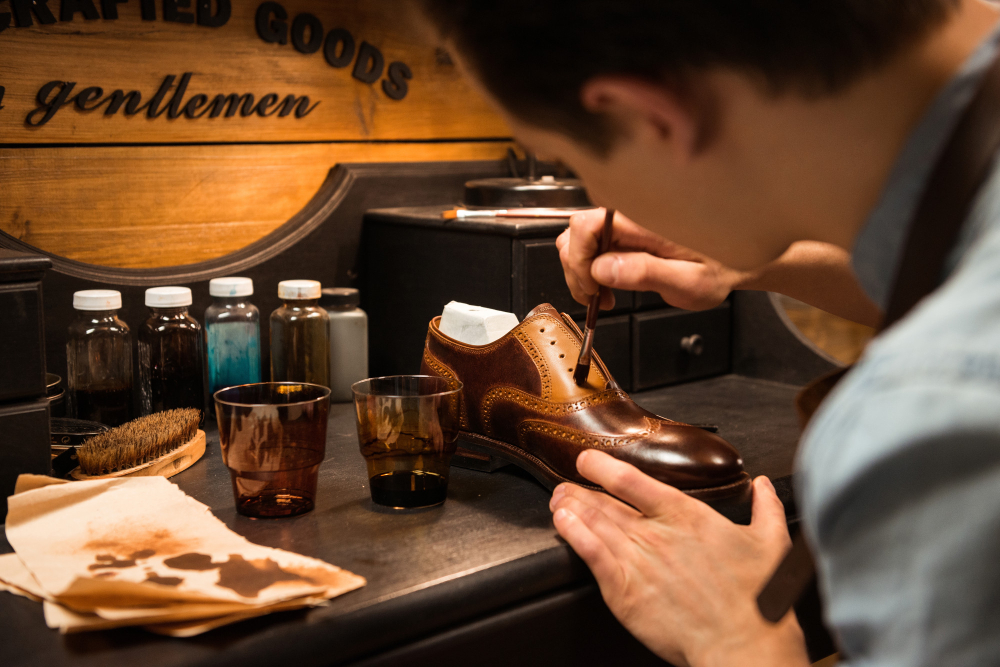
A foot is wider at the middle than the opening it must pass through, so the opening has to be large for entry and small for retention – which a fixed opening cannot do and an adjustable one can.
Every closure system is answering that. Variable aperture is the requirement laces exist to meet.
A Form, an Attachment Method and a Three-Way Compromise

A last that is deliberately not foot-shaped, a sole attachment that decides whether anything can be repaired, and a sole material that cannot grip, last and cushion at the same time.
The eighth item is the one that explains most complaints. Grip, durability and cushioning pull against each other in any single material, so every sole is somebody deciding which two matter most – and a shoe that wears out quickly, or slips, or feels hard underfoot is generally that decision rather than a fault.
Like our content? Follow us for more.