
The police report is the document a travel insurance claim stands on, and the deadline for making it is counted in hours. Here are fifteen steps, in the order they actually need doing.
1. The police report is the document everything else depends on

Almost every travel insurance policy requires a report to the local police before it will consider a claim for theft, and a claim without one is usually refused outright.
So the report is not a formality and not a gesture towards recovery: it is the evidentiary document the whole claim stands on.
That makes reporting the first practical step after dealing with cards and anything that controls access to your accounts. The report is made to the police of the place where it happened, because that is the force with jurisdiction, and a report made somewhere else is often not accepted. The report is made to the police of the place where it happened, because that is the force with jurisdiction, and a report made somewhere else is often not accepted. That matters most on a trip that moves: discovering something is gone two cities later means going back, or making a report that an insurer may reject, and neither is a good position to be in.
Like our content? Follow us for more.
2. The deadline is short and it is usually counted in hours

Policies commonly require the report to be made within twenty-four hours of discovery, and some are stricter, with the period running from when you noticed rather than when it occurred.
That is a tight window in a place where you do not know where the police station is, may not speak the language and may be dealing with the practical consequences at the same time.
The insurer’s own notification deadline is separate again and is frequently different, so both clocks are running. The policy document states both periods, and finding them before travelling takes a couple of minutes and removes the worst of the pressure later. The policy document states both periods, and finding them before travelling takes a couple of minutes and removes the worst of the pressure later. Insurers do sometimes accept a late report with a reasonable explanation, but that is a discretion rather than an entitlement, and it is not something to rely on when the alternative is a two-minute check.
3. American travellers are frequently surprised that there is no single number
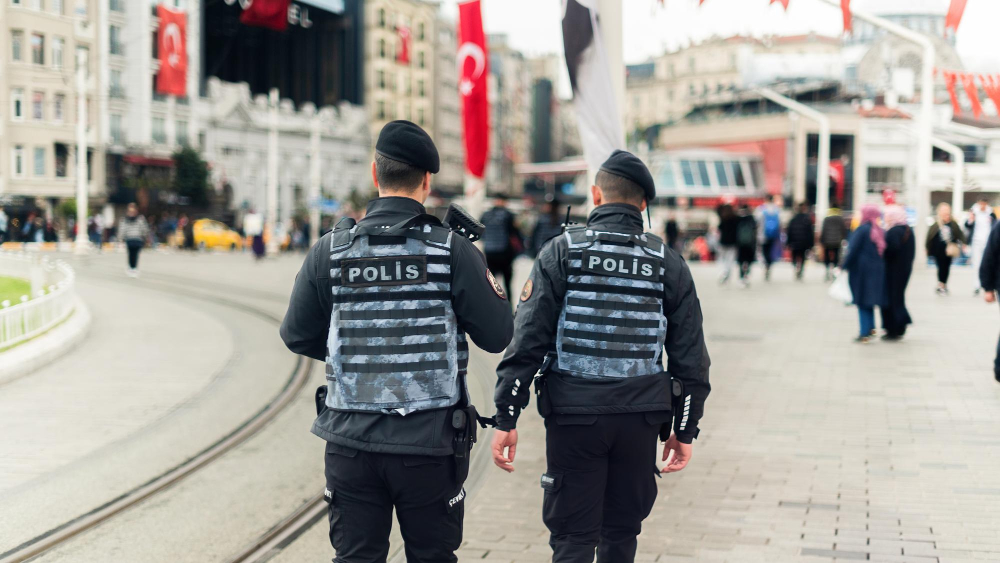
In the United States a non-emergency police report can usually be made by calling a published local number or using a city online form, and the system is reasonably uniform.
Abroad there is no equivalent: the route may be an emergency number, a separate non-emergency number, a specific station, a dedicated office for visitors, or an online form available only in the local language.
Some countries also route visitor reports through a particular station rather than the nearest one, which is not something a traveller would guess. The accommodation’s front desk usually knows which route applies locally, and that is the quickest way to find out without wasting the deadline.
4. A dedicated office for visitors exists in some places and is worth finding
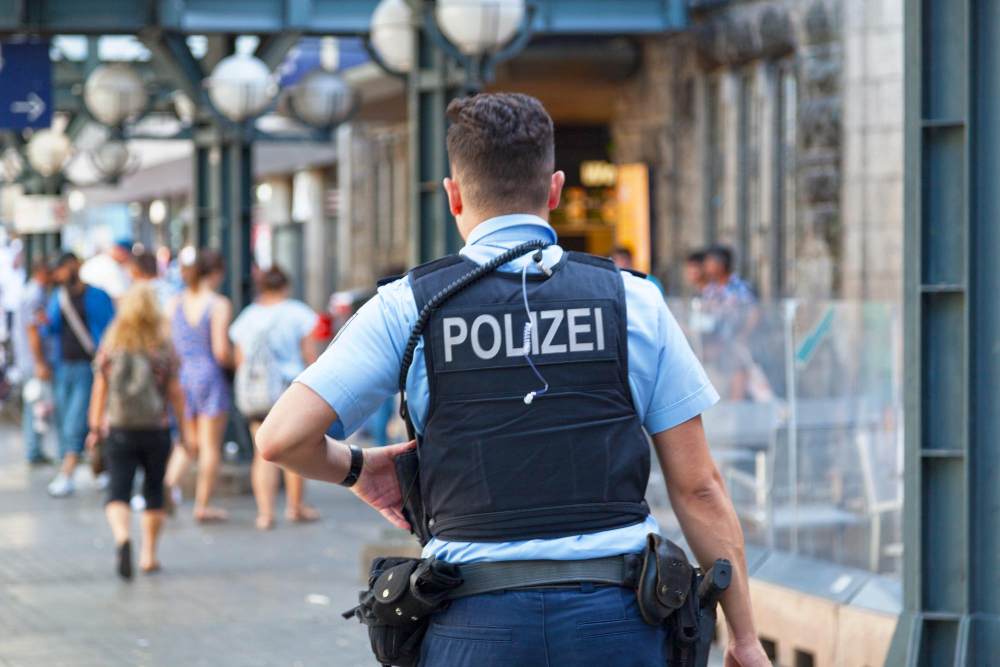
A number of countries with high visitor numbers operate a police office specifically for travellers, with staff who speak several languages and who produce reports in a form insurers recognise.
Where one exists it is substantially faster and less confusing than a general station, and it will often handle the documentation for an insurance claim as a routine matter.
These offices are usually in tourist districts, at major stations or near main attractions, with limited opening hours. Where no such office exists the ordinary station handles it, and the process is slower but produces the same document. Where no such office exists the ordinary station handles it, and the process is slower but produces the same document. Expect to wait, expect the form to be long, and expect to be asked for identification, because a report that names you is the only kind an insurer can use.
5. Online reporting exists in some countries but often only as a first step

Several countries allow an initial report online or by telephone, which starts the record and produces a reference, and then require attendance in person to sign or collect the formal document.
An online reference on its own may not satisfy an insurer, because what the insurer wants is the stamped or signed report rather than an acknowledgement.
So the online route is useful for meeting a deadline but is rarely the end of the process. Asking at the point of reporting what document will be issued, and when, prevents discovering the gap after returning home.
6. What you need is the report number and a copy, in writing

The useful outputs are a reference number, a copy or certified extract of the report, and the date and time it was made, and those are what an insurer asks for.
In some systems a full copy is not issued immediately and must be collected or posted later, which is a problem if you are leaving the country.
Asking, at the counter, how the document will be obtained from abroad is therefore a necessary question rather than an optional one. A photograph of the document, taken before you leave the station, is a reasonable precaution and costs nothing.
7. Read what the report says before you sign it

A report may be written in the local language, in the officer’s words, from a summary of what you said through an interpreter or an application.
If it records the wrong item, the wrong value, the wrong date or — importantly for insurance — that an item was mislaid rather than stolen, the claim can fail on that wording.
The distinction between theft and loss is the single most consequential wording in the document, because most policies treat them completely differently and some do not cover loss at all. You are entitled to have the content explained before signing, and correcting it there is far easier than disputing it afterwards. You are entitled to have the content explained before signing, and correcting it there is far easier than disputing it afterwards. If the officer’s summary and your account differ on anything material, saying so at the counter is a normal part of the process rather than an objection to it.
8. Translation is the sender’s problem, not the insurer’s

A report issued in the local language will usually have to be translated for the insurer, and some insurers require a certified translation rather than any translation.
That cost and that delay fall on the claimant, and the requirement is in the policy wording.
Where a visitor police office exists it may issue a report in English or another major language, which removes the problem entirely. Checking the insurer’s requirement before paying for a translation avoids paying twice for the wrong kind.
9. Cards come first, before the police, and that call is immediate

Freezing or cancelling a payment card is instantaneous, is available through the card’s app or the issuer’s international number around the clock, and does not wait for a police report.
So the order is: stop anything that can be used, then report, then notify the insurer, because the first of those is the only one that is time-critical by the minute.
Issuers’ international numbers are published and are not the domestic freephone number, which generally does not work from abroad. Having those numbers accessible somewhere other than on the phone itself is the preparation that makes this possible at all. Having those numbers accessible somewhere other than on the phone itself is the preparation that makes this possible at all. A note in a wallet, a card held by somebody travelling with you, or a number written in a notebook all work, and all of them work when the handset does not.
10. A stolen phone takes your authentication with it

A phone is not only a valuable item: it frequently holds the second factor for banking, email and account recovery, so losing it can lock you out of the systems you would use to sort everything else out.
Remote lock and erase are worth using, and both require knowing the account credentials from another device.
The practical preparation is having a second way into your important accounts that does not depend on that handset, and knowing what it is before you need it. This is a connectivity and account-access problem as much as a theft problem, and it is the part travellers are least prepared for.
11. A stolen passport is a consulate matter and a separate process
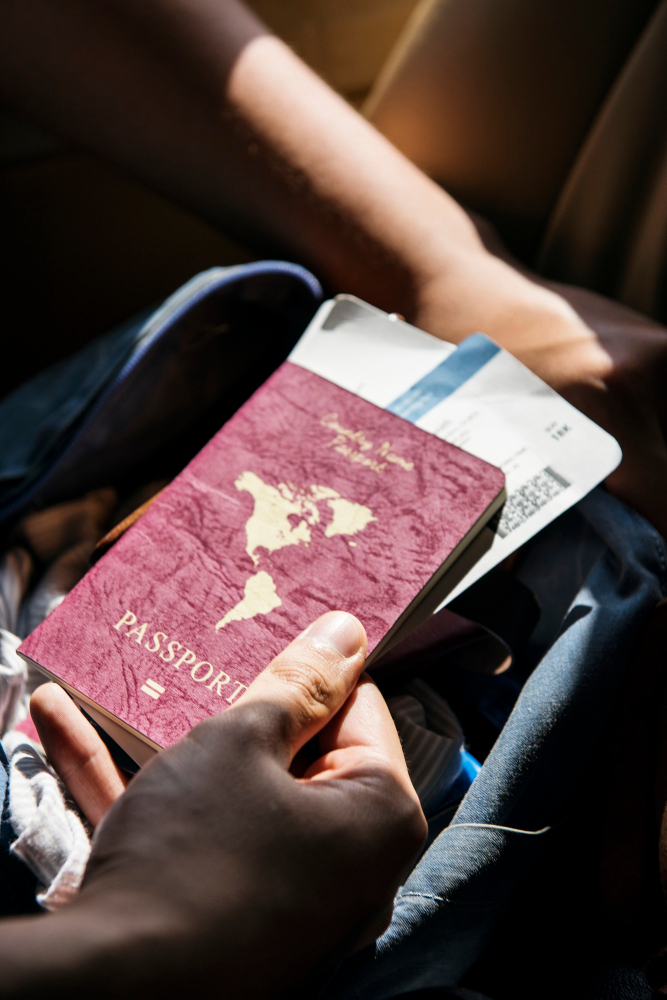
Where a passport is taken, the police report is needed and so is contact with your own country’s embassy or consulate, which handles emergency travel documents.
That is a defined consular service with its own requirements, appointments and fees, and it runs in parallel with the police report rather than instead of it.
Airlines and border authorities will need the consular document rather than the police report, so both are required for different purposes. The consulate’s out-of-hours number exists for exactly this and is the right number when it happens outside office hours.
12. Proof of ownership is what the claim actually turns on

Insurers ask for evidence that you owned the item and what it was worth: receipts, bank or card statements showing the purchase, serial numbers, photographs, or a valuation for jewellery.
Without that, a claim for an expensive item is commonly settled at a nominal amount or refused, regardless of the police report.
The practical preparation is having that evidence somewhere accessible that is not the item itself and not the phone that may go with it. For anything of significant value, insurers also frequently require that it was declared and specified on the policy before travel rather than claimed afterwards.
13. The unattended-item exclusion is why most claims fail
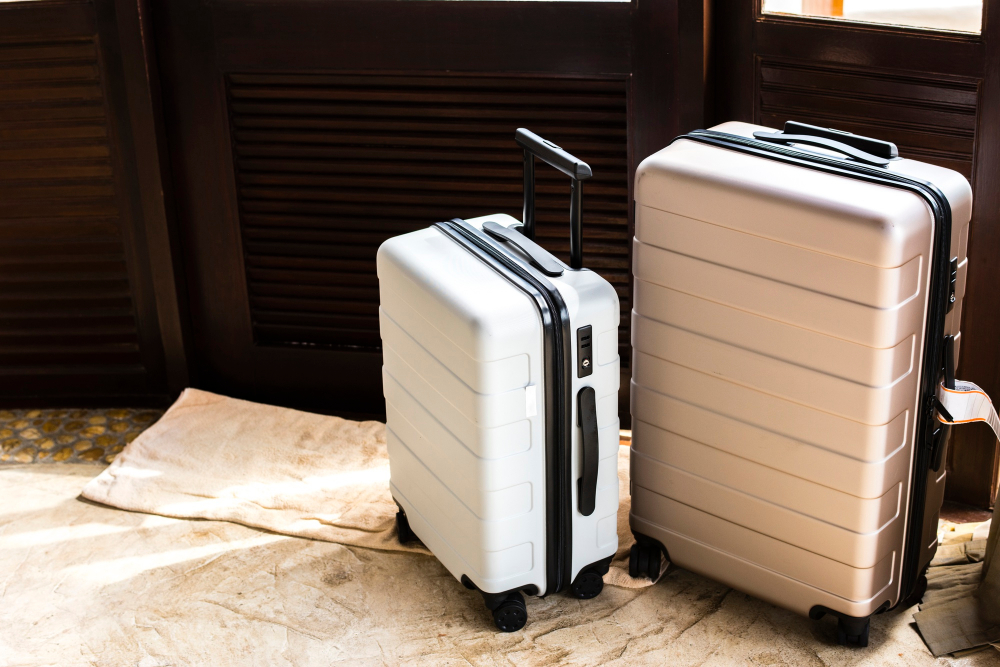
Policies very commonly exclude items left unattended, and the definition is broader than people assume: a bag beside a chair, a case in a locked car, or an item in checked luggage can all fall inside it.
Some policies also exclude items not carried in hand luggage, or valuables in accommodation that was not locked, or cash above a low limit.
These are the clauses that decide outcomes, and they are in the policy document rather than in the summary. Reading the valuables and personal possessions section of your own policy once, before travelling, is the thing that tells you what you are actually covered for.
14. Hotels, airlines and transport operators are separate reports again

Where something is taken in accommodation, on a train, on a flight or from a left-luggage facility, that operator has its own incident process and its own liability, which is distinct from the police report and from your insurance.
Making that report creates a second record, may trigger the operator’s own compensation, and is frequently required by insurers as well.
Operators generally have short deadlines for this and may require it before you leave the premises or the terminal. So the complete set of documents for a single incident can be three: the police report, the operator’s report and the insurer’s claim form.
15. The claim is assembled abroad and settled at home

The insurer’s decision happens weeks later, in your own country, on the strength of a file of documents, and nothing can be added to that file once you have left the country where it happened.
So the work done in the first day — the report, the copy, the reference, the operator’s record, the photographs, the receipts — is the entire basis of the outcome.
It is a lot of administration at the worst possible moment, which is exactly why knowing the order in advance helps. The summary: stop cards first because that is the only minute-critical step; report to the police of the place where it happened, inside the policy’s deadline, which is often twenty-four hours; get a reference, a copy and a photograph of the document and check it says theft rather than loss before signing; expect to need a certified translation; deal with a passport through your consulate and a stolen phone as an account-access problem as well as a loss; and understand that proof of ownership and the unattended-item clause, not the police report, are what most claims are decided on. This file describes no incident, no method, no location and no risk assessment of anywhere, because the useful part is the procedure.
Order matters more than speed

Everything here is administration, and the order is what makes it work: stop anything that can be used, because that is the only step that is critical by the minute; then report to the police of the place where it happened, inside the deadline in your own policy; then notify the insurer, inside its separate deadline. The outcome weeks later is decided by the file assembled in that first day, and nothing can be added to it once you have left the country. Proof of ownership and the unattended-item clause, rather than the police report itself, are what most claims actually turn on.
Find two things before you travel: your policy’s reporting deadline and its valuables section, and your card issuer’s international number held somewhere other than on your phone.
Like our content? Follow us for more.