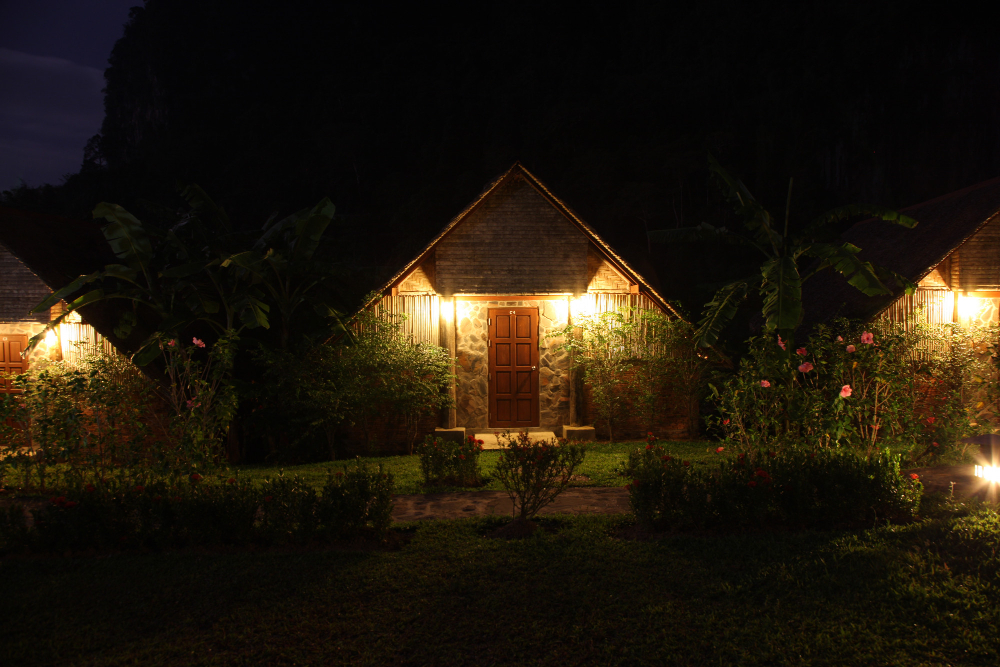
Busier at two in the morning than at two in the afternoon. Here are fifteen.
1. Foxes Are Not Hunting Your Bins by Accident
Urban foxes hold territories they know in extraordinary detail and patrol the same routes nightly.
What looks like wandering is a circuit, and the route is largely unchanged for years.
Like our content? Follow us for more.
2. Hedgehogs Cover More Ground Than Seems Possible
A hedgehog may travel a couple of kilometres in a night, crossing many gardens in the process.
A single garden is a fragment of one animal’s range, not its home.
3. Which Is Why Fences Are the Problem
A continuous solid boundary blocks a route that has been used for generations, isolating each garden.
A gap the size of a fist restores a corridor across an entire street.
4. Badgers Are Digging for One Thing
Earthworms make up the bulk of a badger’s diet, and the small conical holes in a lawn are where one has been taken.
Damp nights after rain bring worms near the surface, which is when the digging happens.
5. Bats Are Eating Enormous Numbers of Insects
A small bat can take thousands of insects in a night, hunting the same productive spots repeatedly.
They arrive at dusk because that is when their prey does.
6. And They Are Not Using Their Eyes to Do It
Echolocation gives a bat a detailed acoustic picture, updated many times a second, at frequencies above human hearing.
The old idea that bats are blind is wrong; they see perfectly well and simply do not need to.
7. Moths Outnumber Butterflies Many Times Over
The great majority of that order is nocturnal, and a garden’s moth population dwarfs its butterfly population.
They do most of the night pollination, which is work nobody credits them with.
8. Night-Scented Flowers Are Advertising to Them
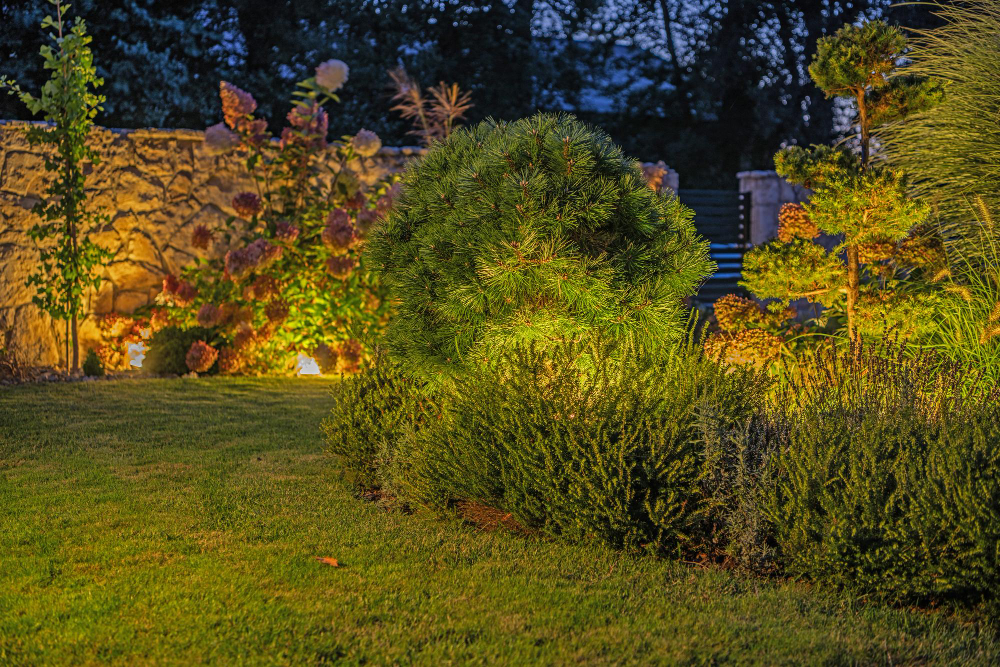
Pale, heavily scented flowers that open in the evening are built for moths rather than for bees.
White shows up in low light and scent carries when colour cannot.
9. Owls Are Listening Rather Than Looking
Asymmetrically positioned ear openings let an owl locate a sound in both directions at once.
They can take prey in complete darkness using hearing alone.
10. And Flying Silently Is a Structural Trick
Comb-like leading edges and a soft trailing fringe break up the airflow that would otherwise make noise.
The silence is for hearing the prey, as much as for not being heard.
11. Slugs and Snails Come Out Because It Is Damp
Both lose water rapidly through the skin, so activity is restricted to the hours when humidity is high.
They are not avoiding light so much as avoiding drying out.
12. Earthworms Come to the Surface at Night
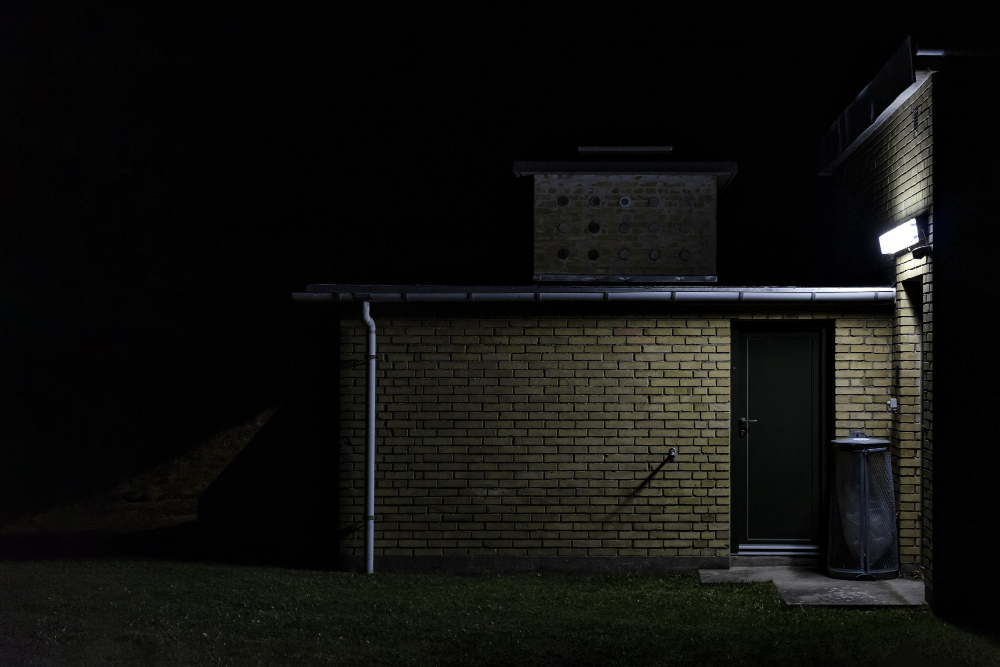
They surface to feed on leaf material and to move, which they can only do while the ground stays damp.
This is what the badgers and the hedgehogs are there for.
13. Frogs and Toads Leave the Water Entirely
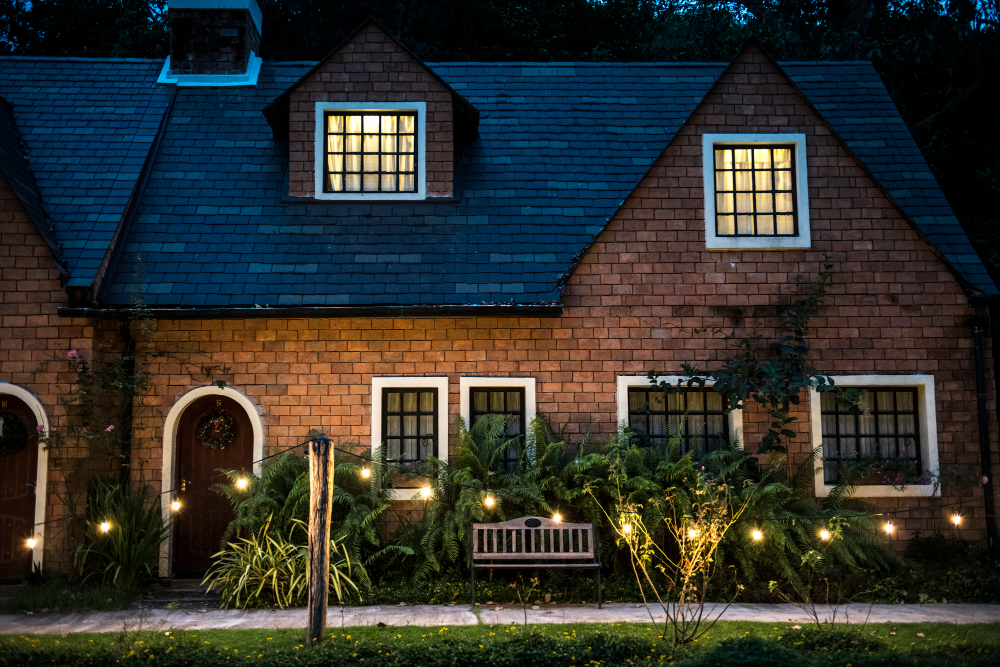
Outside the breeding season both spend most of their time on land, hunting at night in damp vegetation.
A garden with no pond can still have toads in it all summer.
14. Rats and Mice Are Following Fixed Routes

Both prefer to travel with one side in contact with a wall or edge, using established runs rather than open ground.
The greasy marks along a wall base are where the same route has been used repeatedly.
15. Almost All of It Is Responding to Your Lights
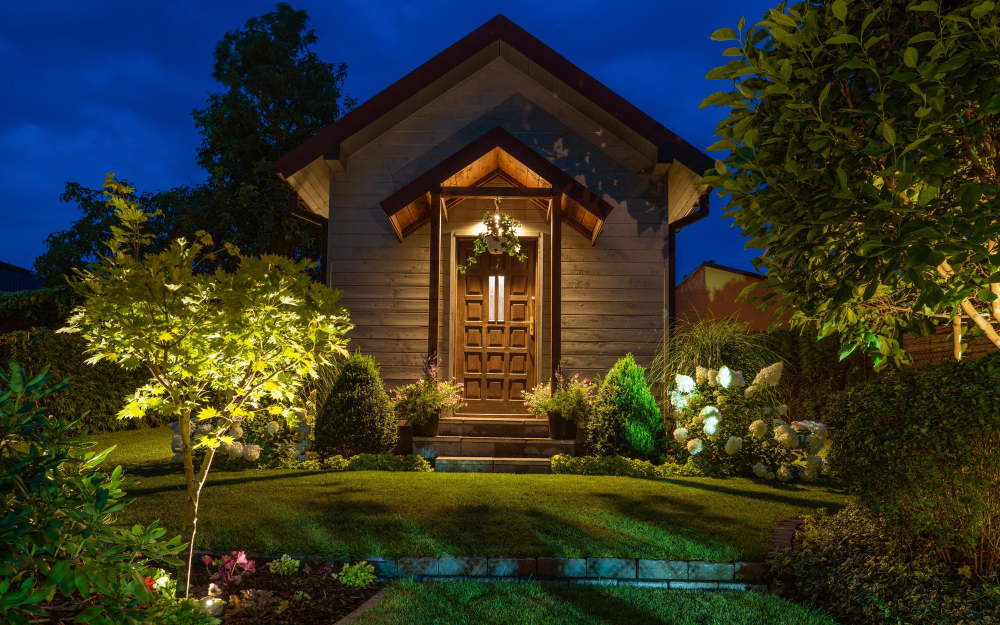
Artificial light delays bat emergence, shifts when hedgehogs and foxes move, and keeps lit ground in use by day-active species for longer.
A lit garden and an unlit one next door run to different timetables.
A Second Shift You Are Asleep For

Foxes patrolling fixed circuits, hedgehogs crossing dozens of gardens in a night, bats hunting by sound, owls locating prey by ear alone, moths doing the pollinating and everything responding to the lights.
The third item is the one that is worth acting on. Most of the animals on this list move across many gardens in a single night, so a continuous run of solid fencing turns a connected landscape into a row of sealed boxes – and a gap the size of a fist at the base of each fence puts the whole street back together.
Like our content? Follow us for more.