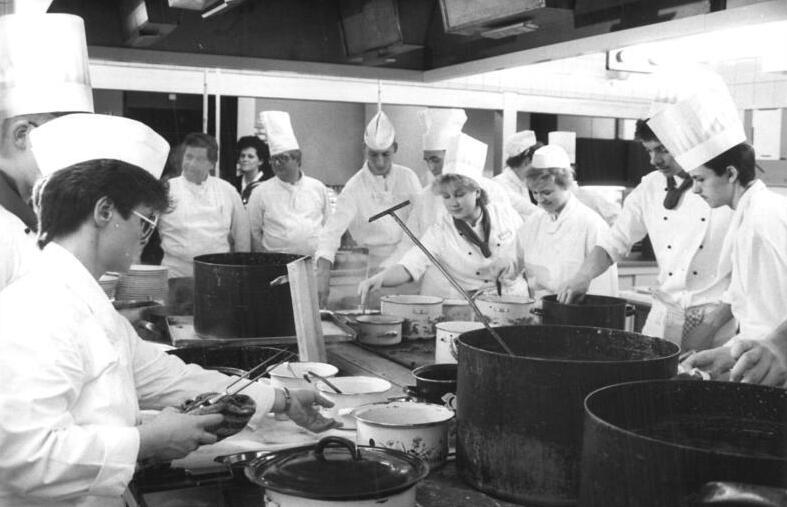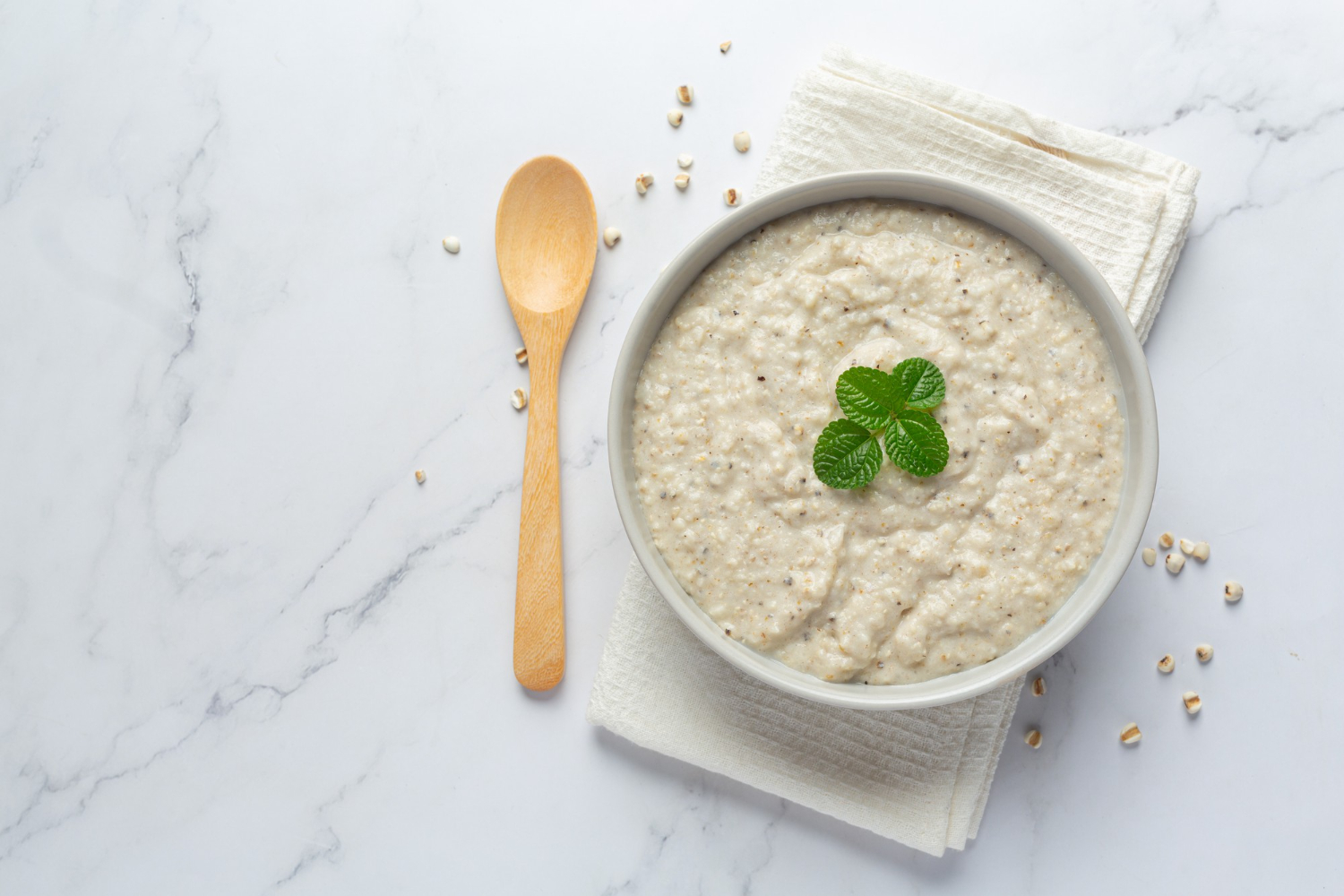
The variables are few and they determine everything: how coarse the grain, how much liquid, how long, how much stirring, and whether it is meant to be poured, spooned or picked up. Here are sixteen.
1. Polenta – Italy
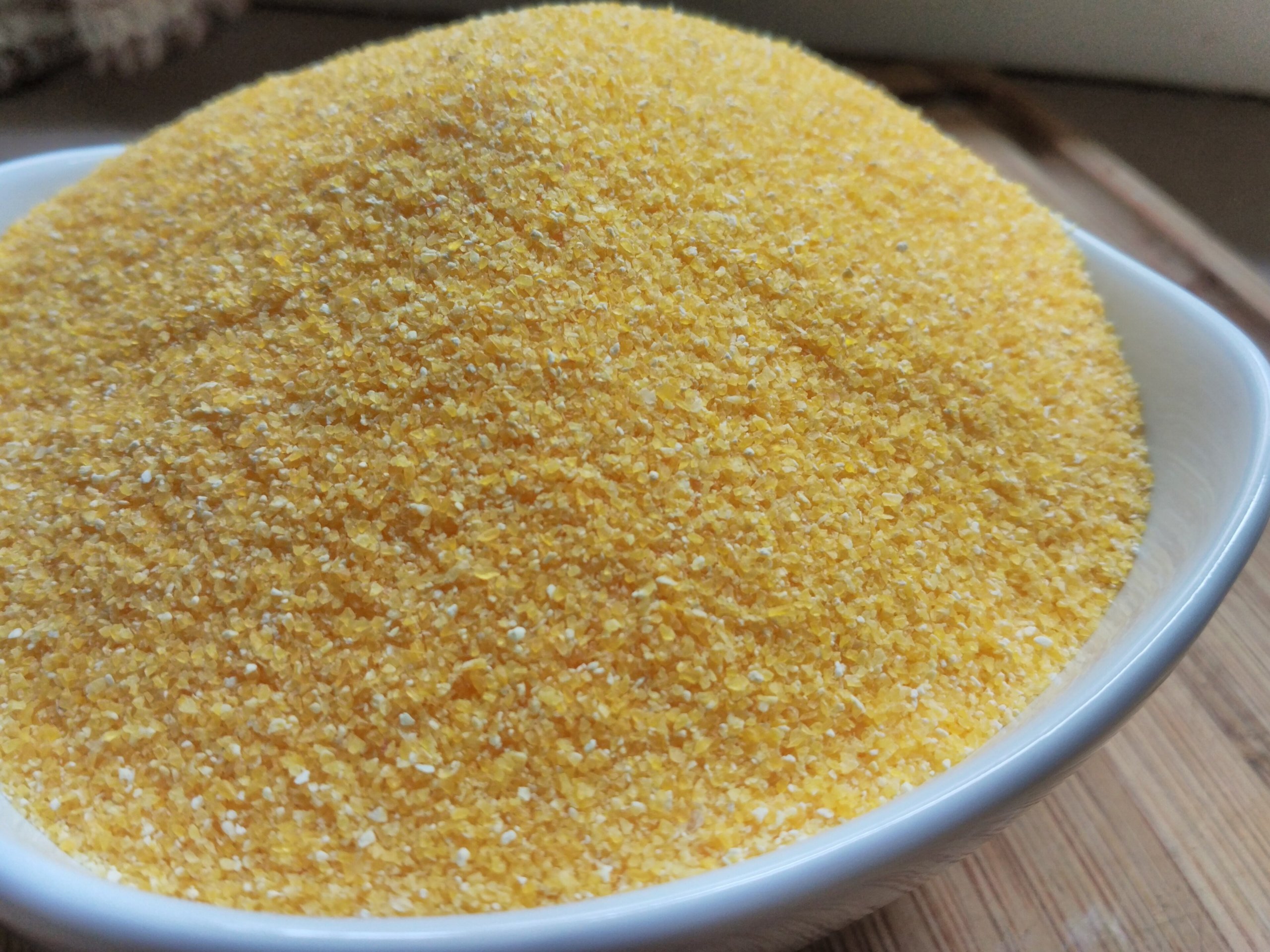
Coarse maize cooked slowly with constant stirring until the grains soften completely, traditionally in a copper pot over a long period.
Left to cool it sets firm enough to slice, at which point it is fried or grilled and becomes an entirely different dish. Polenta is the porridge that becomes solid food the next day.
Like our content? Follow us for more.
2. Frumenty – Medieval Europe
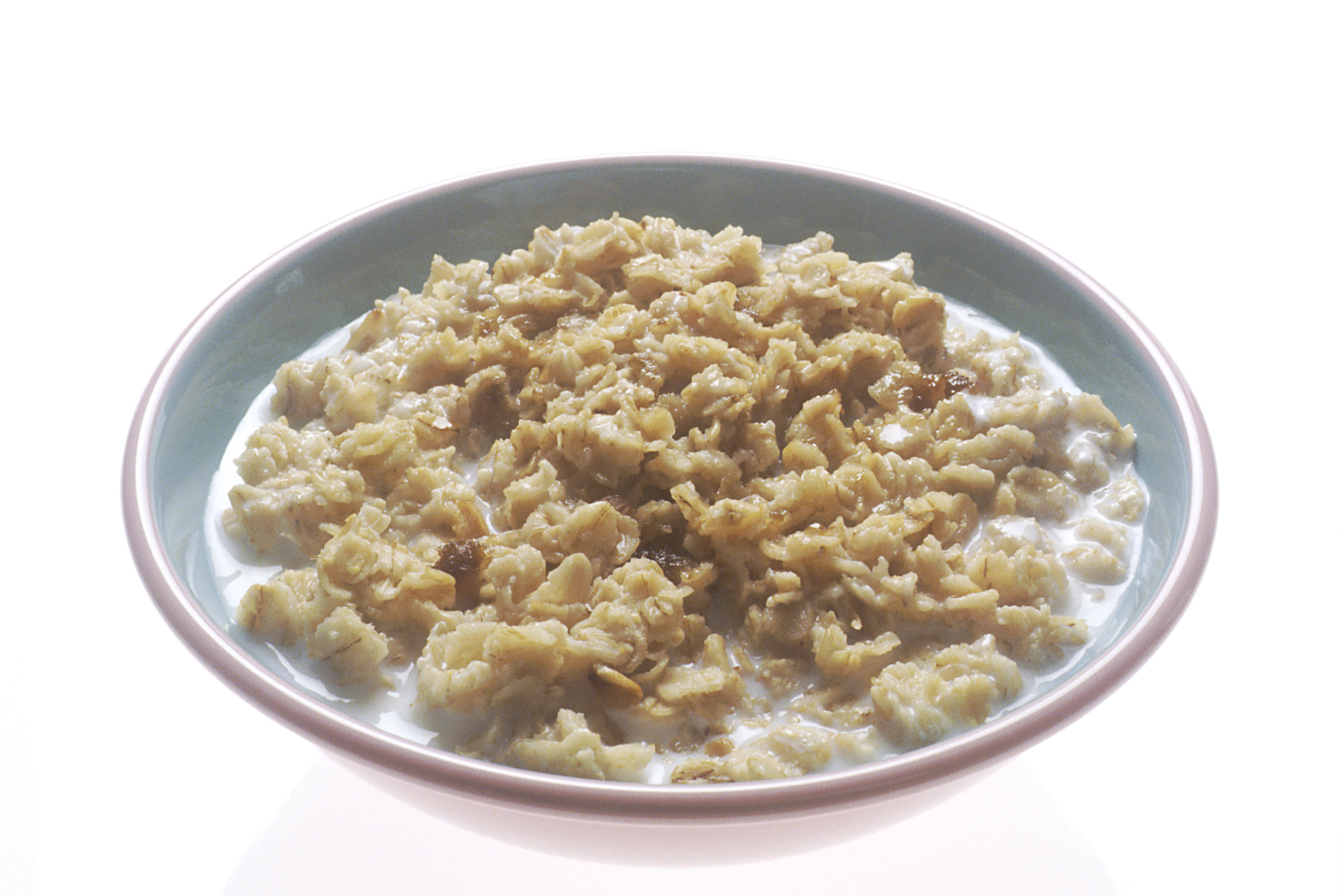
Cracked wheat boiled slowly in broth or milk until it thickens, one of the most widely eaten dishes in medieval Europe and now almost entirely forgotten.
It was served both as a plain staple and, enriched with eggs and spice, as a dish for feast days. Frumenty is the porridge that fed a continent and then vanished from the record.
3. Grits and the Hominy Porridges – American South
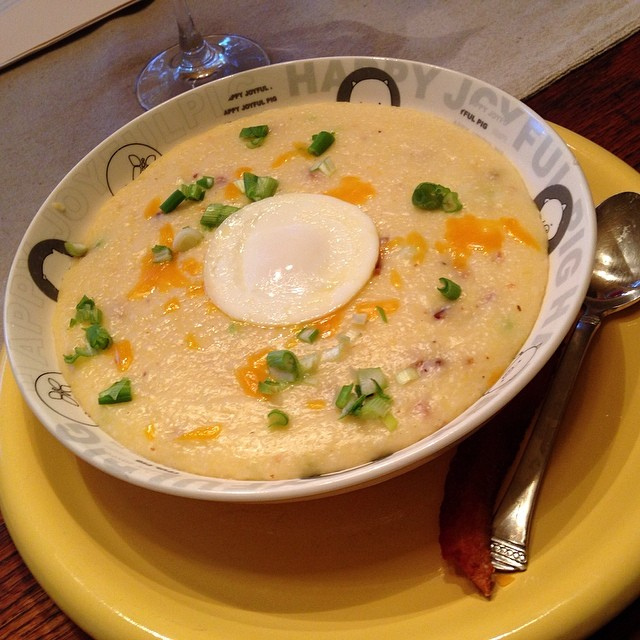
Maize treated with an alkali before grinding, which changes both the texture and what the grain releases when cooked.
That treatment is the difference between grits and ordinary cornmeal. Grits are the porridge defined by what happened to the grain before it was ground.
4. Sadza, Pap and the Stiff Maize Porridges – Africa
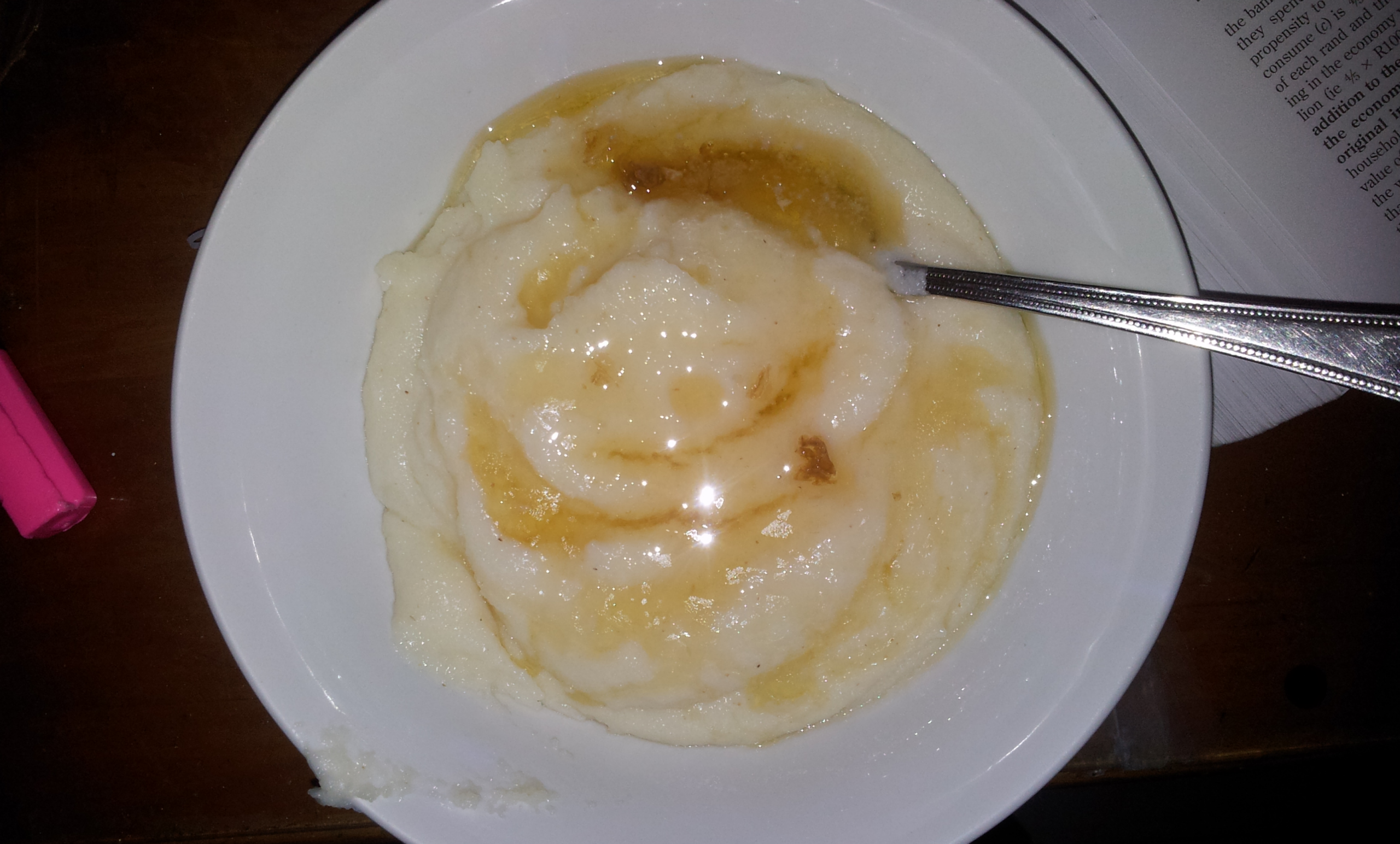
Maize meal cooked with far less water than a spoonable porridge, producing something firm enough to shape and eat with the hand.
The stiffness is the entire point and getting it right takes practice. Stiff maize porridge is the version cooked deliberately dry.
5. Atole – Mexico
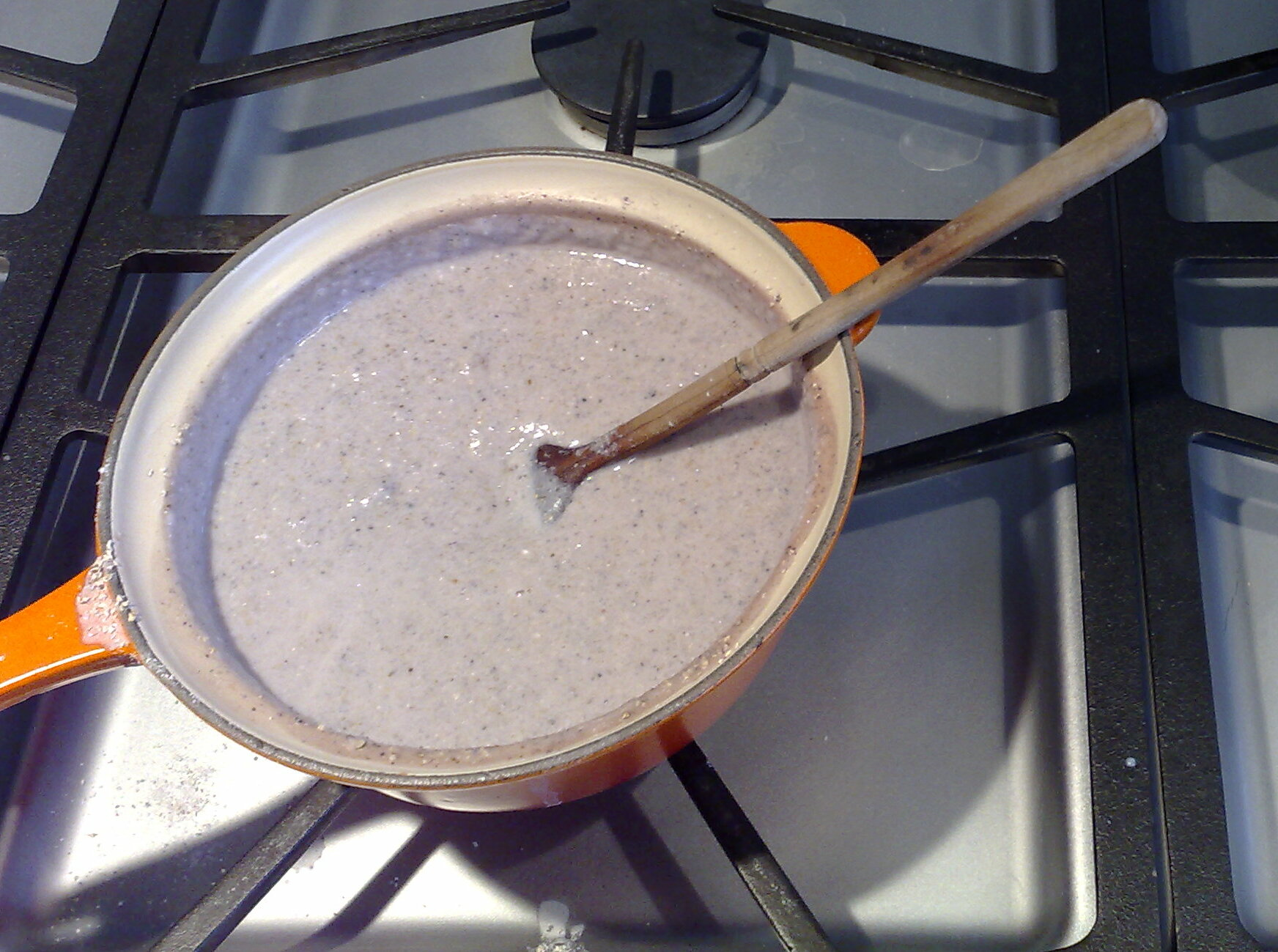
Maize thinned into something between a drink and a porridge, flavoured with cinnamon, vanilla or chocolate and served hot in a cup.
It sits at the liquid end of the same spectrum. Atole is the porridge you drink rather than eat.
6. Kasha – Eastern Europe
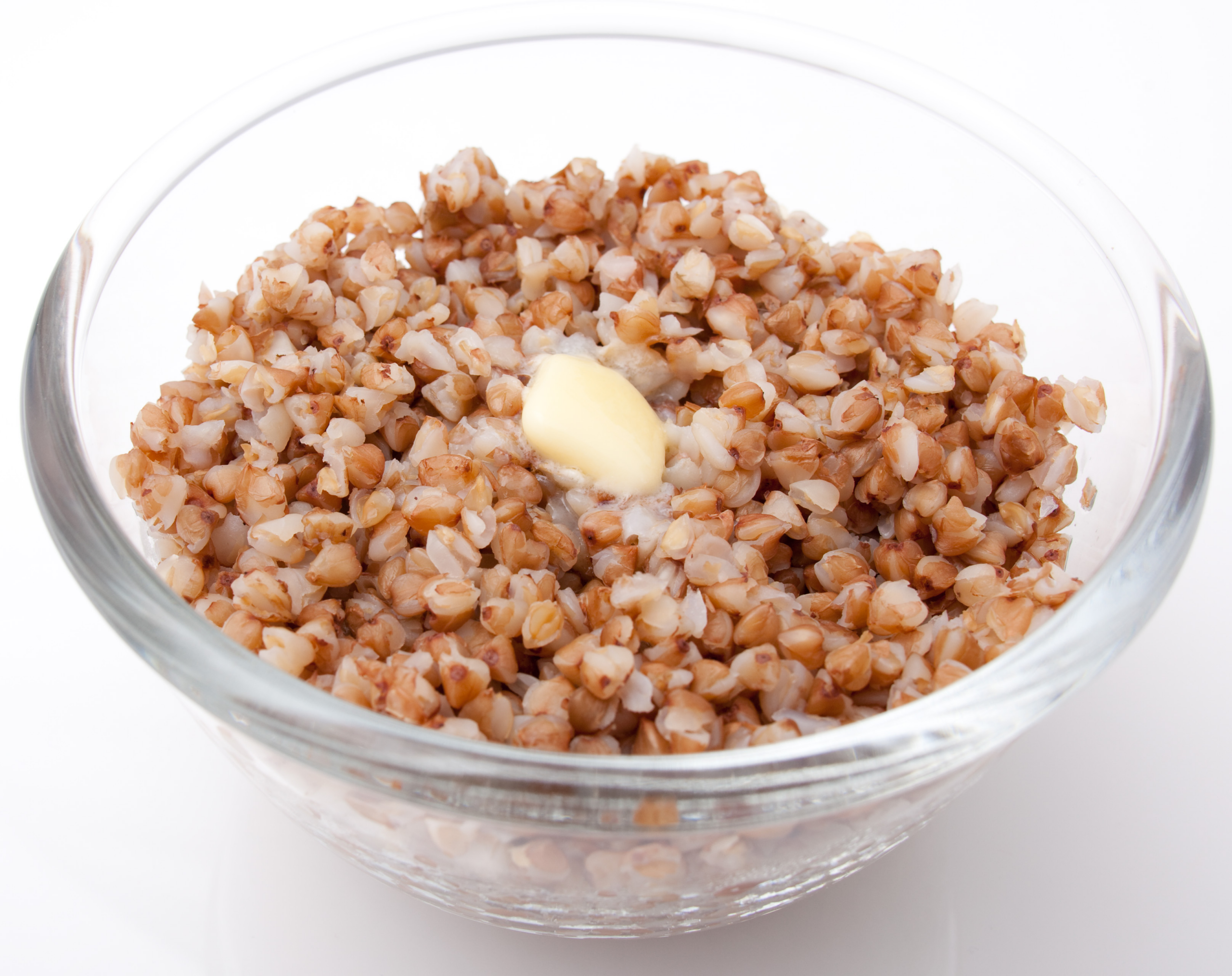
Buckwheat toasted before cooking, which changes the flavour completely and helps the grains stay separate rather than dissolving.
Untoasted buckwheat produces a much softer and blander result. Kasha is the porridge where the grain is browned before any liquid appears.
7. Oat Porridge – Scotland and Northern Europe
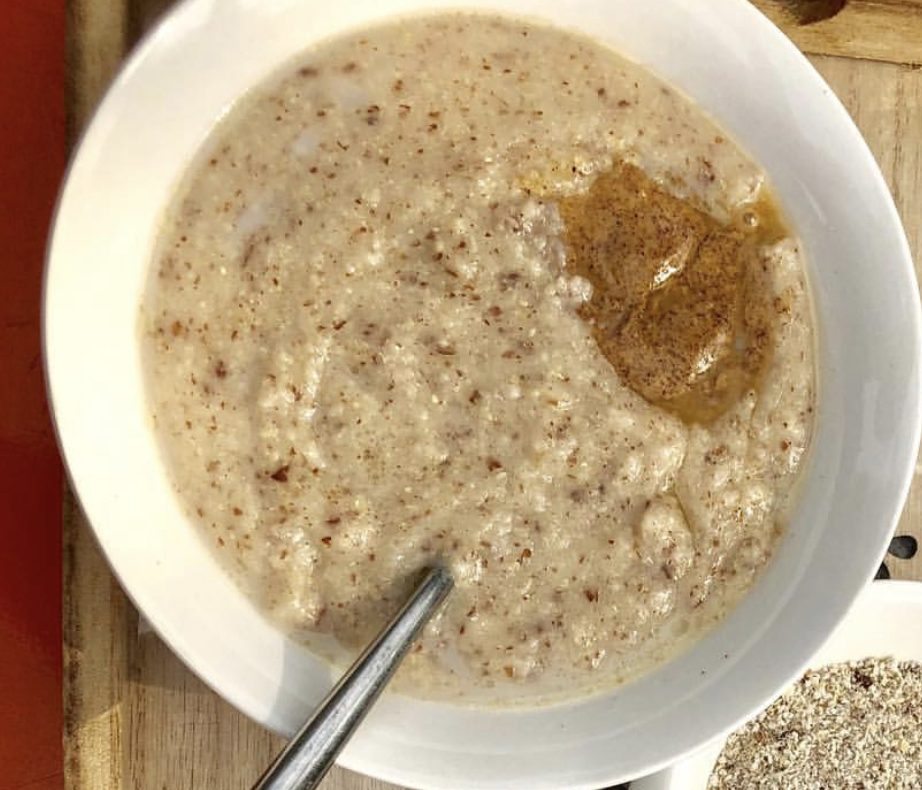
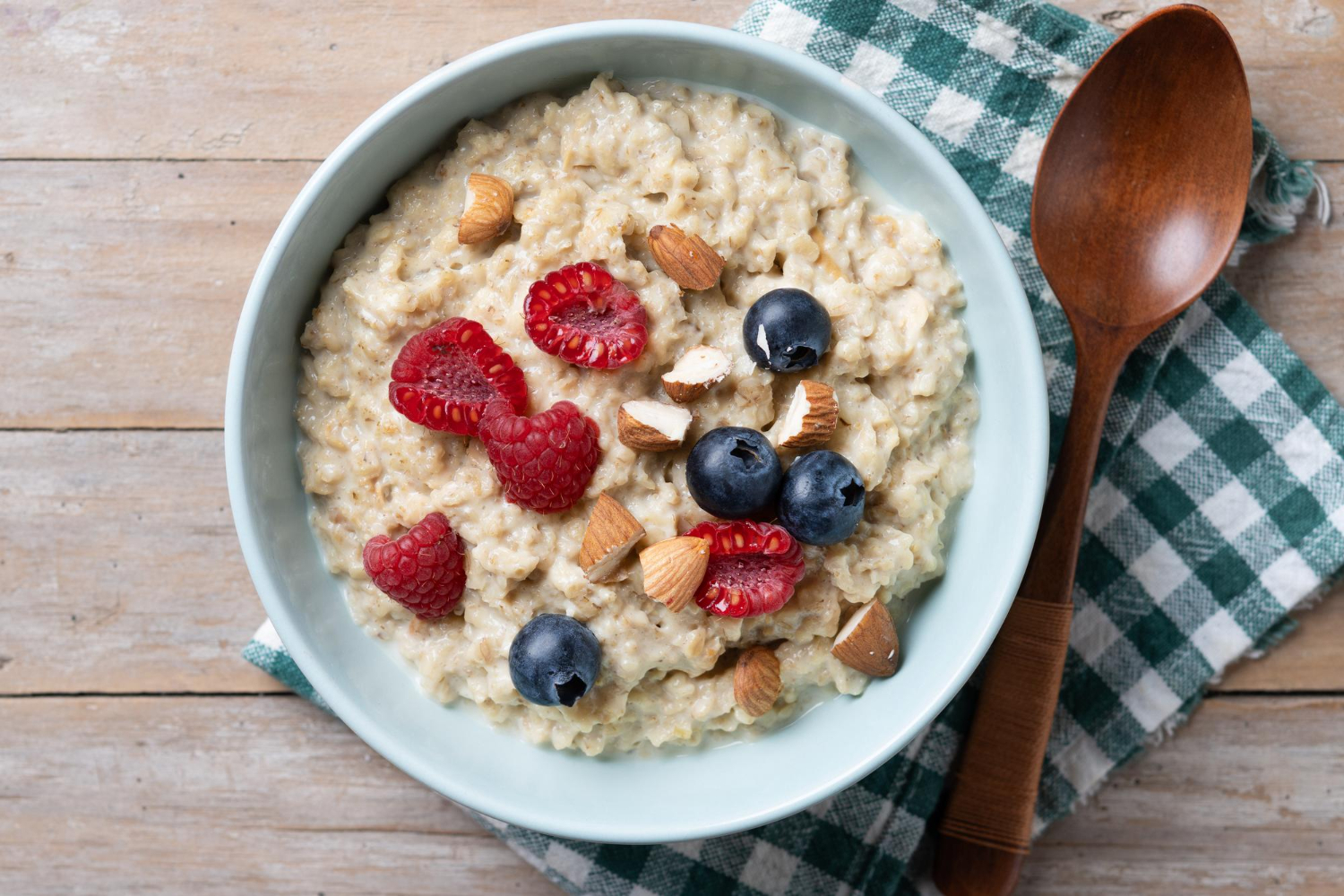
The cut of the oat determines everything: steel-cut grains take far longer and stay distinct, while rolled oats break down quickly into something smoother.
Salt rather than sugar is the traditional seasoning in several regions and the point is truly debated. Oat porridge is the one where the argument is about seasoning.
8. Tsampa – Tibet
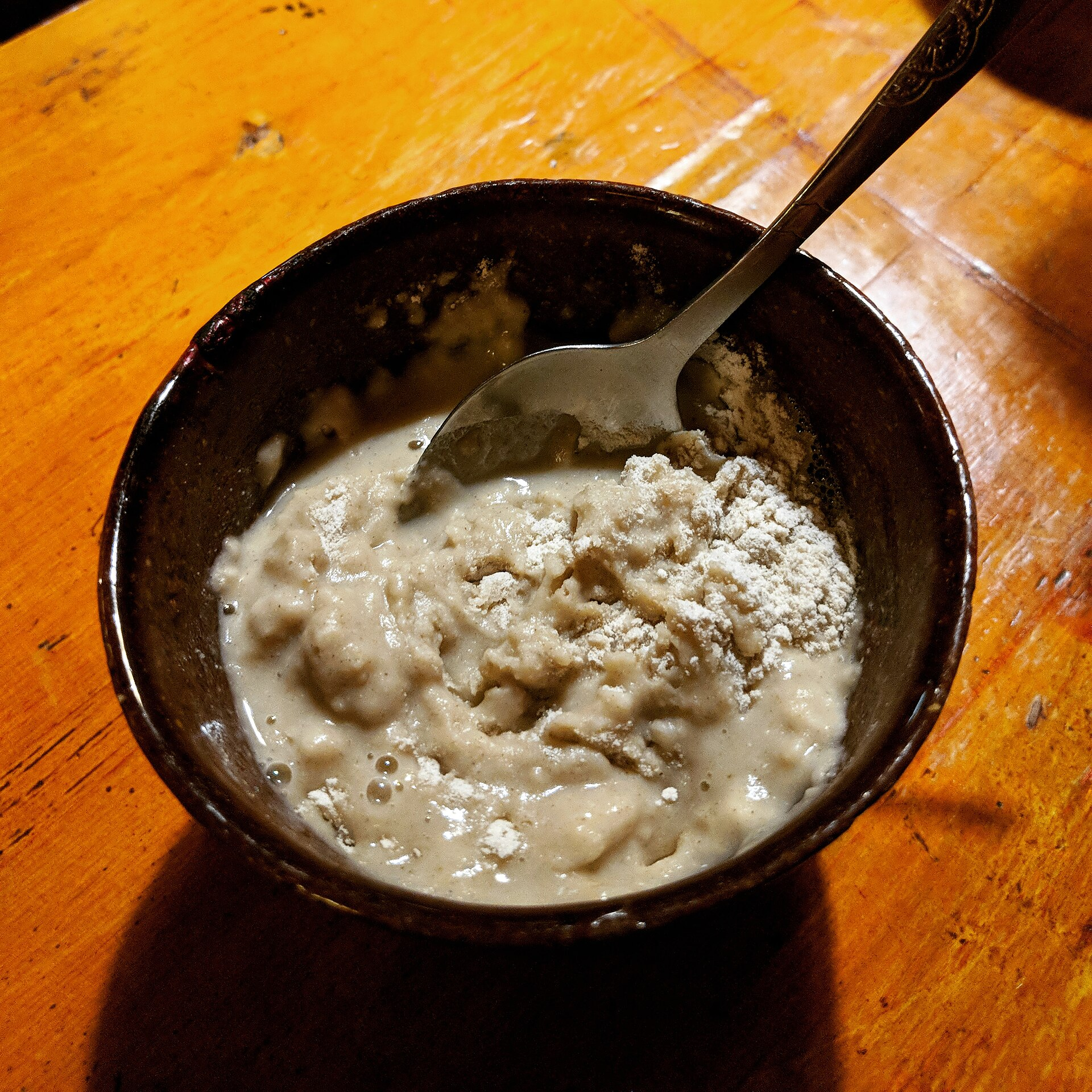
Barley roasted and ground to flour, then mixed with liquid rather than cooked, so the preparation requires no fire at the point of eating.
That makes it portable in a way no cooked porridge is. Tsampa is the porridge assembled rather than cooked.
9. Rice Pudding Traditions
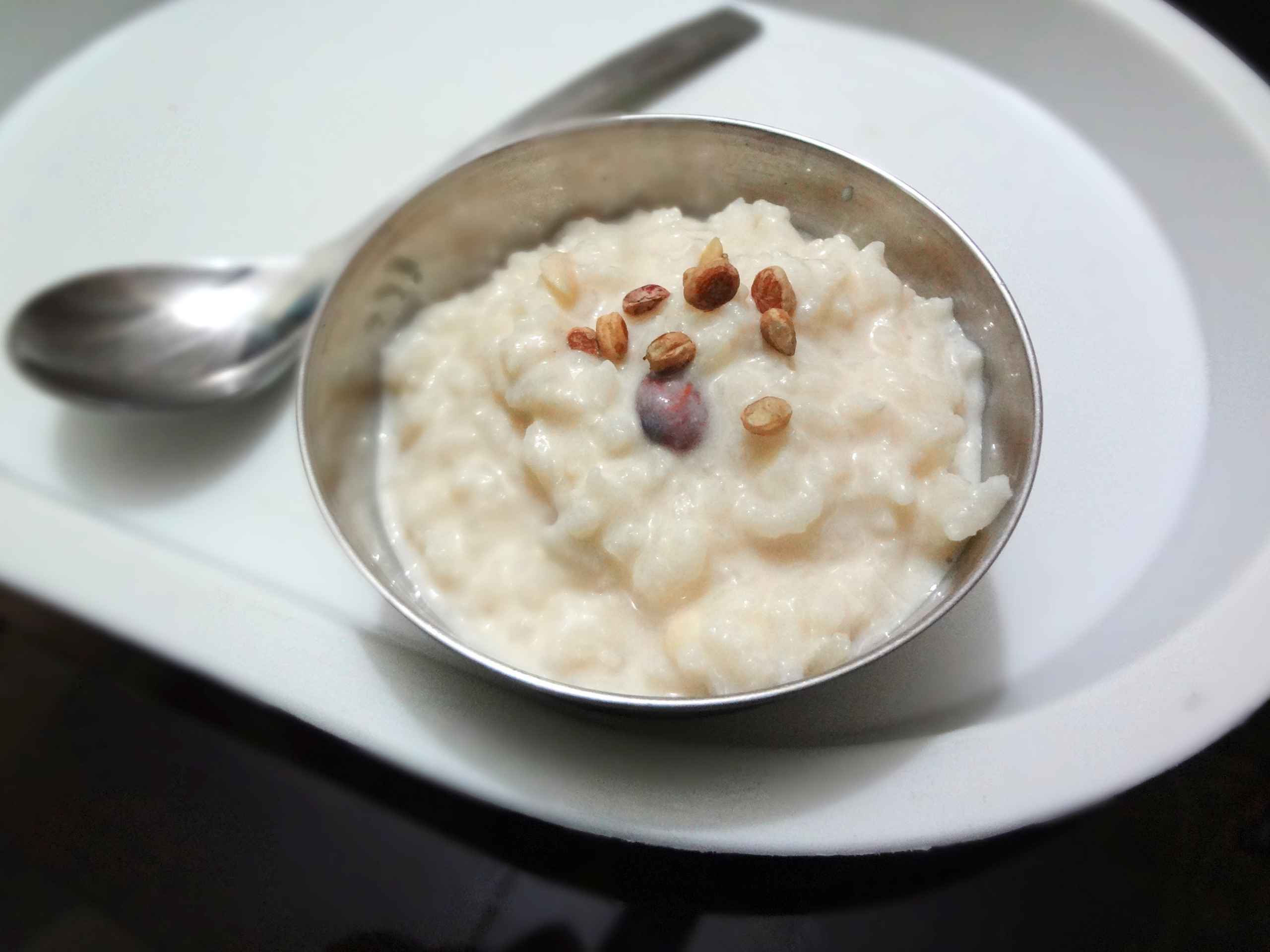
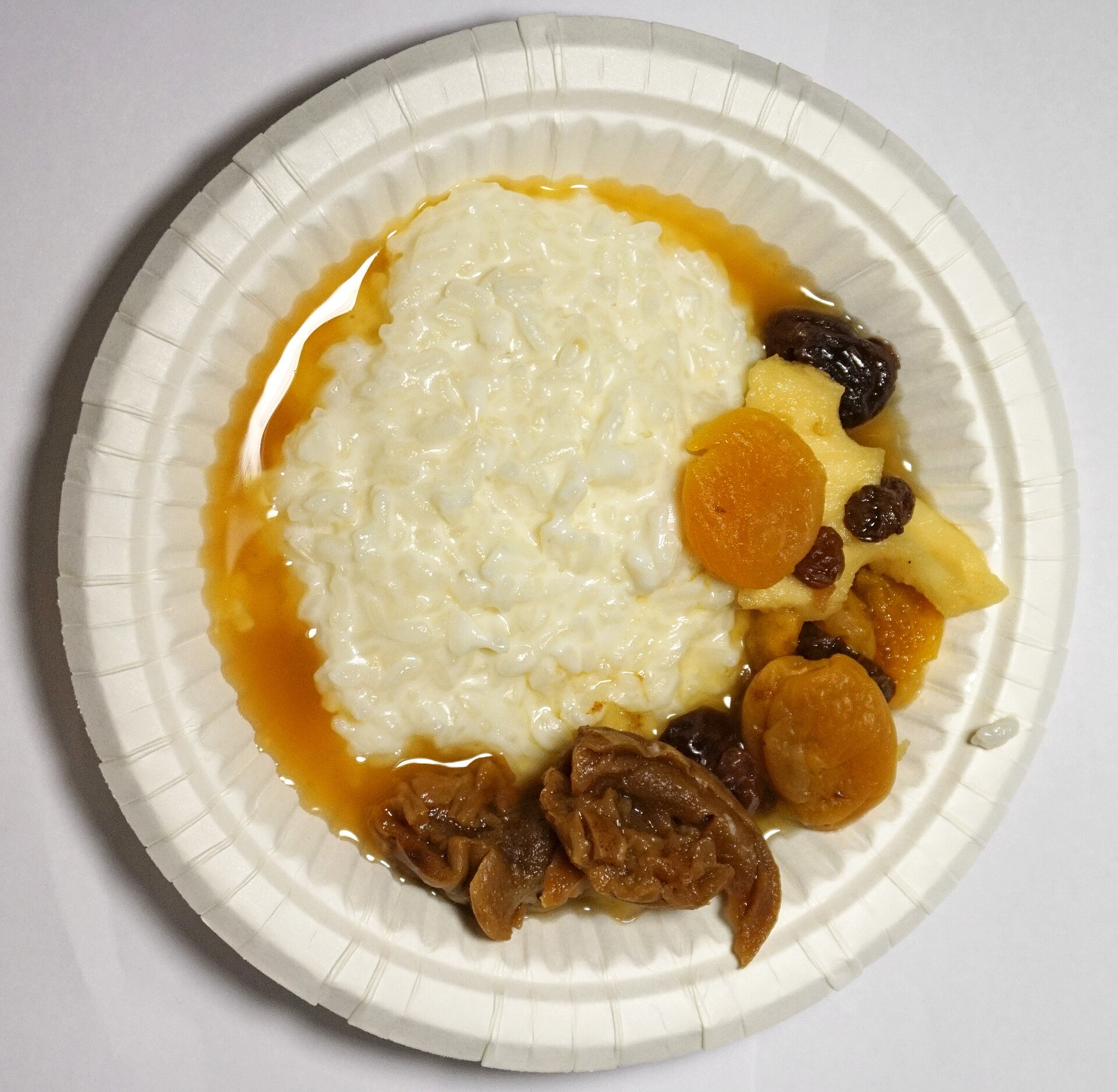
Rice cooked slowly in milk until the starch thickens the liquid, appearing across an enormous range of cuisines with different spicing.
The long cooking is doing the thickening rather than any added ingredient. Rice pudding is the porridge where the milk becomes the sauce.
10. Semolina Porridges
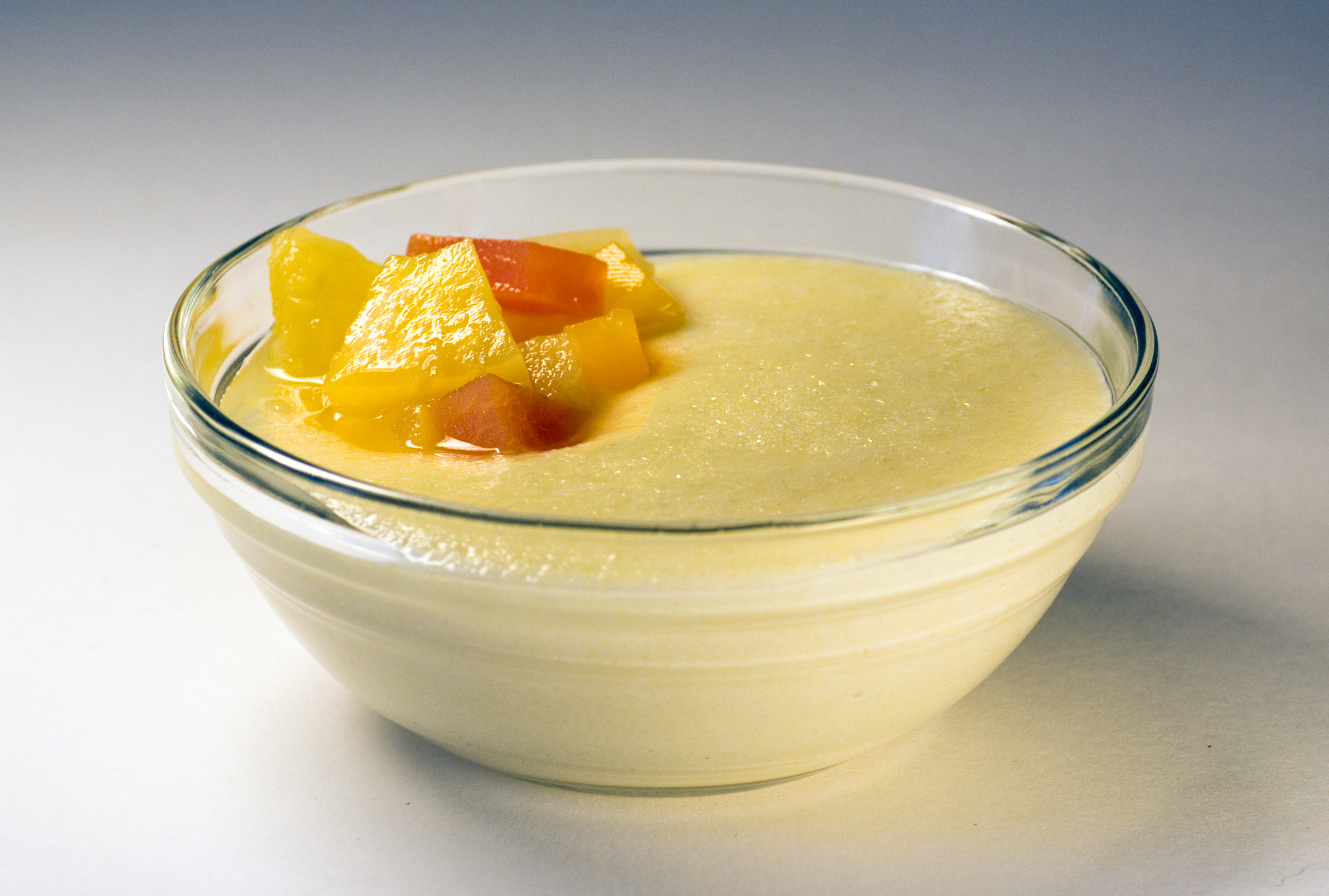
Coarse wheat middlings cooked into a smooth thick porridge, sweet or savoury depending on the tradition, and quick compared with whole grains.
Lumps are the characteristic failure and constant whisking is the defence. Semolina porridge is the one where speed is the main advantage.
11. Pease Pudding and the Split Pea Porridges
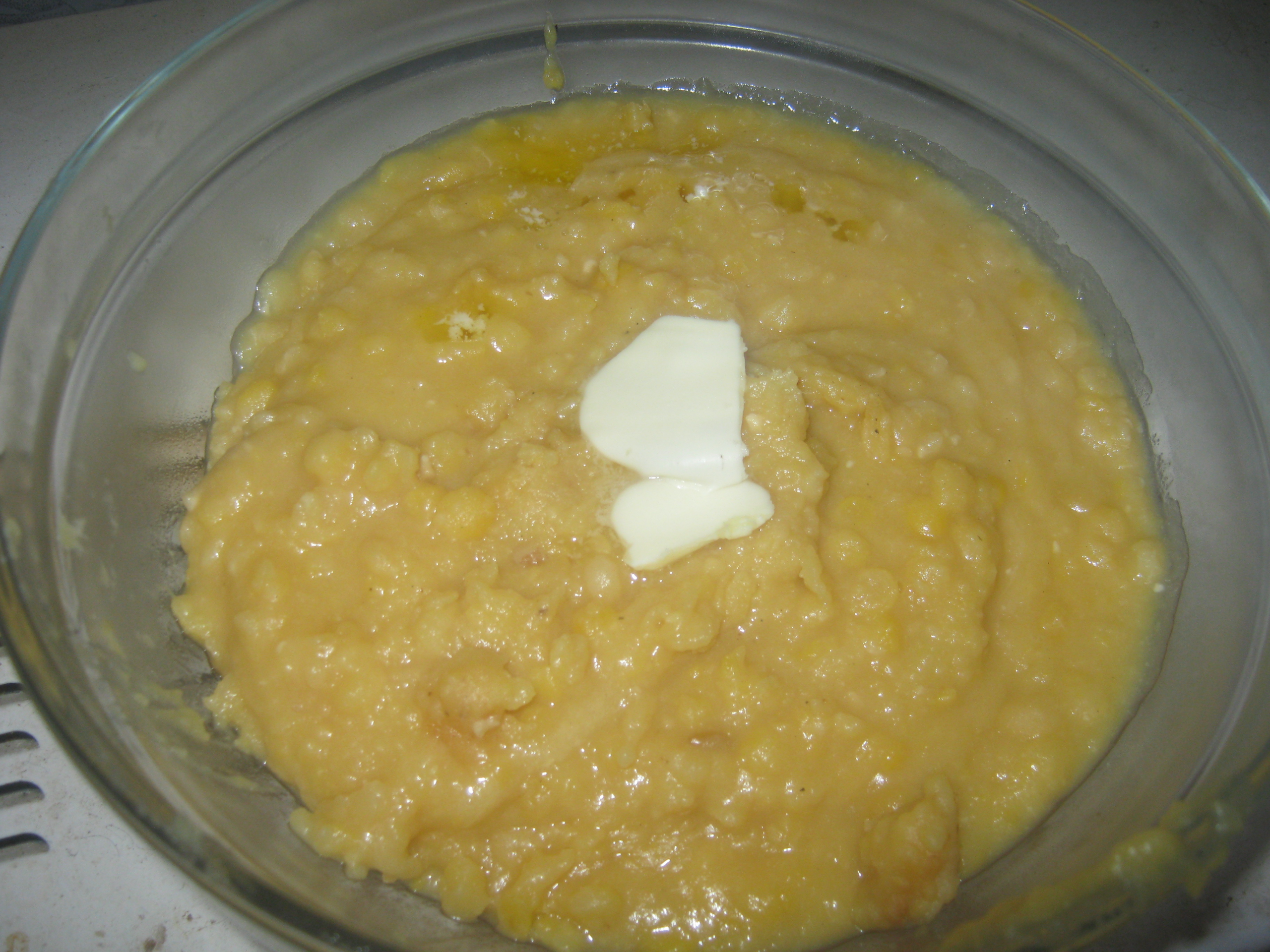
Dried peas cooked down to a thick paste, in a tradition that predates the arrival of maize and potatoes in Europe by a considerable margin.
It sets solid when cold and was historically boiled in a cloth. Pease pudding is the porridge made from a pulse rather than a grain.
12. Millet and Sorghum Porridges
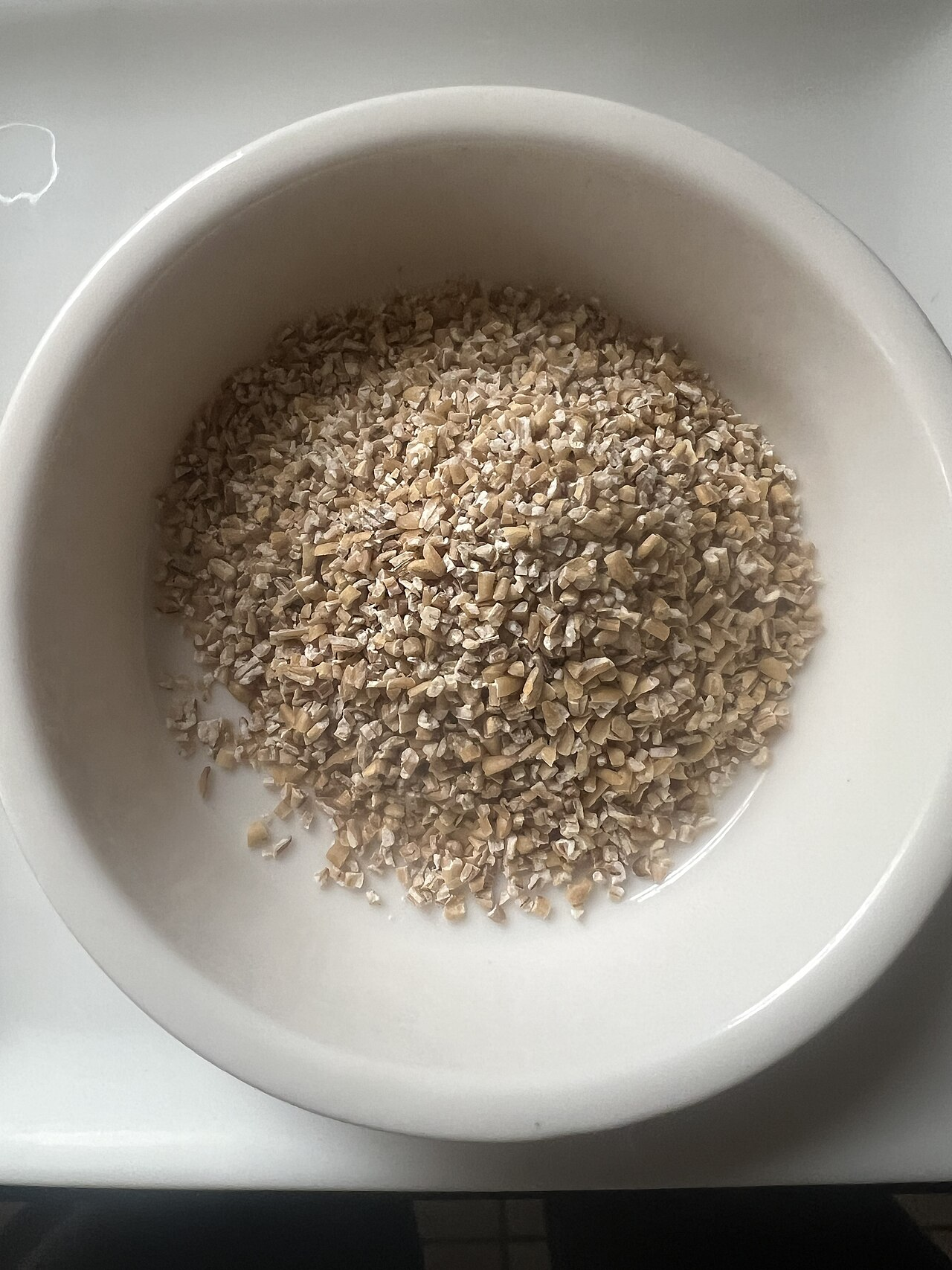
Small hardy grains that grow where wheat and maize struggle, cooked into porridges across west Africa and parts of Asia, sometimes fermented first.
The fermentation adds a sourness that is deliberate. Millet porridge is the version where the grain was chosen for the climate rather than the flavour.
14. Champorado and the Sweet Rice Porridges
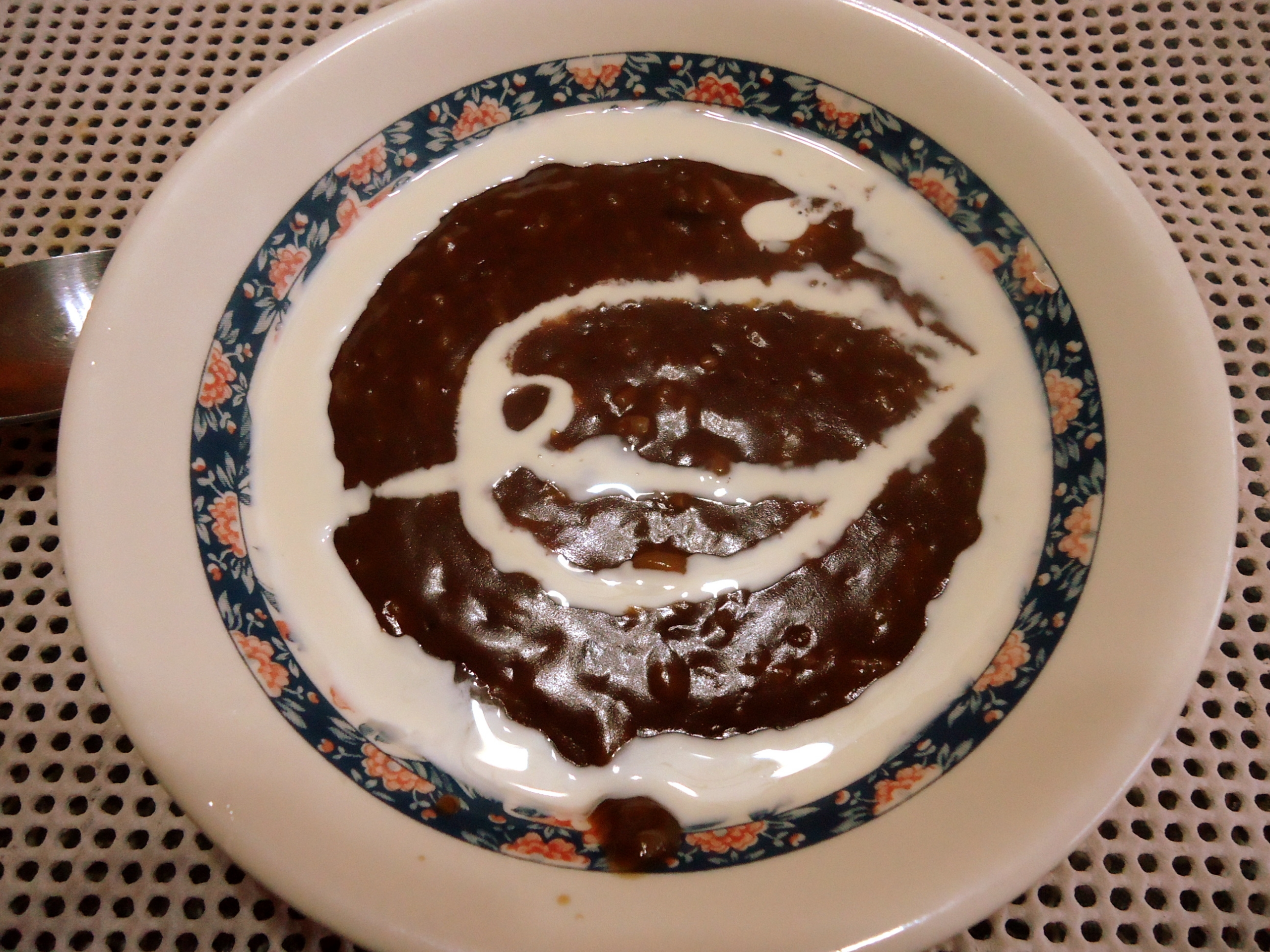
Glutinous rice cooked with chocolate or palm sugar into a sweet thick porridge, eaten at breakfast and sometimes served with something salty alongside.
The sweet and salty pairing is intentional and surprises visitors. Sweet rice porridge is the one served with a savoury counterweight.
15. Pounded Starch Preparations
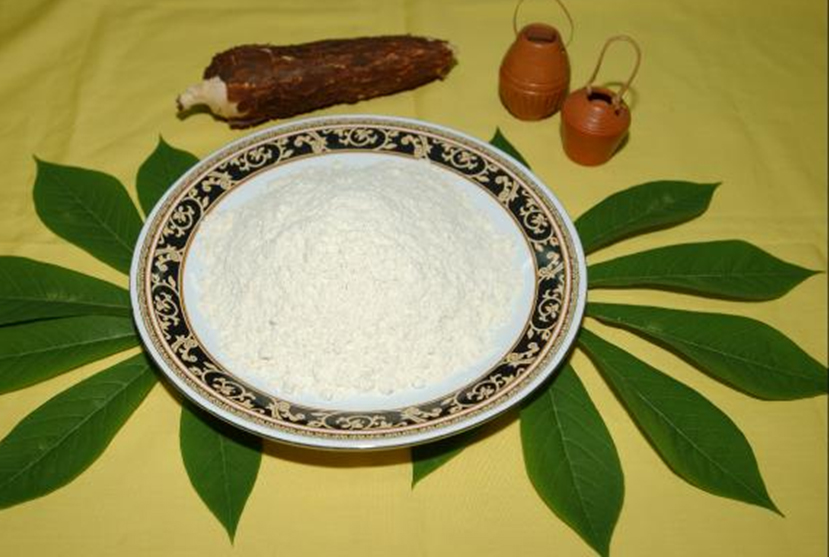
A related but distinct category, where a cooked starch is pounded rather than simmered, producing an elastic texture no amount of stirring achieves.
The mechanical working is doing something cooking alone cannot. Pounded starches are the porridge relatives where the tool changes the food.
16. Barley and the Ancient Grain Porridges
Barley, spelt, farro and emmer were porridge grains long before they were bread grains, cooked whole or cracked into thick pottages.
They hold their shape far better than modern soft wheat. Ancient grain porridges are the versions where the grains stay recognisable to the end.
One Idea, Every Grain-Growing Culture
Grain, liquid, heat and time, adjusted four ways. The differences between these are almost entirely technique – how coarse, how wet, how long, and whether anything happened to the grain before it went in the pot.
Porridge tends to be dismissed as the plainest thing anyone eats, and the range above suggests otherwise. The same four variables produce something you drink, something you slice and fry, something you shape with your hand and something you pound until it turns elastic. That is a considerable amount of engineering applied to boiled grain.
Like our content? Follow us for more.