The recurring principle is that temperature is an ingredient. Fat sets, gelatin holds, starch firms and seasoning reads differently cold, and every dish below was designed around one of those. Here are twelve.
1. Vitello Tonnato – Italy
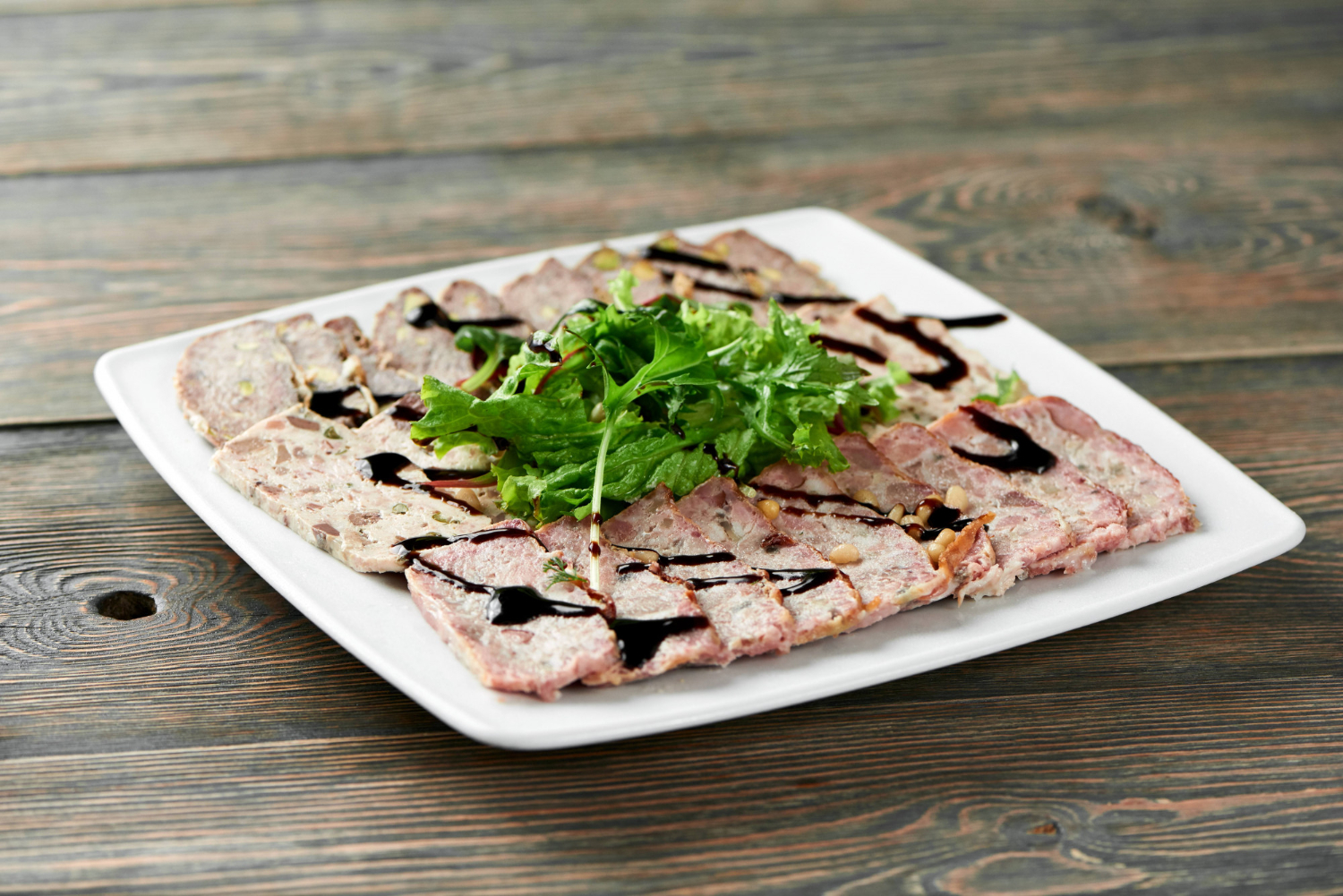
Cold sliced veal under a sauce of tuna, capers and anchovy, assembled in advance and served chilled so the meat stays firm and the sauce clings.
Warm, the sauce slides off and the meat goes soft. Vitello tonnato is the cold dish where the temperature is doing the plating.
Like our content? Follow us for more.
2. Salads That Were Cooked First
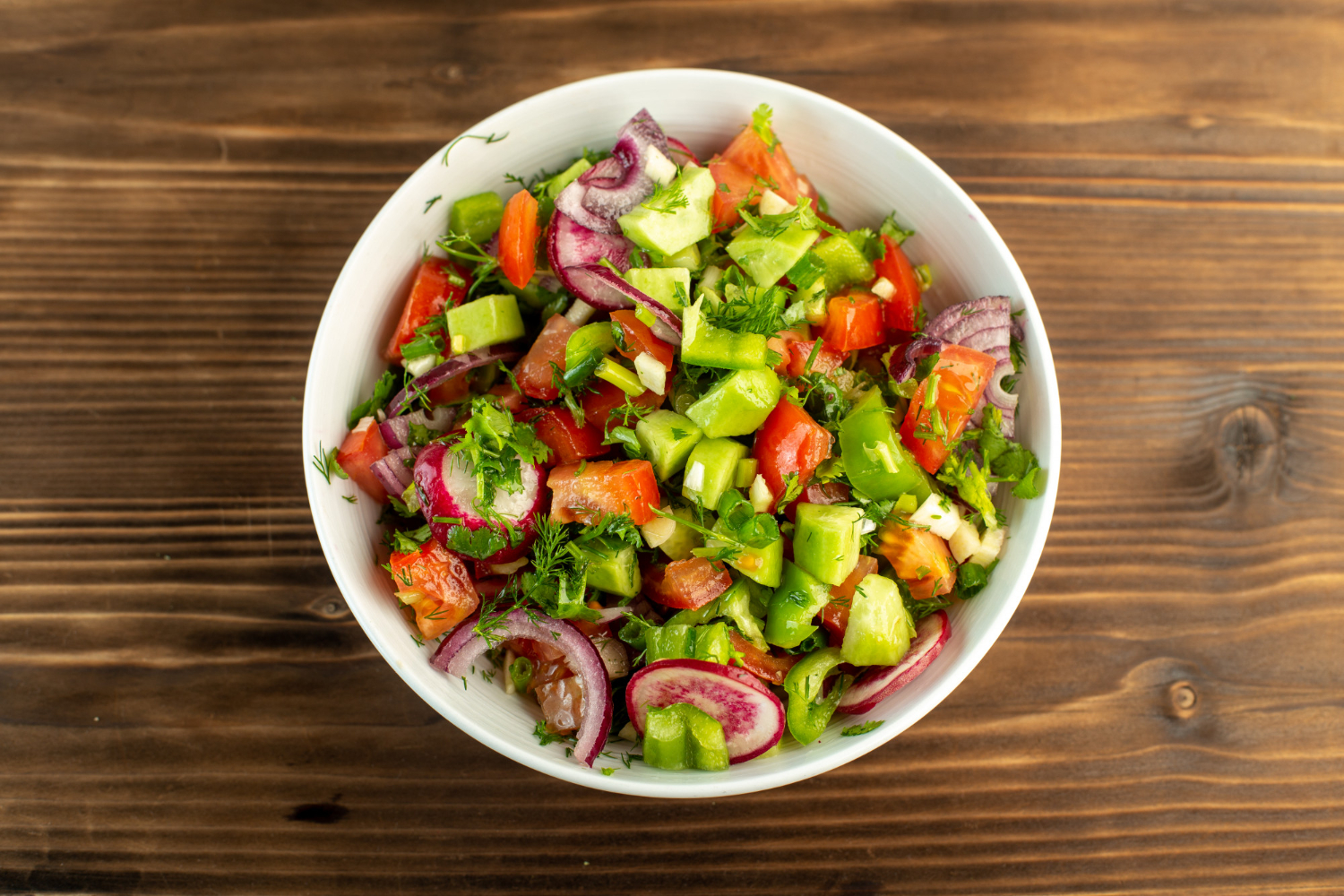
Cooked vegetables dressed while warm and then served cold – beans, peppers, aubergine, potatoes – where the cooling lets the dressing soak in rather than sitting on the surface.
Serving them warm means the dressing runs off and the seasoning stays outside the food. Cooked-then-cooled salads are the dishes where the resting is the seasoning step.
3. Cold Noodle Dishes – Korea and Japan
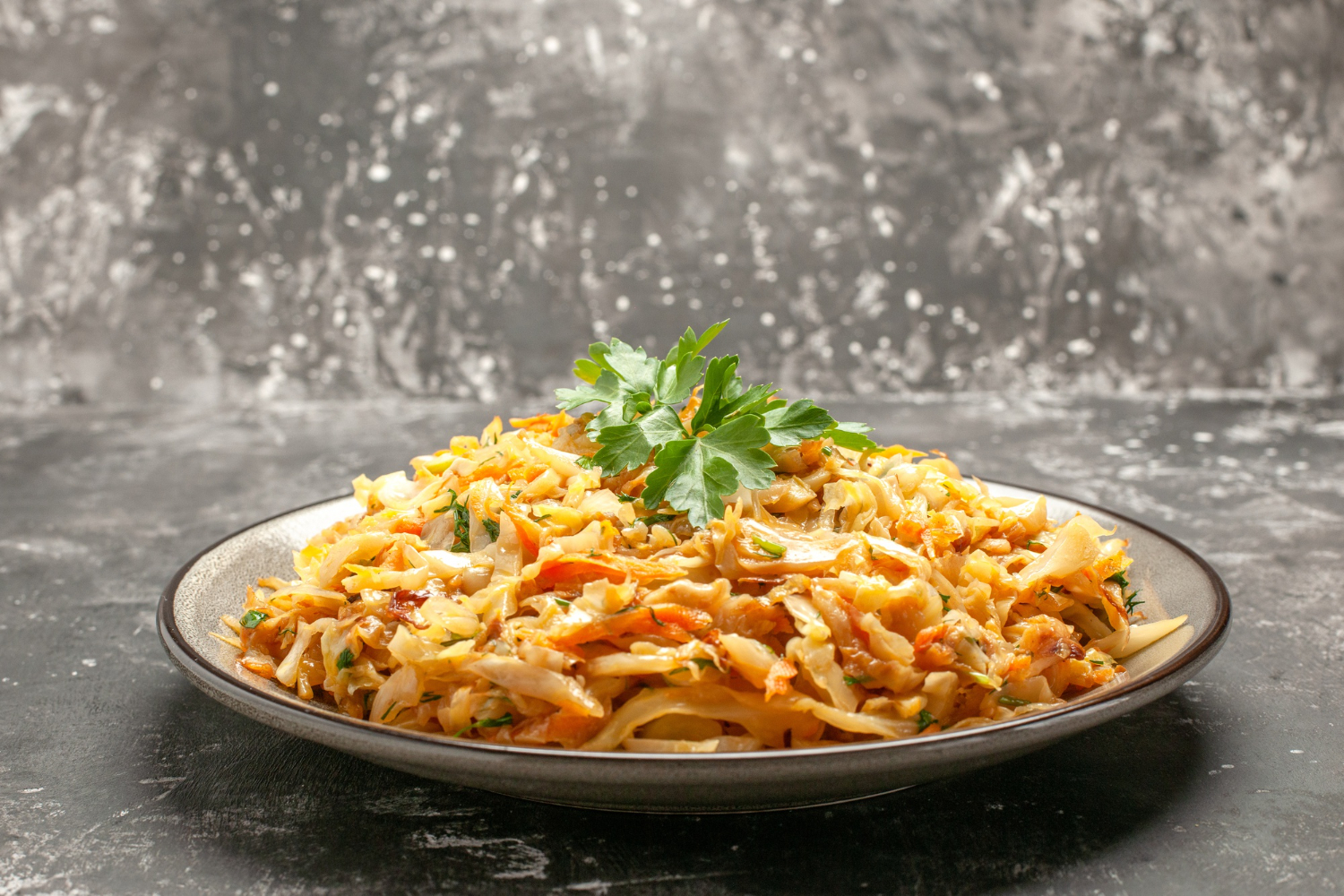
Noodles served in chilled broth or with ice, where the cold firms the noodle and makes the texture the point rather than the flavour.
Ice is added deliberately rather than as a gimmick. Cold noodles are the dishes where the temperature is doing the work on the texture.
4. Jellied and Set Savoury Dishes
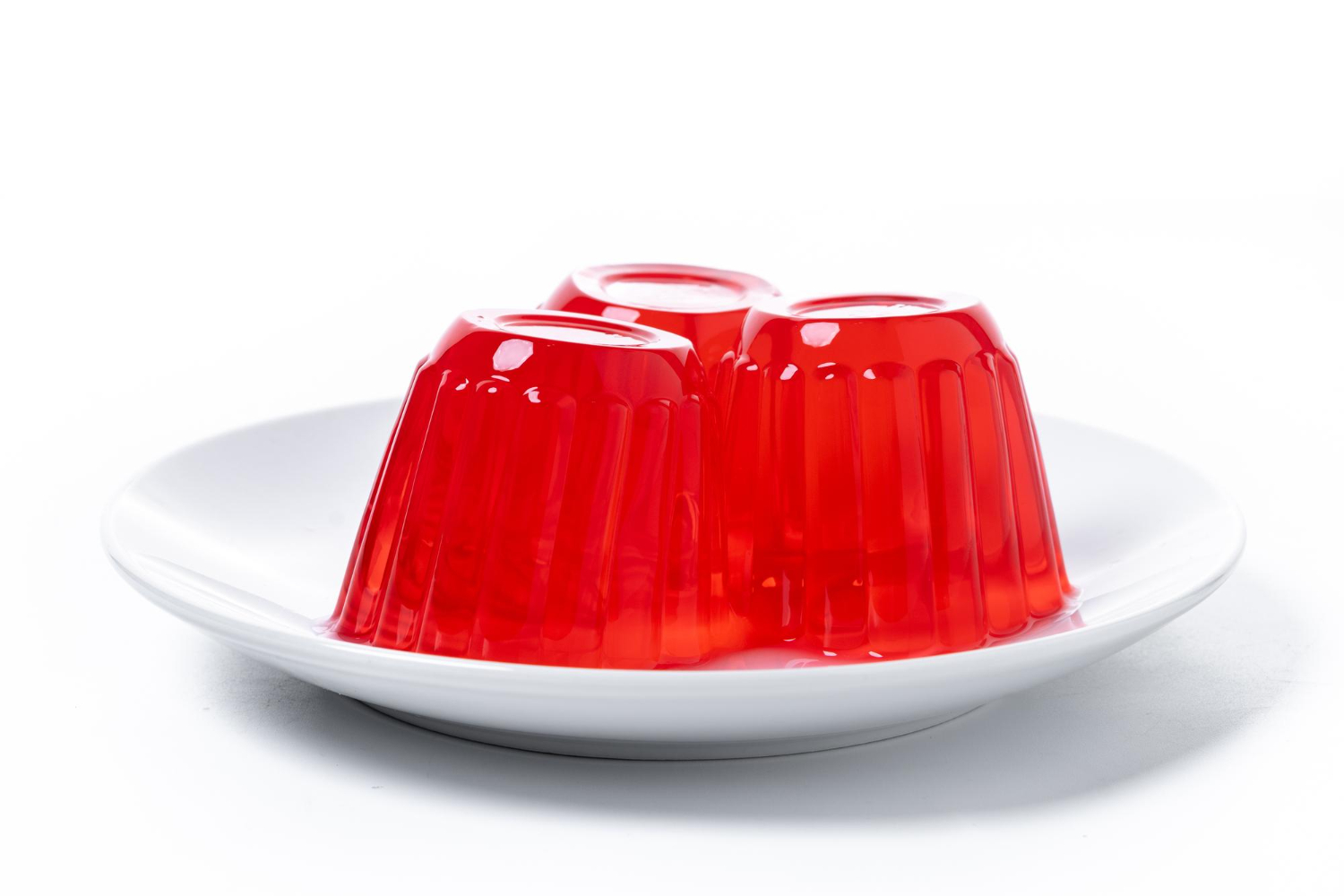
Aspic, brawn and their relatives depend entirely on gelatin setting, which only happens cold, so the dish literally does not exist at room temperature.
Warming one destroys it irreversibly. Set savoury dishes are the ones where cold is not a preference but a structural requirement.
5. Cold Roast Meat the Next Day
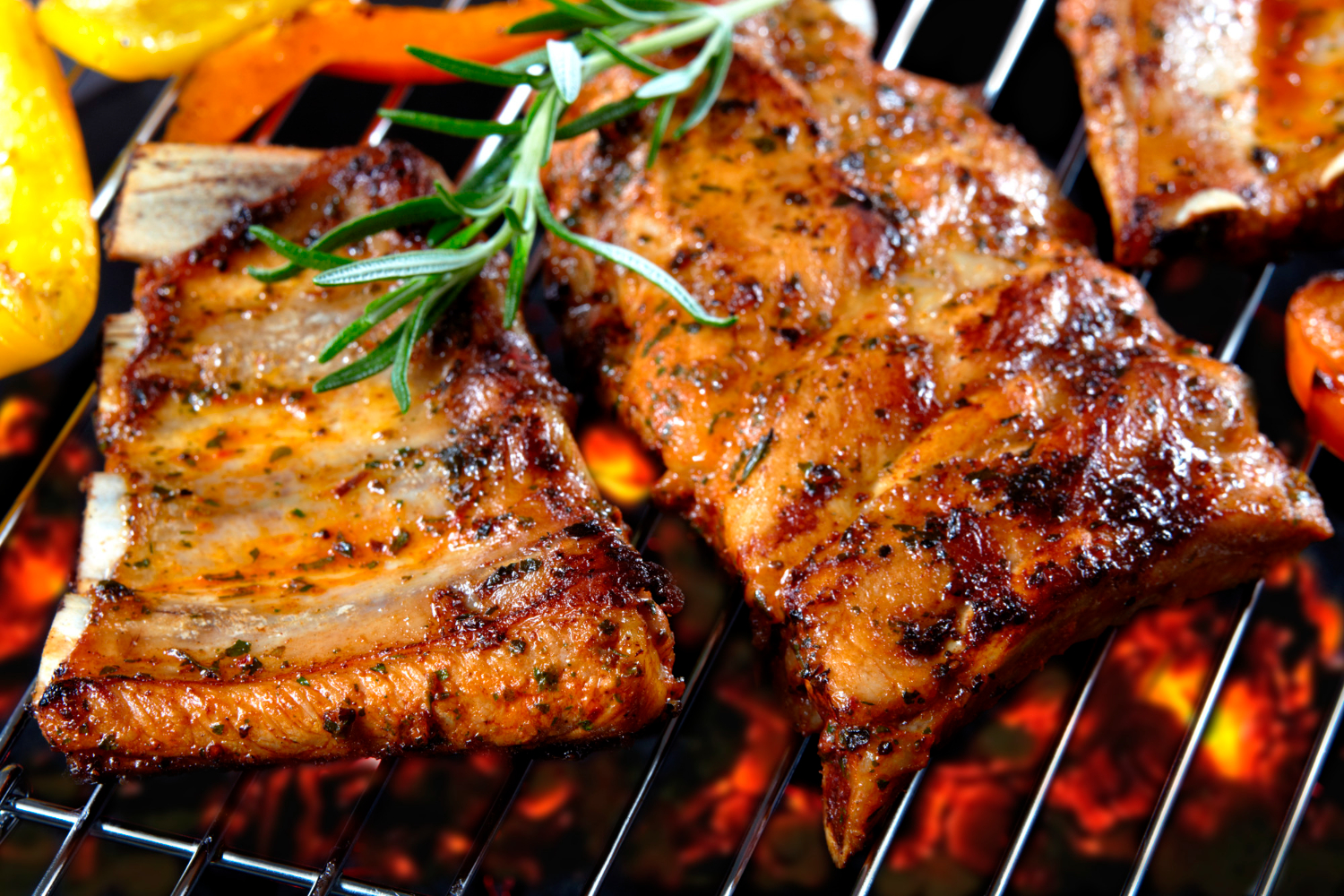
Meat sliced cold from a joint has a firmer texture and a more concentrated flavour than the same meat reheated, which is why it became a tradition rather than a fallback.
Reheating dries it and reheating badly ruins it. Cold roast meat is the dish where the second serving was always meant to be different.
6. Cured and Smoked Fish
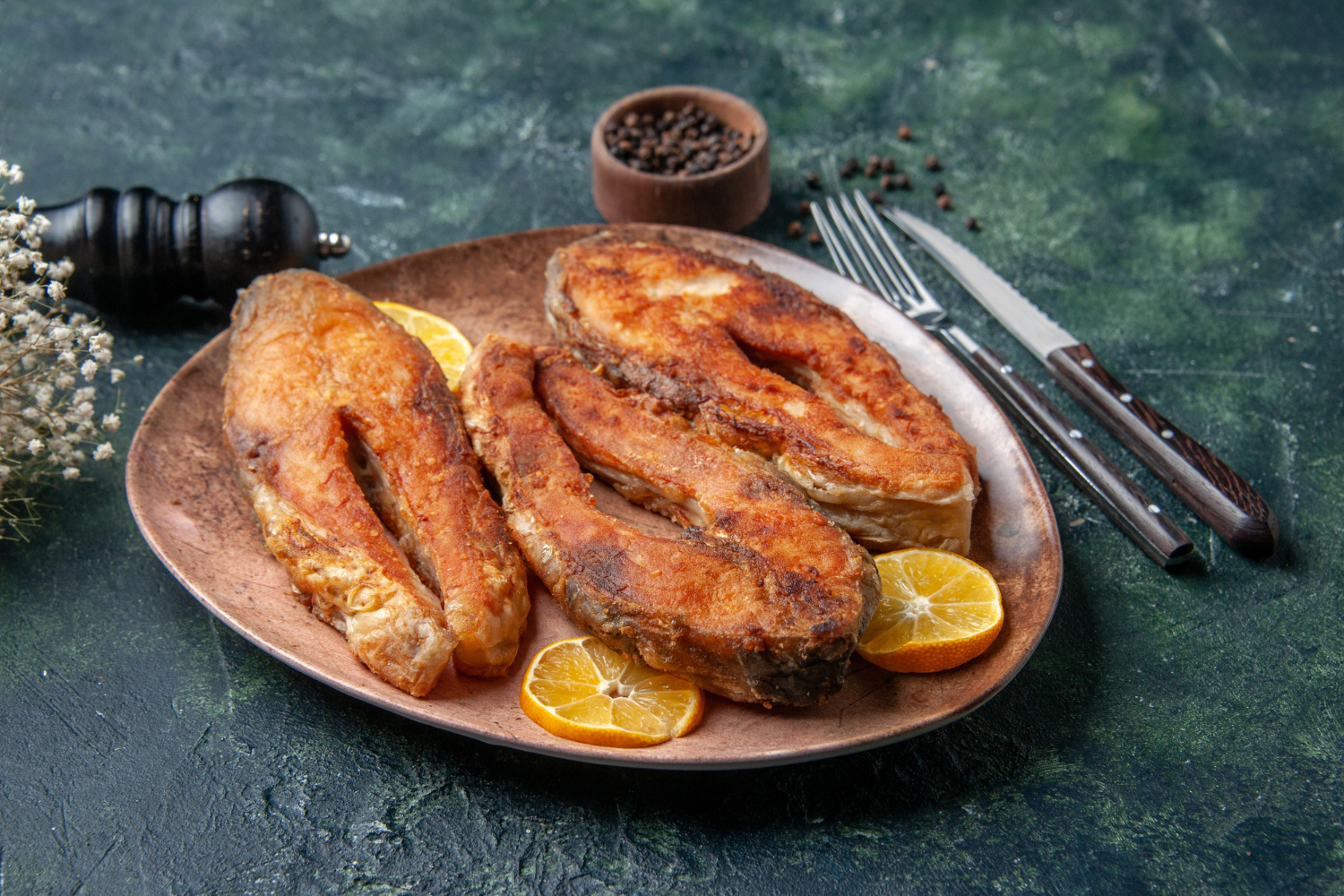
Cold-cured fish is never heated at any stage, and warming it changes the texture from silky to flaky and cooked, which is a different product entirely.
The curing did the work that cooking would otherwise do. Cured fish is the dish where applying heat undoes the entire preparation.
7. Cold Rice Preparations
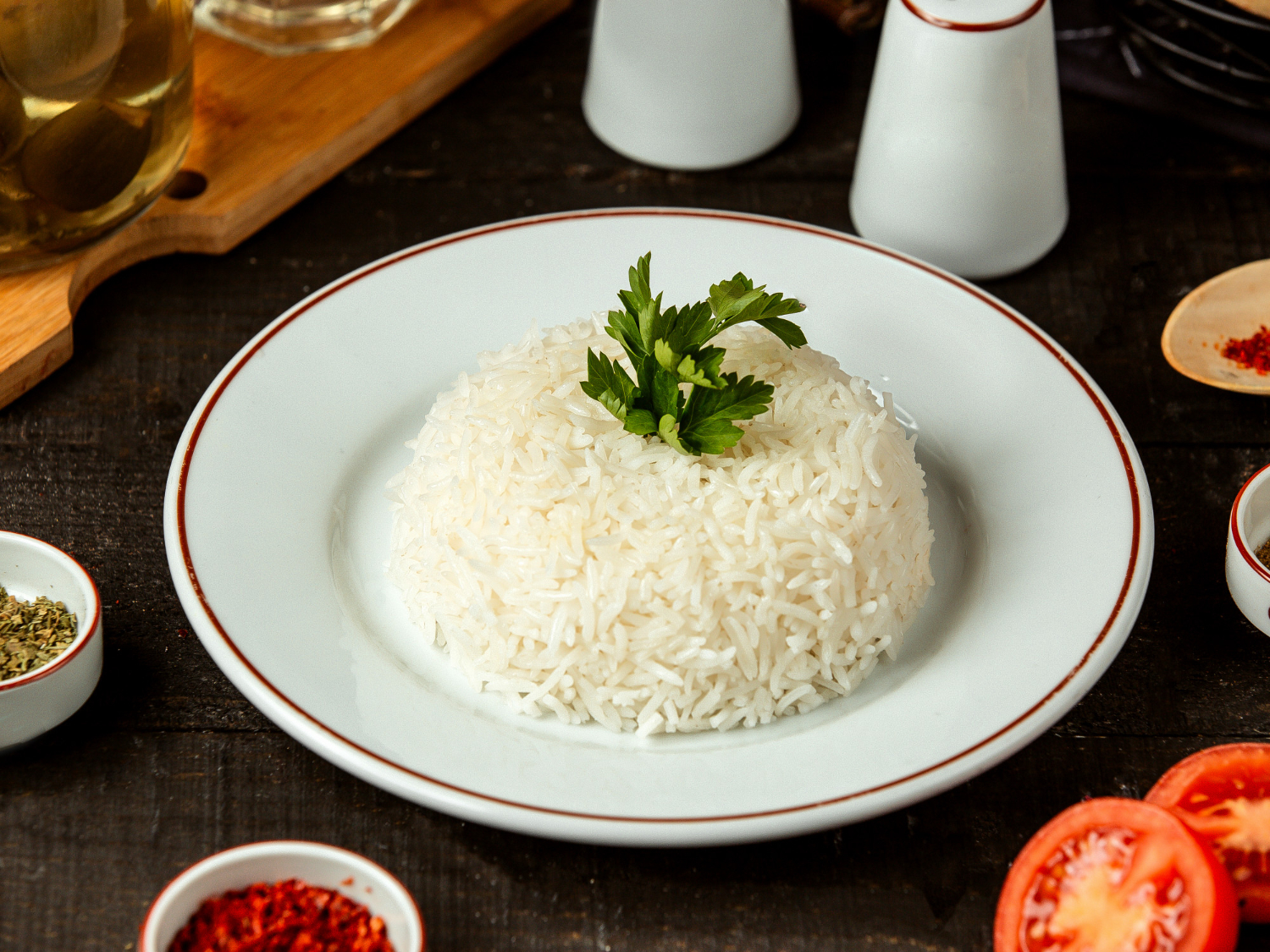
Rice for certain preparations is dressed and cooled deliberately, since the grain firms and separates as it cools and the seasoning is absorbed rather than sitting on top.
Both hot and refrigerator-cold are wrong; the target is somewhere between. Cold rice preparations are the dishes with the narrowest correct temperature range on this list.
8. Pate, Terrine and Rillettes
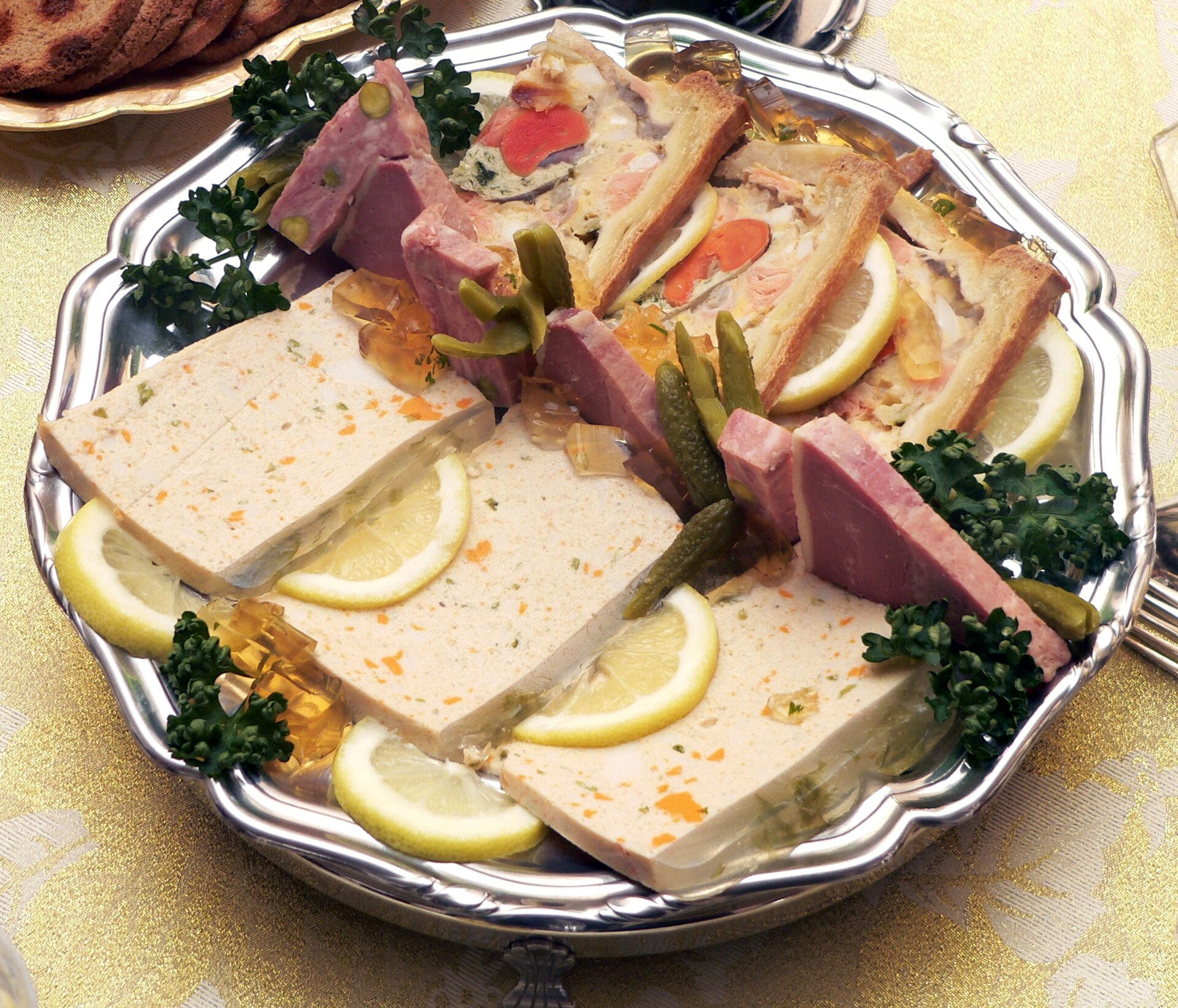
These depend on fat setting firm to hold the structure together and to carry the seasoning, which only happens below a certain temperature.
Warm, they collapse into something entirely different. Fat-set preparations are the dishes held together by being cold.
9. Cold Fried Chicken
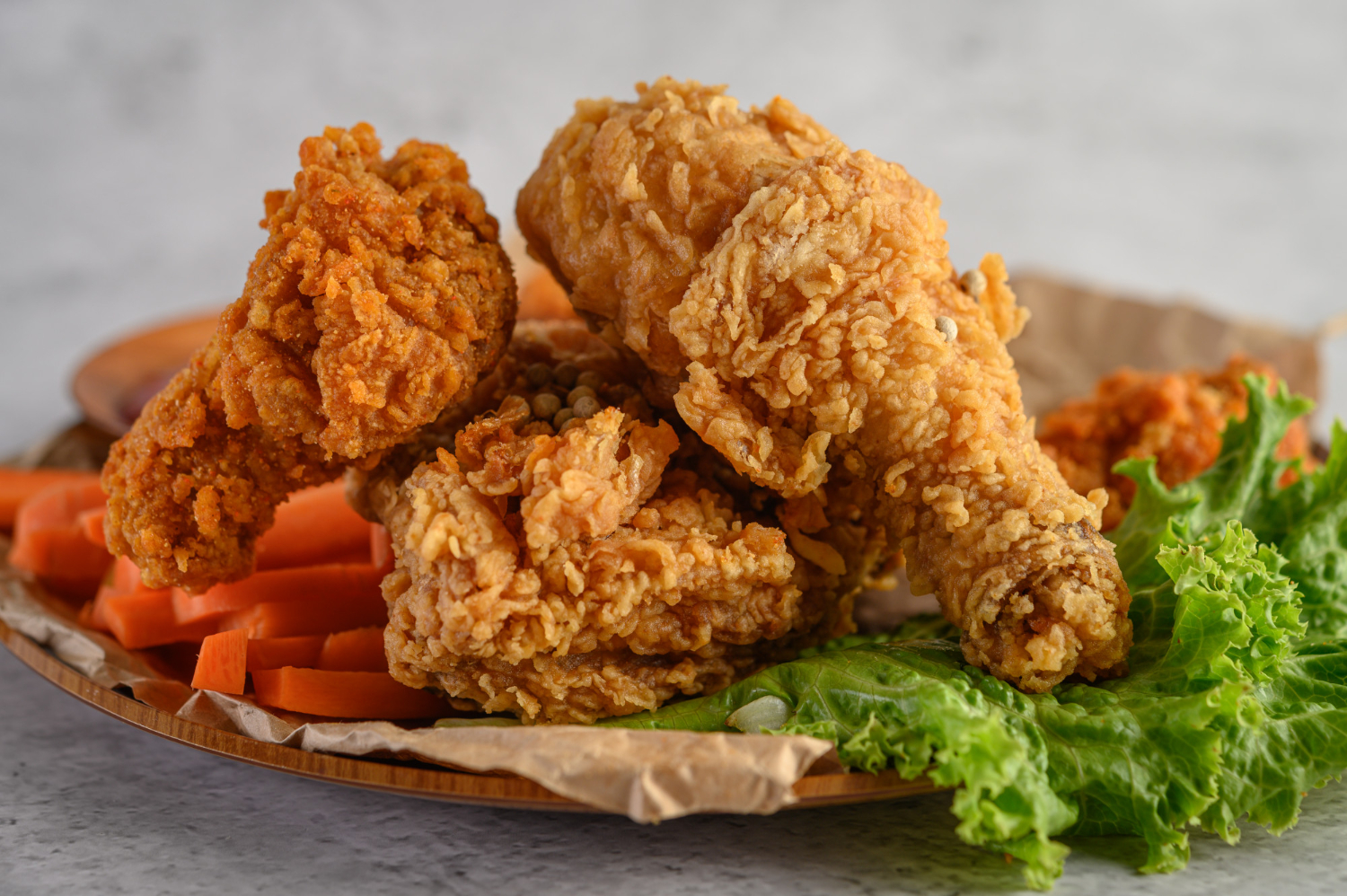
A real and defended tradition rather than a compromise, since the coating firms as it cools and the seasoning becomes more pronounced.
A substantial number of people prefer it and are not being polite. Cold fried chicken is the dish whose cold version has its own constituency.
10. Curries and Stews on the Second Day
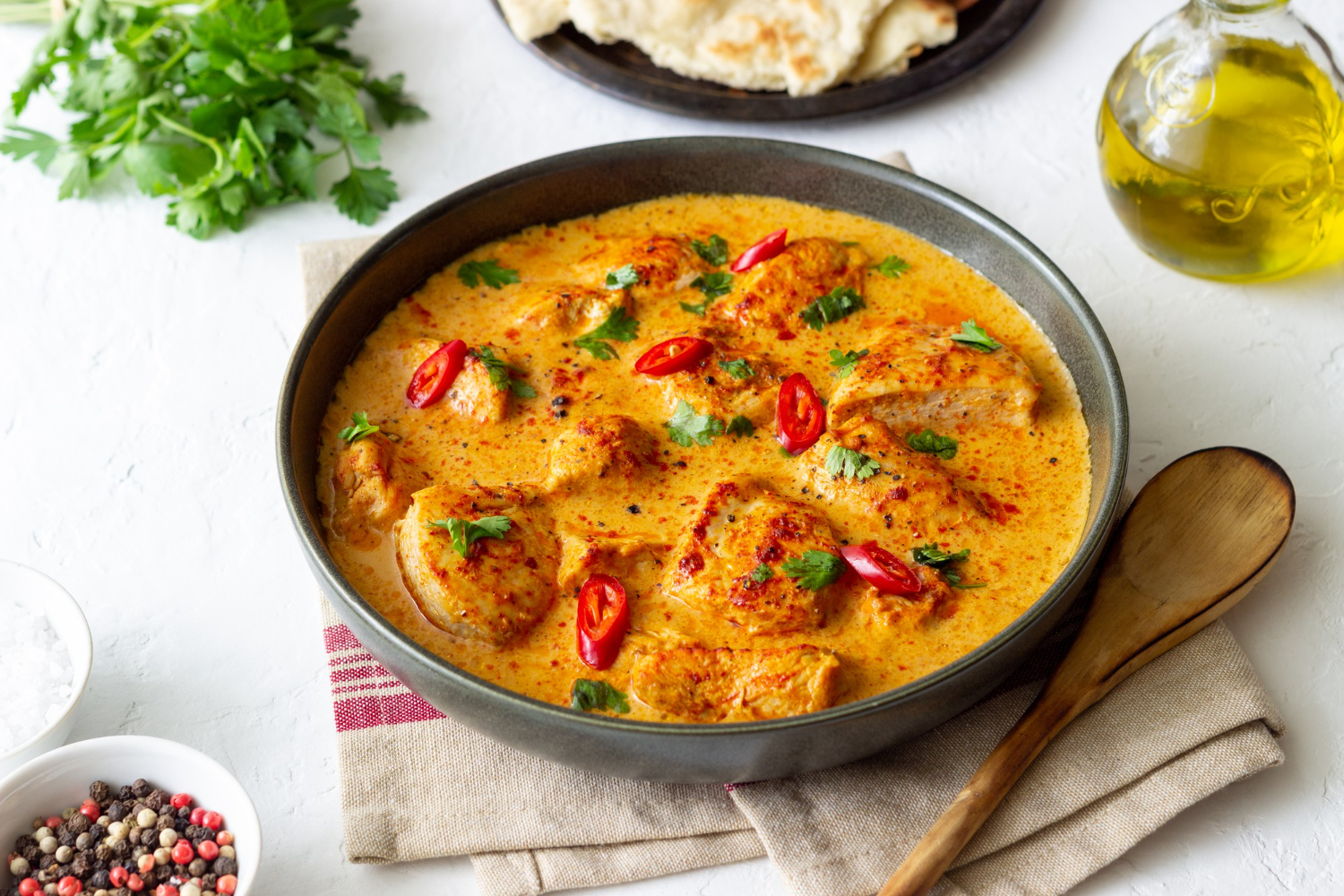
The argument here is real: the flavours continue to develop after cooking, and some dishes are truly better the following day.
Whether they should then be eaten cold or reheated is a matter of vigorous disagreement. Next-day stews are the dishes where the improvement is agreed and the serving temperature is not.
11. Set Custards and Cold Puddings
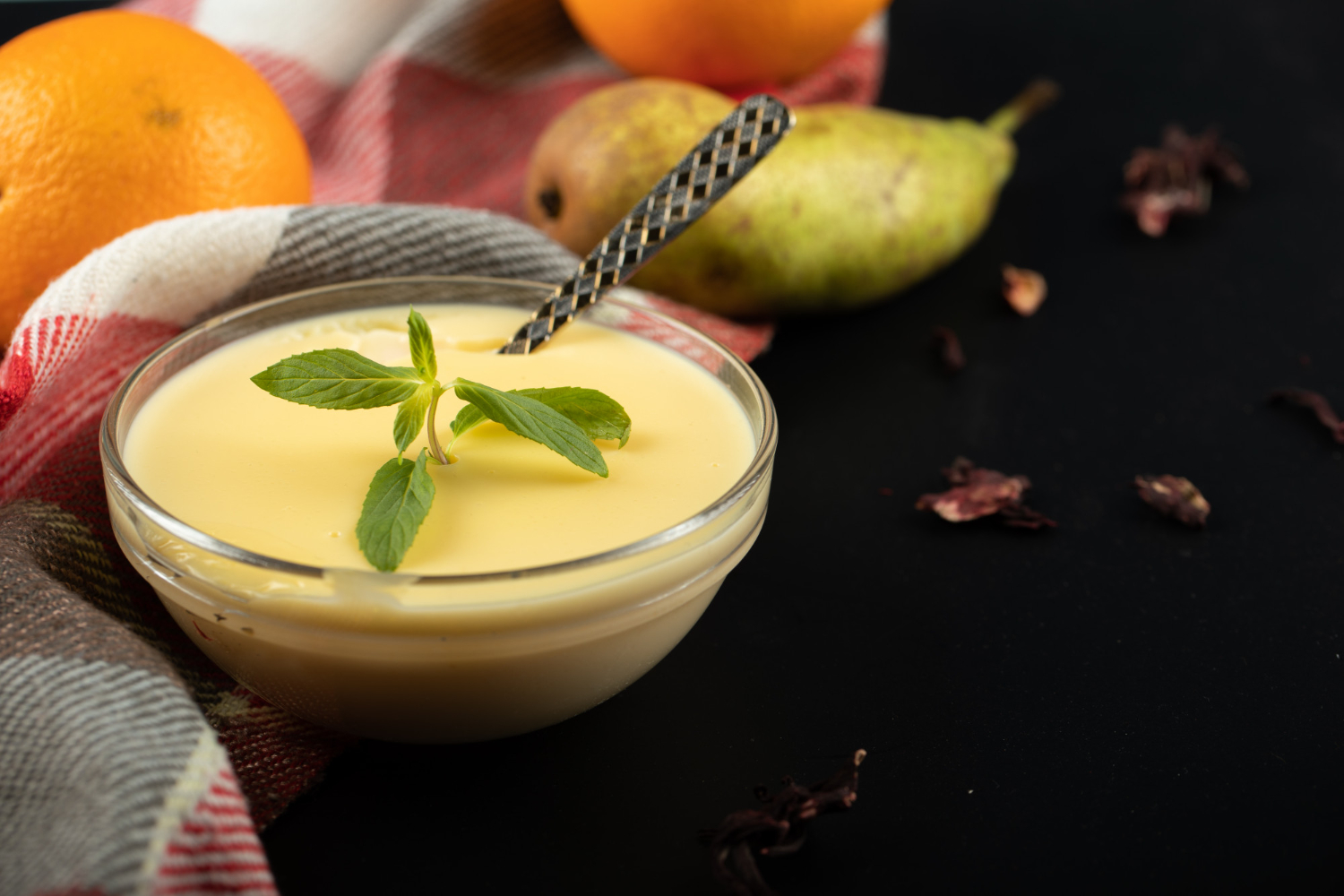
Baked custards, set creams and cold rice puddings all require cooling to reach their intended texture, and several were hot at some point in their preparation.
The cooling is a cooking stage rather than an afterthought. Cold puddings are the desserts where the fridge finishes the recipe.
12. Cold Pizza
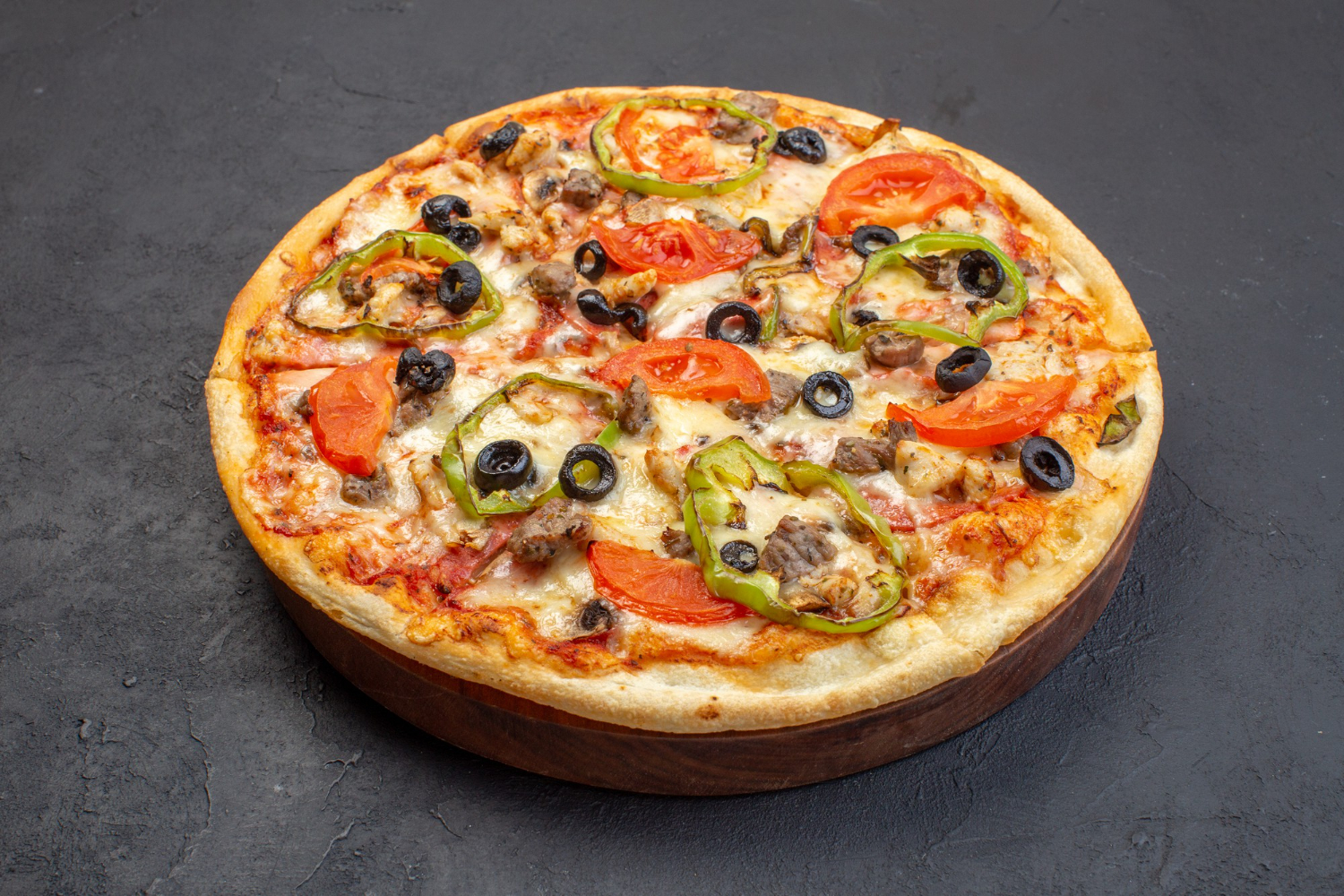
The informal case, defended widely and dismissed by almost every cook, where the cheese firms and the base loses its softness.
It is a truly different eating experience rather than a degraded one, and it deserves to be on this list honestly. Cold pizza is the dish that proves people mean it about temperature.
Temperature Is an Ingredient
Every dish here uses cooling to do something specific – set a fat, hold a gelatin, firm a starch, concentrate a seasoning or change a texture. Warming them undoes the work rather than improving it.
The general principle is worth carrying beyond this list. If a dish arrives cold in the place it comes from, that is almost always a decision rather than an oversight, and the instinct to warm it up is usually the instinct of somebody who has not eaten it the intended way yet.
Like our content? Follow us for more.