

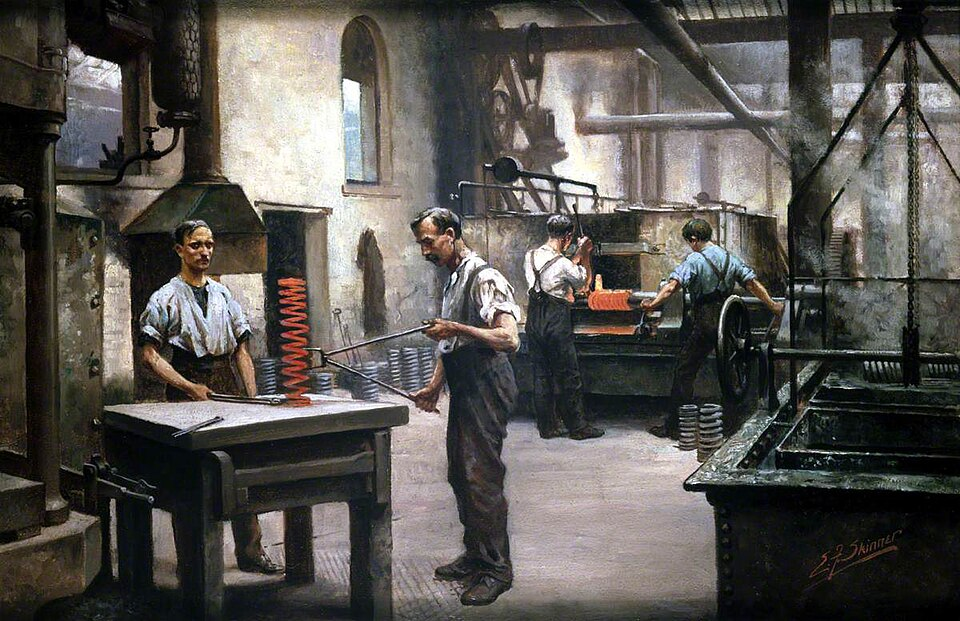
Spring making is the business of working steel as hard as it can be worked and then proving it will survive doing it millions of times, which means destroying part of every batch. Here are sixteen things about the trade.
1. A spring is a component designed to be permanently on the edge of failing
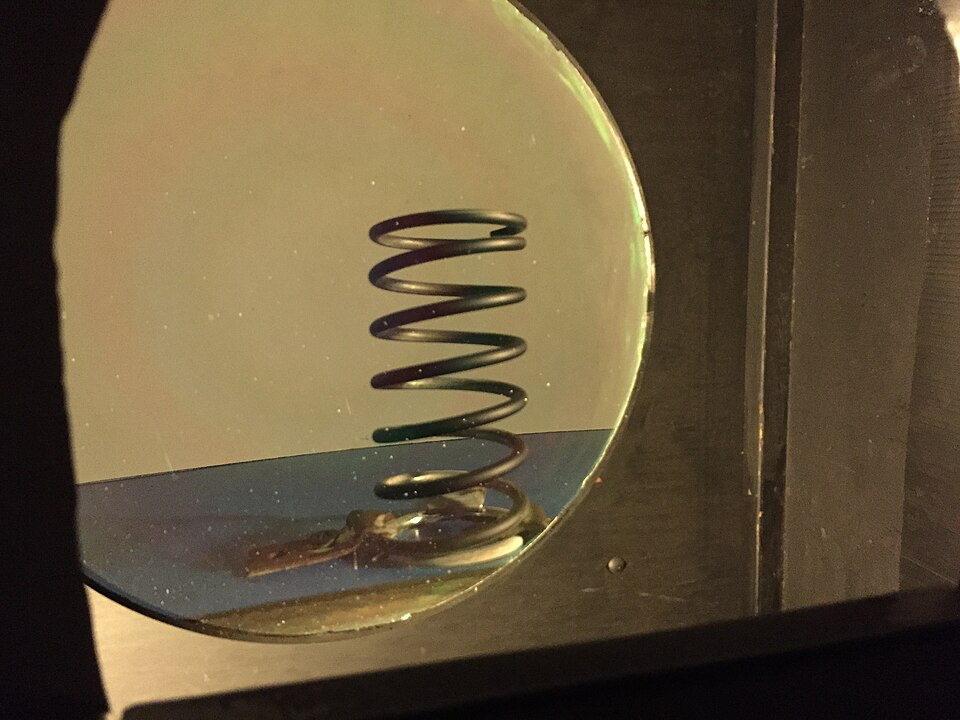
Every other part in a machine is designed to stay well inside what the material can take. A spring is designed to work close to the limit, because a spring that is kept comfortably within its material’s capability is a spring that is too heavy and too stiff to do its job.
That single fact governs the whole trade. Spring making is the business of working a material as hard as it can be worked and then proving that it will survive doing it millions of times.
So a spring shop in 1960 was a heat treatment and testing operation that happened to coil wire, and the coiling was the easy part. Modern spring manufacture is the same proposition with measured material properties, controlled heat treatment, computer-controlled coiling and fatigue testing against a specification. The engineering judgement has moved from the bench to the design office.
Like our content? Follow us for more.
2. Hot coiling was done round a mandrel by hand and eye
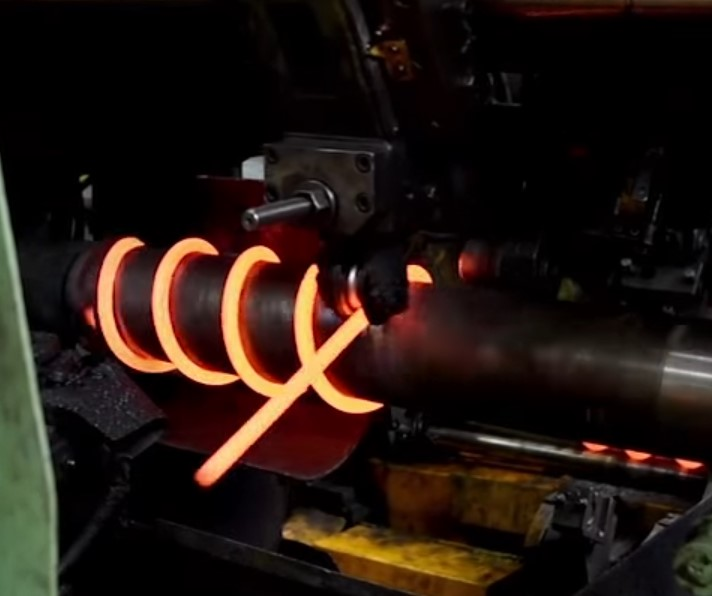
Heavy springs were coiled hot: a length of bar heated and wound around a rotating mandrel, with the operator guiding the pitch of the coil by hand as it went on.
That sounds crude and it produced accurate work, because the man doing it could see and feel what the bar was doing and correct as he went.
The variables are the mandrel diameter, the bar temperature, the pitch and the speed, and all four interact, which is why the operation was done by people who had done it for years. CNC coiling machines now control pitch, diameter and feed to a programme with the result measured in-process. Hot coiling by hand survives for very heavy and one-off springs where no machine is set up for the size.
3. The spring is made by the heat treatment, not by the coiling
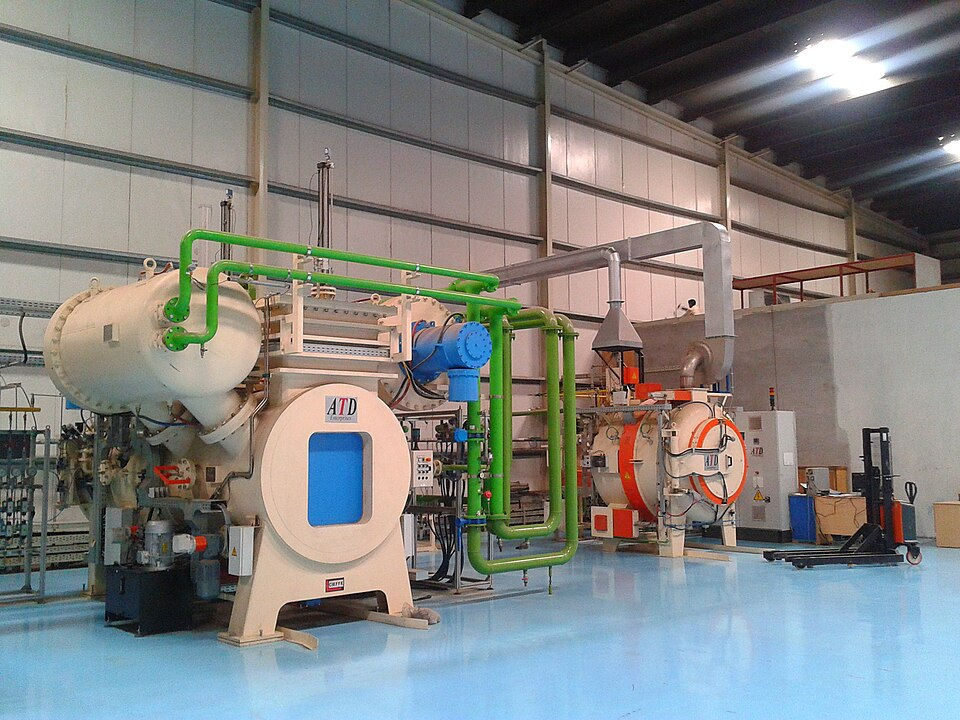
A coiled spring straight off the mandrel is not a spring. It becomes one through heat treatment: hardened by quenching and then tempered to bring it back to the particular combination of strength and toughness a spring needs.
Too hard and it is brittle and will snap; too soft and it will take a permanent set and sag. The window is narrow and it is the whole of the product.
In 1960 that was controlled by furnace practice, timing and the experience of the men running it, with hardness testing on samples rather than continuous measurement. Modern practice controls furnace atmosphere, temperature and time to a logged recipe, with hardness and microstructure verified. The metallurgy is identical and the evidence is entirely different.
4. Why Detroit made this an American speciality
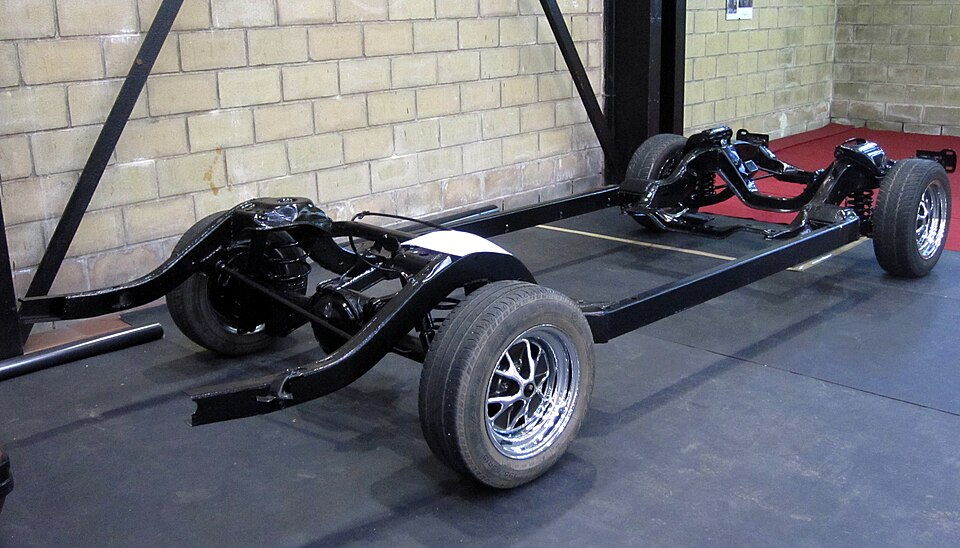
American vehicle production at mid-century consumed springs in enormous quantity: leaf springs for suspension, valve springs, clutch springs and hundreds of smaller ones per vehicle.
That volume forced early automation of coiling, heat treatment and testing, and it forced specification: a car maker buying millions of valve springs needs every one to behave the same way, which is a different problem from making a good spring.
It also produced the American leaf spring industry, which operated at a scale and degree of mechanisation that had no real equivalent elsewhere. So by 1960 American spring making had split into high-volume automated production for vehicles and a surviving jobbing trade making springs for everything else, which is substantially the structure of the industry now.
5. Scragging deliberately overloads a new spring
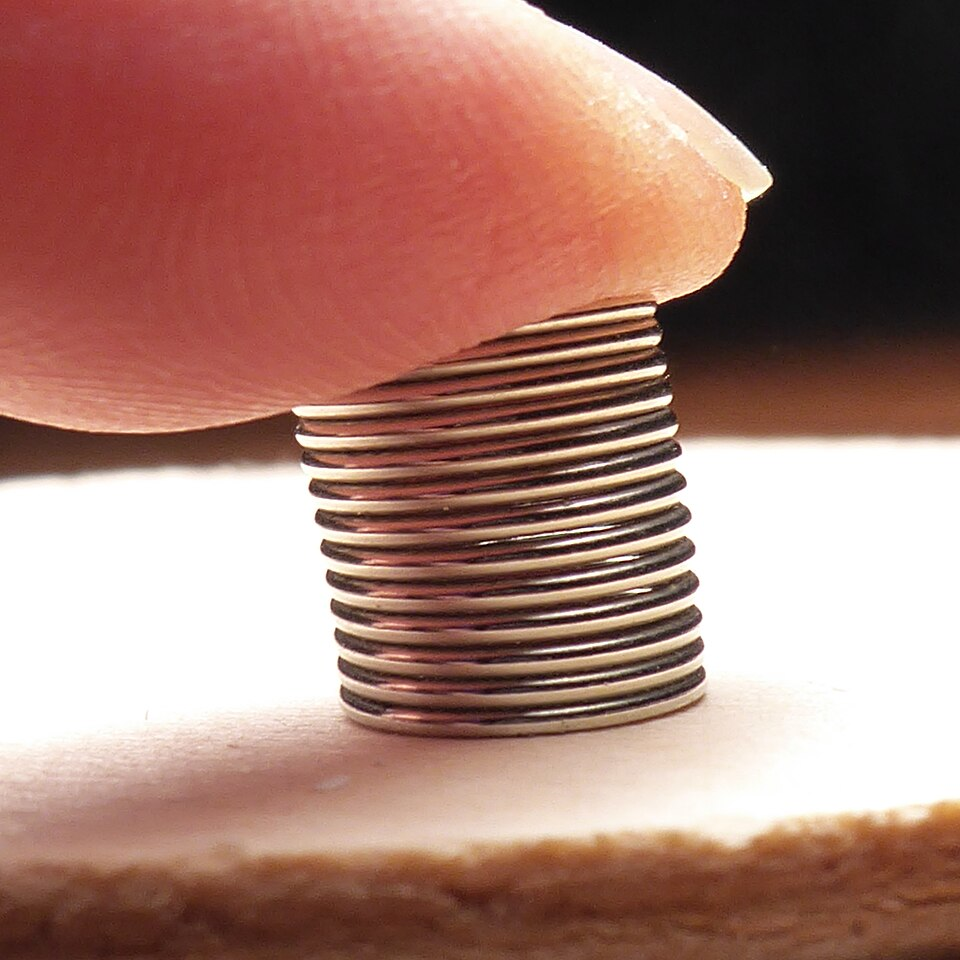
A newly made spring will settle slightly the first few times it is compressed, which means its free length changes and its rating shifts.
The remedy is to do that deliberately in the factory: compress the spring beyond its working range once or several times, which is called scragging or presetting, so that all the settling happens before the customer gets it.
It is a counter-intuitive operation — overloading a product on purpose to make it reliable — and it is standard practice. It still is, now done automatically in-line with the free length measured before and after. The idea has not changed since somebody first noticed that a spring settles.
6. Every batch was tested until something broke
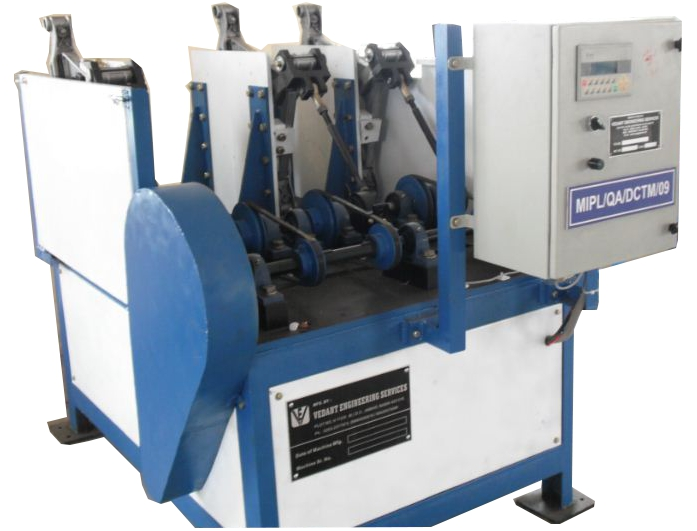
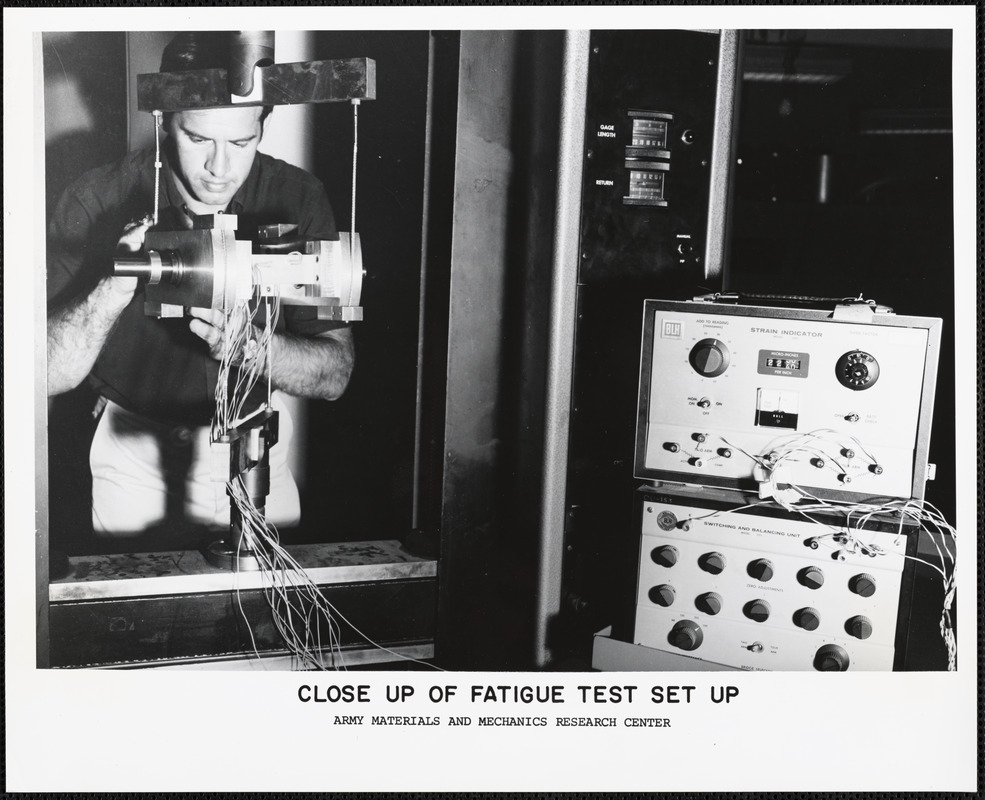
A spring’s working life is measured in cycles, and the only way to establish it is to cycle springs until they fail, which means destroying part of the batch to characterise the rest.
So a 1960 spring works had testing machines running continuously, compressing samples hundreds of thousands of times, and the results were the basis on which the shop knew what it was making.
That is an unusual position for a manufacturer: the product’s specification is established by breaking it. Fatigue testing is still exactly this, now instrumented, logged and statistically analysed, with results fed back into design. Nothing has replaced the need to break things to find out.
7. Surface condition decides fatigue life more than anything else
A fatigue crack starts at the surface, almost always at a scratch, an inclusion, a decarburised layer or a mark from handling, and once it starts the spring is finished.
So surface quality was disproportionately important, and a spring shop was careful about the condition of the wire it bought, about how springs were handled between operations and about marks left by tooling.
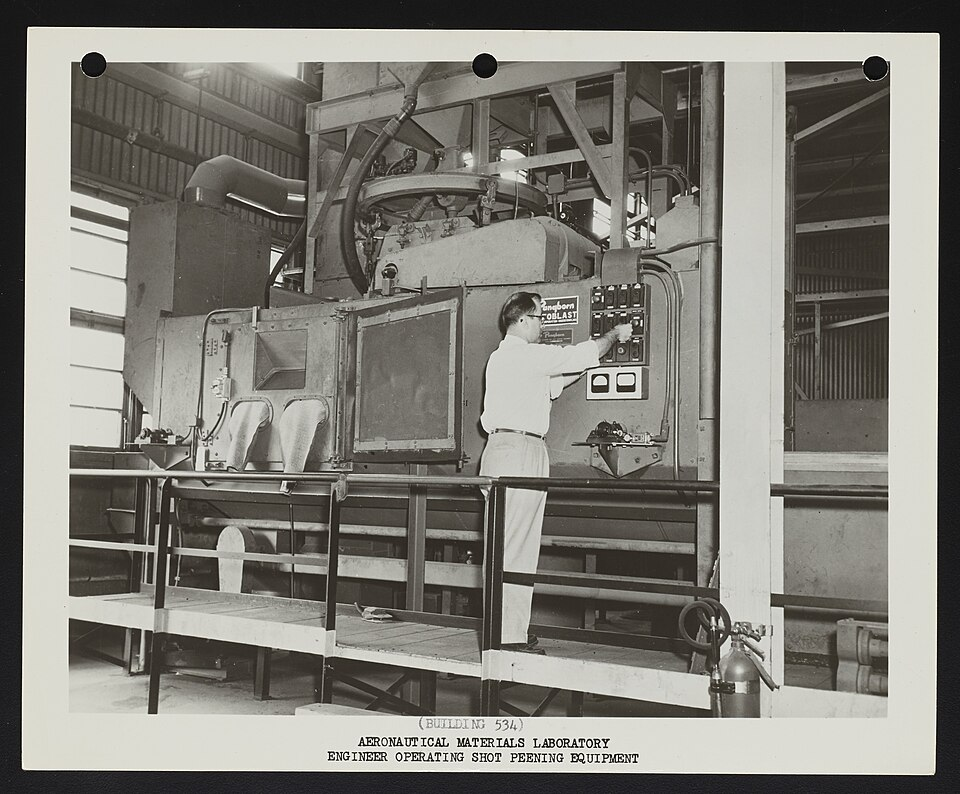
That is why a good shop’s housekeeping was not fussiness: a spring dropped into a steel bin with other springs can be damaged in a way that shortens its life by an order of magnitude. Shot peening, which hammers the surface with small shot to put it into compression, is the modern answer and dramatically extends fatigue life. It existed in 1960 and is now routine rather than specialised.
8. Leaf springs were assembled, not made as one object
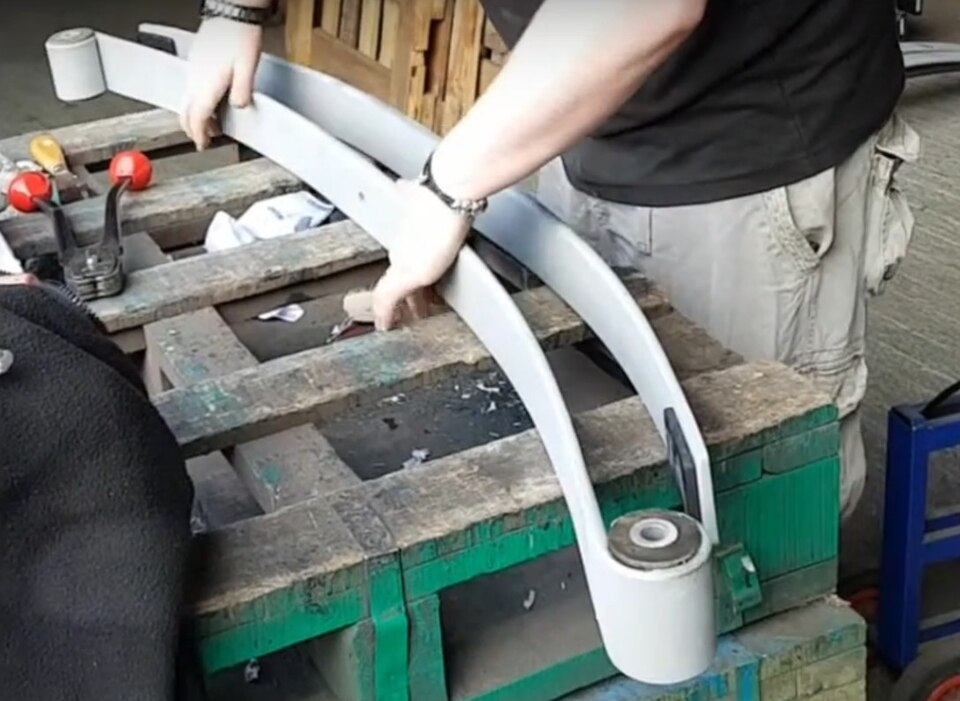
A leaf spring is a stack of curved steel plates of decreasing length, clamped together, each one contributing stiffness and the stack as a whole providing a rising rate and a degree of friction damping.
Making one meant rolling or forming each leaf, heat treating it, shaping the ends, drilling, and then assembling the stack with a centre bolt and clips, with the curvature of each leaf chosen so the assembled spring sits right.
That is a fitting job as well as a forming one, and a spring that was assembled badly sat crooked or worked unevenly. Coil springs, independent suspension and later air and composite systems displaced leaf springs on cars almost entirely, though they survive on heavy vehicles and trailers where their load capacity and simplicity still win.
9. The shop was hot, loud and full of oil smoke
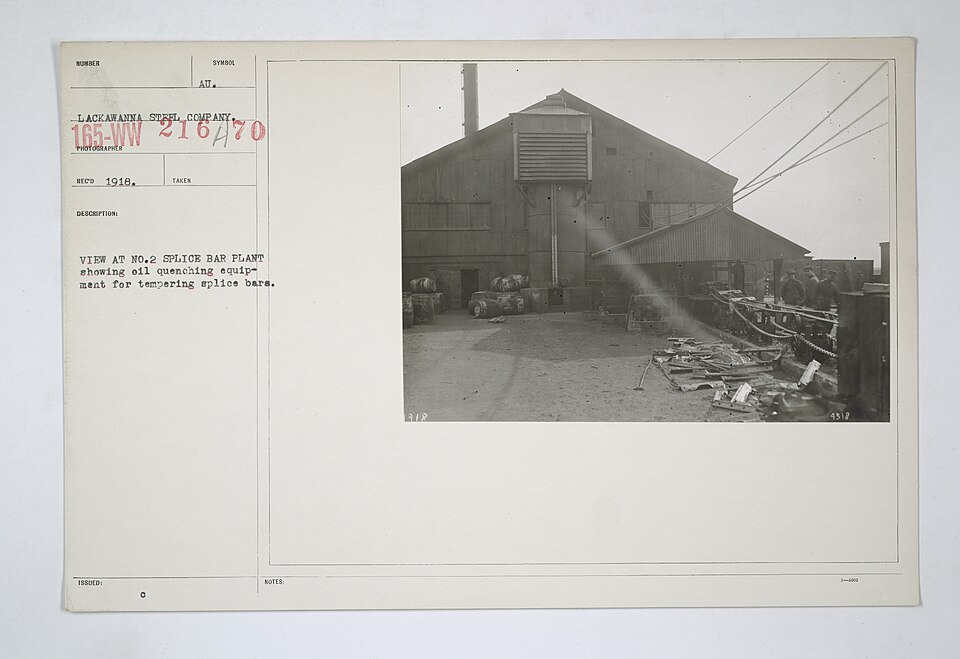
Spring making combines furnaces, quench tanks, coiling machines and power presses in one building, which means radiant heat, quench oil vapour, noise and the smell of hot oil continuously.
In 1960 the quench tanks were open, the ventilation was general rather than local, and the protection was heavy clothing and experience.
Quenching also carries a fire risk, because the quenchant is frequently oil and the work entering it is red hot, which was managed procedurally rather than by design. All of that is now engineered: enclosed and extracted quench systems with fire suppression, local exhaust ventilation, noise assessment with hearing protection and surveillance, heat management and machine guarding specified rather than improvised.
10. The wire arrived with a certificate and the certificate mattered
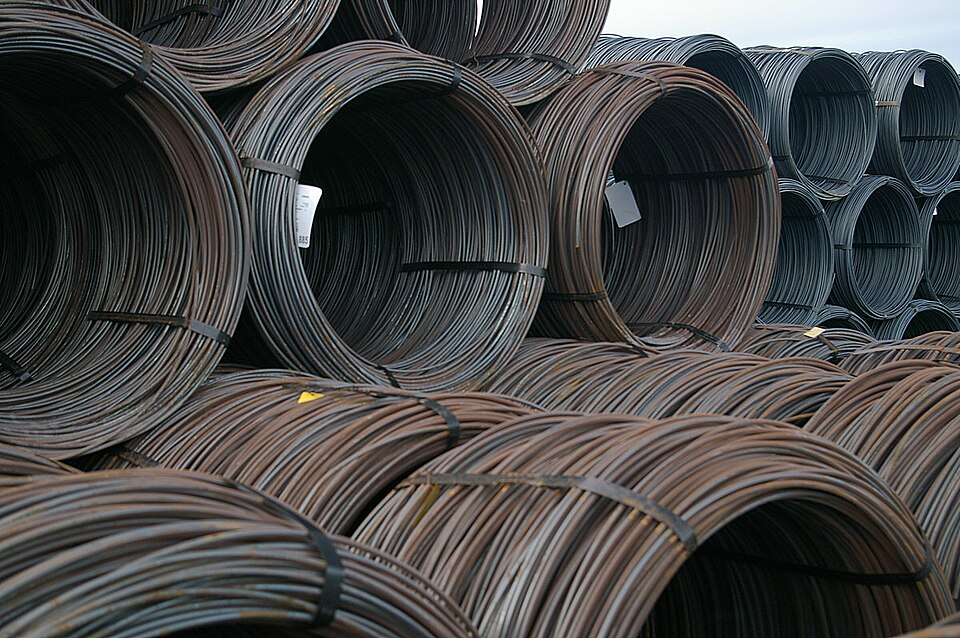
Spring steel is a specific material with a tight composition and a particular condition, and a spring shop could not make a good spring from indifferent wire however well it worked.
So buying was technical, suppliers were chosen carefully, and material came with analysis and test results that the shop relied on.
That made the relationship between steelmaker and spring maker unusually close for a customer-supplier relationship of the period. Modern material supply is fully certified with traceability to a cast, mechanical test results and surface inspection, and a spring maker can trace a failed spring back to the heat of steel it came from. The closeness is now contractual rather than personal.
11. Small springs were made in enormous numbers on cam-driven machines
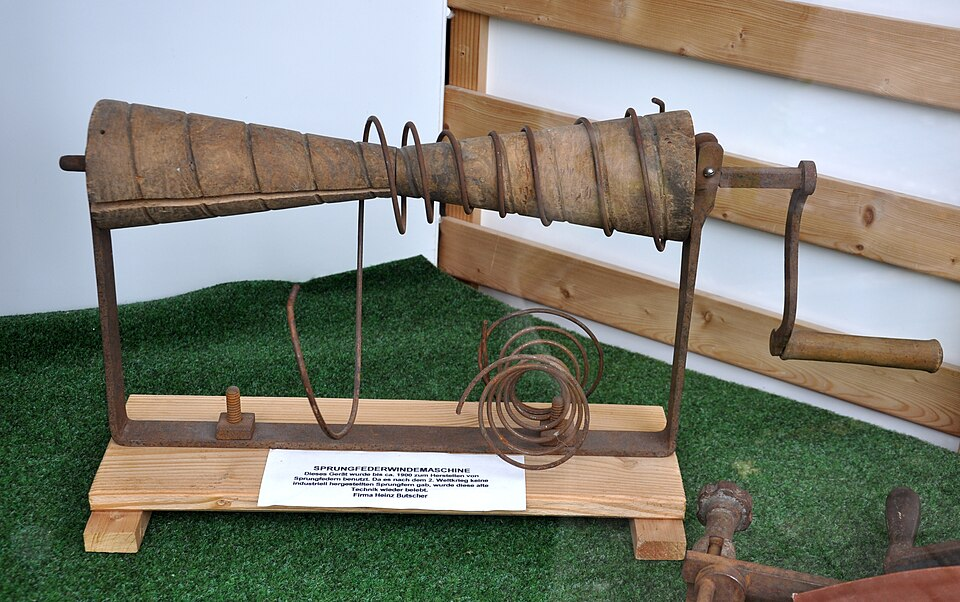
The other half of the trade was light springs: the thousands of small coil, tension, torsion and wire-form springs in every appliance, lock, instrument and mechanism.
Those were made on coiling machines driven by cams and gears, set up by a skilled setter and then run continuously, producing identical parts at high speed.
Setting those machines was the skill, because the tooling and cam arrangement had to be worked out for each shape and there was no way to simulate it first. CNC machines replaced cams with programmes, which reduced setting from hours or days to minutes and made small-batch work economic for the first time. The setter’s skill became a programmer’s.
12. A spring’s rating was a physical fact you had to measure
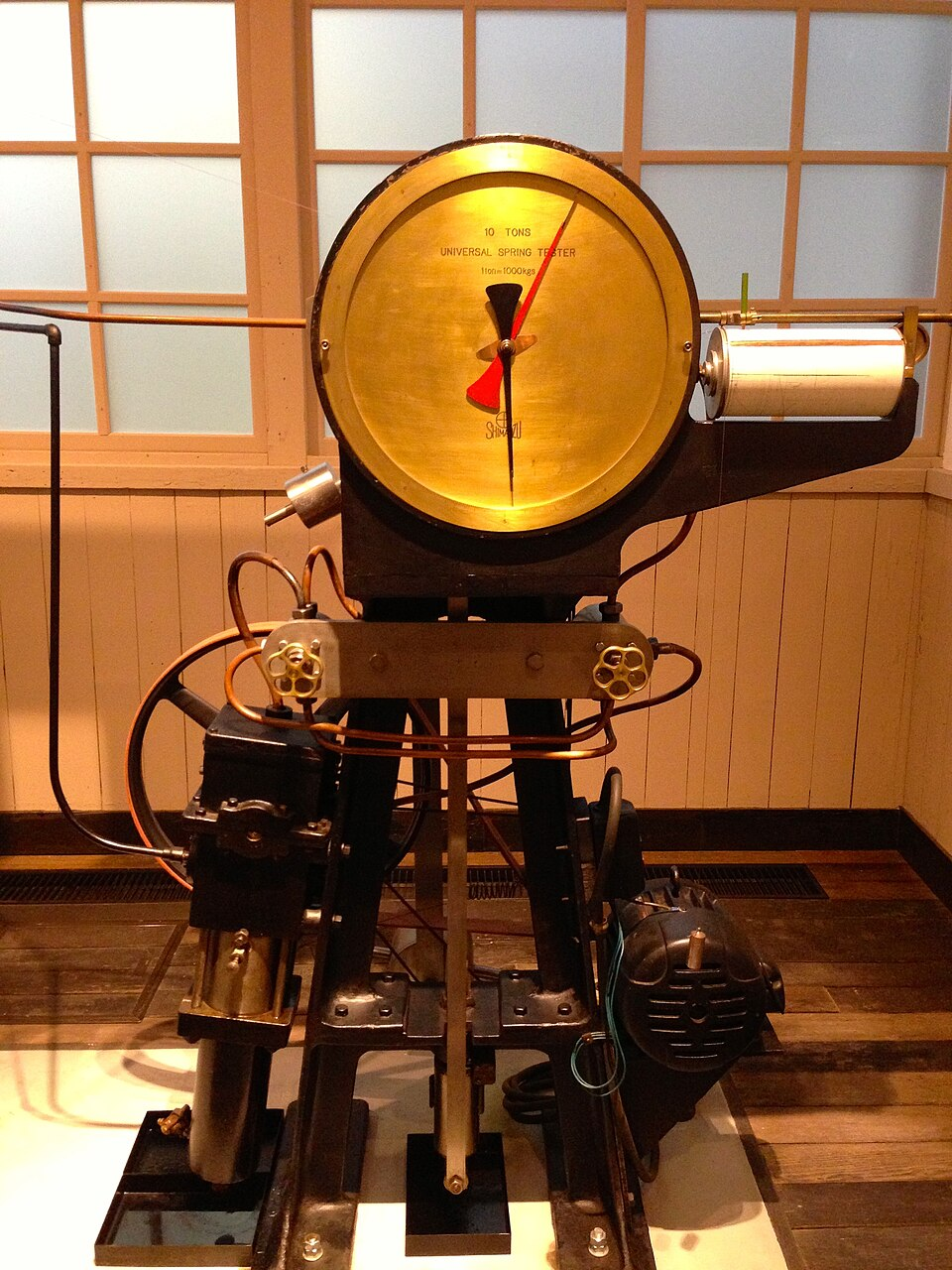
A spring’s rate — how much force it takes to deflect it a given amount — is a consequence of the material, the wire diameter, the coil diameter, the number of active coils and the heat treatment, interacting.
In 1960 the arithmetic existed and was used, and the result was always checked by measurement, because the theory does not fully capture what a real spring does.
So spring shops had rate testing as a routine operation and a spring was sold on its measured rate. That has not changed, although the calculation is now done in software that accounts for far more variables, and the measurement is automatic and logged. Measuring the actual spring remains the final word.
13. Broken springs came back and were the trade’s best education
A spring works saw its own failures returned, and a failed spring tells you a great deal: where the crack started, whether it was surface damage, a material defect, overloading in service or wrong heat treatment.
So failure examination was a continuous informal education, and experienced men could look at a fracture face and say what had happened.
That knowledge was mostly undocumented and mostly resided in individuals, which meant it was lost when they left. Modern failure analysis uses metallography, electron microscopy and fracture mechanics, is written up and feeds into design standards. The fracture face still tells the story and now somebody records what it said.
14. Rust was the enemy that did the most damage
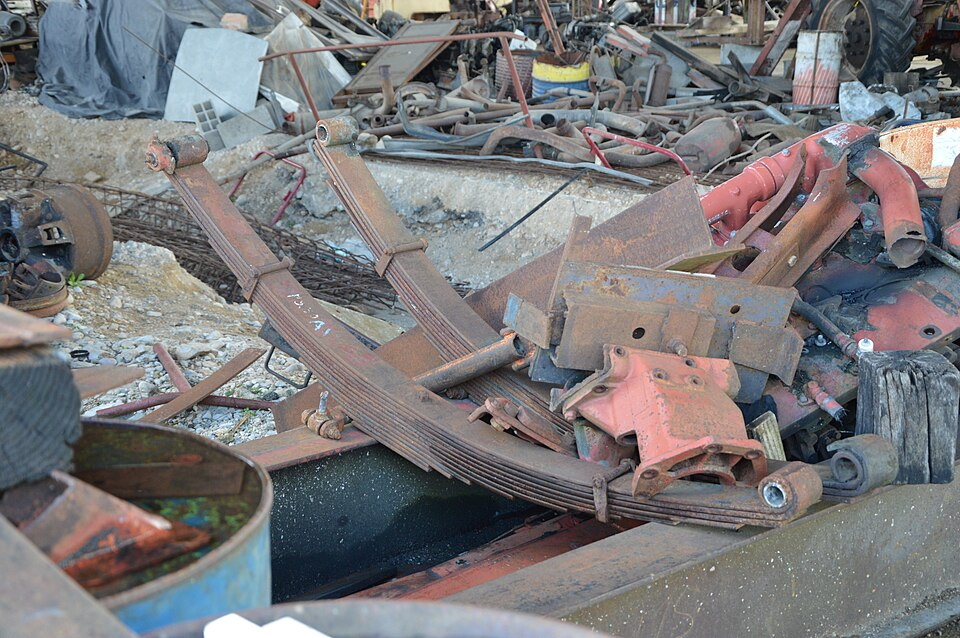
A spring working in the open — on a vehicle, in agricultural machinery, outdoors — corrodes, and corrosion both removes material and creates the surface pits where fatigue cracks start.
In 1960 the protection was paint, oil or grease, applied and reapplied, and springs in exposed service had a limited life for that reason as much as any other.
That explains a great deal of the maintenance culture around older vehicles and machinery: greasing a spring was a real job with a real purpose. Modern protection uses shot peening combined with specified coatings, plating and powder finishes designed for the application, and corrosion-fatigue is a designed-for condition rather than an accepted one.
15. The trade needed metallurgy and had it before most
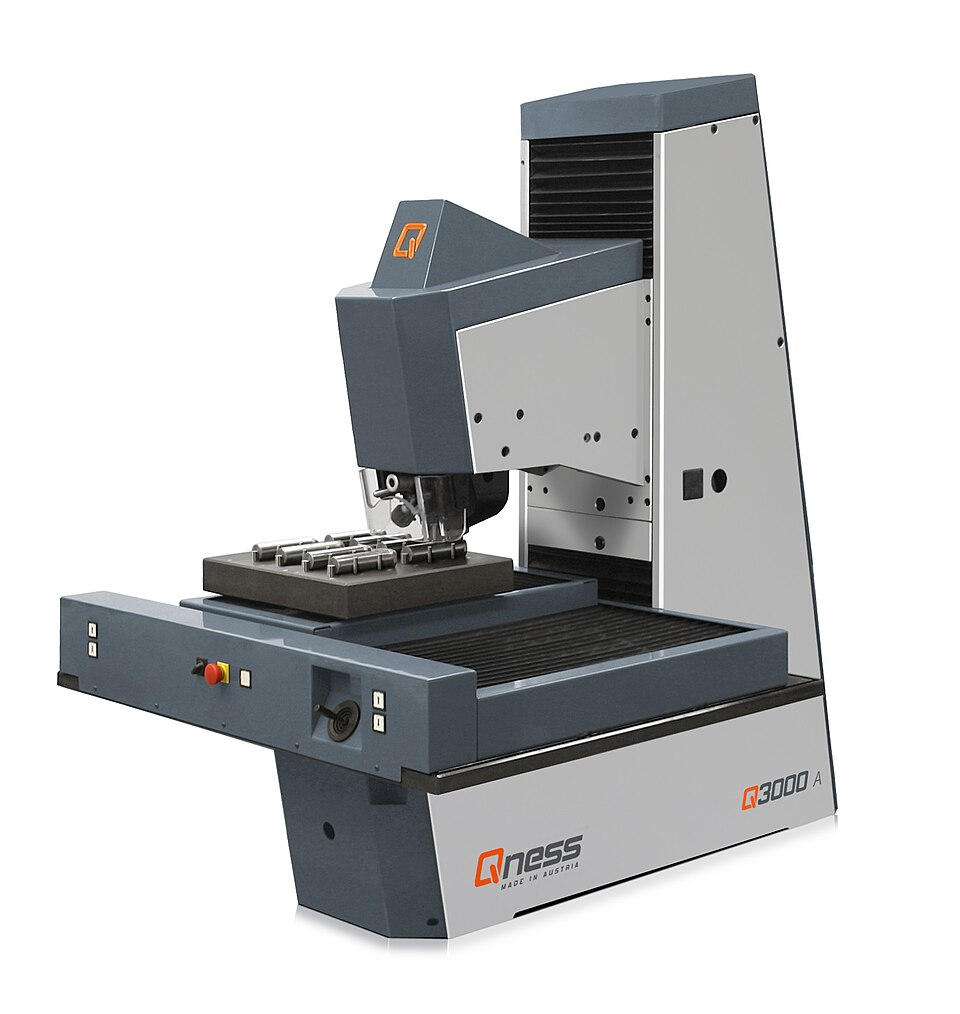
Spring making forced its practitioners to understand steel properly, far earlier and more deeply than most engineering trades, because nothing else they could do would produce a working product.
So spring works had laboratories, hardness testers and metallurgical advice at a time when a great many engineering firms had none.
That gave the trade an unusual technical culture: practical men who understood phase diagrams because they had to. That culture persisted into the modern industry, which is notably technical for its size and works closely with steelmakers and with academic metallurgy. It is one of the few trades in this series that was already scientific in 1960.
16. The springs are still everywhere and nobody thinks about them
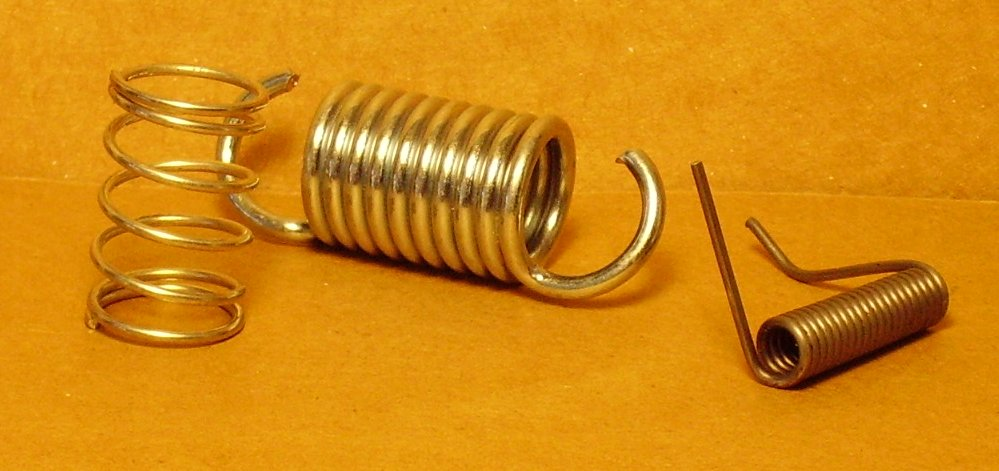
A modern car contains hundreds, a house contains thousands, and every switch, latch, pen, valve and mechanism depends on one behaving predictably for years.
That invisibility is the measure of the trade: a spring is noticed only when it fails, which is precisely what the testing exists to prevent.
The industry is smaller in employment, larger in output, concentrated and highly automated, and it still breaks part of every batch to find out what the rest will do. The honest summary: a spring is deliberately designed to work close to its material’s limit, because one kept comfortably within it would be too heavy and stiff to work; heavy springs were coiled hot round a rotating mandrel with the pitch guided by hand; the spring is made by the heat treatment rather than the coiling, in a narrow window between brittle and sagging; new springs are deliberately overloaded, which is called scragging, so that all their settling happens in the factory; fatigue life is established by cycling samples to destruction, so the specification is set by breaking the product; a fatigue crack starts at a surface mark, which is why handling and surface condition matter more than almost anything; and shot peening, which puts the surface into compression, is the single largest improvement in spring life.
Why the trade was technical before almost anybody else
Because nothing else would produce a working product. A spring is the one component designed to operate at the edge of its material, so a spring maker who did not understand steel made springs that snapped or sagged, and there was no way to disguise it. That is why spring works had laboratories, hardness testers and metallurgical advice when a great many engineering firms had none, and why the modern industry is still notably technical for its size and still breaks part of every batch to find out what the rest will do.
A spring is noticed only when it fails. Everything in this file exists to make sure that does not happen, which is why the trade’s whole output is invisible and its whole reputation depends on it staying that way.
Like our content? Follow us for more.
