In 1974 a family’s moving-image record of itself was about three minutes long per cartridge, cost real money per minute, had no sound, and could not be looked at for a fortnight.
You dropped a sealed plastic cartridge into the camera and pressed a button. Indoors you needed a bar of lights so bright everybody squinted. The exposed film went away in an envelope to a laboratory you never saw, unduplicated. And watching it meant a projector, a screen, a dark room and an audience.
Here are sixteen things every American family did with a Super 8 camera in 1974, and what replaced each one.
1. The Film Came in a Plastic Cartridge You Dropped Straight In
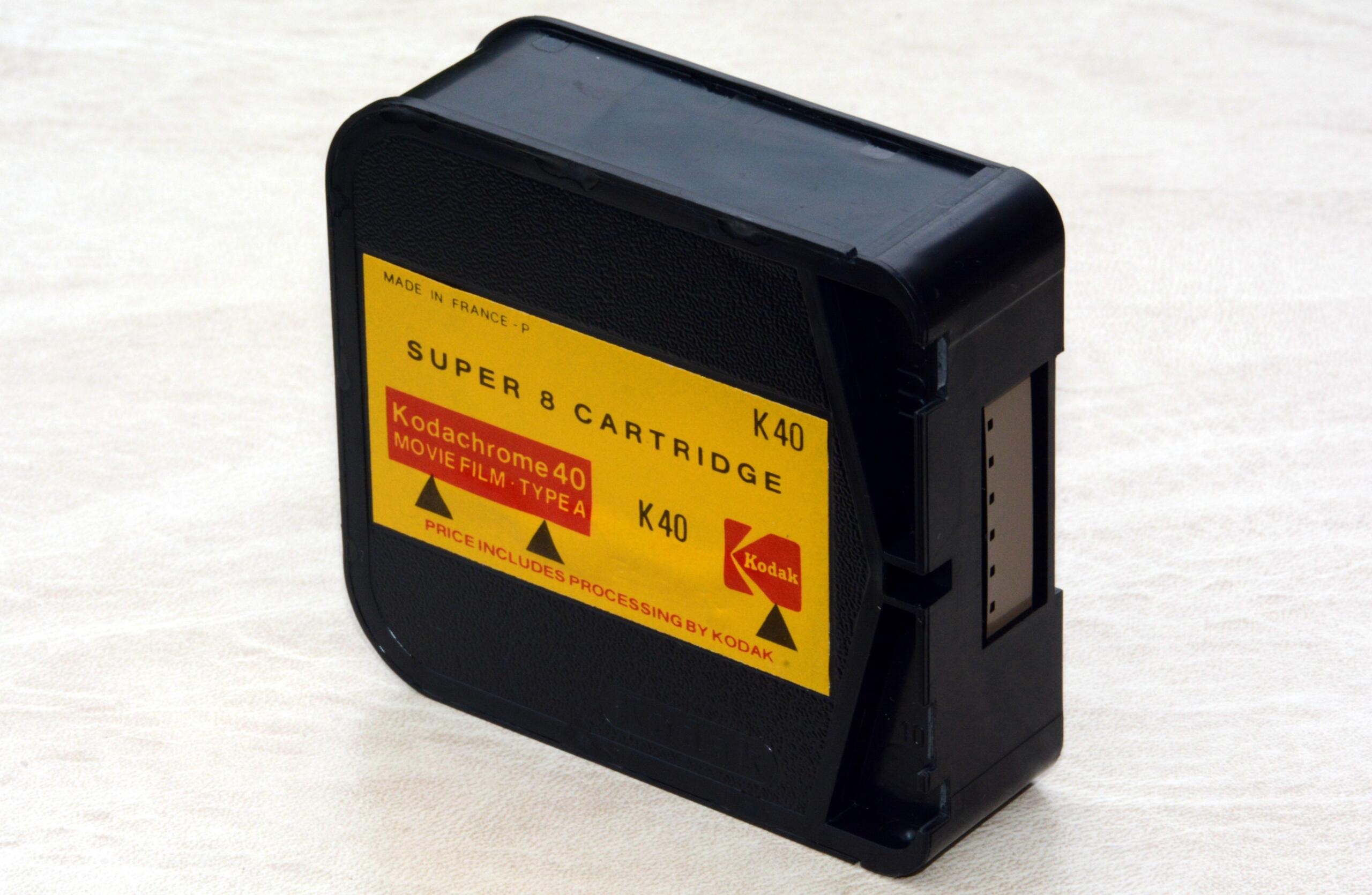
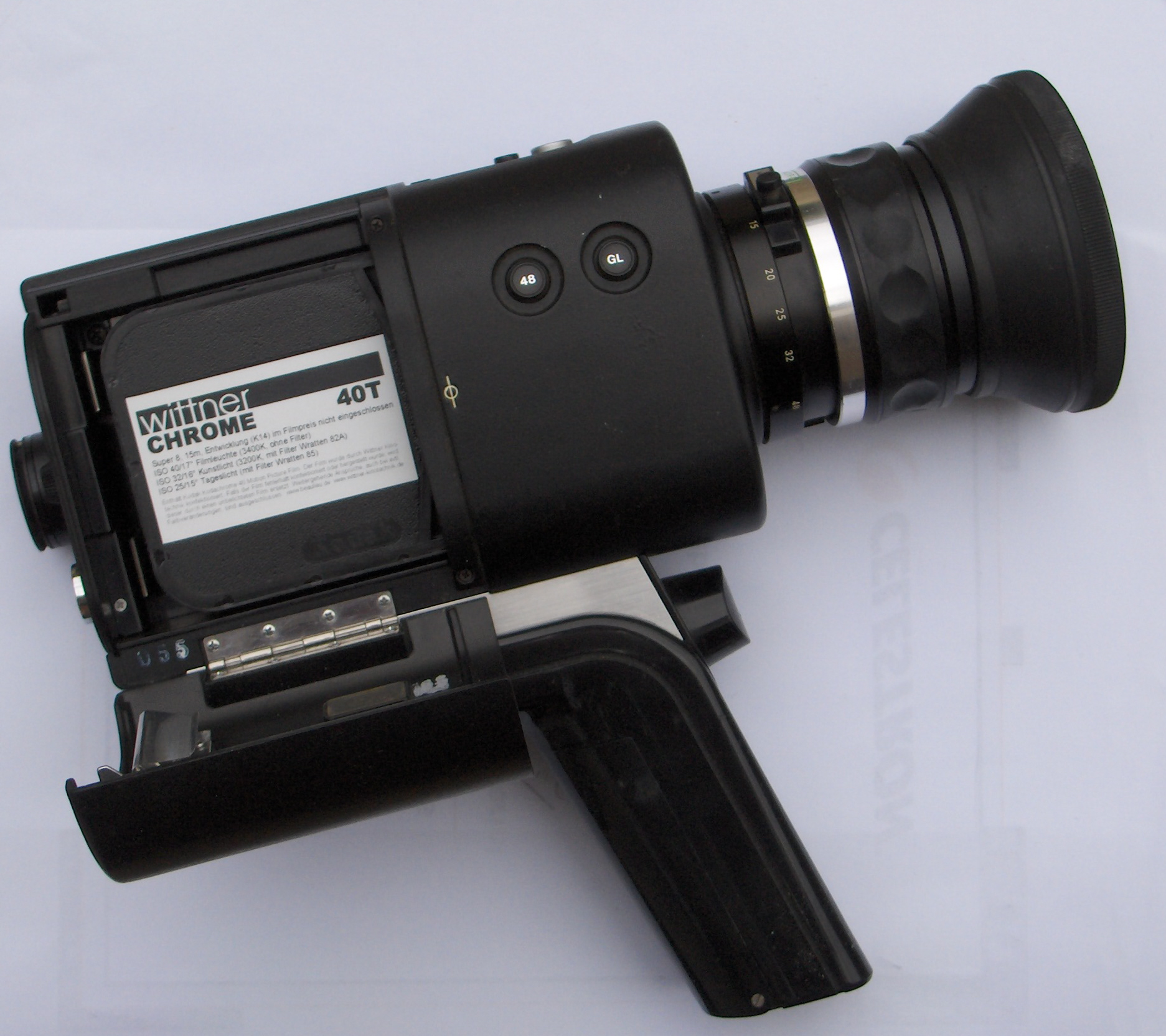
Film arrived in a sealed plastic cartridge that you pushed into a hatch on the side of the camera and closed. There was no threading, no spool to engage and no leader to pull – the cartridge did all of it.
Solid-state recording with no physical medium at all. The cartridge was the format’s single great innovation and the reason ordinary families could shoot motion film without any technical knowledge.
It is worth appreciating how large a change that was. Earlier home film required threading a spool in daylight, getting the sprockets engaged correctly and turning the whole reel over halfway through to expose the second half – a procedure that defeated plenty of people. The cartridge reduced filming to pushing a button.
Like our content? Follow us for more.
2. You Got Three and a Half Minutes and That Was the Whole Cartridge
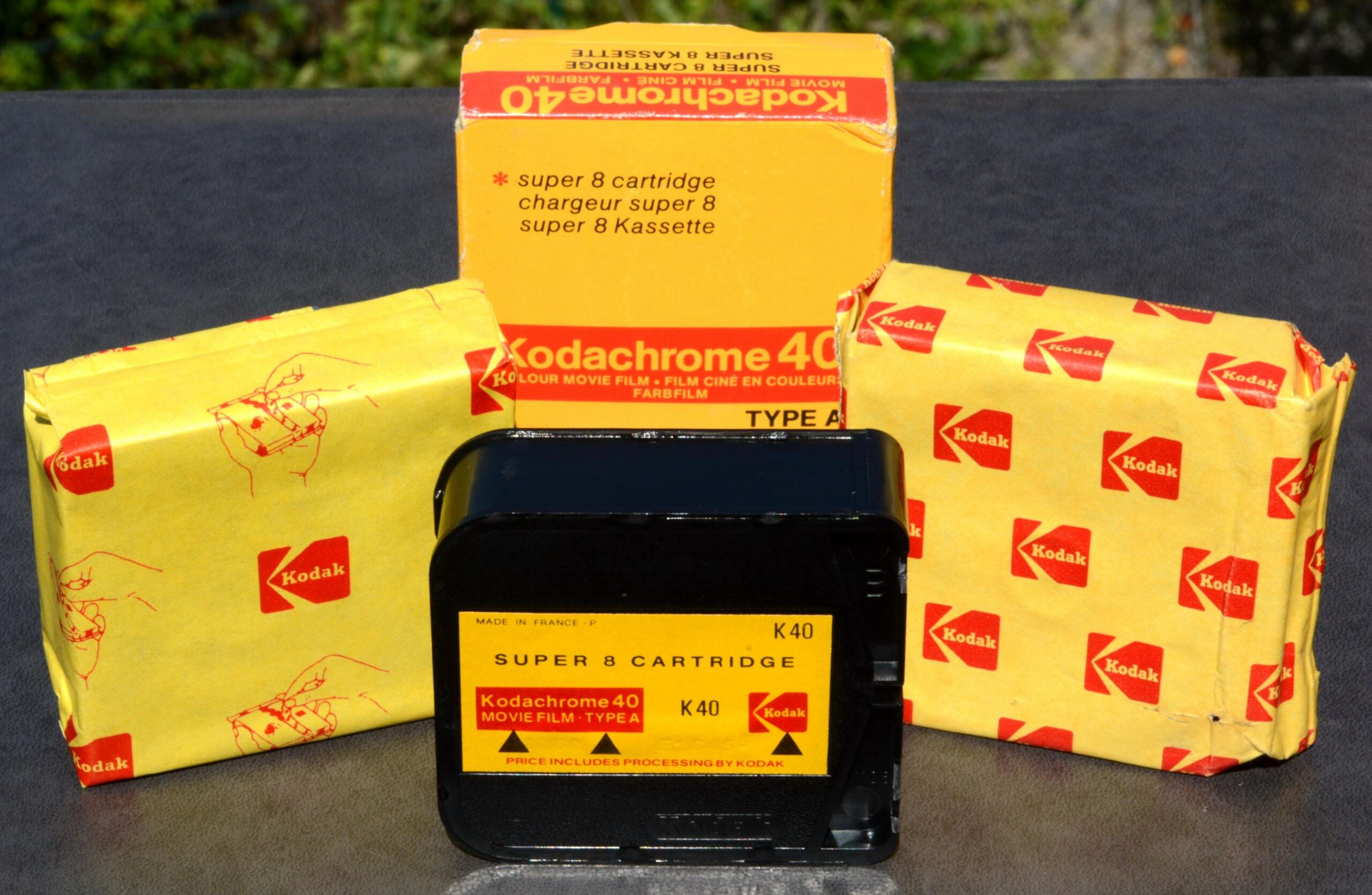
A standard cartridge held fifty feet of film, which at normal speed ran about three minutes and twenty seconds. That was it – one cartridge, one load, a little over three minutes of moving image.
Recording limited only by storage, measured in hours. The three-minute cartridge was a hard ceiling that shaped every decision about what was worth filming.
Which produced a particular style that is instantly recognisable in any family’s footage. Nothing runs long. Every shot is a burst of eight or ten seconds, cut off abruptly, because the person holding the camera was rationing – and a birthday, a holiday and a first day of school might share a single cartridge.
3. It Cost Real Money Per Minute and Everybody Did the Arithmetic
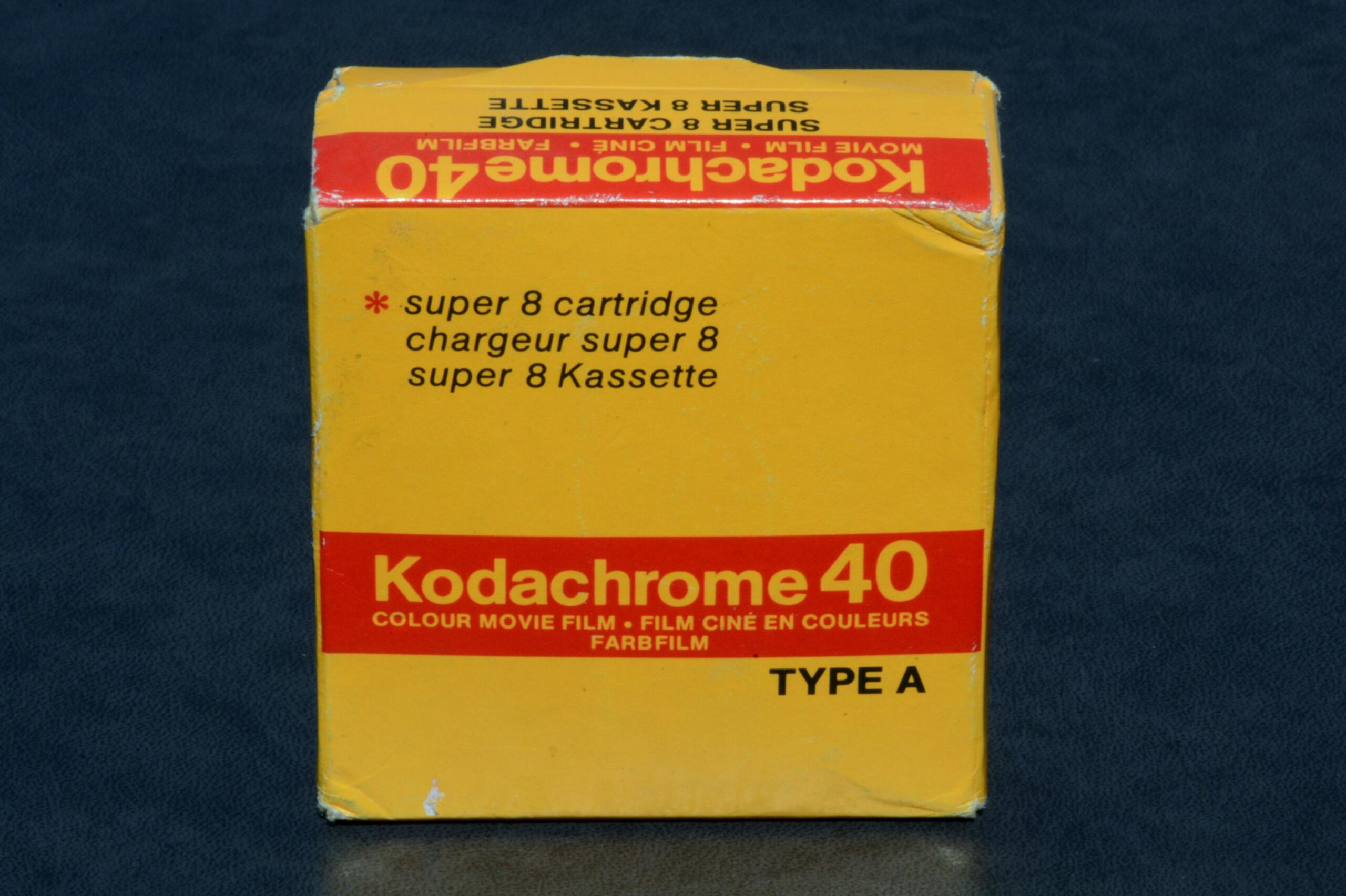
A cartridge plus processing was a meaningful sum, and three minutes of film cost what a family might spend on a meal out. There was no cheap way to shoot a lot.
Effectively zero marginal cost per minute. The expense was the governing constraint of the whole hobby and the reason so little was filmed.
The consequence is visible in what survives. A family might have twenty or thirty minutes of moving image covering a decade – four or five cartridges a year at most, reserved for occasions – which is why home movie footage is almost entirely celebrations and holidays and contains almost nothing of ordinary life.
4. There Was No Sound at All
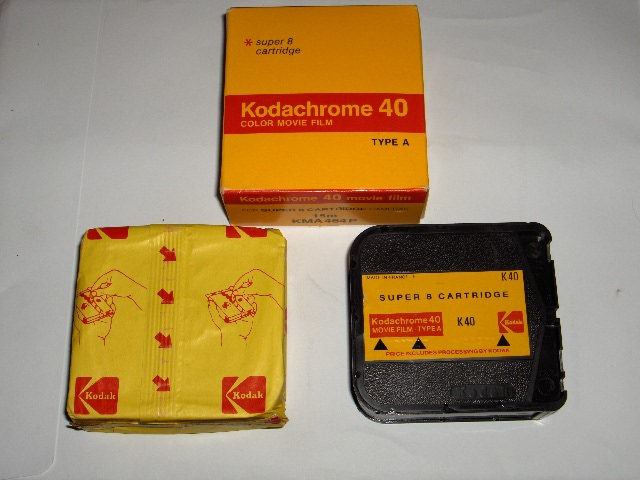
Standard home film carried no soundtrack. People in the footage are talking, laughing, singing and shouting, and none of it exists anywhere.
Video with synchronised sound as standard, from the cheapest device. Sound-capable film and cameras did arrive later in the decade, at considerably greater cost, and never became the norm.
The silence changes the footage in a way people notice only when they watch it decades later. You can see a relative speaking directly to the camera, clearly saying something specific, and there is no way to recover it – and that absence is the single most commonly expressed regret about home film.
5. Indoors Required a Light Bar That Blinded Everyone Present

Film needed far more light than the eye does, so indoor filming meant a bar of brilliant tungsten lamps mounted on the camera, pointed at the subject from a few feet away.
Sensors that work in ordinary room light with no illumination added. The movie light produced a specific and universal domestic scene.
Which is why so many people in home movies are squinting, shielding their eyes, or turning away. The lights were genuinely dazzling and ran hot, children objected loudly, and the person filming had perhaps a minute before the room became unbearable – so indoor footage is short, bright, flat and full of people flinching.
6. You Could Not See Anything Until It Came Back From the Lab
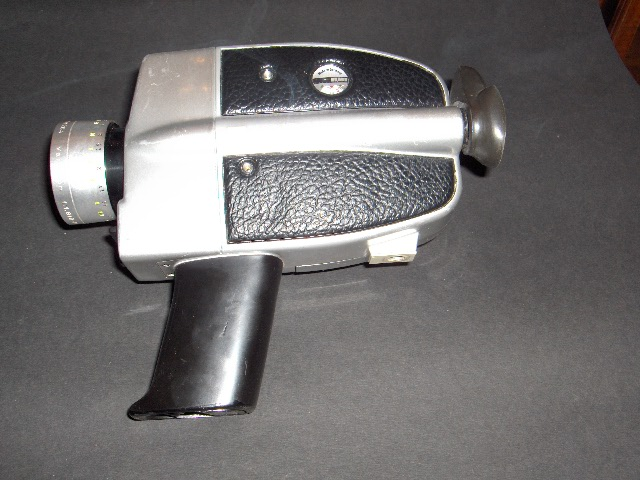
There was no viewfinder preview beyond an optical window, no screen, and no way to check anything. Exposure, focus, framing and whether the camera had even been running were all unknown until the film returned.
Instant review, on the device, of everything just recorded. The gap between filming and seeing was commonly two to three weeks and sometimes longer.
Which meant whole events were lost silently. A cartridge shot with the lens cap on, loaded wrong, or run at the wrong setting came back blank or useless, and the occasion it recorded was simply gone – discovered a fortnight later, with nothing to be done about it.
7. The Cartridge Went Away in an Envelope and You Waited
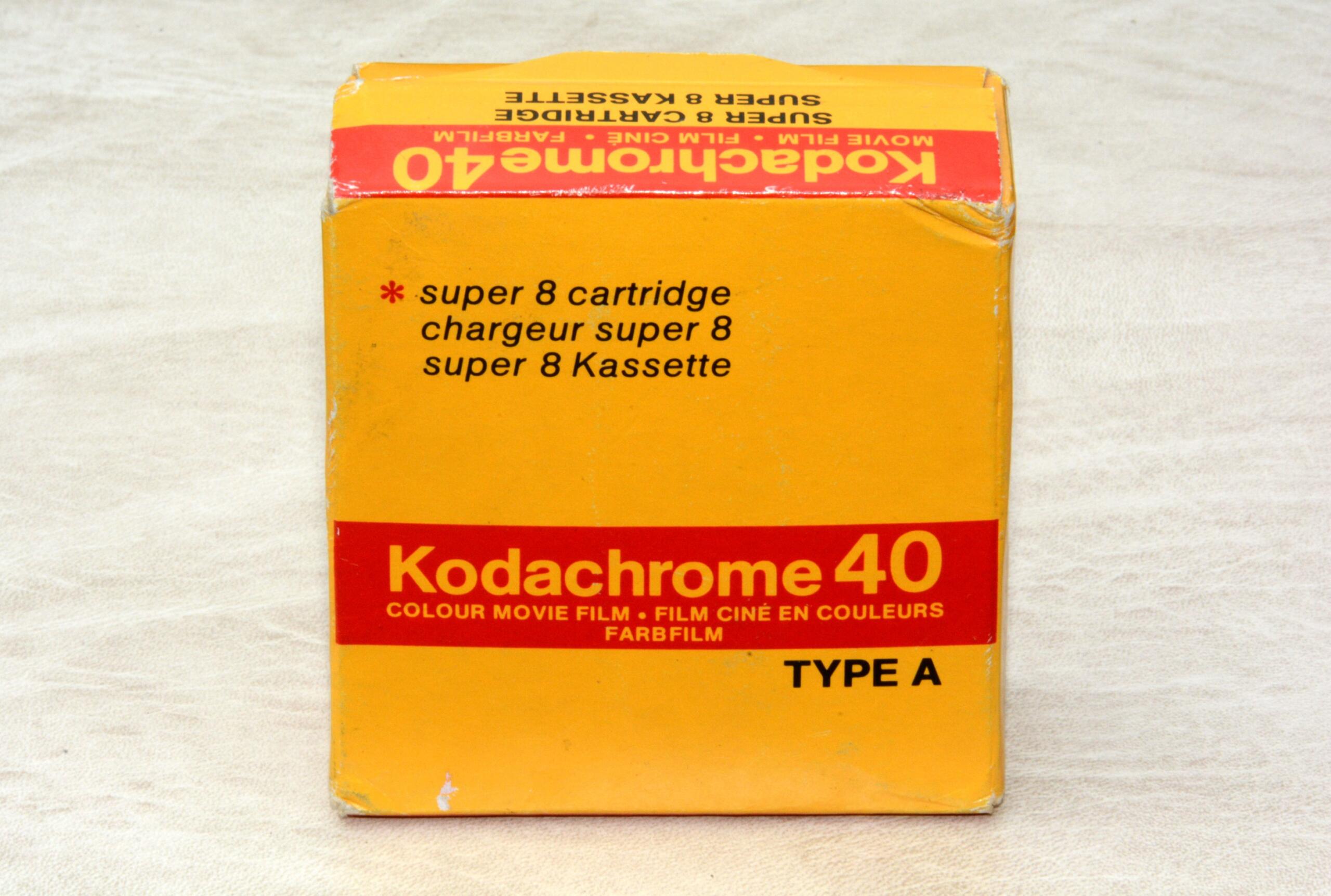
Exposed film was mailed to a processing laboratory in a pre-paid envelope, or left at a shop that forwarded it, and came back developed and mounted on a small reel.
No processing stage exists. The lab was remote, invisible and handled the only copy of something irreplaceable, which is a transaction nobody thought twice about.
The trust involved is striking in hindsight. A family’s only record of a wedding or a last Christmas with a grandparent went into a mailbox, unduplicated, with no tracking and no recourse – and the standard experience was that it came back, which is why nobody worried.
8. Watching It Meant Setting Up a Projector and a Screen
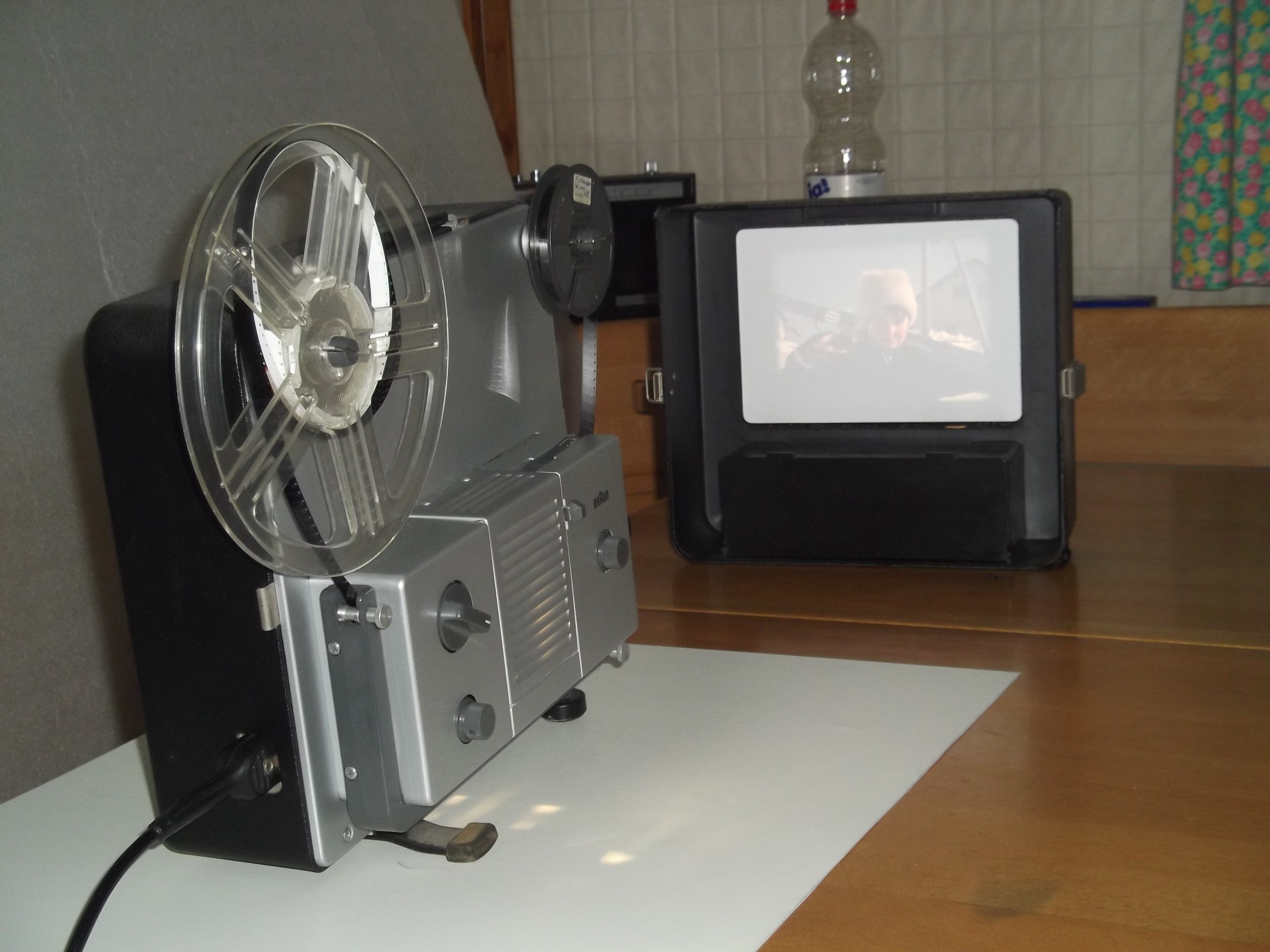
Viewing required a projector, a reel, a screen or a bare wall, an extension cord, and a dark room – which made watching home movies an event that had to be arranged rather than something you did casually.
Instant playback on any screen in the house. The equipment requirement is why home movies were watched rarely, as a planned occasion, usually with an audience.
And that scarcity is part of why the footage carries the weight it does. A reel might be watched once or twice a year, in a room full of family, with everybody commenting at once – so people’s memories of home movies are memories of the screenings as much as of the films.
9. The Projector Had to Be Threaded and It Ate Film
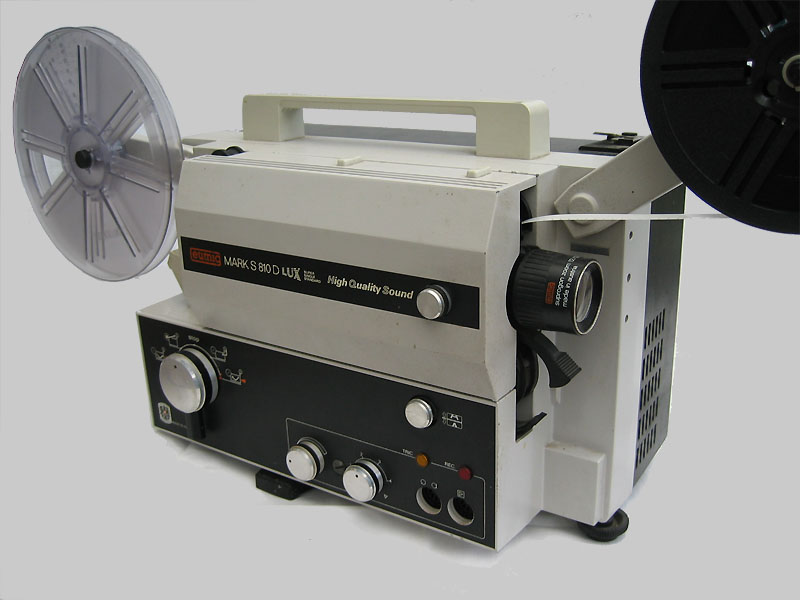
The film had to be fed through a gate, round sprockets and onto a take-up reel by hand, and a misthreaded projector would scratch the film, tear the sprocket holes or jam and hold a single frame in front of a hot lamp until it buckled.
Nothing comparable. The projector was the most dangerous object in the chain, and it damaged irreplaceable footage routinely.
Every family’s reels carry the evidence. Vertical scratch lines, torn sprocket edges, and the characteristic blistered or discoloured frame where the film stopped in the gate – and in each case the damage happened during an attempt to watch the thing, which is a particularly unfair way to lose a record.
10. When It Broke You Spliced It With Tape or Cement
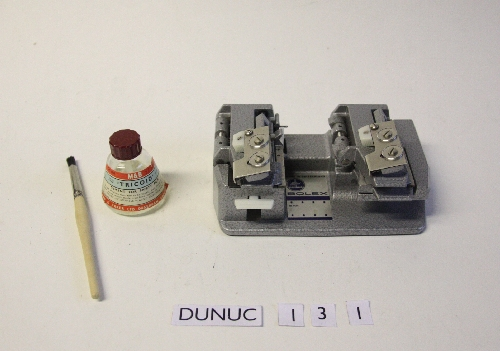
Breaks were repaired with a small hand splicer that trimmed both ends square and joined them with adhesive tape or film cement, removing a frame or two in the process.
Non-destructive digital editing in which nothing is physically removed. The splice was a permanent physical edit and every one of them shortened the film.
Which means the reels have a history written into them. A reel watched many times has many splices, each one a jump in the action where a moment was cut out to repair a tear – and a great deal of family footage is missing small pieces for no reason other than that somebody loved it enough to keep showing it.
11. Editing Meant Cutting the Film and Taping It Back Together
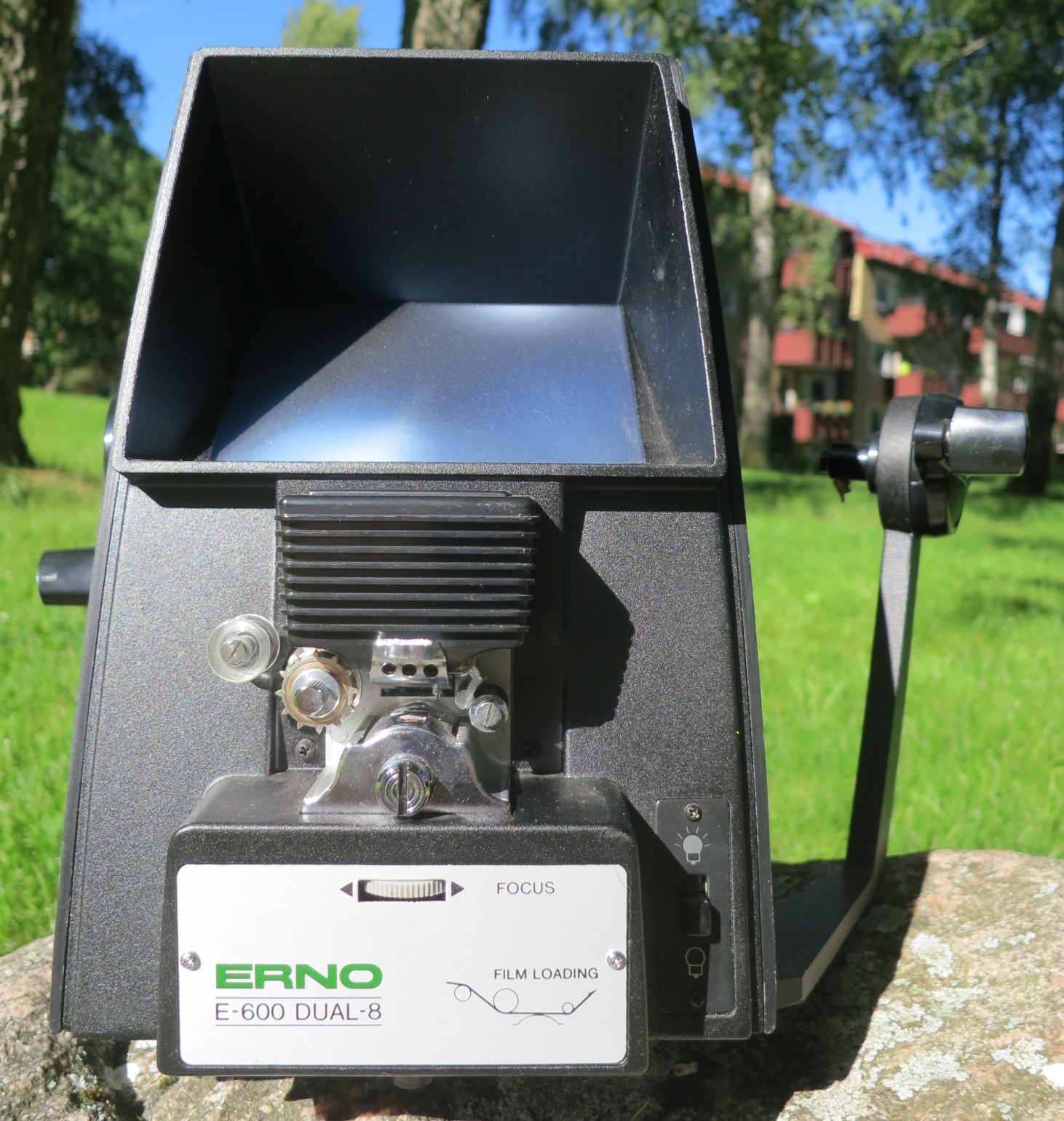
There was no other kind of editing. Removing a bad shot, reordering events or combining cartridges meant physically cutting the film and splicing the pieces in the order you wanted.
Software in which any arrangement is reversible and the original is untouched. Physical editing was destructive, irreversible and performed on the only copy.
So most families did not edit at all, and the ones who did made decisions that cannot be undone. A relative who cut out the parts they considered boring in 1976 removed them permanently, and whatever was on those few feet of film – the ordinary footage, the unposed moments – is the material that would be most valuable now.
12. Everything Got Spliced Onto One Big Reel
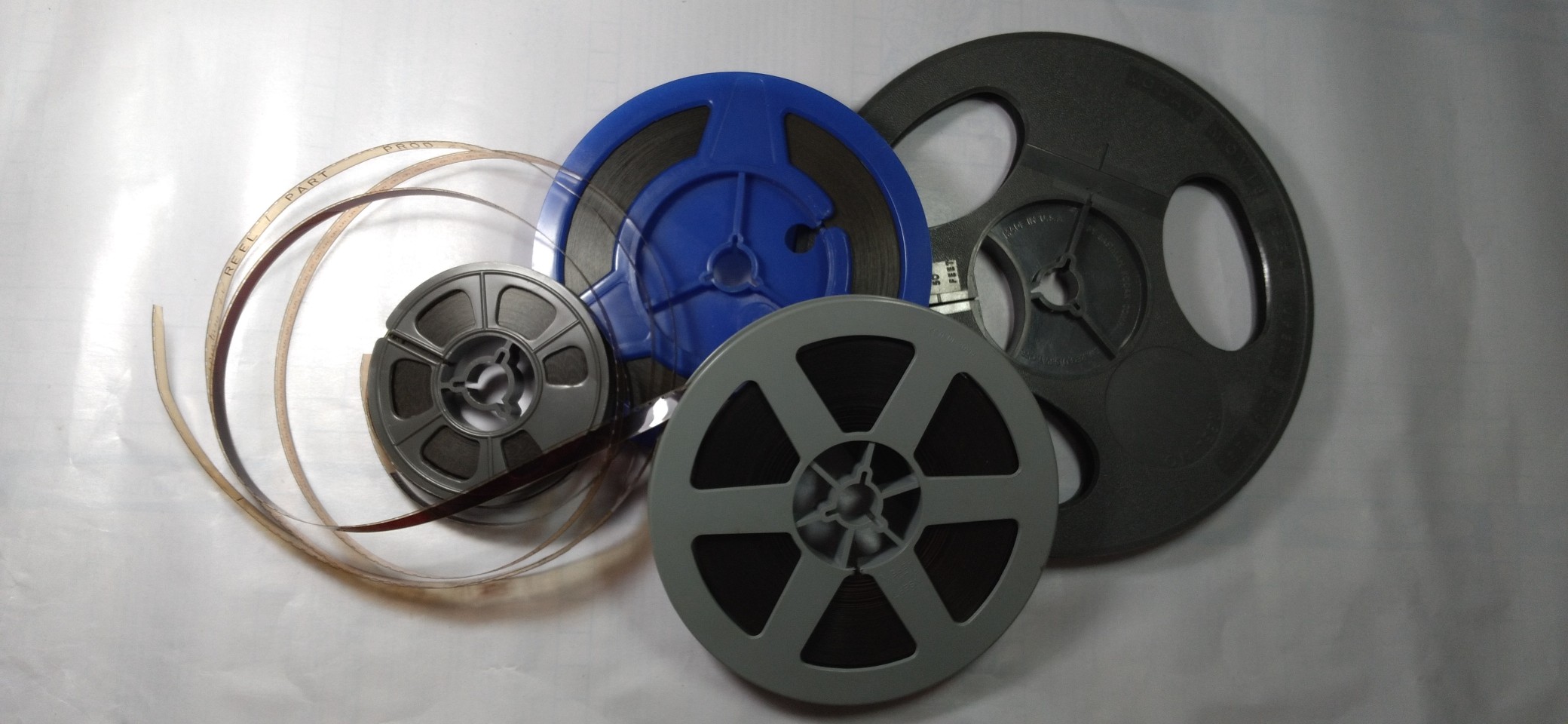
Short three-minute reels were inconvenient to show, so families joined them together onto a single large reel – a year’s filming, or several years’, in one continuous strip.
Individually addressable files. The big reel made showing easier and destroyed the only organising information the footage had.
And it is why so much of this material is now unidentifiable. The small reels came back from the lab in boxes with dates on them; spliced onto a master reel, the dates stayed in the discarded boxes, and what remains is forty minutes of footage in no reliable order with nothing to say when any of it happened.
13. You Ran It Backwards and Fast, On Purpose
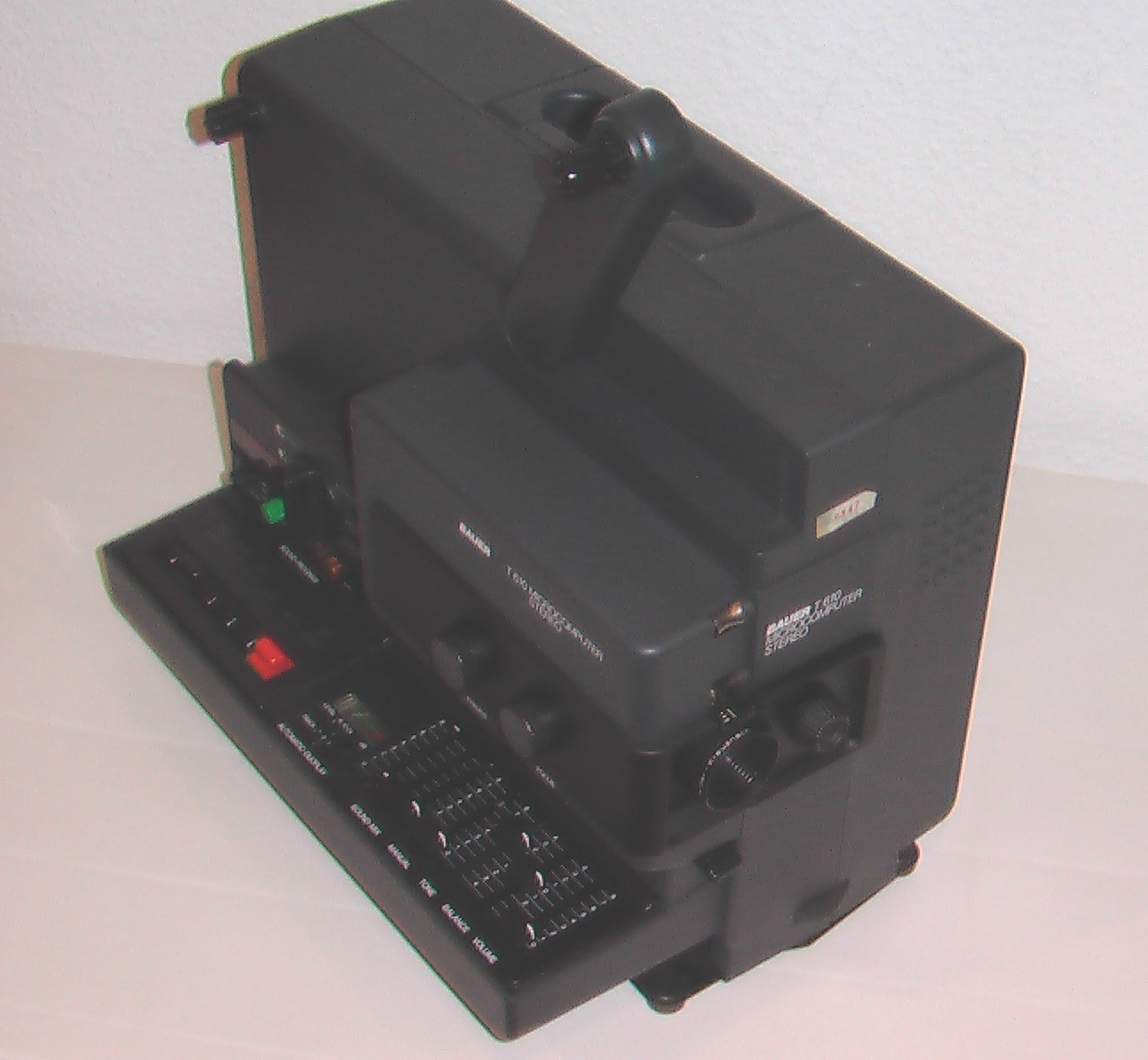
Projectors ran in reverse and at different speeds, and this was used for entertainment – people walking backwards, diving upwards out of pools, eating in reverse – as a standard part of the screening.
Trivial playback manipulation that nobody finds remarkable. On a projector it was a mechanical trick performed live, with the family watching, and it was reliably the biggest laugh of the evening.
It also ran the film through the gate additional times, which nobody connected to the scratches. The most-enjoyed footage was therefore the most damaged footage, systematically, and the sequences a family liked best are usually the ones in the worst condition.
14. Nobody Was Filming Anything Ordinary
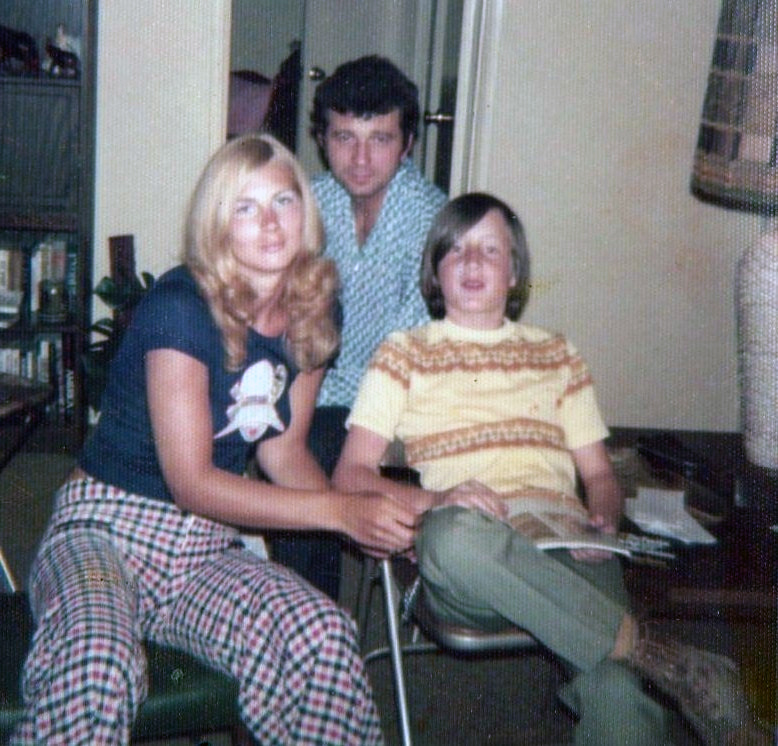
Cost and the three-minute limit meant the camera came out for occasions – birthdays, holidays, Christmas, weddings, new babies – and stayed in a cupboard the rest of the time.
Continuous casual recording of everything, with ordinary life heavily represented. The selection bias in home film is total and was imposed by economics rather than by choice.
Which is the great loss, and it is only obvious now. What people want from old footage is not the posed birthday line-up; it is the kitchen, the street, the car, the way a room was arranged, how somebody walked. Almost none of that was filmed, because filming it would have cost a third of a cartridge.
15. The Camera Was Operated by One Person Who Is Never in It
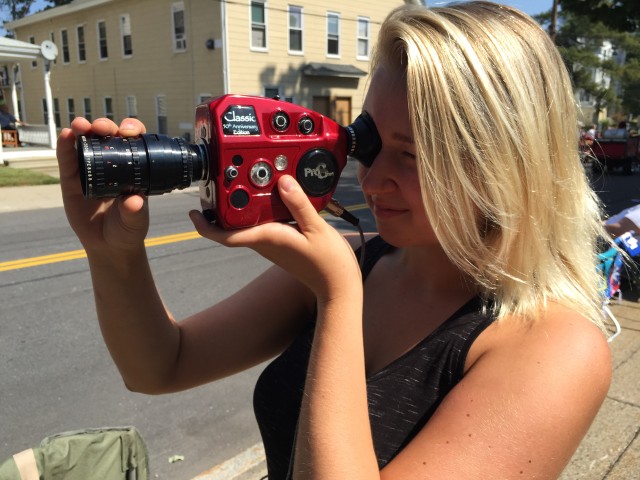
One member of the household owned the camera and did all the filming, every time, for years – which means that person appears in almost none of the family’s footage.
Universal device ownership and the self-facing camera. The single-operator pattern was near-universal and its consequence was not noticed until much later.
Families discover this when the operator dies. There are hours of everybody else and perhaps three seconds of the person who recorded it all, usually because somebody else picked up the camera once and filmed them badly – and that fragment becomes the most valuable footage in the collection.
16. Then Video Tape Arrived and Film Was Finished in About Five Years
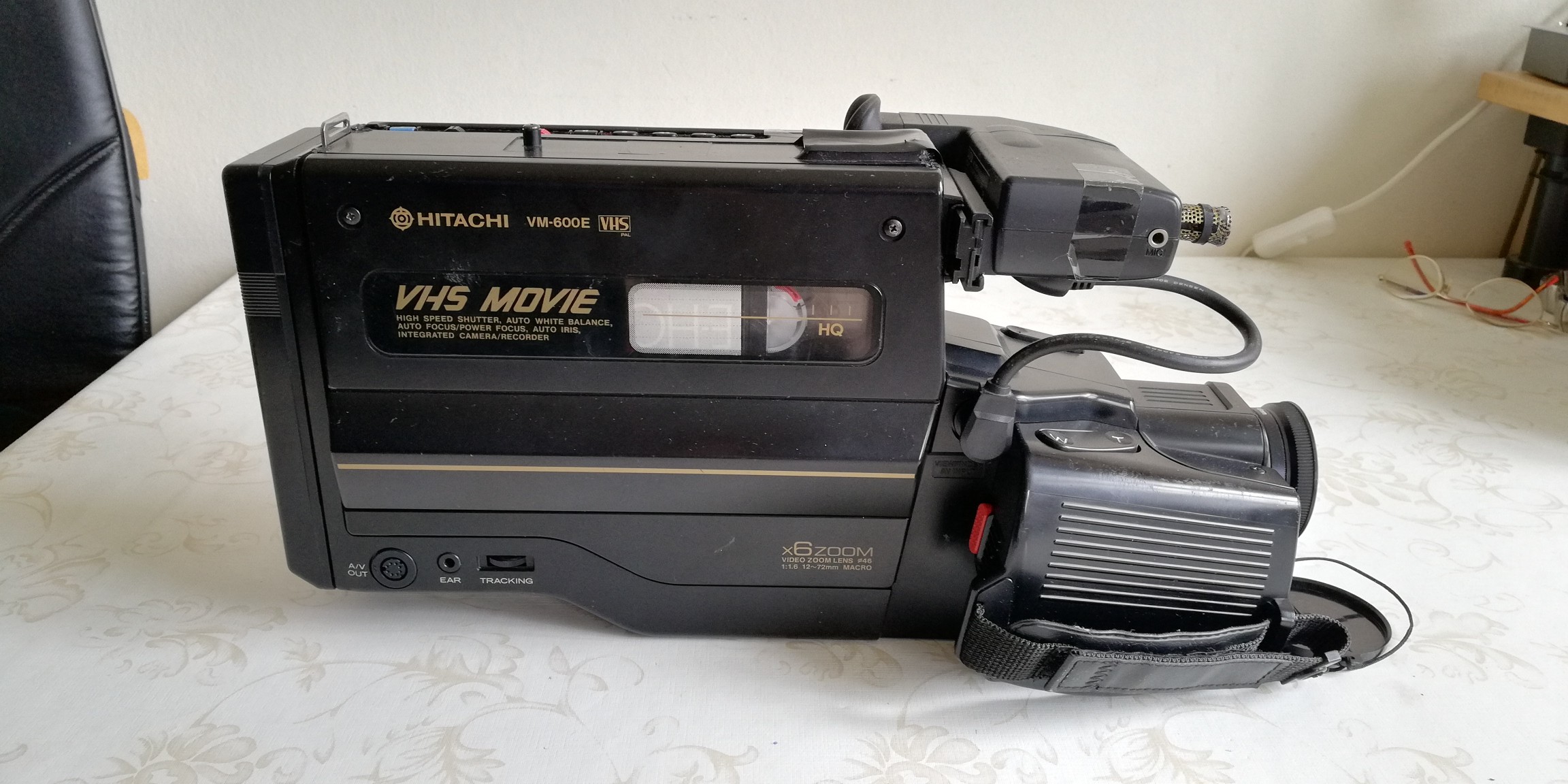
The whole arrangement rested on a photochemical medium that cost money per minute, had to be sent away, could not be reviewed, carried no sound and was damaged by being watched.
Consumer video cameras from the early 1980s recorded for hours onto reusable tape, with sound, playable immediately on the television with no projector, no screen, no darkness and no processing – and could be recorded over if you did not want it.
Film lost on every single axis at once, which is why it collapsed so fast. But the comparison has a sting in it, because the thing that made film expensive also made it survive. A reel is a physical object that sits in a box and is still readable with a lamp and a lens. Tape demagnetises, binders fail, and the machines to play the formats that replaced film are already harder to find than a projector. Families who filmed in 1974 can still watch it. Families who taped in 1988 frequently cannot.
The Expensive Format Is the One You Can Still Watch
Video beat film on every measure that mattered to a buyer in 1983, and it beat it decisively.
Hours of recording instead of three minutes. Sound. Reusable tape with no cost per minute and no processing. Immediate playback on the television with no projector, no screen and no darkened room. Review on the spot, so a ruined shot was known about at once rather than three weeks later. And nothing was destroyed by being watched.
Film had no answer to any of that, and it was effectively finished as a consumer medium within about five years.
But there is a sting in the comparison that nobody could have seen at the time.
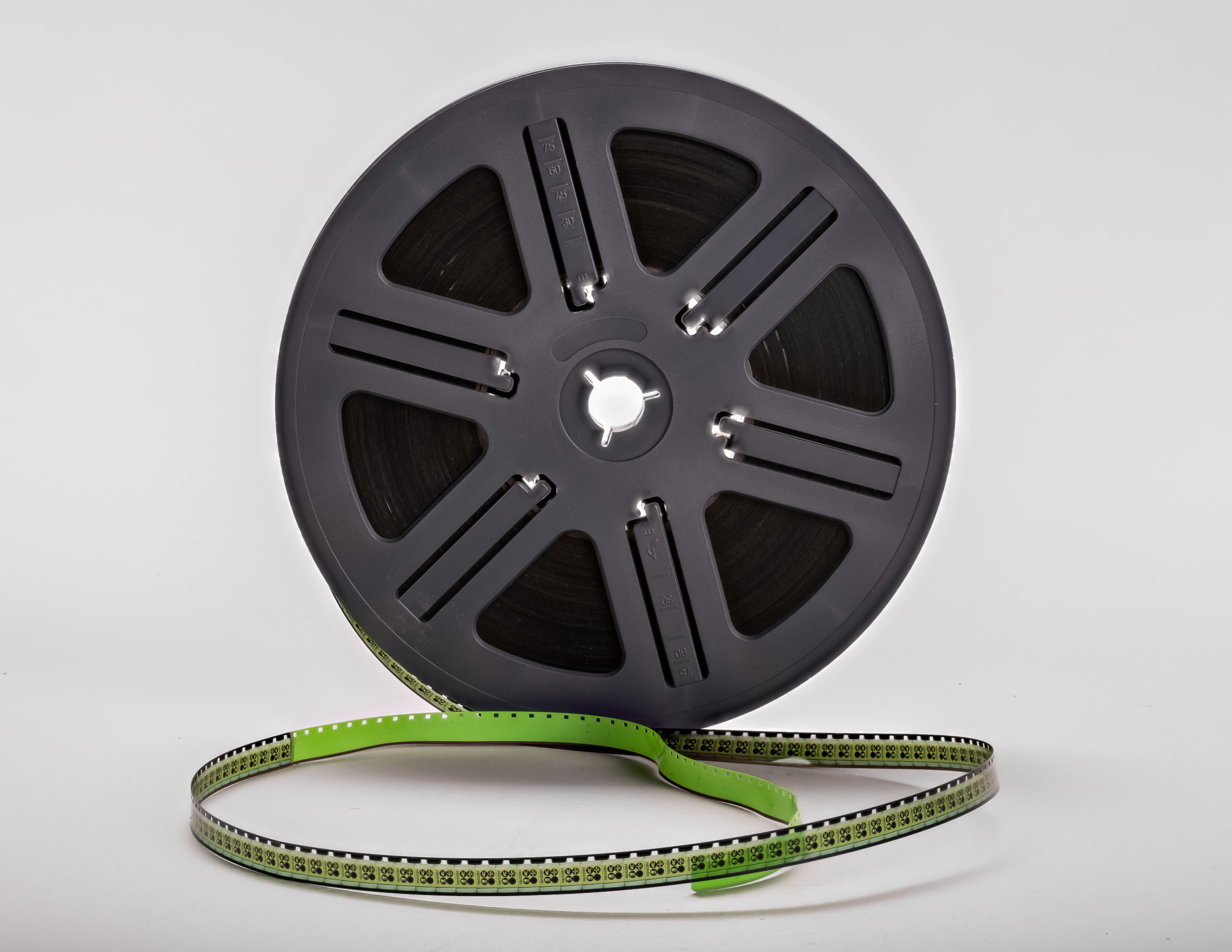
The properties that made film expensive are the properties that made it durable. A reel of processed film is a physical object with the image fixed chemically in an emulsion on a plastic base. It needs no power, no format, no machine and no decoding. Shine a light through it and the pictures are there. It sits in a box in a loft for fifty years and is still readable.
Tape is a magnetic signal on a coated ribbon that has to be pulled past a head at the right speed by a mechanism built to a specific standard. The signal fades. The binder that holds the coating to the backing breaks down and sheds. The tape sticks to itself. And even a perfect cassette is useless without a working machine for that exact format, with the right connections, into a television that still has the right input.
So the accounting has reversed. A family that shot three minutes a year on film in 1974 can watch it today with a lamp and a lens, or have it scanned by anybody. A family that recorded two hours a month on tape in 1988 is frequently looking at a shelf of cassettes they cannot play, deteriorating, in a format with no straightforward route out.
The scarcity cuts the same way. Because filming cost money per minute, almost nothing was filmed – only occasions, in eight-second bursts, with the ordinary parts of life left out entirely. That is a genuine loss and it cannot be repaired.
It also means that what does exist is short, selected, hard-wearing, and watched. Twenty minutes of film covering a decade gets looked at. Two hundred hours of tape does not.
The constraint was real and it cost those families something. It also, entirely by accident, produced the only home recordings from the period that most people can actually still see.
If your family did this, somebody owned the camera and is barely in the footage.
And there is a relative on that reel, speaking straight at the lens, saying something nobody will ever know.
Like our content? Follow us for more.