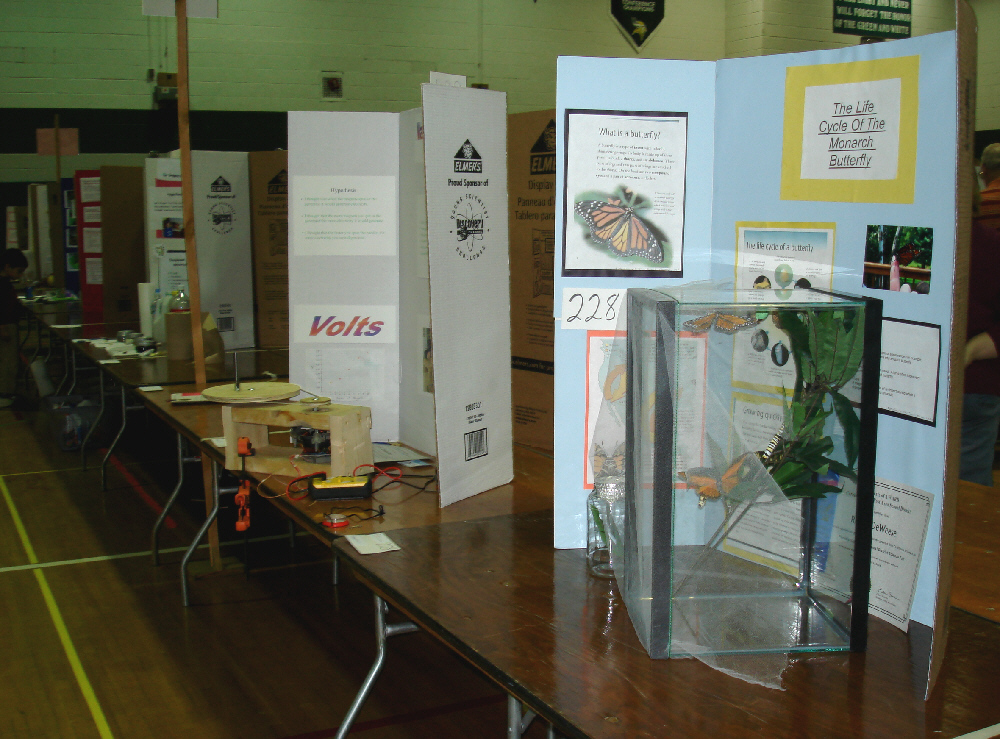
In 1974 an American science fair project was three panels of cardboard taped together, lettered by hand in marker, standing on a folding table in a school gymnasium.
There was no approval process, no prohibited materials list and no supervision requirement. Children bought chemicals over a pharmacy counter, wired projects straight into wall outlets, ran diet experiments on hamsters in their bedrooms, and launched things. A local engineer walked round with a clipboard and asked them about it.
Here are sixteen things every American kid did for the science fair in 1974, and what replaced each of them.
1. The Display Was a Tri-Fold Sheet of Cardboard and You Cut It Yourself
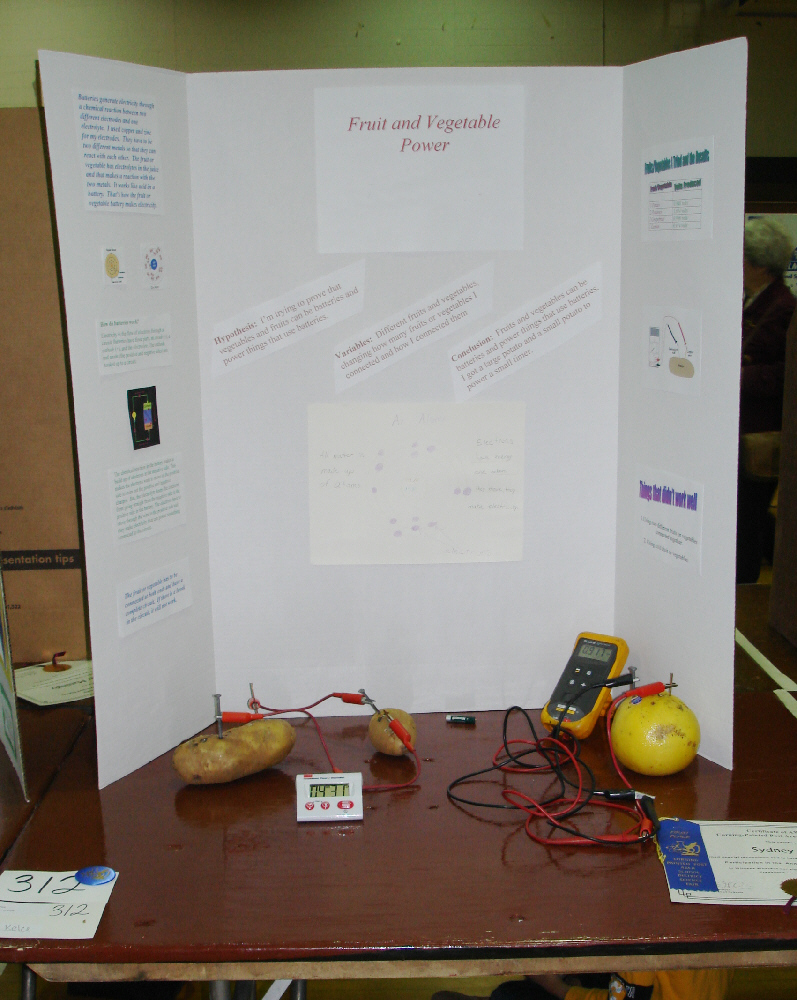
The standard presentation was three panels of cardboard hinged with tape so it stood up on a table – cut from a carton, bought as a sheet and scored, or in the better-prepared households assembled from poster board.
Pre-scored tri-fold display boards sold in every craft and office shop in standard competition dimensions, frequently with printed guide lines for each section.
The cutting was half the project and it is why so many of these leaned. A hinge made of masking tape on cardboard that has been scored with a butter knife does not hold a right angle, so the entire display tilted gently forward over the course of the judging, and somebody’s father had brought a roll of tape.
Like our content? Follow us for more.
2. Everything on It Was Handwritten in Marker
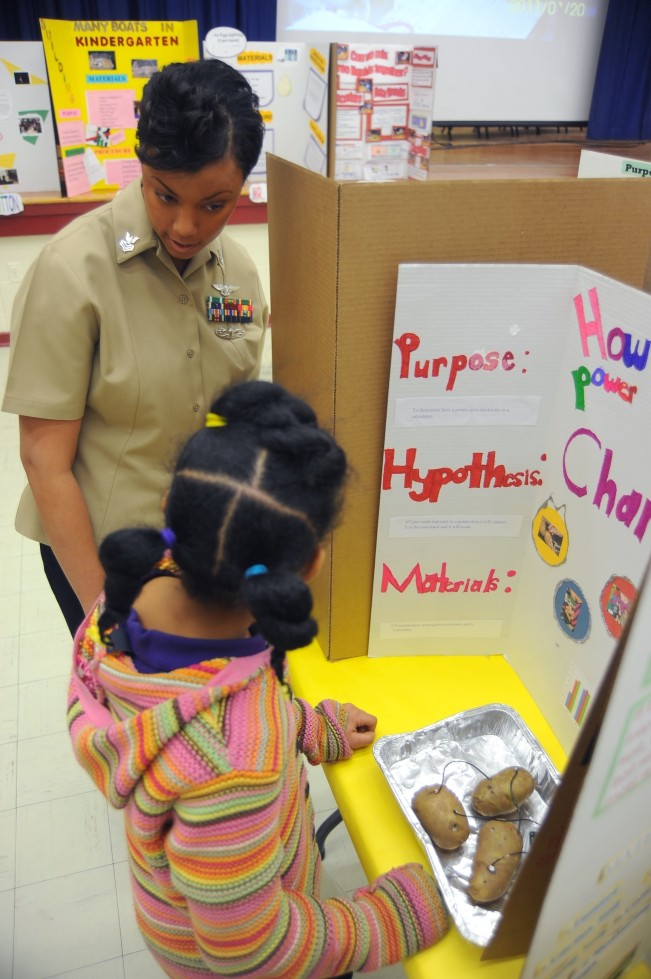
Titles, headings, labels and the whole body of text went on in felt-tip marker, by hand, directly onto the cardboard – with no second attempt, because a mistake could not be removed.
Printed sections produced on a computer, laid out, proofread and reprinted as often as needed, with the handwriting confined to nothing at all.
Which is why the lettering is the first thing anybody remembers. It started confident and large at the top left and got progressively smaller and more cramped as the available space ran out, and the last section was always squeezed in at a slant – a visible record of a child discovering, in real time, that they had not planned the layout.
3. Somebody Always Built a Volcano
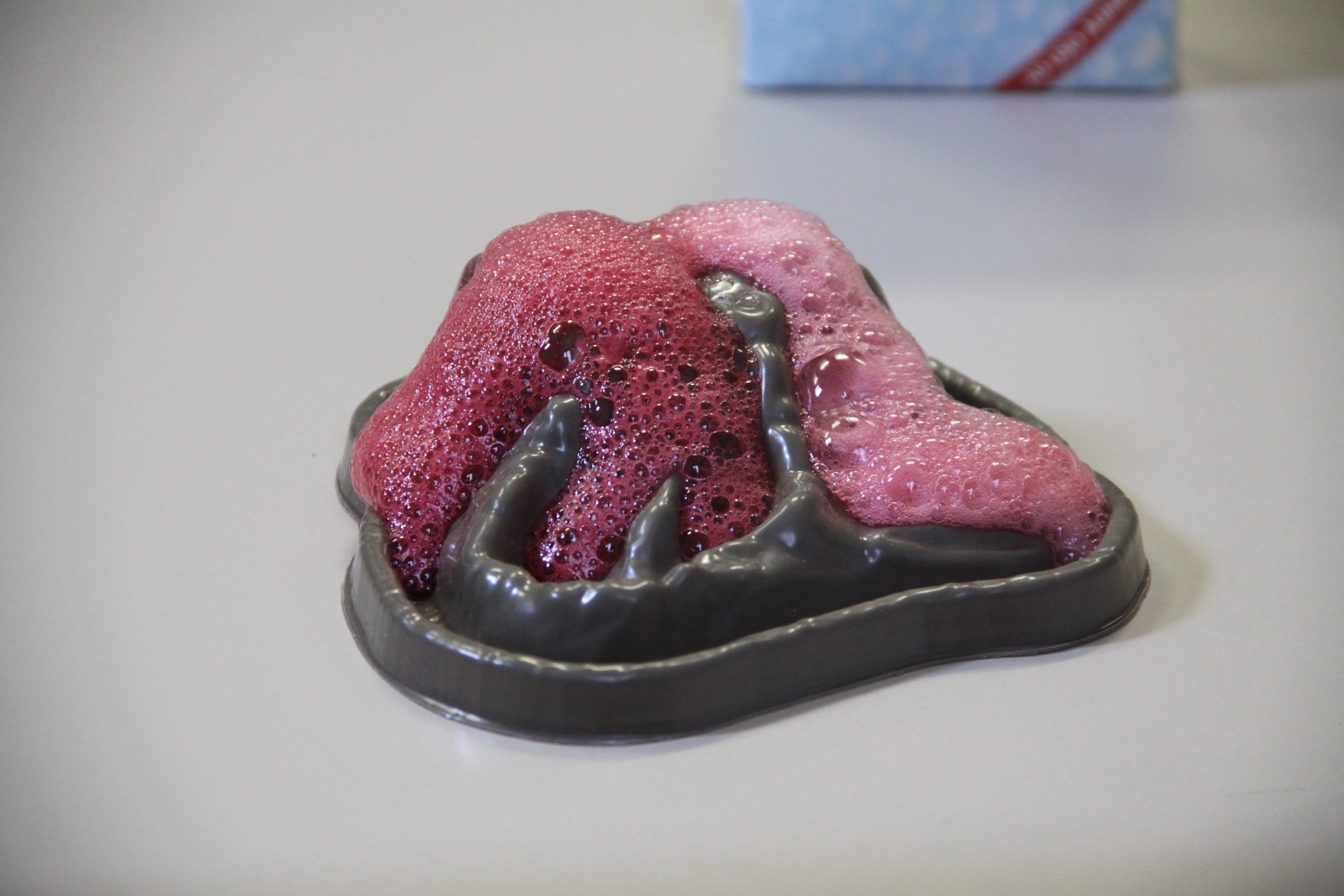
The erupting model volcano appeared at every American science fair without exception – a cone built on a board around a container, with a reaction producing foam that ran down the sides.
The same thing, still appearing, now openly treated as a demonstration rather than an experiment. Judges then and now make the same objection to it.
The objection is substantive rather than snobbish. A volcano has no question, no variable and no measurement – it is a thing that happens, identically, every time, regardless of what the child does. Which is why it never won anything and why children kept making it, since it is spectacular, and winning was not actually the point for most of them.
4. Plant Experiments Were the Respectable Option
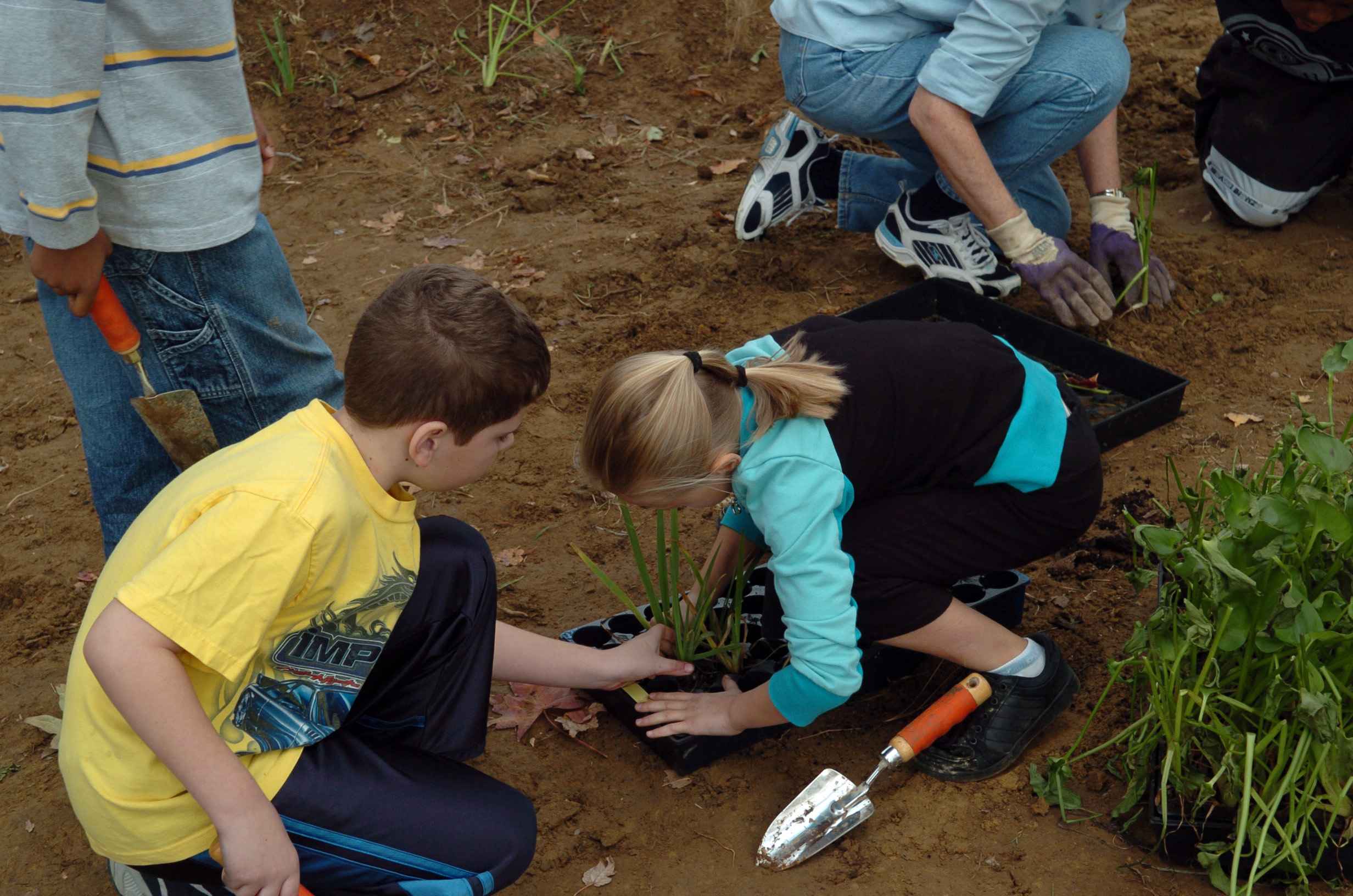
Seedlings grown in several trays under different conditions – varied light, water, soil, music, talking to them – measured with a ruler over a few weeks and recorded on graph paper.
Essentially identical, and still the best starter project there is, for the same reasons: cheap, safe, genuinely experimental, and slow enough to teach that data takes time to arrive.
It was also where most children first met the real difficulty of experimental work, which is that plants die for reasons unrelated to your variable. A tray that got a draught or a fungus produced a result the child could not explain, and the honest ones wrote that down, and the judges were far more impressed by that than by a clean graph.
5. A Great Many Projects Used Live Animals
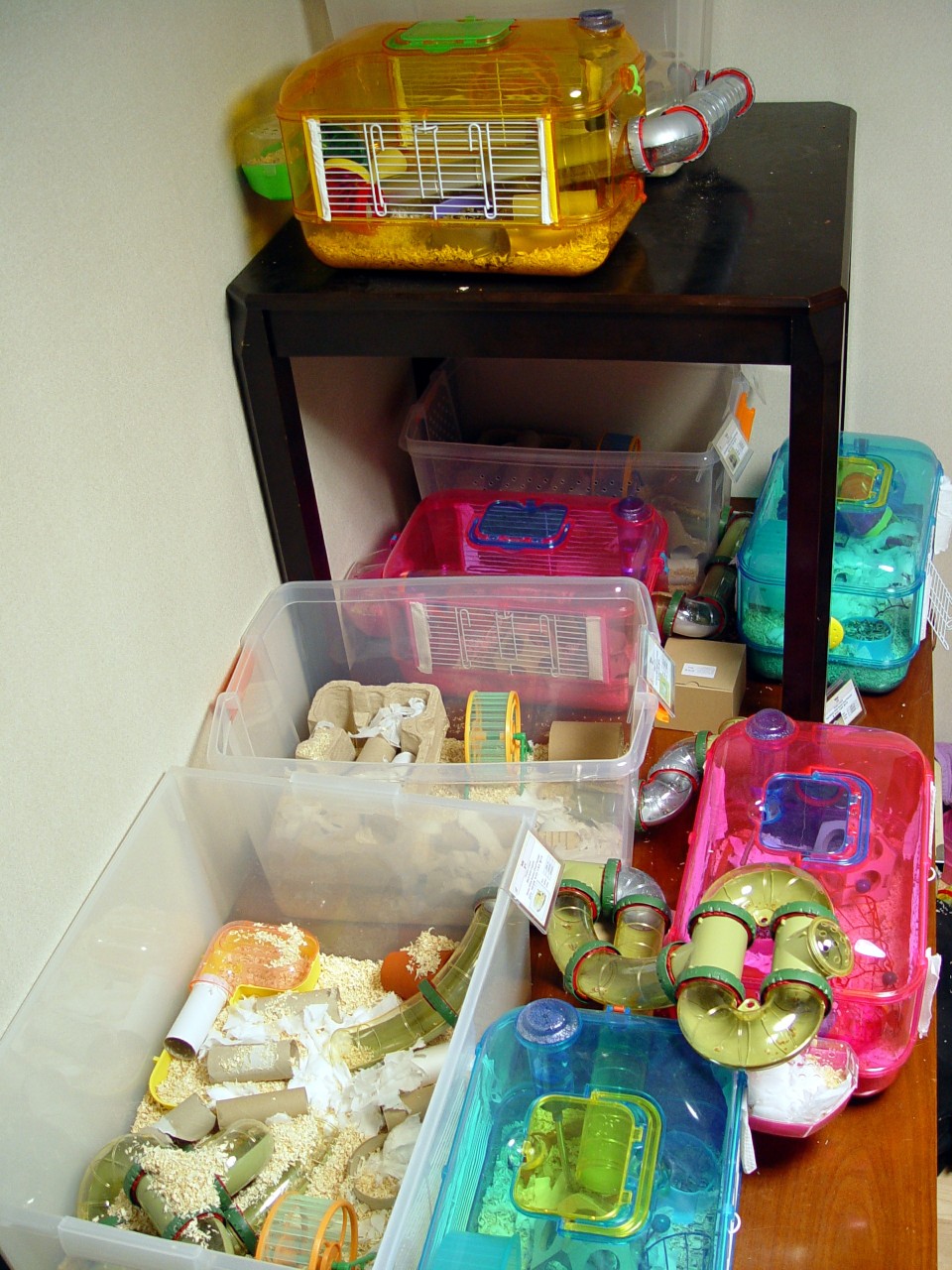
Mice and rats in mazes, hamsters on varied diets, chicks hatched in a classroom incubator, goldfish in differing water, insects under differing conditions – all run by children, in bedrooms and garages, over weeks.
Science fair rules now restrict vertebrate animal work sharply: for school-level competition it is largely limited to observation of normal behaviour, with anything involving a vertebrate’s health, diet or stress requiring formal review and qualified supervision, and much of it simply not permitted.
The reason the rules exist is that a great deal of what happened was not good for the animals and taught the children very little. A diet experiment run by a ten-year-old on a hamster is an animal in poor condition and a dataset of one, and the rules replaced it with observational work that is both humane and, as it happens, better science.
6. The Chemicals Came From a Drugstore and Nobody Asked Why
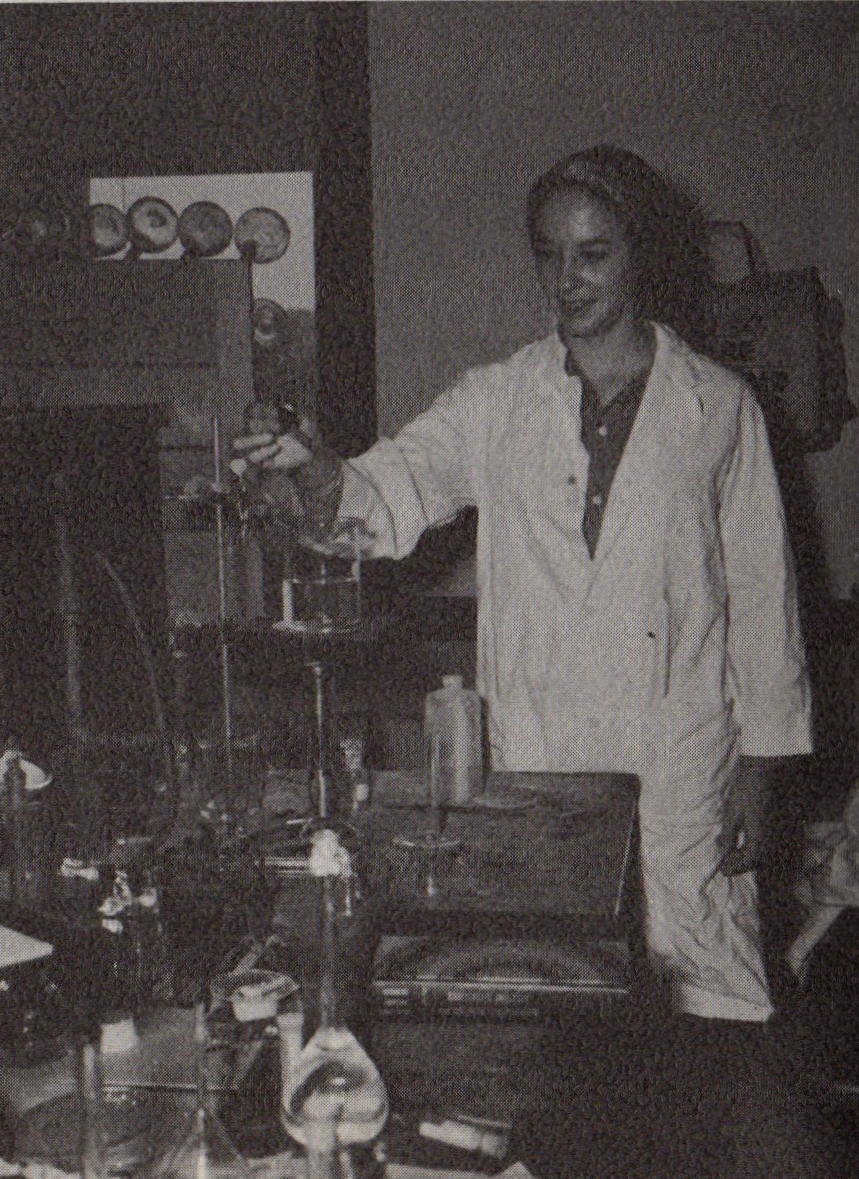
Children bought reagents over the counter at pharmacies, hardware shops and photographic suppliers, in quantities and combinations chosen from a library book, and worked with them on a kitchen table.
Tight restrictions on what can be purchased and by whom, and science fair rules requiring hazardous substances to be handled only in a supervised laboratory with a qualified adult and documented approval.
This is the category where the old arrangement was genuinely dangerous and the change is straightforwardly good. Children were handling corrosives, oxidisers and flammables with no ventilation, no eye protection, no supervision and no understanding of what combinations to avoid – and this piece gives no substance, quantity or procedure for exactly that reason.
7. Electrical Projects Were Plugged Into the Wall
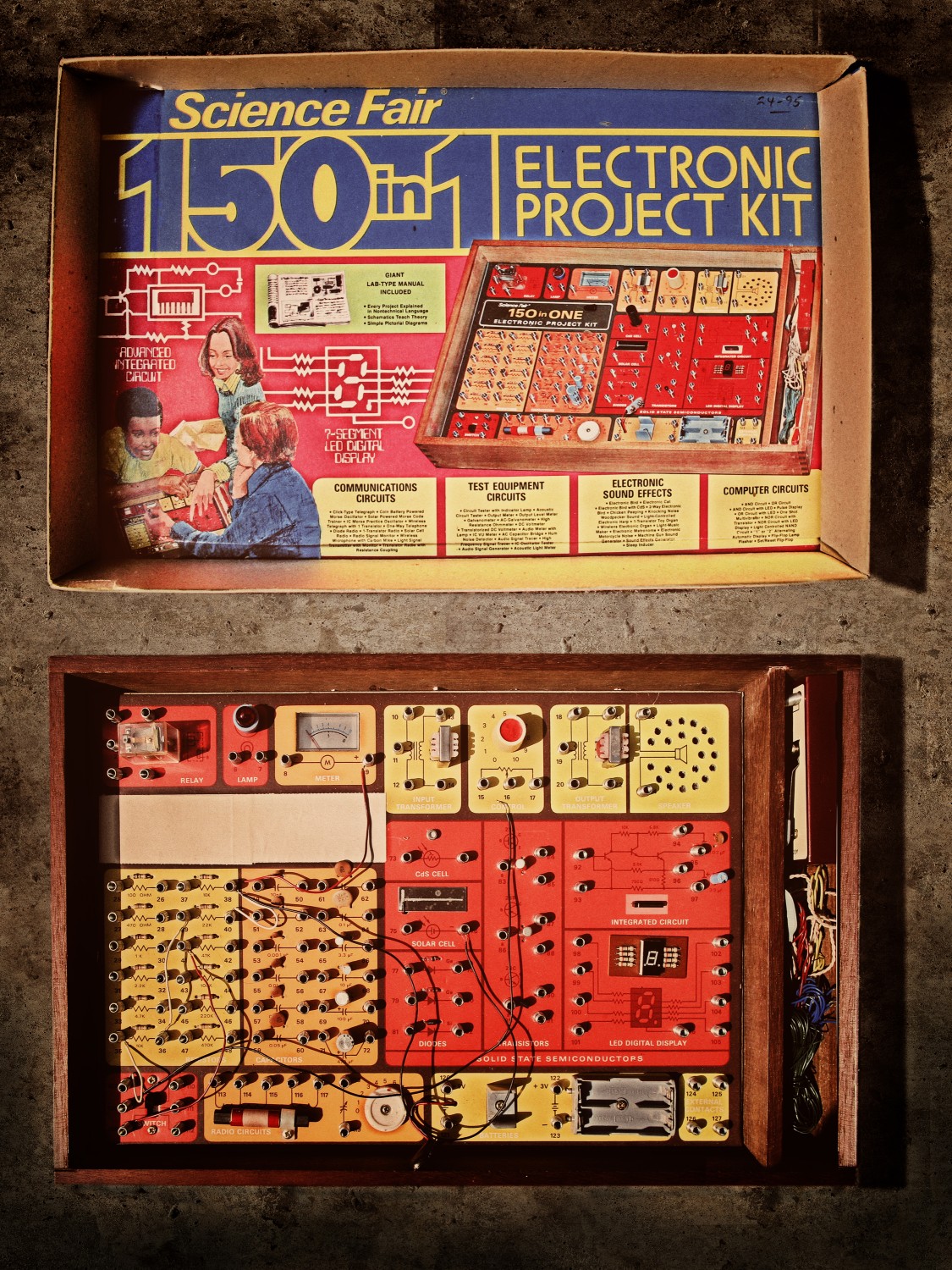
Motors, electromagnets, lighting displays and homemade devices were wired by children and connected directly to household mains outlets, frequently with bare joints twisted together and taped.
Fair rules now generally confine student-built circuits to low-voltage battery power, with anything connected to mains requiring a qualified adult, proper enclosure and approval in advance.
The rule change here is the least arguable on the list. Mains voltage in a house is lethal and does not forgive a twisted joint, children had no training and no equipment, and the only thing standing between a fair number of these projects and a serious injury was luck. No wiring detail appears anywhere in this piece.
8. Rockets, Engines and Things That Went Off
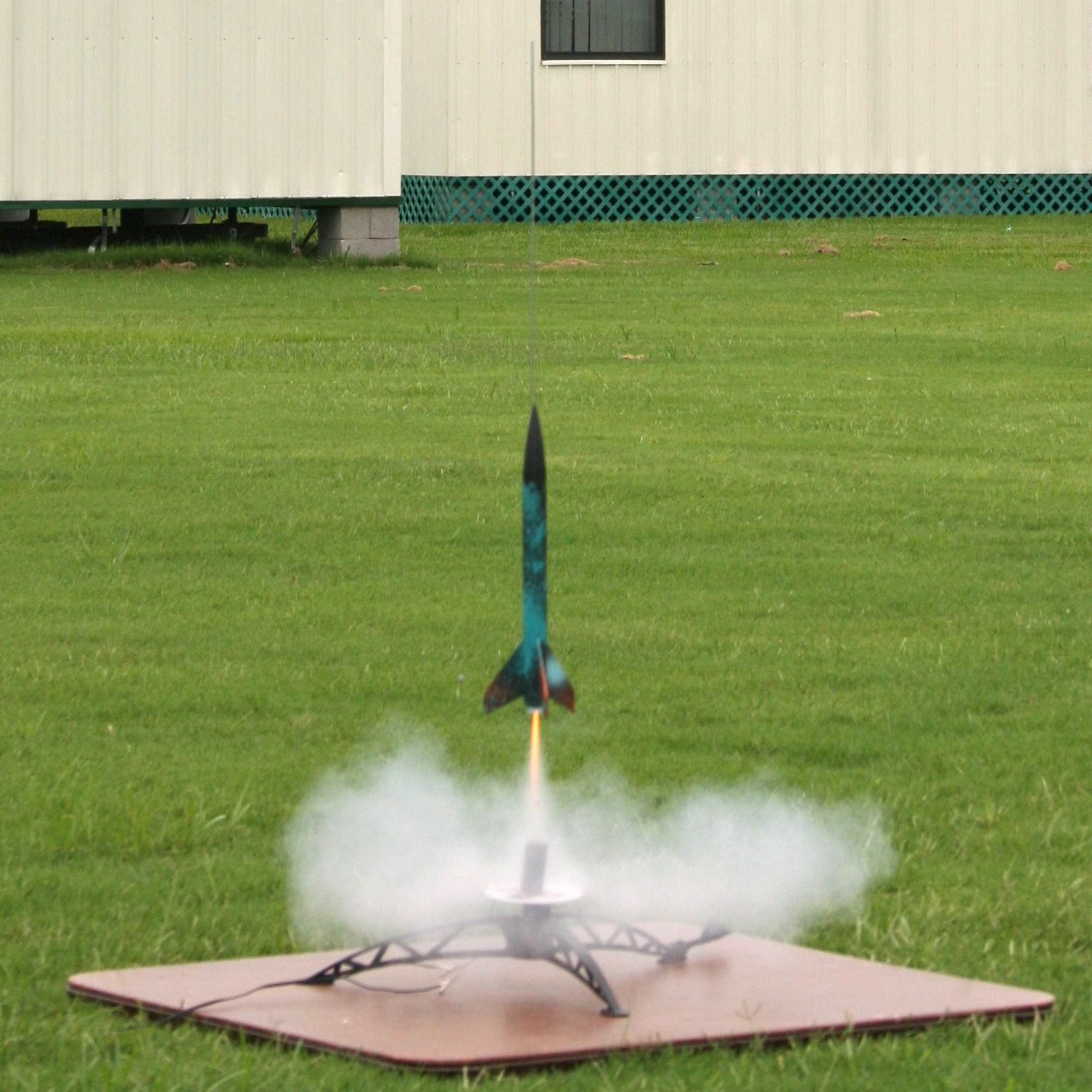
Model rocket motors, small engines, pressure vessels and assorted propulsive devices were built, launched and in some cases demonstrated indoors at the fair itself.
Strict rules on anything combustible, pressurised or propulsive, which generally cannot be demonstrated at a fair at all – a project may present data and photographs, and the device stays at home.
The shift from demonstration to documentation is the single biggest change in how these fairs work. A 1974 fair was partly a room full of things being made to happen; a modern one is a room full of evidence that something happened elsewhere, under supervision, and was measured.
9. The Smoking Experiment Was Everywhere
A recurring project drew cigarette smoke through cotton, through water, or into a container with plants or an animal in it, and displayed the residue or the result.
Nothing comparable at school level. Tobacco-related projects involving any living subject fall under the vertebrate and human-subject rules, and the smoke-handling itself would not be approved.
It is worth noting what these projects were actually doing, because it was not neutral. They were public health advocacy by children, in a decade when the evidence had become clear and a great many of their parents smoked, and the display board was aimed squarely at the adults walking past it.
10. A Lot of Them Were Built by a Father
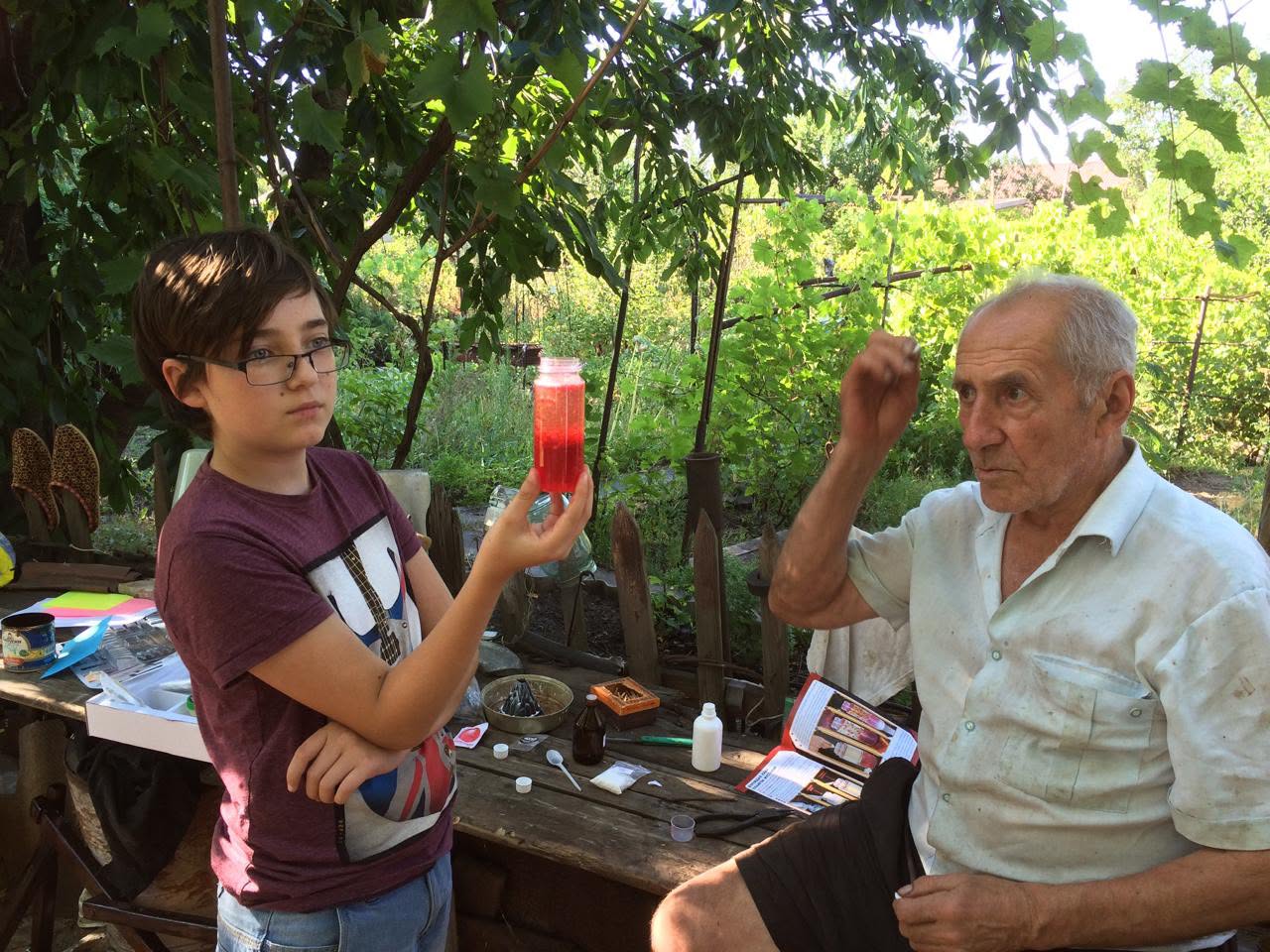
The scale and finish of certain projects made their origin obvious: precision woodwork, machined parts, professional lettering, wiring no child had done, and a nine-year-old who could not explain any of it.
Explicit rules requiring the student’s own work, mandatory logbooks documenting the process over time, and judging interviews designed specifically to establish whether the entrant understands their own project.
The interview is the mechanism that fixed it, and it worked. A judge asking what would happen if you changed this exposes a built-for project in about thirty seconds, and the modern emphasis on process documentation and on questioning the student is a direct response to a problem everybody in 1974 could see and nobody had a way to address.
11. Judging Was Done by Local Engineers, Pharmacists and Teachers
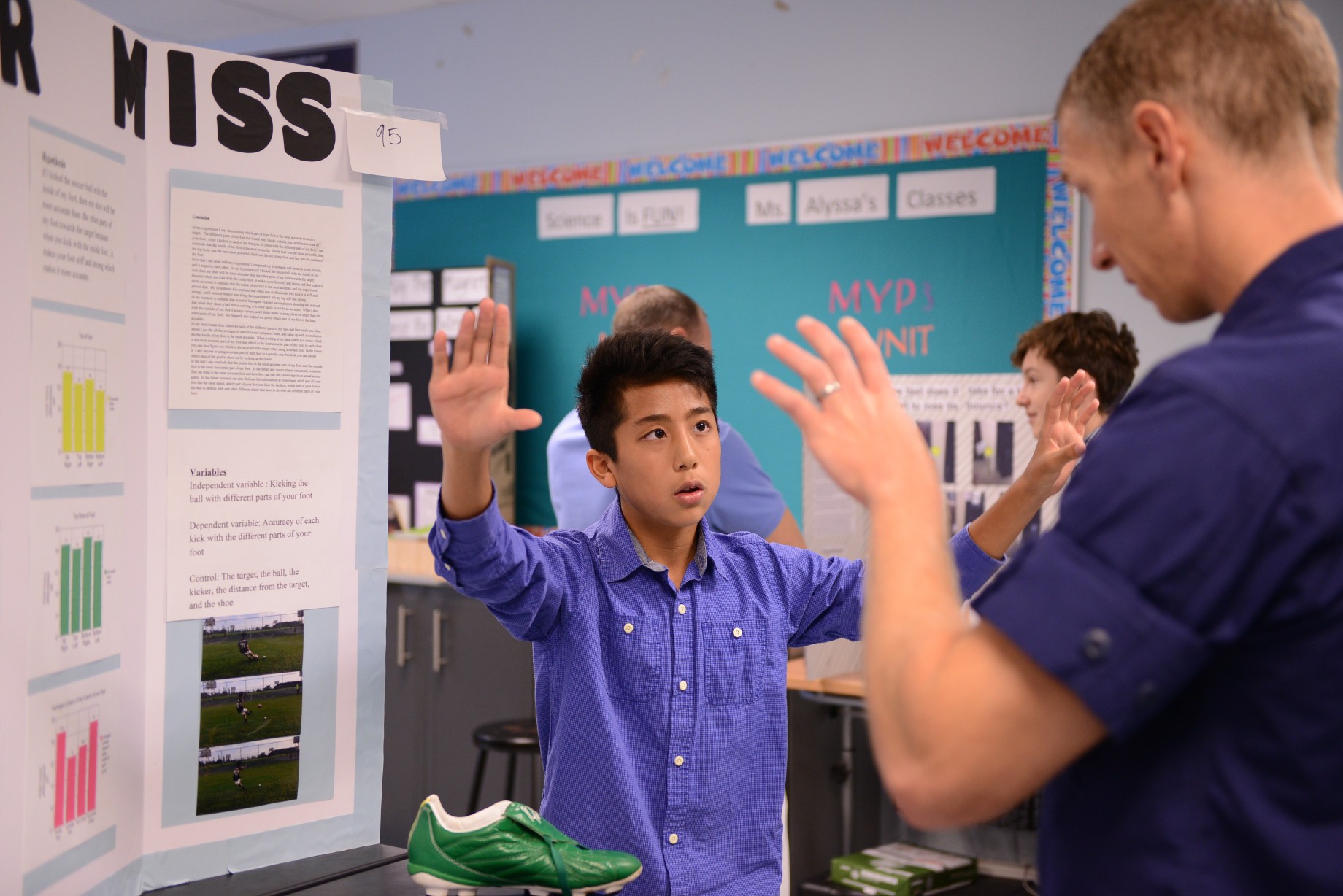
Judges were recruited from whoever in the town had a technical job – an engineer from a local plant, a pharmacist, a nurse, a high school science teacher, somebody from a utility – and they walked the room with clipboards.
Structured judging against published rubrics, with scoring categories, multiple independent judges per project and training for them. The old arrangement was expert, local and almost entirely unstandardised.
It had real advantages that are worth keeping in view. A child explaining their project to an engineer who actually built things for a living got better questions than a rubric produces, and the conversation was frequently the most valuable twenty minutes of the whole exercise – which is why the modern interview preserved it.
12. The Ribbons Were the Entire Economy
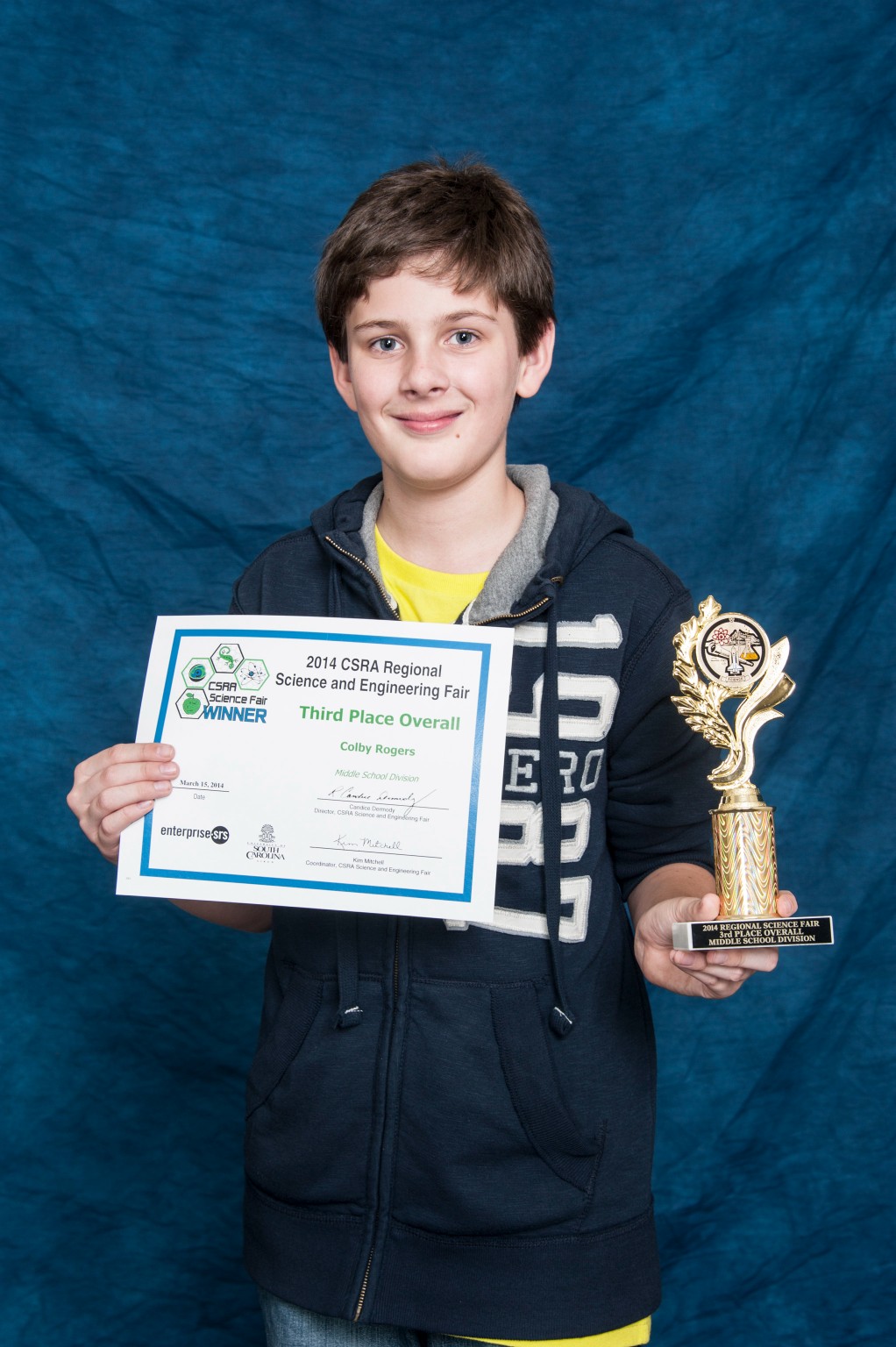
Awards were coloured rosette ribbons – blue, red, white, and a participation ribbon for everybody – pinned to the display board and worn home.
Certificates, medals, scholarships and progression to regional and national competition with substantial prizes. The ribbon was cheap, immediate and visible on the board for the rest of the day.
And the participation ribbon was understood by every child in the room for exactly what it was. Nobody was fooled, the hierarchy of colours was known by the age of seven, and a white ribbon on a board you had worked on for a month was a specific and keenly felt result.
13. It Was Set Up in the Gym and the Whole Town Came
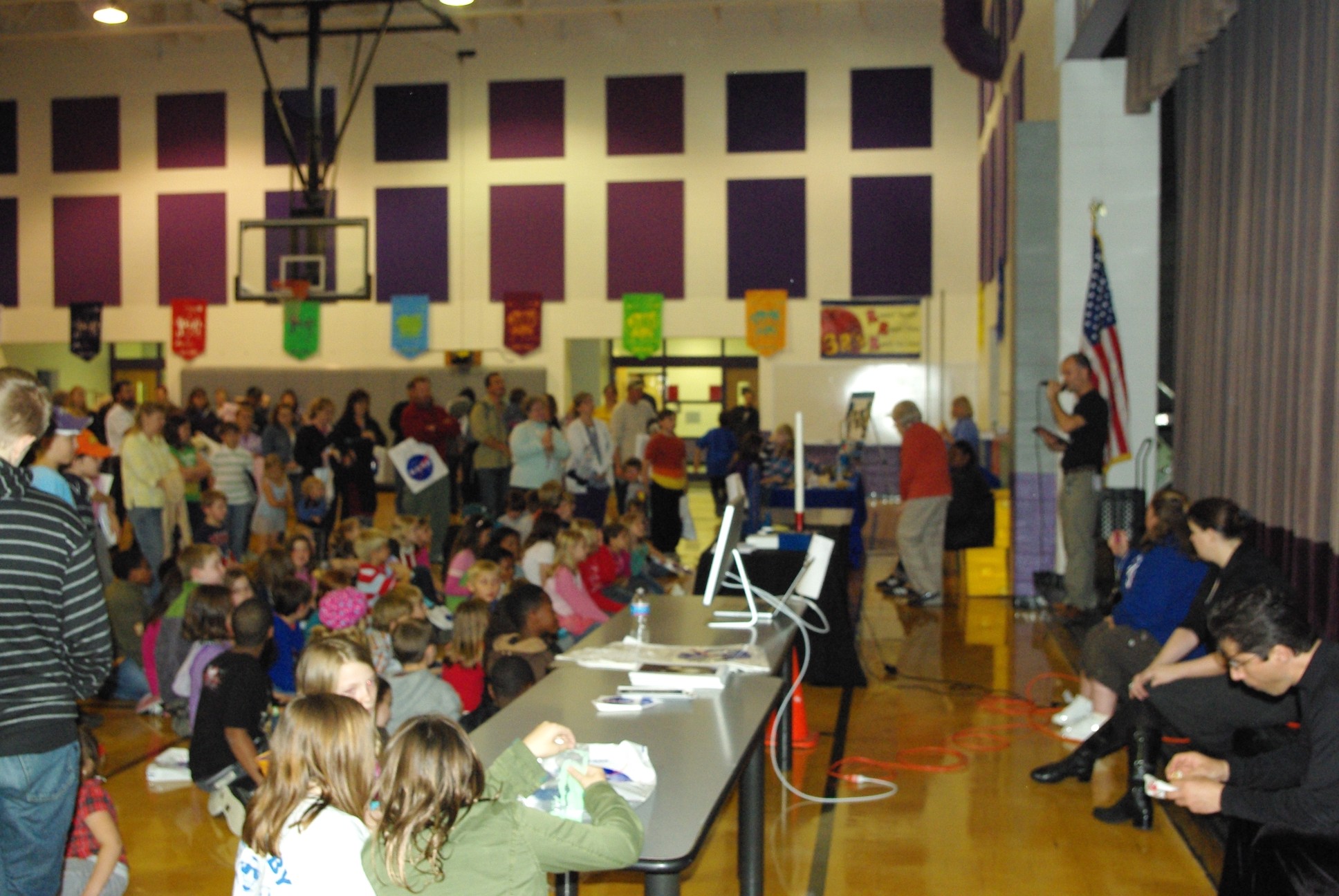
Fairs were held in the school gymnasium or cafeteria, on folding tables, and opened in the evening to parents, grandparents, siblings and anybody else who wanted to walk through.
The same format in many places, alongside district and regional events held in convention centres and university buildings. The local evening in the gym remains the base of the whole structure.
The public element mattered more than the judging to most of the children involved. Standing beside your own board explaining it to your grandmother, to a neighbour, to your friend’s father, forty times in two hours, is the part people remember – and it is also, by a wide margin, the most useful thing the exercise taught.
14. The Project Sat in the Garage for Three Weeks and Was Done in One Night
The assignment was given a month out, a topic was chosen in week one, nothing happened for three weeks, and the entire thing was assembled in a single evening of controlled panic.
Mandatory logbooks, staged deadlines and check-ins with a teacher at intervals, specifically designed to make the three-week gap impossible.
The logbook requirement is the quiet revolution in all of this. A fair judged only on a finished board rewards whatever can be produced in one night, including by a parent. A fair that requires dated evidence of work over weeks rewards the thing the exercise was supposed to teach, and it cannot be assembled retrospectively on a Thursday.
15. Nobody Mentioned Safety at Any Point
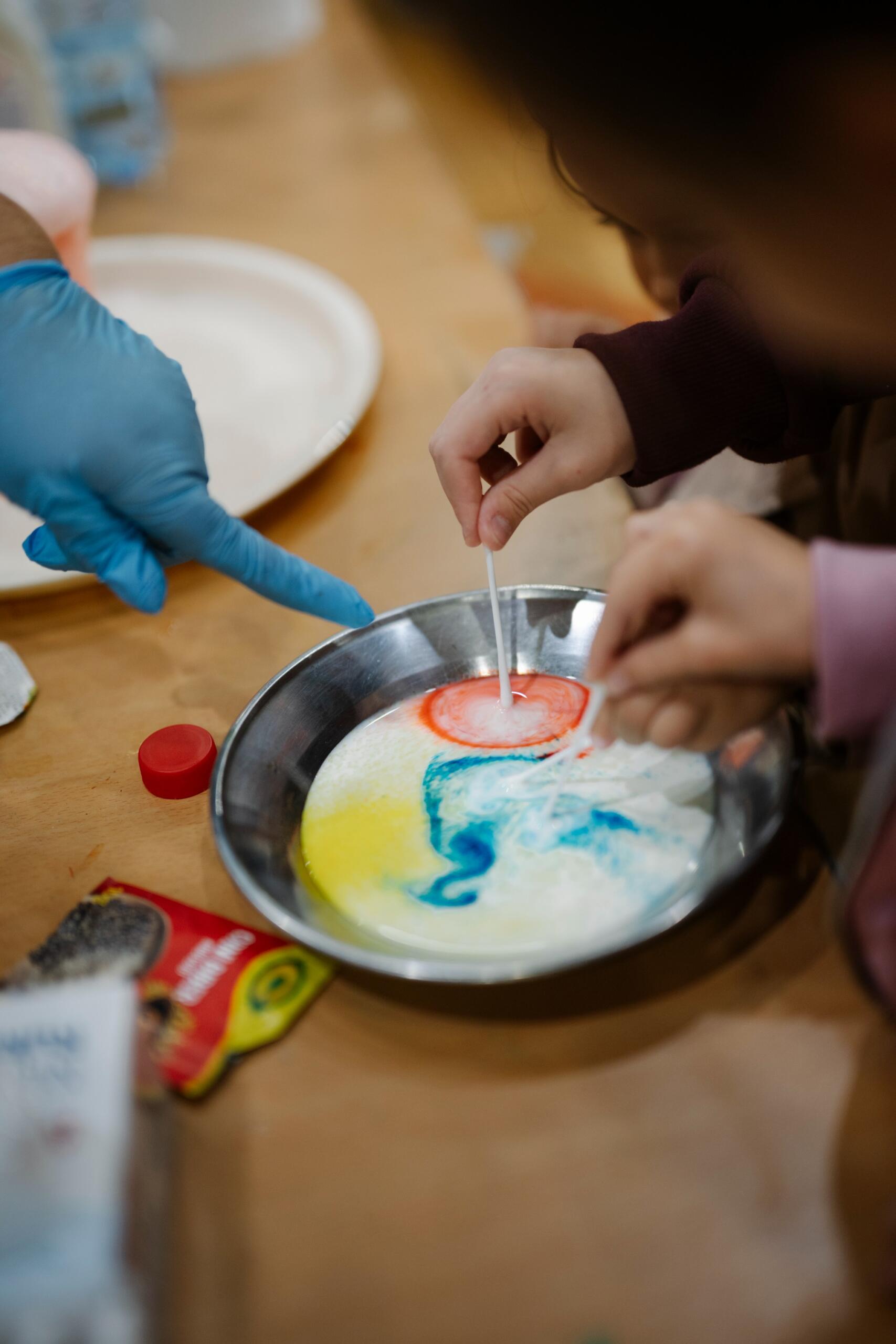
There was no safety review, no approval process, no list of prohibited materials, no required supervision and no form. A child decided what to do, did it, and brought it in.
A formal pre-approval system: projects involving hazardous substances, vertebrate animals, human subjects, pathogens, radiation or firearms require documented review and qualified supervision before any work begins, with ineligible projects stopped at the planning stage.
Which sounds bureaucratic until you set it against what it replaced, which was nothing at all. The forms exist because children were working unsupervised with corrosives, mains electricity, pressure, combustion and live animals, in bedrooms, on the strength of a library book – and the remarkable thing is not that rules arrived but that it took as long as it did.
16. Then the Fair Got Serious, and That Cut Both Ways
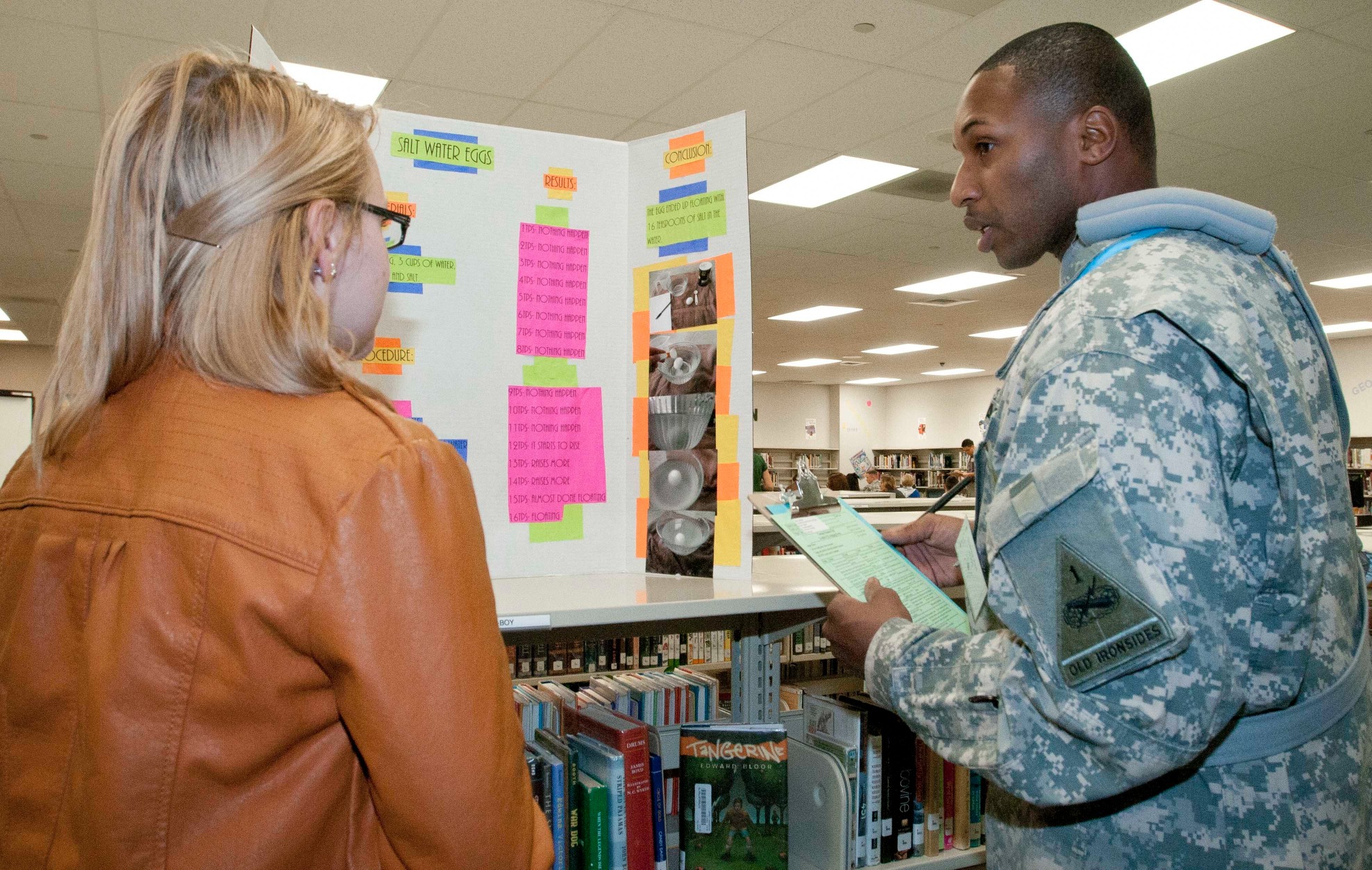
The whole arrangement rested on a child choosing a question, doing something about it unsupervised, building a display out of cardboard, and explaining it to a local engineer in a gymnasium.
A regulated competition structure running from school level to international finals, with safety approval, documented logbooks, published rubrics, trained judges, ethical review and substantial scholarships at the top – and at the entry level, pre-printed boards and a great deal more parental project management.
Both halves of that are real and they pull in opposite directions. The safety and ethics rules are unambiguously good: children are no longer handling corrosives in bedrooms or running diet experiments on hamsters, and the logbook and interview between them largely solved the father-built project. But the formalisation also raised the cost of entry. A project now needs approval, documentation, structure and frequently an adult who understands the process, which is a larger ask of a household than a sheet of cardboard and a question was – and the child who in 1974 would have made a slightly leaning volcano out of a carton, badly, on their own, and learned something from being asked about it, is the one most likely to be filtered out before they start.
The Rules Fixed Real Harm and Raised the Price of Entry
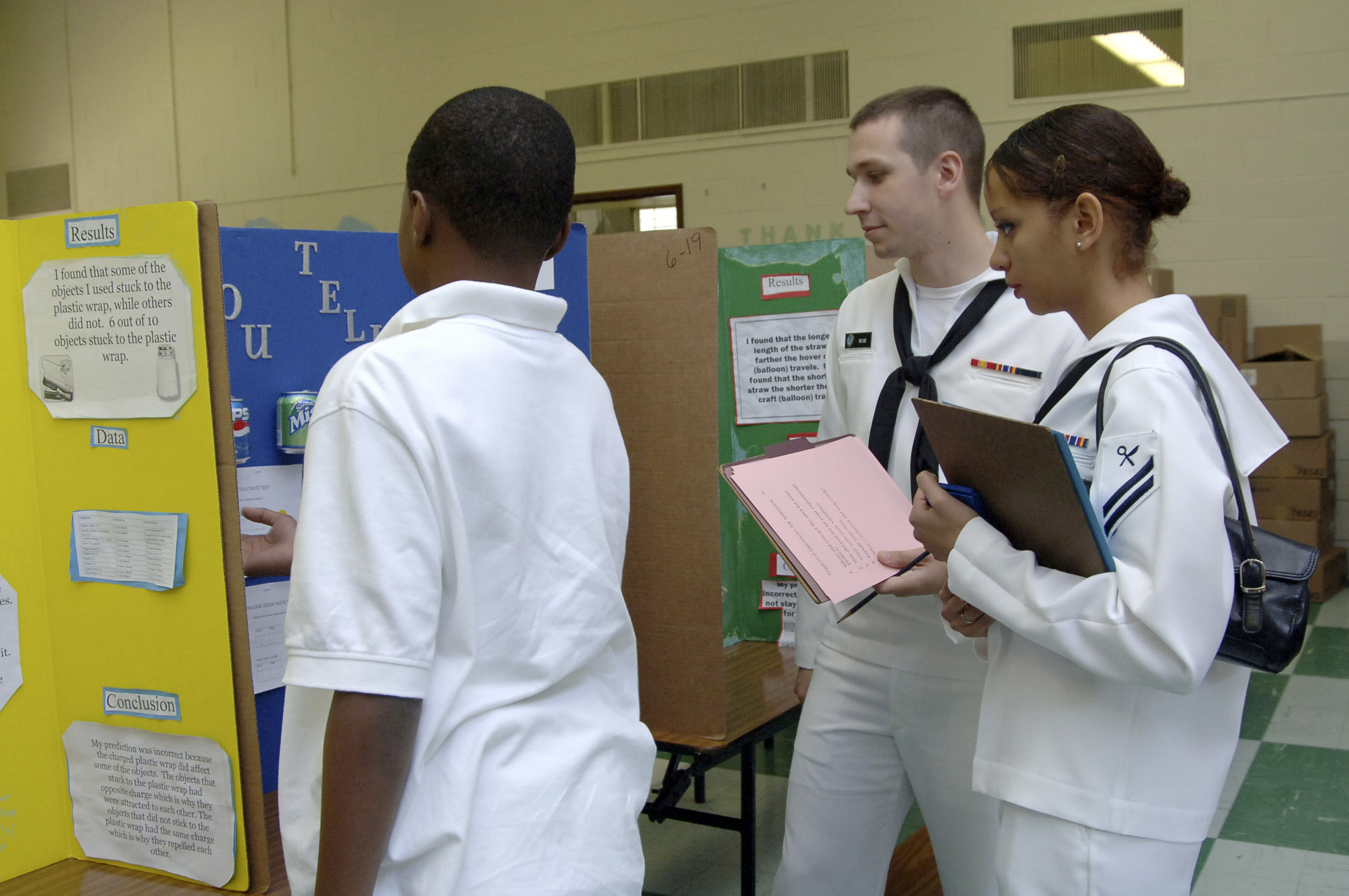
Two things happened to the American science fair and they point in opposite directions. Both are true and the honest version has to hold them together.
The first is that the safety and ethics rules are good, and the case for them is not close.
Children in 1974 were buying corrosives and oxidisers over a pharmacy counter and combining them on kitchen tables with no ventilation and no eye protection. They were wiring devices into household mains with twisted joints and tape, at a voltage that kills adults. They were building things that burned and things under pressure, and demonstrating them indoors. They were running diet and stress experiments on live vertebrate animals, alone, for weeks, with no idea what they were doing to them.
The current system requires documented approval before work starts for anything involving hazardous substances, vertebrate animals, human subjects, pathogens or radiation, with qualified supervision. It replaced a system that consisted of nothing whatsoever. Nobody should want the old one back, and the surprise is how long it lasted.
The logbook and the judging interview did something equally good, from a different direction. A fair judged on a finished board rewards whatever can be produced in one night, which is why so many 1974 projects were visibly built by a father. A fair that requires dated evidence of work over weeks, and a judge who asks the child what would happen if you changed this, cannot be beaten that way – and that problem was obvious to everybody at the time with no available fix.
The second thing is the cost of all that, and it falls unevenly.
A project now needs a topic that fits the rules, an approval form filled in correctly, a logbook maintained over weeks, a structure that matches a published rubric, and in practice an adult who understands the process and can keep a child to a schedule. That is a considerable amount of administrative competence to require from a household.
A sheet of cardboard and a question required almost none.
So the child who in 1974 would have decided on their own to grow four trays of beans in a bedroom, measured them badly, built a leaning display out of a carton, and then had twenty genuinely good minutes explaining it to an engineer from the local plant – that child now needs a household that can get them through a process first.
The rules stopped children being hurt and stopped parents cheating, and both of those mattered more than anything lost. But the entry point moved, and it moved away from the kid with a carton and an idea.
If you did one of these, you lettered it in marker and ran out of room before the conclusion.
And somebody in that gym had a volcano, and everybody knew it was never going to win.
Like our content? Follow us for more.