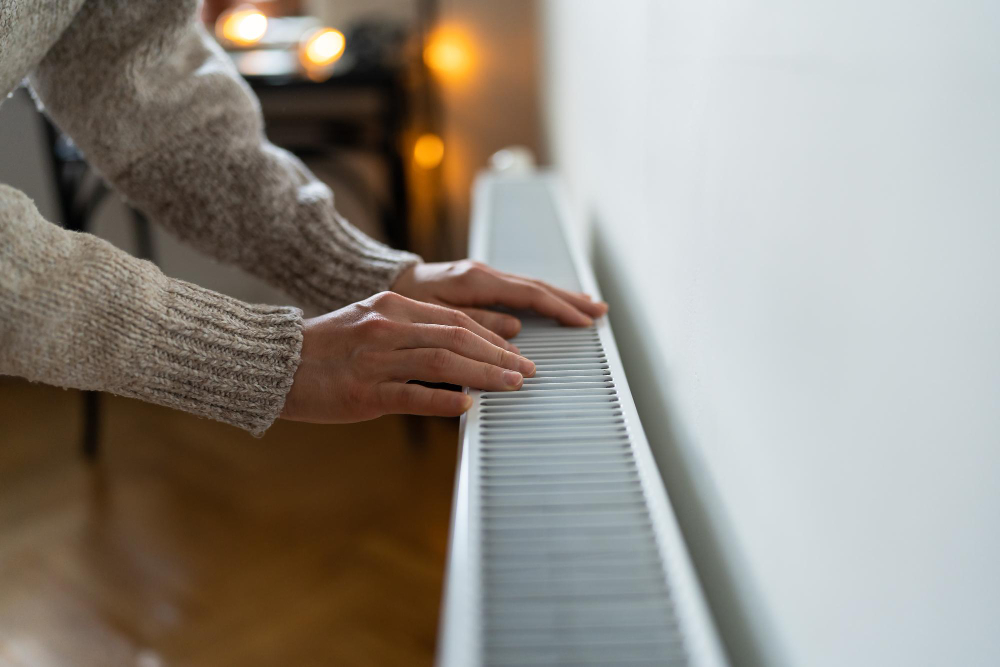
Named after the thing it barely does, and placed under the window deliberately. Here are sixteen.
1. The Name Is Wrong
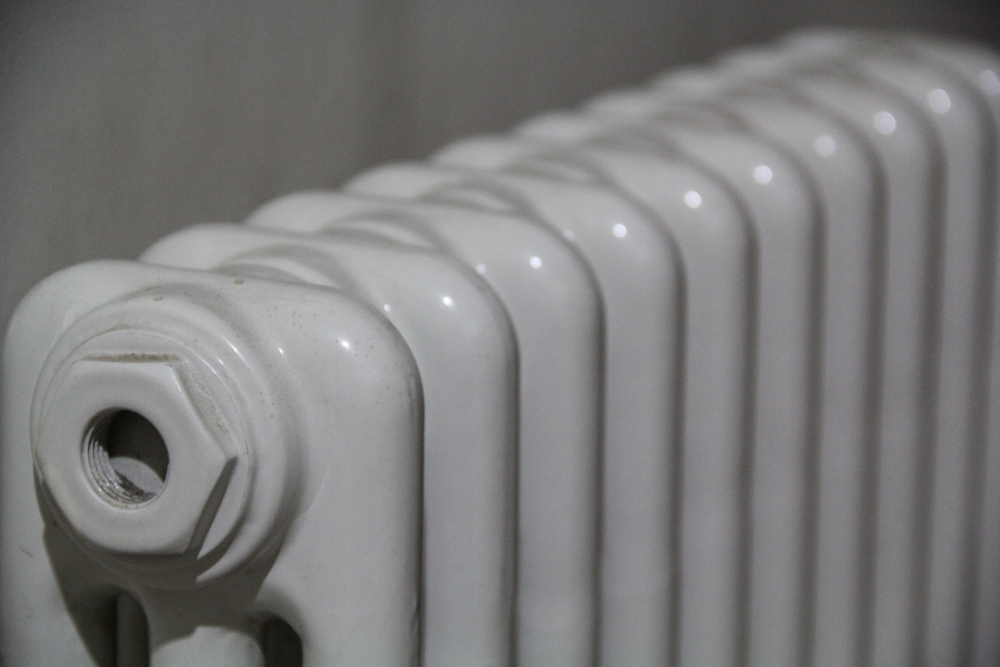
Only a minority of the heat leaving a typical panel leaves as radiation. The majority goes into the air touching the metal, which then rises.
Strictly it is a convector with a misleading name, and almost every design decision about it follows from that rather than from radiating.
Like our content? Follow us for more.
2. Which Is Why It Is Shaped Like That
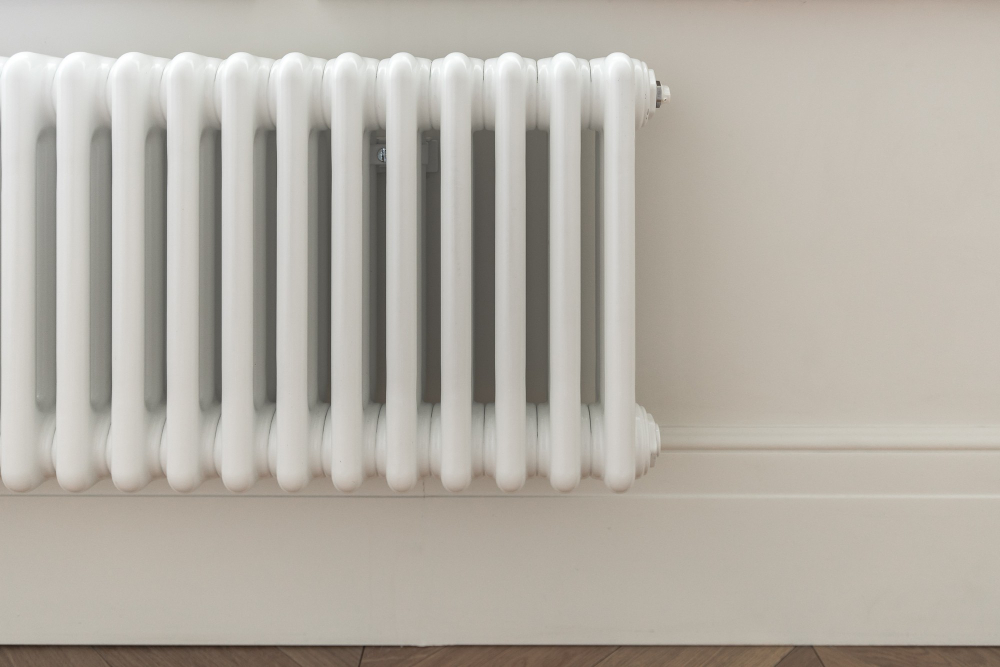
If the job is to warm air in contact with metal, then what matters is how much metal the air can touch.
The fins behind a flat panel, and the columns in an old cast one, exist to multiply that contact area without making the thing any bigger.
3. It Sits Under the Window on Purpose
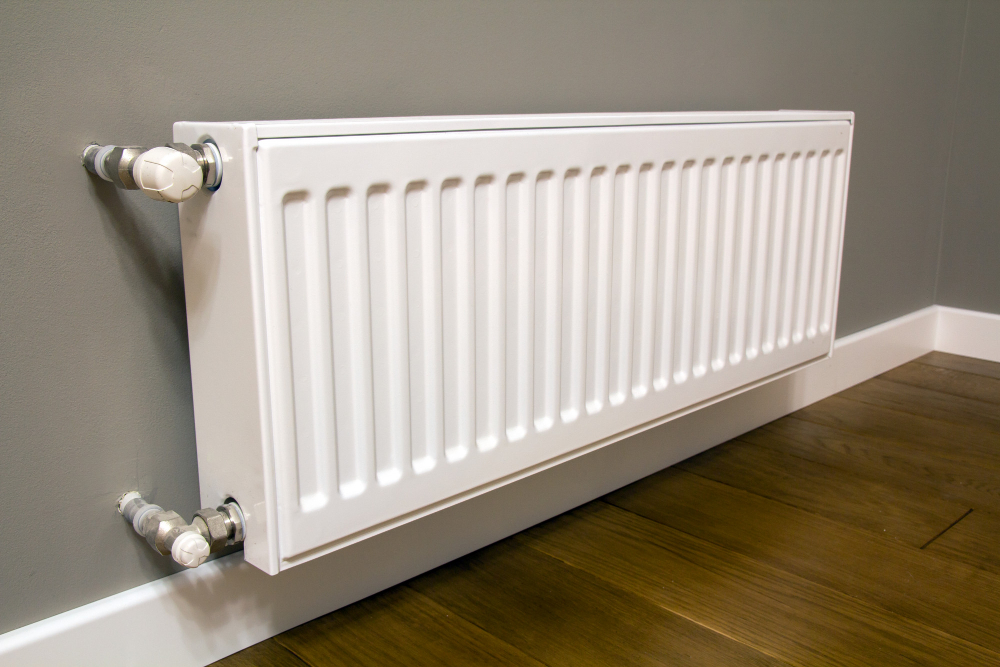
The coldest surface in a room is the glass, and air cooled by the glass sinks and runs across the floor as a draught.
Putting the heat source directly beneath it sends a rising column of warm air straight up against the cold one, which cancels the draught at source.
4. The Top Being Hotter Than the Bottom Is Correct
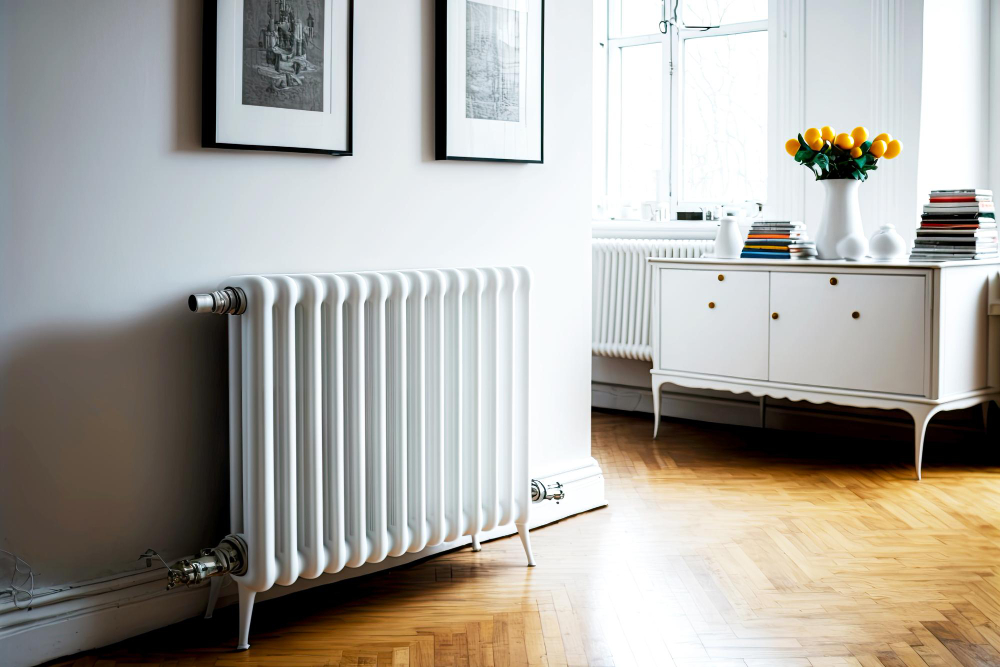
Water enters at one end, gives up heat as it travels through, and leaves cooler than it arrived.
A difference between the hottest and coolest parts is not a fault. It is the evidence that heat is actually being delivered rather than passing straight through.
5. A Cold Bottom and a Hot Top Means Something Has Settled
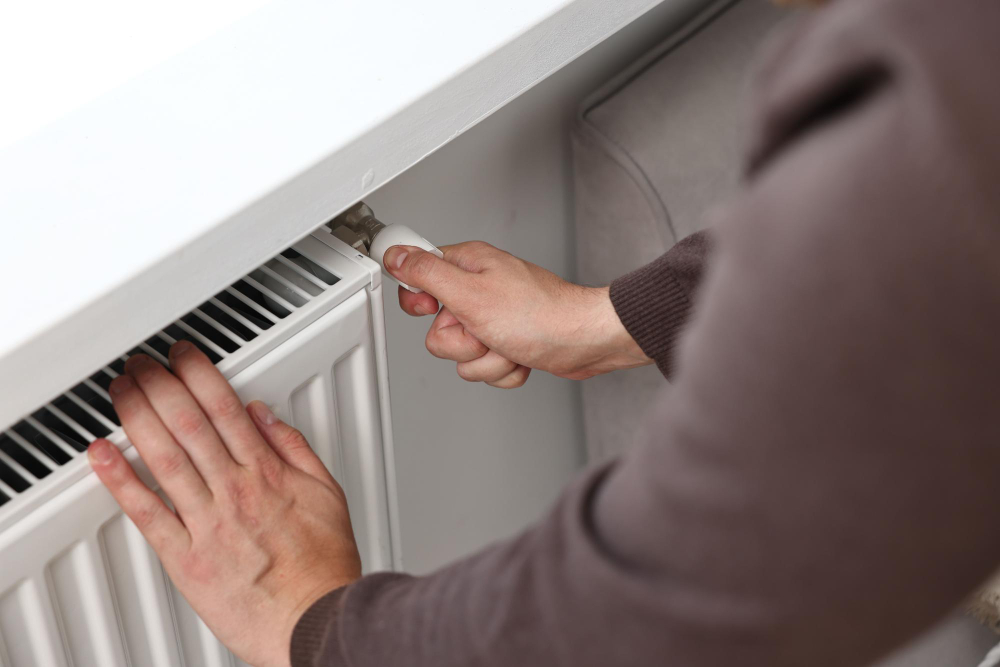
Over years, corrosion products accumulate as a dense sludge in the system and collect in the lowest part of each panel, where water moves slowest.
The sludge displaces water and blocks flow across the bottom, so the panel heats only in its upper portion and the room is never quite warm.
6. A Cold Top and a Hot Bottom Means Air
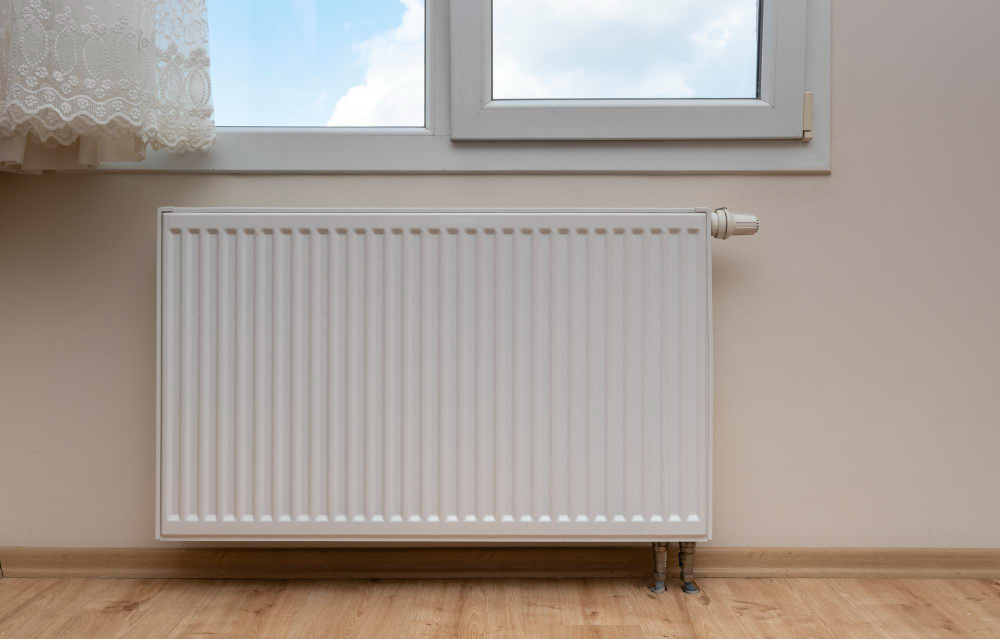
Air is lighter than water and collects at the highest point available, which in a panel is the top corner.
It is the exact opposite symptom with the exact opposite cause, and telling them apart by touch is the single most useful thing anybody knows about heating.
7. Which Is the Entire Purpose of the Little Valve at the Top
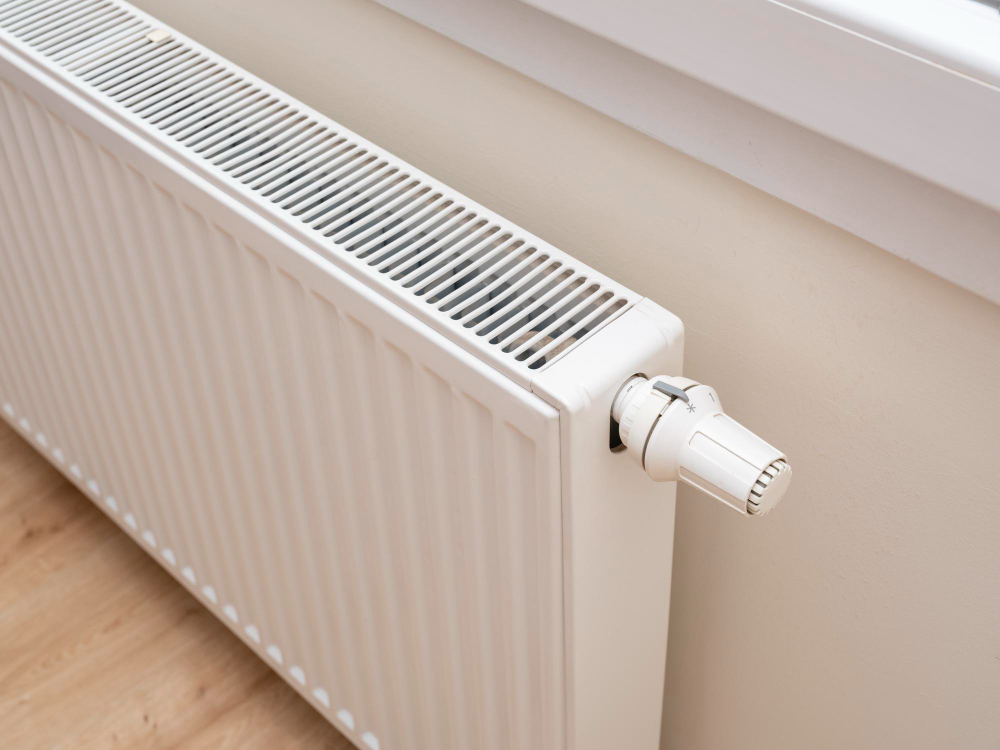
The small square-keyed fitting in the upper corner exists for one reason: to let trapped air out of the highest point of the panel.
It is positioned where it is because that is where the air will be, and nowhere else.
8. The Valve at the Other End Is Not a Second Tap
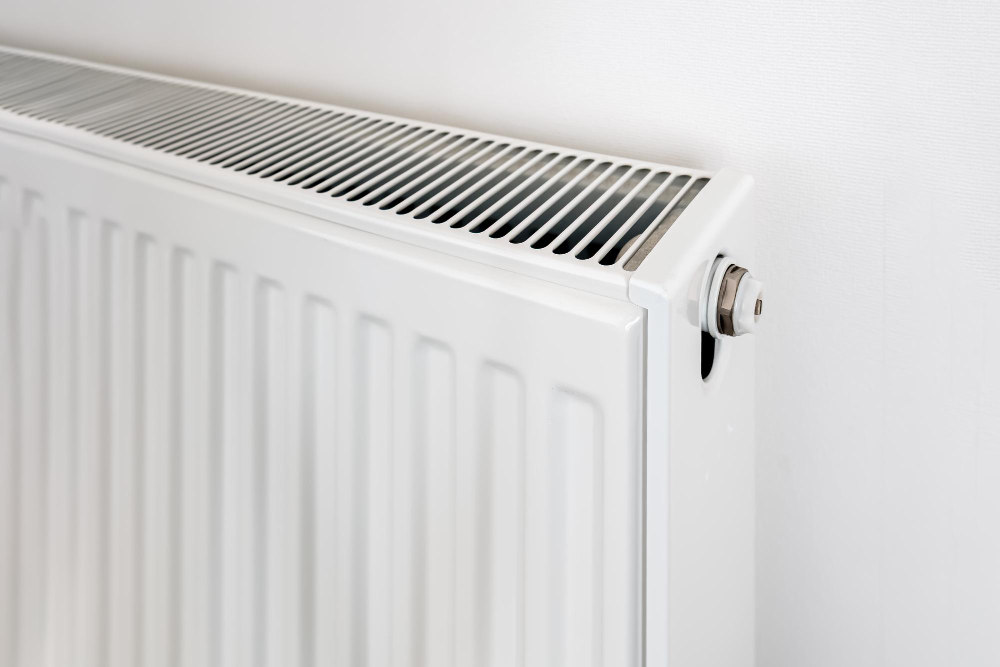
One end usually has a hand-adjustable valve. The other frequently has a plain cap over a valve that is not meant to be turned by occupants.
That one sets how much of the total flow this particular panel receives, and it was adjusted once, deliberately, when the system was commissioned.
9. Because Water Takes the Easiest Route
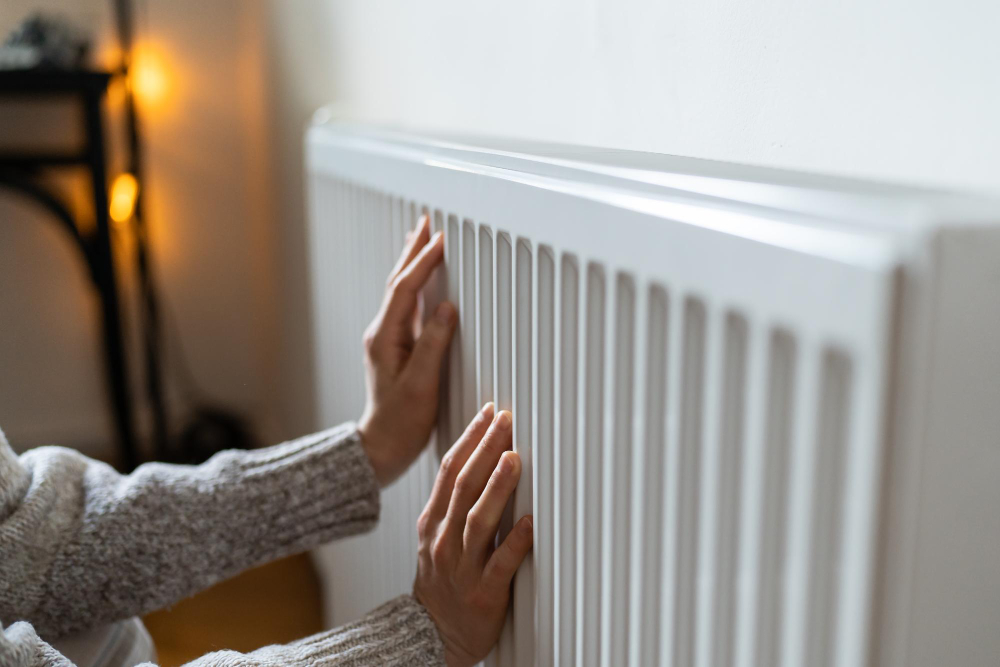
Left to itself, most of the flow goes through whichever panel offers least resistance, which is normally the one nearest the pump.
The hidden valves are throttled down on the near panels so the distant ones get their share. This is why the far bedroom being cold is frequently an adjustment problem rather than a capacity problem.
10. A Thermostatic Head Measures the Room, Not the Water
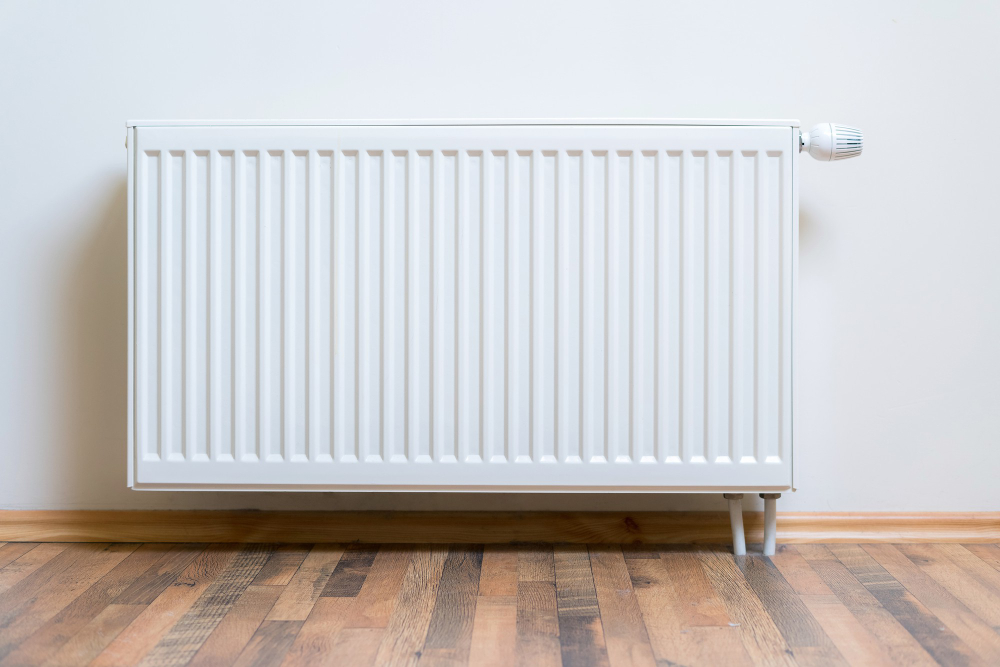
The numbered dial is not a power setting. It contains a material that expands as the air around it warms, and which closes the valve when the air reaches the chosen temperature.
It is a local thermostat with no electricity and no wires, and the numbers correspond to air temperatures rather than to amounts of heat.
11. So Anything in Front of It Tells It a Lie
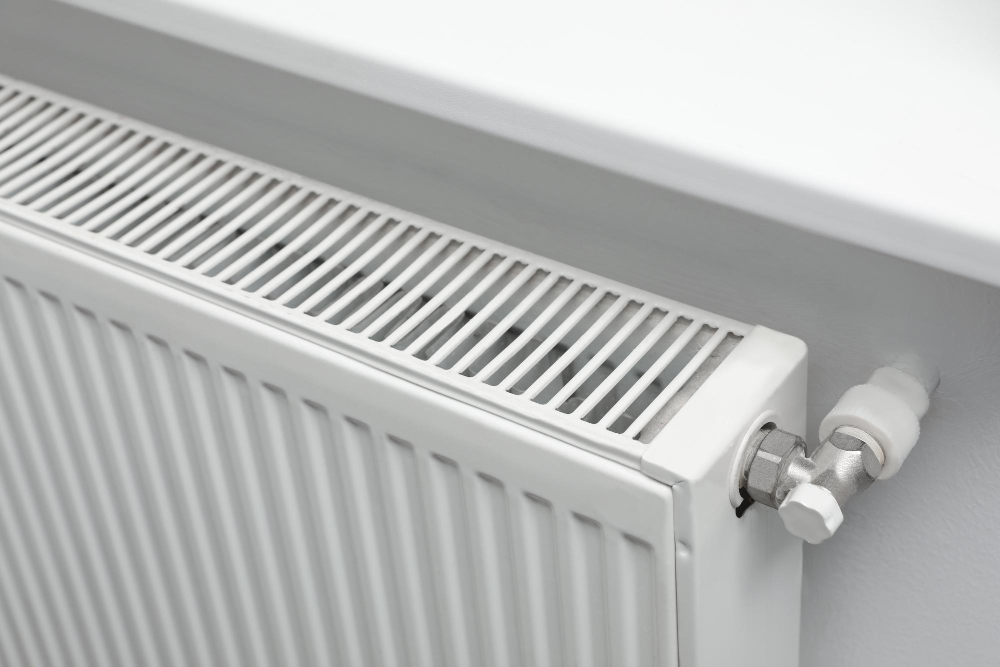
A sofa, a long curtain or a cover traps warm air around the head, which then reads the room as warmer than it is and shuts the valve early.
The room goes cold while the control is convinced it has succeeded, and nothing is broken.
12. Curtains Over It Send the Heat Out of the Window
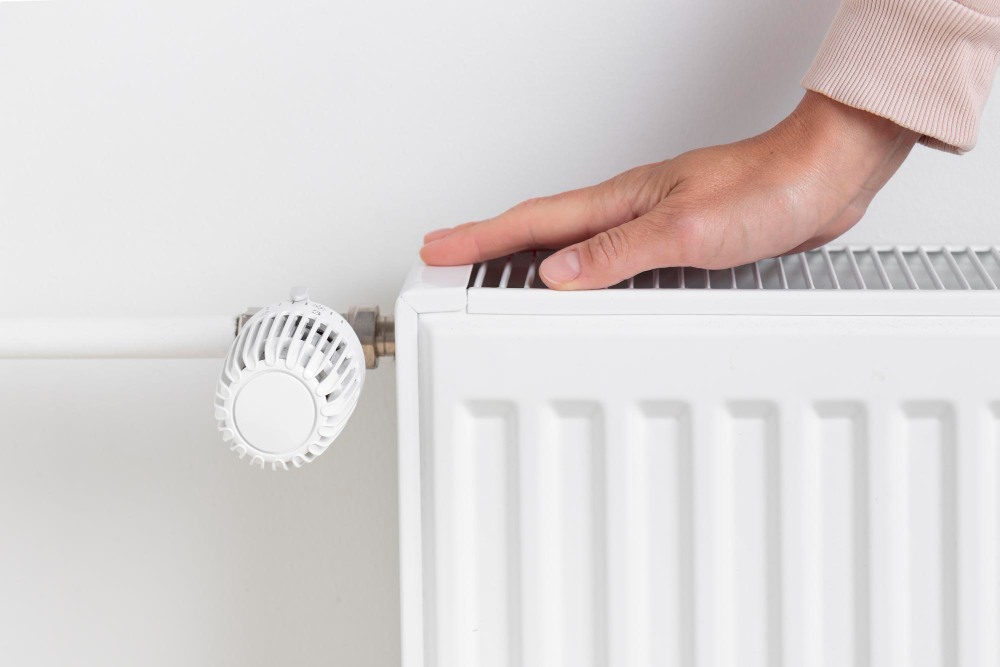
A full-length curtain hanging in front of a panel creates a sealed channel between the panel and the glass.
The rising warm air goes up that channel and is cooled by the coldest surface in the room before it ever reaches the room, which is a very efficient way to heat a window.
13. A Shelf Above It Does the Opposite
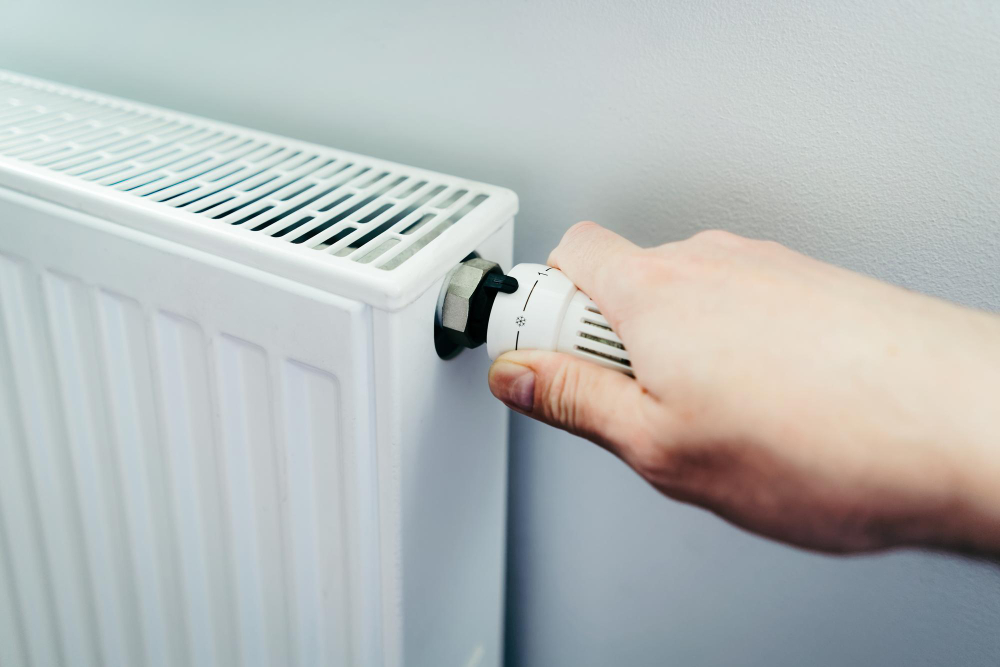
A projecting shelf interrupts the rising column and deflects it outward into the room instead of letting it run straight up the wall.
It is a crude intervention and it does measurably change where the warm air ends up.
14. Paint Barely Matters, With One Exception
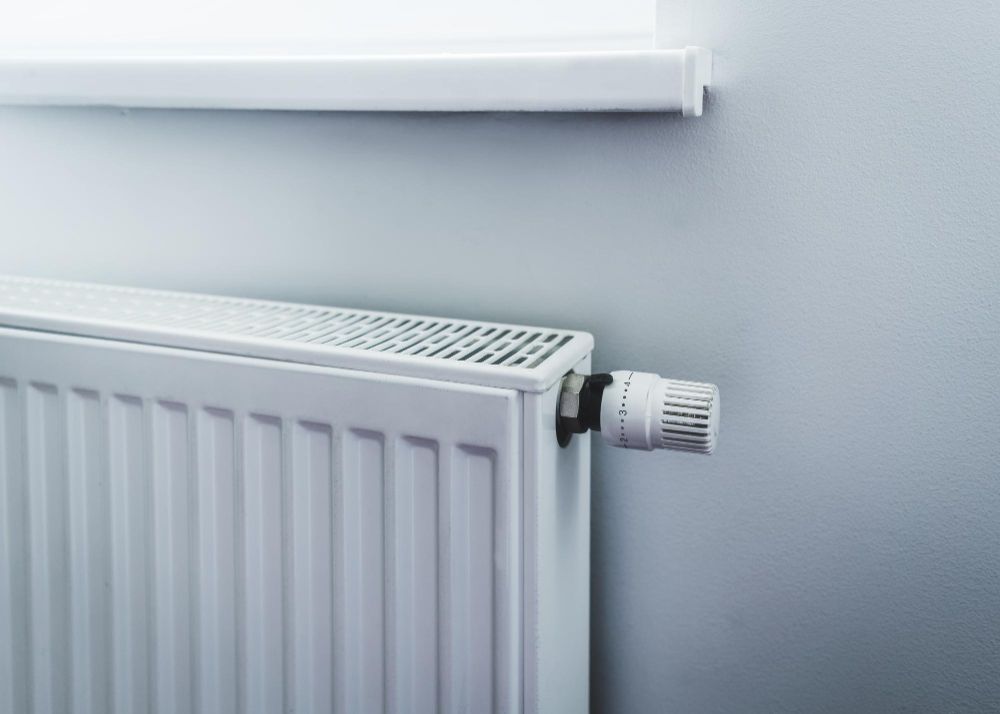
Ordinary paint of any colour makes almost no difference to heat output, because colour affects visible light rather than the infrared the panel emits.
The exception is metallic paint, which measurably reduces the radiant component. The old habit of painting radiators silver was the one choice that worked against itself.
15. The Size Was Calculated, Not Chosen
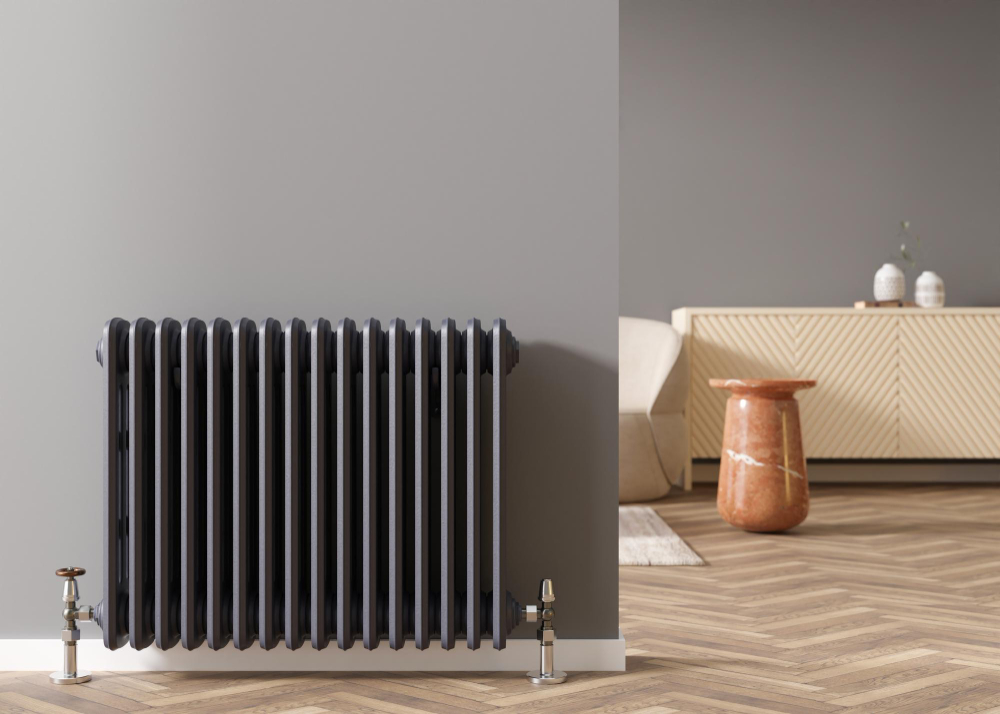
Each panel’s output was worked out from the volume of its room, the area of external wall and glass, and how much heat that room loses.
This is why panels differ in size around a house in a way that looks arbitrary, and why replacing one with a smaller one to suit the furniture has consequences.
16. The Ticking Is the Metal Changing Size
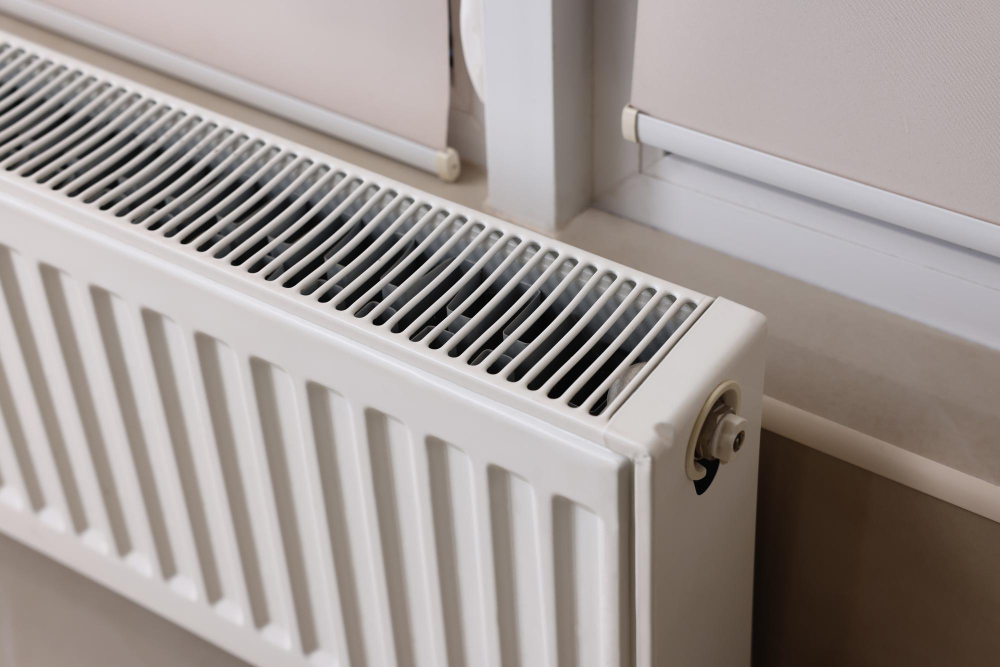
Steel expands as it warms and contracts as it cools, and the panel is held by brackets that resist the movement.
The clicks are the metal releasing in small jumps as it slides, which is why they come in a burst after the heating starts and again after it stops.
A Convector With the Wrong Name
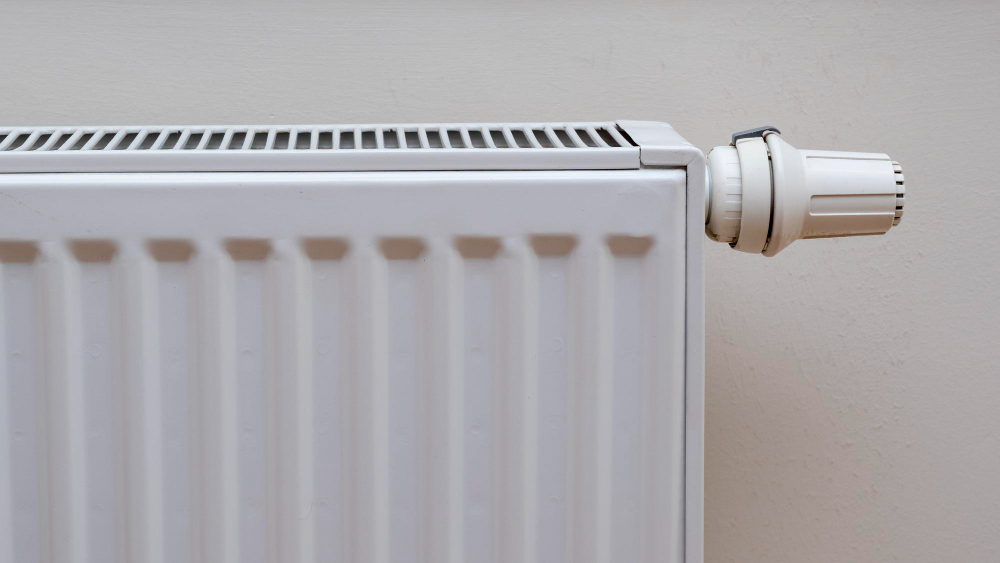
Mostly convection rather than radiation, placed beneath the glass to cancel the draught at source, diagnosable by which half is cold, controlled by a valve that measures air rather than water, and ticking because steel changes size.
The fifth and sixth items together are worth more than anything else here. Cold at the bottom and hot at the top means sludge has settled in the lowest part of the panel; cold at the top and hot at the bottom means air has collected in the highest part. Identical-sounding complaints, opposite causes, and both identifiable with one hand.
Like our content? Follow us for more.